
We put a lot of effort into improving our gameplay – practicing aim, learning maps, and creating strong characters. But how often do we practice actually talking to our teammates? Communication is often seen as just a ‘nice-to-have’ skill, but it’s just as important as anything else in the game. It’s something you can actively improve, measure, and that directly affects whether you win or lose. Just like you practice controlling your weapon, you can also learn to give clear, quick updates, write useful guides, and confidently lead your team. This article is designed to help you do exactly that. We’ll cover the basics, point out common mistakes, and give you exercises to become a better communicator.
Key Takeaways
- Prioritize Clear and Concise Messages: Effective communication gets the point across quickly without causing confusion. Whether you’re making an in-game callout or writing a guide, focus on delivering essential information that is both easy to understand and brief enough to be acted on immediately.
- Master Your Communication Toolkit: Don’t rely on just one method to communicate with your team. Learn to combine quick pings for simple alerts, voice chat for detailed strategies, and pre-game planning to ensure everyone starts on the same page.
- Apply Good Habits to Content and Community: The same principles that help you win matches also build better communities and guides. Use direct language, logical formatting, and clear rules to create helpful content and a welcoming space for all players.
What is Clear Communication in Gaming?
Seriously, good communication is what makes or breaks a team. When everyone’s on the same page and we’re quickly sharing info – like what’s happening with enemies, our plans, or if we need help – we actually have a chance to pull off cool strategies and win. I’ve seen so many games fall apart just because people weren’t talking! It’s the difference between a perfectly timed team fight and getting completely wiped because we were all out of sync. If we don’t communicate, even if we’re all individually good players, we’re just gonna end up wondering what went wrong on the defeat screen.
As a gamer, I’ve noticed something about the matches I really enjoy – everything just clicks. We’re all on the same page, calling out enemy positions quickly and understanding the plan without a ton of explanation. It’s amazing how much better we play when we communicate well! It’s not just about chatting, though; it’s about giving the right info at the right moment so everyone knows what to do. Whether I’m leading a raid, pushing an objective, or even trying to explain a strategy in a guide, good communication is key. And honestly, I think anyone can get better at it. It really comes down to being clear and getting straight to the point.
Clarity vs. Brevity: What’s the Difference?
These two ideas are often mixed up, so let’s look at them separately. Clarity means ensuring your message is easily understood – being precise and leaving no room for confusion. For instance, simply saying “He’s low!” isn’t very helpful. Who are you referring to, and where are they? A much clearer way to communicate would be something like, “Reaper is one shot, in the backline!”
Being concise, or brief, means getting your point across with as few words as possible, without sacrificing understanding. Especially in fast-paced situations like a team fight, there’s no time for rambling – you need to be quick and direct. Think of it this way: clarity is what you say, and brevity is how quickly you say it. Clarity makes sure your message is accurate, while brevity ensures it arrives in time to make a difference.
Why You Need Both to Win
To be truly effective, communication needs to be both clear and concise. A message that’s understandable but too lengthy can be useless by the time it’s received – imagine explaining an enemy’s location only to find they’ve already attacked. Conversely, a short message that lacks clarity just causes confusion. Simply yelling “Watch out!” isn’t helpful if your team doesn’t know what they’re supposed to be watching out for.
The real benefit comes from combining clear and concise communication. For example, a callout like “Genji flanking right” immediately tells your team what’s happening and allows for a quick response. Finding this balance is key to good teamwork and preventing frustration. When everyone understands each other, you’ll make better choices, work together smoothly, and stay positive, even when things get stressful.
How Poor Communication Ruins the Game
It’s a familiar situation: a crucial game is going well until a simple misunderstanding causes everything to fall apart. When teammates aren’t on the same page, it can quickly lead to defeat. Poor communication doesn’t just mean losing; it creates frustration, wastes time, and makes it feel like your team is working against each other. Unclear or unhelpful information can cause chaos, costing you the game and potentially ruining your enjoyment.
Things often fall apart due to miscommunication. It could be a teammate who stays quiet when they see danger, or someone who talks too much, making it hard to hear what’s important. Even resources meant to help, like guides and tutorials, can cause problems if they’re unclear or inaccurate, leading to wasted time and confusion. Ultimately, this leads to frustration, and fuels many in-game issues – from failed plans to heated arguments. We’ll explore the most frequent communication breakdowns and how they can turn a promising game into a loss.
When Game Guides Don’t Actually Guide
It’s frustrating when a gaming guide doesn’t deliver. You’re hoping for clear help with a difficult game or boss, but instead get confusing jargon and long, rambling explanations. Gaming can be complex, and it’s hard to explain things simply when people have limited time. A poorly written guide doesn’t just fail to help – it actually makes things more confusing, forcing you to spend time figuring out what the author meant instead of enjoying the game. The best guides, like a great setup for a game like Warzone, give you the essential information you need quickly, so you can get back to playing and winning.
Drowning in Calls: The Problem with Info Overload
Often, the issue isn’t that people aren’t talking enough, but that they’re talking too much. Imagine three teammates all yelling instructions at once, with pings flashing everywhere – it becomes impossible to know what’s important. This overload of information can shut down your ability to think clearly. Instead of working together, people get confused and end up acting on their own. Effective teamwork relies on clear and respectful communication, but that’s hard to achieve when everyone is just adding to the confusion.
Misplays and Meltdowns Under Pressure
Lack of clear communication can quickly ruin a game. A simple missed signal can leave your team vulnerable, and a confusing plan can waste valuable resources. As one player described it, sometimes you can ping, type messages, and even use voice chat, but teammates still seem to be doing their own thing. That feeling of being unable to get through to anyone is incredibly frustrating. Good communication helps teams work together smoothly, while miscommunication breeds frustration and anger. This is often where arguments start, leading to negative chat and a generally unpleasant experience for everyone involved.
Are You Making These Communication Mistakes?
Everyone experiences frustrating moments in games or when following guides – a failed attack, a disastrous raid, or instructions that just don’t make sense. More often than not, the issue isn’t a lack of talent, but poor communication. It’s easy to develop unhelpful habits without realizing it, especially when things get intense. These mistakes can annoy teammates, confuse people reading your guides, and ultimately prevent you from achieving your goals. Whether you’re leading a team or creating a tutorial, clear communication is what truly sets skilled players apart. It’s the key to turning a disorganized fight into a smooth victory, or a confusing explanation into a helpful guide. The first step to improving is recognizing where your own communication breaks down. By identifying these habits, you can make small adjustments that significantly improve your team’s performance and the quality of your content. Let’s explore some common communication mistakes and how to start correcting them right away.
Using Too Much Jargon
Games often develop their own unique terms – like “ganking” in team-based strategy games or “kiting” in online role-playing games. While these shortcuts are helpful for seasoned players, they can be confusing and unwelcoming to those new to the game. When teaching a strategy or writing a guide, using too much specialized language makes it hard for newcomers to understand. Aim to use clear language that everyone can follow, not just experienced players. If you need to use a specific game term, quickly explain what it means – your teammates and readers will appreciate the effort.
Overcomplicating Simple Strategies
Often, the most effective approach is the simplest one. It’s tempting to overexplain things, but turning a quick instruction into a lengthy explanation can actually hurt your team. When you make things too complicated, you risk confusing everyone and losing the core message. Keep it brief, especially when time is limited. Instead of detailing every possibility, focus on the most important action. For example, telling your team to “group up and attack” is much better than a long explanation about timing and abilities. Be direct, keep it simple, and give your team a clear, easy-to-understand goal.
Hiding the Point in a Wall of Text
If you’re writing guides or strategies – especially for things like raid bosses – remember that clear presentation is just as important as a good idea. Long, unbroken blocks of text are hard to read online, where people quickly scan for answers. Use headings, bullet points, and bolding to highlight key information and make your guides easy to follow. This helps readers quickly understand and use your strategies effectively.
Assuming Everyone Knows What You Know
It’s common to forget what it was like starting out after investing a lot of time in a game. This can make it easy to assume everyone else knows the same things – like where places are on the map, what characters can do, or the best strategies. But what seems obvious to you might be confusing to someone new. For a team to work well together, everyone needs to be on the same page, no matter their skill level. Before giving instructions, consider if a beginner would understand them. Adding a little explanation – like why a certain spot is good – can really help and make your whole team better.
How to Sharpen Your Communication Skills
Want to improve how you communicate while gaming? It’s not about being the most vocal, but about being the clearest. Just like any skill – aiming, learning a new character – you can get better at communication with practice. Often, we focus on mistakes in gameplay, but the real issue is often unclear communication or confusing strategies. Learning to communicate effectively reduces frustration, prevents repeated failures, and makes the gaming experience more enjoyable for everyone.
Being clear in your communication – whether you’re leading a group, coordinating in a game like Warzone, or writing guides – will make you a better teammate and help you contribute more effectively. Clarity is essential for good teamwork and building a positive gaming community. By practicing these four habits, you can ensure your messages are always heard and understood, especially when it counts.
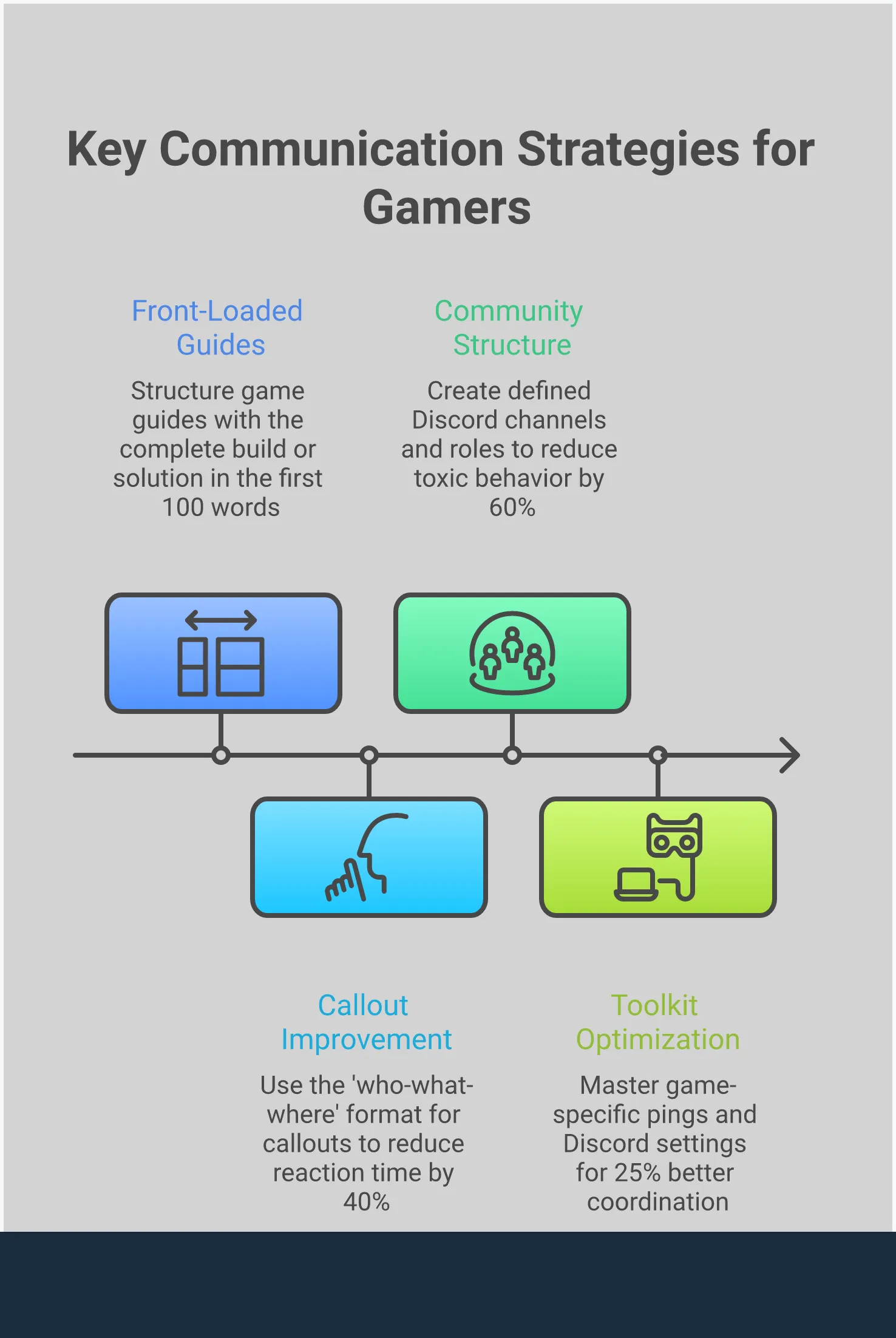
Get to the Point, Fast
During a team fight, quick communication is key. Get straight to the point – avoid unnecessary details and focus on delivering essential information clearly. For example, instead of a lengthy explanation like, “I think there’s an enemy on that building, I shot at them a few times,” simply say, “Sniper, top right, one shot.” This gives your team immediately useful information, allowing them to react faster and potentially turn the fight in your favor.
Use Direct, Active Language
Clear, direct language gets results and avoids misunderstandings. Tell your team exactly what to do with strong action verbs. For example, say “Push B now” instead of “B should be pushed.” The first is a clear instruction, while the second is just a suggestion. This principle applies to instructions and guides as well. When explaining something like how to create the best Warzone loadout, use commands like “Equip the Monolithic Suppressor” instead of saying “The Monolithic Suppressor is a good attachment to consider.” Being direct helps people understand quickly and confidently, whether they’re playing the game or getting ready to play.
Organize Your Thoughts Logically
Effective communication needs to be clear and organized. When pointing out dangers, focus on the most urgent threats first. For example, if a boss is preparing a dangerous attack and a weaker enemy is also causing trouble, warn about the boss attack first. This helps avoid overwhelming your team and keeps everyone focused on surviving. Similarly, when writing guides or explaining strategies, present information in a logical, step-by-step order. Disorganized information can lead to mistakes, so always think about the best way to present your ideas to ensure clear communication in video games.
Explain Terms When You Need To
As a gamer, I’ve learned every game has its own language, and it’s easy to fall into using slang like “gank,” “kite,” or “proc” without realizing not everyone knows what you’re talking about! When I’m playing with new people, or trying to explain something to a wider audience, I try to remember not everyone shares my gaming vocabulary. I don’t want to over-explain, but a little context goes a long way. Instead of just shouting “Kite the boss!”, I’ll say something like, “Kite the boss around the pillar to lose its attention.” That little bit of extra info makes sure everyone understands what we’re trying to do. Taking the time to explain things helps us work together better and makes the game more fun and welcoming for everyone.
How to Create Game Content That Helps
Have you ever used a game guide that was confusing instead of helpful? It’s a common problem. You’re looking for a specific item or trying to defeat a difficult enemy, but the guide is just a long, rambling text that doesn’t get straight to the point. Making useful content – like a character build, strategy explanation, or quick tip – isn’t just about knowing the facts. It’s about presenting them clearly so people can actually succeed.
Great content values the player’s time and focus. When someone searches for help, they’re usually in the middle of a game and feeling frustrated, so they need a quick, clear solution. Your aim should be to provide that answer as easily as possible. Think about the guides you enjoy – they’re probably straightforward, well-structured, and let you get back to playing quickly. By prioritizing clarity and getting straight to the point, you can create helpful guides and tips that people will actually use and share. The key is to eliminate unnecessary information, focus on what the player needs to do, put the most important information first, and make the content visually easy to read.
Cut the Fluff and Filler Words
Players need help immediately. Skip lengthy explanations about backstory or your own experiences. Get straight to the point – be concise! Think of it like a quick, helpful tip in the game: say only what’s necessary. Instead of saying, “To complete this objective, it’s recommended you go to the northernmost tower,” simply say, “Go to the north tower.” Remove unnecessary words like “basically,” “in order to,” and “that.” Your players will appreciate it!
Focus on Actionable Steps
Gamers turn to guides when they want to accomplish something specific. Your content should provide clear, step-by-step instructions, not just general advice. Use strong, action-oriented verbs to tell readers exactly what to do. For example, instead of saying, “This is a good place to find items,” write, “Check these chests for valuable items.” Every sentence should guide the player forward. This transforms your guide from something they simply read into a helpful tool. Just like you’d list specific attachments when writing about the best Warzone loadouts, be equally direct in all your content.
Put the Most Important Info First
Gamers are skilled at quickly finding the information they need, so make it easy for them. Don’t bury important details – put the most crucial information at the very beginning. For example, if you’re writing about a game build, show the complete build right away. You can add details and options later, but answer their main question immediately. This is particularly important for news and updates – when a new update releases, players want to see what changed right away, not read a long introduction first. Get straight to the point and deliver the key information upfront.
Use Formatting to Make Reading Easier
Large blocks of text can be overwhelming and difficult to read, especially on smaller screens. To make your content more appealing, use clear formatting! Organize your ideas with headings and subheadings, and use bullet points or numbered lists for things like steps or features. Emphasize important words and phrases with bold text. Good formatting helps readers quickly find what they need, shows respect for their time, and makes your content easy to understand – similar to how a well-designed meme can really connect with people.
What Are the Best Communication Tools for Your Team?
Being able to communicate is important, but having the right communication tools is just as crucial. Successful teams find a rhythm by using a variety of tools to stay connected. Depending on only one method – like constant chatting or just sending quick updates – can create weaknesses in your plan. The trick is to know what each tool does best and combine them for a smooth and consistent flow of information.
Having the right communication tools can significantly improve your team’s performance and enjoyment, whether it’s during a match with quick updates or before a game with detailed strategy. Here’s a look at the key tools you’ll need.
Pings and Quick Commands
Pings are a fast and easy way to communicate with your team. Instead of lengthy explanations like “enemy on the ridge to the west,” a quick ping gets the message across instantly and visually. Most games have excellent ping systems that let you mark enemies, suggest where to go, or point out valuable items without overwhelming the voice chat. Many players find that while voice chat is useful for important details, most communication can be handled effectively with pings. This keeps the voice channel clear for urgent, time-sensitive information. Think of pings as the core of your team’s communication – they’re quick, essential messages everyone can quickly understand.
The Power of Voice Chat
When a game gets tricky, talking to your teammates through voice chat is the best way to succeed. It allows for quick, real-time strategy and teamwork. Whether you use the built-in game chat or an app like Discord, being able to directly communicate helps you coordinate complex actions, warn others about enemy positions, and change plans instantly. As one Helldivers 2 player said, good communication and teamwork are crucial for winning. Voice chat transforms a group of individuals into a unified team, especially when things get intense.
Visual Cues and On-Screen Markers
Make sure to utilize the in-game tools designed to help your team. Developers provide a lot of visual information – like objective markers, outlines of teammates even through walls, and indicators on the mini-map – to keep everyone informed. Noticing these cues is a subtle way to stay aware of what’s happening around you. For example, seeing a teammate’s health bar flash red or a contested objective marker instantly gives you important information without needing to be told. Using these visual cues alongside active communication, like pings and voice chat, will help your team have a full understanding of the battlefield.
The Pre-Game Huddle
Good communication often starts before the game begins. A quick pre-game chat – even just a minute or two – can save a lot of frustration. Use this time to talk about your overall plan, who will do what, and make sure everyone agrees on things like weapon choices (especially in games like Warzone). This ensures everyone understands the strategy and their role. It’s a simple way to improve teamwork, avoid mistakes, and create a positive atmosphere for the whole game.
Build a Better Gaming Community
Effective communication in gaming goes beyond simply calling out plays – it’s what builds strong communities. Whether you manage a large Discord server or a small team, creating a respectful and clear environment is essential. When players feel understood and valued, they’re more likely to stay involved, contribute positively, and collaborate effectively. This kind of positive atmosphere doesn’t just happen on its own. It takes deliberate effort – establishing clear rules, welcoming diverse players, setting expectations, and practicing teamwork to make it feel natural.
Set Clear Community Rules
Strong communities thrive when they have straightforward, easy-to-understand guidelines. These aren’t meant to limit people, but to help everyone enjoy the experience. When rules are clear and applied consistently, they stop small issues from becoming big problems. Start with essentials like prohibiting hate speech and spam, and always encourage respectful interactions. While disagreements are natural, ask people to share their thoughts in a constructive way. Finally, a simple way to report problems and resolve conflicts helps everyone feel safe and builds a more stable community.
Create a Welcoming Space for All Skill Levels
Your community will probably include both experienced and new players, so it’s important to make everyone feel comfortable. Don’t create an atmosphere where newcomers are hesitant to ask for help or join in. A good way to do this is to create specific channels where beginners can get assistance or find groups to play with. Encourage your more experienced members to guide and support new players instead of excluding them. Sharing knowledge and celebrating even small achievements will foster a positive and encouraging environment where everyone wants to improve. A community that welcomes players of all skill levels will grow stronger and become more enjoyable for everyone involved.
Define Team Roles and Responsibilities
Success in any team activity, from competitive esports to casual gaming groups, depends on clearly defining each player’s role. When everyone knows what they’re responsible for, things run smoothly and efficiently, avoiding confusion. This allows players to concentrate on their individual tasks – whether it’s leading strategy, providing support, or taking the offensive. Having well-defined roles reduces conflict and helps the team work together seamlessly. This is particularly important in games like Warzone, where each player’s equipment should match their role in battle.
Practice Coordinating as a Team
Strong teamwork doesn’t happen by accident – it requires practice. Just like athletes train their skills, your team needs to work on communicating effectively. Regularly practice together through drills, practice matches, or consistent play. After each game, discuss what worked well and how you can improve. Watching recordings of your gameplay is a great way to analyze your team’s communication and find areas to focus on. Better communication leads to improved performance and fewer frustrations. The more you practice, the more trust and understanding you’ll build, allowing your team to predict each other’s actions and respond quickly.
How to Know if Your Communication Is Improving
You’re working to become a better communicator – but how do you know if it’s actually helping? Unlike a game, there’s no simple way to track your progress in things like teamwork or writing. However, you can tell you’re improving by looking at the results. Pay attention to how well you perform, how strong your relationships with others are, and how your community responds. If you see positive changes in these areas, it means your efforts are paying off.
Better communication makes gaming more enjoyable for everyone, not just about winning. When you clearly explain your strategies, you’ll have fewer frustrating moments, work together more effectively, and build a stronger team. This leads to more positive interactions, even when you don’t win. By focusing on key communication skills, you can see how much you’ve improved and where you can still grow. It takes effort, but tracking your progress will keep you motivated and help you discover what works best for you.
Watch Community Engagement
A strong, supportive community is a great sign of healthy communication. When people feel safe and respected, they’re more likely to share ideas and help each other, leading to fewer arguments and more productive discussions. A good community allows everyone to voice their opinions without being silenced. If you’re leading a community or creating content, watch for more positive comments, helpful interactions, and a general feeling of friendship – these are all signs that you’re building a positive environment.
Track Your Team’s Performance
Success in team games often comes down to how well everyone communicates. When your team talks effectively, you’ll likely see better coordination, more wins, and improved overall performance, especially in fast-moving games. Clear communication minimizes confusion, allows for faster responses to what the enemy is doing, and helps everyone execute plans smoothly. If everyone understands each other – from sharing important information to using the best equipment – your team can achieve much more. A higher win rate is a great indicator that your communication strategy is working.
Listen to Feedback from Others
It’s hard to know how well you’re doing if you don’t get input from others. Listen to what your teammates and community say – are they finding your advice useful and easy to understand? Getting and considering feedback is really important. You could even set up Q&A sessions or dedicated spaces for people to share their thoughts. Positive reactions and helpful criticism show people are paying attention and connecting with how you communicate.
Measure Your Content’s Clarity
When you create instructions, videos, or any kind of content, focus on making it clear and to the point. Effective communication means being precise and avoiding unnecessary details. Take a look at your own work and ask yourself: Is the key information easy to spot? Are the steps simple to understand? A good test is to have someone unfamiliar with the topic review it – if they grasp the main ideas, you’re on the right track. Writing that’s clear and concise shows respect for your audience and makes your content much more impactful.
Related Articles
- Deus Ex LFG: Connect with Other Augs in LFG Feature on Z League App
Frequently Asked Questions
Should you prioritize speed or clarity when communicating during a game? Ideally, you want both. A quick callout that’s unclear will only cause confusion, and a perfectly clear callout that’s too late isn’t helpful. The key is to find a balance. Instead of lengthy explanations, focus on delivering essential information – who, what, and where – in just a few words. For example, say “Tracer, backline, one shot” instead of simply shouting “Help!” This takes practice, but it becomes easier with time.
It’s frustrating when teammates don’t communicate, but remember you can only control what you do. The best approach is to be a good example: make your own communication clear, brief, and use the ping system to highlight enemies and important locations. Providing consistent, helpful information might encourage others to speak up, and even if they don’t, your pings and callouts still benefit the whole team.
It’s totally possible to be a great communicator even if you’re shy and prefer not to use voice chat! Voice is just one way to get your message across. You can become a really effective teammate by learning to use the in-game ping system well. A well-placed ping can share important info about where enemies are, suggest a plan, or ask for backup – just like talking, but often without being disruptive. If you consistently use clear pings and markers on the screen, your team will definitely notice and appreciate it.
Giving advice to a teammate can be tricky! To avoid sounding rude or causing conflict, pay attention to when and how you offer it. Don’t offer feedback when emotions are running high – wait for a calmer moment, like between rounds or after the game. Focus on what the team can do better together, rather than pointing out individual errors. For instance, instead of saying “You messed up by going in alone,” try something like “Let’s focus on staying together as a team when we attack next time.” This makes it feel like you’re working with them, not criticizing them.
Okay, so I’m planning on writing a guide, but I’m stressing about actually making it useful. I think the biggest thing is to just respect people’s time, you know? I need to get straight to the point and put the really important stuff right up front. I’m gonna use lots of headings, bullet points, and bold text so people can quickly scan it and find what they need. Honestly, most of us just want a quick answer so we can get back to playing! If I focus on giving clear, easy-to-follow steps without a bunch of fluff, I think it’ll be a really helpful guide.
Read More
- Gold Rate Forecast
- What is Omoggle? The AI face-rating platform taking over Twitch
- Scientology speedrun trend escalates as viewers map out Hollywood facility
- Japanese Coast Guard rescue a “lone flamingo” that was lost at sea
- Man pulls car with his manhood while on fire to raise awareness for prostate cancer
- Beyond Traditional Risk Metrics: Forecasting Market Volatility with Bayesian Networks
- How To Grow Money Trees In Animal Crossing: New Horizons
- The Boys Confirm Why People Still Look Up to Homelander
- Audible opens first ‘bookless bookstore’ in New York
- Outer Range: The Underrated Western Sci-Fi Series That’s Aging Well
2026-03-05 17:06