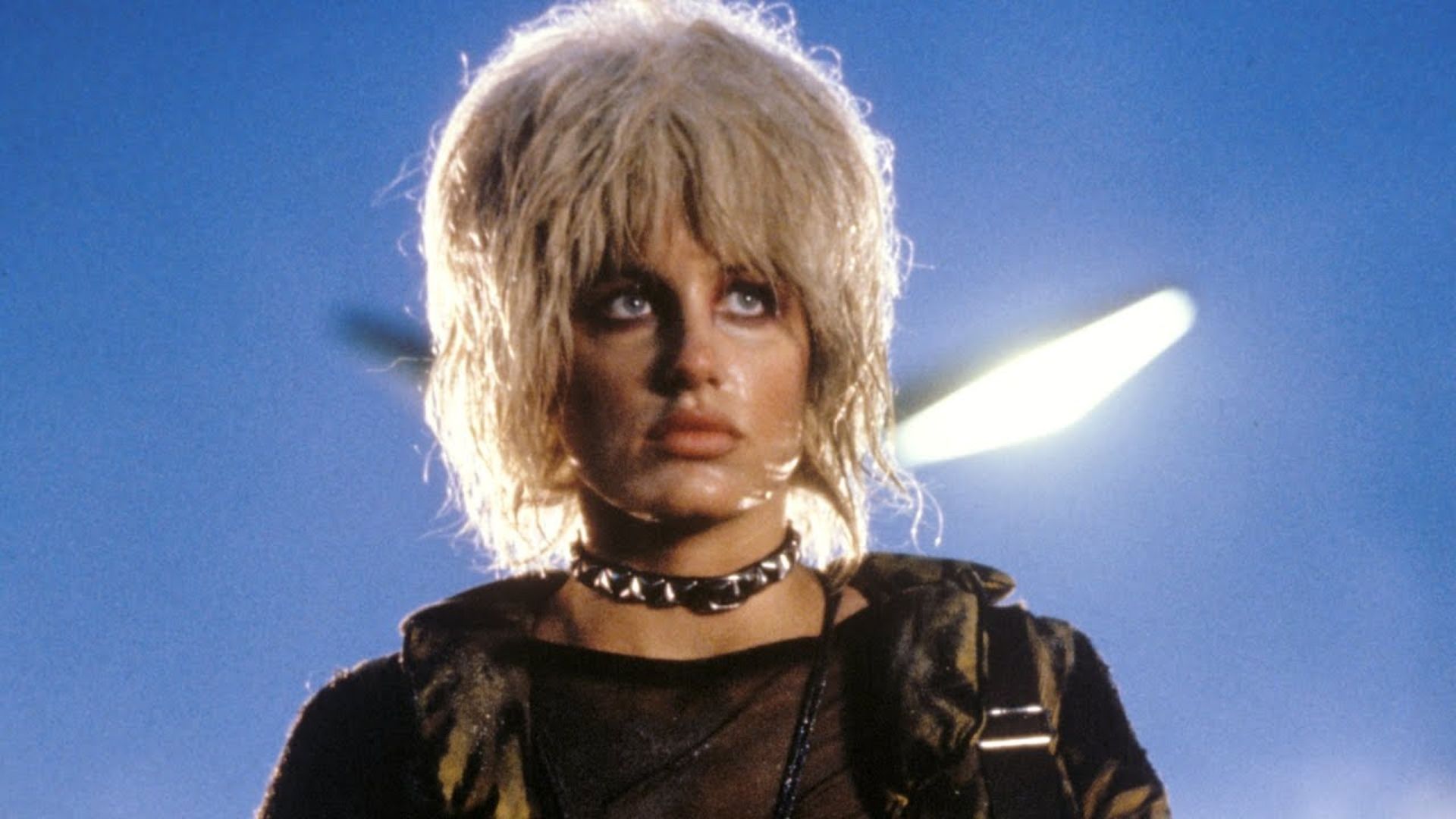
Ridley Scott’s Blade Runner, now a highly influential film in the cyberpunk science fiction genre, had a slow start when it was released in 1982. Despite a $30 million budget, it only just made back its money in the United States, eventually earning $39.5 million worldwide. Over the years, it grew beyond being a cult favorite to become widely recognized as one of the most important and forward-thinking science fiction films ever created. In 1993, the Library of Congress added it to the National Film Registry, acknowledging its cultural significance.
Even dedicated fans of Blade Runner might not know that the film has gone through seven different edits over the years. Director Ridley Scott continually improved his original idea with each version, and finally, his 2007 Director’s Cut was the one he officially approved. This version is now considered the ultimate Blade Runner experience and has cemented the film’s place as a science fiction classic.
‘Blade Runner’ Overcame Its Box Office Performance to Achieve Cult Status
Warner Bros.
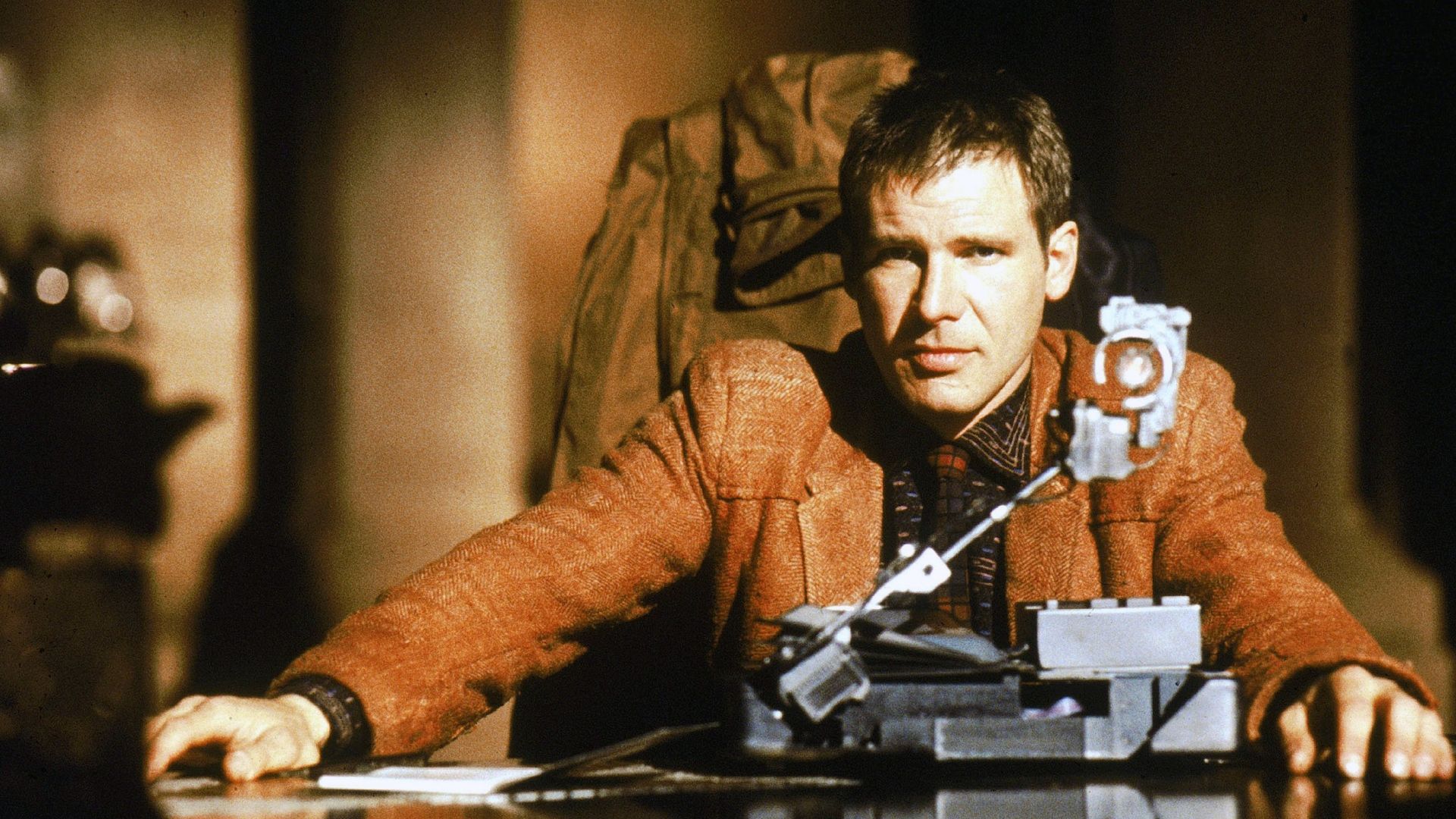
Ridley Scott’s Blade Runner is a sci-fi classic inspired by Philip K. Dick’s novel Do Androids Dream of Electric Sheep?. The film follows Rick Deckard (Harrison Ford), a bounty hunter who hunts down and retires bioengineered humans called replicants. Set in a decaying yet technologically advanced Los Angeles of 2019, the film is known for its striking visuals – a blend of urban grit, soaring futuristic buildings, flying cars, and glowing neon lights. A central question explored in the film is whether Deckard himself is a replicant.
Rick Deckard, a blade runner, is tasked with finding and retiring four rogue replicants – Leon, Zhora, Pris, and Roy Batty – who are hiding within the city. His hunt takes him through a gritty, futuristic urban landscape unlike anything audiences had seen before. The investigation becomes increasingly complex when Deckard discovers that some of these replicants have been given implanted memories, blurring the line between human and artificial life.
When Blade Runner came out in June 1982, it didn’t do very well in theaters domestically. It earned $32.6 million in the U.S. and Canada, despite costing $30 million to make, and eventually brought in another $7 million internationally for a total of $39.5 million worldwide. Critics, however, generally liked the film, praising director Ridley Scott’s imaginative future world, brought to life by beautiful visuals, a memorable musical score, and impressive production design that felt remarkably ahead of its time.
I always felt a bit frustrated hearing some critics call the movie confusing or slow. It seemed like they missed the point of its deeper, philosophical ideas! Apparently, the studio agreed with some of that criticism, and they ended up making a lot of changes. In fact, there were seven different cuts of the film released – it’s a shame they didn’t fully trust the original vision, as I loved it just the way it was.
Seven Different Versions of ‘Blade Runner’ Resulted From Studio Interference
Warner Bros.
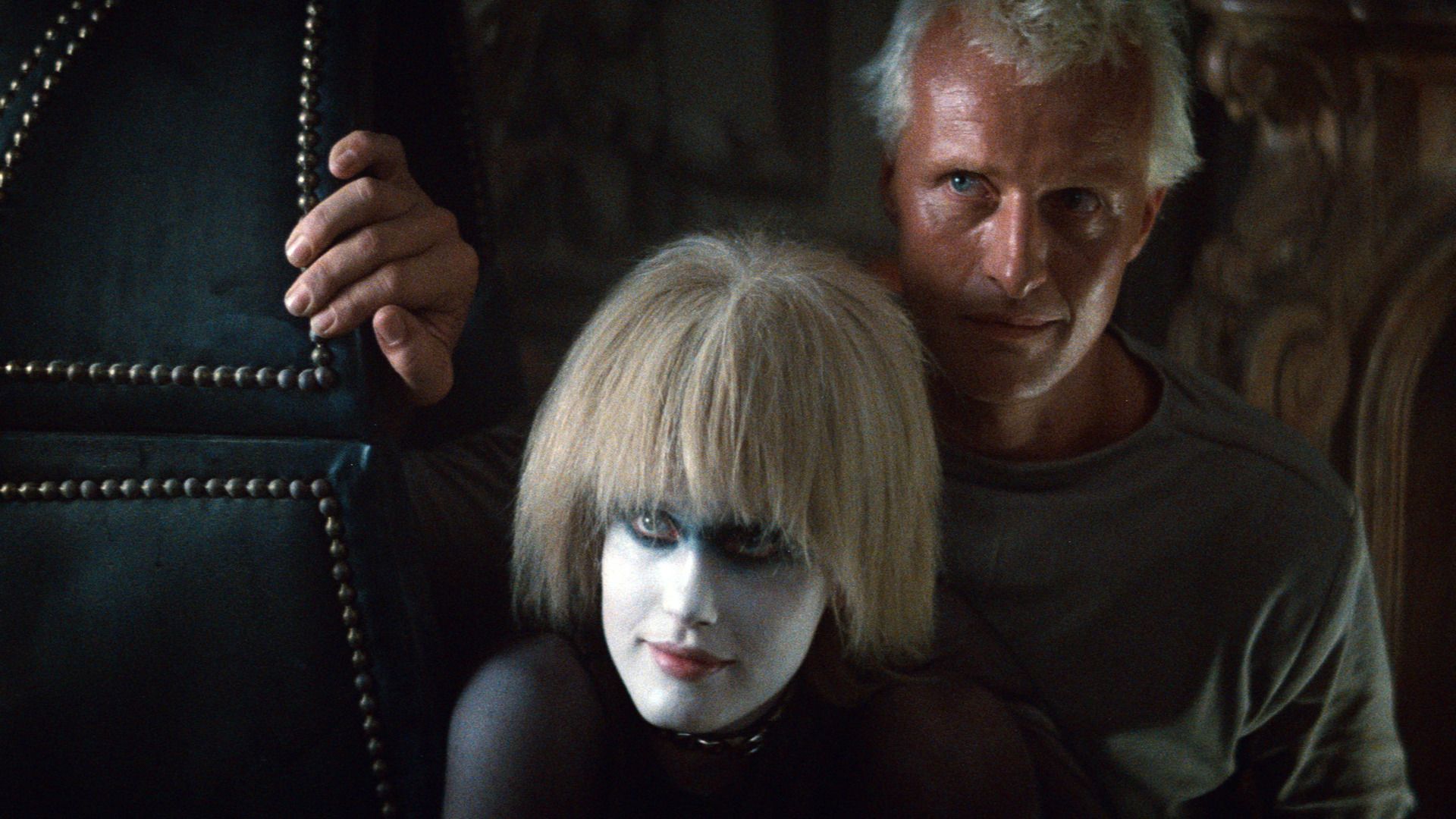
Between 1982 and 2007, there were seven different versions of Ridley Scott’s Blade Runner shown to the public. It began in March 1982 with a preliminary “Workprint” shown to audiences in Dallas and Denver. This 113-minute version didn’t receive positive feedback, so Scott made revisions before the film was released in theaters in the U.S. It was also shown in Los Angeles and San Francisco in 1990 and 1991.
After the initial edits, a preview screening in San Diego showed a version of the film that was very close to the one released to American audiences in June 1982. The changes included three new scenes: Roy Batty’s first appearance in a video phone booth, Deckard reloading a weapon after his fight with Batty, and a final shot of Deckard and Rachael driving happily into the sunset.
As a big fan, I was thrilled the original, upbeat ending stayed in the version of Ridley Scott’s film that came out in the US in June 1982. But honestly, that version also included a voice-over narration by Deckard that really explained things too much, ruining the beautiful ambiguity of the movie. Apparently, Scott didn’t even want that voice-over – the studio added it because they thought audiences wouldn’t get it without everything being spelled out for them. Both Scott and Harrison Ford were furious about it, and it kicked off a series of further changes over the years.
The fourth version of Blade Runner, released in Asia, Australia, and Europe in 1982 and often called the “Unrated Version” or “Criterion Edition,” kept the original voice-over but included three very violent scenes, bringing the total length of the film to 117 minutes.
In 1992, director Ridley Scott released a “Director’s Cut” of Blade Runner, which was the fifth version of the film. This 116-minute cut incorporated notes Scott had given to film archivist Michael Arick, most notably removing Deckard’s voiceover, adding the unicorn dream sequence, and cutting the original ending featuring Deckard and Rachael. While a broadcast version also exists as one of the film’s seven iterations, Scott considered the 2007 release of Blade Runner: The Final Cut to be his ultimate, unaltered vision.
Ridley Scott’s 2007 Final Cut Solidifies ‘Blade Runner’s All-Time Greatness
Warner Bros.
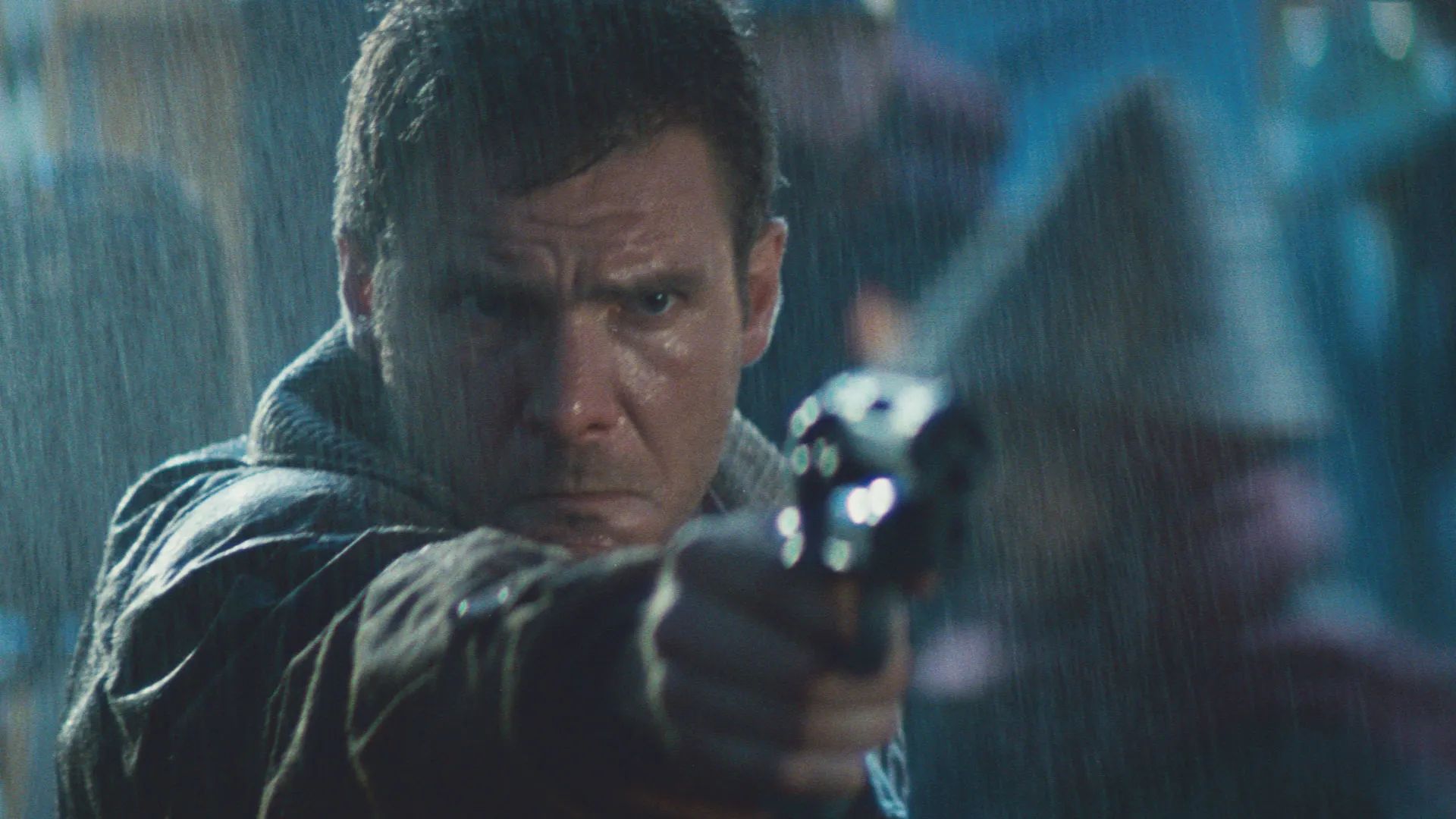
After 25 years, director Ridley Scott was able to create his ideal version of Blade Runner with The Final Cut, released in 2007. It premiered in theaters in October and became available on DVD, HD DVD, and Blu-ray the following December. This 117-minute cut is the version Scott always wanted, and it was the first time he had complete control over the film’s editing.
The biggest differences in the Final Cut of the film are the removal of Deckard’s voice-over narration and the addition of a hopeful ending showing Deckard and Rachael driving off together. This version also includes Deckard’s dream about a unicorn, which was incorrectly believed to be a lost scene from Ridley Scott’s 1985 film Legend. Other, less noticeable changes involved improving the film’s visuals and sound, such as digitally removing the wires used to suspend the actress playing Zhora and substituting her with a stunt double for more complex movements.
Subscribe to the newsletter for deeper Blade Runner insights
Explore director’s cuts, restoration choices, and the creative stories behind films like Blade Runner, and subscribe to the newsletter for deeper analysis, archival context, and expert breakdowns that enhance your appreciation of cinematic craft.
The film’s iconic opening shot, featuring an eye reflecting city lights, was enhanced with digital effects to make the iris appear larger. The movie’s colors were also refined to make it look even more visually impressive. As a final touch, short, extra moments were added, including a bit more conversation during Leon’s interrogation.
As a film lover, I truly believe Ridley Scott crafted a masterpiece with Blade Runner. He really honed in on what made the story special, trimming away excess and adding just the right touches, which is why it’s become such a landmark dystopian sci-fi film. Beyond just launching the cyberpunk look that everyone still tries to copy, it holds up incredibly well even now, decades later. And the big question at its heart – taken from Philip K. Dick’s novel, about whether artificial beings can truly have a soul – feels more urgent than ever with all the advancements we’re seeing in artificial intelligence today.
Even beyond its thought-provoking ideas about what it means to be human, Blade Runner still features incredible performances. Harrison Ford perfectly captures the enigmatic nature of Deckard, leaving the question of whether he’s a replicant himself unanswered, and Rutger Hauer delivers what many consider his finest performance as the complex Roy Batty. The film is also filled with memorable supporting characters brought to life by actors like Hannah, Young, James, and seasoned veterans Joe Turkel, M. Emmet Walsh, and James Hong, all contributing to its lasting impact.
When Blade Runner first came out, many people didn’t understand it. Today, it’s considered a classic example of dystopian, cyberpunk science fiction. Critics and audiences alike love the film – it has an 89% rating on Rotten Tomatoes (with a 91% audience score), an 84 Metascore, and ranks #196 on IMDb’s Top 250 Movies with a rating of 8.1. While it took director Ridley Scott 25 years to create his preferred version, the last two decades have shown that releasing Blade Runner’s Final Cut was the correct choice.
Read More
- Gold Rate Forecast
- What is Omoggle? The AI face-rating platform taking over Twitch
- Elden Ring Is Back With A New Free Game, Thanks To The Fans
- Audible opens first ‘bookless bookstore’ in New York
- 10 Adorable Quotes from Diana in Pragmata
- Wartales Curse of Rigel DLC Guide – Best Tips, POIs & More
- How To Grow Money Trees In Animal Crossing: New Horizons
- 10 Relentless ’80s Movie Remakes That Make the Perfect Double Feature With The Running Man
- The 10 Best Performances In The Star Trek Movies, Ranked
- Senate Crypto Gamble Advances: What Price Does the Soul Pay?
2026-03-03 16:19