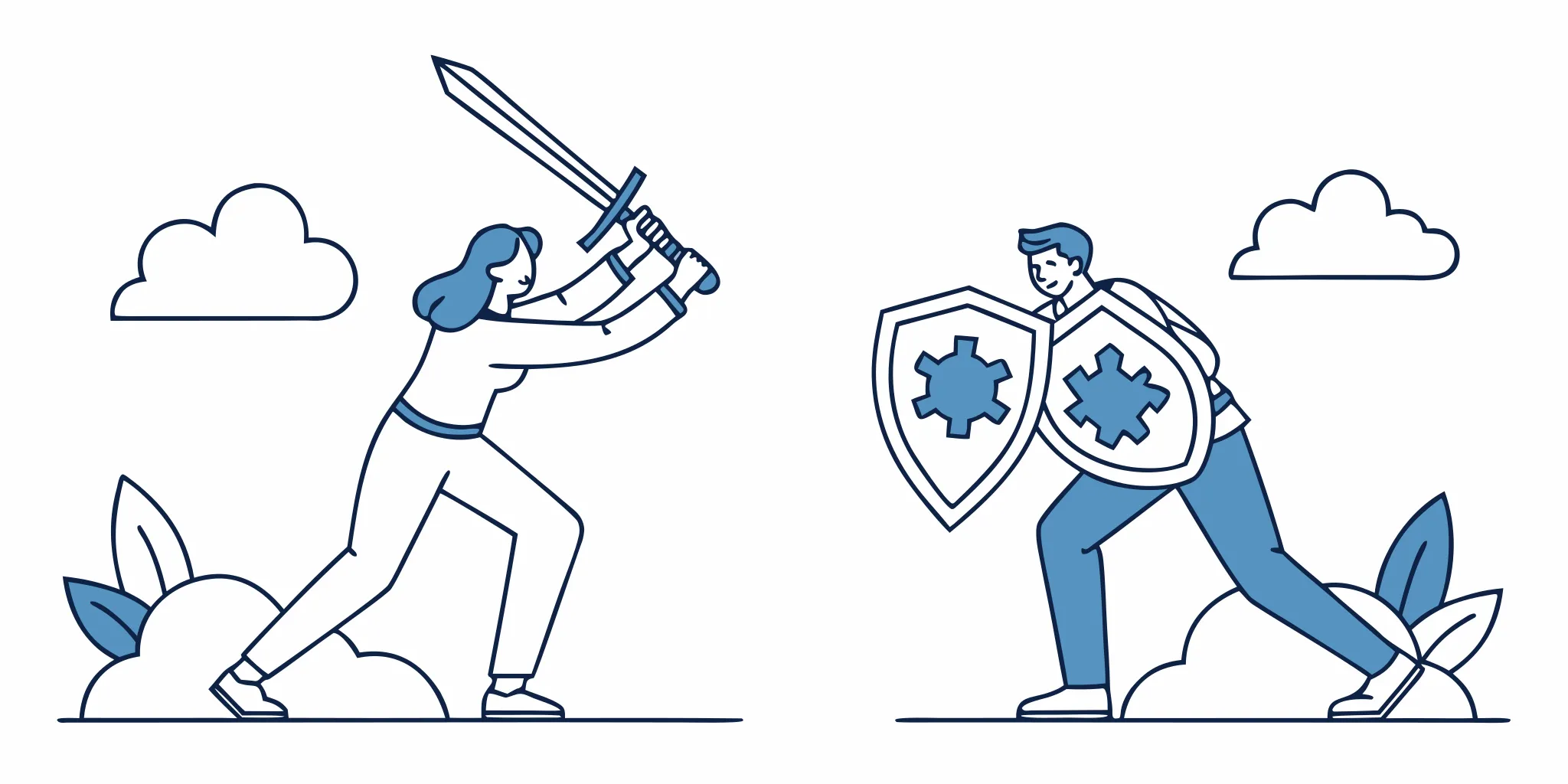
Online gaming truly comes alive in two key moments. The first is the rush of realizing you’re facing a real person – another player who can be just as skilled and surprising as you are. The second is the rewarding feeling of a plan coming together perfectly, when you and your teammates flawlessly defeat a seemingly unbeatable enemy. These experiences capture the heart of both Player vs. Player (PvP) and Player vs. Environment (PvE) gameplay. While both are exciting, they offer different kinds of challenges and appeal to different players. This article will help you understand what makes each style of play unique and discover which one is right for you.
Key Takeaways
- Choose your challenge: Unpredictable players or structured systems: PvP offers a dynamic test of skill against other people where adaptability is key, while PvE provides a more predictable path focused on teamwork, strategy, and mastering game mechanics.
- Adopt a growth mindset to improve faster: How you react to challenges, especially losses, dictates your progress. View every defeat as a chance to analyze your strategy and refine your skills rather than as a simple failure.
- Become a well-rounded player by trying both modes: The quick decision-making learned in PvP can help in chaotic PvE encounters, while the strategic preparation from PvE can give you an advantage in competitive matches.
PvP vs. PvE: What’s the Difference?
Okay, so when I start a new game, the first thing I usually figure out is who I’m actually fighting. Am I battling other players online, or am I working through the game’s story and enemies? That’s basically the difference between PvP and PvE. PvP is Player versus Player – it’s all about competing against real people. PvE is Player versus Environment, meaning I’m fighting the game itself – monsters, bosses, completing quests, that kind of thing. Both are super fun, but in different ways. Knowing the difference helps me decide what kind of game I’m in the mood for and how I want to play!
What is Player vs. Player (PvP)?
Player versus Player, or PvP, means you compete against other people online – not computer-controlled opponents. This makes for a much more unpredictable and exciting experience, as each player has their own unique style and reactions. It’s all about the challenge and competition! One popular gamer described it as the fun of having powerful gear and taking on the world, knowing you’re truly testing your abilities against skilled opponents. While having good equipment can help, success in PvP ultimately comes down to your smarts and quick thinking.
What is Player vs. Environment (PvE)?
Player vs. Environment (PvE) focuses on working with others, or playing alone, to overcome challenges within the game itself, rather than competing against other players. In PvE, you’ll complete quests, explore areas, and fight computer-controlled enemies. It emphasizes strategy and teamwork over quick reflexes and outsmarting opponents, allowing you to really get lost in the game’s story and world. This often creates a more relaxed and friendly atmosphere, where you might even feel bad about attacking other players! PvE lets you enjoy details like the story and music without the constant pressure of player-versus-player combat.
PvP vs. PvE: Key Differences
Games often include both player-versus-player (PvP) and player-versus-environment (PvE) content, but they offer very different ways to play and appeal to different types of gamers. Though the game’s basic mechanics might be similar, how you tackle challenges, interact with others, and experience the game world will feel quite different. Recognizing these differences is key to finding what you enjoy most and achieving success. It’s more than just whether you’re fighting other players or monsters; it’s about how predictable things are, the level of risk involved, and what you find satisfying.
Skill and Learning Curve
The skills needed to excel in Player versus Environment (PvE) and Player versus Player (PvP) are very different. PvE focuses on learning enemy attack patterns and getting ready for specific challenges. You study boss fights, equip the right gear, and work with your team to follow a plan. While difficult, PvE is predictable, allowing you to perfect your strategy.
Player versus player (PvP) combat is all about being flexible. You’re up against other people who are just as capable of surprising you, so simply memorizing a plan won’t work. You need to understand how your character works, what your opponent’s character can do, and be able to react quickly to unexpected moves. Success in PvP means mastering the game’s rules and making fast decisions on the spot.
Rewards and Progression
Player versus Player (PvP) and Player versus Environment (PvE) offer different kinds of rewards to appeal to different players. PvE focuses on steady progress and teamwork. Players cooperate to defeat challenging bosses, earning better equipment that helps them overcome even harder obstacles. The enjoyment comes from winning together and feeling more powerful with each new item you get.
In player-versus-player (PvP) combat, rewards focus on how well you perform. You won’t necessarily get better weapons; instead, you might earn a higher rank, unique customization options, or the satisfaction of defeating other players. This system emphasizes improving your own abilities. While having good equipment is still helpful, the real reward is the excitement of winning through skill and strategy.
Time and Commitment
The way you spend your time also changes depending on whether you’re playing PvE or PvP. PvE often requires dedicating large blocks of time, like planning a raid that lasts several hours with your guildmates or spending a whole weekend repeatedly playing dungeons to get a particular item. It’s a long-term effort where sticking with it and working with others are more important than quick bursts of activity.
Player-versus-player (PvP) gameplay is usually more casual in terms of time commitment, but it requires a lot of concentration. You can play a few quick games whenever you have time, but each match needs your complete attention. It’s a fast-paced experience where a single error can mean losing, making it ideal for players who enjoy short, exciting challenges. Unlike other game modes, it doesn’t rely on regular, scheduled play – it’s about being prepared for intense action whenever you’re online.
Why Do Players Prefer PvP?
Some gamers thrive on the unpredictable challenge of playing against real people. Unlike playing against the computer, which follows a set pattern, player-versus-player (PvP) combat is full of surprises and demands quick thinking. It’s not just about winning the game, but about the thrill of measuring your skills against another determined player who can adapt and react. This creates a uniquely engaging experience that keeps players hooked and eager for the next challenge.
The Thrill of Competition
The main appeal of player-versus-player (PvP) combat is the desire to compete and test your abilities. It’s a chance to prove your skills, strategy, and quick reactions against other players, which fundamentally changes how you experience the game. As streamer ZLANER points out, accepting losses is key. He suggests not getting upset about losing, and even seeing it as a positive – a way to free up space in your inventory! This attitude transforms every match, win or lose, into an opportunity to learn and improve. It’s about more than just having the best equipment; it’s about embracing the competitive spirit.
The Adrenaline Rush
There’s a unique thrill to player-versus-player combat, especially when the stakes are high. It’s that rush you feel when you’ve invested time and effort into your gear, knowing it could all be lost in a single encounter. That risk is what makes victory so satisfying. As one player put it, the feeling of being fully equipped is exciting because you know another player could take it all away from you, creating a nervous energy. That feeling is pure adrenaline. While challenging, player-versus-environment content rarely creates the same intense experience of knowing another player is actively trying to defeat you, leading to memorable moments you’ll be talking about for a long time.
Dynamic Combat Scenarios
Fighting other players (PvP) is different from fighting computer-controlled enemies. Humans are unpredictable – they make errors, sometimes play amazingly, and quickly change their strategies. This makes each battle feel fresh and exciting, like a unique challenge that you have to figure out as it happens. This constant change is what makes PvP so captivating. One player even said that PvP adds a sense of balance and fairness to the game, bringing real consequences to your actions. It’s not just about winning against the game itself; it’s about outthinking another person, which is incredibly rewarding.
What’s the Appeal of PvE?
Although many gamers focus on competitive player-versus-player (PvP) battles, a large community enjoys playing with the game’s environment, known as Player versus Environment (PvE). PvE isn’t just a less stressful option; it offers a unique and often more fulfilling experience. It’s about truly understanding a game, cooperating with teammates to conquer challenges, and becoming immersed in a vibrant world. If you value a compelling narrative over simply winning, or the feeling of a successful team effort over going it alone, then PvE could be perfect for you.
Structured Progression
A major appeal of Player versus Environment (PvE) is the clear feeling of getting stronger. You begin as a weak character, but through completing quests, exploring dungeons, and taking on raids, you steadily become more powerful. Each new item you earn and every level you gain feels like a direct result of your hard work. Unlike Player versus Player (PvP) where improvement can be unpredictable, PvE offers a reliable path to becoming better. You can be confident that if you invest time in defeating a boss or finishing a quest, you’ll be rewarded for your effort. This consistent progress is very encouraging and makes you feel like you’re creating something truly strong within the game.
Cooperative Teamwork
Honestly, there’s just something amazing about teaming up with friends to beat a huge, intimidating boss! That’s what I love about PvE – it’s all about working together. You get to plan things out, combine your powers, and then feel awesome when you finally win. The best part is figuring out the enemy’s patterns as a group – it really brings everyone closer. It’s not about being the best player yourself, but about what you can achieve together, and that’s what makes games like Honkai: Star Rail so special. Those shared victories create some of the best memories, even after you’ve split up the rewards!
Immersive Storylines
Honestly, what I love most about gaming is just getting completely lost in another world. For me, that really happens with PvE content. It’s not about competing with other players; it’s about being part of the story – fighting monsters, rescuing people, and discovering secrets. The world-building, the characters, and the overall vibe are what really pull me in. It lets me connect with the game on a much deeper level, you know? I love exploring huge maps, finding cool gear, and watching an epic story unfold where I’m the hero. The game world itself feels alive, and things like a killer soundtrack can really add to the experience and make the journey unforgettable.
Are You Missing Out if You Avoid PvP?
It’s easy to feel like you’ve mastered a game if you mostly play against computer-controlled enemies (PvE). You learn the quests and enemy patterns, but you might be missing out on a whole other side of the experience. Focusing solely on PvE often means limited interaction with other players in combat, and you could be skipping some of the most exciting, unpredictable moments a game offers. Let’s look at why trying player-versus-player (PvP) combat might be a good idea.
Why Some Games Are Built for PvP
A lot of games are built around player-versus-player (PvP) combat. Developers spend a huge amount of time making sure weapons, skills, and levels are fair and fun for these encounters. PvP isn’t just something extra you can do—it’s often the main focus. Some games even help you find opponents who also want to battle. If you skip PvP, you’re missing out on the part of the game that the developers have focused on the most. To really see how well the game is made, you need to test it against other skilled players and their perfected strategies.
Getting the Full Gaming Experience
There’s something special about playing against other people. While playing against the computer offers predictable challenges, player-versus-player combat creates unique and unexpected moments. It’s those close calls, smart moves, and tense confrontations that you’ll remember for a long time. Some players believe that experiencing this competitive side of a game is essential to truly enjoying it. Without it, you miss out on the full range of feelings a game can give you – the disappointment of losing and the joy of winning after a tough battle. These experiences not only deepen your connection to the game, but also connect you with other players, turning what might be a solitary hobby into a thrilling shared experience.
Discovering Your True Potential
Practicing against the game’s computer opponents can make you skilled, but competing against other players will make you truly powerful. When you face opponents who can react and strategize, you’re forced to quickly learn and get better. You start predicting what others will do and improve your reflexes in ways that aren’t possible when fighting predictable enemies. This ongoing challenge really tests your skills, pushing you to try new things. It’s in these intense matches that you sharpen your instincts and learn to think strategically, going beyond simply playing the game to truly mastering it. Each match offers a valuable learning opportunity.
Common PvP Myths That Hold Gamers Back
Honestly, jumping into player-versus-player combat can be super scary! I remember getting totally crushed when I first started, and I know a lot of other players feel the same way. Those early experiences can really mess with your head and make you think PvP isn’t fun, or that you’re just not good enough. If you’ve ever told yourself PvP isn’t for you, maybe it’s time to think about whether you’re believing some common myths that are holding you back. Figuring out what’s really going on is the first step to actually enjoying the competitive side of games and getting the most out of them.
Myth: “PvP Is Just an Optional Mode”
Many players see player-versus-player combat (PvP) as just an extra feature in a game, something you do after finishing the story or other challenges. However, that’s often not the case. Game developers frequently build PvP into the core of their games from the start. As streamer ZLANER points out, the fact that PvP is included means it’s meant to be played. Skipping PvP can mean missing out on special rewards, exciting and ever-changing gameplay, and a better grasp of how the game works. Instead of seeing it as optional, think of PvP as another way to become a skilled player and put your best strategies to the test against real people.
Myth: “You Can’t Grow from Losing”
Look, nobody wants to lose, but honestly, I used to get so down when I did. Then I realized every loss is actually a chance to get better. It really is! When I lose, I try to figure out what went wrong, what my opponent was doing right, and where I need to improve. A really tough loss actually pushes me to practice more. I remember reading a comment from another gamer who said facing difficult opponents forces you to really look at your own gameplay and find ways to level up. So now, instead of getting mad, I try to see every loss as information – like, what could I have done differently? I think that’s what separates the good players from the amazing ones – they don’t see losing as the end, but as a way to grow and get stronger.
Myth: “It’s Too Stressful to Be Fun”
Player-versus-player combat can be really exciting, and it’s not always relaxing! But that rush of adrenaline is often what makes it so enjoyable. It’s uniquely thrilling to compete against another person, something you don’t get with computer-controlled opponents. Game developers understand that PvP adds a competitive edge to their games. While it can be stressful, that’s also what makes winning feel so rewarding. It’s about enjoying the challenge and having fun, even when things get intense. Plus, even competitive games can create some funny and memorable moments within the community.
How Your Mindset Shapes Your Gameplay
How well you do in any game, particularly when competing against others, depends less on your equipment and more on your attitude. Your mindset shapes how you view wins, losses, and every interaction you have. It determines whether a difficult match feels discouraging or like a chance to improve. Changing how you think can dramatically improve your experience, transforming stressful situations into exciting challenges that help you become a better player. It’s the difference between getting upset and logging off, or feeling motivated to try a new approach next time.
As a gamer myself, I’ve realized something really important: getting better isn’t just about reflexes or strategy, it’s about how you think about the game. It’s not about pretending to like something you don’t, but really letting yourself get into it and see what the game can offer. If you focus on learning and improving, even when you mess up, it makes the whole experience way more enjoyable. I’ve found that this mindset isn’t just useful in one game either – it actually helps me pick up new games and genres much faster. Let’s talk about how we can all adjust our thinking to have even more fun playing!
Develop a Competitive Mindset
If a game has player-versus-player (PvP) combat, it’s a deliberate design choice by the developers. Recognizing this is key to developing a competitive spirit. It’s not about being overly aggressive or negative; it’s about understanding the game’s core mechanics and finding your role within them. Instead of viewing other players as hindrances, see them as part of the intended challenge – this can completely change how you enjoy the game. This mindset lets you play freely while acknowledging that others are doing the same. Truly mastering games, whether it’s perfecting your Warzone loadout or adopting the right attitude, requires both skill and respect.
Reflect and Improve
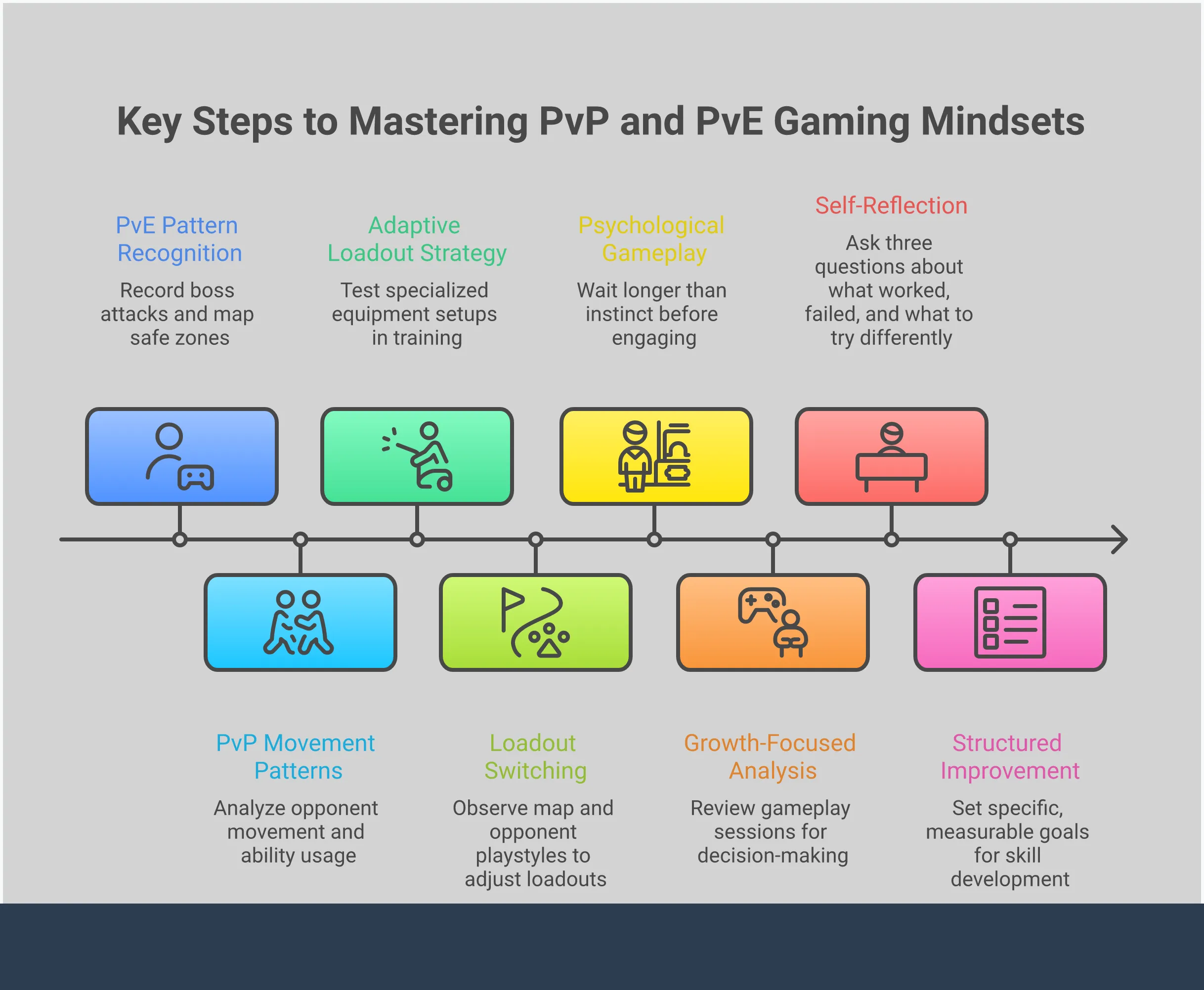
When you lose a match, it’s tempting to blame things like a bad connection, strong weapons, or skilled opponents. But the best way to improve is to look at your own gameplay. If you consistently avoid certain situations or lobbies, take some time to honestly evaluate what you could do better. Are your tactics effective? Is your positioning strong? Every loss offers a chance to learn and grow. This self-evaluation is what truly distinguishes good players from exceptional ones. It’s about taking responsibility for your performance and focusing on the only thing you can change: your own actions. You can often see this drive for improvement reflected in how the gaming community responds to new content.
Embrace the Challenge
There’s something truly exciting about playing when a lot is on the line. That feeling – going into a tough fight knowing you could lose valuable items – really pushes you to play your best. It’s all about enjoying a good challenge and the thrill of not knowing what will happen next. Each fight feels important and memorable. This excitement keeps you hooked, making every decision feel more meaningful. Even if you prefer playing against the game itself, learning to enjoy those tense moments can make you a better player overall. Ultimately, it’s about finding the fun in difficult situations and realizing that the possibility of losing makes winning so much more rewarding.
What Skills Do You Need to Succeed?
Winning at any game, whether it’s fighting challenging enemies or other players, requires more than just natural ability. It’s about combining fast reactions, good strategy, and knowing what your opponents are likely to do. The specific skills you need to improve will vary depending on if you enjoy player-versus-player (PvP) or player-versus-environment (PvE) content, but developing all of them will make you a stronger player overall. Let’s explore the most important skills to help you succeed, no matter how you like to play.
Mechanical Skill vs. Strategy
Many people believe the best players have incredibly fast reflexes and perfect technique. While those skills are helpful, your overall strategy is often more important. How you play directly influences the types of challenges you encounter. If you focus on gathering resources and avoiding fights, you’ll likely meet fewer opponents. But if you actively seek out player-versus-player combat, you’ll end up in matches with more aggressive players. Strategy isn’t just about how you fight, but which fights you choose. Improving your awareness of the game and selecting the best equipment are strategic decisions that will help you succeed in any situation.
Adapting Your Playstyle
To become a really good gamer, it’s important to be flexible. Some games even match you with players who have similar styles. If you consistently play as a team player or avoid fighting, you’ll likely end up with a more supportive group. The most important thing is to figure out what you enjoy about the game and focus on that. Don’t feel like you have to play a certain way just to fit in. Whether you love competitive player-versus-player battles or prefer working together in player-versus-environment scenarios, the best way to play is the one that keeps you entertained and wanting to play again. Try different strategies and see what works best for you.
Reading Players vs. AI
Beating computer-controlled enemies feels like solving a puzzle. They follow set patterns and have predictable weaknesses, so once you figure them out, you can win reliably. But human players are much different! They’re unpredictable, act on impulse, and can switch up their tactics at any moment. Even in a calm game, someone might suddenly attack just for fun. That’s when understanding your opponent becomes key – you need to guess what they’ll do, figure out why they’re doing it, and respond to their unpredictable nature. This mental challenge is what makes player-versus-player combat so exciting and creates the thrilling ups and downs that define competitive gaming.
How Game Modes Define Your Experience
The game mode you pick really defines how you’ll experience the game. Each mode – whether it’s player-versus-player battles, cooperative challenges against the computer, or a mix of both – offers a unique way to play and earn rewards. Figuring out what makes each mode different is key to finding a playstyle you enjoy and will want to keep playing. Let’s explore the main options to help you decide what’s best for you.
PvP: Battle Royales and Arenas
Player vs. Player modes are where the true challenge lies – you’re competing against other people! Games like battle royales throw you into a huge arena where you fight to be the last player alive, and arena shooters demand quick thinking and strategy. Winning isn’t just about shooting well; it’s about knowing the map, anticipating what your opponents will do, and having the best equipment. For example, in games like Warzone, carefully choosing your weapons and gear is just as important as your reaction time. These modes offer a truly competitive and exciting experience.
PvE: Raids and Dungeons
Playing against the game itself (often called PvE) is a very different experience than competing against other players. In PvE, you collaborate with friends or other gamers to overcome challenges designed by the game developers – think massive boss battles, intricate dungeons, or engaging storylines. Unlike the fast-paced reactions needed for player-versus-player combat, PvE focuses on teamwork, planning, and improving your character. It’s a fantastic way to explore a game’s story and world without the stress of competition. Games like Diablo 4 are particularly good at offering immersive PvE content that you can enjoy with friends for a long time.
PvPvE: The Best of Both Worlds
PvPvE modes offer the best of both worlds – the excitement of battling other players and the challenge of fighting computer-controlled enemies. In these modes, you might find yourself competing for resources while also defending against waves of monsters, or trying to collect loot while being hunted by other players. This creates a constantly unpredictable and intense experience, as danger can come from anywhere. It’s a great option for many players because it combines the competitive thrill of player-versus-player combat with the rewarding feeling of overcoming obstacles, similar to the fun and unpredictable gameplay found in games like Palworld.
Which Is Right for You: PvP, PvE, or Both?
Choosing how to spend your time in a game can feel like a big decision. Do you enjoy the excitement of playing against others, or do you prefer the focused challenge of learning the game itself? The key is to find what keeps you coming back for more. It’s not about choosing one type of gameplay over another, but about figuring out what you enjoy. By trying out different modes, you can make your gaming experience more satisfying and, ultimately, more fun.
Find Your Preferred Playstyle
Start by being honest with yourself about how you play. Do you jump right into player-versus-player battles, or do you prefer quests and playing with friends? If you usually avoid competitive matches, think about why. There’s no correct way to play – some people love the challenge of competition, while others prefer a more relaxed experience focused on the game’s story. The most important thing is to enjoy yourself, which will help you avoid getting tired of the game. Knowing what you like will also help you find games and communities where you’ll have a better time, whether you’re exploring or trying to improve your ranking.
Balance Competition with Fun
It’s understandable to feel upset after losing in player-versus-player combat. It’s tempting to give up on competitive play when things get difficult. However, try looking at losses as chances to learn and improve. Each match, whether you win or lose, offers valuable insights into your tactics, skills, and how your opponents play. Focus on getting better, not just on winning. This approach lets you enjoy the process of improvement and find satisfaction in the challenge – which is a big part of what makes gaming so fun and engaging.
Become a More Versatile Gamer
Even if you mostly enjoy playing against computer-controlled enemies, trying player-versus-player combat can actually improve your overall gaming skills. The excitement of gaming often comes from not knowing what will happen next, and facing off against other players is full of surprises. Learning to predict what another player will do and react quickly will boost your reflexes and strategic thinking – things that are harder to develop when fighting AI. These improved skills will even help you perform better in challenging PvE content like raids and dungeons. Exploring different game modes and experimenting with your equipment will ultimately make you a more versatile player.
Related Articles
- Deus Ex LFG: Connect with Other Augs in LFG Feature on Z League App
Frequently Asked Questions
If you’re new to gaming, it’s usually best to start with PvE. It lets you learn the game’s controls and how things work at your own pace, without the stress of competing against experienced players. You can practice your character’s abilities and get comfortable before trying PvP to put those skills to the test.
Absolutely, games can combine both player-versus-player (PvP) and player-versus-environment (PvE) gameplay. This combination, often called PvPvE, is increasingly popular because it creates a more exciting and unpredictable experience. Imagine a game where you’re completing tasks and battling computer-controlled enemies, but other players are also on the map doing the same thing – and they can attack you too! This makes for a really intense game where danger can come from any direction.
Losing in PvP is normal, especially when you’re still learning. Don’t get discouraged by losses—instead, try to identify one small area to improve for your next match. This could be anything from where you stand during a fight, how you use your abilities, or simply lasting a bit longer. Reviewing your own gameplay or watching experienced players can also help. Remember, each match is a chance to learn, not a test of your skills.
Yes, it’s perfectly fine to focus on Player versus Environment (PvE) content if you don’t enjoy Player versus Player (PvP) combat. Gaming is about having fun, and if you find that in things like cooperative dungeons, raids, and storylines, then that’s what you should do. You’re not required to be competitive. However, occasionally trying PvP can improve skills like reflexes and adaptability, which can actually help you handle challenging situations in PvE.
While there’s some crossover, the skills needed for player-versus-environment (PvE) and player-versus-player (PvP) combat aren’t exactly the same. PvE focuses on things like planning ahead, learning enemy attacks, and working well with your team. It’s about knowing the strategy and carrying it out. PvP, however, is much more about reacting quickly, outsmarting your opponent, and making decisions on the fly since you’re facing a real person. Being good at one will certainly give you an edge in the other, but they challenge you in different ways.
Read More
- Gold Rate Forecast
- What is Omoggle? The AI face-rating platform taking over Twitch
- Wartales Curse of Rigel DLC Guide – Best Tips, POIs & More
- Stray dog hailed as hero after saving 30 children from venomous snake
- Japanese Coast Guard rescue a “lone flamingo” that was lost at sea
- What is Managed Democracy? A Helldivers Guide
- I’m Not A Big Jonathan Fan, But This Stranger Things Season 5 Theory Would Break Me
- Mr. Fantasy Staged a Riverdale Reunion for New Music Video
- Disney’s Songs In Sign Language Makes One Major Mistake
- Seeing Clearly Through the Noise: Robustness in Financial Forecasting
2026-03-02 17:36