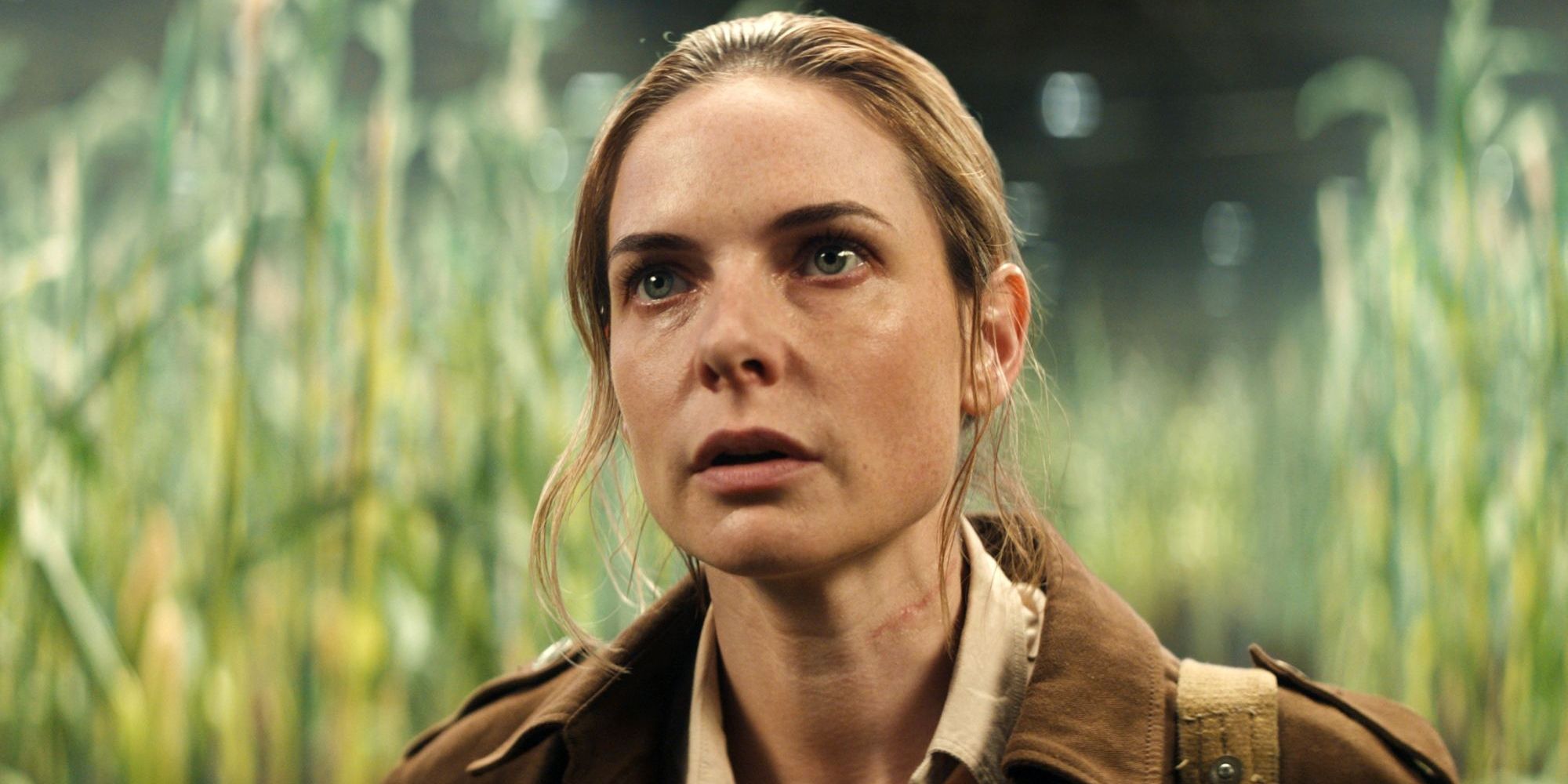
Thanks to streaming services, watching multiple episodes of a show at once—often called “binging”—is now the standard way people enjoy TV and movies. However, watching too much at once can make it harder to follow the story. The Apple TV series avoids this by prioritizing a well-paced plot over flashy effects, which really allows Rebecca Ferguson to shine with a compelling performance.
After airing two seasons with two more planned, Silo is set to finish with its fourth season. Even now, the show has built a solid and believable world, and hints at a thrilling build-up as the secrets of the apocalyptic event are revealed. At a time when many streaming shows get bogged down in confusing storylines, Silo proves that the most captivating sci-fi series truly earn their audience’s engagement.
Silo Used Restraint to Become Apple TV+’s Most Engaging Sci-fi Series
In the world of Silo, most people seem to have accepted living in a massive underground structure. Generations have been raised there, constantly told that the outside world is dangerous, and as a result, they’re content with their confined lives. Those in charge, whether we know who they are or not, have managed to overcome a natural, instinctive fear – the fear of being buried alive or running out of air – that likely helped our ancestors survive.
While social manipulation has been a major issue, it’s likely just the beginning of the problems for those living in Silo-18. The end of Season 2, particularly the flashback revealing a possible nuclear disaster, has created a much larger and more complex political landscape that Season 3 will delve into. Adding to this, the fact that there are multiple silos—we’ve only seen Silo-17 and Silo-18 so far—significantly broadens the scope of the story beyond the confines of a single underground city.
Viewers quickly figured out how Silo-18 worked, but the arrival of Silo-17 proved those understandings weren’t necessarily correct. Because the show doesn’t offer easy answers, Silo is open to many different interpretations, even when looking at the same clues. What some characters see as oppression, others believe is actually liberation.
As a huge fan of compelling stories, I was a little worried going in. Sometimes shows with big concepts get bogged down trying to show you everything all at once, and it can actually hurt the narrative. With Silo, they could have easily spent the whole first season just building the world, or the second season drowning us in backstory. But what I really appreciated was their restraint. They wisely focused on the characters and how the plot unfolded, which made for a much more engaging experience. It’s a testament to good storytelling when a show knows what not to reveal.
The series’ deliberate, slow pace allows it to build a world that extends beyond its biggest surprises, like unexpected plot twists or major announcements. In fact, the most shocking reveals in Silo are even more impactful because they’re built on a carefully constructed story. While fans of fast-paced sci-fi shows like The Expanse and Black Mirror might find the pacing slow, that’s precisely what makes Silo unique.
Honestly, from the very first episode, this show just grabs you and doesn’t let go. It’s not something you can just have on in the background – it really makes you think. What starts as a simple mystery in the first episode quickly becomes way more intense and complex. Now, the secrets this show, Silo, is revealing are starting to shake things up for everyone, even the people pulling the strings that we haven’t met yet. It feels like everything is about to come crashing down.
As political oppression increases, characters are increasingly feeling trapped, and this internal sense of confinement naturally leads to resistance. Initial discomfort evolves into questioning, which then fuels a desire for change and ultimately leads to rebellion. A compelling story needs to show this entire process, with all its stages and gradual shifts, to remind us that real change takes time and requires patience – both within the narrative and from the audience.
Silo’s Controlled Approach Succeeds Where Sci-fi Spectacle Fails
Science fiction is more popular than ever in the 21st century. Thanks to advances in filmmaking, creators can now bring incredible imagined worlds to life. However, the focus on stunning visuals and realistic settings can sometimes overshadow the actual stories. We’ve seen this with shows like Westworld, where building the world often becomes more important than the narrative itself.
Epic digital worlds, advanced technology, and constantly rising tension have become common features in this type of show. While Silo builds a detailed world, it doesn’t overwhelm the audience with excessive realism. Instead, it focuses on a tightly contained setting, creating a feeling of claustrophobia that viewers quickly share with the characters.
While not as expansive in its worldbuilding as shows like Raised by Wolves and Silo, the latter effectively uses its restrictive environment to explore themes of imprisonment, control, and how people are shaped by their surroundings. The setting isn’t just background; it actively drives the story.
Silo prioritizes careful storytelling, taking its time to let both the audience and its characters process new developments. The show unfolds at a deliberately measured pace, rewarding viewers who pay attention rather than simply providing quick explanations. The first season culminates in a significant discovery for the residents of Silo-18 – proof that someone can survive in the supposedly poisonous outside world – but this revelation isn’t rushed; it takes the entire ten episodes to unfold.
Season 2 kept a similar pace to the first, but delivered more impactful surprises. This made the story feel like it was moving forward, creating new questions and mysteries without relying on flashy scenes for their own sake. While we see evidence of many isolated communities and clues about a past disaster, the larger political landscape is still unclear – and understanding how everything connects is key.
As a huge cinema fan, I’ve been really captivated by Silo. What struck me most is how beautifully the story unfolds – each episode feels like a natural extension of the last, constantly building suspense. It really proves that sci-fi doesn’t need massive special effects or a huge scale to be truly gripping. Honestly, in a genre that often feels overloaded with visuals, Silo stands out because it connects with you on a much deeper, more human level – and that’s all down to the fantastic characters.
Silo Is Held Together by a Formidable Cast of Characters
Today’s science fiction often focuses on grand, sweeping stories, and Apple TV+’s Foundation is a prime example. The show, based on Isaac Asimov’s novels, takes place across the entire Milky Way galaxy. The core idea of ‘psychohistory’ in the books suggests that only large-scale population trends matter, making individual choices seem unimportant. However, the TV series cleverly addresses this by following the same characters throughout hundreds of years, giving the story a more personal and engaging focus.
I’m really drawn to how Silo focuses on its characters’ feelings – it makes the story so much more impactful. Juliette, especially, feels incredibly real. She embodies that sense of being trapped that I think any of us would feel in that situation. What I love is that she’s not just fighting the system, she’s asking the same questions I am while I’m watching, which makes her journey so compelling.
What I really loved about the show Silo is that the main character, Nichols, isn’t your typical sci-fi hero. She doesn’t have superpowers or some grand destiny; she gets by on her own grit, smarts, and how she sees things. And it’s not just her – every single character feels fully realized. They aren’t just there to explain the world; they all have their own stories and reasons for being there, which really makes the whole narrative richer and more engaging.
Robert Sims and Harriet Walter portray characters who embody the established power structure, while Chinaza Uche and Paul Billings depict those who subtly push back against it. Avi Nash and Steve Zahn’s characters highlight the feeling of being trapped and powerless. Though all are affected by the same unyielding system, each responds in a distinctly different way.
Rather than a simple story of good versus evil, Silo explores the difficult choices people make when trying to survive, forcing them to balance security, allegiance, and harsh realities. The show portrays characters as realistically flawed and afraid, seeking purpose even in desperate times, and this focus on their individual journeys has been incredibly rewarding.
Silo demonstrates that the best science fiction is built on strong storytelling and careful execution, prioritizing well-developed characters and a clear narrative over flashy effects. It’s a prime example of how to create high-quality television, and could set a new standard alongside other successful sci-fi shows like Foundation and Fallout.
Science fiction is evolving, and shows like Silo prove the genre is striving for higher quality. For a long time, sci-fi was often dismissed as less serious than other types of stories, but that’s changing. The 2020s have seen a real shift, with science fiction shedding its reputation for being low-quality entertainment. Silo is just one example of this exciting new direction.
Found an error? Send it so it can be corrected.
Read More
- Scientology speedrun trend escalates as viewers map out Hollywood facility
- Where Winds Meet’s new Hexi expansion kicks off with a journey to the Jade Gate Pass in version 1.4
- NBA 2K26 Season 6 Rewards for MyCAREER & MyTEAM
- Makoto Kedouin’s RPG Developer Bakin sample game is now available for free
- Vegan nugget startup founder charged with assaulting influencer ex-girlfriend Evelyn Ha
- What Fast Mode is in Bannerlord and how to turn it on
- MrBeast lets fans from every country vote for Beast Games Season 3 contestants
- How to Get to the Undercoast in Esoteric Ebb
- Noah Beck’s mom suspended from teaching duties after “inappropriate” TikTok with son resurfaces
- 10 Best American Turn-Based RPGs of All Time
2026-03-01 03:10