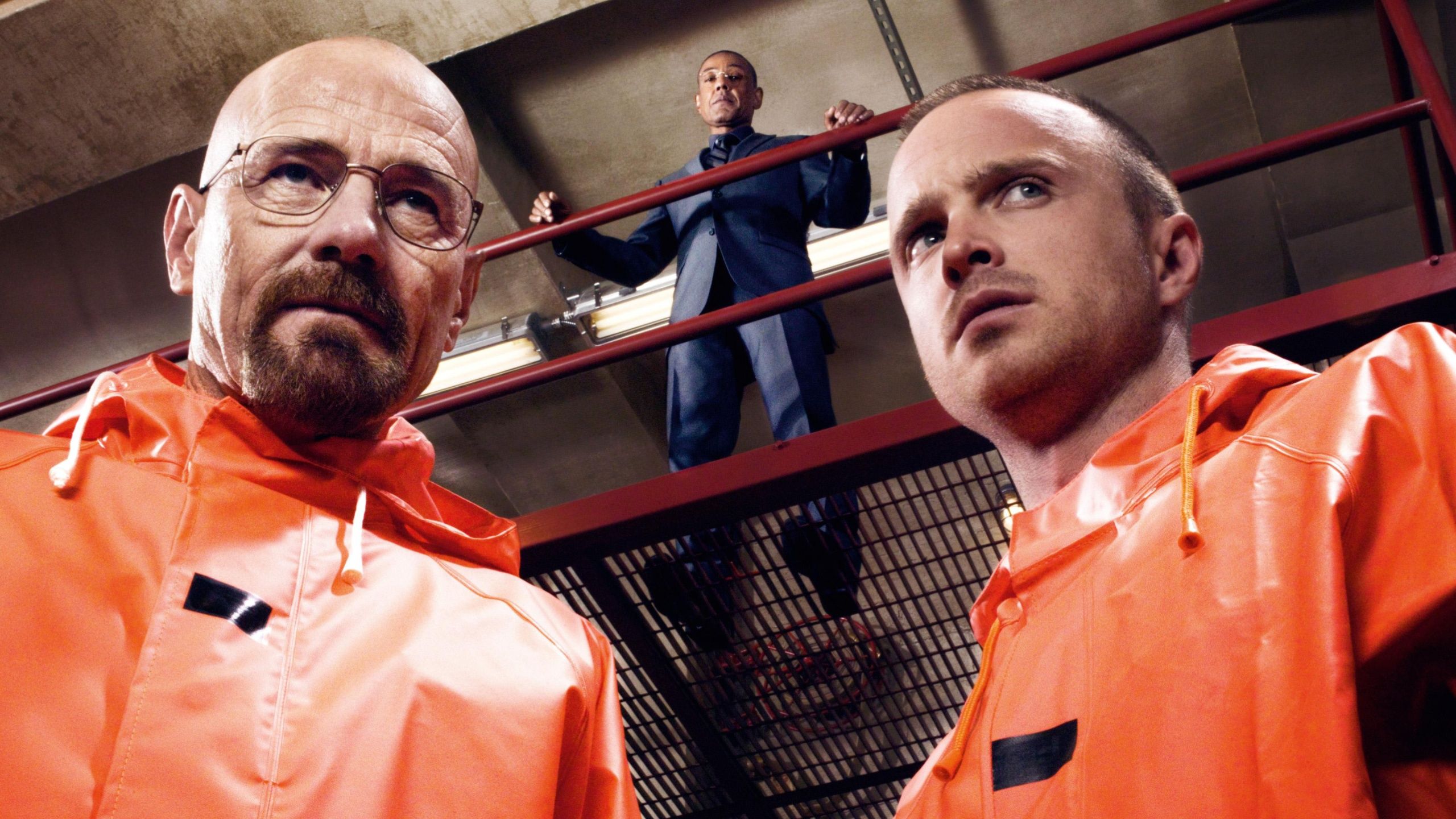
While Walter White is famous, Don Draper and Mad Men actually became a huge television hit about six months before Walter White started making meth. When Mad Men first aired in 2008, Breaking Bad was getting a lot of buzz as the next Sopranos because of its realistic and intense depiction of a flawed, complicated main character.
As a huge TV fan, I was completely blown away watching Walter White’s journey – going from a regular high school chemistry teacher to the terrifying drug lord Heisenberg over five seasons. A lot of people call Breaking Bad the greatest show ever, and honestly, it’s hard to argue with that. But you know what? Mad Men was just as groundbreaking, and it actually paved the way first. It deserves just as much recognition, in my opinion.
Created by Matthew Weiner, Mad Men first aired on AMC in the summer of 2007. The show revolved around Don Draper, a complex advertising executive in 1960s New York, and redefined the period drama genre. Despite its historical accuracy over seven seasons, Mad Men avoided simple nostalgia and ultimately revolutionized television.
Mad Men Is The Show That Defines The Golden Age Of Television
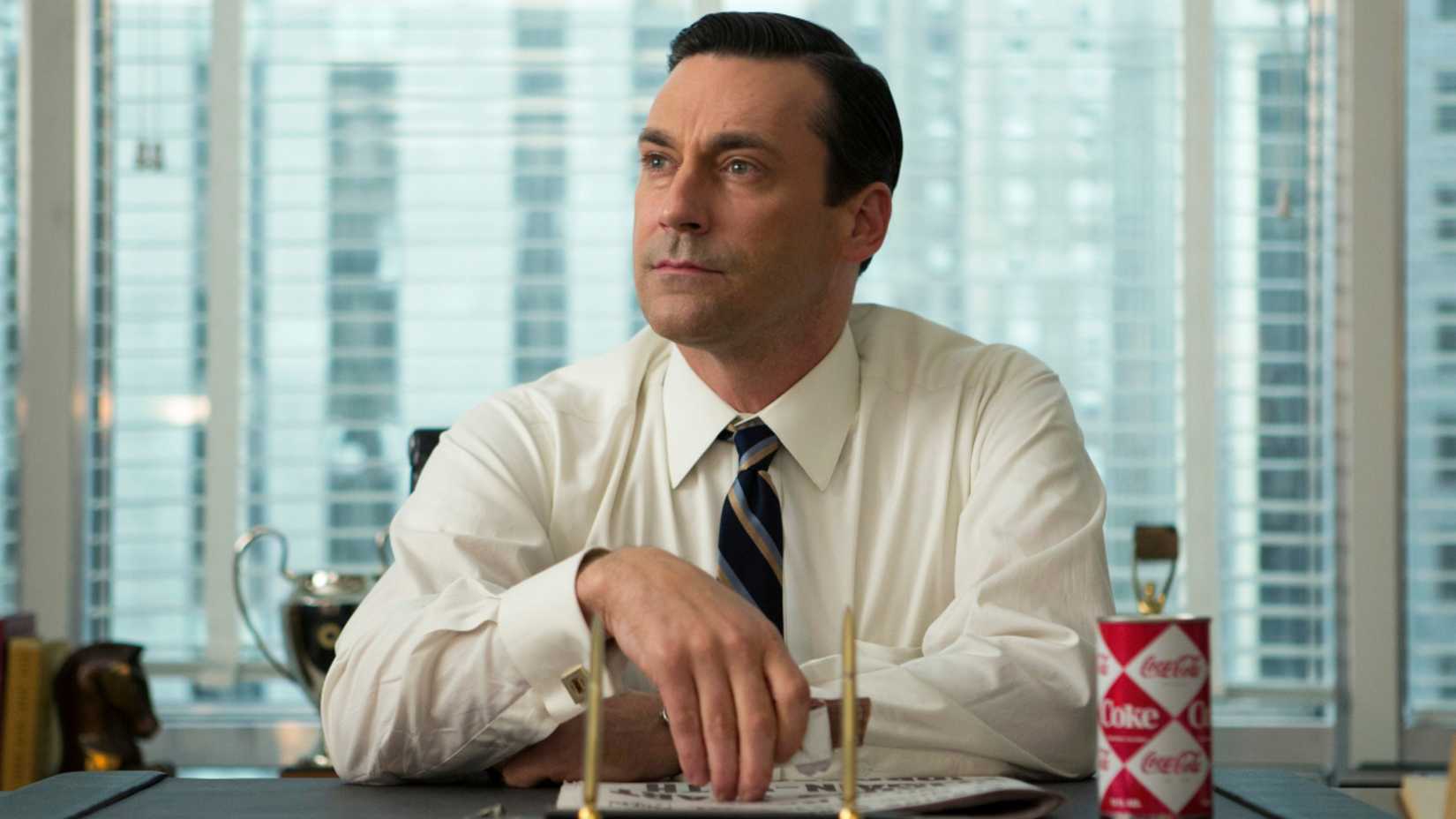
As a movie and TV lover, I’ll never forget how Mad Men completely changed the game. Before that show, HBO was seen as the only place for really high-quality, character-focused dramas. Mad Men proved everyone wrong and, importantly, put AMC on the map! It was a huge deal because this happened back when cable TV still ruled, and it was the first show on a channel that relied on ads to win a Primetime Emmy for best drama. Seriously, it felt like a turning point for television.
Before Mad Men, TV shows had to be fast-paced to succeed – if a show was considered “slow,” it was usually seen as boring. But Mad Men changed that, proving that stories that take their time and focus on characters can actually be much more captivating.
What I always loved about Mad Men is how it didn’t need big, shocking moments to be compelling. Like, when Joan decided to leave her husband, it wasn’t some huge fight – she just told him over breakfast! And honestly, that felt way more powerful than any dramatic showdown. People often say the best episode is “The Suitcase,” and it’s Jon Hamm’s favorite too, but plot-wise, not a ton happens. Don basically makes Peggy work late on her birthday. But it’s brilliant! It’s a perfect example of how the show excelled at developing characters and creating incredibly intimate, two-person scenes. It’s all about the way things happen, not what happens.
Don Draper from Mad Men really set a new standard for complex TV characters. While characters like Tony Soprano and Dexter Morgan were already popular anti-heroes, Don was different – he wasn’t a criminal. Though deeply flawed, the fact that he lived a seemingly normal, law-abiding life made him relatable. He showed audiences that even people who appear put-together can struggle with dark impulses, suggesting we all have the capacity for negative behavior if we aren’t mindful.
How Mad Men Pushed The Boundaries Of Television Storytelling

More focused on characters than storyline, Mad Men was remarkably insightful for its time in using the 1960s setting to offer social criticism. Unlike many period dramas that simply celebrated the aesthetics or romanticized the past, Mad Men closely examined the era, questioning the American Dream and revealing its imperfections.
Throughout its run, Mad Men covers the 1960s, a decade filled with significant historical events and tragic losses. However, the show doesn’t focus on recreating these moments. Instead, it uses them as a backdrop to explore how its characters change and grow.
The third season episode, “The Grown-Ups,” centers around the JFK assassination, but a significant part of the story follows Roger Sterling’s daughter’s wedding and the challenges it presents. As the country loses its sense of innocence, the characters experience similar shifts. Betty, tired of the unfulfilled promises of the 1950s, finally admits to Don that she no longer loves him, effectively ending their marriage.
It’s common for popular TV shows to inspire imitations, and Mad Men was no different. Shows like Pan Am and The Playboy Club attempted to recreate Mad Men‘s success by using the 1960s as a backdrop and touching on similar themes of sexism, consumerism, and cultural change. However, they focused more on style and sensationalism than on creating compelling characters. Mad Men wasn’t popular simply because it was set in the 1960s; its success came from its focus on the character of Don Draper.
Will Television Ever Enter A New Golden Age?
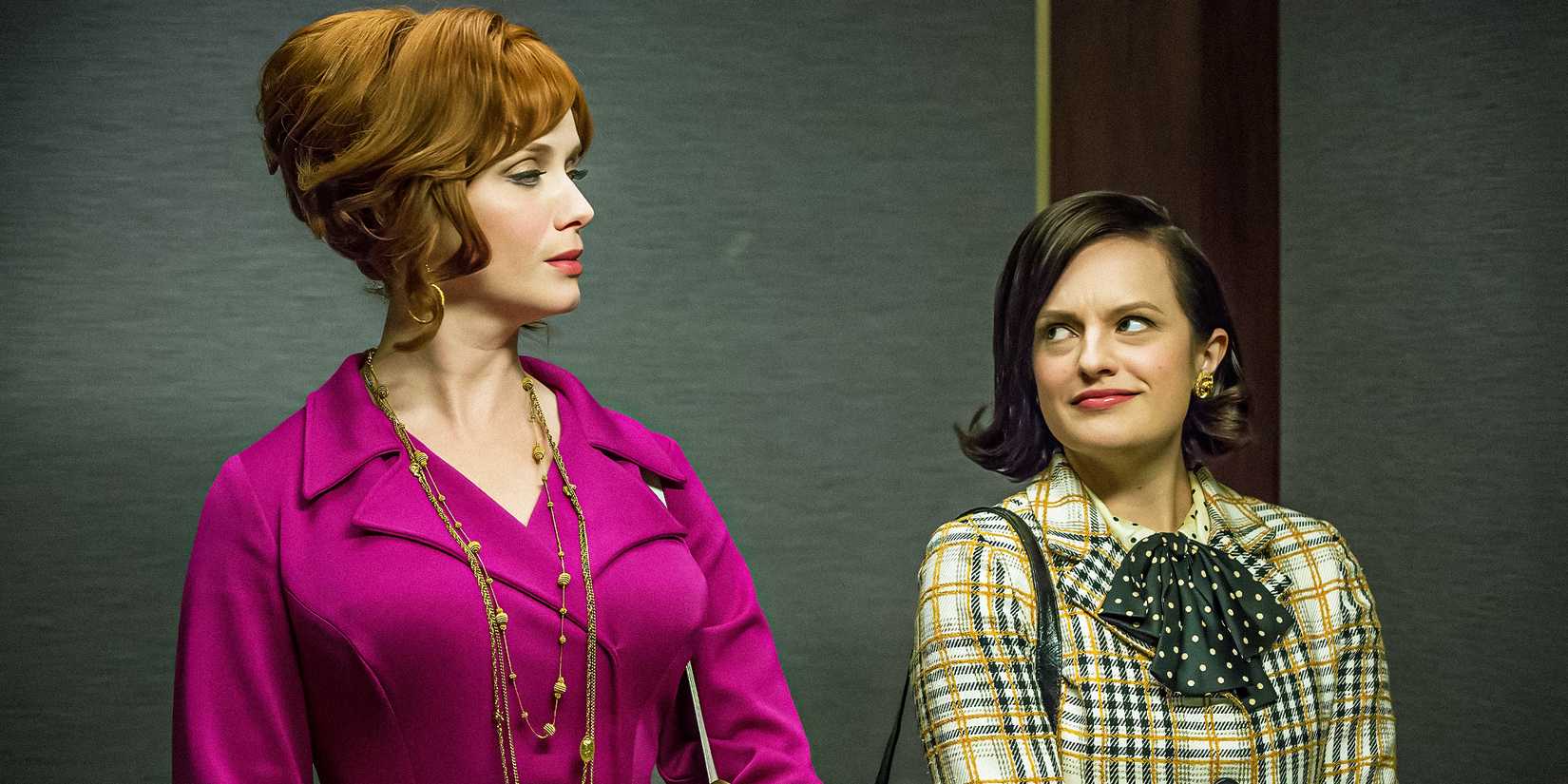
The TV series Mad Men debuted during the early 2000s, a period often referred to as the “Golden Age of Television” or “Peak TV.” Shortly after Mad Men raised the standard for cable programming, streaming services began to emerge, further transforming how we watch TV.
Streaming services like Netflix, Prime Video, and Hulu set out to create TV shows as good as those on HBO and AMC, and for a while, they did. They gave us critically acclaimed shows such as House of Cards, The Marvelous Mrs. Maisel, and The Handmaid’s Tale. Because these platforms rely on subscriptions, they weren’t limited by traditional broadcast rules, allowing them to offer bolder and more daring content – shows like The Boys or Bridgerton wouldn’t have been possible on regular cable.
The period often called ‘Peak TV’ effectively ended in 2023. The sheer number of streaming services and shows became overwhelming. Unlike the days of basic cable, when there were just a few must-watch programs, it’s now impossible to keep up with everything. Think about how often you hear about great shows – even with your favorite actors – that you’ve completely missed.
These days, streaming services are more concerned with gaining subscribers than with making truly great TV. This often leads to smaller budgets and a preference for established franchises over taking risks on original, innovative shows like Mad Men. Adding to the challenge, the ongoing debates and uncertainties surrounding artificial intelligence aren’t making things any easier.
To experience another peak era of television, we need a major change – either in how people watch TV, or a groundbreaking show like Mad Men that completely redefines what television can be. Right now, TV mostly just gives the streaming services more of what they already know we like.

Found an error? Send it info@screenrant.com so it can be corrected.
Read More
- Netflix’s Little House On The Prairie Reboot: Release Date, Cast & Everything We Know
- Off Campus Season 1 Soundtrack Guide
- Infinity Nikki Candlelight Reverie Challenge and Rewards Guide
- Gold Rate Forecast
- Prime Video’s New R-Rated Spy Thriller Is Officially No.1 On Streaming Despite Poor Reviews
- Silver Rate Forecast
- Brent Oil Forecast
- KPop Demon Hunters Meets Avatar: The Last Airbender In Netflix’s 3-Part Fantasy Series
- EUR ZAR PREDICTION
- Amazon Primes new GenAI cartoon looks like K-Pop Demon Hunters with aliens
2026-02-27 16:50