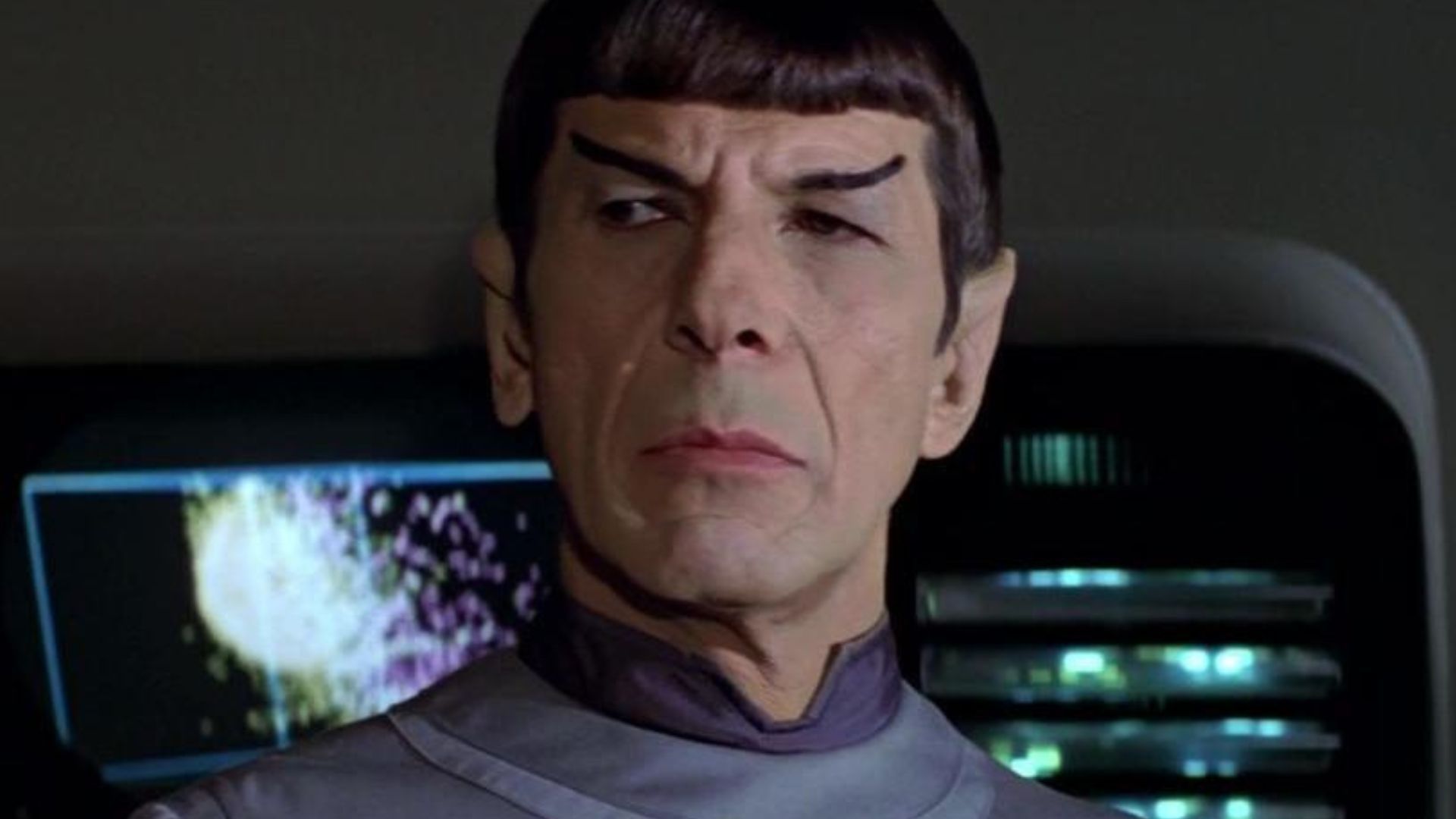
Leonard Nimoy’s Spock is still the most recognizable character from Star Trek, but he could have been quite different. Originally, the show’s creator, Gene Roddenberry, didn’t envision Spock as a human-Vulcan hybrid. He initially planned to combine humans with a different alien race. However, he changed his mind, and it seems like that decision was a good one – especially considering the franchise’s success over the years, and as proven by its continued popularity in 2026.
Spock first appeared in the original Star Trek series in 1966, and Leonard Nimoy continued to play him in later projects. Since then, Zachary Quinto and Ethan Peck have also taken on the role in newer Star Trek shows and films. No matter who plays him, Spock’s unique heritage – being half-Vulcan – is central to his character. In fact, if the show’s creator, Gene Roddenberry, had gone with his initial idea for Spock’s background, the character likely wouldn’t have remained popular for so long.
Spock Was Originally Supposed To Be Half-Martin
Paramount
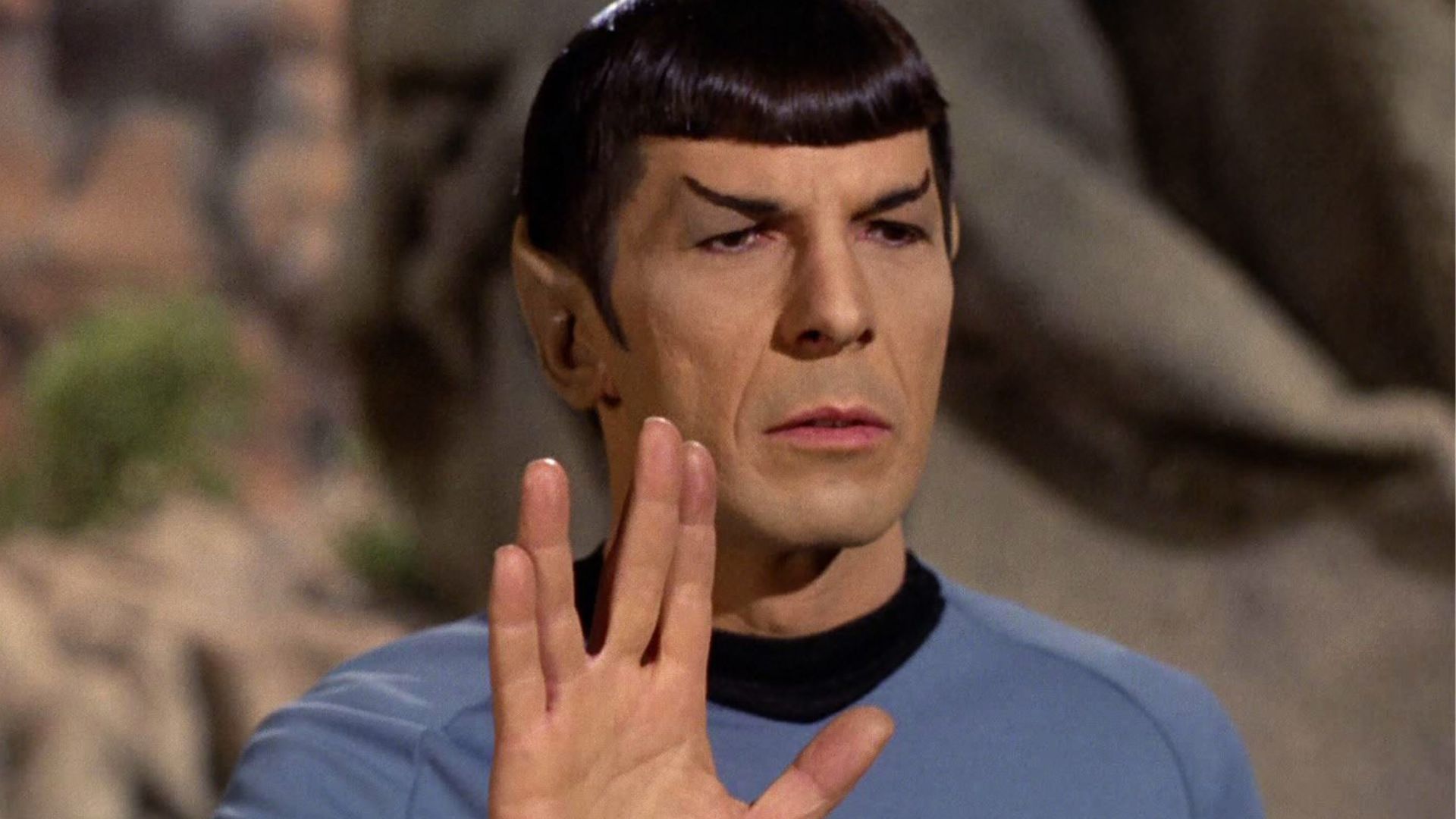
When Roddenberry first proposed the character of Spock, he imagined Spock as being half-Martian – meaning one of Spock’s parents would have been from Mars. This made sense because Mars was a frequently used location in science fiction at the time. However, while making Spock a Martian would have tied the character to a popular trend, Roddenberry ultimately decided against it for a more pressing reason.
It was planned to give Spock a reddish tinge if he were half-Martian.
In 1996, Alexander David published a biography of Gene Roddenberry, the creator of Star Trek. The book revealed that Roddenberry later worried about giving his character Spock a Martian origin. He feared that if humans actually walked on Mars during his lifetime, the discovery – or even the lack of discovery – of life there would ruin the sense of realism Star Trek aimed for as a believable vision of the future.
Why Gene Roddenberry Was Right About Spock’s Background
Paramount
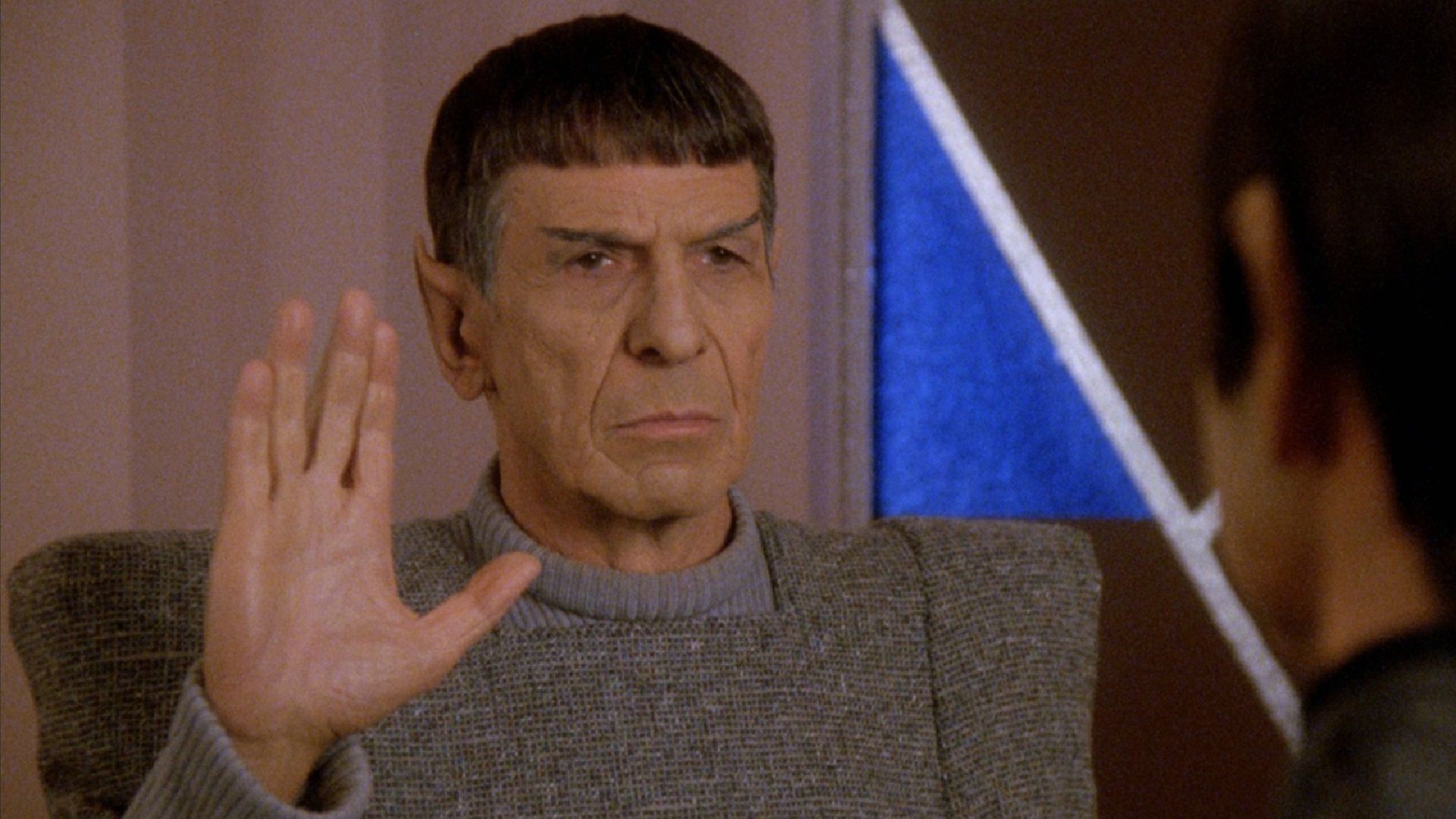
Gene Roddenberry, the creator of Star Trek, predicted humans would reach Mars sooner than we have. Although no one has traveled to Mars yet, NASA’s Sojourner rover landed there in 1997. Roddenberry died in 1991 and didn’t live to see this achievement, or the success of later Mars rovers. However, these missions proved he was right to portray Spock as half-Vulcan, as they found no evidence of life on Mars – past or present.
If Spock had Martian ancestry, his people would have had to develop on Mars and become a spacefaring civilization there. The 1997 NASA mission to Mars would have clashed with the established fiction of Star Trek, even though the show is set centuries in the future. Although the idea of Spock’s mixed heritage came later in the show’s development, it was a good decision. By making Spock half-Vulcan, Star Trek allows modern viewers to still imagine his home world exists and could be discovered by future explorers.
Read More
- Netflix’s Little House On The Prairie Reboot: Release Date, Cast & Everything We Know
- Off Campus Season 1 Soundtrack Guide
- YouTuber arrested after viral AI bodycam videos spark real police complaints
- Silver Rate Forecast
- Prime Video’s New R-Rated Spy Thriller Is Officially No.1 On Streaming Despite Poor Reviews
- Gold Rate Forecast
- Brent Oil Forecast
- Peaky Blinders: The Immortal Man’s Tommy Shelby Is a Better Father Than Michael Corleone
- EUR ZAR PREDICTION
- Bulgakov’s Take: Koreans Bet the Farm on Chips, Crypto, and Chaos
2026-02-25 05:02