It seems strange, but the strongest reactions often come from players who are most invested in a game. These are the fans who truly know the game inside and out – they’ve explored everything, perfected their skills, and actively discuss strategies. While this passion is great, it also means they feel failures more deeply. This creates a tricky situation where the most vocal feedback comes from those who are most upset, which can make problems seem bigger than they are. It’s not about wanting to be negative; it’s about genuinely caring and wanting the game to be its best.
Key Takeaways
- Your Frustration Comes from Passion: The most intense criticism often comes from the most dedicated fans. When you’ve invested hundreds of hours into a game, developer decisions that feel out of touch—like aggressive monetization or ignoring feedback—can feel like a personal betrayal.
- Make Your Feedback More Effective: To see real change, shift from simply complaining to offering constructive solutions. Explaining why a feature is frustrating and suggesting a specific fix gives developers actionable information they can use to improve the game.
- Your Voice and Wallet Have Power: Coordinated community feedback and conscious spending are the most powerful tools for change. History shows that when players unite against anti-consumer practices, they can force developers to reverse course and build better, more respectful games.
Why Do Gamers Want Games to Fail?
It seems odd, doesn’t it? Why would we pour so much time and energy into a game, only to then want it to end? It’s more than just disliking a poorly made game. This strong reaction usually comes from genuinely caring a lot about it. When we spend countless hours playing and become invested in a game’s world, we feel a real connection to it. So, when developers make changes we disagree with – changes that feel like a letdown – that passion can turn into intense disappointment and frustration. It’s a complex mix of emotions, starting with deep love for a game and ending with sadness over how it’s changed.
It Starts with Emotional Investment
Okay, so think about the games you really love, the ones you pour hours into. It’s more than just fun, right? It’s like… you get invested. You learn how everything works, you get lost in the world, and you become part of the community. That’s why I get so hyped for patch notes and updates, and why I want to know where the game is headed. But honestly, that passion can also be a problem. If I feel like the developers aren’t listening or are making changes I disagree with, I get pretty vocal. It’s weird because the people who are the most passionate about a game are usually the ones complaining, so even small issues can blow up. It’s not that we want to be negative, it’s just that we care enough to really think about things and offer constructive criticism.
When High Hopes Meet Harsh Reality
Gamers are familiar with the excitement of seeing a new game announced and imagining how great it will be. But often, the finished game doesn’t live up to those expectations. When a game launches with problems, missing parts, or isn’t fun to play, it’s incredibly disappointing. This frustration is made worse when developers don’t communicate with players, leaving them feeling like their concerns aren’t being addressed. The difference between what we hoped for and the actual game is where a lot of the anger comes from – it’s upsetting to be promised something amazing and receive something that feels incomplete.
The Strange Bond with Game Creators
We have a special connection with the people who make our favorite games. We don’t think of them as just companies, but as the creators of worlds we enjoy. We follow their updates, watch behind-the-scenes videos, and really listen to what they say, which creates a surprisingly personal relationship. So, when they make choices we dislike—like adding unfair purchases or weakening a character we love—it feels like a personal offense. This can lead to players uniting to demand a change. Ultimately, this reaction stems from wanting a better way to communicate, where our opinions are valued and heard, not simply dismissed.
Developer Decisions That Make Players Rage
That feeling of frustration in gaming doesn’t come from nowhere. It usually happens because players feel like they’re not being treated fairly – whether it’s through ignored feedback, or decisions that seem to take advantage of them. When we invest a lot of time in a game, we become attached to it, so a tone-deaf decision from the developers can feel like a personal offense, not just a business move. These kinds of issues are often what turn dedicated fans into angry critics.
Predatory Monetization Schemes
It’s a delicate balance for game developers: they need to be compensated for their work, but players don’t want to feel like they’re constantly being asked to spend money. When a game seems designed to annoy you into making purchases, it’s a real issue. This often involves things like overly aggressive in-game purchases, systems where paying gives you an unfair advantage, or complicated currencies that hide how much things actually cost. Many players believe these tactics show developers care more about profits than enjoying the game. This can turn the focus away from skill and fun and towards who can spend the most, which quickly drives away loyal players.
Immersion-Breaking Gameplay Changes
You’ve dedicated time to becoming skilled with a character or building the perfect setup in a game like Warzone. Then, an update arrives and changes everything. Key features are reworked, your best strategies are weakened, or things you enjoyed are removed. These shifts can be frustrating, disrupting your gameplay and making you feel like your effort was wasted. It can be incredibly discouraging, and you might wonder if the game creators understand what players actually like about the game.
Broken Promises and Missing Content
It’s common to see exciting game trailers that show off amazing features and a huge, innovative world. Unfortunately, sometimes the finished game doesn’t live up to the hype, with promised elements either missing or significantly reduced. When developers don’t deliver on their promises, it damages their relationship with players. This creates a cycle of distrust, making gamers hesitant to get excited about future announcements. It’s a frustrating situation where expectations aren’t met, leaving fans feeling let down and misled.
Going Silent on the Community
One of the biggest mistakes a developer can make is not responding to players. When the community is actively sharing feedback, reporting serious issues, or seeking explanation about changes they dislike, ignoring them is incredibly frustrating. It makes players feel unheard and unimportant, and can be even more harmful than receiving negative feedback. Silence suggests the developer doesn’t care, and when players feel their opinions aren’t valued, their frustration can turn into a desire to see the game unsuccessful – just to prove their point.
Why Does It Feel Like Betrayal?
Look, when a game I really love starts to go downhill, it seriously hurts. It’s not just about wasting money, it feels like a personal letdown. I mean, I’ve sunk tons of hours into these games, made friends with people online, and have some amazing memories tied to them. So when a sequel doesn’t live up to the hype, or a patch ruins my favorite way to play, it’s way more than just being annoyed. It feels like a real betrayal, honestly. It’s an emotional thing, because I’m so invested, and it feels like the developers have forgotten who supported them and got them to where they are now.
Our Deep Connection to Favorite Franchises
Consider a game you truly love – the kind you become completely immersed in. You’re familiar with every detail, from the story and characters to the maps and ideal equipment. This strong connection is why we feel so strongly about these games, and why dedicated fans often have the highest standards. It creates a curious situation: the players who care the most are also the quickest to point out what’s wrong. When a developer makes a change that doesn’t feel right, it can feel like a personal loss – as if a piece of something you cherish has been altered.
Feeling Ignored as a Core Fan
It’s incredibly frustrating when your feedback as a dedicated fan seems to go unheard. Players who spend time on forums, Reddit, and Discord offering detailed suggestions, participating in beta tests, and reporting bugs do so because they genuinely want to help improve the game. When developers stop communicating or release updates that ignore what the community wants, it feels dismissive and disrespectful. This disconnect is a major source of gamer frustration – it creates a feeling that the people making the game aren’t listening to the people who are actually playing it, damaging trust and making players feel like their opinions don’t matter.
How Our Brains Focus on the Bad
Our brains are naturally tuned to focus on what’s wrong, a trait that helped us survive as a species. But when it comes to games, even a single frustrating element can ruin the experience, even if everything else is great. A game might have a compelling story, beautiful visuals, and smooth gameplay, but a clunky inventory system will likely be what sticks with you. This is especially true when games offer many choices – creating interesting decisions is hard, and if the outcome isn’t ideal, it’s disappointing. We tend to dwell on flaws – a broken quest, an unfair weapon, or a glitchy boss – and those negative aspects can quickly overshadow all the good things about the game.
The Fallout from Player Backlash
When players feel betrayed, the community can react very quickly and harshly. While constructive criticism is important, uncontrolled anger can spread rapidly and have consequences that extend beyond just one game change. This can significantly alter a game’s development, negatively affect the developers, and even influence the future of the gaming industry as a whole. It’s a difficult situation where enthusiastic players and overwhelmed developers often struggle to understand each other, leaving the game caught in the crossfire.
Review Bombs and Social Media Mobs
Review bombing happens when a group of people intentionally flood a game’s online store page with negative reviews to lower its overall score. While it’s a noticeable way to express dissatisfaction, it often overshadows thoughtful feedback. The issue is that the people most likely to leave reviews are usually the most upset, which can create a misleading impression of a game’s quality. This can deter potential players who see a lot of negative reviews and decide not to look into the reasons behind them.
The Toll on Developer Morale
It’s easy to forget that video game developers are real people who dedicate years to creating the games we enjoy. Constant negativity, personal insults, and accusations can be incredibly damaging, especially when players feel like developers aren’t listening. When players feel unheard, frustration grows into distrust, and developers may feel overwhelmed and like they’re constantly battling their own community. This can lead to burnout, stifle creativity, and make developers hesitant to communicate with players, ultimately worsening the problem and creating a larger communication gap.
Lasting Damage to a Game’s Legacy
A bad start or a disliked update can seriously damage a game’s reputation, sometimes permanently. Even if problems are fixed, that first negative reaction often sticks with the game. This isn’t just about upsetting players—it affects the business. Strong negative feedback can make company leaders reconsider how they make money and which games they approve. The worry of another big player revolt can lead to more cautious and less original game design. A game with great potential might end up being remembered for its problems instead of its success, becoming a warning to others.
How Developers Can Bridge the Communication Gap
Trouble between players and developers usually happens when they aren’t communicating well. It’s not about developers giving players everything they want, but about working with the community as partners. Restoring trust is achievable, but it takes real effort to start an open conversation and recognize the community’s importance to the game’s success.
Explain the “Why” Behind Changes
As a player, there’s nothing more annoying than when a weapon I love gets suddenly weakened, or a core part of the game changes for no clear reason. It just feels random and like the developers don’t care what we think. Honestly, the best thing they could do is just tell us why they’re making these changes. Instead of just listing patch notes, they should explain their thinking. If they share what problems they were trying to fix, show us the data that led to the decision, or explain how it fits into their bigger plans for the game, we’re much more likely to understand. It shows they respect us as players and care about our investment, and it turns what could be a really frustrating moment into a productive discussion about where the game is headed.
Actually Listen to the Community
Truly listening to your players goes beyond simply tracking what they say online. It means actively connecting with them and creating a two-way conversation. Players spend a lot of time with your game and offer incredibly valuable perspectives. When they share funny memes about bugs or detailed suggestions on forums, they’re essentially giving you direct insight into what it’s like to play. Responding with respect, acknowledging good points, and showing that you’re taking their feedback seriously makes players feel appreciated and proves their enthusiasm isn’t going unnoticed.
Provide Consistent, Regular Updates
Ignoring player concerns can seriously damage a game. When problems arise or big changes happen, keeping players informed is crucial. A lack of communication breeds rumors, frustration, and ultimately, negative reviews. Players tend to be understanding about bugs or imbalances if they know the developers are paying attention and actively working on solutions. Even small, frequent updates – like letting players know you’re still looking into an issue – can build trust and manage expectations. Sharing a public plan for future updates, posting regular developer blogs, or previewing patches helps keep the community informed and shows dedication to the game and its players. Consistent communication prevents negativity from building up and becoming a major problem.
Meet Players Where They Are
Developers shouldn’t rely on players seeking out updates on company websites. To really build a connection, they need to meet players where they already gather—platforms like Discord, Reddit, Twitter, and Twitch. This isn’t about getting into arguments, but about being an active part of the community. Things like hosting question-and-answer sessions on Reddit, joining a streamer’s chat, or sharing early designs on Twitter can make the development process feel more personal and open. Seeing how players react to new trailers or features is a great way to remember how passionate they are, and being present to share those reactions—whether positive or negative—is crucial.
Is a Comeback Possible After Backlash?
It’s tough when a game you enjoy receives a lot of criticism. Online forums can become very negative, popular players might make videos pointing out problems, and it can seem like the game is doomed. However, a difficult beginning or a disliked update doesn’t always mean the end. Many of the most popular games today actually overcame very rocky starts and turned things around.
Look, a real comeback for a game isn’t just about squashing bugs or undoing a messed-up update. It’s about winning back the players’ trust. It means the devs have to be willing to listen to what we’re saying – really listen – and actually work to fix things, even if it’s tough to admit they made mistakes. It can be a long grind, honestly, but if they do it right, they can turn a disaster into something amazing. The trick is to take all that initial anger and frustration and turn it into a team effort to make the game the best it can be.
Stories of Successful Comebacks
Throughout gaming history, negative reactions haven’t always meant failure. Often, they’ve sparked a turnaround for a game. While player feedback can be critical, it’s frequently driven positive changes in game development and how games earn money. Developers are starting to understand that even strongly-worded community concerns – even those expressed through memes – can ultimately lead to a more successful and long-lasting game. These moments of player protest have pushed studios to reconsider everything from unfair in-game purchases to the fundamental ways games are played, demonstrating the power of a united community to bring about real change.
Use Feedback Without Losing Your Vision
It’s a challenge for game developers to handle player feedback effectively. The loudest complaints often come from the most frustrated players, which can create a misleading impression that a game is in serious trouble when it’s actually doing well. Successful developers learn to filter out the negativity and find the useful criticism within it. They use this feedback to improve the game without losing sight of their original ideas. It’s a difficult balance, but crucial for fixing problems and making the game better.
Embrace an Iterative Approach
Games often make the biggest turnarounds when developers view them as works in progress, not finished products. By regularly updating the game and listening to player feedback, they can continually improve it. This isn’t just about fixing bugs – it’s about building a strong connection with the player base. When players see their ideas and concerns addressed in updates, they feel like partners in the game’s development, not just people who bought it. This shared sense of ownership can even turn negative feedback into enthusiastic support.
The Real Cost of Toxic Feedback
Player feedback is essential for games that are constantly updated. It helps developers find and fix problems, make the game fair, and figure out what players want. However, there’s a big difference between helpful suggestions and angry, negative comments. When discussions become hostile, it not only upsets people, but also negatively affects the game itself.
The biggest challenge with player feedback is that the most vocal players are usually the most dissatisfied. This can create a ‘feedback paradox’ – a constant flow of complaints can make a generally good game seem like it’s always on the verge of collapse. This not only exhausts the team managing the community and building the game, but it can also lead to rushed decisions that don’t benefit most players. Recognizing how damaging this pattern can be is the first step towards improving how we communicate with each other.
How It Shapes Future Games
Have you ever noticed delays in game updates or a shortage of new content? Often, the reason comes down to how developers are spending their time. If a studio is constantly dealing with negative player reactions, they have to focus on fixing problems instead of creating new things. As one expert explained, time spent responding to current complaints means less time developing the content that keeps players interested and spending money. Every hour developers use to address complaints is an hour they can’t use to create exciting new quests, characters, or features. This can lead to a frustrating cycle: a lack of new content causes more player frustration, which then leads to even more negative feedback.
The Loud Minority vs. the Silent Majority
It’s easy to get discouraged when browsing online gaming communities like Reddit, X (formerly Twitter), and Discord, as it often feels like everyone is upset with the game. However, remember that these platforms tend to highlight the most vocal critics. Players who are happily enjoying the game are usually playing it, not complaining online. This creates a distorted view where even a successful game can seem to be in trouble. The biggest problem arises when developers mistakenly believe these loud voices represent all players. This can lead to changes that please a small, unhappy group, but frustrate the majority who were already content. That’s why it’s so important for developers to communicate clearly and accurately with their player base, separating online noise from actual issues.
When Backlash Actually Forces Change
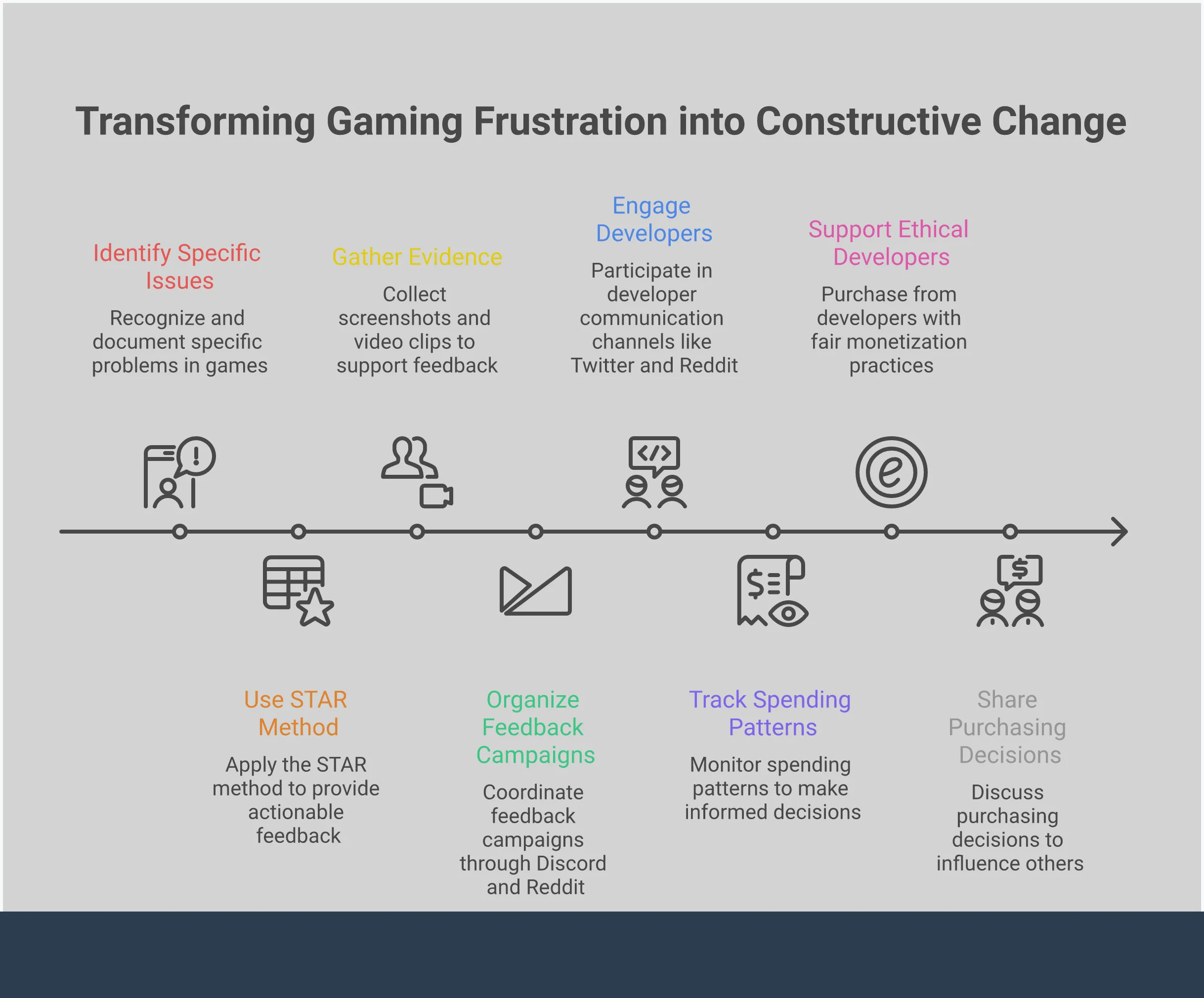
As a gamer, I’ve seen firsthand how frustrating random online negativity can be. But it’s also amazing when players come together and really make a difference. When we all agree something is genuinely unfair – like when games try to squeeze extra money out of us in a way that feels wrong – developers actually have to pay attention. We saw it with Star Wars Battlefront II and those awful loot boxes, and it’s happened with other big games too. It’s incredible to think we can actually change things at the top! The trick is to focus on exactly what’s wrong, not just rant generally. If we clearly explain the problem and what would fix it, developers are much more likely to listen and earn back our trust.
How to Give Feedback That Actually Helps
It’s understandable to feel annoyed when a game you enjoy changes in a way you don’t like. While it can be tempting to immediately share your frustration online, simply complaining usually doesn’t lead to improvements. If you want to see real changes, it’s better to offer constructive feedback. Developers are more responsive to thoughtful criticism than to angry outbursts.
It’s great that players have a real impact on games! When the community reacts strongly to things like new trailers or flawed updates, it can genuinely influence how a game develops. However, to turn that passion into positive change, we need to focus on giving developers helpful feedback. Instead of simply criticizing what’s wrong, let’s work with them to make the game even better – becoming collaborators in its success. Here are some tips for making your feedback truly effective.
Offer Solutions, Not Just Complaints
Simply complaining isn’t helpful, but constructive criticism can make a real difference. It’s easy to say something is overpowered, but developers need more detail to fix it. Instead of just pointing out a problem, explain why you think it exists and suggest a possible solution. For example, instead of saying a weapon is broken, you could explain that a new SMG feels too powerful at medium range and suggest reducing its damage or increasing its recoil. This kind of specific feedback, focused on solutions, is incredibly valuable to developers. It shows you’ve carefully considered the issue and gives them a clear direction for testing and making improvements.
Vote with Your Wallet
Often, the strongest statement you can make isn’t with words, but with your actions. Game companies carefully track how well their games sell. If a game relies too much on unfair small purchases or a downloadable add-on feels rushed and overpriced, the best way to show your disapproval is to simply not buy it. What you choose to purchase tells companies what you’re willing to accept. When players as a group refuse to support unfair practices, it encourages companies to change how they make money. This isn’t about punishing companies, but about consciously supporting the games and experiences you enjoy.
Learn a Little About Game Development
You don’t have to be a coder to give helpful game feedback, but knowing a little about game development can really improve your suggestions. Understanding things like how game engines work, the server side, or the challenges of balancing a game helps you see things from the developer’s perspective. This understanding helps you realize that a seemingly easy change might be surprisingly difficult to implement. When you consider the work involved, your feedback becomes more thoughtful and realistic. Instead of just asking for changes, you can explain your ideas in a way that acknowledges the effort required, making it much more likely your feedback will be appreciated and considered.
How Our Voices Shape the Games We Love
As a gamer, it’s easy to feel like my feedback just vanishes online, but honestly, all of our voices do make a difference in the games we play. If I can move past just being angry and actually offer helpful suggestions, I feel like I’m part of making the game better. That’s when we go from just playing to actually helping shape the experience, guiding the developers to make the game the best it can be. It’s a really cool feeling, and honestly, some of the biggest gaming turnarounds have happened because of player feedback!
When Player Feedback Leads to Greatness
It’s true that the people most likely to share their opinions are often the most frustrated. This can sometimes make problems seem bigger than they are, even for good games. However, that frustration actually comes from a place of caring. If developers can look past the negativity, they’ll find really helpful ideas. Games like No Man’s Sky and Final Fantasy XIV are great examples – they weren’t well-received at first, but they became amazing games because the developers really listened to player feedback. This shows that even critical comments can help a game improve and potentially become a huge success. Our feedback is what drives that kind of positive change.
See How Your Feedback Influences Design
While it’s tempting to simply say something new is bad, that doesn’t really help the people who made it. If you want to see improvements, be clear about what isn’t working and why. For example, instead of calling a weapon ‘broken,’ explain if it’s too powerful, too easy to use, or has other specific issues. Giving developers detailed feedback turns complaints into helpful suggestions, allowing them to understand the problem and make the game better for everyone. Respectful communication is key to influencing game design and improving the overall experience.
Forge a Better Developer-Player Bond
Gamers and developers don’t always see eye-to-eye, but they don’t have to be opponents. A lot of the tension comes from a lack of open communication. When developers don’t share information, players often jump to negative conclusions. The strongest relationships are built on honesty and really listening to each other. When developers explain their decisions and players provide constructive feedback, it creates a true partnership. This leads to a more supportive community where players feel valued and developers can create even better games with the help of their most dedicated fans.
Related Articles
- Deus Ex LFG: Connect with Other Augs in LFG Feature on Z League App
Frequently Asked Questions
That statement sounds harsh, but it usually comes from deep frustration. When you spend a lot of time playing a game, it becomes a habit and something you care about. So, when developers make changes that seem motivated by profit or don’t understand what players enjoy, it can feel like a personal letdown. Saying you want the game to fail is often a desperate way to show the developers you’re unhappy and that the game has lost its original appeal.
Honestly, it feels like gamers always blame the developers, but sometimes we, as players, really cross the line. There’s a big difference between giving constructive criticism and just being straight-up toxic. It’s good to let devs know what we think, but when it turns into personal attacks, harassment, or just flooding reviews with negativity, it doesn’t help anyone. It actually makes it harder for good feedback to be heard, and it’s really damaging to the people who are putting their heart and soul into making the game. We should be trying to help them improve things, not tear them down.
It’s frustrating when games don’t seem to reflect what players are asking for, but it’s rarely a simple issue. Often, the most visible feedback online is heavily critical, which can give developers a misleading impression of what most players actually want. They need to consider that feedback alongside data from players who aren’t actively complaining, while also sticking to their original ideas for the game and working within technical boundaries. It’s a difficult balancing act, and it’s impossible to make everyone happy.
It’s understandable to get frustrated with a game, but if you want developers to actually hear your feedback, being specific and helpful is key. Don’t just say something is bad – explain why it’s not working for you and, if possible, suggest a fix. For example, instead of saying a weapon feels terrible, explain exactly what feels off about the recoil and suggest a specific adjustment. This shows you’ve thought things through and gives the developers something they can actually use to improve the game.
It’s possible for a game to become successful even after a very negative reaction. In fact, some of the most inspiring stories in gaming involve games that bounced back from terrible launches or unpopular updates. Titles like No Man’s Sky and Final Fantasy XIV show how developers can regain players’ trust by truly listening to feedback and working hard to improve their games. It takes time and effort, but a sincere dedication to fixing problems can turn a game’s reputation around and create a legendary success story.
Read More
- Off Campus Season 1 Soundtrack Guide
- Chainsaw Man Volume 24’s Cover Art Reveals a Brand-New Denji
- X-Men ’97 Finally Gave Gambit the Hero Moment He Deserved
- 46 Years Later, The Mandalorian & Grogu Answers A Major Empire Strikes Back Question
- HoI4 fans harsh reactions to the announcement of another DLC pack
- 10 Worst End-Game Couples In Sitcom History
- Katanire’s Yae Miko Cosplay: Genshin Impact Masterpiece
- Emily Henry Says to ‘Trust the Vision’ For Beach Read Adaptation
- DoorDash responds after customer uses AI to make food look bad and get a refund
- Dragon Quest II HD-2D Remake: Where to get the Magic Key
2026-02-10 14:06