Leaving a career as a streamer isn’t easy. It’s often a really difficult emotional experience, feeling more like a personal loss than just a job change. After years of connecting with a community, sharing their lives, and building a routine around streaming, deciding to stop is a big deal. It’s not just about finding new income, but also figuring out who you are without that ‘streamer’ identity. This emotional side of being a creator is something most viewers don’t realize.
Key Takeaways
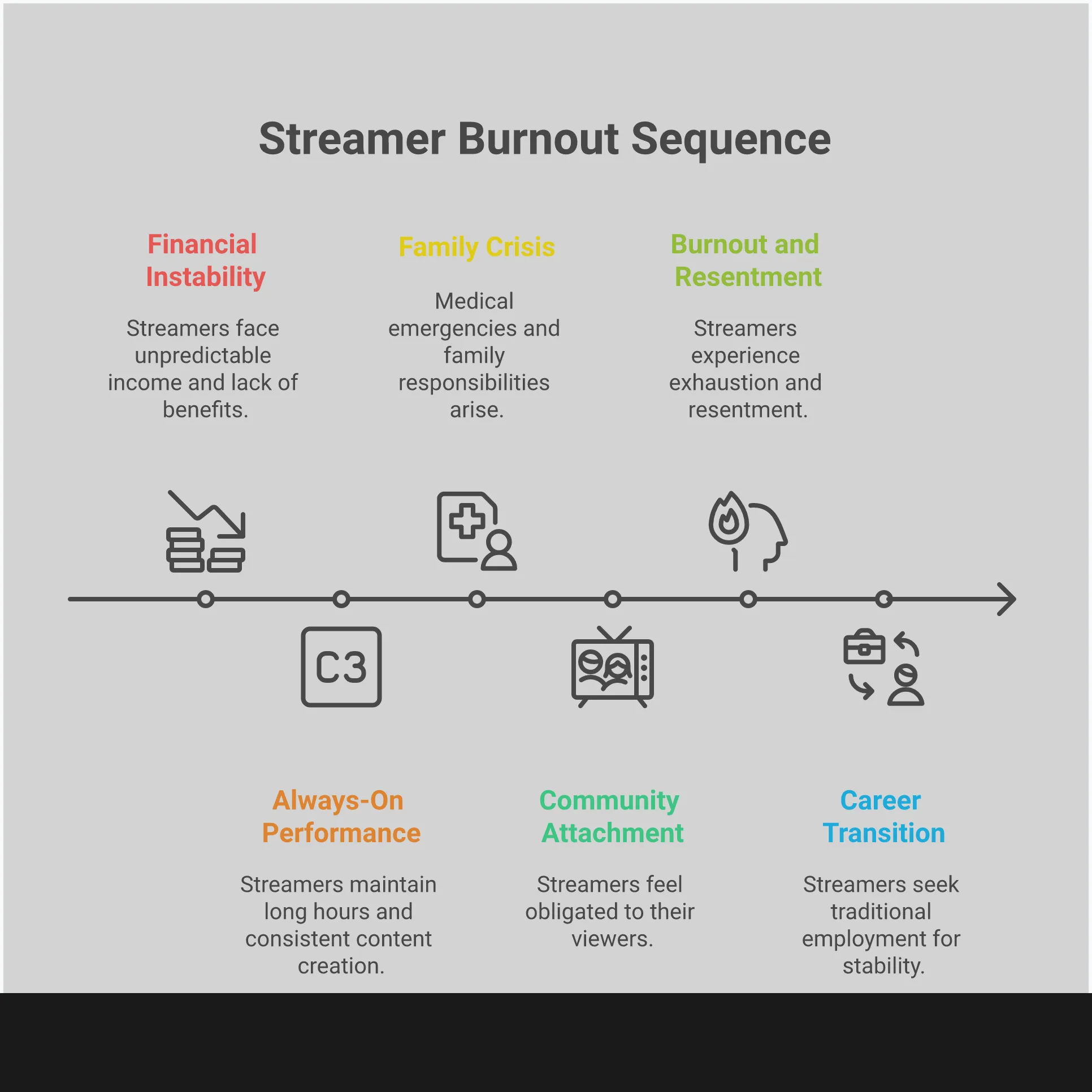
- Financial Instability is a Dealbreaker: The creator economy often lacks the security of a traditional job. Unpredictable income and no health benefits become major issues, especially when family needs arise, forcing many to seek more stable employment.
- The “Always On” Culture Leads to Burnout: Streaming requires constant content creation and community engagement to stay relevant. This relentless pressure takes a serious toll on mental health, turning a passion into an exhausting obligation that many creators can’t sustain.
- Family Priorities Can Force a Career Change: Major life events, like becoming a parent or caring for a sick family member, often change everything. The demanding schedule of a full-time streamer becomes impossible to balance with the non-negotiable needs of loved ones.
Beyond the Follows: Why Are So Many Streamers Quitting?
Being a streamer often seems like a perfect job – playing games, connecting with fans, and earning money doing what you enjoy. However, the truth is usually much harder. Streamers often face financial difficulties, a lot of pressure, and have to make significant sacrifices. When a streamer unexpectedly stops, it might seem sudden, but it’s usually the result of long-term challenges. Streamers are people too, and they often have to choose between pursuing their passion and taking care of their own health and happiness.
Many streamers face a tough decision: balancing the demands of online content creation with the realities of everyday life. Streamer TCaptainX recently shared how family responsibilities led him to step away. His wife had to take time off work to care for their son, who needed heart surgery, and the inconsistent income of streaming made it incredibly stressful. Like many creators, TCaptainX lacked the financial stability and benefits of a traditional job. It wasn’t just about the money, though; it was about having the energy to support his family. He realized a regular job would allow him to focus more on being a dad. While leaving the streaming world was difficult – streamers often deeply value their communities and the connections they’ve built – the need for stability ultimately took priority.
What Pushes a Streamer to Log Off for Good?
It can be really upsetting when a streamer you enjoy suddenly stops creating content – it feels a bit like losing a friend. We usually only see the fun parts of streaming – the great plays and funny moments – but it’s easy to forget how much pressure streamers are under. Streaming isn’t just about playing games; it’s a tough job where they have to be creative, entertaining, manage a community, and run a business, all at the same time. They’re responsible for everything – not just performing, but also planning content, managing social media, editing videos, and handling technical issues. Streamers spend hours behind the scenes working to keep things going and stay relevant.
Deciding to stop creating content is rarely simple, and usually happens because of a combination of difficult factors. What starts as a dream job can become overwhelming due to the constant need to produce new content and the pressure of always being available. This slowly erodes a creator’s passion, eventually leading to burnout. Recognizing these struggles helps us understand the person behind the online presence and the sacrifices they make to entertain us.
Battling the Never-Ending Grind of Content Creation
Let me tell you, being a streamer is way harder than it looks. It’s like you’re constantly on, needing to be creative and engaging every single day. The biggest stress? Always needing new content to keep the algorithm happy. It’s brutal, honestly. I’ve seen so many creators burn out, where something they used to love just becomes another chore. One streamer I know actually dreams of only streaming once or twice a month – it feels impossible! It’s not just about playing the game either; it’s all the planning, promoting on social media, and constantly checking how many people are even watching. When you start feeling like you have to stream instead of wanting to, that’s when you know something’s gotta give.
The Stress of Unpredictable Paychecks
Although a few streamers earn a lot of money, most face financial uncertainty. Their income depends on things like subscriptions, donations, and sponsorships, which can change a lot from month to month, making it hard to plan for the future. This instability causes significant stress – income can be great one month and very low the next. As a result, many streamers need to find more reliable jobs, even if they enjoy creating content. The security of a regular paycheck and a less stressful job is a strong draw for those used to unpredictable earnings.
Dealing with Isolation and Mental Health Strain
Even though streamers appear connected to a large online community, the job can actually be very isolating. It often involves long hours working alone, focused on a screen, which can negatively impact their mental health. The constant need to be upbeat and entertaining, combined with dealing with negativity and managing community expectations, can quickly lead to burnout. Many streamers quietly struggle with feeling emotionally exhausted and uncertain about continuing. Acknowledging these feelings is a brave first step, and often leads to them taking a break or stopping altogether to focus on their well-being.
How Does Family Influence a Streamer’s Career?
It’s often hard for streamers to separate their personal lives from their online presence. However, big life changes, like having a child, really highlight that division. While viewers enjoy the games and entertainment, streamers are also navigating the challenges of family life behind the scenes. Being a parent doesn’t stop when they start streaming, and it can significantly impact their priorities, how they manage their time, and even whether they can continue streaming. Choosing to scale back is a difficult decision, usually made because the needs of their family come first.
Prioritizing a Child’s Health Over a Career
Few things change your priorities like a child’s illness. When a medical emergency happens, things like a career can quickly seem less important. Streamer TCaptainX explained that he had to stop streaming because his son had a serious heart condition. He needed to be fully present for his son and ensure they had reliable health insurance, something streaming couldn’t guarantee. In situations like these, it’s not a difficult decision – it’s what any parent would do. The constant effort to gain viewers and subscribers fades in importance when your family needs you during surgeries and recovery. This is a tough reality, and many creators find they must choose between their passion and the essential need to care for their child.
Juggling the Demands of Streaming and Parenthood
Being a parent is a demanding, full-time job, even when everything is going smoothly. The irregular routines of babies and toddlers make it hard to stick to a consistent streaming schedule. Many streamers find that once their child arrives, gaming takes a backseat. It’s not just the lack of time, but also the emotional and mental strain. Maintaining the energy needed to entertain an audience for hours is difficult enough, but it feels nearly impossible when you’re exhausted and concerned about your child. This often leads parents to temporarily step away from their streaming careers.
Facing the Reality of No Health Insurance
Being a creator online often seems exciting, but it usually lacks the security of a traditional job. In the U.S., streamers and other online creators typically don’t receive health insurance, paid vacation, or other benefits. This is especially challenging when they have families. Facing major medical expenses for a child without adequate insurance can be incredibly stressful. Suddenly, the stability and benefits of a regular job can seem like the most sensible choice. As one creator put it, this creates a difficult situation, forcing them to choose between a career they enjoy and the financial security and well-being of their family.
How Does the Community Play a Part?
A streamer’s community is essential to their success – it’s the lively chat, the shared jokes, and the excitement over new games. This connection is what makes streaming unique, but it also creates a hidden pressure. Streamers often feel the weight of expectations from their audience, and when their personal life doesn’t align with their streaming schedule, that pressure can become too much. It can even lead them to stop streaming altogether. It’s a tricky situation where the relationship between fans and the streamer becomes blurred, and the streamer is left to navigate it all.
Meeting Constant Viewer Expectations
Streamers often form close relationships with the people who watch their content. It’s more than just gameplay; they’re sharing their lives with an audience. As one streamer explained, simply seeing viewers’ names appear in the chat is incredibly meaningful. This genuine connection builds strong loyalty, but it also creates an understanding – an expectation – that streamers will consistently deliver energy and entertainment every time they start a broadcast. The pressure to always be upbeat and perform, even when not feeling well, and to meet the emotional needs of a large audience, can be overwhelming. It’s easy to feel like you’re disappointing people if you’re not at your best, which is an unrealistic expectation. The passionate reactions fans have to gaming news demonstrate how invested they are, and that same level of dedication extends to the streamers they enjoy.
The Pressure of Being “Always On”
The need for new content never stops, especially in the fast-paced world of live streaming. Streamers feel pressured to constantly be online, because taking even a single day off can feel like falling behind. This creates a cycle where many feel stuck, leading to serious burnout. One streamer, explaining why he was stepping back, couldn’t even promise to stream occasionally, admitting he wasn’t sure if he’d be able to manage it even once or twice a month. This reluctance highlights the significant mental strain of always being ‘on.’ The constant demand to produce content leaves little time for personal life, hobbies, or rest, turning what started as a fun hobby into an exhausting job.
Facing Criticism During a Personal Crisis
Look, streaming is awesome, but life happens, and when it does, everyone sees it. If something really tough hits – like a family emergency – sometimes you just have to step away. I heard about one streamer whose son needed serious heart surgery, and he explained his wife would have to take time off work too. It’s rough enough dealing with something like that, but unfortunately, there’s always a small group of people online who are just…mean. They question why you’re taking time off, or start making up stuff. Dealing with that negativity on top of a family crisis is just…brutal. It’s like being at your absolute lowest and having everyone watch and judge. Honestly, it often makes creators decide to just disappear from streaming altogether, and I totally get why.
What’s the Financial Reality of a Streaming Career?
Becoming a streamer often seems like a dream job—getting paid to play video games. However, beyond the numbers of viewers and donations, making a living through streaming can be financially unpredictable. Many streamers don’t just worry about gaining followers; they struggle to earn a consistent income to support themselves and their families. This financial stress is a common reason why even dedicated streamers eventually stop.
Relying on Inconsistent Platform Revenue
A major challenge for full-time streamers is inconsistent income. Money earned from subscriptions, advertisements, and donations can change dramatically each month, making it hard to budget and plan for the future. Streamer TCaptainX explained that this unpredictable income – not knowing how much will come in month to month – is a significant source of stress. This constant financial uncertainty can turn what should be an enjoyable hobby into something anxiety-inducing. It’s difficult to feel financially stable when your income is unpredictable, regardless of how large your audience is.
The Lack of Job Security and Benefits
Streaming is essentially running your own business, but without the usual safety nets. Unlike traditional jobs, streamers don’t receive benefits like health insurance, retirement plans, or paid sick leave. As one creator explained, they’re fully responsible for managing all aspects of their finances – from taxes and savings to healthcare – while also consistently creating content. This lack of security and benefits adds considerable stress to an already challenging profession.
When Your Income Can’t Cover Medical Bills
It really hit home when I heard about TCaptainX having to step away from streaming. Apparently, his son needed serious heart surgery, and without traditional job benefits, it created a huge financial strain. He explained his wife would have to take time off work to care for their son, and honestly, it was heartbreaking. It just perfectly illustrates how tough things are for streamers – they’re often forced to choose between their livelihood and taking care of their families when something unexpected happens. It’s a really precarious situation, and it makes you realize how vulnerable they are.
When Life Forces a Career Change
Streamers don’t always stop creating content because of low views or subscriber numbers. Unexpected life events, like family emergencies or changing personal goals, can make the demands of full-time streaming unsustainable. It’s often not a matter of losing interest, but rather having to choose between pursuing a dream and fulfilling important real-life obligations. These tough situations often aren’t shared publicly, but they’re frequently the real reason a streamer decides to stop.
How a Medical Emergency Changes Everything
A sudden health issue, either for the streamer themselves or a family member, is a major reason why someone might stop streaming. As streamer TCaptainX explained, he had to step away when his son was diagnosed with a serious heart condition, requiring his wife to leave her job to provide care. This created an immediate need for reliable income and health insurance, benefits that streaming doesn’t typically offer. Unlike traditional employment, streaming doesn’t include paid family leave or health plans. When a medical emergency happens, this lack of support can make continuing to stream too risky, forcing creators to focus on their family’s health and financial security.
The Appeal of a Stable Job with Benefits
When life becomes overwhelming, the security of a standard job with set hours can be very attractive. The constant effort of making content, streaming, and staying connected with your audience can be draining. As one creator noted, simply having a schedule similar to a typical Monday-to-Friday job feels like a huge relief. A predictable routine makes it easier to balance work and family. Plus, traditional jobs usually offer valuable benefits like health insurance, vacation time, and a reliable income – things that are often hard to come by as a content creator. This isn’t about quitting your dreams; it’s about making a sensible decision to build a more stable future.
Making the Tough Choice Between Passion and Family
Leaving a community you’ve worked hard to create is incredibly difficult. Streamers often invest a lot of themselves into their channels, so stepping away can feel deeply personal and cause a lot of guilt and sadness. It’s a tough choice, often driven by circumstances beyond their control, as one streamer put it. It’s a conflict between what they love doing and what they need to do, and there aren’t any easy solutions. Creators often worry about disappointing their audience, even when they’re making the right decision for their families. While the community may react in various ways, ultimately, it’s a personal sacrifice.
How Do Streamers Say Goodbye?
When a streamer ends their broadcasts, it’s a big moment – a very personal goodbye shared with their audience. It’s different than quitting a regular job because, for many, streaming is a huge part of who they are, and their viewers feel like family. These final broadcasts are usually heartfelt and emotional, filled with both thankfulness and sadness. It’s not just about ending a stream; it’s about closing a meaningful part of their life, often in front of thousands of people.
It’s always tough when a streamer decides to end things. It really highlights how weirdly close we can get to these people online, even though it’s not a traditional friendship. I mean, I’ve spent so much time watching someone, feeling like I’m part of their journey, and they seem to genuinely appreciate us being there. That last stream? It’s like a goodbye party, a chance to share memories and understand why they’re moving on. It’s a reminder that these aren’t just characters on a screen – they’re real people with their own lives. Honestly, it feels like everyone’s grieving, not just the streamer, because it’s like losing a part of your daily routine and a familiar voice. It’s a strange but real connection.
Telling Your Community You’re Leaving
When a streamer announces they’re leaving, it’s rarely just a quick statement. It’s usually a heartfelt thank you to the community that helped them grow. They often take time to acknowledge the shared jokes, loyal longtime viewers, and even those known for playful antics and small donations. It’s their way of saying they appreciate everyone and that their support truly mattered. This shows how grateful streamers are, recognizing that their success wasn’t achieved alone, but was a shared effort with everyone in their audience.
Handling the Guilt of Putting Family First
Streamers don’t usually stop enjoying games when they quit; more often, life simply demands their attention. Many have to step away to deal with difficult personal issues, such as a child’s serious illness. When forced to choose between their career and family, the choice is obvious, but it often comes with a lot of guilt. They worry about disappointing the community that relies on them for fun and connection. This inner conflict is a tough part of the process, as they juggle significant personal stress with their sense of responsibility to their viewers.
Leaving the Door Open for a Possible Return
Most streamers don’t announce a permanent farewell. They usually hint at a possible return, saying things like they might stream occasionally or when they have more time. This isn’t just about being kind to their audience; it’s also for the streamer themselves. Streaming often becomes a big part of who they are, making it hard to stop completely. By leaving the possibility of coming back open, they stay connected to their community and keep their passion alive. It’s a way of saying “see you later” and offering a little hope for both the streamer and their fans.
What Happens to the Community Left Behind?
When a streamer stops creating content, it affects more than just them. Their regular viewers feel a real loss – it’s like losing a hangout spot, a daily habit, and a leader who brought everyone together. For many, the streamer was a comforting presence and a friend. The community is left wondering what happens next, feeling both sad and supportive. It’s a complicated situation, as one streamer put it. These online spaces become like homes, and when the host leaves, it’s like a family adjusting to change. It’s a unique kind of sadness for a relationship that felt both public and personal. The community’s response shows just how strong the bonds were, built through shared experiences, jokes, and genuine connection. It demonstrates how much the creator’s journey meant to their viewers, who weren’t just watching, but were part of the story. When that story ends, it’s a loss everyone feels together.
How Followers Cope with a Streamer’s Exit
When a streamer stops creating content, many fans feel like they’re losing a friend. What was once a lively chat filled with jokes and reactions turns into a place for saying goodbye. Viewers often share personal stories about how the streamer helped them cope with challenges, expressing hope for the streamer’s future. These interactions highlight the deep, often unsaid, bond between creators and their audience. It’s more than just the loss of entertainment; it’s the end of a regular, comforting part of their lives, and fan reactions demonstrate how much these creators truly matter.
When the Community Rallies in Support
When a streamer faces a tough choice, a supportive community really shines. Instead of reacting with negativity, viewers offer encouragement and understanding, letting the streamer know they’re making the right decision. Many show their gratitude with final donations, a way of saying thank you for everything. One viewer beautifully summed up the feeling, saying it’s heartbreaking but that the community is there for the streamer, both in thought and in spirit. It’s a powerful example of a community giving back and demonstrating the strong connection they share.
Supporting a Creator Through Their Transition
The most helpful thing a community can do for a creator is to respect their choices and continue to connect with them in new ways. Often, creators don’t stop creating altogether – they might simply shift their focus and share updates on platforms like Discord or Twitter. Following them there and interacting with their posts shows that your support is for them as a person, not just their streams. This ongoing connection helps them feel less alone during big changes and keeps the community going, even if it looks different. It’s about being flexible and supporting each other through the process.
What’s the Emotional Toll of Quitting?
Honestly, stepping away from streaming is way harder than people think. It’s not just about hitting ‘stop’ on a stream. For me, and I’ve talked to a lot of other creators who feel the same way, it feels like losing a piece of yourself. You spend years building this community, really putting yourself out there, and making streaming a huge part of your life. So, when you decide to stop, it’s really tough. It makes you question who you are, what’s important, and how secure you are, and it really shows how much more support streamers need when it comes to their mental health.
Moving away from streaming isn’t just about replacing the income; it’s about figuring out who you are without that identity. It’s tough – people often feel scared about what’s next while also trying to accept their new life. It’s a process of letting go of the past, dealing with worries about the future, and ultimately discovering a new passion. This emotional struggle is something viewers rarely see, but it’s a major challenge for anyone who decides to stop streaming.
Grieving a Lost Identity and Routine
Being a full-time streamer is more than just work—it’s a core part of who they are. They build a brand around their personality and a close-knit community around their streams. When a streamer stops, they lose not only their daily routine of creating and interacting with viewers, but also something they truly love. As one streamer explained, they’ll deeply miss it. This loss creates a significant emptiness, causing a real sense of sadness for the life and identity they’re leaving behind. Losing that consistent connection and creative outlet can be a tough transition.
The Fear of Starting Over from Scratch
Losing a streaming channel isn’t just upsetting emotionally; it creates real anxiety about the future. After dedicating years to building an online presence, the thought of starting a new career feels overwhelming. Many streamers question whether their skills will be valuable in a typical job. One creator expressed feeling lost about what comes next, admitting a complete restart would be difficult. This uncertainty can be truly paralyzing. While they’ve become experts at creating content and connecting with an audience, entering the traditional job market feels like a completely different world, and they worry about finding the same level of success and satisfaction.
Finding Peace in Putting Family First
Honestly, a lot of streamers who step away from it all say they feel so much better afterwards, especially if they’re doing it for their family. Streaming is a serious grind, and it really takes a toll on your life and relationships. I’ve heard from guys who realized they needed to focus on their partners or kids, and it just lifted a huge weight off their shoulders. One streamer, who was about to become a dad, told me he just wanted to put all his energy into that, and honestly, I get it. He even said he was looking forward to a normal 9-to-5 job! It sounds crazy, but trading the chaos of being a creator for a stable routine lets you actually be there for the people you love, and that’s way more important.
Frequently Asked Questions
It’s frustrating when streamers announce they’re quitting, and I often wonder why they can’t just scale back a little instead. But it really hit me that for someone who streams as their job, it’s not like they can just ‘work less.’ Their whole income depends on being consistent! If they stream less often, they risk losing subscribers and donations, and that money isn’t guaranteed anyway. Plus, the way platforms work, taking even a short break can make it feel like you’re losing all your momentum and have to rebuild your audience from zero. Honestly, sometimes switching to a more stable job just makes more sense.
I used to think if you were a popular streamer, you were set for life, but I’ve realized that’s not always true. Sure, a tiny percentage of streamers make serious money, but most of us are living gig to gig. It’s tough because we don’t have the benefits a normal job offers – no health insurance through work, no vacation time, and definitely no retirement plan. It’s a real struggle when something unexpected happens, like a family member getting sick, and suddenly you’re facing a mountain of bills.
It might seem odd to say streaming can be lonely when streamers connect with so many people, but it’s true. Chatting with a large audience isn’t the same as having a close conversation with a friend. Streamers often work alone, and the constant need to perform and be engaging can be exhausting. While connecting with viewers is valuable, it’s often a one-way connection and doesn’t fulfill the need for genuine, personal relationships in real life.
Many streamers stop when they have children, leading people to wonder if it’s possible to be both a parent and a streamer. While it’s not impossible, it’s very difficult. The unpredictable hours and income of streaming don’t easily fit with the needs of raising a family, particularly with young children or those needing extra care. Unlike typical jobs that offer regular schedules, reliable income, and health insurance, streaming often lacks these benefits, which leads many creators to prioritize financial security for their families over pursuing their streaming hobby.
It’s tough when a streamer you enjoy decides to stop. The best way to support them is to be understanding and let them know how much you appreciated their content. Respect their decision and avoid making them feel bad about it. If they’re still active on platforms like Twitter or Discord, following them there shows you support them as a person, not just their streams.
Read More
- Netflix’s Little House On The Prairie Reboot: Release Date, Cast & Everything We Know
- Off Campus Season 1 Soundtrack Guide
- YouTuber arrested after viral AI bodycam videos spark real police complaints
- Silver Rate Forecast
- Prime Video’s New R-Rated Spy Thriller Is Officially No.1 On Streaming Despite Poor Reviews
- Brent Oil Forecast
- EUR ZAR PREDICTION
- Bulgakov’s Take: Koreans Bet the Farm on Chips, Crypto, and Chaos
- Gold Rate Forecast
- Peaky Blinders: The Immortal Man’s Tommy Shelby Is a Better Father Than Michael Corleone
2025-12-03 14:35