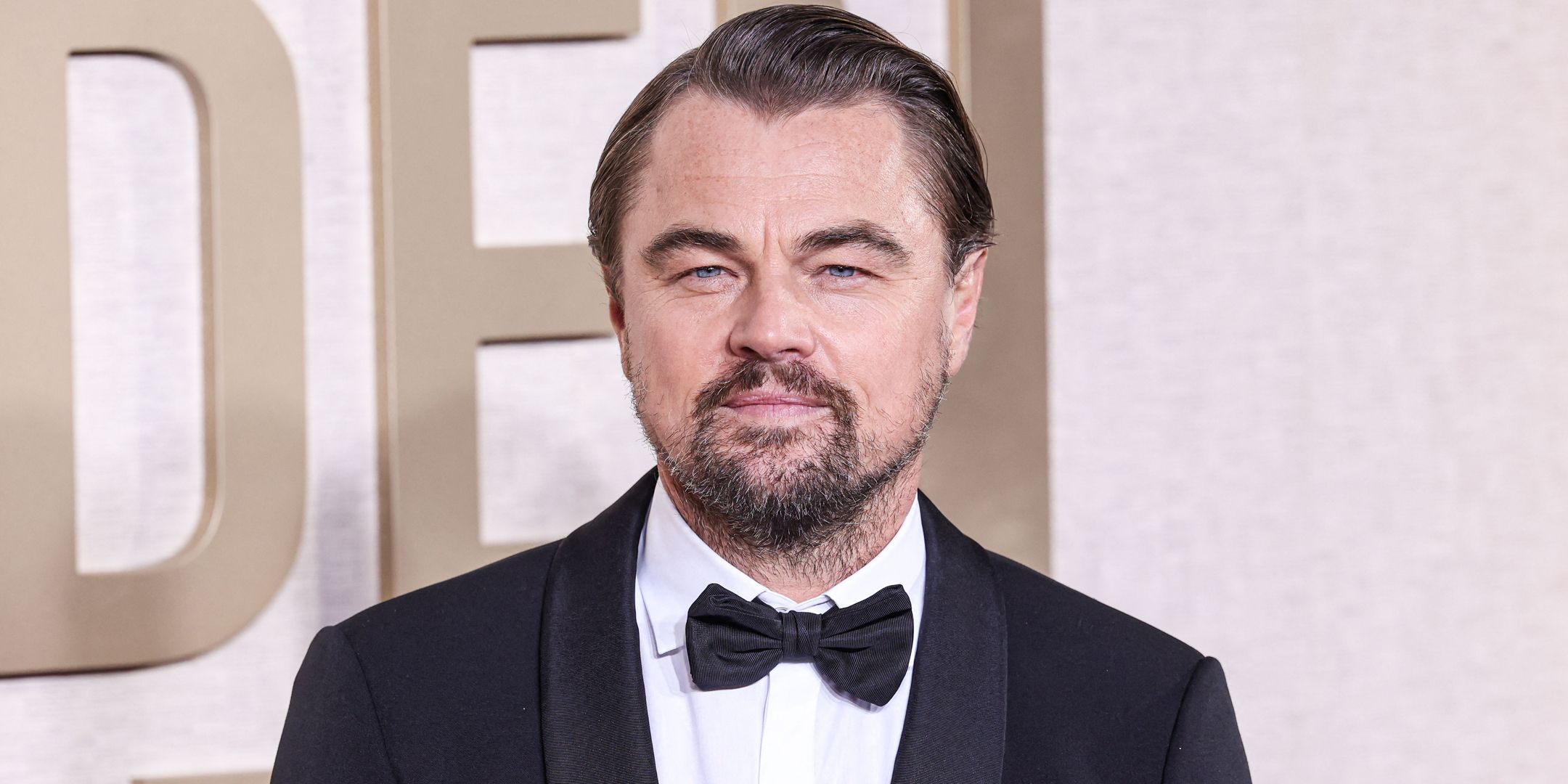
Leonardo DiCaprio once declared a 1968 science fiction film to be one of his all-time favorite movies. When asked which films deserved a place on his personal “Mount Rushmore” of cinema, he chose only true classics: East of Eden, Taxi Driver, and Stanley Kubrick’s groundbreaking sci-fi epic, .
2001: A Space Odyssey is a truly famous film. It’s been referenced and copied so many times that even people who haven’t seen it likely recognize some of its most memorable moments, like the opening sequence and the confrontation between the astronauts and the HAL 9000 computer.
Generally, 2001: A Space Odyssey tells the story of astronauts investigating a mysterious monolith found on Jupiter. The movie is famous for its realistic portrayal of space travel, avoiding common special effects shortcuts. Unlike many films, it features very little dialogue and often relies on music to convey the story. Many viewers feel it’s more of an immersive experience than a traditional movie, as discussed in an Esquire interview.
DiCaprio described the film as more than just entertainment, calling it a deeply moving, almost spiritual experience. He explained that it’s meant to make you think about humanity’s place in the universe, and that the film actually grows more thought-provoking with each viewing.
As DiCaprio mentioned, 2001: A Space Odyssey is generally understood as a film about humanity’s evolution and how technology has shaped us, ranging from hopeful to disastrous visions of the future. It’s a movie you can watch repeatedly and still discover new meanings each time.
2001: A Space Odyssey Is Stanley Kubrick’s Sci-Fi Masterpiece
Stanley Kubrick directed the iconic film 2001: A Space Odyssey, and he collaborated on the screenplay with science fiction author Arthur C. Clarke. The film was inspired by Clarke’s earlier short stories, especially “The Sentinel” and “Encounter at Dawn.” The movie features Keir Dullea, Gary Lockwood, and William Sylvester as the astronauts traveling to Jupiter, and Douglas Rain provides the voice for the intelligent computer, HAL 9000.
When 2001: A Space Odyssey first came out, it didn’t receive rave reviews. Some prominent critics, like Pauline Kael, actually found it uninspired, and its lengthy, slow-paced scenes didn’t appeal to many general audiences. The movie’s nearly two-and-a-half-hour runtime also presented a challenge for viewers.
At first, 2001: A Space Odyssey didn’t attract a large audience. But when it became popular with the counterculture movement, the studio started promoting it as a mind-expanding experience, and it finally began to find viewers. Over time, the film became hugely influential, inspiring countless science fiction writers and filmmakers.
Today, 2001: A Space Odyssey is widely considered one of Stanley Kubrick’s greatest films. A sequel, 2010: The Year We Make Contact, came out in 1984, but it didn’t achieve the same success. You can watch 2001: A Space Odyssey now on HBO Max.
Read More
- Off Campus Season 1 Soundtrack Guide
- Euphoria Season 3’s New R-Rated Sydney Sweeney Scene Proves The Show Is Trolling Us
- Gold Rate Forecast
- What is Omoggle? The AI face-rating platform taking over Twitch
- Man pulls car with his manhood while on fire to raise awareness for prostate cancer
- Popeye Slasher Horror Film Officially Kicks Off Production on ‘Bigger & Bloodier’ Sequel
- Why is there no Jujutsu Kaisen this week? Missing Season 3 Episode 8 explained
- Crimson Desert Guide – How to Pay Fines, Bounties & Debt
- Jailbreak codes (April 2026)
- Lord Of The Flies Review: Near-Perfect Adaptation Is A Reminder Of Classic Novel’s Haunting Power
2025-11-21 20:16