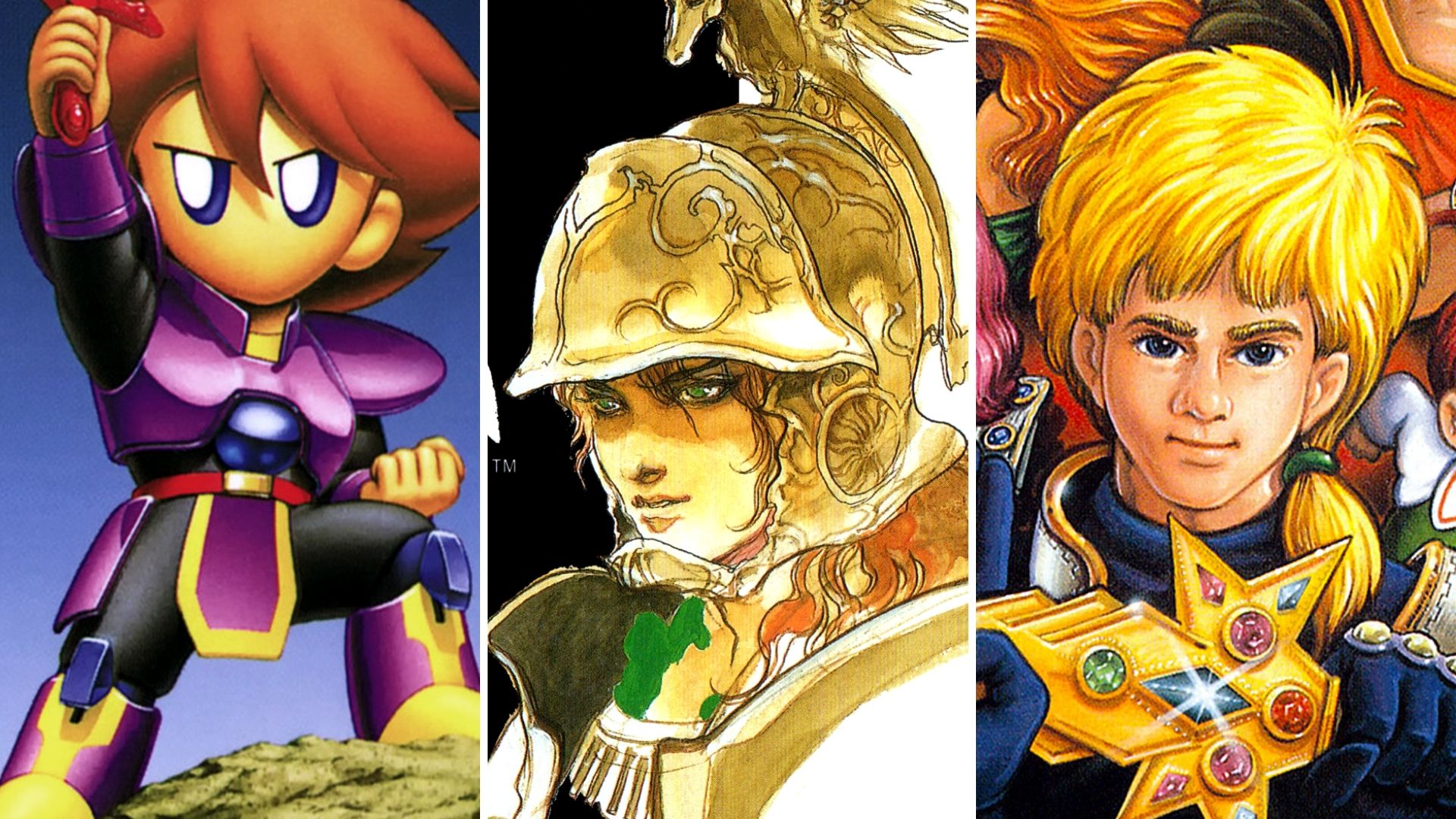
Yuji Horii’s Dragon Quest for the NES was the start of what we now know as Japanese Role-Playing Games, or JRPGs. Though many people first experienced these games on the PlayStation 1, veteran gamers were already enjoying them on the Super Nintendo, which had a great selection to choose from.
The SNES offered a wealth of incredible Japanese role-playing games (JRPGs). Fans loved the Final Fantasy series, especially Final Fantasy VI, which many consider the best in the franchise. The Dragon Quest series continued with its classic gameplay, and the SNES also launched two new franchises: Star Ocean and Tales of. Though born from similar ideas, creative differences led them down separate paths. And, of course, the system hosted Chrono Trigger, frequently hailed as one of the greatest JRPGs ever made.
The SNES had a lot of great JRPGs, but not everything was a classic. Some games just didn’t live up to the hype, and honestly, you’re better off spending your time on more worthwhile titles from the many you likely already own.
8. Paladin’s Quest
Quest to Find Another Game
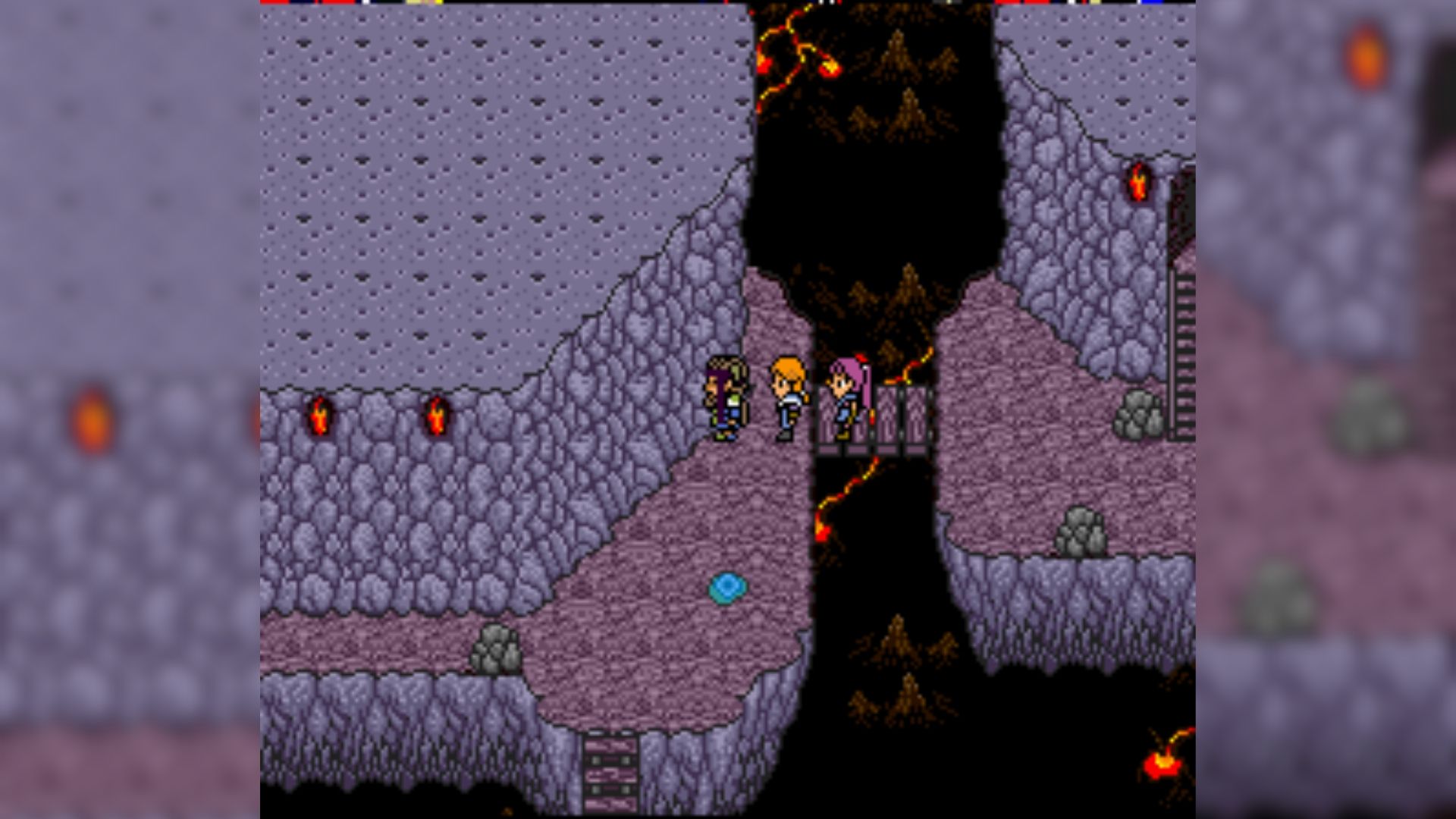
Paladin’s Quest is a classic SNES JRPG. It follows a set story with a defined group of characters, and progresses in a straightforward way. Gameplay involves traditional turn-based battles where you gain money to purchase better equipment. While it had a few unusual elements – like using bottles for healing and the option to add different characters to your team – it largely sticks to the expected formula.
If Paladin’s Quest was your introduction to JRPGs, you’ll likely enjoy it. However, if you’re already familiar with the genre, it’s probably not worth your time. It’s a perfectly okay game, but with so many JRPGs available, it’s best to prioritize the truly exceptional ones, especially when you’re trying to manage a long list of games to play.
7. Inindo: Way of the Ninja
Introducing War Games Before Suikoden
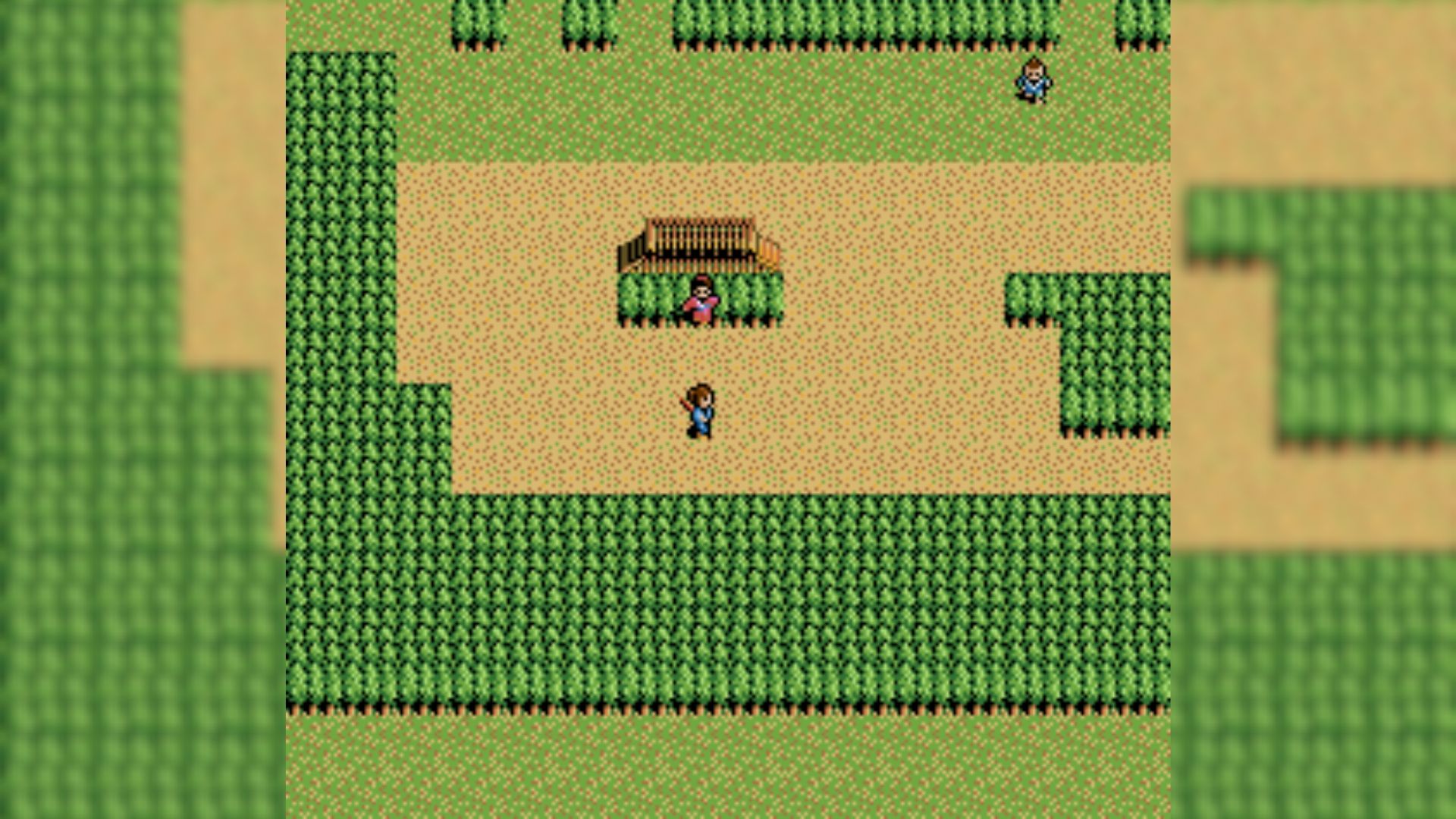
Old-school games often included instruction manuals for a reason, and Inindo: Way of the Ninja really highlights why. While it starts as a fairly typical JRPG, the game quickly introduces complex mechanics that can be incredibly confusing if you’re not prepared, particularly as you progress.
I’ve always believed that adding lots of complicated rules doesn’t make a game good, particularly if it’s hard to understand. Inindo: Way of the Ninja is a classic top-down game where you explore towns, shop for gear, build a team, and battle enemies in turn-based combat – everything you’d expect from this type of game.
The game promises engaging strategy, with large-scale battles and a system where you negotiate with lords to join forces against Oda Nobunaga. While this sounds good in theory, the actual gameplay feels awkward and repetitive, likely causing players to lose interest before finishing it.
6. Final Fantasy Mystic Quest
Final Fantasy for Dummies
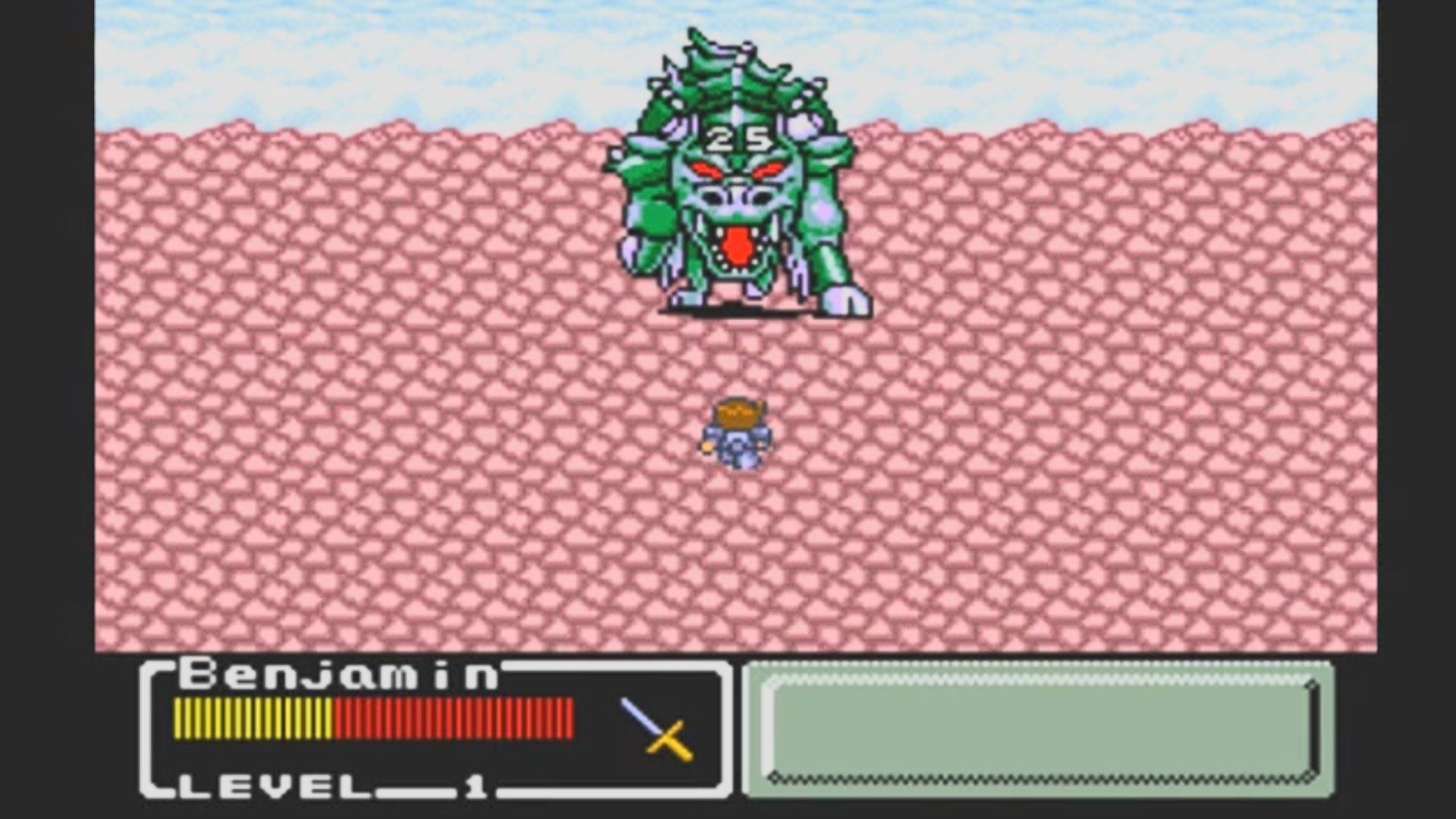
It’s true that Final Fantasy Mystic Quest has always been a bit divisive, and it’s understandable why some feel bad for the game. While it might be interesting to try now, players expecting a traditional Final Fantasy experience on the SNES were likely very disappointed when it first came out.
Final Fantasy Mystic Quest, known as Mystic Quest Legend in Europe and Final Fantasy USA: Mystic Quest in Japan, was designed as an entry point for players new to the Final Fantasy series. In fact, it was specifically marketed as a simplified role-playing game, suggesting the developers knew exactly who they were trying to reach with this title.
While Final Fantasy Mystic Quest is straightforward, it’s surprisingly challenging and ultimately not very captivating. It’s a forgettable game that doesn’t really feel like a Final Fantasy title, so you’d have a much better experience playing almost any other game in the series.
5. The Twisted Tales of Spike McFang
Repetitive Beyond Measure
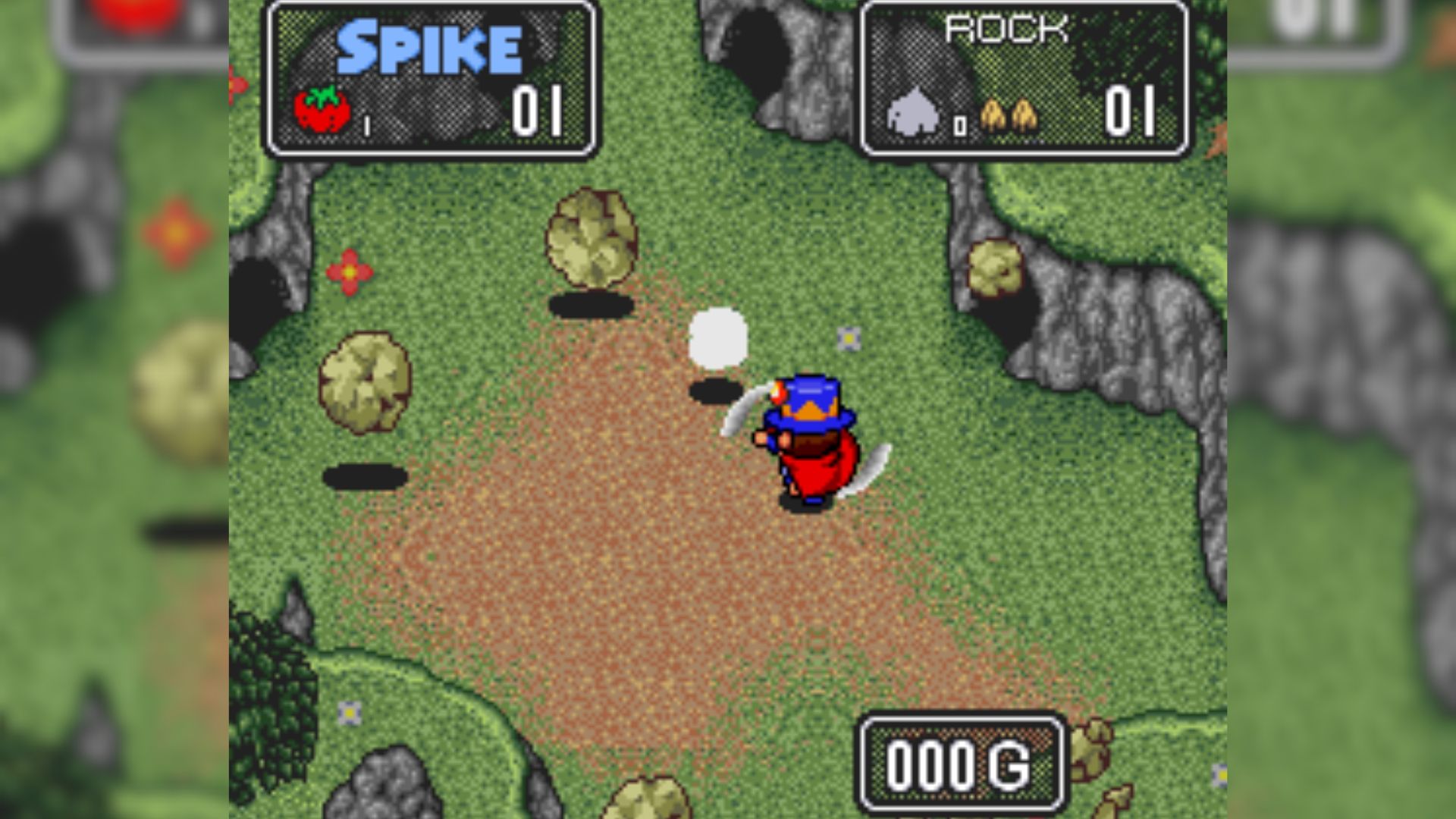
While The Twisted Tales of Spike McFang doesn’t really play like a traditional Japanese role-playing game, be warned – it’s still a frustrating experience! A friend asked me to try it recently, and honestly, some friendships aren’t worth the trouble. I nearly threw my controller during one boss fight; the game’s hit detection was so bad it made me furious.
In The Twisted Tales of Spike McFang, you play as Spike, a character who uses his cape and hat to battle enemies, gain experience, and improve his skills. The game features magic and items, but these are obtained through costly cards. While it requires a lot of repetitive gameplay to progress, the game doesn’t offer enough engaging mechanics to keep players interested for long.
4. Laplace no Ma
Great Concepts, Bad Executions
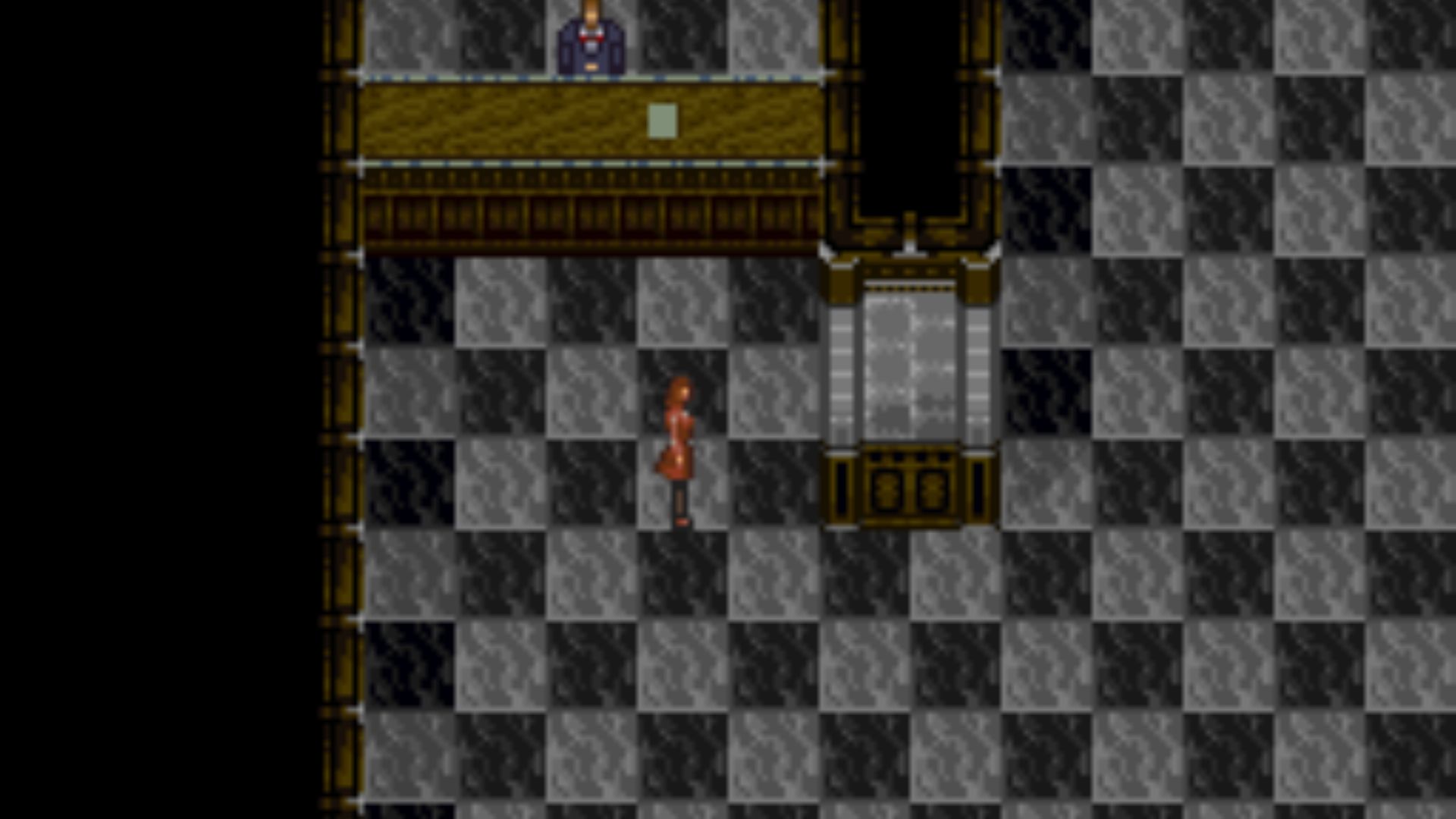
I’m a big fan of obscure JRPGs, and Laplace no Ma (or The Laplace’s Demon as some of us call it thanks to fan translations) is one that sadly never made it outside of Japan. It really feels like it took a lot of inspiration from Sweet Home, that older Capcom game which eventually led to Resident Evil. In the game, you gather a team of modern-day adventurers, and they all explore this creepy mansion called Weathertop – each one has their own personal reasons for being there.
This JRPG has some interesting concepts, but they’re often bogged down by complicated systems. For instance, you earn money by taking pictures of monsters in a mansion as a Journalist, but it feels like extra work. Different classes have strengths – Detectives use guns on regular enemies, and Mediums use magic on ghosts – though the game doesn’t explain these advantages upfront. Plus, you’re limited to changing your party members only when you’re at the town’s inn.
The Scientist character relies on battery-powered tools, but constantly running out of batteries and a limited inventory create problems. This JRPG attempts to be unique, but doesn’t prioritize making the game easy to use, resulting in a frustrating experience that often leads players to quit.
3. Secret of the Stars
The Great Roleplaying Game Aqutallion
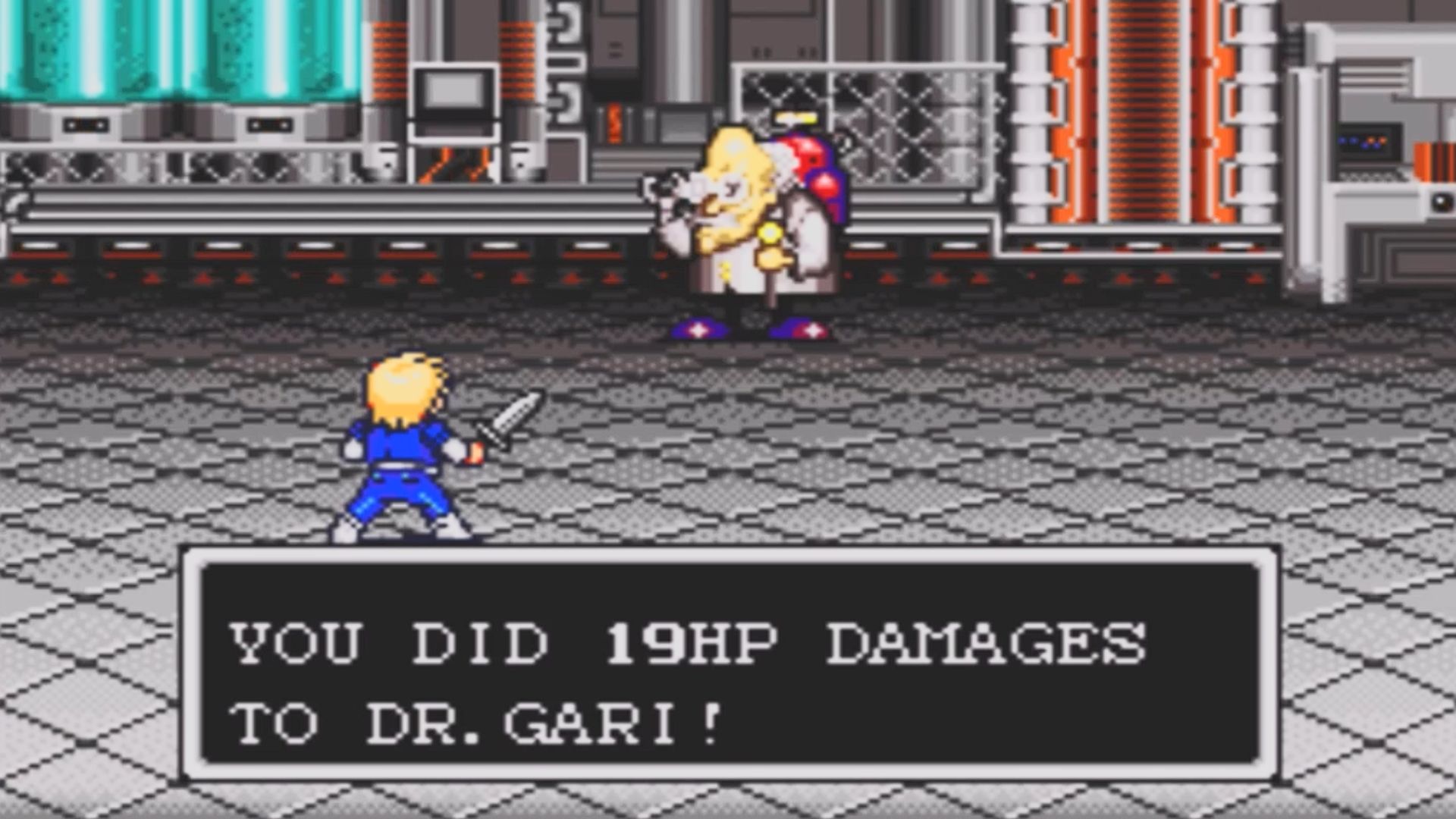
Tecmo’s Secret of the Stars is a uniquely flawed JRPG that’s almost enjoyable because of how strange it is – as long as you go in knowing it’s not a perfect game. It includes familiar JRPG features, but also tries some new things, like managing two parties and building up towns. While the ideas themselves aren’t bad, the way they’re implemented just doesn’t quite work. I keep coming back to this point because it really defines the experience!
The translation in Secret of the Stars is famously awful, but endearingly so. Despite the poor localization, you can still follow the story of Ray and the Aqutallion as they embark on a quest to defeat Homncruse. You’ll have to get past the truly bizarre villains, Cat Boo and Badbad, first. And yes, those are their actual names! Thankfully, the game does have some decent battle graphics, which offer a small saving grace.
2. The 7th Saga
Unnecessarily Difficult
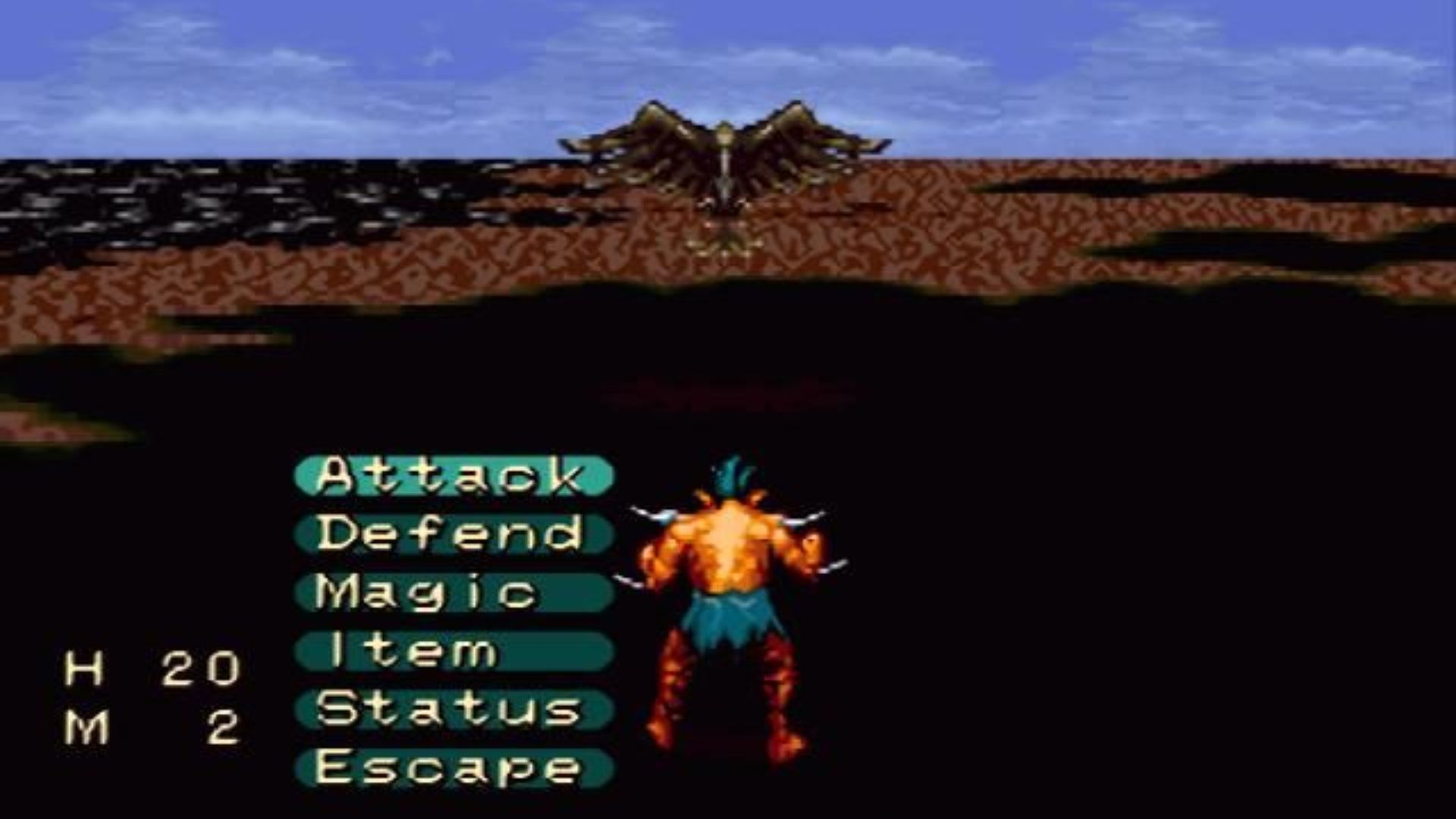
If you look up the most challenging JRPGs, you’ll likely find The 7th Saga mentioned. It was the first game I ever played where I lost so quickly—getting a game over within the first few battles—and I didn’t know how to progress without simply starting over. The problem was that the American version of The 7th Saga was intentionally made much harder than the original, to the point where it felt incredibly unfair.
Subscribe for smart takes on SNES JRPGs and retro games
The game is actually quite good! You begin by choosing one of seven heroes and competing in a battle royale to find seven runes. As you play, you can team up with another hero while battling the rest. The US version is more challenging: enemies do more damage, you level up slower, and the other heroes get stronger as you progress, making the game significantly harder.
Even today, The 7th Saga is worth playing – it’s a genuinely clever and enjoyable game, especially with its unique radar system that warns you when enemies are nearby. However, the game is notoriously difficult and can be frustrating, so you might have more fun with a modified version that rebalances the monsters and levels to match the original Japanese version.
1. Romancing SaGa 2
Play the Modern Version
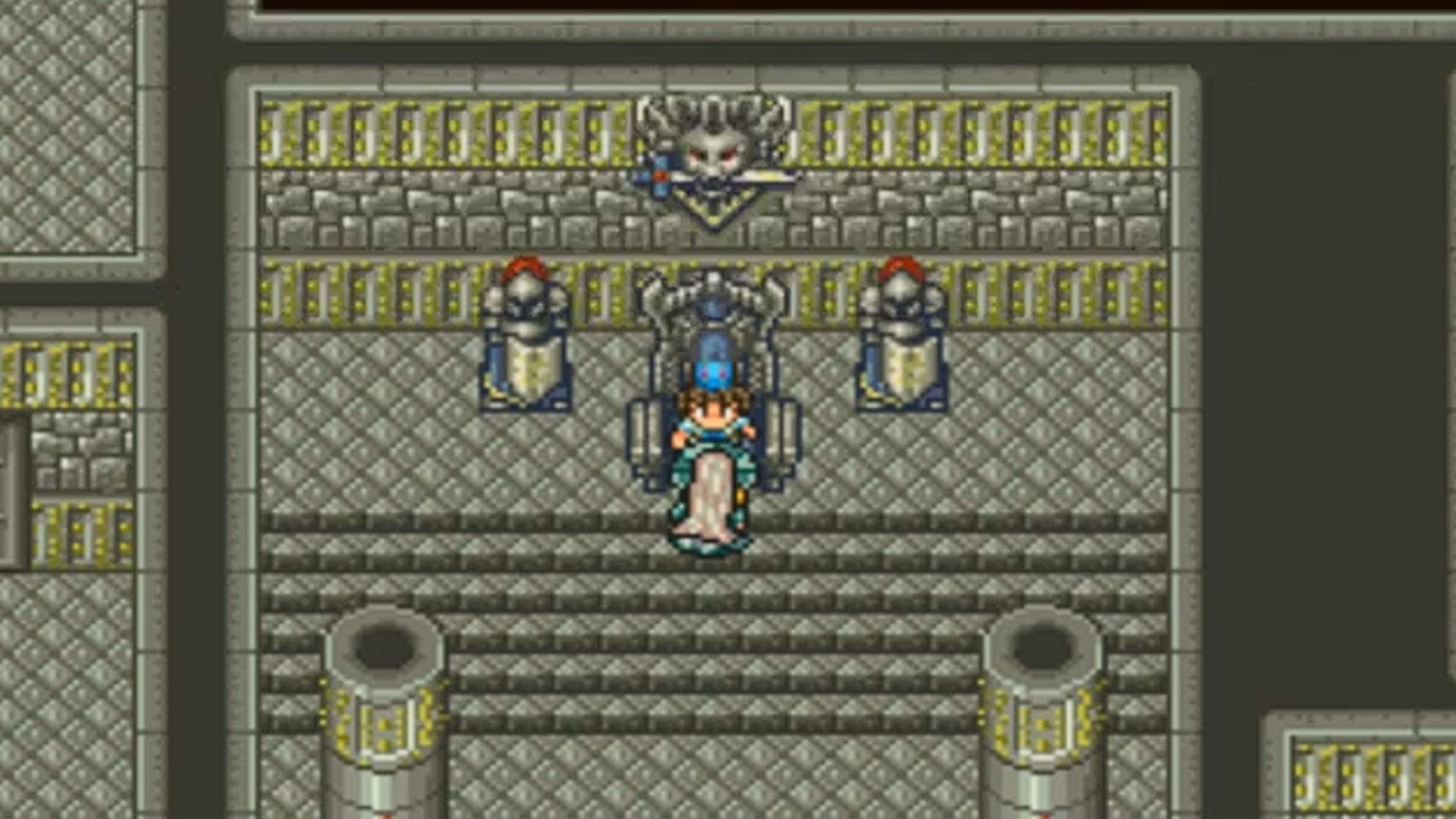
I encountered a common problem with some older games: a much-improved version exists, making the original feel unnecessary. I played Romancing SaGa 2 on my PS4. As a long-time fan of the SaGa series – I’ve played many, including newer titles like Scarlet Grace and Emerald Beyond – I still struggled to get through it, even with a guide constantly open.
This game isn’t bad at all, actually. It’s a definite improvement over the original Romancing SaGa, and it was remarkably ambitious when it first came out. The idea of your character’s lineage spanning many generations, with choices that could lead to saving a people or delving into dangerous dark magic, was truly impressive for its time.
Despite its appeal, the game can be difficult to get into, and many players find it frustrating. What’s more, there’s now a complete remake called Romancing SaGa 2: Revenge of the Seven, which is a truly excellent turn-based JRPG that you should absolutely try.
Read More
- Netflix’s Little House On The Prairie Reboot: Release Date, Cast & Everything We Know
- Off Campus Season 1 Soundtrack Guide
- YouTuber arrested after viral AI bodycam videos spark real police complaints
- Silver Rate Forecast
- Prime Video’s New R-Rated Spy Thriller Is Officially No.1 On Streaming Despite Poor Reviews
- Brent Oil Forecast
- Gold Rate Forecast
- Bulgakov’s Take: Koreans Bet the Farm on Chips, Crypto, and Chaos
- Peaky Blinders: The Immortal Man’s Tommy Shelby Is a Better Father Than Michael Corleone
- EUR ZAR PREDICTION
2026-05-19 21:41