Color plays a huge role in how stories are told through film, which is why using black and white can be so powerful. While movies used to only be in black and white, now it’s a deliberate artistic decision that can dramatically change the look and feel of a film.
This is a list of recent, must-see movies that are filmed entirely or mostly in black and white. We’re only including films that were originally released in theaters in black and white – so, for example, a movie like The Mist which only had a black and white version available on DVD doesn’t make the cut.

We’re focusing on truly amazing films – the ones that everyone should experience at least once, the very best movies out there.
8. The Lighthouse (2019)
Written by Max Eggers, Written and Directed by Robert Eggers

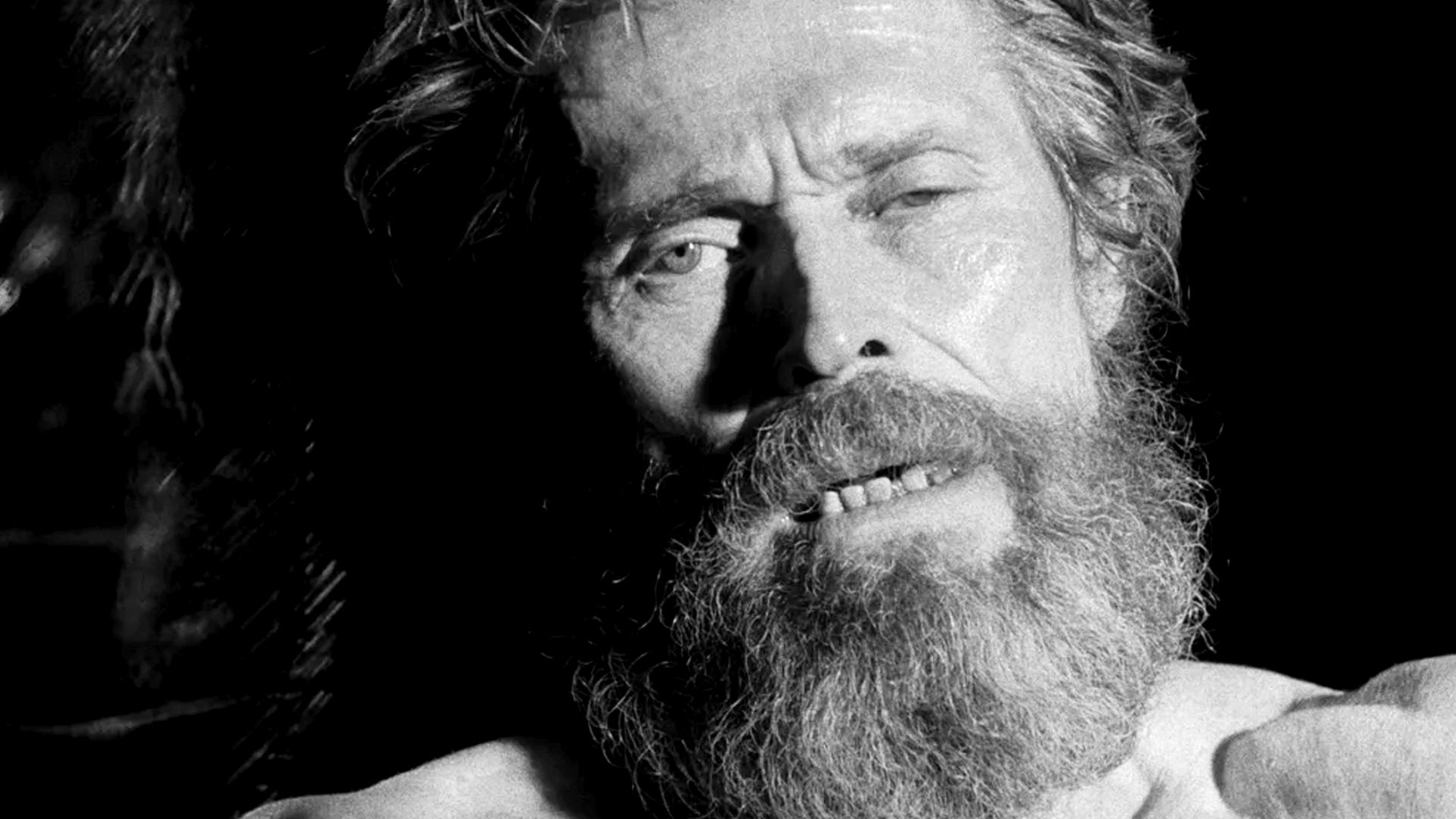
Willem Dafoe and Robert Pattinson feature in a darkly funny film about extreme isolation. As two men are cut off from the world, they start to succumb to old beliefs and confront their troubled pasts.
Filming in black and white creates a jarring effect, instantly separating the characters from the real world and thrusting them into a stark, emotionally heightened environment. The filmmakers, Eggers and Jarin Blaschke, used this style to highlight the contrast between light and shadow, and the textures of the setting, rather than relying on color. This draws attention to details that might have been overlooked, especially given how confined and isolating the location is.

Similar to many films on this list, The Lighthouse employs black and white cinematography to distort reality, making it difficult to distinguish between what’s real and what’s terrifying when the story takes a dark turn.
7. The Artist (2011)
Written and Directed by Michel Hazanavicius
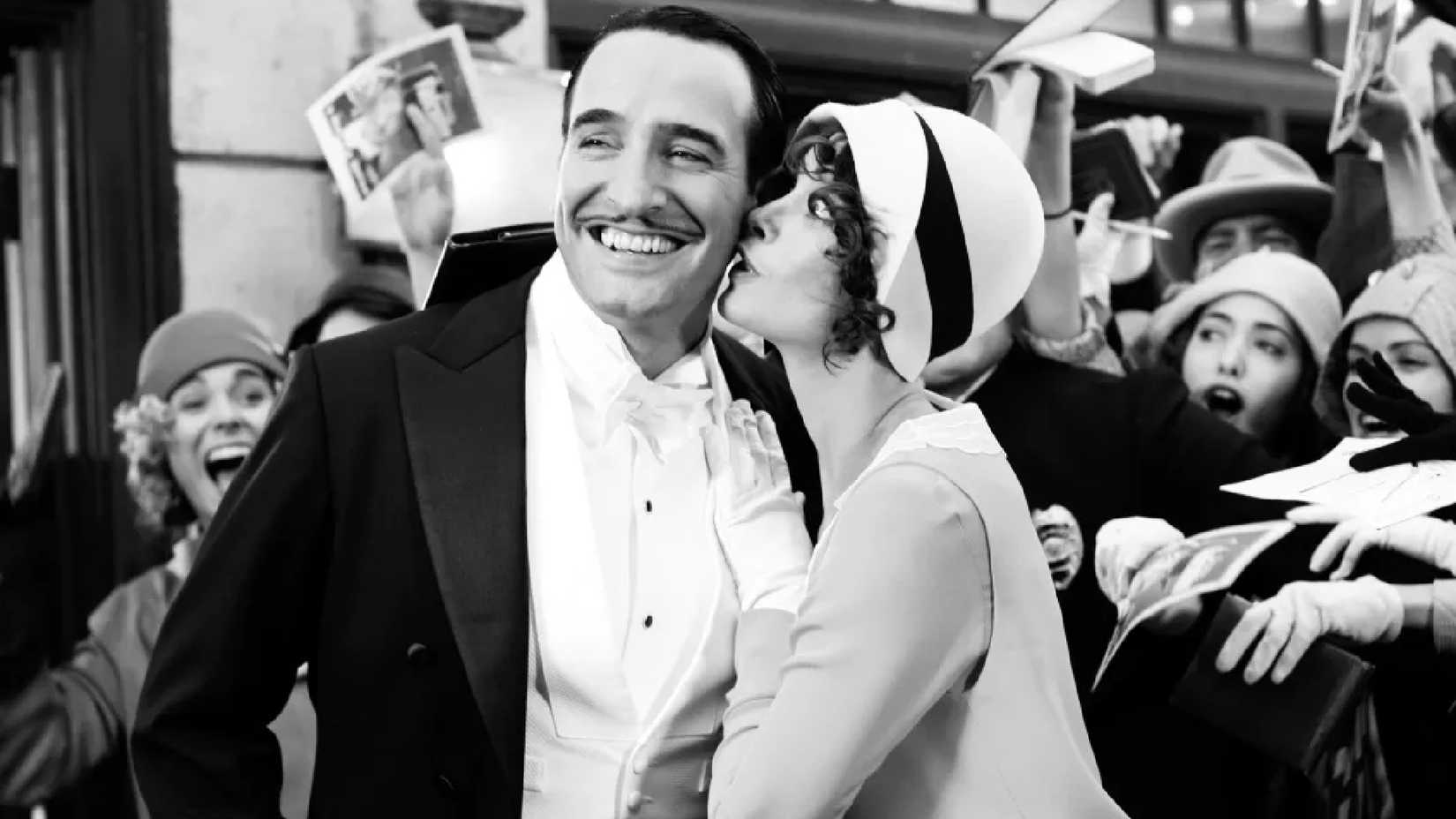
The Artist tells the story of George Valentin (Jean Dujardin), a popular silent film actor whose career declines when talking pictures become the new standard. The film also follows his blossoming romance with Peppy Miller (Bérénice Bejo), a dancer who becomes a rising star thanks to the arrival of ‘talkies’.

The film uses black and white and very little natural sound to feel like an old silent movie. This style lets the filmmakers use classic visual tricks – like a surprising on-screen sound effect at the end – and highlights the old-fashioned world that the main character, Valentin, is struggling to leave behind.
6. Godzilla Minus One/Godzilla Minus Color (2023)
Written and Directed by Takashi Yamazaki

The highly praised film Godzilla Minus One centers on Ryunosuke Kamiki, a former pilot who feels immense guilt and trauma from his experiences in World War II. When a mutated Godzilla appears, born from the war’s destruction, Kamiki sees an opportunity to make amends for his past. However, pursuing redemption could cost him the loving relationships he’s begun to build while battling his inner demons.
The 2024 release of Godzilla Minus Color, originally filmed in color, is widely considered the superior version of the film. Removing the color enhances the already stunning CGI, making the monster and its destruction feel incredibly real and immersive.

Clearly drawing inspiration from the classic 1950s Godzilla film, this black and white version underwent significant adjustments to its contrast and image masking, which slightly shifted the emphasis in several important scenes. Director Yamazaki explained to The Wrap:
We found that desaturating the footage actually heightened the sense of realism, giving it a documentary-like feel and making Godzilla seem more like a genuine creature. It was genuinely scarier than the color version of ‘Godzilla Minus One’ – even those of us working on the film felt chills.

The black and white cinematography reinforces the film’s historical context, highlighting that both Kamiki and Godzilla are still dealing with the consequences of an age-old battle and are bound by it. This visual style beautifully complements Kamiki’s journey towards redemption.
5. Roma (2018)
Written and Directed by Alfonso Cuarón

Roma is a film set in 1970s Mexico City that tells the story of a housekeeper and her challenging personal life. The movie contrasts her struggles with the political unrest and violence of the time. It deeply examines issues of class, gender, and race, focusing on the growing bond between the housekeeper, Cleo, and her employer, Sofía, as both women experience similar heartbreak.

The film’s black and white visuals create a sense of realism and connect it to a recent past, as the story includes elements from the director’s own life. This style feels like watching a documentary, encouraging viewers to form their own emotional connection to the story instead of being told how to feel.
4. The Tragedy of Macbeth (2021)
Written and Directed by Joel Coen

Coen’s adaptation of the Shakespeare play is stark and simple, which perfectly suits the tragic tale of a man consumed by desire and ultimately losing it all.

Shakespeare’s Macbeth explores the powerful themes of destiny and inescapable fate. The Coen brothers’ film adaptation highlights how familiar the story is, and how it always ends in tragedy, through a deliberately artificial visual style. The film’s black and white cinematography feels both timeless and dreamlike, enhanced by eerie sets inspired by the German Expressionist movement.

Despite the film taking place in a manufactured world with repetitive cycles, Denzel Washington and Frances McDormand give strong, compelling performances that keep the story grounded in human emotion.
3. Mad Max: Fury Road | Black and Chrome Edition (2016)
Written by George Miller, Brendan McCarthy and Nico Lathouris, Directed by George Miller

Although initially released in color, director Millar believes the black and white version is the superior cut of the film, as revealed in a Warner Bros. featurette about the ‘Black and Chrome’ edition.

It’s not hard to understand why the black and white version is so powerful. Though Fury Road is visually stunning with its vibrant colors, transforming the harsh post-apocalyptic world into a beautiful display, the black and white cut feels more authentic to the characters’ struggles. It portrays the desert as a desolate landscape, finding significance only through the people who inhabit it.

I’ve always been fascinated by the vision Millar had – he first saw a raw cut of Road Warrior back in 1980 and immediately knew he wanted to create a black and white Mad Max film. And Black and Chrome is exactly that dream brought to life! Honestly, if you’re a Mad Max fan like me, you absolutely have to see both this and the original.
2. A Girl Walks Home Alone at Night (2014)
Written and Directed by Ana Lily Amirpour

This stylish horror film, A Girl Walks Home Alone at Night, doesn’t offer easy answers about its vampire, played by Sheila Vand. The story centers on a man named Arash, who is trying to break free from a difficult life filled with crime and drug use.

Arash falls for a captivating woman, dreaming of a life together, unaware she’s dangerous and could ultimately be his downfall.

The film A Girl Walks Home Alone at Night draws heavily from classic vampire movies, particularly Nosferatu, as evidenced by its striking black and white cinematography. But the black and white isn’t just a stylistic choice; it also reflects the complex morality of the characters. The vampire, Vand, is a compelling figure who is neither simply a hero nor a villain, and her relationship with Arash isn’t easily defined as good or bad.
1. Persepolis (2007)
Written and Directed by Marjane Satrapi and Vincent Paronnaud

The movie Persepolis is based on Marjane Satrapi’s autobiographical graphic novel of the same name, and tells the story of her childhood during the Iranian Revolution. The filmmakers use color to show the passage of time: Satrapi’s childhood is depicted in black and white, while scenes of her as an adult are in color. This simple technique is key to the film’s impact.

The use of black and white alongside color highlights the shrinking freedoms Satrapi experienced growing up, particularly as the Iranian government restricted women’s rights. Satrapi explains that she initially chose to create her 2000 comic in black and white to make the story more universal, and to encourage readers to recognize that extremism could happen anywhere – even in their own countries.

The use of black and white gives the film a simple, artistic style that emphasizes how it represents a personal, childhood memory – almost as if it were sketched by young Marjane Satrapi herself or unfolding within her imagination.

Read More
- Off Campus Season 1 Soundtrack Guide
- Infinity Nikki Candlelight Reverie Challenge and Rewards Guide
- Gold Rate Forecast
- 币安人生 PREDICTION. 币安人生 cryptocurrency
- Colorado’s “Oatmeal Cream Pie Bandit” charged after raiding farm stand then fleeing in a Range Rover
- USD CNY PREDICTION
- All Golden Ball Locations in Yakuza Kiwami 3 & Dark Ties
- The Legend Of Vox Machina Season 4, Episode 9 Ending Explained: Is Grog Dead & What Happens Now
- Destiny 2: The Worst Experience Ever – Loot Gone in a Flash!
- Inkford Hermitage Chest Locations In HSR (Honkai: Star Rail)
2026-05-03 02:44