Classic movies from the 1970s can feel surprisingly different when you watch them now. The decade was a really innovative period for Hollywood, where filmmakers took risks, broke with tradition, and changed the face of popular movies.
The films of that era gave us many memorable and popular hits, many of which are still enjoyed today. However, watching some of those same films now can be a different experience. What seemed daring or fun back then might now feel insensitive, awkward, or even disturbing.
Cultural norms change over time. What was once considered acceptable—particularly regarding gender roles, consent, and how people are portrayed—has significantly evolved since these films were originally released. As a result, things that viewers used to easily overlook or not even think about now seem much more noticeable and problematic.
Although looking back fondly can make things seem better, it doesn’t change the problematic parts of some older stories. Not every classic holds up over time. Some popular and influential works, when viewed today, feel less like enduring entertainment and more like relics of outdated beliefs. In fact, a closer look reveals that a few major hits from the late 1970s haven’t just become dated – they’ve actually become unpleasant.
Saturday Night Fever (1977)

Few movies capture the spirit of the disco era quite like Saturday Night Fever. However, looking at it today, the film’s story feels surprisingly unsettling. It centers around Tony Manero, portrayed by John Travolta, a young working-class kid from Brooklyn who’s trying to figure out life, what it means to be a man, and who he is.
The film’s handling of its themes, particularly its depiction of women, hasn’t held up over time. Saturday Night Fever heavily features harmful ideas about masculinity, showing Tony and his friends often treating women as objects and trying to control situations – behavior that the film once presented as acceptable, even positive.
Even more concerning are the scenes of sexual coercion and assault, which are shown without the gravity they deserve. What used to seem like a realistic, though harsh, portrayal now feels worryingly commonplace. Finally, the film’s depiction of the disco scene itself is also problematic.
Disco music originated in Black, Latino, and LGBTQ+ communities, but the film Saturday Night Fever mostly focuses on a straight, white male experience, overlooking that important history. This creates a version of the disco scene that feels watered down and leaves out many of the people who created it. While Saturday Night Fever remains a culturally important film, it’s difficult to fully enjoy it without recognizing these shortcomings.
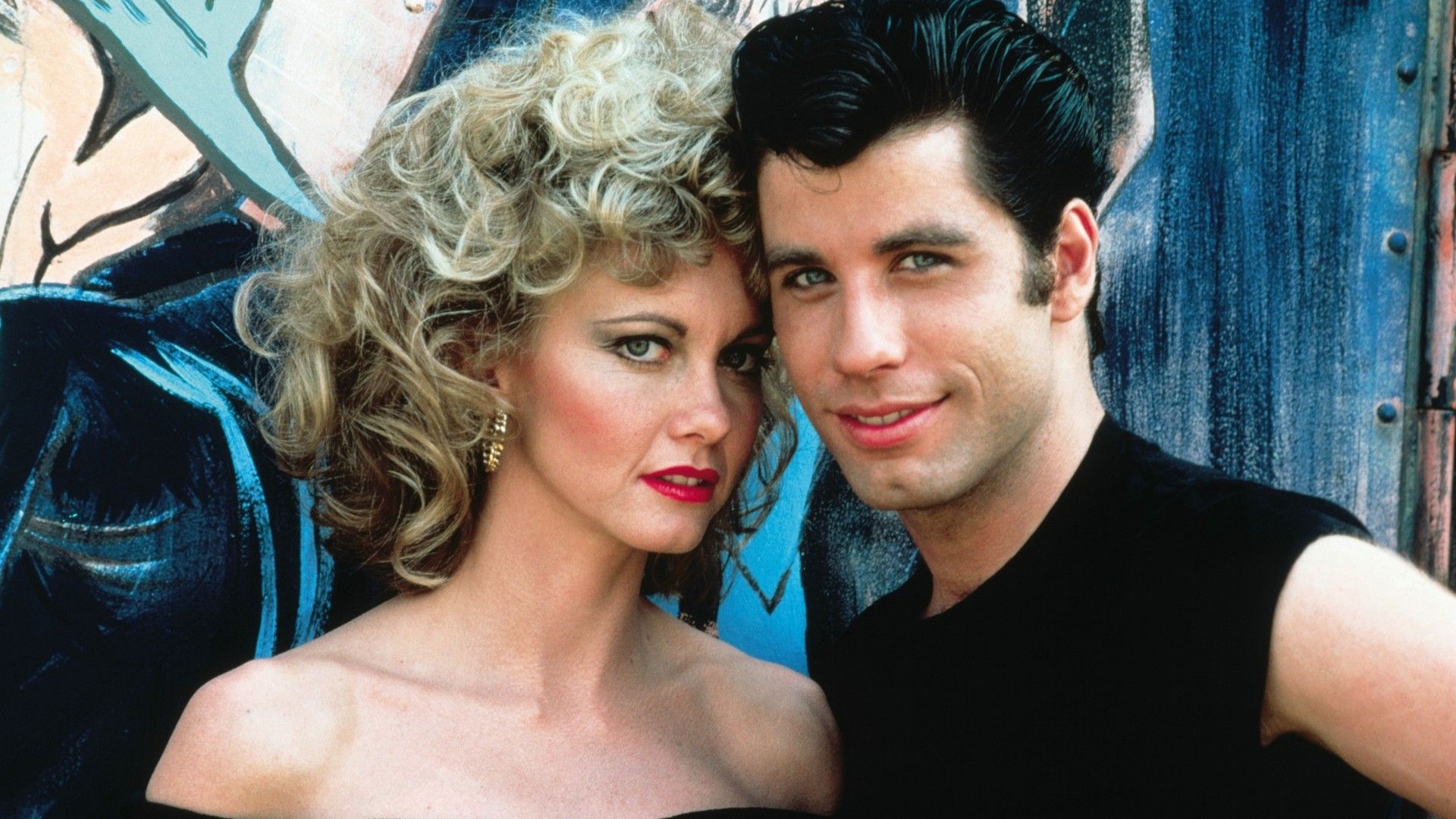
Grease (1978)

At first glance, Grease seems like simple, upbeat entertainment – a vibrant musical full of memorable songs and a feel-good, retro vibe. But if you look closer, the movie’s ideas about gender roles and identity feel surprisingly outdated.
The main love story in Grease, between Danny and Sandy (played by John Travolta and Olivia Newton-John), suggests that changing who you are to please someone else is the path to happiness. While Sandy’s makeover at the end of the film – going from sweet and innocent to edgy and provocative – is presented as a positive thing, it’s difficult to ignore the fact that she seems to give up being herself to fit into Danny’s life.
The movie Grease relies heavily on limited and often negative stereotypes of women, criticizing those who are inexperienced while simultaneously judging those who are sexually open. Some of the songs haven’t held up well over time either; for example, “Summer Nights” contains moments that casually dismiss the importance of consent, which feels uncomfortable by today’s standards.
Although part of what makes Grease endearing, the actors were mostly adults playing teenagers, which now feels a bit strange and makes it harder to accept their immature actions. The movie is still a classic, but it’s impossible to overlook its outdated views.
Meatballs (1979)

The summer camp comedy Meatballs was a major hit in its time and helped make Bill Murray a star. It heavily influenced many teen comedies that came after it. While it was known for its silly and relaxed style, watching it today shows some scenes haven’t aged well and don’t seem as funny or innocent as they once did.
Tripper, played by Murray, is presented as a charismatic and rebellious guide. However, some of his actions are problematic by today’s standards. Specifically, a scene depicts him aggressively pursuing Roxanne despite her clear and repeated protests, and then unfairly blaming her when someone intervenes.
Watching a scene depict sexual assault as a joke is deeply disturbing, and it reveals how casually older films sometimes handled the important issue of consent. What makes this even worse is that the character who commits the act is ultimately rewarded – he ends up in a relationship with the victim. While presented as a playful romance in the movie Meatballs, it’s undeniably an act of assault.
Calling this behavior ‘courtship’ is extremely harmful, as it normalizes abusive actions and disregards women’s concerns. The movie Meatballs generally uses immature humor and pushes boundaries, often relying on embarrassing or inappropriate situations for laughs.
Last Tango In Paris (1972)

Few movies from the 1970s are as controversial as Last Tango in Paris, and for good reason. Directed by Bernardo Bertolucci and starring Marlon Brando and Maria Schneider, the film was originally praised for its bold look at sadness, connection, and the desire to remain unknown.
Watching this film now is tough, because it’s impossible to ignore the troubling story behind one particular scene. Everyone’s talking about what’s become known as the “butter scene,” and the controversy isn’t just what happens – it’s how it was filmed. Essentially, it depicts a sexual assault committed by Brando’s character on Schneider’s, and the details surrounding its creation have understandably come under intense scrutiny.
Later, Schneider shared that she hadn’t been fully aware of what the scene would involve before filming, which left her feeling deeply humiliated and violated. Understanding this changes the entire impact of the scene – it shifts from being seen as daring or artistic to feeling disturbing and exploitative.
A film like Last Tango In Paris was once praised for being daring and innovative, but now it sparks important ethical debates about consent, the balance of power, and how actors should be treated. What was previously seen as the film’s most powerful quality – its raw and intense nature – now feels deeply troubling when considered in light of these issues.
The Deer Hunter (1978)
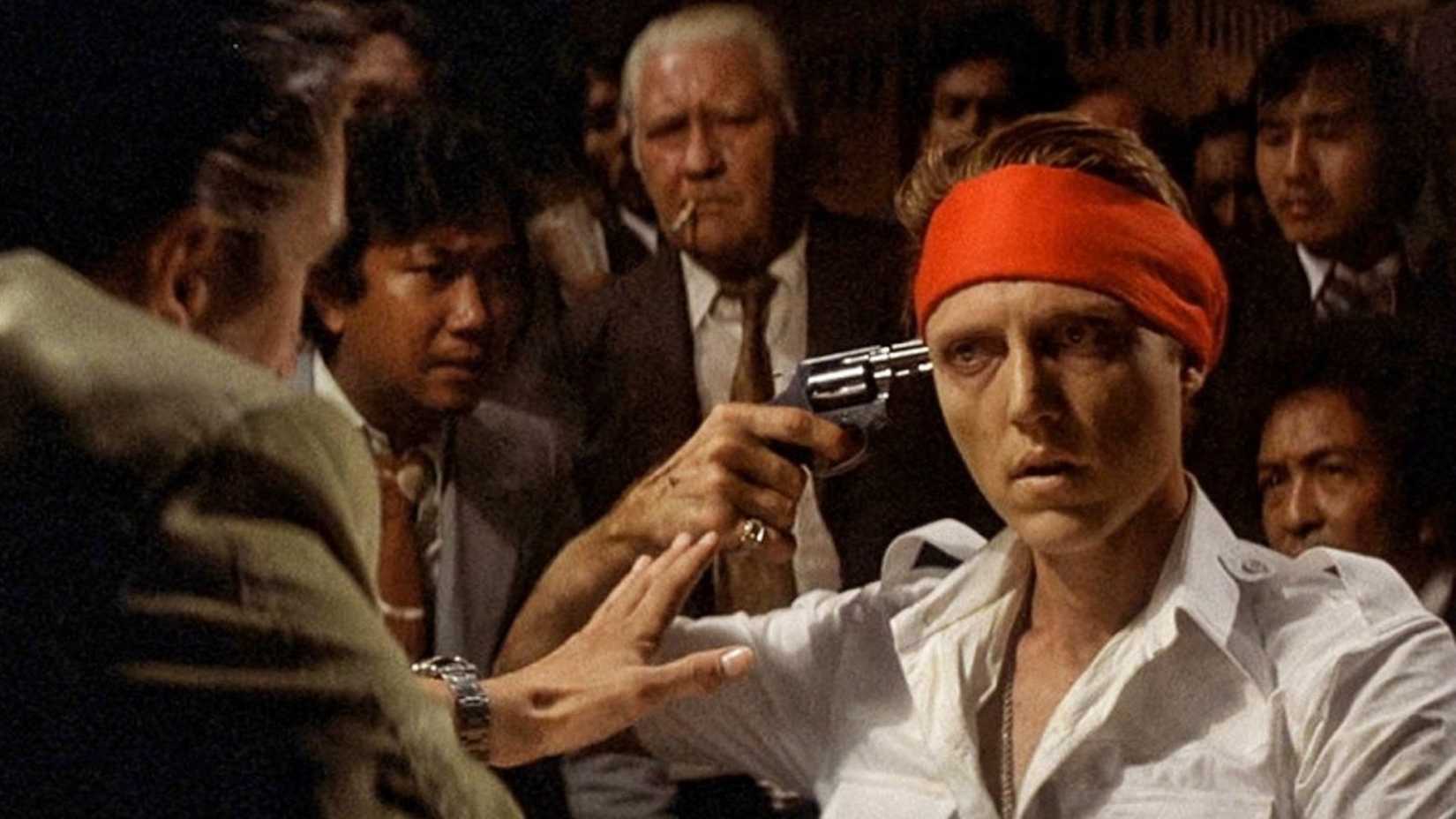
Considered a landmark film about the Vietnam War and a multiple Academy Award winner, The Deer Hunter is a deeply moving story about the emotional and mental impact of conflict. Directed by Michael Cimino and featuring performances from Robert De Niro and Christopher Walken, it significantly influenced how Vietnam was portrayed in movies for many years.
The film hasn’t been without controversy. A major point of criticism surrounding The Deer Hunter is how it portrays Vietnamese characters, especially the well-known Russian roulette scenes. While these scenes are gripping, many have argued they unfairly depict Vietnamese people as cruel and simplistic villains.
Many experts believe this depiction relies on damaging stereotypes and oversimplifies an entire group of people. The story lacks depth, not just in specific moments, but overall—it focuses heavily on American experiences and completely ignores the viewpoints of Vietnamese people.
Considering the Vietnam War was such a multifaceted and tragic event, the film The Deer Hunter now feels noticeably limited in its perspective. Though still a well-made and moving movie, its focus is clearly narrow, which makes it somewhat difficult to watch today for viewers who value diverse representation.
Midnight Express (1978)

When it first came out, Midnight Express was celebrated for its powerful story and realistic depiction of being imprisoned in a foreign country. The film, directed by Alan Parker and written by Oliver Stone, tells the story of an American student who is arrested in Turkey and endures harsh treatment while incarcerated there.
I really enjoyed the story, but I have to admit, I’ve always been troubled by how the film portrays Turkish people and their culture. It often feels harsh and unfair, showing Turkey and its citizens – especially those in power – as unkind, dishonest, and stuck in the past. It’s a really negative depiction that doesn’t sit well with me, even as I appreciate other aspects of the movie.
The film’s biased portrayal has been heavily criticized for being overly simplistic and hurtful, as it perpetuates harmful stereotypes and paints Turkey as a frightening place for Western viewers. A major issue is the complete lack of balance; Midnight Express doesn’t bother to show Turkish characters as fully developed people, which strongly reinforces cultural prejudice.
You know, as much as I enjoy Midnight Express as a really gripping thriller, I’ve always had a bit of a conflicted feeling about it. Even Oliver Stone himself admitted he wished things had been handled differently. The problem is, the film creates this incredibly negative and frankly unfair picture of Turkish culture, and looking back now, it just feels…wrong. It’s a good example of how a story that felt impactful at the time can really fall flat – or worse – when we consider things from a more global perspective. It’s a powerful film, but it’s definitely aged poorly in terms of its cultural representation.
Read More
- Netflix’s Little House On The Prairie Reboot: Release Date, Cast & Everything We Know
- Off Campus Season 1 Soundtrack Guide
- YouTuber arrested after viral AI bodycam videos spark real police complaints
- Silver Rate Forecast
- Prime Video’s New R-Rated Spy Thriller Is Officially No.1 On Streaming Despite Poor Reviews
- Brent Oil Forecast
- Gold Rate Forecast
- Peaky Blinders: The Immortal Man’s Tommy Shelby Is a Better Father Than Michael Corleone
- EUR ZAR PREDICTION
- Bulgakov’s Take: Koreans Bet the Farm on Chips, Crypto, and Chaos
2026-04-25 16:51