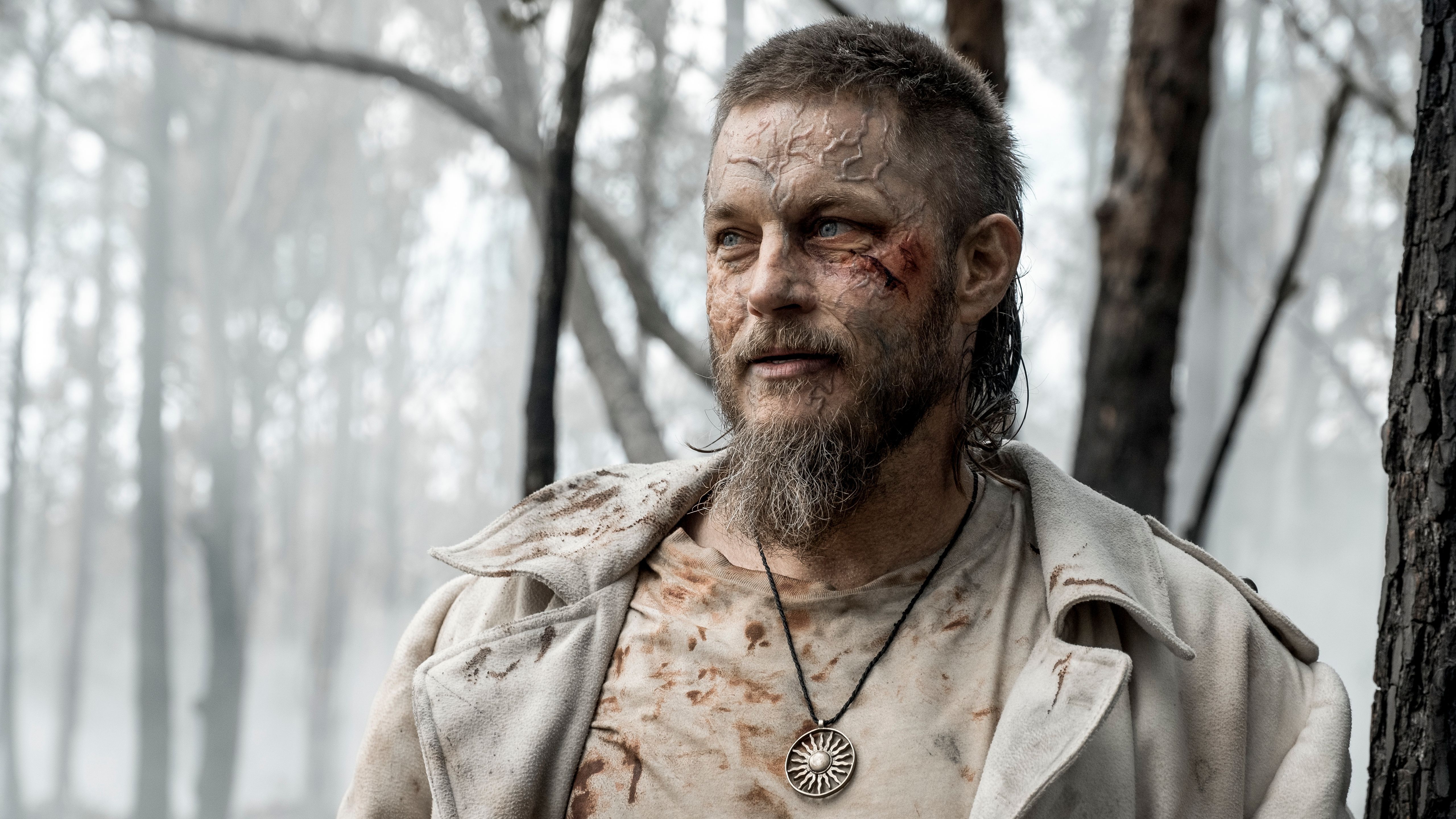
For years, shows exploring dark futures in the science fiction genre have been a key part of TV storytelling, but many truly great ones have faded from memory. These series offered everything you’d find in a big-budget movie – compelling ideas, detailed worlds, and complex characters – yet they haven’t had a lasting impact. It’s a shame, because their high quality means they deserve to be remembered as classics.
Even though newer, more spectacular dystopian science fiction shows have come along, these classic series still feel incredibly relevant. That’s because dystopias always reflect real parts of the human experience – our history, current issues, and potential futures. From shows that cautioned against unchecked technology to those depicting life after a disaster, these remarkably well-made series deserve to be remembered, not just for their impact on television, but because the worlds they created feel surprisingly close to our own.
3% (2016-2020)

The huge popularity of Squid Game on Netflix demonstrated the company’s strength in bringing international shows to a wide audience. However, another excellent non-English series from Netflix, 3%, seems to have been forgotten. This show, which combines elements of The Hunger Games and The 100, follows teenagers as they compete in a series of challenges for a chance to escape poverty and live in a world of abundance.
Most dystopian science fiction focuses on physical strength, but the series 3% is different—it’s more about mental toughness. This forces the characters to make difficult, morally gray choices, as the challenges they face rarely have easy solutions. Beyond that, 3%, a Brazilian production, evolves beyond typical dystopian stories to explore themes of systemic change and fighting back against the status quo.
12 Monkeys (2015-2018)
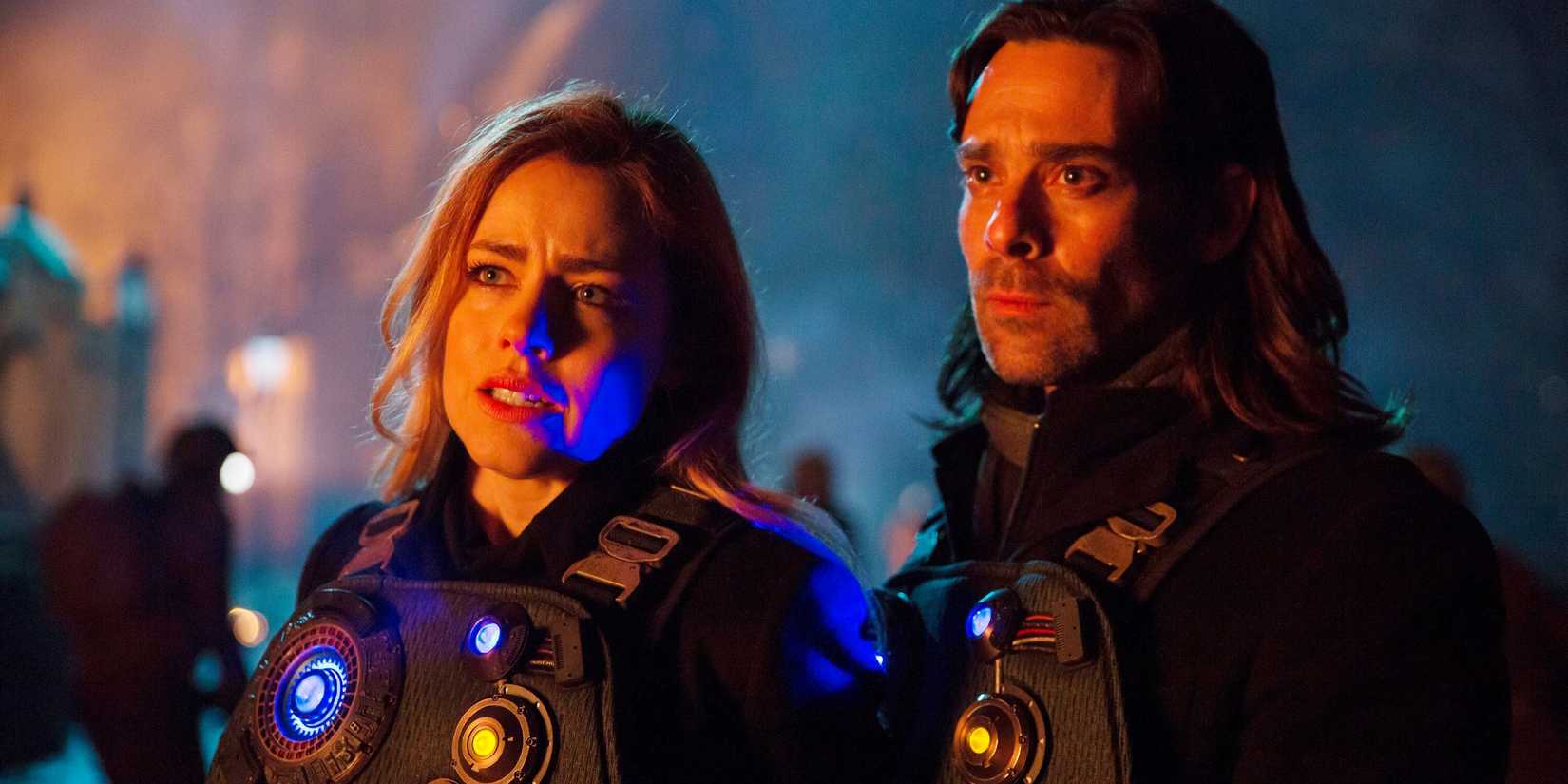
The film 12 Monkeys centers on a deadly pandemic that nearly destroys humankind. Even years after the collapse, the virus remains present, and the remaining survivors living underground must work to prevent the outbreak from happening again.
Throughout history, people have always found ways to survive even the worst disasters. But the show 12 Monkeys takes a different approach. It’s interesting because it doesn’t assume humans will automatically adapt to a destroyed world. Instead, it asks whether the future is fixed, or if we have the power to change it.
Humans (2015-2018)

The show Humans is set in a world where incredibly realistic robots, called synths, are common. These synths look, talk, and act almost exactly like people. What makes Humans stand out is how believable its technology seems.
The artificial humans in the series aren’t about impressive technology; they feel like natural extensions of people. It’s not surprising, then, that one of them, Anita, starts to develop a sense of self, making us question where the line between a machine and a person truly lies. What makes Humans so compelling is that it presents all perspectives, forcing viewers to consider what really defines being human – is it independence, consciousness, feelings, or something more?
The Man In The High Castle (2015-2019)
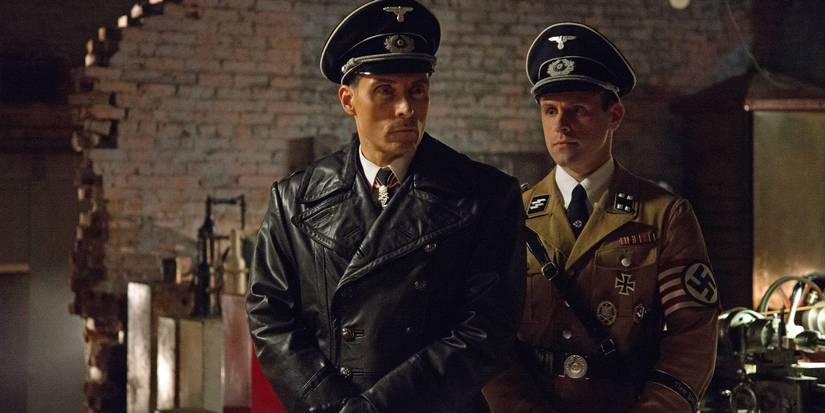
Inspired by Philip K. Dick’s 1962 novel and with Ridley Scott as an executive producer, The Man in the High Castle presents a fascinating alternate history: what if the Axis powers had won World War II? The show’s greatest strength is its detailed and immersive worldbuilding. It doesn’t just imagine a different society; it creates a fully developed and believable one, where the eastern half of the former United States is controlled by a Greater Nazi Reich and the western half is governed by the Japanese Pacific States.
While many dystopian shows imagine terrifying futures, The Man in the High Castle is especially unsettling because it’s rooted in real history. The show’s horror isn’t just fictional—it connects to actual events from the 20th century, making the dangers feel very real and uncomfortable, and blurring the line between what happened and a possible alternate present.
Colony (2016-2018)
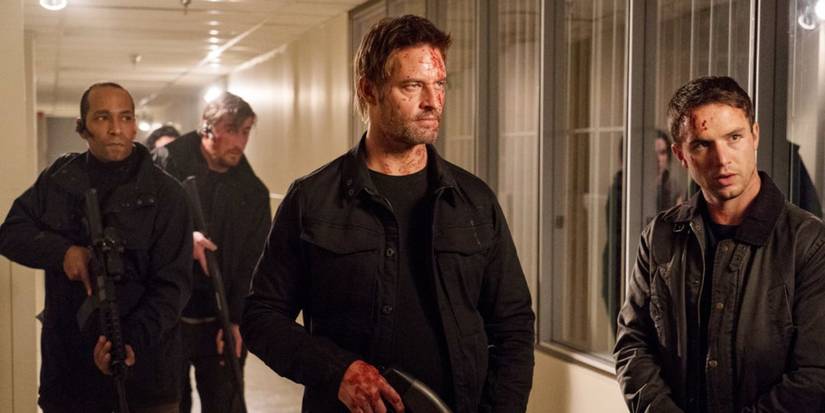
Los Angeles, in the not-so-distant future, is completely cut off from the outside world by a mysterious enemy. Huge walls have been built, splitting the city into separate, controlled areas, and everyone is forced to choose sides: either support the occupiers or join the resistance.
While alien invasions are a common theme in science fiction and seem far-fetched, the show Colony presents a more realistic scenario. The aliens don’t come to conquer and destroy, but to subtly reshape Earth to suit their needs. Rather than a typical, action-packed sci-fi show, Colony feels like a slightly modified version of the control systems we already have in place in modern cities.
Years And Years (2019)
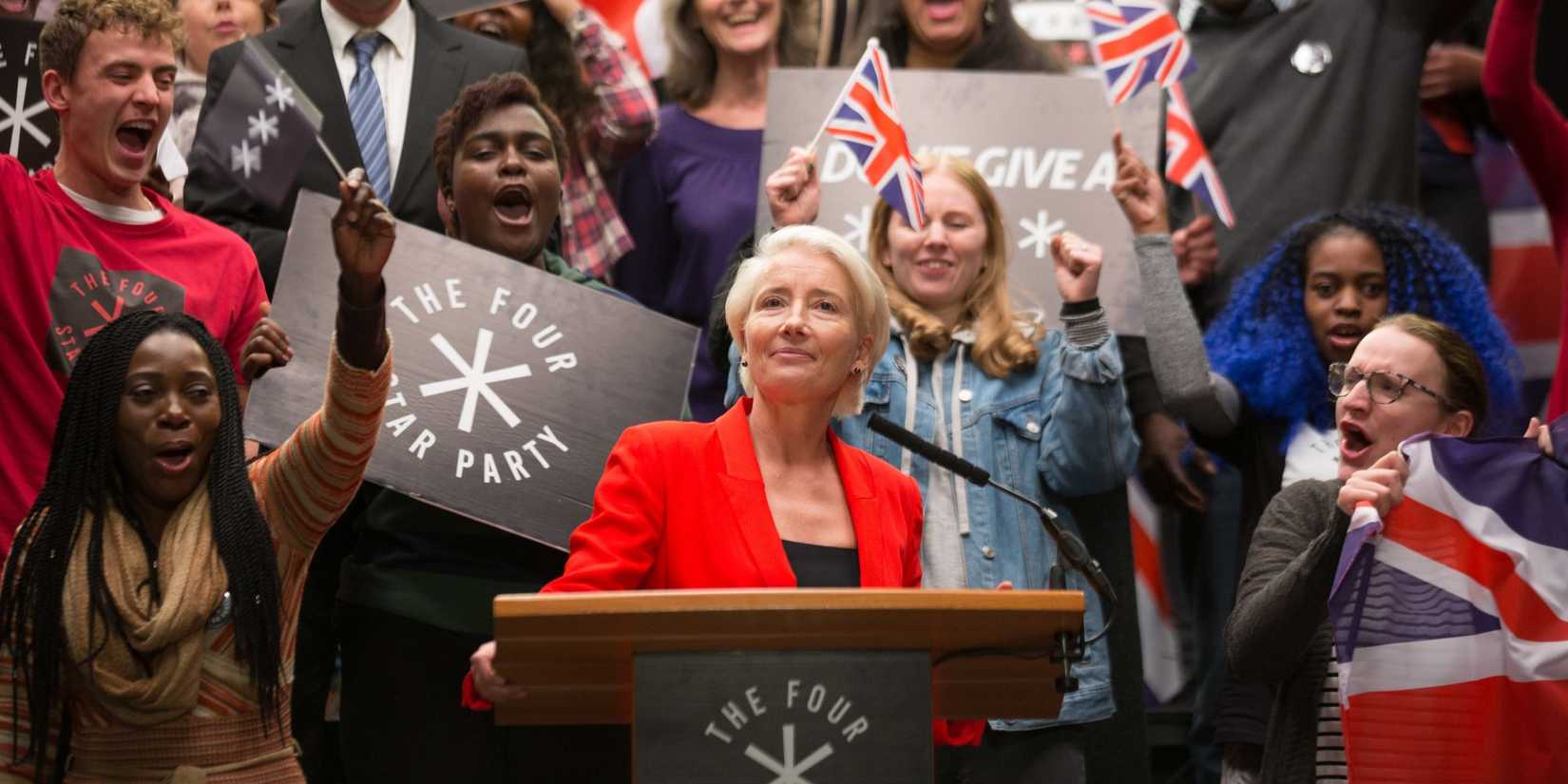
Years and Years is a standout science fiction show from the last 15 years because it feels remarkably close to what’s happening in the real world. The show focuses on the Lyons family and depicts their lives over 15 years, as they experience a shift from everyday life to increasing turmoil.
The TV series Years and Years is deeply unsettling because it doesn’t feel like a far-off fantasy; instead, it seems like a warped reflection of where we are now. It tackles real issues – climate change, political turmoil, and quickly evolving technology – and explores the ethical dilemmas they create. What sets it apart from typical disaster stories isn’t sudden chaos, but a chillingly realistic portrayal of how crises slowly become the new normal. Each year, things subtly worsen, and society adjusts… until it can’t anymore. This gradual decline is what makes the series so disturbing – there’s no single dramatic event, just a steady loss of stability.
The Prisoner (1967-1968)
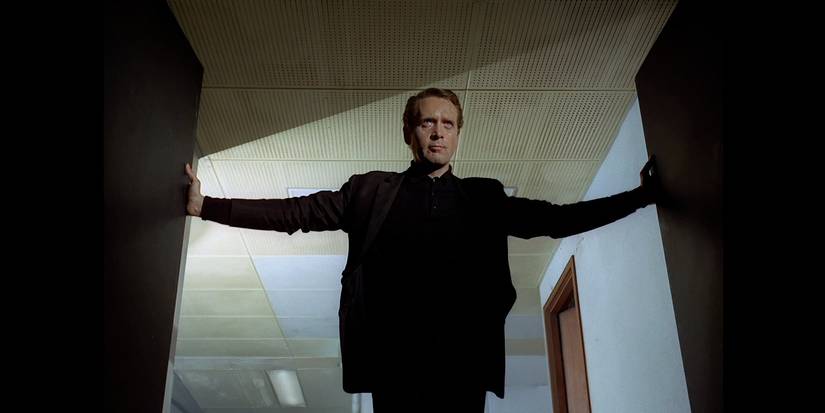
The 1967 television series, The Prisoner, was remarkably forward-thinking for its time. It centers on a British intelligence agent who mysteriously finds himself in a seemingly perfect community known as “The Village.” The Prisoner explores ideas that are now common in dystopian science fiction. While appearing pleasant on the surface, The Village is actually a sophisticated prison where everyone has a role to play.
The Prisoner is a classic series that continues to resonate with viewers because of its thought-provoking themes – including the struggle between the individual and society, the dangers of constant monitoring, and how people can be manipulated. At its heart, the show is about power and control, following Number 6 as he attempts to break free from The Village, while those in charge relentlessly try to keep him captive and uncover why he resigned from a highly classified position. One of the reasons The Prisoner remains so compelling is its open-ended conclusion; it doesn’t tie up all loose ends, instead allowing viewers to draw their own conclusions about what happened.
Raised By Wolves (2020-2022)
Ridley Scott, the acclaimed director known for films like Alien and Blade Runner, ventured into television with HBO’s Raised by Wolves. Though he only directed the first two episodes, his distinctive blend of thought-provoking science fiction and themes of religion permeate the entire show. The series takes place in the far future, after a brutal conflict between non-religious and religious groups. It follows two androids, named Mother and Father, tasked with raising a group of children on a distant planet called Kepler-22b.
Raised by Wolves masterfully combines science fiction and dystopian themes. The show offers a realistic take on the conflict between religious and non-religious viewpoints, and thoughtfully examines the development of artificial intelligence. Beyond its bleak setting and exploration of faith, a standout element of the series is the compelling android character known as Mother.
Mother is a fascinating character in science fiction because she embodies a powerful contrast: she’s programmed to protect life, yet possesses the capacity for immense destruction. This combination of nurturing and terrifying qualities makes her particularly compelling.
Tribes Of Europa (2021)

The series Tribes of Europa takes place after a catastrophic event known as Black December completely reshapes the world. Society has crumbled, and people now live in separate tribes, like the peaceful Origines and the warlike Crimsons. When a young member of the Origines discovers a mysterious cube, it sparks a conflict for control among the various tribes.
Philip Koch, the creator of the series, drew inspiration from Brexit and its aftermath, wanting to explore how quickly society can transform. The show illustrates that following a major disaster, people don’t usually come together – they tend to divide into groups. Tribes of Europa is a particularly relevant and important show today, and it’s unfortunate that it hasn’t received more attention.
Station Eleven (2021-2022)
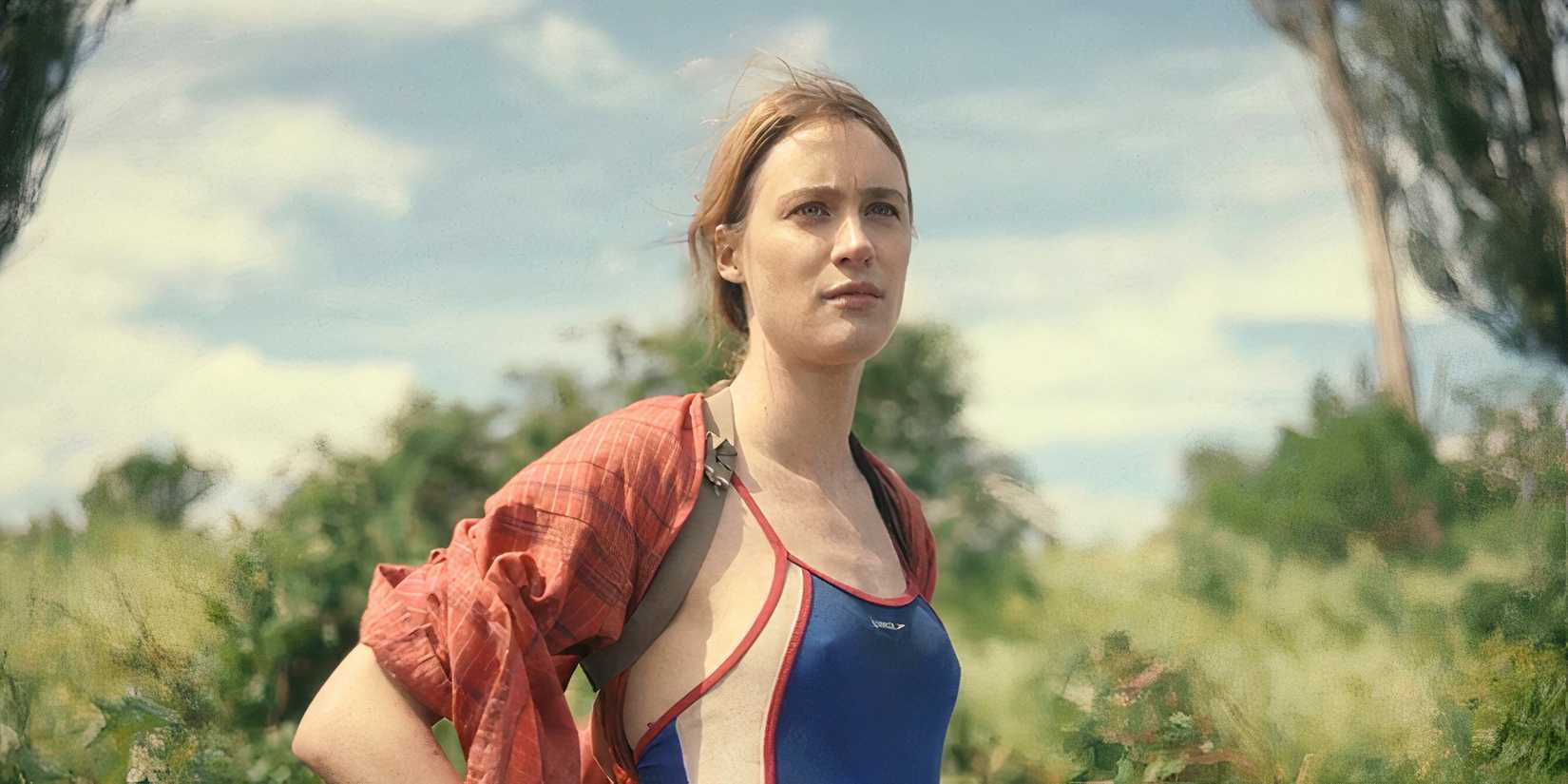
Based on the novel by Emily St. John Mandel, Station Eleven is a TV series set after a deadly flu pandemic nearly wipes out the world. Unlike many other shows about the end of the world, Station Eleven focuses not on simply surviving, but on the challenges and hopes of starting over in a devastated world.
| Station Eleven Key Details | |
| Release Year | 2021 |
| Critics’ Rotten Tomatoes Score | 98% |
| Director | Hiro Murai |
Station Eleven beautifully shows how important art, love, and connection are, even after a major disaster. The story jumps around in time, which can be a little tricky, but everything comes together in a satisfying way. What really sets it apart from most dystopian sci-fi is that it focuses on how people live, not just whether they survive.
Read More
- Netflix’s Little House On The Prairie Reboot: Release Date, Cast & Everything We Know
- Off Campus Season 1 Soundtrack Guide
- Infinity Nikki Candlelight Reverie Challenge and Rewards Guide
- Gold Rate Forecast
- Brent Oil Forecast
- Prime Video’s New R-Rated Spy Thriller Is Officially No.1 On Streaming Despite Poor Reviews
- Silver Rate Forecast
- EUR ZAR PREDICTION
- KPop Demon Hunters Meets Avatar: The Last Airbender In Netflix’s 3-Part Fantasy Series
- NovaFlare reveals Project Rabbit as a new Action RPG coming to PC via Steam
2026-05-24 21:36