Jump scares in video games are an easy way to startle players, but they don’t create true horror. A sudden loud noise and a frightening image are just reflexes – like jumping when a car backfires. Genuine horror builds slowly, lingers, and is much more unsettling.
For me, the really great horror games don’t rely on jump scares or loud noises. They get under your skin in different ways – sometimes with a creepy atmosphere, sometimes through a disturbing story, and sometimes by making you feel like you’re part of something awful. It’s not about monsters popping out; it’s the kind of horror that sticks with you, like that feeling you get when you think you see something move in the shadows when you’re trying to sleep.
Anmesia: The Dark Descent Proves Helplessness Is the Purest Form of Horror
Released in 2010, Amnesia: The Dark Descent had a surprisingly effective idea: it removed the player’s ability to fight, and then created a truly terrifying world to escape from. Even today, Amnesia remains one of the most frightening games ever made, because it forces players to abandon the typical gaming instincts of combat and defense.
You’re defenseless against the horrors ahead – armed with just a lantern and a limited number of ways to light it. Even looking directly at the monster will cost you your sanity. The real fear isn’t about jump scares; it’s a constant, creeping dread.
The feeling of helpless dread – hearing something slowly approach while hiding, hoping it doesn’t find you – that’s what this evokes. It’s a classic horror scenario, and many games since have tried to recreate that same terrifying feeling of being trapped and vulnerable.
SOMA Asks Players Questions About Consciousness That They Won’t Be Able To Stop Thinking About
Frictional Games appears on this list twice, and that really highlights the quality of their work more than anything about the horror genre itself. SOMA includes monsters and tense chases, but what truly makes the game gripping and unforgettable isn’t those elements.
Frictional’s underwater horror game isn’t just about scares; it’s a deep exploration of what defines a person and their identity. The game presents players with truly difficult moral choices. One particularly impactful moment around the midpoint stopped many players in their tracks – not because of jump scares, but because it forced them to confront a decision that felt profoundly wrong, especially considering the already complex ethical landscape of the game.
The game’s true strength lies in the emotions it evokes – something a scary monster alone can’t achieve. The ending isn’t a shocking twist meant to frighten you, but a consequence the game carefully builds towards and then asks you to contemplate. While many horror games aim to instill fear, this one goes deeper.
Silent Hill 2 Remains the Most Psychologically Brutal Entry in the Genre, Full Stop
James Sunderland is drawn to the town of Silent Hill by a letter supposedly from his deceased wife, requesting a meeting. That simple premise is all you need to start playing Silent Hill 2, and it’s surprisingly effective – the unsettling nature of the situation never fades throughout the entire game.
Silent Hill 2 is a unique horror game because it focuses on the inner world of its main character. The monsters aren’t just scary creatures; they represent James’s sadness, guilt, and hidden, troubling emotions.
The villain is truly frightening because the game gradually reveals his meaning, making players understand him in a disturbing way. Konami crafted a brilliant experience that understands true horror lies in making the audience unknowingly participate in something awful—and by the time they realize what’s happening, it’s already too late to stop it.
Outer Wilds Hides an Existential Horror Inside One of the Most Beautiful Games Ever Made
Okay, so at first, Outer Wilds really tricked me! It looks and feels like this super chill, cozy game where you just explore a small solar system and learn about the people who used to live there. And honestly, for the first few hours, it is exactly that! It’s got this warm, comforting music, you’re flying around in a spaceship you basically built yourself, and there’s nothing quite like being the first to touch down on a brand new moon. It’s a really lovely experience… at least, that’s what it seems like at the beginning!
As you play, the game reveals the story of the Nomai people, and a profound sense of sadness and dread sets in. Outer Wilds isn’t a typical horror game; it’s frightening because of its vastness – the sheer uncaring nature of the universe, the inevitability of destruction, and the uniquely human fear of facing certain doom.
This game uniquely makes the immense scale of space feel intimate and connected. Plus, its ending song stays with you long after you’ve finished playing.
Hellblade: Senua’s Sacrifice Weaponizes Its Audio Design To Put Psychosis Inside the Player’s Head
You absolutely need headphones to fully experience this game – it’s essential, not just recommended. Hellblade: Senua’s Sacrifice uses special audio technology to make it sound like voices are actually inside your head, creating a deeply immersive and often unsettling effect with whispers, conflicting statements, and both harsh and comforting words.
Created with help from both brain scientists and people who’ve experienced psychosis, this project offers a remarkably accurate and absorbing depiction of mental illness. It’s so effective, in fact, that it feels like a horror game – and the most frightening part is what’s happening inside the main character’s head.
Hellblade: Senua’s Sacrifice contains truly terrifying and moving moments – like Senua stumbling through complete darkness with only a flickering flame, haunted by voices urging her to turn back while the game compels her onward. Ninja Theory masterfully crafted a game exploring psychosis, grief, and Norse mythology with remarkable skill. It’s an experience meant to be felt, not simply played.
Doki Doki Literature Club Is a Dating Sim That Will Genuinely Disturb, and That’s the Whole Point
At first, Doki Doki Literature Club seems like a cute, colorful visual novel about joining a literature club. But it quickly and unexpectedly transforms into something much darker. The game’s horror comes from cleverly playing with what players assume is true – like the idea that saved progress is permanent, characters are aware of a player, and the game world isn’t breaking down.
This game is a standout psychological horror experience of the last ten years, and it expertly builds tension by first establishing a sense of comfort. The horror doesn’t come from jump scares, but from cleverly twisting expectations – the very idea of the horror genre becomes the source of fear.
Monika is aware she’s a character in a game, living on the player’s computer for quite some time. The truly frightening part isn’t any monster or sudden shock, but what she does with this realization – a character with too much self-awareness and no way to cope with it.
Pathologic 2 Is the Most Merciless Simulation of Desperation In Gaming
Completing Pathologic 2 is a deeply unsettling experience. While it appears to be a game about controlling a plague in a struggling town, it’s actually a powerful statement about the player’s limitations. The game constantly challenges you, suggesting you can’t act quickly enough, aren’t skilled enough, or aren’t truly there to help those who are suffering.
In this game, you play as Haruspex, a doctor returning home to a town consumed by decay and the shocking death of his father. Your choices have significant consequences, often leading to harsh, personal setbacks. The story doesn’t simply end with a game over; instead, entire paths and possibilities can be permanently closed off, reflecting the weight of your decisions and what you choose to focus on.
In Pathologic 2, people will die and the town will fall apart, and the game doesn’t shy away from reminding you that your decisions have consequences and that failure is a real possibility. The game’s horror doesn’t come from jump scares, but from the feeling of being unable to succeed, even when you try your best.
What Remains of Edith Finch Turns a Family History Into a Collection of Hauntings
The Finch family lives in a huge, unsettling house crammed with rooms that have been locked shut since the people who lived in them passed away. Sadly, everyone in the Finch family dies young and under mysterious circumstances, and the house seems to hold onto the memories of those deaths. Each passing is like a little story, preserved in its own unique way, but the story of Lewis’s death is particularly terrifying – more frightening than many complete horror games.
This game isn’t scary with jump scares or monsters, it’s something way deeper. It’s terrifying because it makes you think about how easy it is to get lost in a world and just… forget about your real life. The whole experience is a really powerful and disturbing kind of horror, and the ending? Seriously, it’s a masterpiece. It really stuck with me.
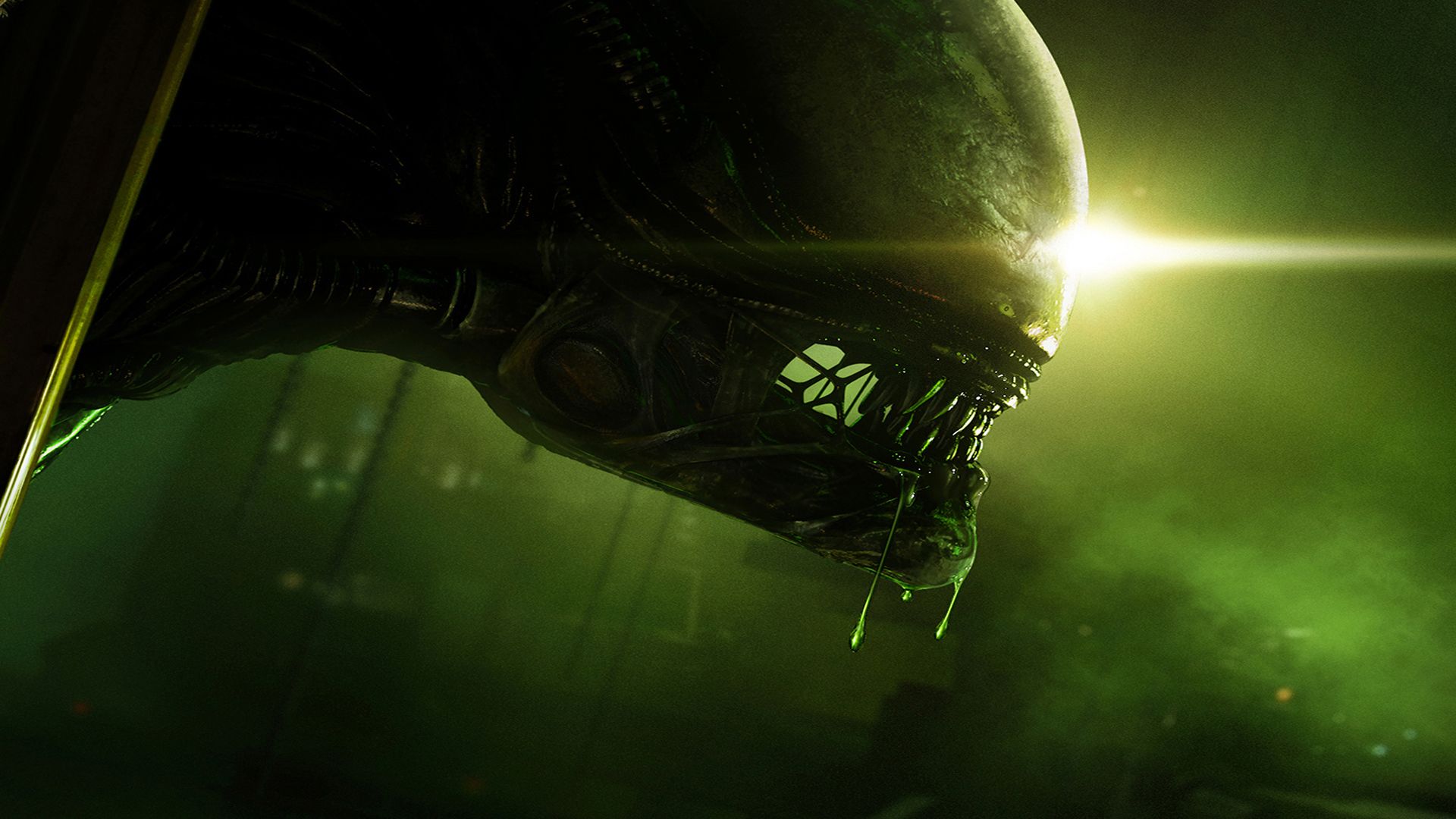
Alien: Isolation Is the Best Argument for Why One Monster Beats a Hundred Every Time
Creative Assembly didn’t just create a good Alien game; they crafted the only one that truly captures the fear of the original movie. The alien isn’t predictable – it doesn’t follow a set pattern or appear on a timer. Instead, it learns from your actions, changes its tactics, and will quickly exploit anyone who relies on simple hiding spots for safety.
What sets Alien: Isolation apart from other horror games is what it doesn’t give you. It removes common features like a minimap showing the creature’s location, a damage counter, and effective ways to fight. You’re left with only a motion tracker to warn you something large is approaching, and a sense that even hiding might not be enough.
Assembly’s AI is incredibly realistic, causing some players to experience real anxiety and need to pause the game. It doesn’t rely on jump scares, instead creating tension through a truly believable predator and the unsettling anticipation of its next move.
Alan Wake 2 Proves That Psychological Horror Gets Better When It’s Also Completely Unhinged
Remedy Entertainment didn’t just create a sequel; they crafted a surreal and captivating experience with a set release date. The game features a story that alters reality, an unexpected musical sequence, and a unique self-awareness that acknowledges the player’s involvement.
Alan’s story unfolds from within a strange and unsettling realm called the Dark Place. Meanwhile, FBI agent Saga Anderson’s investigation happens in the real world, presented as a gripping psychological thriller, and it’s exceptionally well done. As the narrative progresses, the boundaries between the author of the story, the characters within it, and even the player become increasingly unclear.
For thirteen years, Alan has been reliving the same terrifying nightmare, constantly revising his attempts to break free. In Alan Wake 2, players truly experience each of these harrowing moments. Remedy’s most ambitious game isn’t just frightening—it’s deeply unsettling, and the developers confidently push the boundaries of what’s strange and unexpected.
Read More
- Netflix’s Little House On The Prairie Reboot: Release Date, Cast & Everything We Know
- Off Campus Season 1 Soundtrack Guide
- YouTuber arrested after viral AI bodycam videos spark real police complaints
- Silver Rate Forecast
- Prime Video’s New R-Rated Spy Thriller Is Officially No.1 On Streaming Despite Poor Reviews
- Brent Oil Forecast
- Gold Rate Forecast
- Bulgakov’s Take: Koreans Bet the Farm on Chips, Crypto, and Chaos
- EUR ZAR PREDICTION
- Peaky Blinders: The Immortal Man’s Tommy Shelby Is a Better Father Than Michael Corleone
2026-05-16 01:43