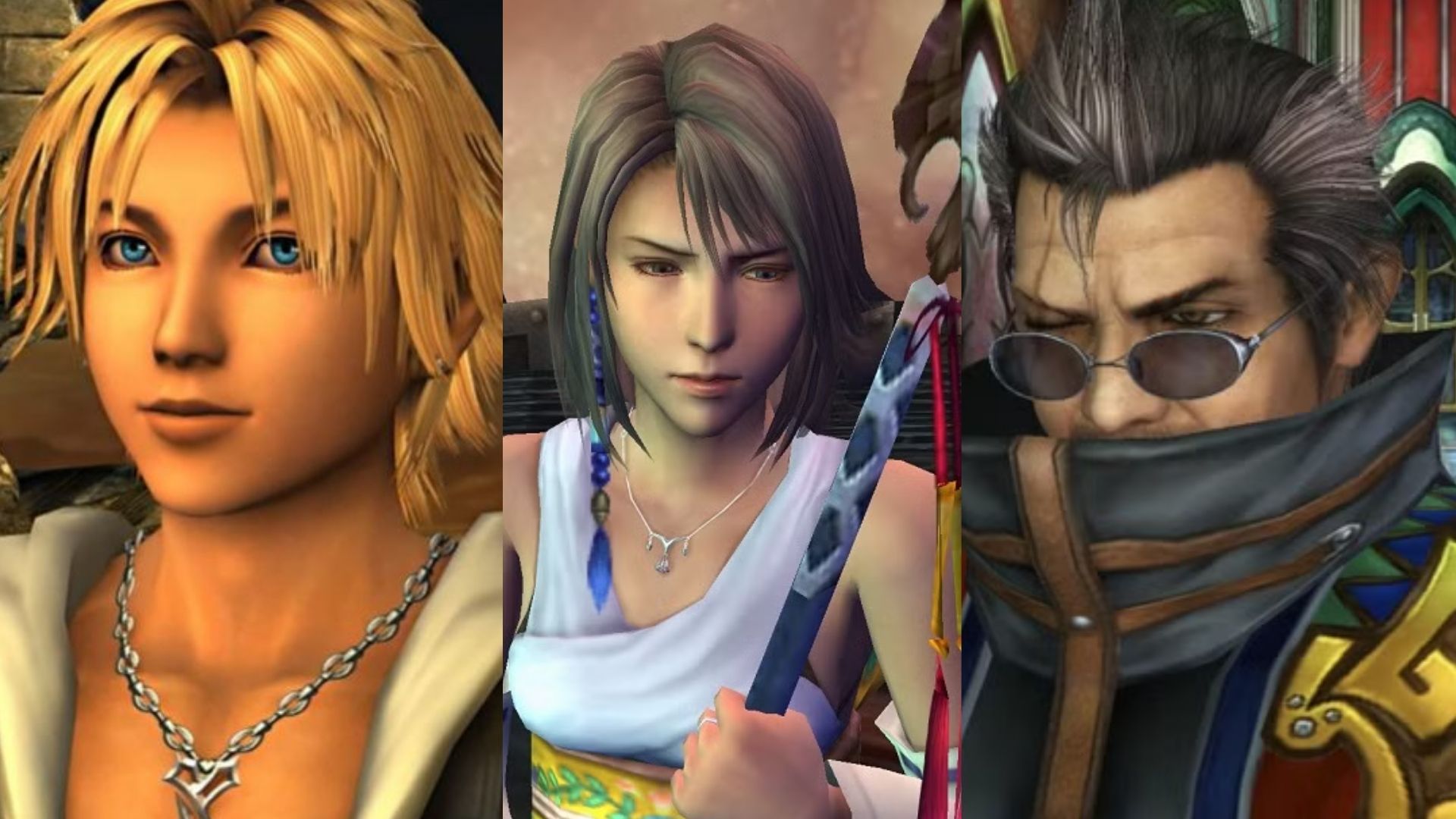
Final Fantasy X holds a special place for me because I discovered it at a turning point in my life – right as I was becoming a teenager. Back then, there was a lot of pressure to grow out of video games. Gaming wasn’t the mainstream, massive industry it is now; it was considered a fairly nerdy and uncool hobby, something you were expected to leave behind as you got older.
Final Fantasy X was a turning point for me as a gamer. Thankfully, it really drew me in and confirmed that gaming would be a lifelong hobby. It felt more grown-up than earlier games, telling a story that resonated with players who were coming of age along with the series.
Replaying this game as an adult is a unique experience. It feels timeless – it grows with you, but still holds the same magic no matter how much you change. It’s a game you never truly outgrow.
10. The Wedding Scene
I Now Pronounce You- Look Over There!
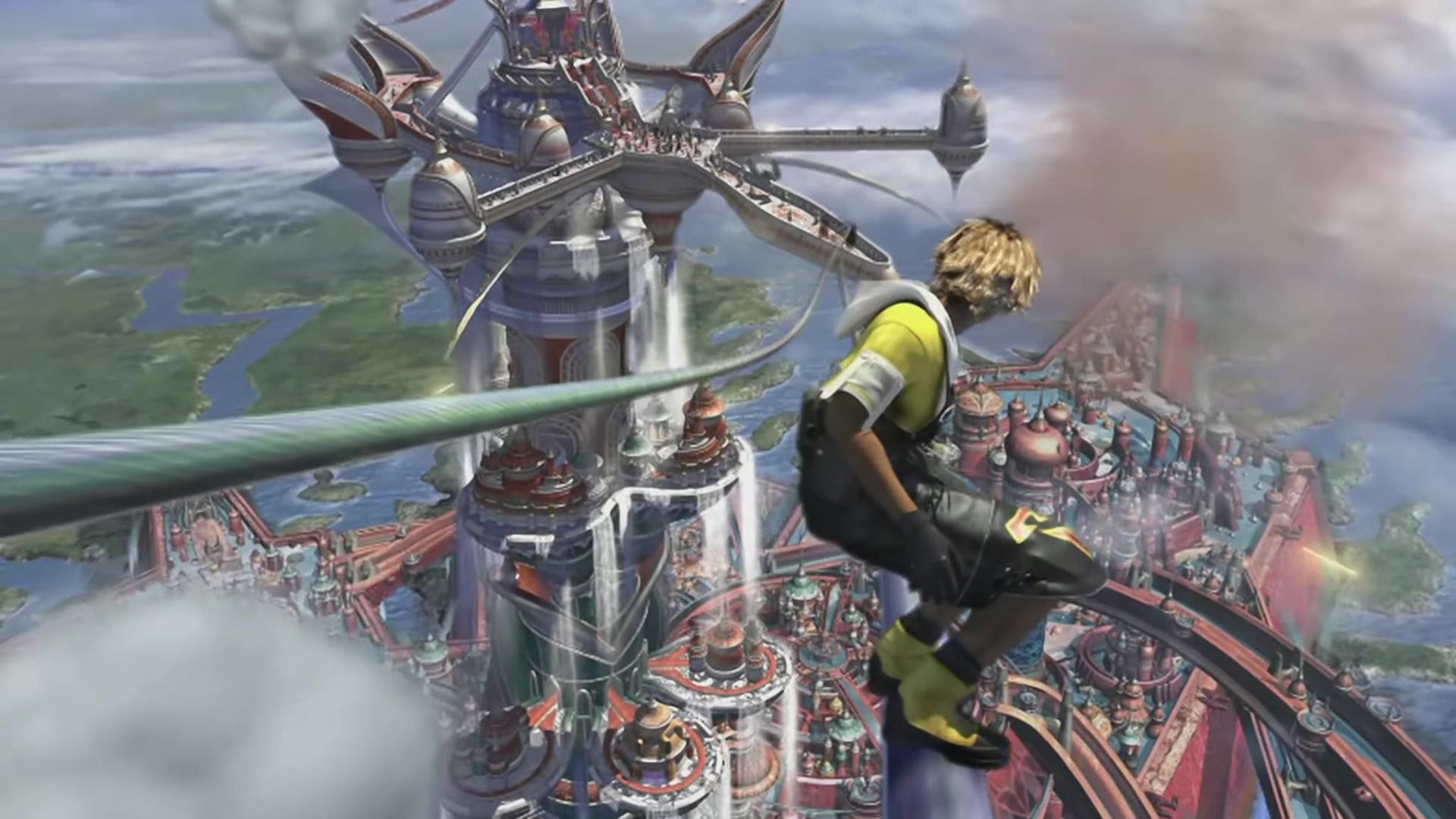
The wedding scene in Final Fantasy X still resonates deeply, and even more so now that I’m older. Having attended many weddings, I’ve realized some are… less exciting than others. Honestly, sometimes I wish a chaotic, over-the-top anime sequence would just crash the party and shake things up!
I kept thinking about the scene where Tidus and his friends rescue Yuna while I was at these weddings, but I imagined myself being the one rescued and going somewhere really exciting instead. It’s a memorable moment from a game, and it’s definitely a standout in the long history of fantastic Final Fantasy titles.
9. The Sending
Yuna’s Moment
Steam
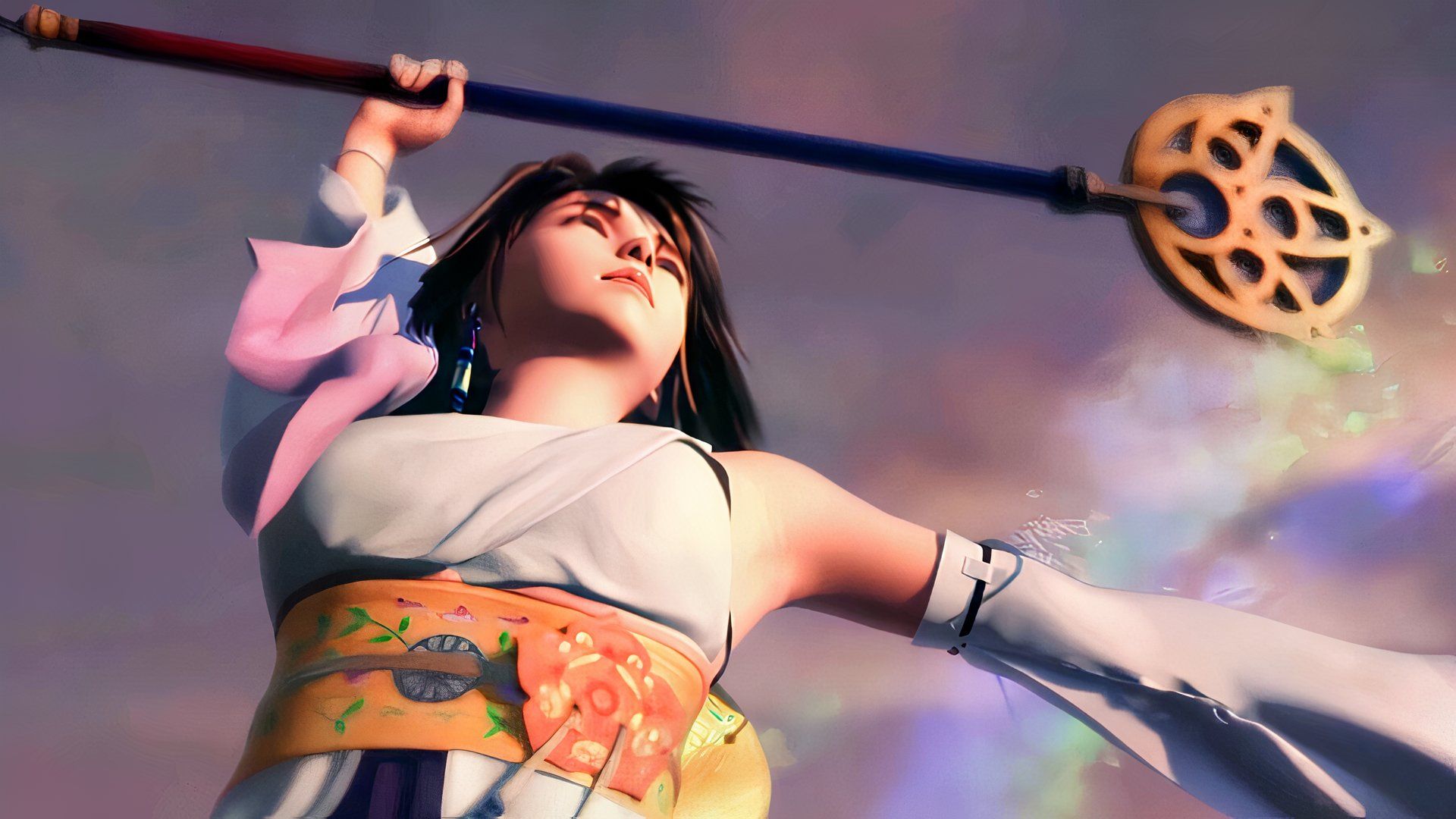
Growing up, the Sending ritual always felt a little mysterious to me. I knew it was beautiful and that it mattered a lot to everyone, but honestly, I didn’t really understand what was going on with it. It just felt… important, you know?
The scene in Final Fantasy X felt like a funeral – a way of honoring the dead and sending them on to what comes next. When I first played it as a child, I hadn’t dealt with loss myself. Now, having attended a few funerals as an adult, I truly appreciate how powerful and meaningful that scene is.
The scene is deeply emotional and impactful, focusing on Yuna, a young woman tasked with guiding spirits to the afterlife. It’s a truly memorable sequence in JRPG history, and a defining moment for the Final Fantasy series. It clearly served as the inspiration for the Gommage in Clair Obscur, which isn’t surprising given how powerfully this scene resonated with players and how influential Final Fantasy was during the 2000s.
8. Yuna’s Truth
Knowing the Burden and Accepting it
Final Fantasy Wiki
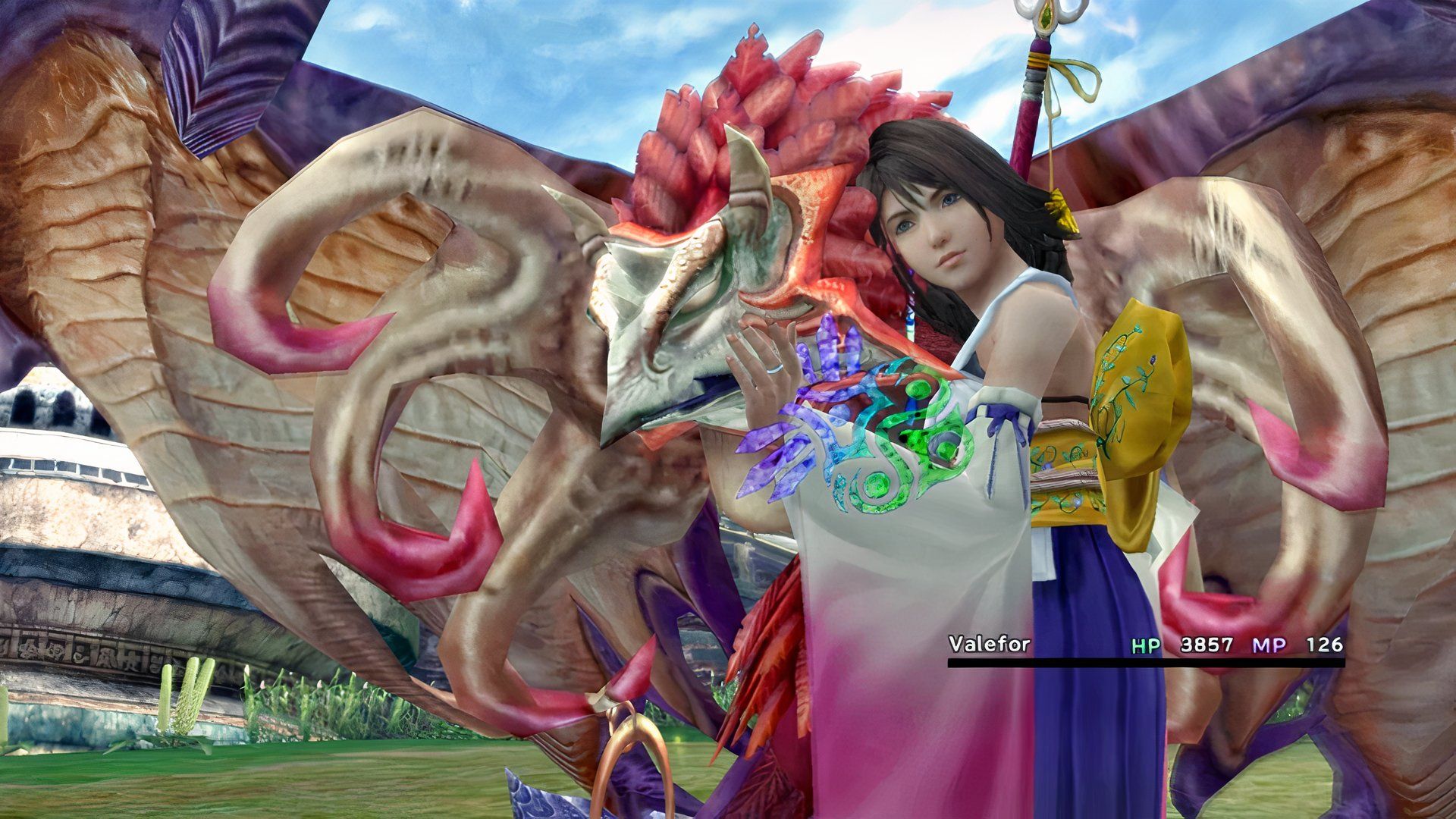
Yuna carries a huge burden in the world of Spira. But when I first played the game as a child, I didn’t really connect with her character. I was too focused on the exciting battles and flashy moves to appreciate the deeper story and emotional depth that Final Fantasy is known for.
Yuna is a hugely significant character in the Final Fantasy series. While she may not be as instantly recognizable as Cloud or as powerful as Lightning, she stands out for her willingness to undertake a quest knowing it will result in her death, regardless of whether she completes it.
Discovering the truth about her story was truly surprising. Seeing this young woman come to terms with her fate – essentially, accepting that her life was ending – and choosing to sacrifice it for the greater good was incredibly powerful. It was a depiction of self-sacrifice unlike anything I’ve experienced in a video game.
7. Seymour’s Manipulation
Unusual Weapons
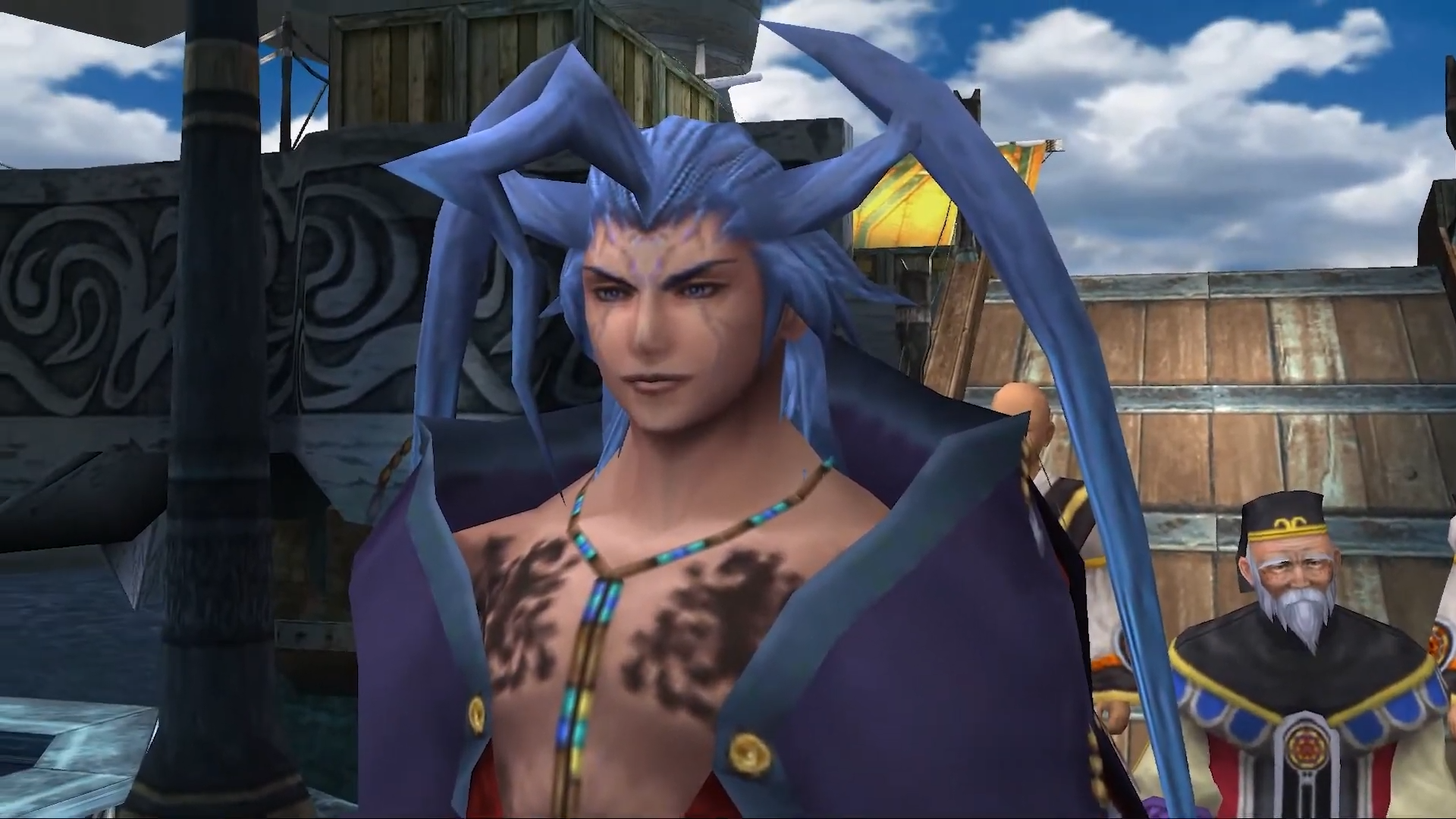
When I was younger, Seymour seemed really cool and a little unsettling, and I actually wanted him to join my team – his design reminded me of Sephiroth from Final Fantasy X. Looking back now, though, it’s clear how terrible of a person Seymour is right from the start.
He’s incredibly controlling, skillfully manipulating others and creating fear to get what he wants. As a leader, he exploits people’s anxieties for his own gain, and many of us likely recognize this behavior in people we’ve encountered.
Meeting Seymour as an adult is a completely different experience. He’s someone you recognize from television or the news, someone you’ve likely read about due to his crimes. He’s an intimidating figure who uses his beliefs to control others and convince them to do what he wants.
When I first played, I saw Yuna as naive, easily swayed by what she was told. Looking back now, it’s much more disturbing. She’s not foolish, she’s been manipulated – her hopes are being fueled by someone truly terrifying. This villain is incredibly compelling, and feels far more grounded and realistic than I initially realized.
6. The Lie of Yu Yevon
Be Careful Who You Trust
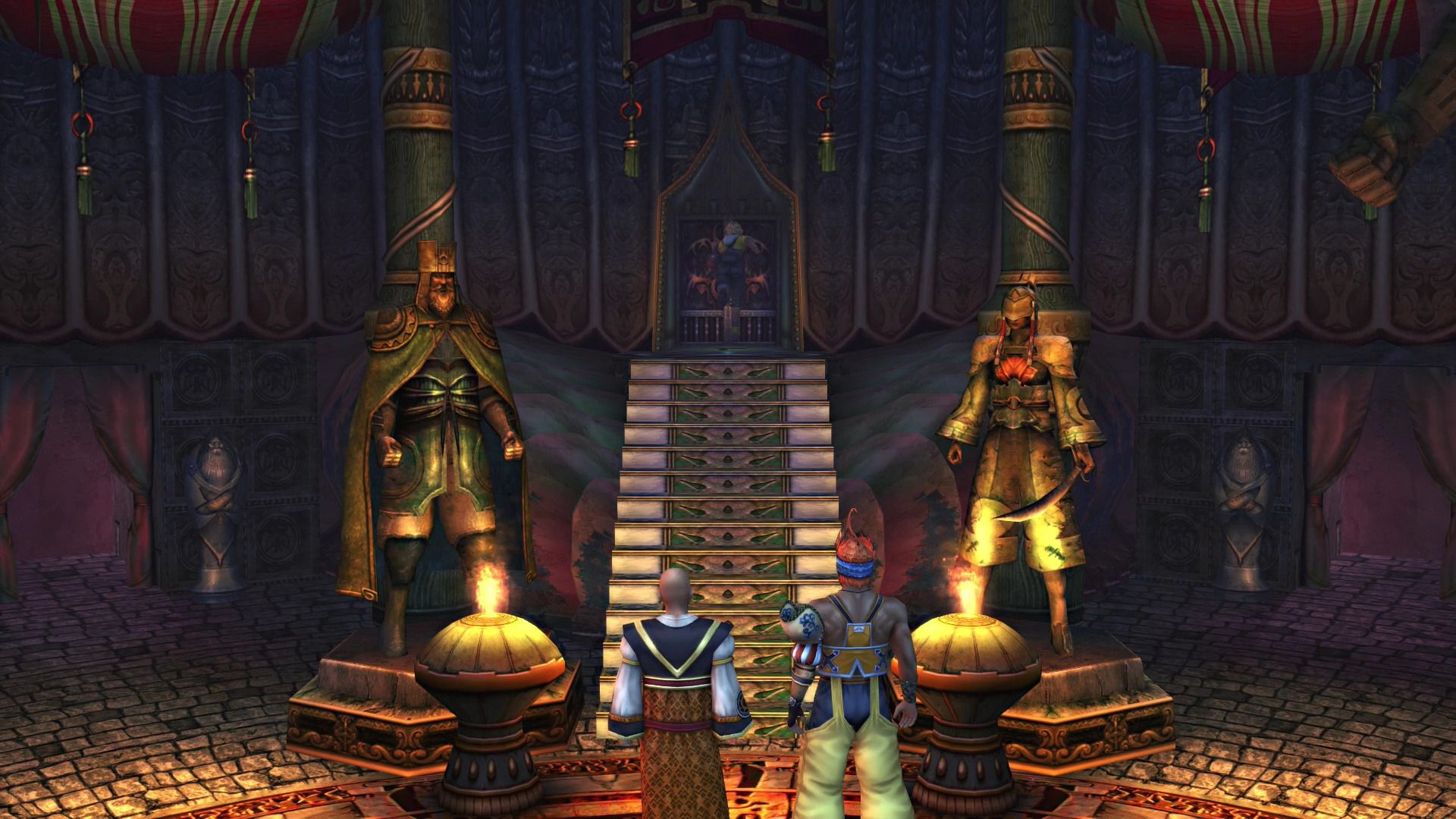
Growing up, most people are taught that religion is positive, secure, and beneficial for family – and that’s similar to how the Church of Yu Yevon is presented in Final Fantasy X. Often, that’s where the discussion stops for children; they aren’t exposed to the potential downsides of religion. However, Final Fantasy X, though dramatic for storytelling purposes, does explore those negative aspects.
As a gamer, I’ve seen the ‘religion as control’ thing a million times, but this game does it really well. It’s not just about faith, but how that faith can be used to manipulate people and cover up some seriously messed up stuff. What’s cool is that even within my own group, characters have totally different views on the central religion, Yu Yevon, which creates some intense and unexpected conflicts. It’s a trope, sure, but it’s handled in a way that genuinely shocked me.
It’s surprisingly unsettling as an adult to realize how the church works within the game, and to see how its ultimate goals closely resemble those of real-world religions.
5. A Ruined World
The Effect of War
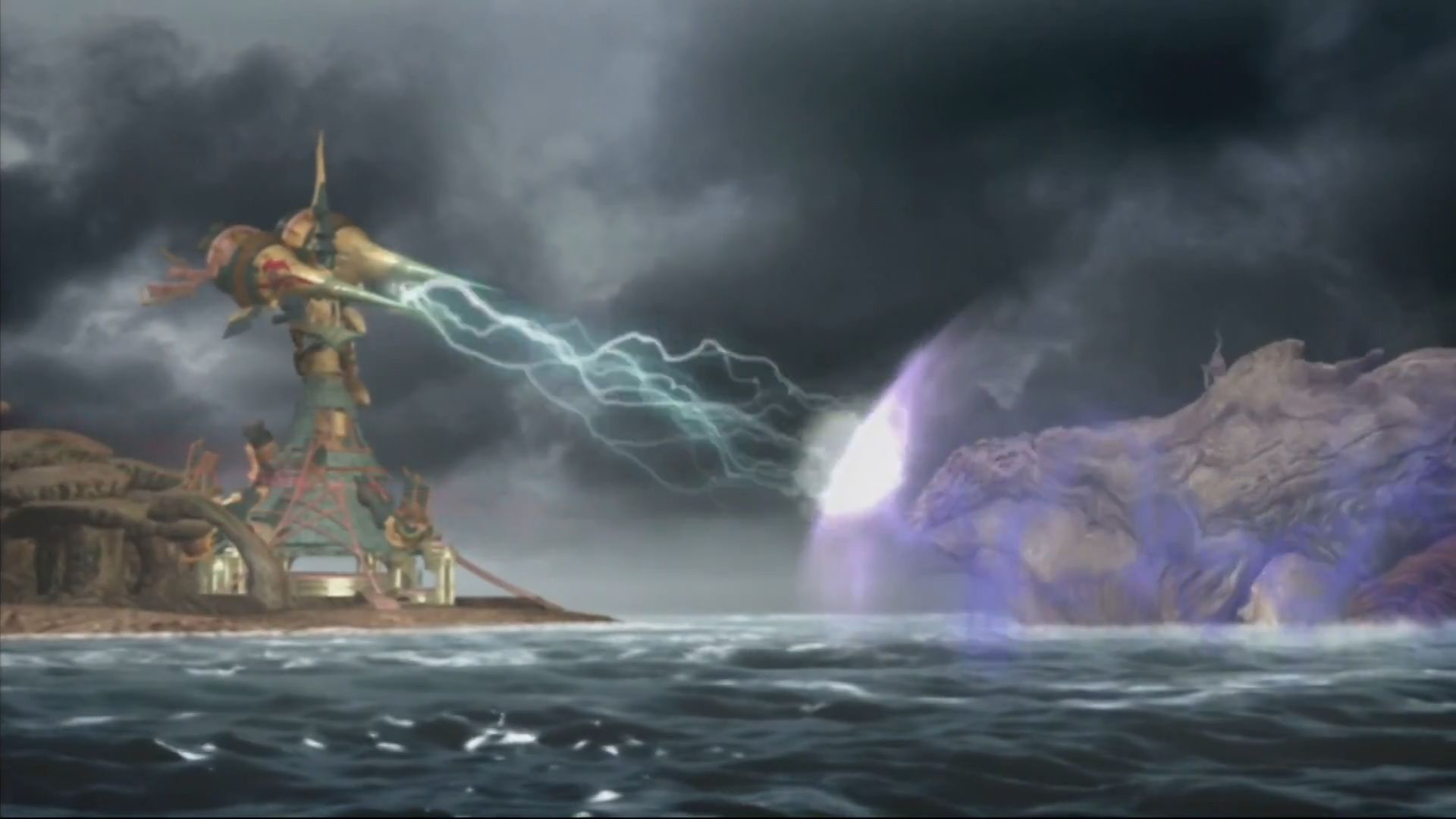
Man, things in Spira are seriously messed up. It’s not just one war, but conflicts breaking out everywhere, with armies of all different strengths. It’s really shaken everything up – I’ve even seen people like Wakka turn totally prejudiced against the Al Bhed, and whole towns have been wiped off the map. It’s like the entire world is being torn apart at the seams.
When I was younger, I didn’t really understand war, and it wasn’t something you saw everywhere because social media didn’t exist like it does now. Now that I’m older, I see news about conflicts all the time, and with so much happening around the world, the war in Spira feels particularly relevant and upsetting.
The themes of racism, devastation, and the fall of entire societies are clear and unfortunately mirror real-world issues. As an adult viewer, the conflicts and struggles of the characters feel painfully familiar and deeply resonate.
4. Seymour’s Perspective
The End to the Suffering
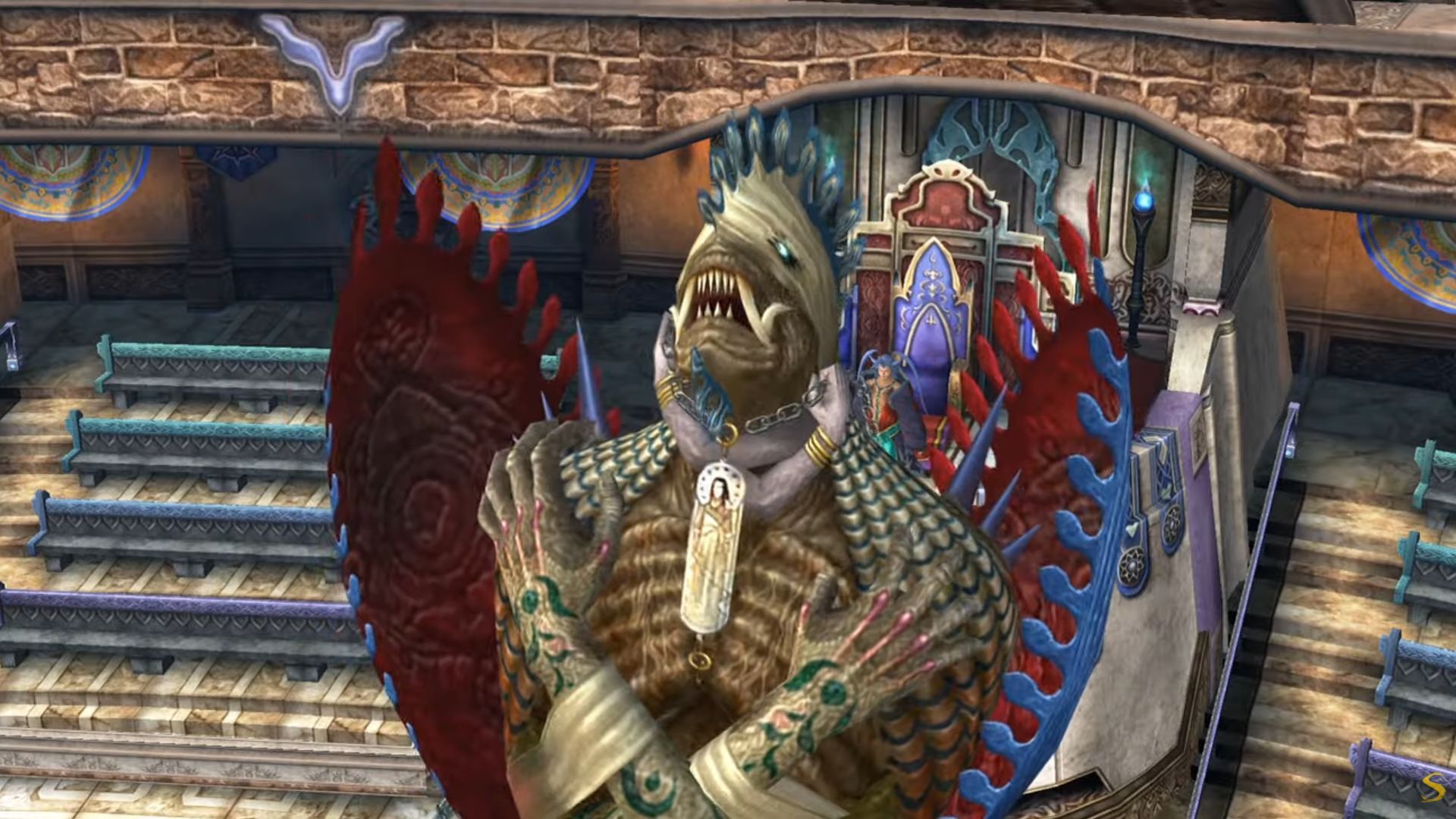
Seymour is a compelling villain with a surprisingly understandable, though ultimately disturbing, motivation. He aims to end all life, not out of malice, but to eliminate suffering. While it initially sounds like a selfless goal, his plan is actually quite frightening – he wants to erase existence itself to stop pain.
I understand why some friends choose not to have children. They worry about bringing kids into a world with so many problems, and honestly, I can relate to that perspective.
It’s not genocide, but the core issue is still the same: why inflict pain on innocent people? That’s the central question Seymour poses. While his solution involves accepting the power of Sin and Yu Yevon, it’s an understandable path for someone living in a world as troubled as Spira.
3. Auron
The Old Man
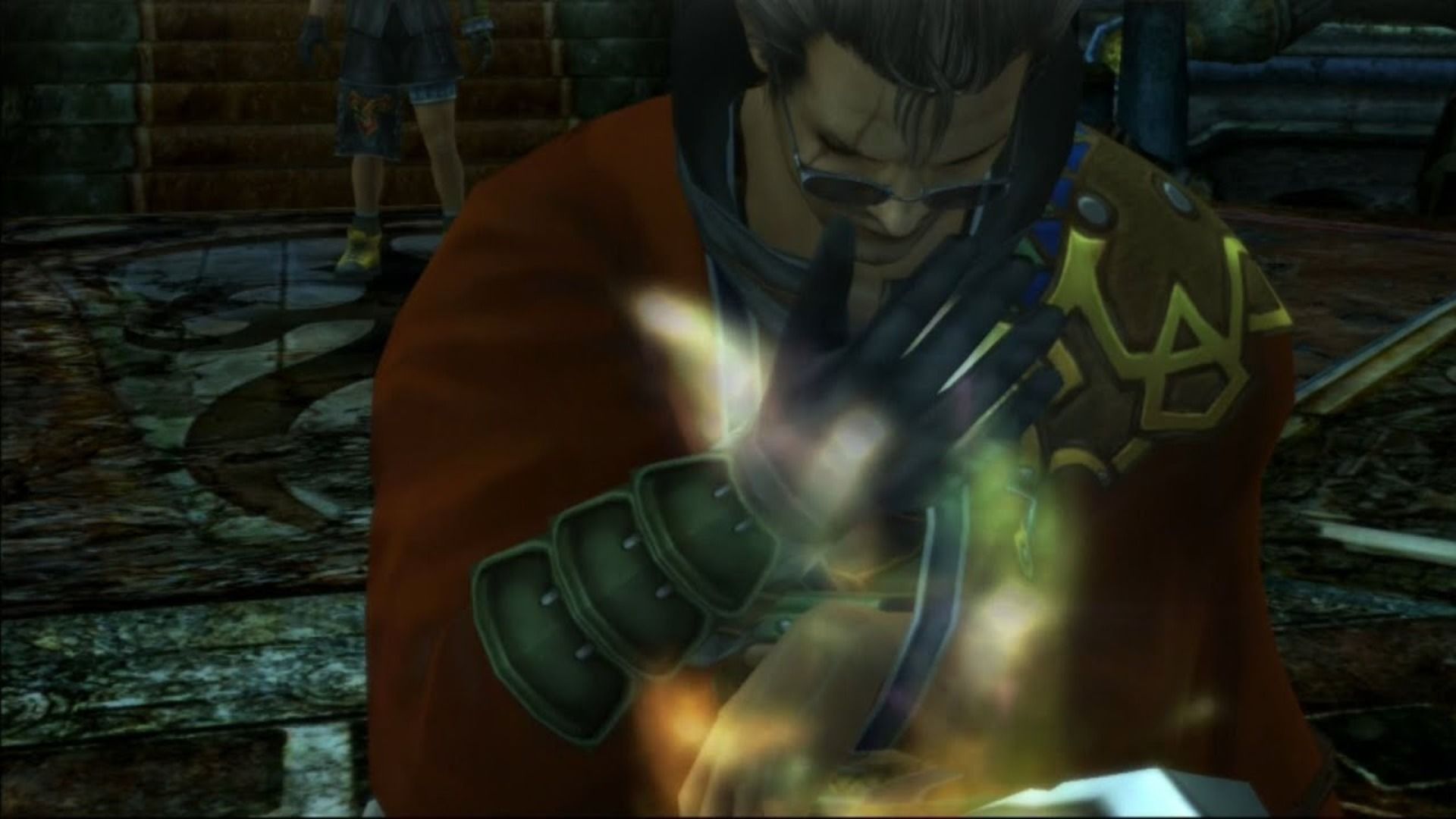
Auron is the oldest member of the main group in Final Fantasy X, and the game really emphasizes his age – 35, which seems surprisingly old when you look back at how it was portrayed in the early 2000s. As someone in their thirties now, it’s even more noticeable seeing that depiction today.
He’s a key figure in the party, acting as both a mentor and a leader. When I first played the game, I really related to Tidus. I didn’t think I was quite as frustrating or naive as he was, but we were around the same age, and that was enough to make me connect with the character.
Subscribe for deeper game reflections and insights
Replaying Final Fantasy X, I now relate to Auron and his sense of duty. It’s humbling to realize he understands the need to let the next generation shape the future. Seeing the game through his eyes is a surprisingly powerful experience.
2. Tidus’s Realization
Life is But a Dream
Steam
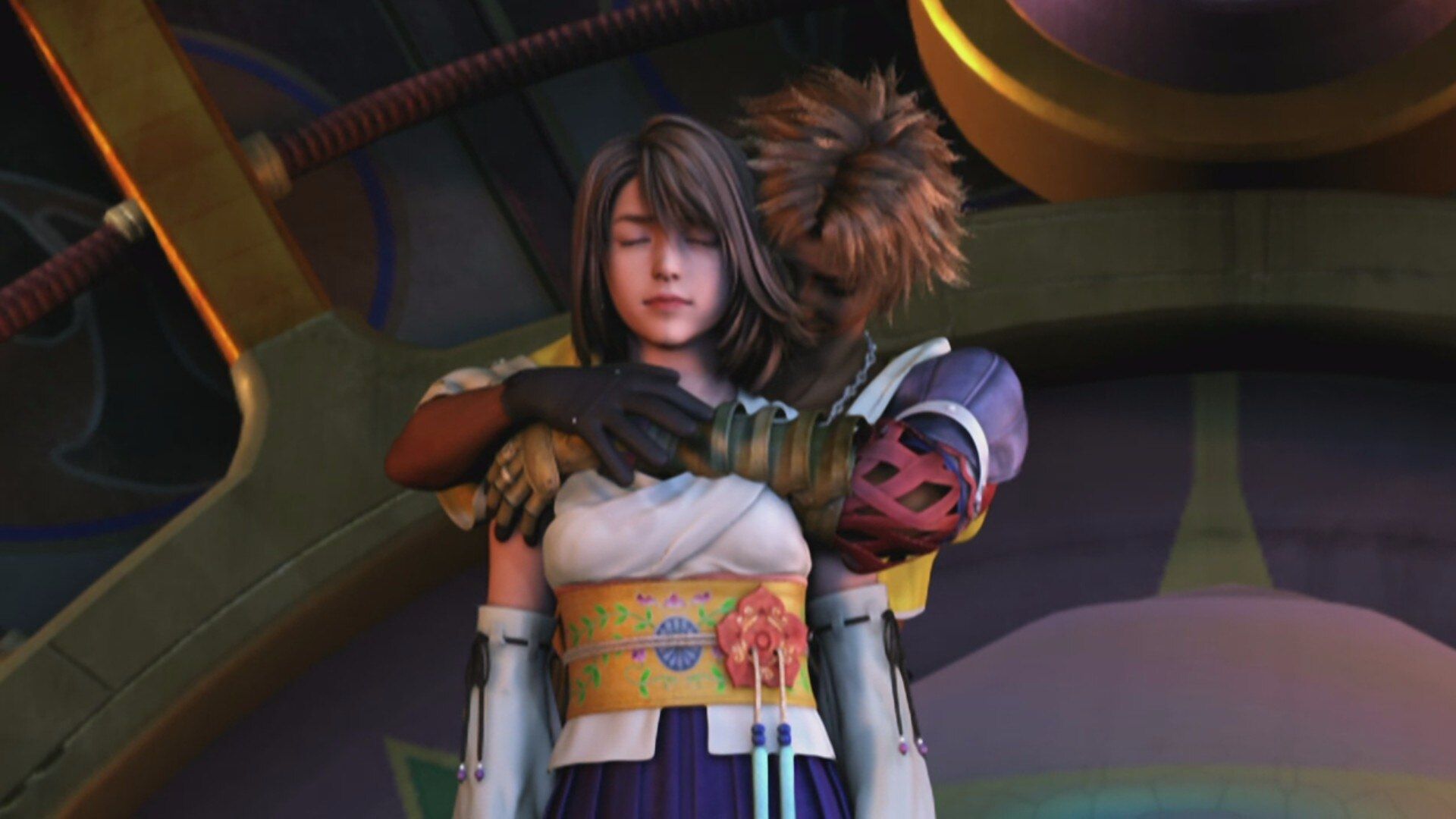
Discovering Tidus is essentially a dream was powerfully emotional when I first played the game, but it resonates in a completely different way now as an adult. As a child, the idea of a young man learning his entire life is an illusion, with no personal future, was devastating. But what truly stands out is his relentless determination to fight for the person he cares about, even knowing he has no tomorrow.
It’s even more heartbreaking to think about him now. He never had the chance to truly live as an adult. He was a promising athlete with a bright future, and then everything changed. Suddenly, he wasn’t living a life of ease, but fighting desperately to protect this unfamiliar world, and that’s when the reality of his situation truly hits home.
He didn’t truly belong in that world, just as Zanarkand wasn’t real. He was simply a dream, destined to remain young and untouched by the weariness of age that Auron and his father experienced. The Fayth, exhausted, needed their rest, leading to a uniquely heartbreaking conclusion. Revisiting this story as an adult, it feels even more poignant and frightening than it did when I first played it as a child.
1. The Only Way to Win
End the Old Ways
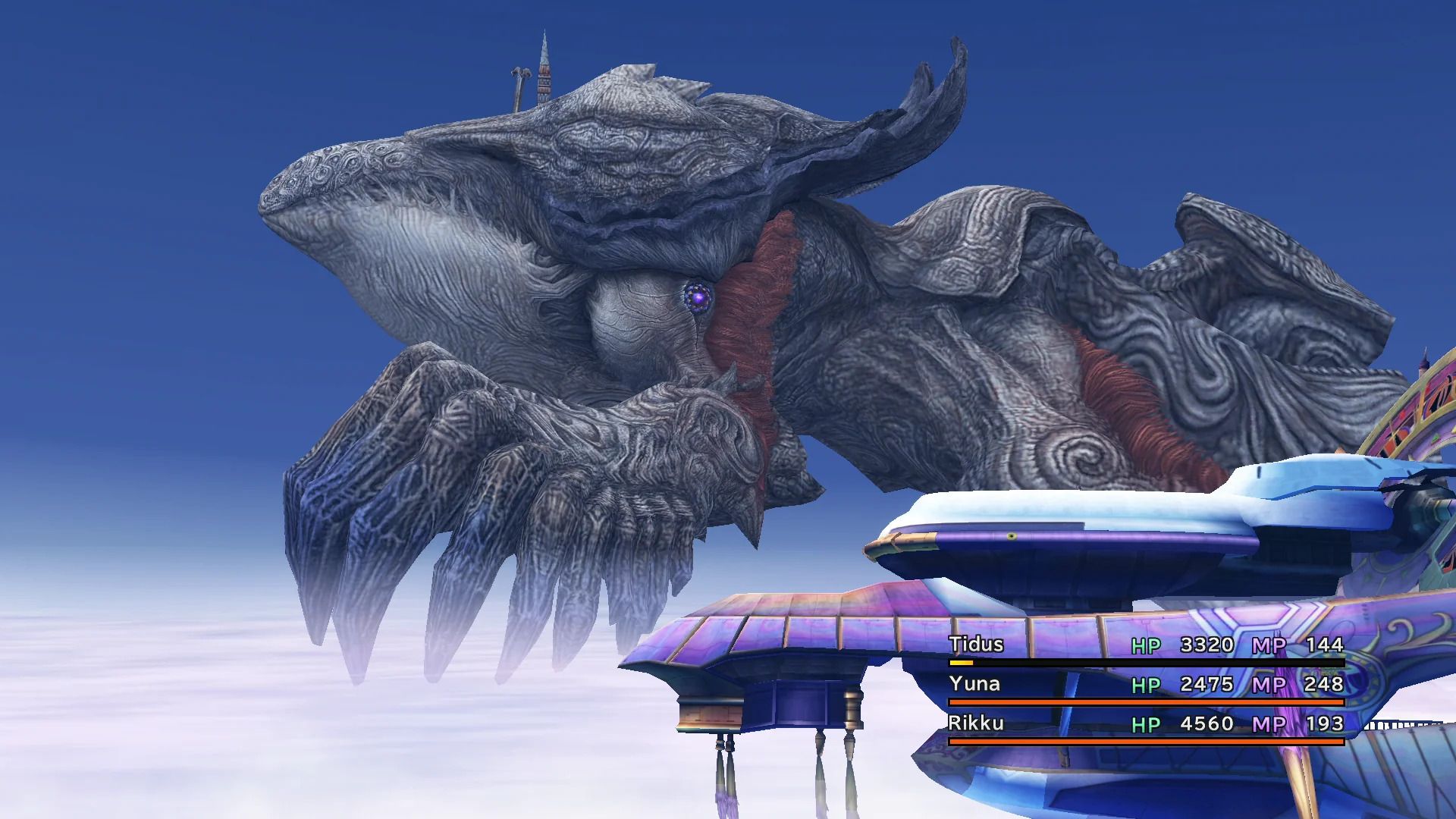
Man, the ending to Final Fantasy X always stuck with me. It’s all about rejecting how things have always been and finally stopping this endless loop they’re trapped in. When I first played it, I was a kid and thought it was so awesome to see them just… rebel against everything. That attitude really resonated with me, you know?
Most adults find themselves trapped in a routine – the typical workday, the constant hustle – and it’s hard to break free. That’s surprisingly similar to what happens at the conclusion of the video game Final Fantasy X.
The endless loop has finally been stopped, but achieving this came at a great price. Two key characters are lost forever, leaving you to question if the outcome justified the sacrifice. The troubles of Spira extend far beyond just the threat of Sin.
Growing up, I just accepted that the decision was made to save everyone. But looking back now, I wonder if it was truly the best choice. The next game immediately introduces a new danger, and key heroes like Tidus and Auron aren’t around to face it. It makes you think – even though the truth about Yu Yevon was harmful, it also maintained a kind of peace. Once he was gone, that stability disappeared, and the resulting chaos didn’t necessarily improve things.
Read More
- Netflix’s Little House On The Prairie Reboot: Release Date, Cast & Everything We Know
- Off Campus Season 1 Soundtrack Guide
- YouTuber arrested after viral AI bodycam videos spark real police complaints
- Silver Rate Forecast
- Prime Video’s New R-Rated Spy Thriller Is Officially No.1 On Streaming Despite Poor Reviews
- Brent Oil Forecast
- EUR ZAR PREDICTION
- Peaky Blinders: The Immortal Man’s Tommy Shelby Is a Better Father Than Michael Corleone
- Gold Rate Forecast
- Bulgakov’s Take: Koreans Bet the Farm on Chips, Crypto, and Chaos
2026-04-24 19:45