Fantasy novels often appeal to readers seeking immersive worlds with unique magic, landscapes, and moral codes that challenge traditional stories. But very few series manage to create such detailed worlds and connect with readers on a deeply emotional level – calling them anything less than exceptional wouldn’t be fair.
These series aren’t judged by how popular they are, even though many have gained a large following. What truly matters is how well they’ve lasted over time, the skill with which they’re written, how consistent the author’s ideas are, and whether they offer something new each time you read them.
Berserk Sets the Absolute Ceiling for Dark Fantasy Storytelling
In Berserk, Kentaro Miura created a world where systemic cruelty and terrifying supernatural events feed off each other, becoming indistinguishable. The story follows Guts as he navigates a world where war, relationships, and even faith are all tainted by the same corruption that led to Griffith’s downfall. The true horror of the Eclipse isn’t the violence itself, but the fact that Miura spent so much time building a connection between readers and the things that are ultimately destroyed.
I really noticed a shift in Berserk during the Golden Age Arc. It’s where the story’s ability to balance intense action with quiet, character-driven moments really became clear. Miura didn’t fall into the trap of making Griffith just a one-dimensional bad guy, even during the Falconia scenes – he kept things surprisingly complex. What struck me most was how the smaller, quieter scenes built up emotional weight. By the time the truly awful events happened, they felt incredibly impactful because they landed on a foundation of genuine connection and feeling.
Witch Hat Atelier Proves That Wonder Is Its Own Form of Moral Argument
I’ve been really impressed with how Kamome Shirahama created the magic system in Witch Hat Atelier. It all hinges on a simple rule: magic can never be shown to people who aren’t witches. And it’s amazing how much of the story’s conflict comes directly from that one restriction. When Coco accidentally reveals magic early on, it’s not just a way to kick off the plot—it establishes that magic has lasting consequences. What’s really clever is that Shirahama builds tension and drama from the rules of magic, not just how powerful it is, which is something you don’t see often enough in fantasy manga.
Kamome Shirahama’s detailed artwork in Witch Hat Atelier isn’t just pretty – it actively builds the story’s themes. The intricate lines in every panel represent a world where magic is based on complex symbols, and as the main character, Coco, learns to understand those symbols, she also learns the true price of using magic without care. It’s rare to find a fantasy manga where the art and the story’s meaning are so closely connected.
Fullmetal Alchemist Builds a Fantasy World Where Every Rule Carries Moral Weight
Hiromu Arakawa’s concept of ‘equivalent exchange’ isn’t just a plot device; it’s the driving force behind the story’s moral lessons. When Edward and Alphonse Elric’s attempt to create a human fails, it kicks off a chain of events where every success comes with a lasting, irreplaceable cost. Arakawa skillfully blends ethical ideas into her action-packed story without simplifying either the philosophy or the adventure.
Roy Mustang’s story explores how institutions enable wrongdoing, and the tragic events of the Ishval Massacre give the world of Fullmetal Alchemist a strong sense of history. What truly makes the series compelling, though, is that its characters aren’t typical heroes. Fullmetal Alchemist is filled with people in power who often abuse it, making the choices of those who act with integrity feel truly earned and impactful.
Nausicaa of the Valley of the Wind Predicts the Future of Ecological Storytelling
While the manga Nausicaa begins similarly to the movie, they quickly diverge. The film presents a clear message about protecting the environment, but the manga explores this idea much further. Nausicaa ultimately learns that her society is built on a deeply flawed foundation – a truth so devastating that acknowledging it would mean losing everything she holds dear.
I’ve always found it interesting that the Sea of Corruption isn’t necessarily against people, and Nausicaa really highlights that. The way the story, especially in the later volumes, deals with humanity’s impact on the world and the world’s reaction to that… it gives the manga a depth of thought you rarely see in fantasy. It’s a really philosophical work, and it doesn’t shy away from asking big questions.
Made in Abyss Earns Its Darkness Through Genuine Wonder
Instead of using violence to create fear, Made in Abyss uses curiosity. The series’ creator, Akihito Tsukushi, has crafted a dangerous world where going deeper offers incredible beauty, but climbing back up brings terrifying biological consequences. This imbalance makes every decision the main character, Riko, makes truly meaningful and risky. The dangers of the Abyss aren’t just a plot device; they are the core of the story’s message: pursuing knowledge often means accepting that you can’t go back to how things were.
The impact of Nanachi and Mitty’s story is so strong because the author, Tsukushi, spent a long time showing both the allure and the dangers of the Abyss. By portraying Reg as robotic and with lost memories, Tsukushi suggests the Abyss is far older and more mysterious than anyone exploring it realizes. Crucially, the story doesn’t separate feelings of awe and sadness – they always come together, highlighting the true and often heartbreaking cost of exploration, which is a central theme of Made in Abyss.
The Promised Neverland Builds Its Horror From the Logic of Its World
Isabella is a truly terrifying character. Because her involvement with the farm system makes perfect sense, she’s more frightening than any supernatural creature in the story. The creators, Kaiu Shirai and Posuka Demizu, have crafted a world with consistent rules, making the horror feel deeply ingrained in the system itself, rather than relying on simple monsters. The escape plans of Emma, Norman, and Ray depend on their cleverness, not brute strength, which makes Grace Field House feel refreshingly unique.
Demizu masterfully uses panel layouts during chase scenes to pack a lot of feeling and information into each frame, creating a sense of fear that’s more impactful than any single shocking moment. Shirai and Demizu created a truly clever trap, and the way the three children try to escape it remains consistently suspenseful, even after many chapters.
Delicious in Dungeon Finds the Extraordinary in the Mundane Logic of a Fantasy World
Ryoko Kui’s approach to the dungeon-crawl is unique. Instead of just fighting monsters, she treats them as part of a living world, and cooking them is how she reveals the secrets of that world. In Delicious in Dungeon, the detailed food preparation isn’t just for laughs; it’s how Kui cleverly builds the story’s world, history, and moral dilemmas all at once, without slowing down the action.
Initially, Laios’s unique inability to perceive monsters as threats is presented as a minor, somewhat awkward personality trait. However, as the story progresses, this very quality proves to be the key to understanding the true nature of the dungeon and becomes essential to overcoming its challenges.
Attack on Titan Uses Genre Machinery to Ask Questions Genre Fiction Usually Avoids
Reiner Braun’s emotional confession to Eren in Chapter 77 – happening in a confined space with no way out – is when Attack on Titan truly shows what it’s been aiming for all along. For many chapters, creator Hajime Isayama developed the Warrior characters as complex people with understandable reasons for their actions. That scene is so impactful because the reader has come to sympathize with both sides, even though the story doesn’t offer an easy way to reconcile their opposing viewpoints.
The Marley Arc cleverly flips the script on everything established in the first half of the story, but doesn’t undo it. The ending sparked a lot of discussion, and that’s because the manga created a truly complex situation – it wasn’t just about leaving questions unanswered, but about making it genuinely hard to come to a conclusion.
Land of the LustrousTreats Memory Loss as the Central Philosophical Crisis of Its World
I’m absolutely fascinated by Haruko Ichikawa’s Land of the Lustrous! It centers around Phosphophyllite, a gem who keeps breaking and reforming, and with each reconstruction, they lose a little bit of themselves. What’s really struck me isn’t the action, but the unsettling idea of constant change. For me, Phosphophyllite’s journey is the core message of the manga, and Ichikawa doesn’t shy away from making that message a challenging one – she doesn’t offer easy answers or a comfortable resolution.
In Land of the Lustrous, the Lunarians start as enemies, but their reasons for acting the way they do ultimately change how we understand the story, turning it from a sad fantasy into a truly tragic one. The show’s simple, geometric art style emphasizes the pain of characters being broken and rebuilt, making these moments feel like genuine loss instead of just visual effects.
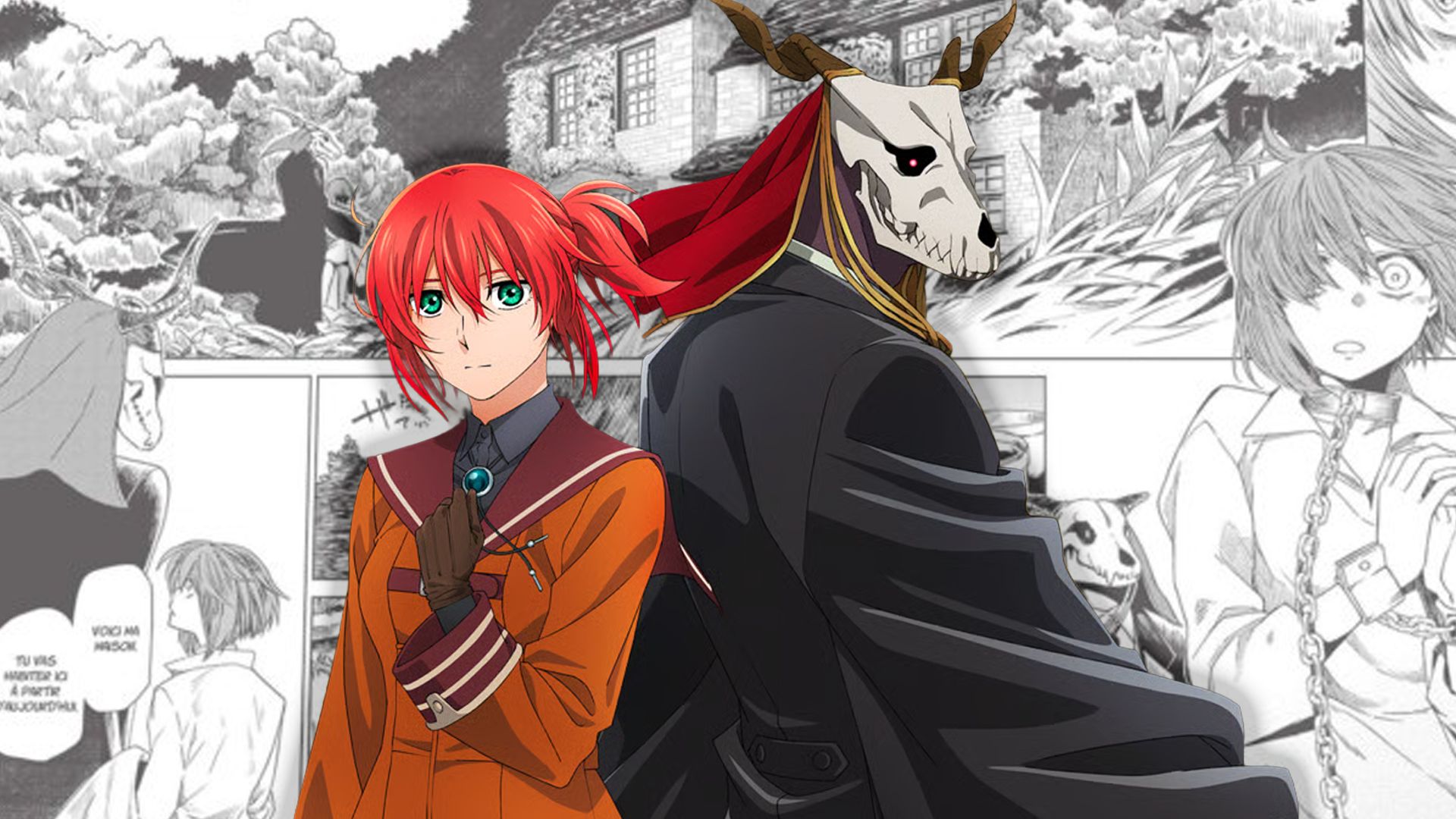
The Ancient Magus’ Bride Builds Fairy-Tale Logic Into a Coherent Emotional Architecture
Kore Yamazaki builds the fantasy world of The Ancient Magus’ Bride using inspiration from British folklore and Celtic myths, and importantly, establishes clear and consistent magical rules. The fae aren’t just whimsical creatures; they function as fundamental parts of the environment, acting with purpose and facing real consequences. This consistency isn’t just for show – it makes the magic feel integral to the story, not just added for spectacle, and gives the world a believable depth.
The contrast between Elias Ainsworth’s difficulty understanding feelings and Chise Hatori’s belief that she’s unworthy is central to their relationship. However, the story doesn’t allow Elias’s growing affection for Chise to simply fix her problems. Instead, it highlights the difference between receiving love and feeling deserving of it, and this nuanced approach is what makes the story so rewarding for viewers.
Read More
- Off Campus Season 1 Soundtrack Guide
- DoorDash responds after customer uses AI to make food look bad and get a refund
- Ethereum Eyes Break Above $2,420 as Rally Hangs in the Balance
- Gold Rate Forecast
- All Golden Ball Locations in Yakuza Kiwami 3 & Dark Ties
- Hideo Kojima says Metal Gear Solid 2 became the future he hoped would not happen
- 10 Most Universally Beloved Sci-Fi Movie Villains, Ranked
- Jon Bernthal Explains Why Marvel Let Him Make The Darkest Punisher Story Ever
- Umamusume has been transformed into a D&D game with new race
- How to Get to the Undercoast in Esoteric Ebb
2026-05-03 06:15