What to know:
- Major Wall Street institutions, including Citigroup, JPMorgan and DTCC, say blockchain-based tokenization is quietly moving into production, handling real volumes for real clients rather than remaining a pilot technology.
- Banks are integrating blockchain rails into existing market infrastructure to enable 24/7, real-time movement of money and securities, reshaping corporate treasury, collateral management and cross-border payments.
- Executives stress that tokenization will evolve the financial system rather than replace it outright, preserving key intermediaries even as traditional finance and decentralized systems steadily converge.
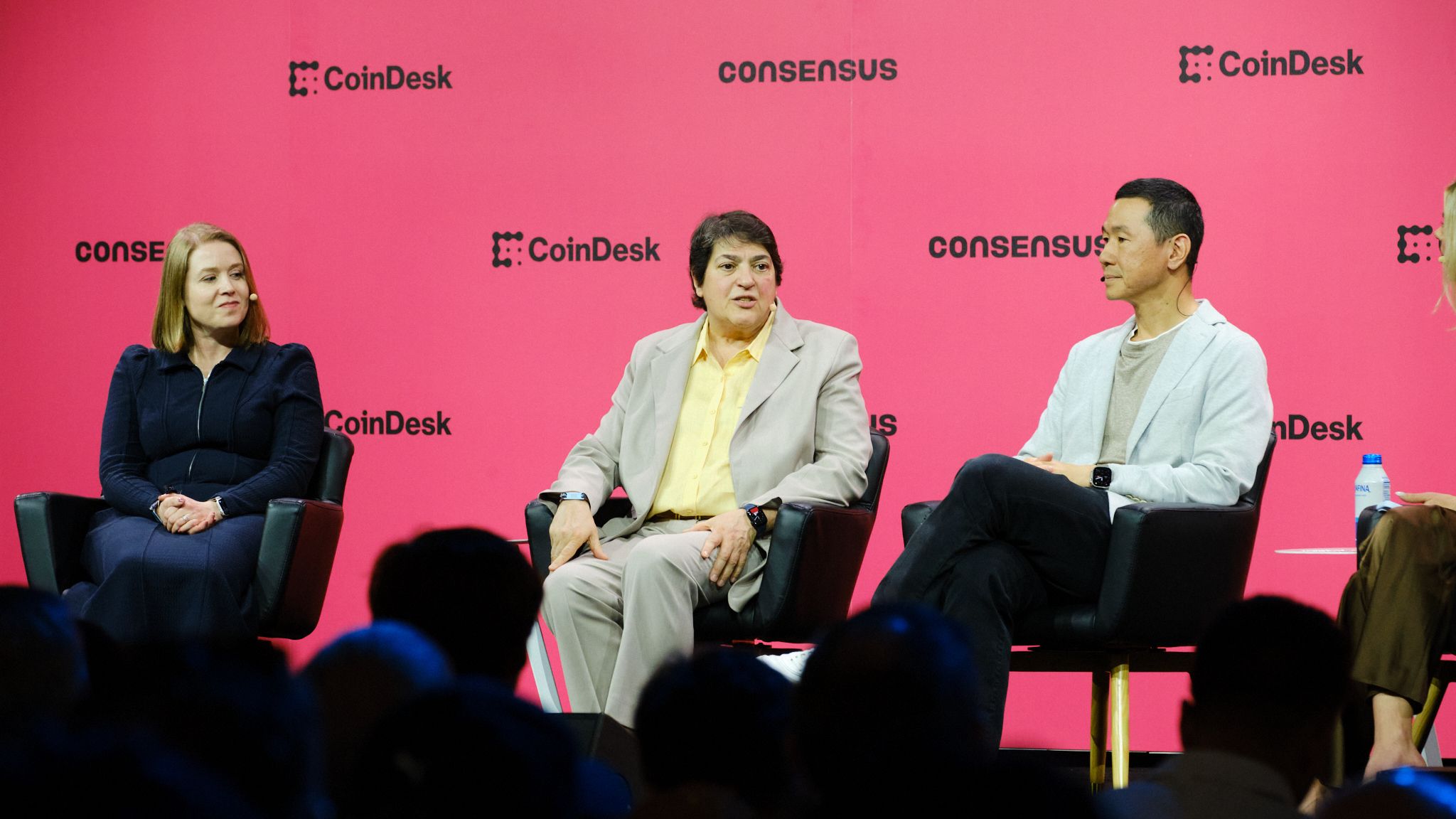
While not an immediate overhaul, tokenization is gradually changing the core infrastructure of the financial system, according to leaders speaking at the Consensus 2026 conference in Miami Beach.
Executives from Citi, JPMorgan, and DTCC recently shared that blockchain technology is now being actively used with actual transactions and customers, influencing how it’s being implemented in the financial world.
Just a year ago, Citibank’s system for handling digital tokens was processing millions of dollars. Now, according to Ryan Rugg, who heads digital assets for the bank, that number has grown to billions.
In my research, I’ve found clients are increasingly requesting the ability to move their money at any time, not just when banks are open. They need 24/7 access, and that’s driving the demand for new solutions.
As a researcher following the adoption of blockchain technology, I’ve been tracking JPMorgan’s progress with their Kinexys platform. I recently learned from Kara Kennedy, who heads up digital asset market development at the bank, that Kinexys has now processed over $1 trillion in transactions. It’s interesting to see such significant volume demonstrating the platform’s use.
Instead of creating entirely new systems, the emphasis is now on integrating blockchain technology with current infrastructure to speed up transactions and allow for uninterrupted service, she explained.
DTCC, a core part of how U.S. financial markets operate, is planning for the future. They’re working to modernize their $150 trillion systems by moving to a shared digital platform, and have already begun putting these plans into action.
Nadine Chakar, who leads digital asset efforts at DTCC, explained that simply swapping out current systems isn’t the answer. Instead, she sees progress happening gradually, as things develop and improve over time.
This trend shows a change in how companies are using blockchain technology. Initially, they focused on finding any use for it. Now, businesses are concentrating on solving very specific challenges, particularly with things like collateral, international payments, and managing cash flow.
As a researcher studying corporate finance, I’m seeing a major shift in how companies manage their money. Traditionally, treasury departments had to anticipate needs and move cash around days ahead of time. Now, with real-time fund transfers – even across different time zones and holidays – companies can respond immediately to things like unexpected margin calls or new investment opportunities. It’s a much more dynamic and reactive approach to treasury operations.
However, the panelists questioned whether blockchain will completely eliminate the need for intermediaries. Essential services such as managing risk, ensuring regulatory compliance, and guaranteeing settlements are still difficult to achieve with completely decentralized systems.
“We will always need some level of intermediation,” Chakar said.
However, those deeply involved in the crypto world believe the industry has a long way to go. Evan Auyang, from Animoca Brands, explained that it’s currently evolving, with blockchain technology slowly demonstrating its value before a more significant shift occurs.
Blockchain technology has the potential to be revolutionary, significantly speeding up processes like loan approvals – reducing them from weeks to just days, according to Auyang. However, he believes that fully operating financial markets directly on the blockchain aren’t quite viable yet, considering the size of current systems and existing regulations.
He also pointed out the clear trend toward change. He believes solutions offering better efficiency and lower costs will naturally be embraced, and that traditional and decentralized financial systems are increasingly coming together.
Read More
- Off Campus Season 1 Soundtrack Guide
- X-Men ’97 Finally Gave Gambit the Hero Moment He Deserved
- Chainsaw Man Volume 24’s Cover Art Reveals a Brand-New Denji
- 46 Years Later, The Mandalorian & Grogu Answers A Major Empire Strikes Back Question
- HoI4 fans harsh reactions to the announcement of another DLC pack
- 10 Worst End-Game Couples In Sitcom History
- Gold Rate Forecast
- Emily Henry Says to ‘Trust the Vision’ For Beach Read Adaptation
- DoorDash responds after customer uses AI to make food look bad and get a refund
- Hatsune Miku cosplayer goes viral selling $15 cups of “foot juice” to thirsty anime fans
2026-05-05 21:55