
I approached Utawarerumono: Past and Present Rediscovered with some hesitation. I hadn’t enjoyed Monochrome Mobius: Rights and Wrongs Forgotten as much as the original Utawarerumono trilogy. I felt the shift in gameplay from a visual novel/tactical RPG to a traditional turn-based RPG, similar to Dragon Quest, wasn’t quite successful. Plus, the story felt rushed, ending before it could fully develop in a satisfying way, unlike previous games in the series.
I won’t rehash my previous criticisms of the game – my original review still stands. Although many of those problems were fixed in updates later on, my main concerns haven’t really been addressed. I was hoping these games, Past and Present Rediscovered and Monochrome Mobius, would show a clear purpose for existing. While I enjoyed playing this time more than before, I still don’t feel they’ve proven their worth.
The core gameplay is still familiar, but several improvements have made the game much more enjoyable. I previously found the combat in Monochrome Mobius to be unbalanced and repetitive. A lot of attacks felt ineffective, but a redesigned user interface and more diverse moveset have addressed these issues, though it’s not completely perfect.
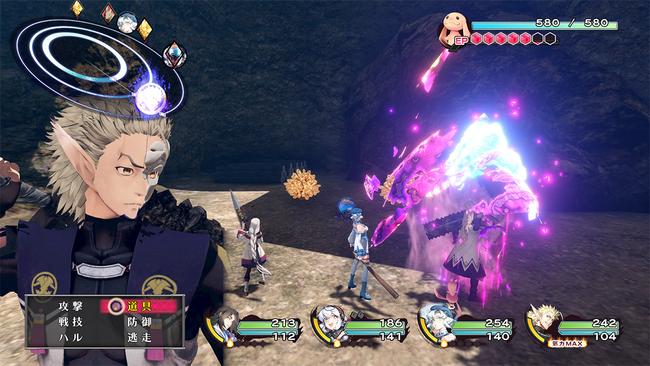
In games like Monochrome Mobius, getting a stronger attack usually meant it took up a new skill slot, leaving the older, weaker version taking up space. We’ve changed this so that when you upgrade an attack, it automatically replaces the old one. You can still switch back to the weaker version if you want, but it’s optional. This keeps your skill list tidy and allows us to add new, more creative skills – including a redesigned Overzeal system.
Keshin form boosts your stats when you’re in Overzeal mode and lets you use incredibly strong attacks that draw power from your MP. The amount of MP used scales with your level, so these attacks stay powerful as you get stronger. The combat becomes more complex right away, and later you’ll also have Okugi attacks to consider. You can stay in Keshin form for multiple turns, or use your Overzeal immediately for a single, devastating Okugi attack – the best choice depends on the situation.
Halu is much more versatile in this game. You’ll unlock different forms for him, each with unique attacks you can switch between easily while he’s in battle. It’s also easier to tell when enemies are close to being stunned, as their color now indicates their stagger level. These are small improvements, but they really add up to a better experience.
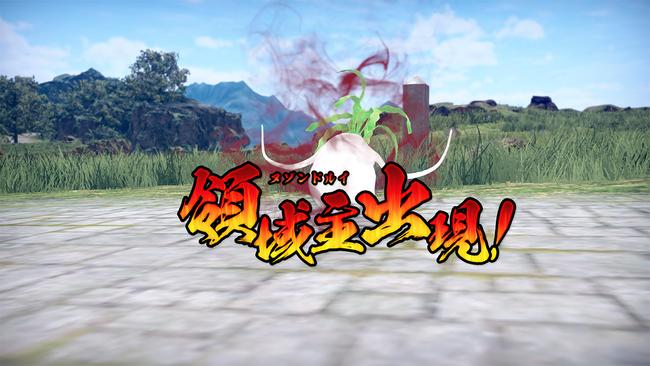
The biggest change is a new system called Area Conquest. By defeating enough enemies in a zone, you’ll trigger a special boss fight that rewards a particular playstyle. Winning these fights lets you instantly defeat all remaining enemies in that zone, either with a powerful attack or by simply running over them. We’ve also significantly increased movement speed – running is now so fast it’s integrated into regular movement – which means fewer standard battles overall. The game is now designed around fewer, but more memorable, encounters.
Being able to quickly defeat enemies also impacts how you improve your gear and Halu’s ABL. The cost of these upgrades hasn’t changed, but because battles are now resolved faster, you’ll spend much less time farming for resources. If you do choose to grind in a specific area, it now only takes a few minutes instead of hours.
The game is actually a pretty solid and enjoyable RPG – a definite improvement over the last one, as far as gameplay goes. However, everything outside of the core gameplay experience is where it falls short.
The game has plenty of new places to visit, but it doesn’t quite feel like true exploration. Dungeons are very straightforward, and the game constantly guides you towards what to do next. While it’s helpful to avoid dead ends, it makes the experience feel a bit too restrictive. Unfortunately, the side quests weren’t very engaging either.
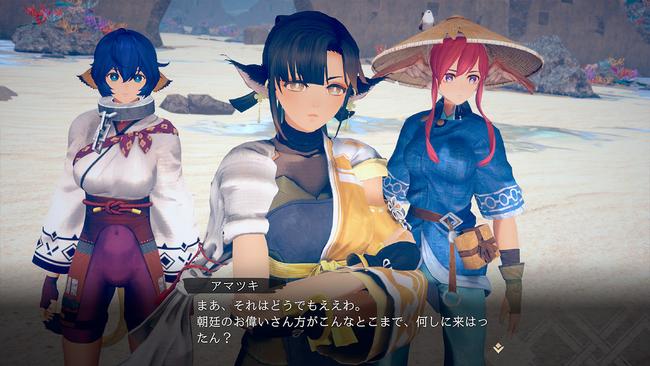
The same issues that plague the story apply here too. Past and Present Rediscovered doesn’t really expand on the Utawarerumono narrative; it mostly retreads familiar ground. While there are a few new developments, they ultimately don’t change anything about the world itself. Some scenes reference memorable moments from earlier games, and what initially felt like a nice tribute now seems a bit manipulative after finishing the game.
While there are some enjoyable parts and it does add to the overall franchise, this story ultimately feels unnecessary – almost as if it shouldn’t have been told. It doesn’t feel woven into the larger world, but rather tacked on and easily skipped. The game heavily relies on knowledge from previous titles – both the original trilogy and Monochrome Mobius – with characters appearing without clear purpose, seemingly just to check a box. It’s not a bad story, and has a few good moments, but it doesn’t really stand out and feels too similar to what’s come before.
If you were a fan of Monochrome Mobius, you’ll likely enjoy Past and Present Rediscovered. While it’s definitely a step up, the improvements actually highlight the areas where the game still falls short. Utawarerumono: Past and Present Rediscovered is a good RPG, but given the depth of the Utawarerumono story, I expected more. The better combat system is a strong point on its own, but I’m not convinced these two games needed to be made.
7
Versions tested: PC
Read More
- Netflix’s Little House On The Prairie Reboot: Release Date, Cast & Everything We Know
- Off Campus Season 1 Soundtrack Guide
- YouTuber arrested after viral AI bodycam videos spark real police complaints
- Silver Rate Forecast
- Prime Video’s New R-Rated Spy Thriller Is Officially No.1 On Streaming Despite Poor Reviews
- Peaky Blinders: The Immortal Man’s Tommy Shelby Is a Better Father Than Michael Corleone
- EUR ZAR PREDICTION
- Gold Rate Forecast
- Bulgakov’s Take: Koreans Bet the Farm on Chips, Crypto, and Chaos
- 10 Indie Games that Really Felt Like the Start of a New Era
2026-06-12 00:57