
Vulture’s critics are keeping an eye on the best TV shows of the year, covering everything from popular hits to hidden treasures. We’ll be updating this list monthly with new additions. The shows are listed in order of their 2026 release date, with the newest shows appearing first.
Widow’s Bay (Apple TV)
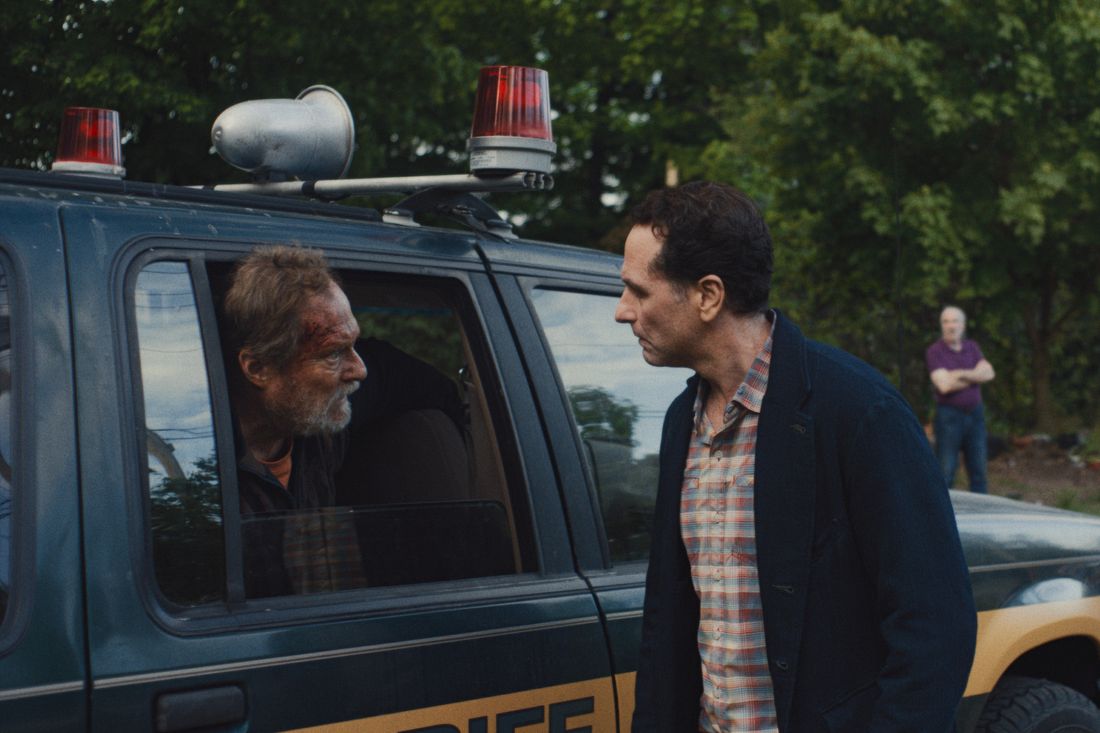
The setup is familiar: Matthew Rhys stars as the mayor of a remote New England island hoping to transform it into a popular destination like Martha’s Vineyard. He achieves his goal, only to discover the locals were right – the island is cursed. While the basic idea isn’t new, Katie Dippold’s Widow’s Bay is a unique blend of comedy and horror, where neither genre overshadows the other. It’s genuinely scary and cleverly written, clearly showcasing Dippold’s love for horror. The early episodes feel like a collection of classic horror tropes – a haunted hotel, a nod to The Fog, a touch of Halloween – all presented in a fresh and inventive way. Simultaneously, it’s a comedy reminiscent of Parks and Recreation, set in a town plagued by unsettling events, which makes sense given Dippold’s background on that show. Rhys is fantastic, supported by Stephen Root and Kate O’Flynn, along with a talented ensemble cast including Dale Dickey, Jeff Hiller, Chris Fleming, and Kevin Carroll. The show boasts a striking visual style, largely thanks to director Hiro Murai (who helms most episodes, with contributions from Sam Donovan, Ti West, and Andrew DeYoung). Widow’s Bay is hard to categorize, and that’s its strength. It masterfully balances tone, and the creators make it look effortless. I found myself anticipating both the scares and the laughs with every shadowy hallway and dimly lit street. —Nicholas Quah
This Is a Gardening Show (Netflix)
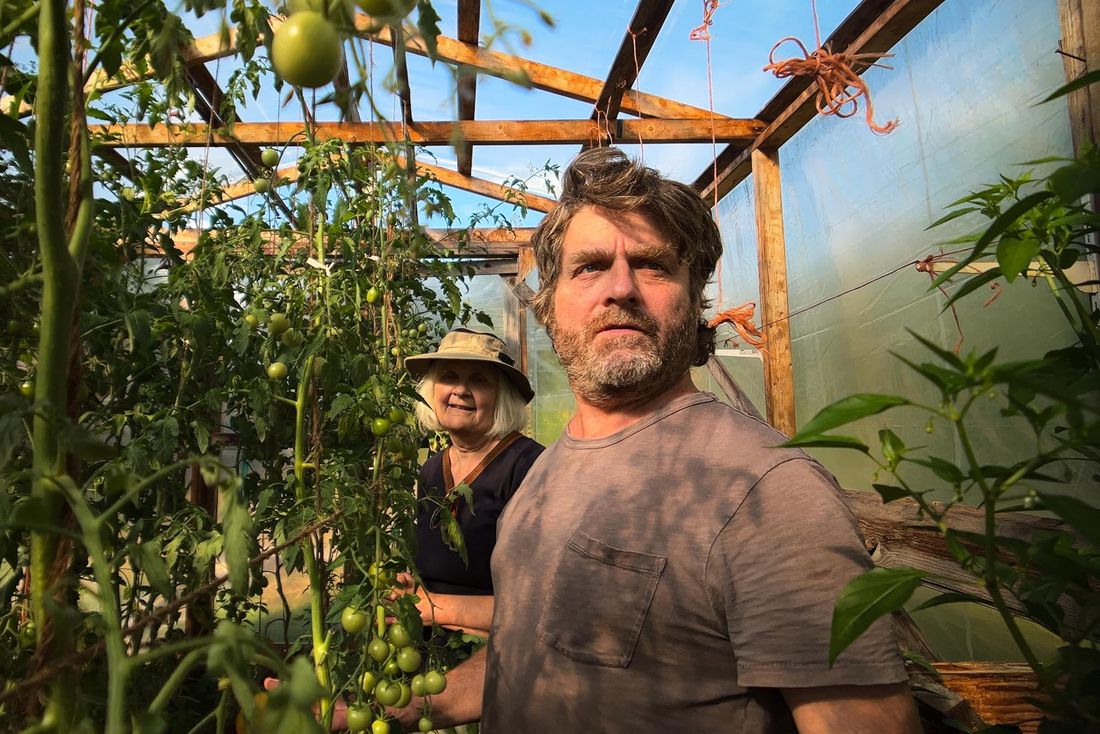
Zach Galifianakis’s gardening series is a charming and quirky collection of short episodes. It’s not meant to be a how-to guide – don’t expect detailed advice on plant diseases! The show’s appeal lies in Galifianakis’s genuine enthusiasm as an amateur gardener. He’s either playfully skeptical, especially when talking to kids about plants, or delightfully amazed by simple things, like how deep to plant a tomato (deeper than you might think!). It feels a bit different from most current Netflix shows, and would have fit right in years ago when the platform experimented with unique, small-scale projects. There’s no obvious reason for the show to exist, which actually makes it even more enjoyable. —Kathryn VanArendonk
Beef season two (Netflix)

The second season of Lee Sung Jin’s Beef explores how the idea that “the customer is always right” can become deeply problematic, this time within the setting of a California country club. While the first season focused on the escalating feud between two individuals after a road rage incident, this season broadens the scope to examine the underlying reasons for people’s behavior and how power, privilege, and wealth can lead us to lose ourselves. These themes will resonate with viewers of The White Lotus, and the overlapping stories of the country club’s owners, staff, and members will inevitably draw comparisons. However, Beef surpasses the later seasons of The White Lotus in its insightful exploration of how exclusive environments amplify class divisions. In Beef, the country club isn’t a place of escape—it’s a microcosm of the entire world—and this new story is even more unpredictable, snobbish, passionate, and delightfully angry than the first. —Roxana Hadadi
Big Mistakes (Netflix)
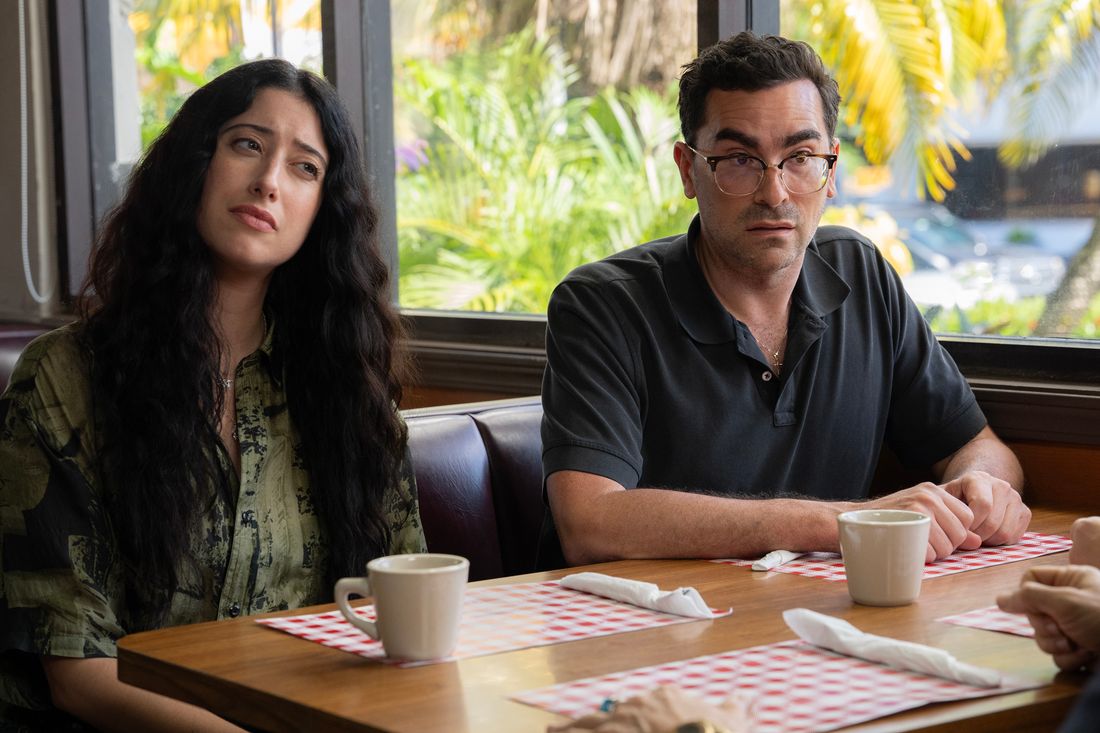
Dan Levy’s new show, Big Mistakes, feels very different from his previous hit, Schitt’s Creek. While Schitt’s Creek was lighthearted, Big Mistakes is a fast-paced, stressful comedy about a family facing constant crises. It has a chaotic energy, reminiscent of early films by the Safdie brothers, and even includes a storyline involving drug trafficking. However, at its heart, Big Mistakes shares a lot with Schitt’s Creek. The strong bond between Levy’s character, Nicky, and his sister Morgan (played by Taylor Ortega) provides a sense of stability amidst all the chaos. Even with the constant threat of disaster and the frantic energy of their mother (played by Laurie Metcalf), Nicky and Morgan’s loving relationship keeps the show grounded. —KVA
Bait (Prime Video)
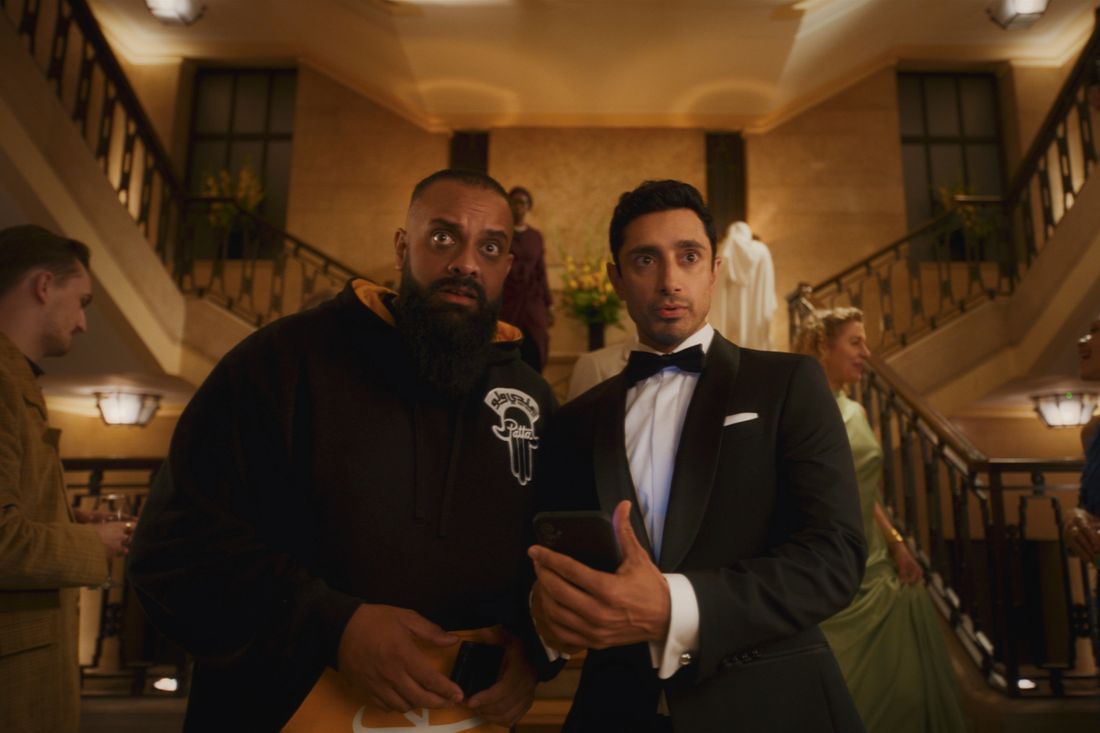
Riz Ahmed created and wrote Bait, a six-episode series that’s as much about exploring his own identity as it is about questioning it. The show is fast-paced and shifts genres constantly, moving from comedy to thriller to family drama and even romance. At times, Bait feels like an extended audition for Ahmed to play James Bond – a role that sparks debate about representation – and the series leans into that idea. Other times, the show dives deep into specific aspects of Muslim life, unapologetically assuming a certain level of cultural understanding from its audience. The show occasionally offers incredibly sharp commentary on the entertainment industry, making you wish those moments were expanded upon instead of, for example, Patrick Stewart voicing a pig’s head. Bait consistently portrays Ahmed as a perfect fit for Bond – he’s charming, refined, and convincingly dangerous. However, the series is more interested in exploring a bigger question: does the way we express our culture empower us, or does it limit us? Bait is deliberately complex and contradictory, and that’s precisely its strength. —RH
The Comeback season three (HBO)
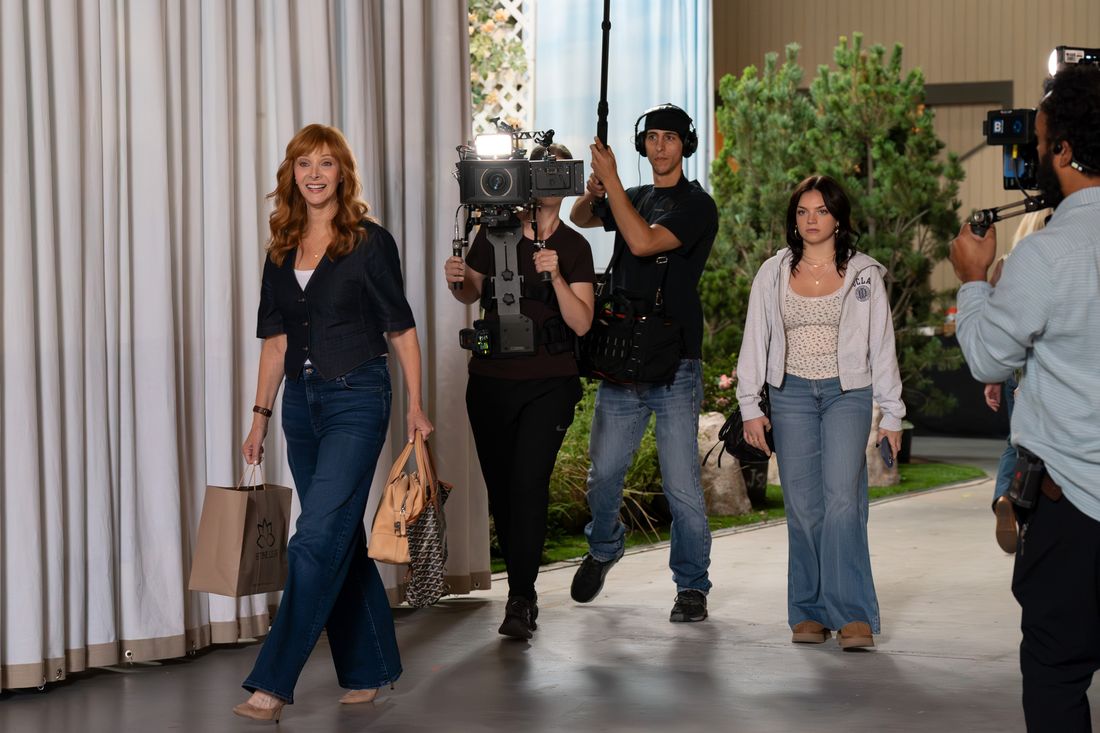
Valerie Cherish always shows up when we need her, especially when Hollywood isn’t on her side. In a tough time for television, Lisa Kudrow and Michael Patrick King brought her character back for one last season of hilariously awkward and surprisingly touching moments. The season follows Valerie as she takes a job on a sitcom created by AI and deals with the fallout. (She really liked the tagline!) More than any other show, The Comeback’s final season offers a raw and honest look at Los Angeles, making shows like The Studio and Hacks feel tame in comparison – though it did attract a lot of cameos from well-known comedians. Throughout the series, Valerie has evolved, becoming more thoughtful and self-aware. Kudrow delivers a standout performance, portraying someone realizing she’s finally the most mature person around. While it might not reach the heights of Valerie’s detective work in Mrs. Hatt, that show was on Epix – and let’s face it, there are just too many streaming services! – Jackson McHenry
Rooster (HBO)
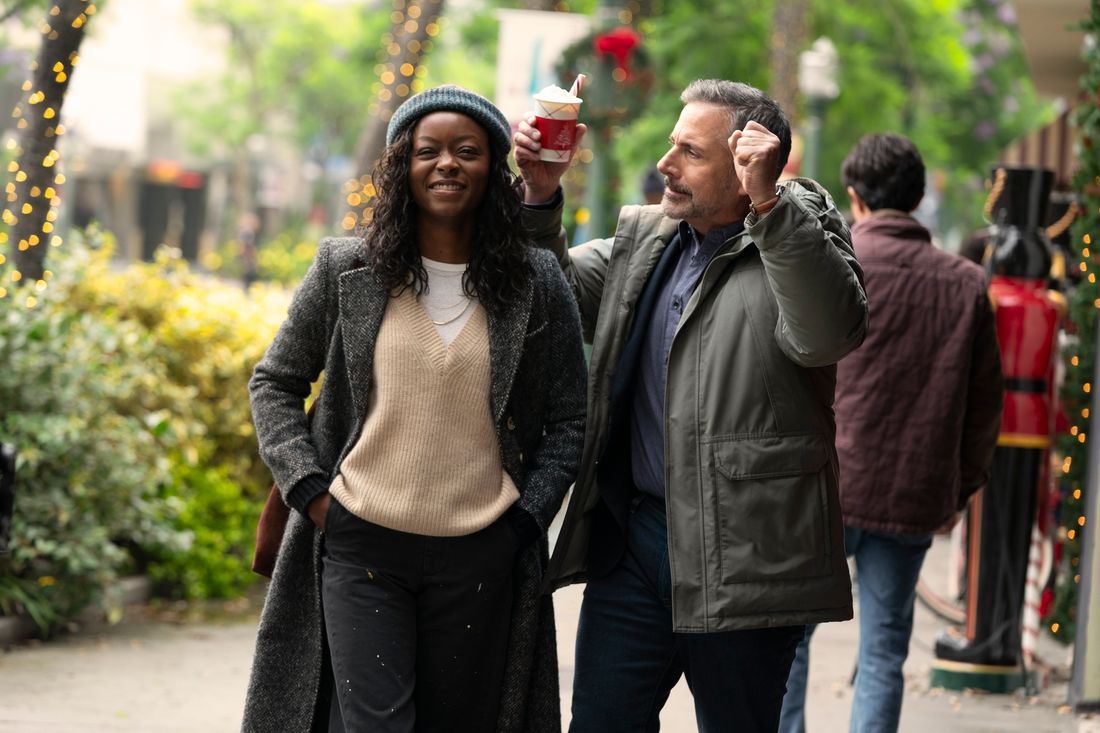
As a longtime fan of Bill Lawrence’s shows, I could instantly recognize his touch in Rooster, even from the premise alone. It’s a really touching, and sometimes a little melancholy, story about a man navigating middle age and trying to create a new kind of family. He’s surrounded by relatives, coworkers, old rivals, and a wonderfully grumpy mentor, played brilliantly by John C. McGinley. Steve Carell is fantastic as the central character, a successful author who moves in with his daughter to help her through a divorce. And then there’s Danielle Deadwyler, who plays a friend and colleague… and you just know a romantic connection is inevitable! The show is set on a college campus, which adds a lovely layer of nostalgia. Rooster doesn’t try to reinvent the wheel for Lawrence; instead, it’s a perfectly executed version of everything he does best: exploring found family, showing genuine empathy, embracing self-awareness, and balancing emotional vulnerability with a bit of masculine pride. It just feels good.
Vladimir (Netflix)
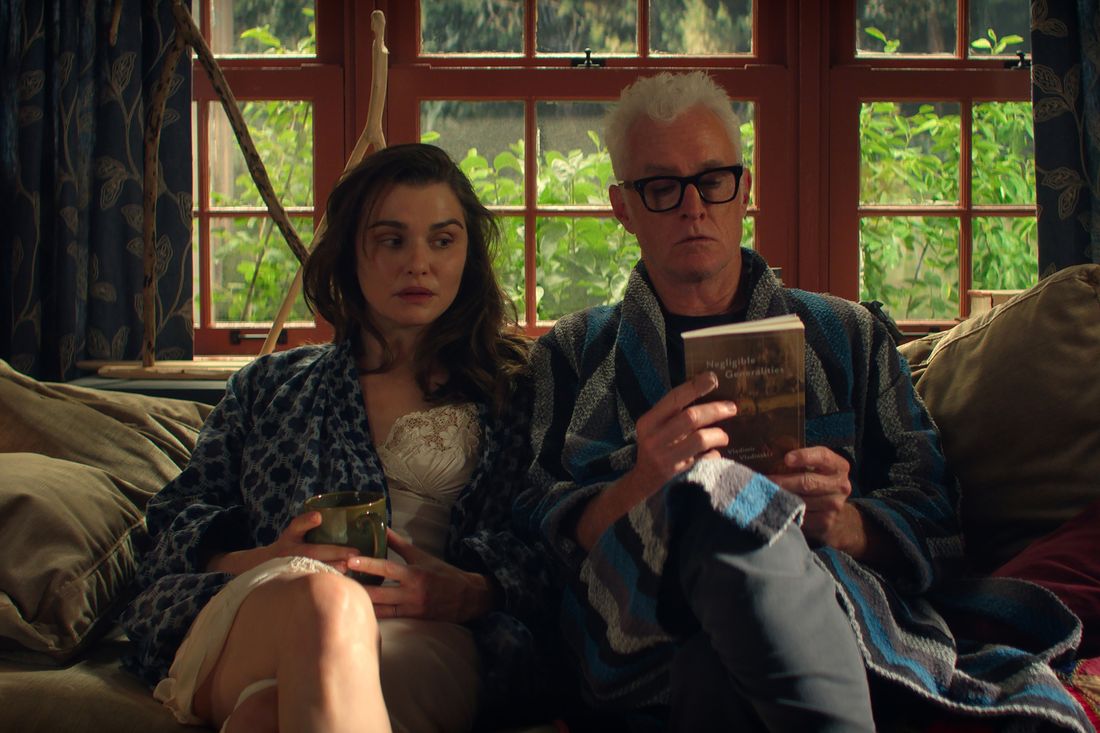
I just finished watching the Netflix series based on Julia May Jonas’s book, and it’s…a lot. The show uses a lot of direct address, where the main character talks right to the camera, and honestly, that can get annoying fast. But Rachel Weisz is incredible as M, a professor who becomes totally obsessed with a younger colleague, Vladimir. She brings this frantic energy that makes the whole storytelling style feel intentional, not just showy. The series plays with the idea that M isn’t a reliable narrator, and it really turns her quiet college town upside down with secrets and affairs. Honestly, without Weisz, I don’t think the show would work at all. But you know who’s having a blast? John Slattery, playing M’s husband, who’s constantly walking a tightrope and could get “canceled” at any moment. He’s fantastic!
Elsbeth season three (CBS)
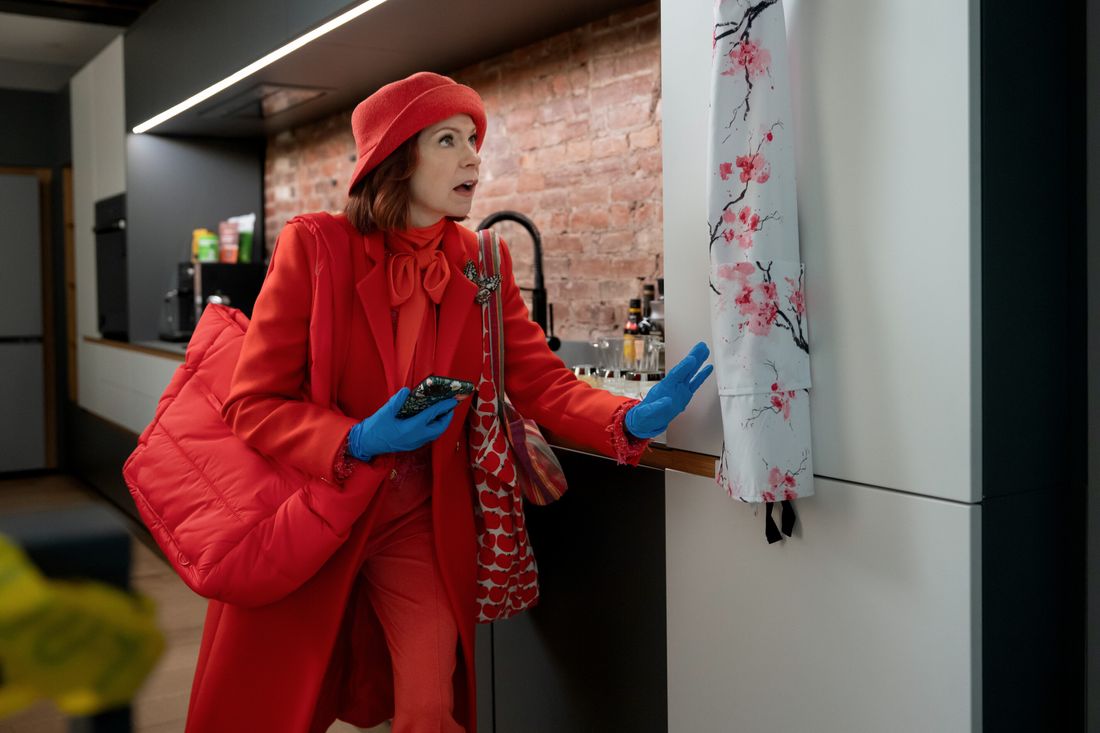
Let me tell you, if it weren’t for all the, you know, murder, I’d seriously consider moving to the world of Elsbeth. It’s a wonderfully heightened version of New York City, brimming with these fascinating little subcultures and actors everywhere you look. After three seasons, this Good Wife spin-off is a real standout in network television – it’s a procedural, yes, and follows a familiar format, but it works. Carrie Preston is just brilliant as Elsbeth, and the way she quickly identifies suspects then uses her unique blend of quirky energy and sharp observation to get confessions is consistently entertaining. The show has done a fantastic job building out its regular characters – I’m genuinely invested in Elsbeth’s relationship with her son – but it really shines when it brings in guest stars. We’re talking New York actors playing New York personalities, like Steve Buscemi as a crossword guy, Beanie Feldstein as a perpetual bridesmaid, or Amy Sedaris… well, let’s just say Stephen Colbert isn’t safe! They’re even bringing actors back for multiple appearances – Tracey Ullman has played a psychic and a gossip columnist now. Honestly, why not? I say, let the killing continue! It’s just a joy to watch. – JM
Dark Winds (AMC)
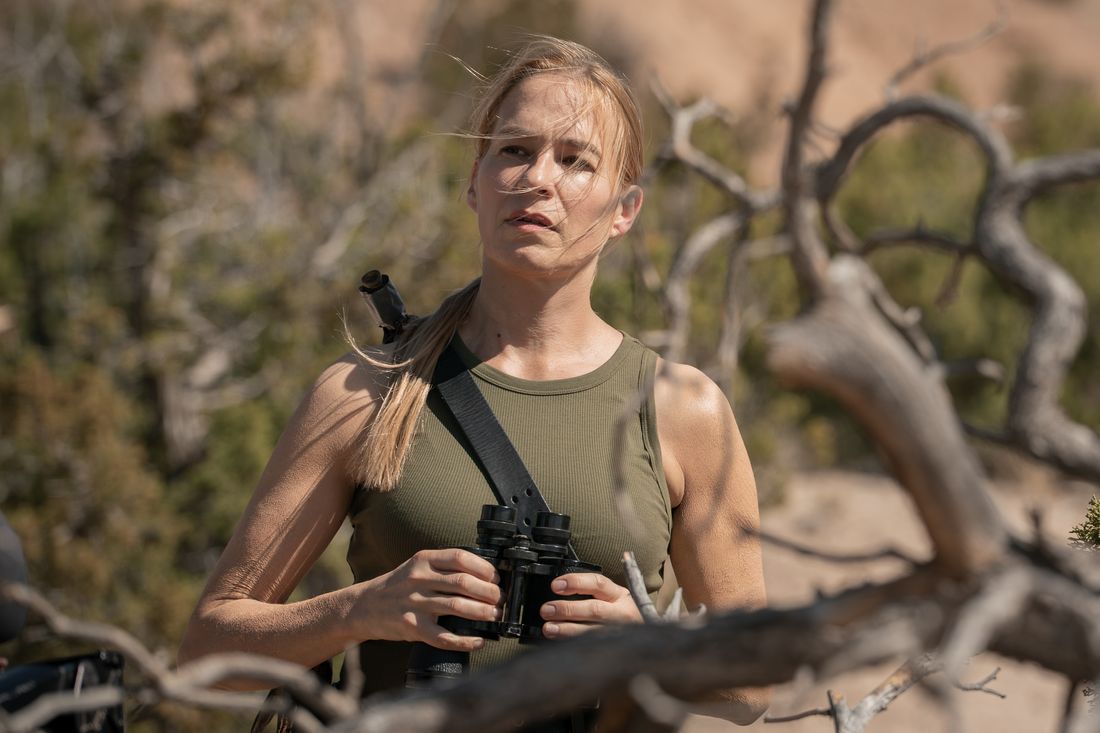
Each season of Dark Winds features a moment where Navajo police lieutenant Joe Leaphorn, played by Zahn McClarnon, is shocked by the cruelty and prejudice of white people and reaffirms his commitment to being different. While this theme has always been present, the fourth season takes a new approach. Leaphorn now confronts Irene Vaggan (Franka Potente), a German assassin who is strangely fascinated with him and his culture. McClarnon and Potente share a unique and compelling chemistry, with Leaphorn increasingly confused by her advances and Vaggan stubbornly believing they are meant to be together. This unusual storyline provides a strong contrast to the more serious arc of Jim Chee (Kiowa Gordon), Leaphorn’s partner, who is grappling with the loss of his mother. Chee, having moved to Los Angeles after leaving the reservation, is reconnecting with the traditions he needs for inner peace, and Kiowa Gordon portrays this journey from uncertainty to acceptance with subtlety. This fourth season is the show’s most ambitious yet, both in terms of action sequences and its exploration of the characters’ values. If Dark Winds continues to introduce diverse and interesting antagonists for Leaphorn and Chee, the show has a bright future. —RH
How to Get to Heaven From Belfast (Netflix)
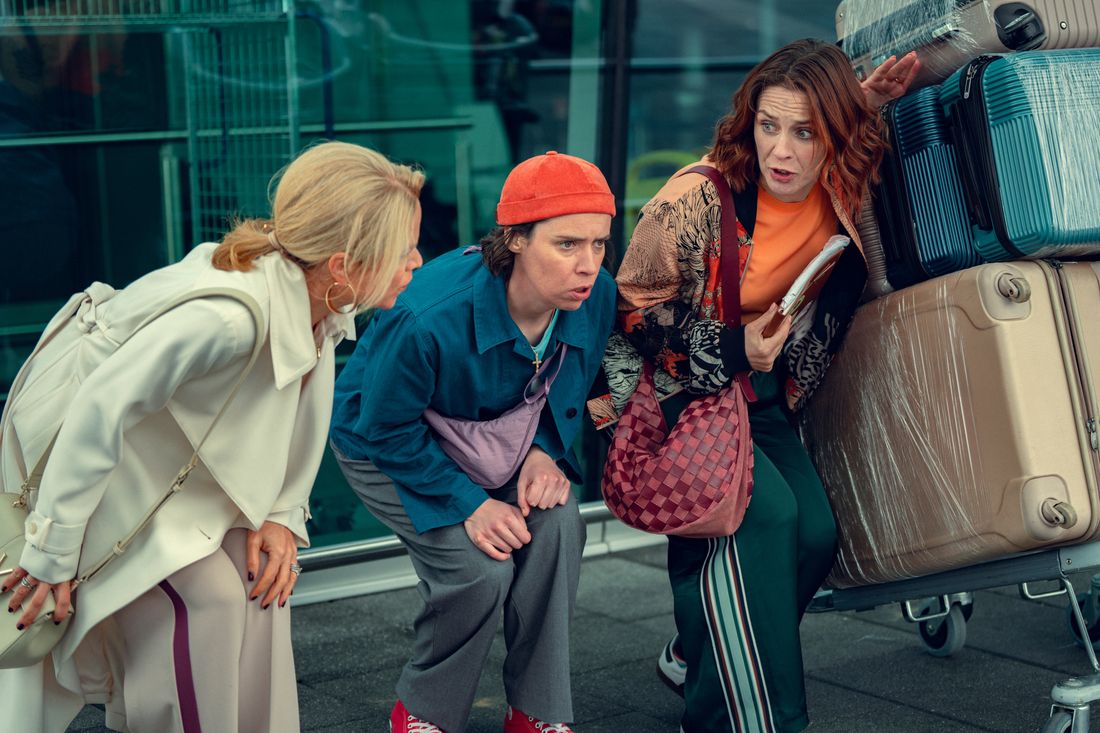
Lisa McGee, the creator of Derry Girls, brings her signature quirky style to her new series, How to Get to Heaven From Belfast. It’s a fast-paced, energetic show filled with music, quick cuts, and plenty of Irish humor. The story follows Saoirse, Robyn, and Dara as they travel to a remote location for a friend’s funeral, only to suspect that the woman in the coffin might not be who they think it is. They begin to investigate, uncovering secrets about their friend’s family, a past mistake from their teenage years, and a mysterious man named Booker. The series jumps around in time, but at its heart, it’s a story about the enduring bond between these three women. If you enjoy McGee’s style, you’ll find this show delightfully entertaining. And keep an eye out for a cameo from Saoirse-Monica Jackson of Derry Girls!
Bridgerton season four (Netflix)
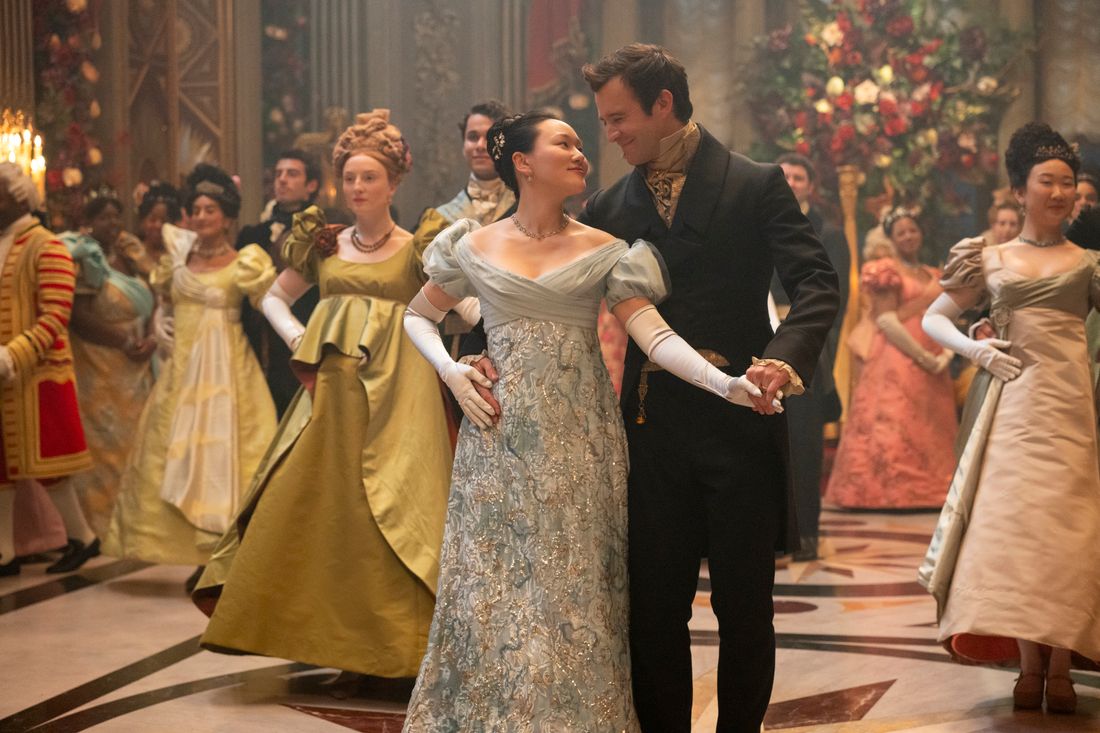
Season four of Bridgerton is a return to form, largely thanks to the addition of Yerin Ha, who plays the captivating Sophie Baek. While Sophie and Benedict Bridgerton’s storyline follows a predictable fairy-tale pattern—lacking the surprises of previous seasons—Ha’s performance elevates the material. She transforms a familiar character into someone genuinely tender, passionate, and humorous, which also adds depth to Benedict. The season excels when exploring themes of class and wealth, though it occasionally stumbles with issues of race and colonialism. It also successfully sets the stage for future storylines, particularly a potential season focused on Francesca and Michaela. Overall, Yerin Ha’s portrayal of Sophie is the highlight, making this season a strong addition to the series.
A Knight of the Seven Kingdoms (HBO)
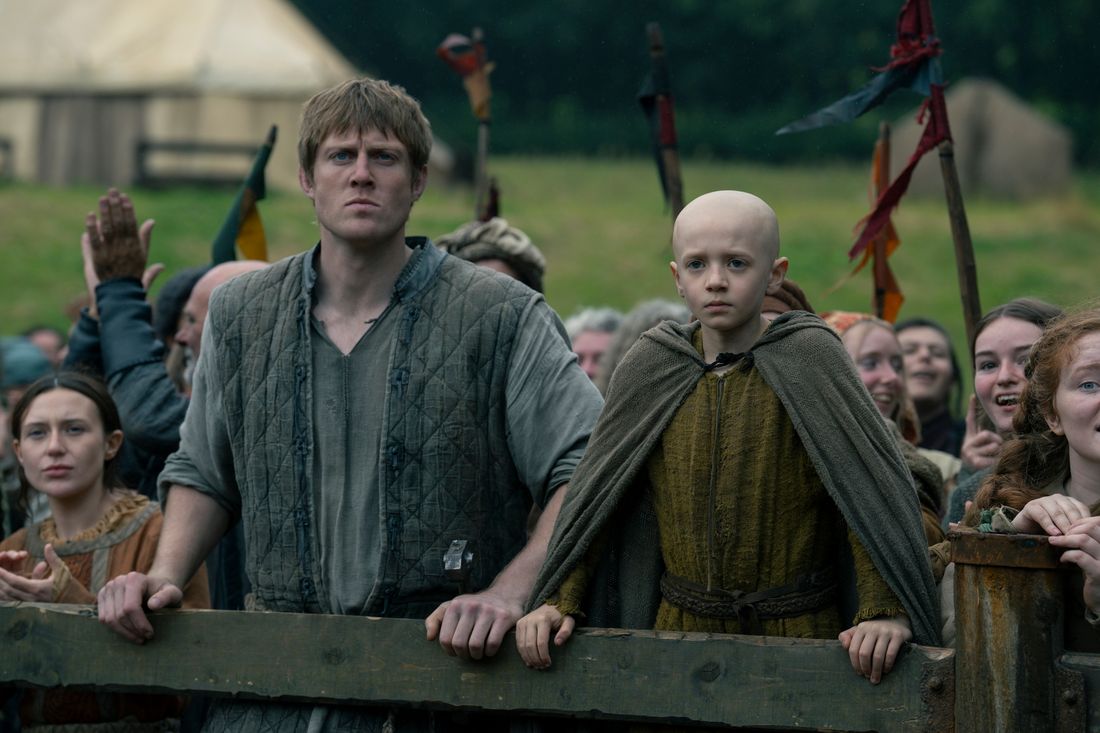
With so many reboots and sequels dominating television, A Knight of the Seven Kingdoms stands out as a particularly strong example of how to do it well. While set in the brutal and politically charged world of Game of Thrones, the show takes a more grounded approach, focusing on ordinary people. Dunk, the lovable but simple hedge knight, isn’t a destined hero – he just wants a stable life, some tournament wins, and a few drinks. His squire, Egg, does have secrets – it’s Westeros, after all – but the show’s appeal isn’t about grand prophecies or epic battles. What makes it so enjoyable is that it deliberately avoids being overly ambitious. It’s a small, intimate story about the often-overlooked people of history, and that’s what makes it truly special. —KVA
The Fall and Rise of Reggie Dinkins (NBC)
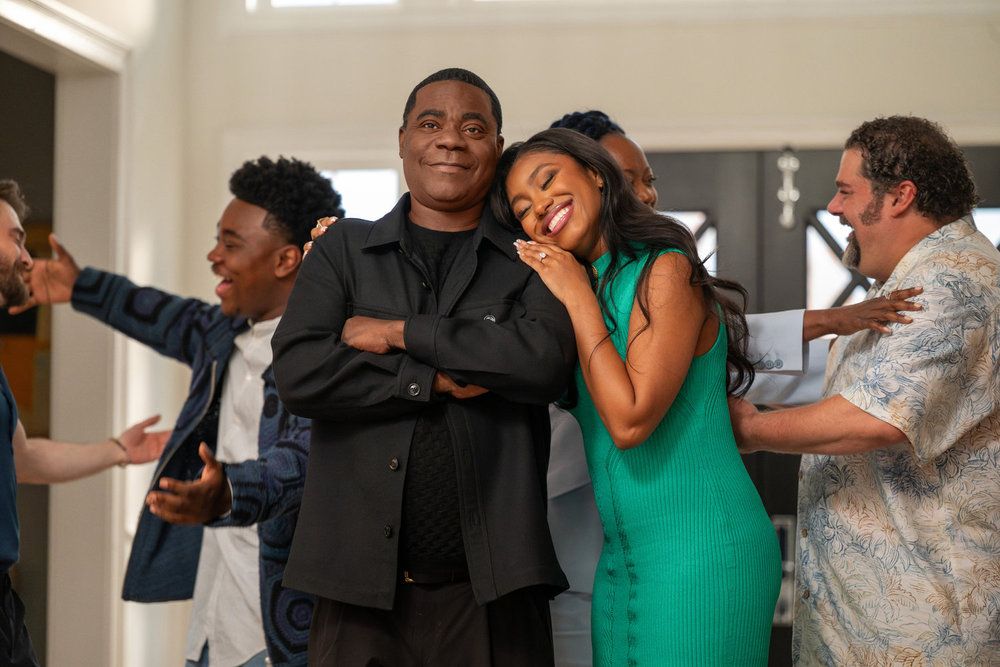
Usually, a TV show needs one really strong element – a great idea, a fantastic actor, or an amazing episode – to make it worthwhile. But The Fall and Rise of Reggie Dinkins is different. It’s good for many reasons, and those reasons work together in a surprisingly delightful way. Even if it were just another hilarious show from the creators of Girls5Eva, it would be worth watching. But it’s also a career-best performance for Erika Alexander since Living Single, and it marks Tracy Morgan’s return to network television. Plus, the show features one of the funniest and most unexpected comedic pairings in recent years: Tracy Morgan as Reggie Dinkins, and Daniel Radcliffe as a quirky documentarian. They start as opposites, but quickly become equally eccentric. Seriously, don’t miss Reggie Dinkins – it’s a must-see! —KVA
Ponies (Peacock)
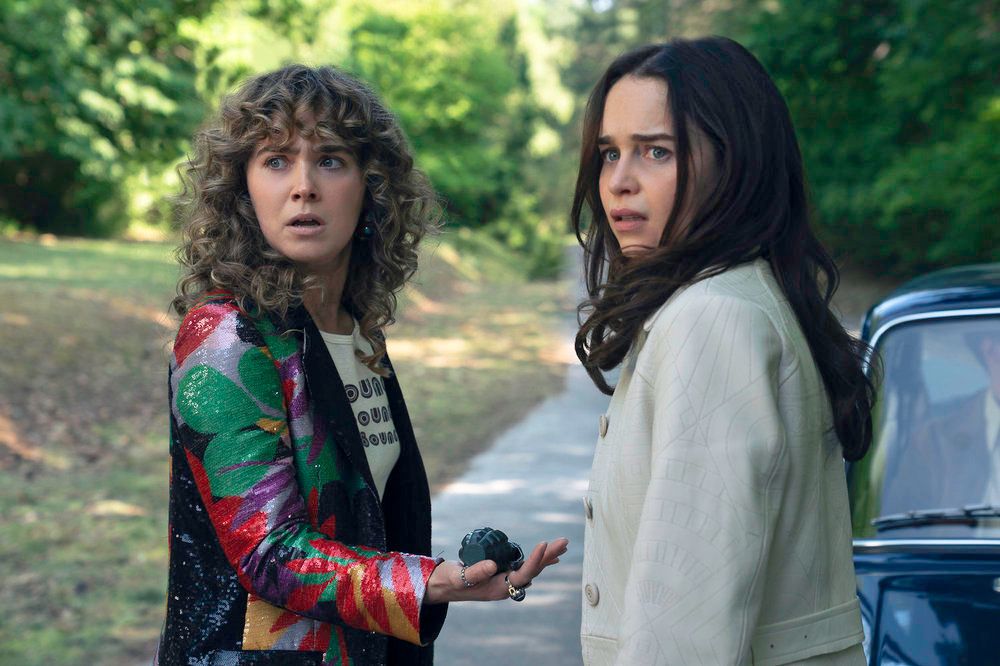
The series Ponies isn’t a sophisticated spy thriller, but it is a charming show about friendship. It centers on two women whose husbands, both CIA agents, die under mysterious circumstances in the Soviet Union, and their journey to uncover the truth. The show excels at portraying a realistic and heartwarming bond between the two leads. Beatrice, played by Emilia Clarke, is reserved and proper, while Haley Lu Richardson’s Twila is outgoing and playful. Their contrasting personalities create a dynamic and endearing relationship reminiscent of classic feminist comedies like Dick, Romy and Michele’s High School Reunion, The Heat, and Spy. (Creator Susanna Fogel has a history in this genre, having written Booksmart and The Spy Who Dumped Me.) Ultimately, the strong chemistry between Clarke and Richardson is what makes Ponies enjoyable, even when the plot feels confusing.
Riot Women (Britbox)
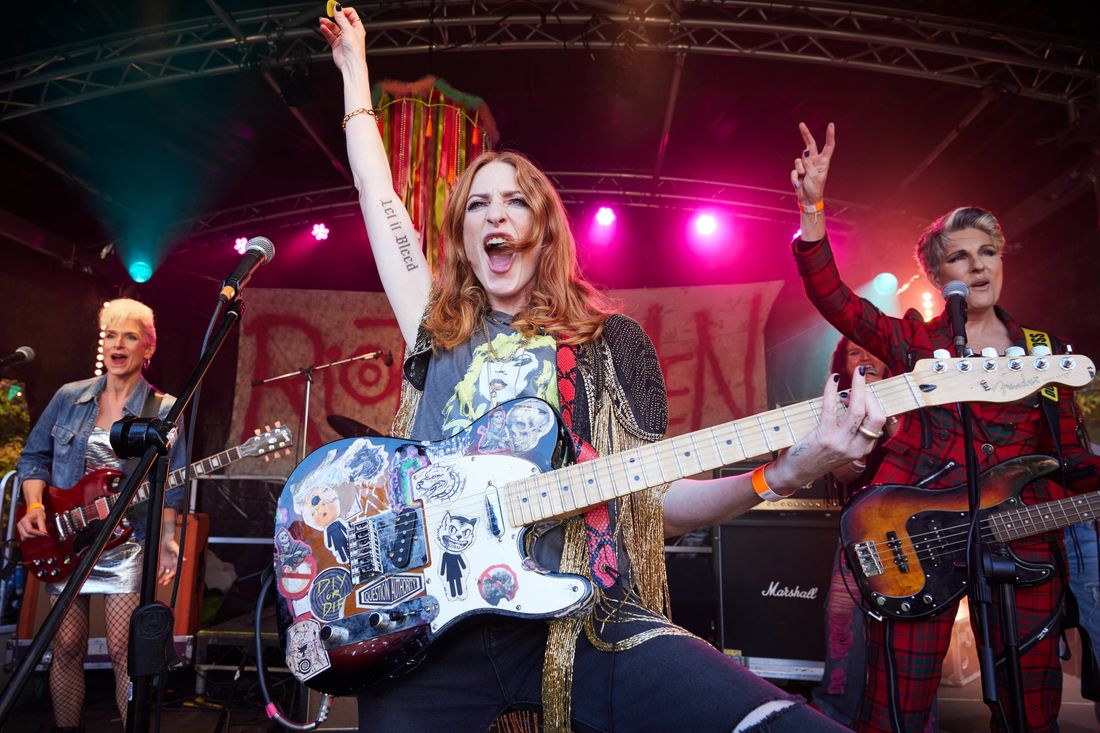
Sally Wainwright consistently creates compelling stories about women challenging societal expectations, and her new series, Riot Women, feels like a perfect culmination of her work. The show follows a group of women in their 40s, 50s, and 60s—each dealing with relatable issues like difficult families and disappointing relationships—who form a punk band as a way to express themselves and compete in a local talent contest. While it does touch on menopause, Riot Women avoids easy jokes and instead focuses on the unique personalities and struggles of each character, allowing them to work through their problems through music. It’s incredibly empowering to see these women finally speaking their minds after years of being expected to be quiet and agreeable. The acting is superb across the board, with standout performances from Joanna Scanlan as Beth, a woman contemplating difficult choices, and Rosalie Craig as Kitty, a woman haunted by a secret. Similar in spirit to shows like We Are Lady Parts and Bad Sisters, with a touch of the energy from the film Pump Up the Volume, Riot Women is a surprisingly healing and uplifting watch.
Primal season three (Adult Swim)
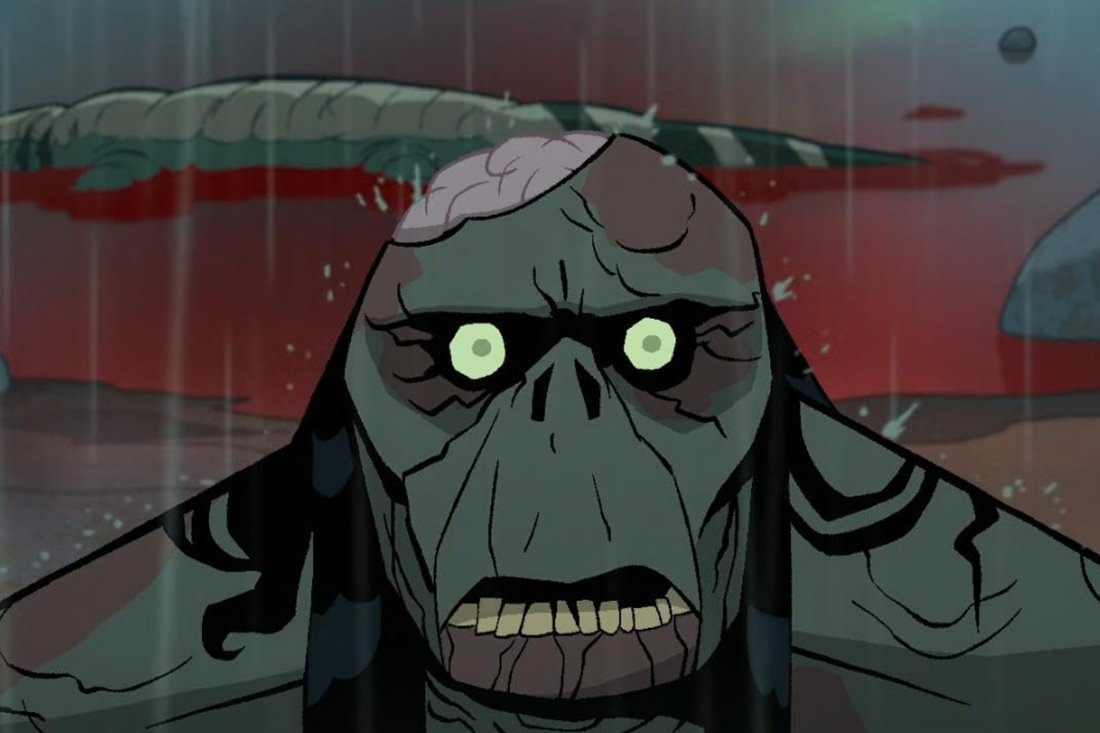
Genndy Tartakovsky’s Primal feels like a vivid, chaotic dream set in the prehistoric past, filled with ancient cultures, terrifying creatures, and dinosaurs. The show’s minimal dialogue adds to the feeling of being in a strange, unfamiliar world where emotions speak louder than words. The third season takes things to a new level by bringing back the main character, Spear, from the dead – though he doesn’t realize he’s a zombie. Despite his decaying body – a missing nose, a chunk of brain exposed, and a skeletal hand – Spear is still focused on simply surviving in a brutal world filled with cruelty and slavery. Each episode continues the series’ pattern of showing Spear either helping others, fighting for his own life, or doing both, while also exploring the impact of his undead state on his relationships with his T. rex companion, Fang, and his ally and love interest, Mira. Primal is a show that can effortlessly make you cheer during an action-packed fight or move you to tears with a quiet, emotional moment – like when Spear sees his reflection for the first time since being resurrected. It’s easily one of the best series Adult Swim has ever created.
Industry season four (HBO)
Season four of Industry takes place a year after the sale of Pierpoint bank, leaving its former employees scattered throughout London’s high-finance world. This season doubles down on the ruthless realities of wealth, power, and the ways the privileged maintain their advantage. Gone are the characters’ attempts to reform the system; instead, the show brilliantly explores what happens when people fail to achieve their goals and change the world. Industry offers a bleak but compelling look at the endless pursuit of more – more money, happiness, and control – and how it leaves everyone feeling empty. The writing is sharp and meaningful, the acting (particularly from Marisa Abela and Ken Leung) is incredibly nuanced, and the characters are more troubled than ever as they desperately seek a happiness that seems just out of reach. Despite – or perhaps because of – everyone’s wealth and misery, this is the show’s strongest season yet.
A Thousand Blows season two (Hulu)
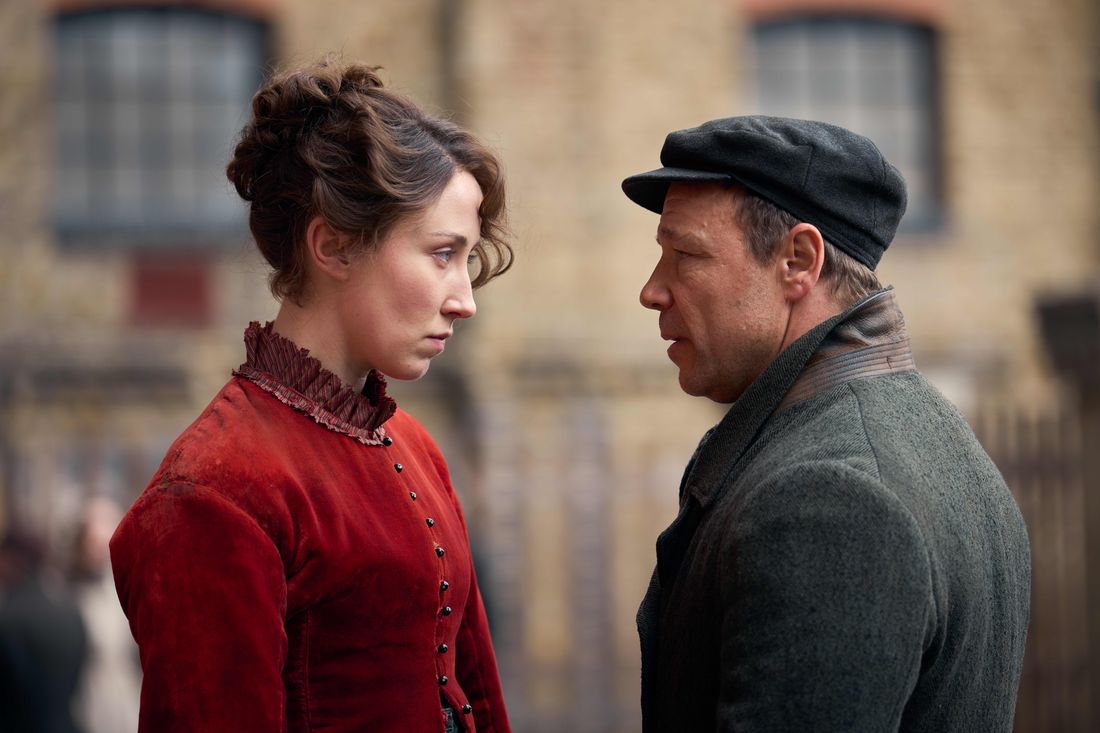
Steven Knight’s A Thousand Blows is thoroughly enjoyable because it fully commits to its unique, old-fashioned take on crime dramas – from the way fights are choreographed to the music choices. Emmy winners Stephen Graham and Erin Doherty deliver intense performances with gritty accents, while Malachi Kirby shines as a compelling character seeking revenge. The series is packed with action, including gang wars, an art heist, and even a French anarchist with dynamite! While the plot occasionally feels disjointed, the fast pace keeps you hooked. You likely won’t even notice inconsistencies in character development or dropped storylines. It’s simply fun to watch Mary and her crew navigate high society, Hezekiah confront injustice, and Sugar and Treacle finally build trust after a season of betrayal. A Thousand Blows delivers the same exciting energy as before, and it still packs a punch. —RH
The Pitt season two (HBO)
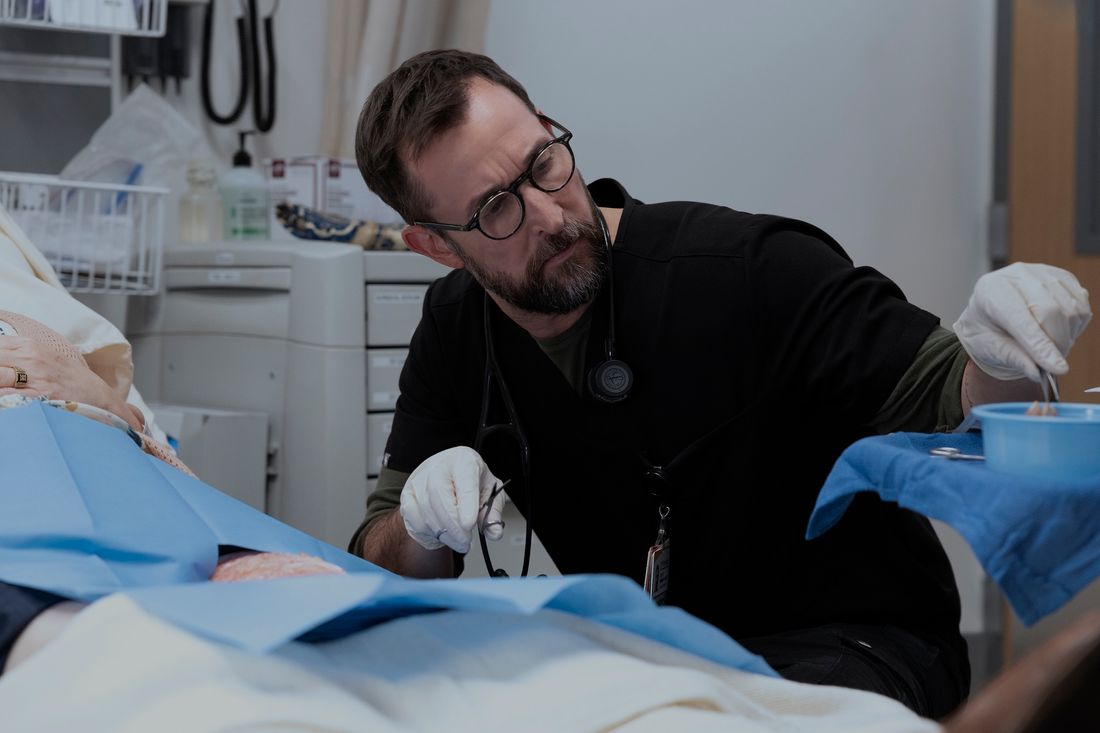
While not quite as strong as its first season, the second season of The Pitt remains excellent and is remarkably well-made. It’s also unique in its release strategy, with 15 episodes dropping weekly – something no other streaming service is currently doing. Noah Wyle continues to lead a dedicated and hardworking team of doctors and nurses, and the season is more focused on character development and internal struggles than the first. Though this narrower focus means some interesting storylines are overlooked, The Pitt is still far superior to other medical dramas on television. —KVA
The Traitors season four (Peacock)
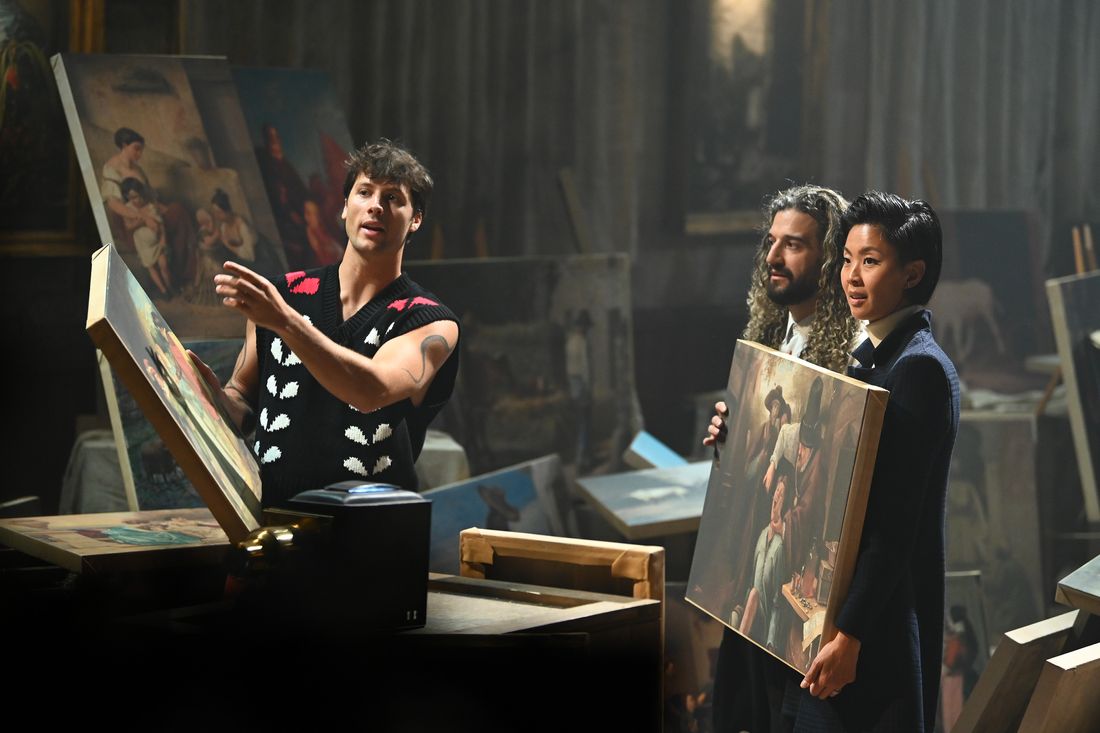
When did it become obvious that Rob Rausch, the former Love Island contestant known for his overalls and snake handling, was a strong contender to be crowned the ultimate Traitor? Was it when he quickly turned against Lisa Rinna, or when he skillfully manipulated Natalie to steal the dagger? The moment he predicted trouble for himself – saying, “This is about to be bad for Robby Bobby?” – was a clear sign. While this season of The Traitors had many memorable moments – including a cast filled with Housewives, the almost-successful but ultimately ineffective duo of Johnny Weir and Tara Lipinski (conveniently timed with the Winter Olympics), Michael Rapaport’s dramatic downfall, and Maura Higgins’s unique way of speaking – the gradual understanding that Rob was a serious threat and would likely win the game was particularly rewarding. It highlighted how well The Traitors functions as a platform for reality TV stars and a compelling storytelling machine, even in its fourth season. —NQ
Read More
- Off Campus Season 1 Soundtrack Guide
- X-Men ’97 Finally Gave Gambit the Hero Moment He Deserved
- Chainsaw Man Volume 24’s Cover Art Reveals a Brand-New Denji
- 46 Years Later, The Mandalorian & Grogu Answers A Major Empire Strikes Back Question
- 10 Worst End-Game Couples In Sitcom History
- HoI4 fans harsh reactions to the announcement of another DLC pack
- Gold Rate Forecast
- DoorDash responds after customer uses AI to make food look bad and get a refund
- Emily Henry Says to ‘Trust the Vision’ For Beach Read Adaptation
- Katanire’s Yae Miko Cosplay: Genshin Impact Masterpiece
2026-05-04 19:59