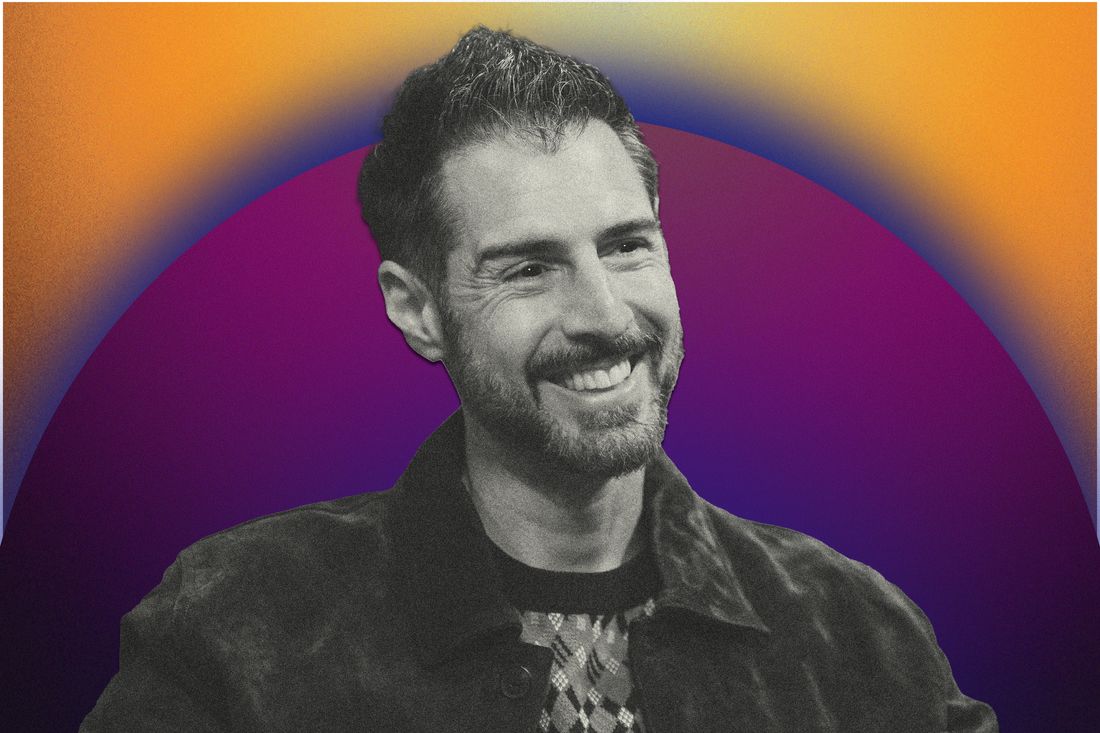
Rob Cesternino quickly made a name for himself on Survivor: The Amazon in 2003, pioneering a strategic and opportunistic playstyle that many future contestants would copy. Host Jeff Probst even called him the smartest player to never win. However, it’s what Rob did after the show that truly made him a major figure in reality TV. He created the Rob Has a Podcast network, which has become a central place for reality TV stars and fans to discuss shows like Survivor, Big Brother, The Traitors, and RuPaul’s Drag Race. Modern Survivor players frequently use terms popularized on his podcast, like “win-equity” and “meat-shields,” demonstrating just how significant his impact has become.
Rob Cesternino’s extensive network within reality TV, combined with his well-known confidence about Survivor, instantly made him a key player – and a target – on this season of The Traitors, despite not having competed on a show in nearly two decades. His quick elimination was a blow to his dedicated fanbase at RHAP, but Cesternino is still positive about his experience in Scotland and proud of popularizing the term ‘Survivor superfan’.
It’s funny you ask when I felt successful in reality TV, because honestly, I’ve always felt like I was just getting by. Even when working in this industry, it’s easy to feel like an imposter and constantly worry about what’s next.
Did you start getting recognized after your first season of Survivor aired in 2003? I wasn’t often spotted by people. I was still living and working on Long Island, where there are a lot of people who look like me. It wasn’t until the finale that I started getting recognized in New York City – people would say, ‘Hey, you’re Rob from Survivor!’ Even then, it wasn’t like everyone instantly knew who I was.
Reality Masterminds
Reality Masterminds
Our inaugural celebration of the most powerful people in unscripted television.

I used my first earnings from Survivor to cover my living expenses for quite some time. I also managed to save enough to buy an engagement ring for my girlfriend, Nicole, who is now my wife. We got engaged in 2008, five years after I was on the show.
If you had to pick five words to describe your character, what would they be? I’d say mischievous, strategic, funny, and playful. And to really sum it up, I’d add ‘a fan’ – someone who loves what they do.
Jeff Probst mentioned how being a dedicated fan gave me a big advantage in my first season of Survivor, and he was right. Unlike other players, I came into the game with a deep understanding of reality TV and the strategy behind it. While now most Survivor contestants are already superfans, back then it was unusual. Knowing the game’s history and how it worked really gave me an edge.
Looking back, the most memorable moment of my career so far was the chocolate and peanut butter challenge on the Amazon set. It really captured what reality TV was all about at that time. While it might not be the thing I’m most known for professionally, it’s definitely the moment I’m most famous for being a part of.
Do people often bring that up when they first meet you? Most people are more interested in discussing the podcast. If someone recognizes me as a Survivor fan, they usually want to talk about the show’s history, not my specific season. Younger fans aren’t familiar with my season at all; they want to discuss recent seasons and their favorite players. I think that’s how people see me – as someone connected to the overall history and stories of Survivor.
If I could magically trade lives with someone on reality TV right now, I’d choose Rob Rausch. He was a really powerful presence on The Traitors, and I’m curious what it’s like to have that kind of impact. I’d love to experience what it feels like to confidently walk around in overalls with no shirt, knowing people are genuinely enjoying it.
Did you suspect he’d be a strong player early in the game? Not at all. I didn’t even notice him. He was so good at playing it cool – he acted like he didn’t even want to be there, just relaxing with snacks and drinks and showing no interest in strategy. I honestly thought he was completely disengaged. And, honestly, it hurt me in the end, because we didn’t really connect. He played it perfectly by staying under the radar, so nobody ever suspected a thing.
Who’s the reality star who acts most differently off-camera? Lisa Rinna is a great example. People expected her to be exactly like her TV personality, and that’s what made her behavior on The Traitors so suspicious. She actually pointed out that the TV version of herself isn’t her true self. Ironically, some viewers thought this meant she must be one of the Traitors! I was really impressed by how grounded and hardworking she was, both on and off the show.
Does every successful reality TV show need a ‘bad guy’? While some seasons work without one, having a villain usually makes the show more engaging. The best villains aren’t simply awful people; they’re complex characters you might even find yourself rooting for, even as they do things others might question or find controversial – and they’re clearly enjoying themselves while doing it.
If you had to pick one villain who defines Survivor, it would probably be Russell Hantz. He burst onto the scene and immediately became a force to be reckoned with, constantly finding hidden immunity idols and playing a relentlessly chaotic game. He was, arguably, the best pure villain the show has ever seen.
You discuss Big Brother in detail on the podcast, and it’s interesting because the show films and airs in real-time. That makes it harder for producers to create a specific ‘villain’ storyline through editing. I think that’s why fans often strongly dislike certain houseguests – they essentially create the villain narratives themselves. Usually, the ‘villain’ is simply someone difficult to live with. While someone like Evel Dick had a strong fanbase back in the day, that was a long time ago. Now, with the 24/7 live feeds, almost every houseguest has dedicated fans. These viewers choose a favorite, and anyone who opposes them automatically becomes the ‘villain.’ This is a major reason why online discussions about Big Brother are often so divided – it becomes a battle of who people support versus those they don’t.
If you’re hoping to become a reality TV star, my advice is to be yourself! Don’t try to copy someone who’s already been on TV. We’re looking for fresh, original personalities. A lot of people on shows like Survivor 50 try to emulate past players, but the best approach is to be a completely new and authentic person that viewers haven’t seen before.
If I could play The Traitors again and choose any two reality TV stars who haven’t been on the show yet, who would I pick? I’d choose people who would make great television, not necessarily those who would help me win. I’d definitely bring in a contestant from Survivor—someone who would be entertaining and create chaos. That’s when The Traitors is most exciting—when things are unpredictable. I’d also love to have Jerri Manthey, who was originally left off Survivor 50. I think she’d be fantastic in the Traitors castle.
If the show could bring back just one thing from its past, would it be filming in locations other than Fiji, adding descriptive subtitles like they did for seasons like “Millennials vs. Gen X,” or reviving the gross-out challenge where contestants had to eat meat hanging from hooks? I’d choose the subtitles. I think Survivor moved away from having strong themes, and while some of those themes weren’t great, they were something. After the COVID break, the show seemed to settle into a formula, repeating a successful format season after season. We definitely saw that with Survivor 49, where many viewers felt the season wasn’t worth watching and planned to tune back in for Survivor 50. Survivor needs to give people a compelling reason to watch each season—it needs a unique hook to draw viewers in.
I believe Stephen Fishbach and I were pioneers in really analyzing Survivor strategy with our podcast in the early 2010s. Before that, these in-depth discussions just weren’t happening. This advanced way of thinking about the game definitely influenced how players approach it now. Today’s players are incredibly prepared, and I think our thousands of hours of analysis played a big role in that dramatic improvement in strategic gameplay compared to 20 years ago.
You know, I think the angriest anyone from reality TV ever got with me was Mike White. It was back in 2018, during his exit interview. Honestly, he had a point – I probably was a little dismissive of him and his films on the podcast. I just assumed someone as well-known as Mike wouldn’t even be listening! We’d been joking around at his expense, and it totally backfired when he really let me have it. It was a good wake-up call, and I definitely learned a valuable lesson that day.
Read More
- Off Campus Season 1 Soundtrack Guide
- X-Men ’97 Finally Gave Gambit the Hero Moment He Deserved
- Chainsaw Man Volume 24’s Cover Art Reveals a Brand-New Denji
- 46 Years Later, The Mandalorian & Grogu Answers A Major Empire Strikes Back Question
- 10 Worst End-Game Couples In Sitcom History
- HoI4 fans harsh reactions to the announcement of another DLC pack
- DoorDash responds after customer uses AI to make food look bad and get a refund
- Gold Rate Forecast
- Emily Henry Says to ‘Trust the Vision’ For Beach Read Adaptation
- Katanire’s Yae Miko Cosplay: Genshin Impact Masterpiece
2026-05-07 16:02