Indie games involve more than just the people who create them. While developers build the games, publishers handle getting them noticed and sometimes offer valuable guidance.
I’ve been noticing tinyBuild lately – they’re the folks behind games like Hello Neighbor, Hozy, and Graveyard Keeper. What’s cool about them is they don’t seem to follow the usual publisher model, and honestly, I think that’s a big reason why their games are often so good and people really enjoy them.
I recently spoke with Alex Nichiporchik, the CEO of tinyBuild, about the world of independent game publishing. The conversation happened around the time of tinyBuild’s 15th anniversary, and we talked about what’s worked, what hasn’t, and his overall approach to games.
Interview with CEO Alex Nichiporchik
It’s great to meet you too! I’m really excited for this conversation. I don’t often get to speak with CEOs, so this is a real treat. Let’s keep things relaxed as we discuss indie game development and tinyBuild.
Informal sounds great. I still play games and work on games every single day, so.
I did check your Twitter, actually. Tony asked me to, and I found it pretty amusing – it made me laugh quite a bit.
I do my best, but honestly, a lot of my work feels like just posting silly things online. It’s strange because sometimes those posts get tons of attention – like, thousands of likes on YouTube. People see them and wonder if they’re even serious. Those are the posts we really highlight, the ones that get noticed.
Okay, great! I’m really enjoying this open and casual approach. We’re going to focus mainly on how tinyBuild has done well, and what that means for other independent game developers and their potential for success.
Let’s jump right into the main topic. When it comes to success for independent game developers or publishers, what do you think is the single most important thing they should prioritize? And how would you even define success in this context?
For me, success means earning enough from each game to fund the next one, and being able to continue working in the game industry. It’s not just about getting rich; it’s about making a sustainable living. We consider a game launch successful if it earns twice our initial investment within the first month. After that, it’s about keeping the game popular and earning revenue over a longer period.
For an independent developer, I think the key is marketing, but really it’s about building an audience. You need to create a game that players enjoy and will want to continue supporting in the future. That’s the most important thing, because so many games are released, and if yours doesn’t find players, it won’t be able to support your continued development.
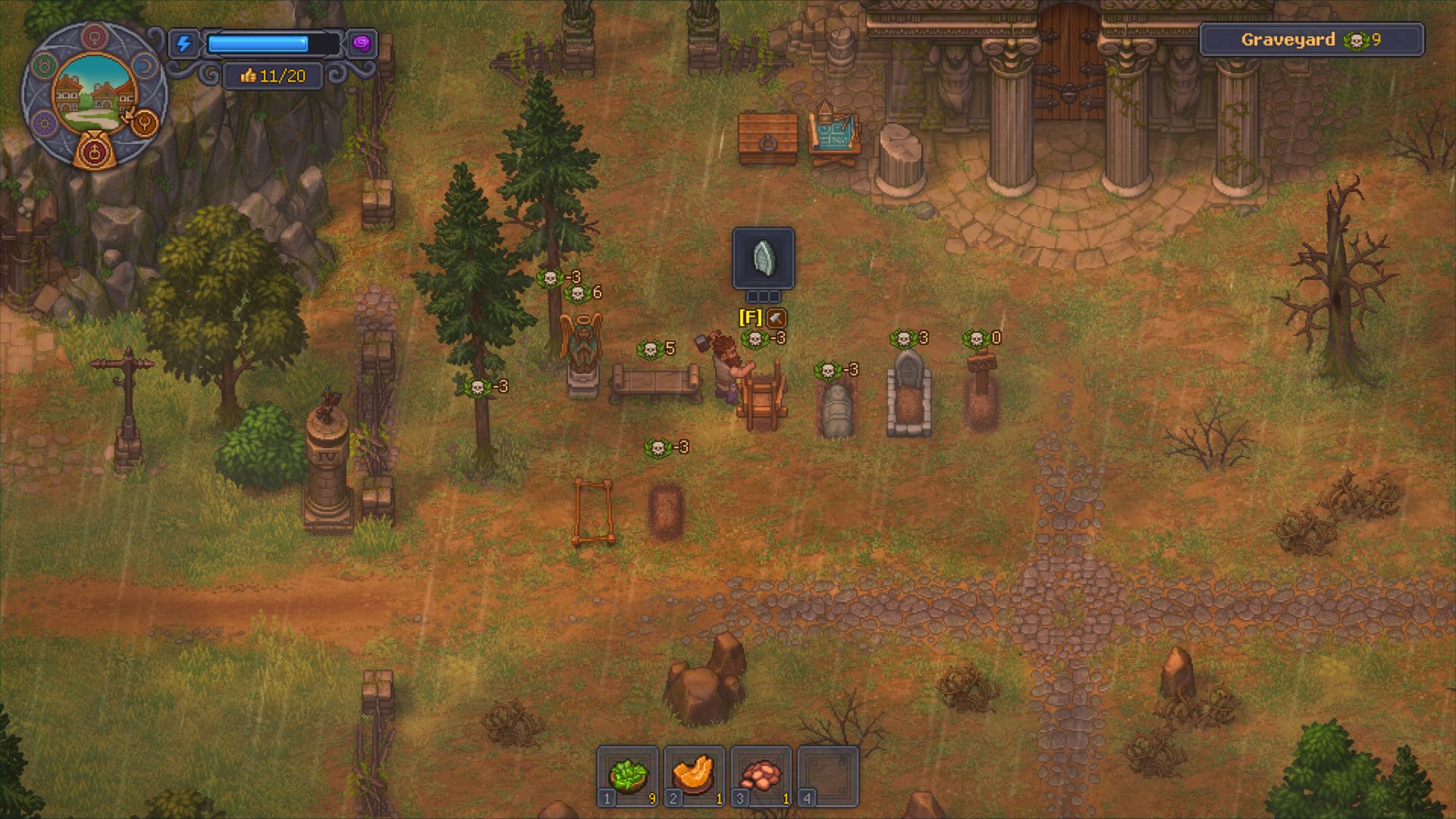
Definitely. When I was planning everything, I wanted to make sure we had the option to create another game and keep players engaged long-term. And that brings me to my next question: we’re hoping to release Graveyard Keeper 2 relatively soon.
It’s really amazing this sequel is happening after eight years, especially for an independent game. And the fact that it’s already at number 62 on the most-wishlisted games is incredibly impressive! Were you expecting this level of success, or was it a surprise?
The game exceeded our expectations, especially the enthusiastic response from players. We took a risk by offering the original game as a free download, but we believed it was a good move because many people had already shown interest in it by adding it to their wishlists.
Everyone received a notification that the game was completely free. When they opened it, they saw an appealing message encouraging them to add the sequel to their wishlist. We also offered a lot of downloadable content for the original game, which was very successful – it earned us over half a million dollars during the announcement period for Graveyard Keeper 2. This strategy both built excitement for the sequel and generated significant revenue.
Honestly, we didn’t anticipate this much excitement, though you always hope for a big response. It feels like everything just came together perfectly. To answer your question about how long it’s been – yes, it has been a while, about eight years. Considering the game had three years of downloadable content, it’s really been around five years since the last major update.
It’s fascinating how the CEO pursued other projects, which really gave the team a deep understanding of what made the original Graveyard Keeper special. We’d been discussing a sequel for years, and once we finally landed on a concept that felt right, we quickly moved into full development.
We had to strike a balance between creating a fantastic game and ensuring it honored what fans loved about the original. It was important to us that players who were deeply familiar with the first game would truly appreciate the sequel, since the stories are closely connected. That’s why giving the original game away for free was such a smart move – it brought it back into the spotlight and introduced it to a new audience. Honestly, we debated it a lot at first, wondering if it was a risky decision, but it clearly paid off.
You’re right, it was a possibility. But it didn’t happen. You have to take some risks if you want to get something good, don’t you?
Oh, yeah, history remembers the, uh, the successes, not the failures.
It was really interesting to see you all discussing Graveyard Keeper, especially since it wasn’t a particularly unknown game. Even when it first came out, I’d heard of it, and I wasn’t even a big gamer at the time – things were just different then. I thought it was a clever decision, and it really took off online; I remember seeing it everywhere and being really surprised by all the attention.
Can you describe that conversation? Was it something you came up with, or did someone else suggest it? Or was it more of a discussion about needing to get people involved, acknowledging it might fail but also potentially be very successful?
It’s always a bit nerve-wracking when one of our games consistently brings in revenue. When we run a big sale, we see a spike in purchases, but then sales naturally drop afterwards. The big question was how much the sale would impact future, regular sales. This idea actually came from our publishing team, and the developers weren’t initially thrilled about it.
For us, a successful launch is when we 2X our investments in the first month or the launch window.
The main point of our discussion was data, and we found that players consistently bought our downloadable content (DLC) with the original game. We’re still seeing strong DLC sales even with the recent influx of new players, which is great. However, I’d advise others to only consider this approach if their base game already has a proven track record of DLC purchases.
That’s excellent advice, and I appreciate the way you explained it using numbers and a more analytical approach. You mentioned discussing this with other developers and that they weren’t immediately enthusiastic, which seems to be a consistent pattern for your team. I know your website emphasizes building strong relationships with developers, and this situation reflects that focus.
I’m really interested in your shift towards partnerships instead of simply funding games. I’m wondering what led to that change in approach – was it a deliberate decision, or did it evolve naturally based on your experiences with your early games and SpeedRunners?
What you’re describing sounds like what I call ‘transactional publishing.’ This is when a publisher simply licenses a game – often for a long period, like 5, 10, or 20 years – and then moves on. Typically, if the game is successful, both the developer and publisher profit. However, I think this approach is shortsighted. When a game features a brand-new idea, it’s much easier to grow from an initial $1 million in revenue to $10 million than it is to go from nothing to that first million.
Most games don’t become successful, so when a developer does have a hit, they often lose interest in continuing to work on it. They’ve already made a good amount of money and spent years on the project, and they’re eager to move on to something new, even if the game is still doing well.
I’ve noticed that creative individuals often need time away from their projects, which is completely natural. When we recognized this pattern, we adjusted our approach. Now, we aim to create a system where, if the initial creator wants to move on, we can keep the project going. This has worked well – we’ve continued development on several projects even after the original artists stepped away, and they still receive royalties.
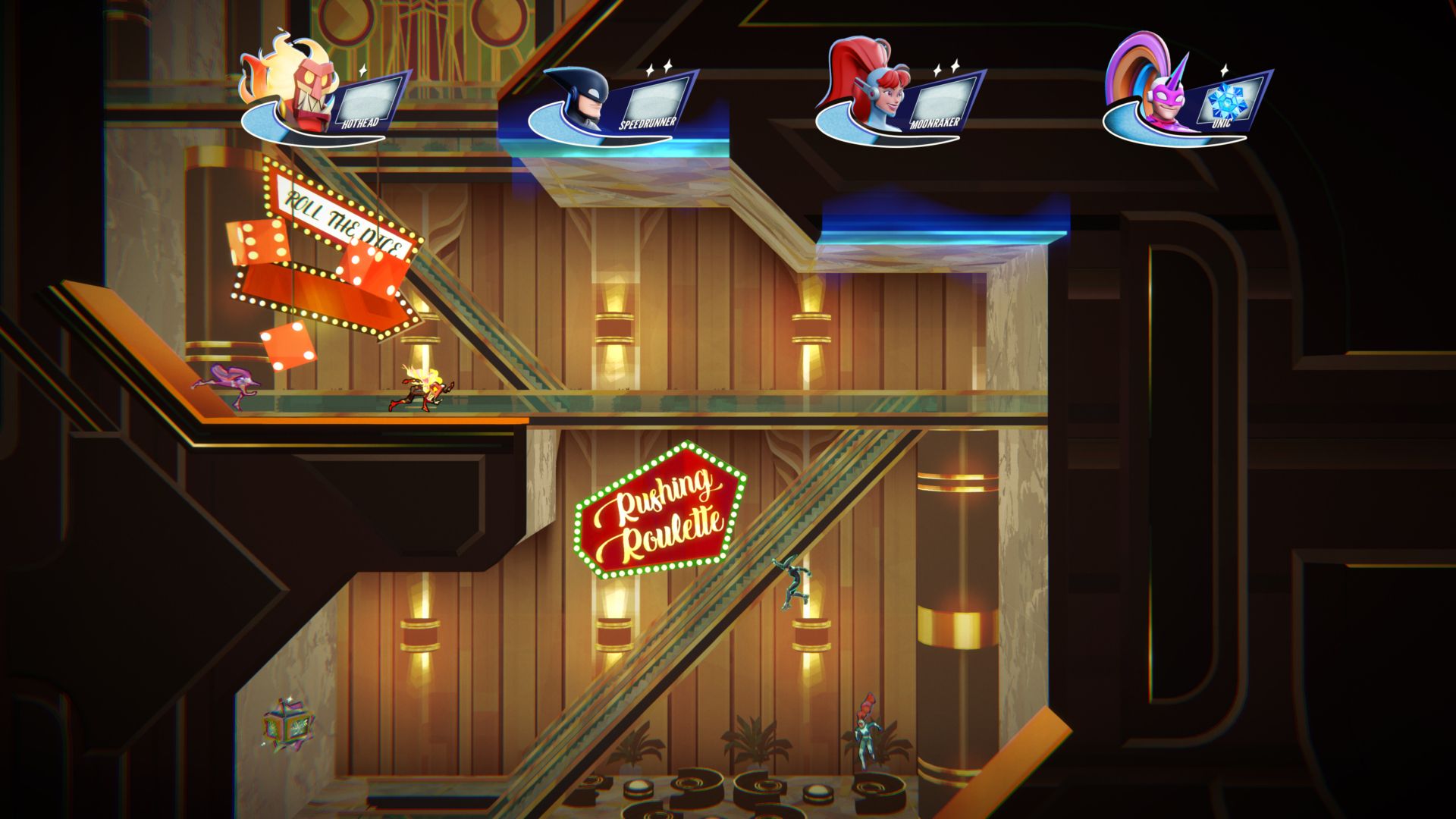
We’ve seen this work successfully with franchises like Hello Neighbor, which now includes nine games and has sold around five million books. It’s also evident with SpeedRunners – we’re currently developing SpeedRunners 2, and while the original creators are advising us, we’re handling the sequel’s development ourselves, which is a good approach.
We offered the original team a chance to participate, but they’ve chosen to pursue other options, which is perfectly okay. However, when we started back in 2011, dealing with publishers felt restrictive. They dictated terms, and it didn’t feel like a collaborative partnership.
We work closely with developers and actively participate in the creative process. While some believe in giving development teams complete creative freedom, we prefer a more hands-on approach. We base our involvement on data, which generally leads to a better product.
As a fan, what I really appreciate is how open the team is. They’re not afraid to tell you what isn’t working, but they also highlight what players do love. It sounds like they do a ton of testing, and it’s all a really collaborative effort. That’s huge for me – I want to feel like we’re all working together, whether it’s with new partners or the current team. That ‘we’re in this together’ attitude is exactly what I want to see!
I really appreciate how much less focused this is on simple transactions – that’s a positive trend for gaming as a whole. It’s also cool that you’re involved in playtesting early in the development process. I remember you guys originally made ‘No Time to Explain,’ a Flash game. It’s rare to see developers successfully transition into becoming publishers on a larger scale, isn’t it?
It seems like only a few groups, like OuterSloth, really offer this kind of deep understanding. It doesn’t happen very often, does it? Do you think it’s because you all started as game developers yourselves, or is it just how you naturally approach and experience games?
This likely comes from the fact that we’re developers at heart. After working on the game for three years with very little money, and juggling that with our jobs, there’s a lot of pressure and uncertainty that comes with the process.
For me, the biggest turning point was launching ‘No Time to Explain’ on Steam. Seriously, overnight we made enough money to actually fund our next game – it was huge! But it was also really scary. I’d been through a long, tough development cycle before, and the last thing I wanted was to spend another two or three years stuck in development, hoping we got the launch right this time. So, figuring out how we were going to release the new game was super important right away.
I was really focused on tweaking our marketing and launch plans as we went, and that’s how I stumbled upon SpeedRunners at a small expo in Germany. It was still called SpeedRunners HD back then, and I immediately thought, ‘Wow, we just had a great launch, and this game – while we could stick with the name – has a really fun core idea. With a bit of polish and some extra content, I think it could really take off on Steam!’
We successfully launched on Steam in early access within a year. This approach is why we’re so open about our work – while we keep a few things private, most of the marketing ideas that become hugely popular, like those used for Graveyard Keeper, are one-time opportunities and can’t be easily repeated.
If someone tries to copy this now, it won’t be as impactful – it would just be seen as a publicity stunt. This kind of thing works best as a one-time event, because we’re always working on the next new idea. It’s important to stay fresh and innovative, and that’s what makes this field exciting. Things change so quickly – roughly every six months – and as a developer, I prefer not to work on something for years without seeing further development.
I completely agree. Things have really changed, especially if you think back to how they were 15 years ago. It was chaotic then, but it’s just become even more extreme over time. It’s fascinating to compare how things are now to what they used to be.
Fifteen years is a significant amount of time to work in any field, but especially in yours, given how quickly things evolve and the need to constantly adapt. If you had to highlight one or two of the biggest changes you’ve seen over the past 15 years – things that really surprised you, had a lasting impact, or even struck you as completely misguided – what would they be?
One of the biggest changes in the gaming world is the opportunity to play games before they’re released. I remember the original Killzone 2 trailer for the PlayStation 3 – it was all pre-rendered footage and didn’t show actual gameplay. While the final game was decent, the trailer made it seem much closer to reality than it was.
Players today seem to be much quicker to voice their opinions about new games. This is likely because we’ve seen cases where trailers create high expectations that the finished game doesn’t quite meet. A big change recently is the acceptance of letting players test games – even early, unfinished versions. This practice, especially through platforms like Steam, has become very common in the last four or five years.
We’ll keep you informed about any issues we find, share what users enjoy, and thoroughly test everything with feedback from many people. It’s all about working together to make it the best it can be.
Before that, I was creating special launch programs for early, unfinished versions of Hello Neighbor, and we shared them with people through email. It was tricky getting the game to players outside of Steam, as Steam didn’t have the features to support those early versions. Now, there’s a general expectation that games should offer demos or playtests.
With major game development (AAA and AA titles), expect a lot of changes and adjustments throughout the process. It’s crucial to constantly refine your game and get early feedback from players. This can be challenging for creators who are used to having a fixed vision and completing a project exactly as planned, then hoping it resonates with players.
Now, we can quickly make changes as we go. We’ve often found, even a year into development, that certain features aren’t working as intended. Through playtesting, we’re able to adjust and evolve the game, sometimes resulting in a final product quite different from our original vision. It’s a really exciting time to be working in game development because of this flexibility.
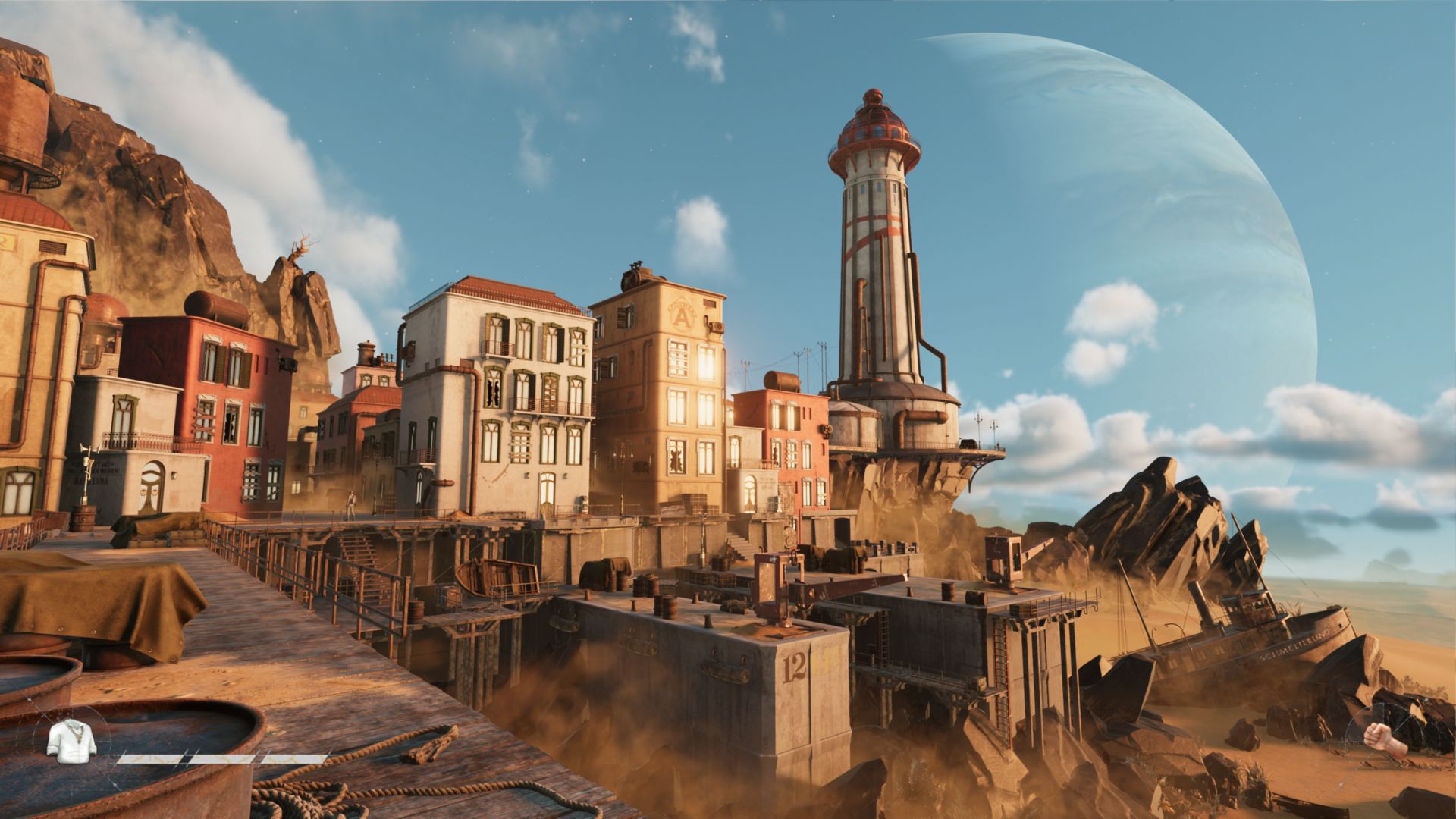
Absolutely. It’s been fascinating to watch even major games like Baldur’s Gate 3 embrace this approach and still achieve huge success. Having worked in the industry for a long time, I can say firsthand that managing all the file transfers and ensuring everything works correctly is a real technical challenge. It often involves a frustrating back-and-forth to fix issues – it’s never enjoyable. Thankfully, Steam has made the process a bit smoother now.
I remember when Hello Neighbor blew up – it was crazy! Before that, tinyBuild was just another indie publisher, but that game really put them on the map and showed everyone they knew what they were doing. Honestly, I don’t think anyone could have predicted that level of success. I read on your site about how you were basically building the train tracks while the train was moving, and I was so curious about what that was like! It must have been amazing being so successful, but also incredibly stressful with so much still to do.
Developing the game was incredibly challenging, as it represented our largest financial investment to date – we really put everything on the line with this project. After a year of extensive work, we made the difficult decision to significantly change direction, repurposing existing assets to create the final product. This final phase of development took about three and a half months.
The initial claim that the original game took just three and a half months to create isn’t accurate – there was actually years of prior development, and it was a challenging process. When the game first launched, it didn’t gain much traction on Steam, so PC wasn’t its primary platform. Over the last eight years, it’s found a larger audience as younger players have come to Steam, but even now, Steam isn’t where the game is most popular.
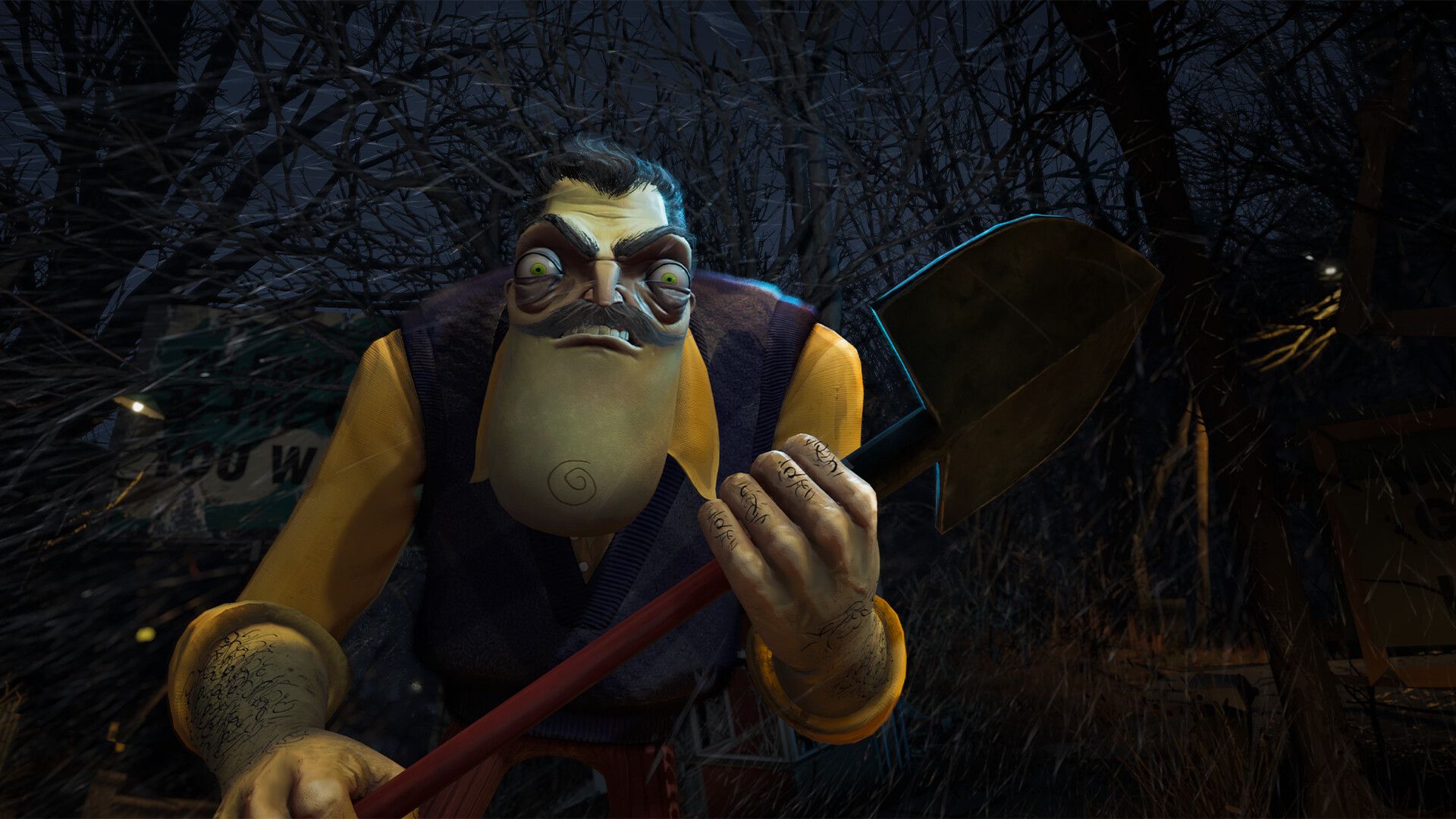
This year marks a huge milestone for us, eight years after the original game. We went through a strange period of deciding what direction to take – should we make a sequel, downloadable content, a prequel, or a spin-off? I decided to pursue all of those ideas at once, which was a big undertaking. Around the same time, we began developing a prequel called Hello Neighbor: Hide and Seek, with the original team working on it.
After that, we began working on a multiplayer spin-off called Secret Neighbor, partnering with the Griffcore team, who are currently completing their game, Sand. We also secured a book deal, started creating plush toys, and explored various licensing opportunities. It was a challenging time, to say the least. Our biggest hurdle was staying focused and managing what our dedicated and enthusiastic fans expected. We aimed to balance that with the data we had and, most importantly, staying true to what made the original game so popular – something we sometimes achieved and sometimes struggled with.
Managing everything involved with Hello Neighbor 3 is incredibly challenging. We’re getting a ton of feedback, but it’s often conflicting and comes from all sorts of players – our dedicated fans and those new to the series. Balancing that with the growth of our company is something you can’t really prepare for. We could have simply focused on a single sequel for a few years, but we believe it was the best decision to broaden our scope and work on multiple projects at this time.
Subscribe to our newsletter for indie-publisher insights
I completely agree. When you’re creating something new, it’s important to act quickly and decisively when the opportunity arises, and you all did that successfully. It’s always tempting to play it safe, but sometimes you have to take a risk to achieve something great. You can’t succeed if you don’t try. As we discussed, the games market is incredibly competitive – I remember seeing a tweet that over 5,286 games earned over $100,000, is that right?
Yeah, it’s from Valve’s presentation at GDC this year.
The video game market is incredibly crowded these days. New games are released constantly – it feels like hundreds of thousands every year! I was wondering how you balance managing realistic expectations for a game’s success with still wanting to support and encourage developers.
There’s a big difference between working with existing, well-known brands and creating something completely new. When you have an established brand, you already have a built-in audience, which makes it easier to test ideas and see what resonates. We often create early versions of games within those existing communities, making it clear they might not become full games. We’ll playtest these prototypes, and sometimes we realize they either won’t stay fun for long or won’t appeal to players beyond the core fan base – and that’s a risk we always consider.
When launching a new game, it’s best to experiment and see what resonates with players. I prefer a process of testing different images, visuals, and concepts to understand what captures their interest and what they anticipate from the game, and then comparing that to our own vision. Often, there’s a disconnect. At that point, we need to decide whether to adjust our marketing to accurately reflect the game, or modify the game itself to better meet player expectations. It’s a balancing act between staying true to our creative goals and delivering what players want.
Setting expectations for a game is a bit of a gamble. Even an amazing game won’t succeed if nobody hears about it. You can build up excitement beforehand, but then you have to deliver something that lives up to the hype.
That’s a really good point. I recently attended PAX East and was surprised to find many developers who were still seeking publishers, even though their games seemed almost finished. It was a fascinating observation. What advice would you give to these indie developers, or to any independent game creators in general?
The most crucial thing is proving there’s a market for your game. We focus on identifying a specific audience and finding something that really appeals to them. Ideally, we want to see a solid game that can be quickly boosted with marketing. We love when developers are actively playtesting and gathering feedback. For example, we’ve been following an unannounced project for eight months, providing feedback, but haven’t decided to publish it yet.
Honestly, we didn’t anticipate this much excitement. You always hope for something like this, but sometimes everything just falls into place.
The developer was very receptive to our feedback and tested an early version at a local convention. They were pleased with the results and expressed strong interest in collaborating with us. This is encouraging because it shows they’re open to suggestions, allowing us to help shape the product’s development. It’s crucial to validate the game’s potential with real players, and prioritize a smooth first-time user experience. We often see early builds that require a lot of guidance, so focusing on ease of use is key.
Today’s gamers are used to quick, engaging content, so it’s crucial to make your game easy to pick up. If your game has complex systems, show us how you gently introduce players to them in your pitch or demo – keep them hooked! Also, if you’ve released games before, highlight that experience, even if those games weren’t major hits. Simply having finished and released a game – even a small project, a game jam entry, or a web game – demonstrates you understand the process of getting a game into players’ hands, and that’s very valuable.
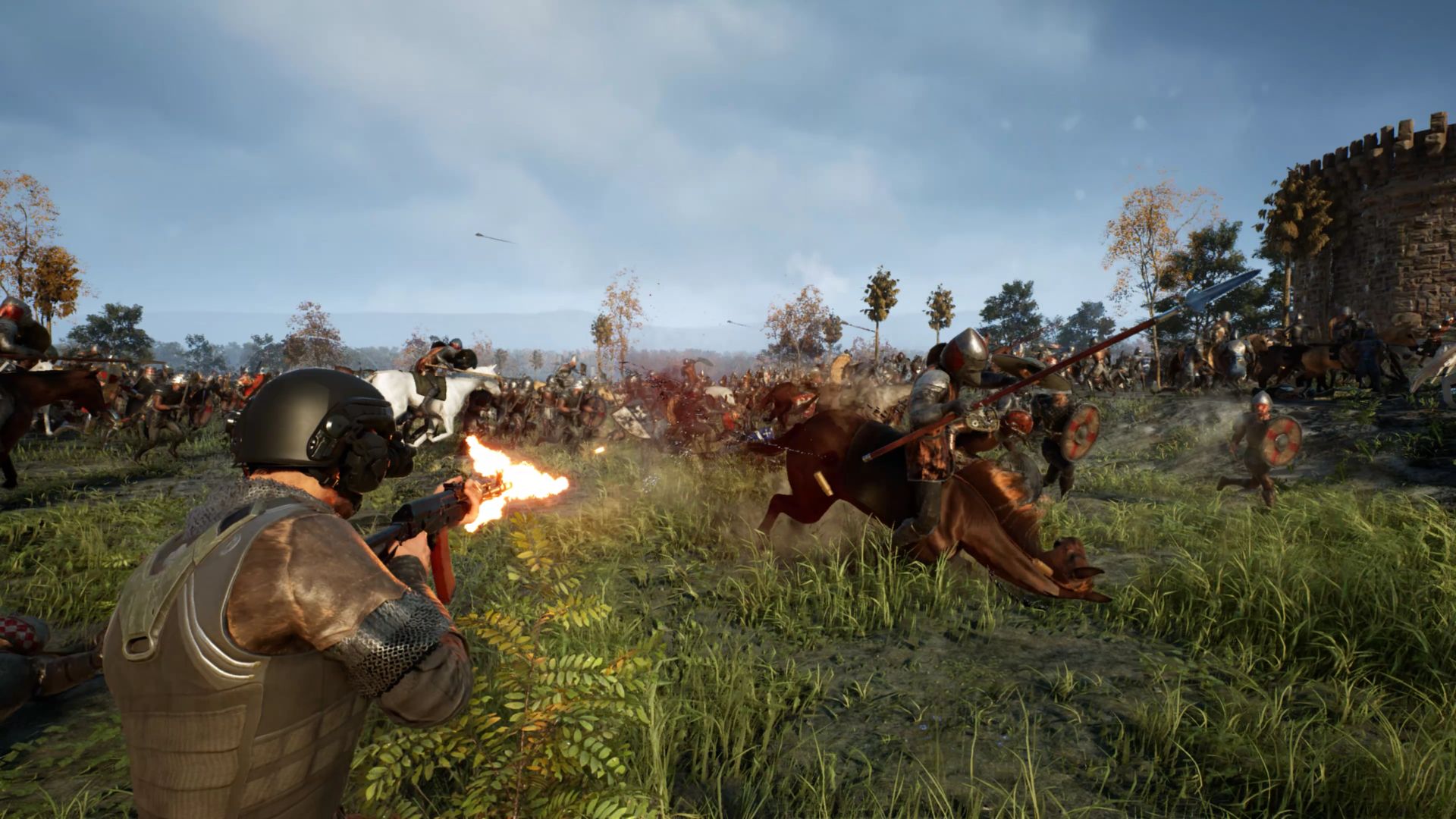
You know, I totally agree with that. I always feel so much more confident when I see actual results – a finished product, something shipped – rather than just hearing about plans or promises. Seeing it live and working is way more convincing than just talking about what could be, if you ask me. A working build speaks for itself!
I’m talking about your body of work – everything you’ve created. Even if a game wasn’t successful or well-received, you still finished it and released it. That process is incredibly challenging, and you understand what it takes to see a project through.
You mentioned being open about sharing figures and data, which I find really noteworthy. It’s unusual these days, because so much information is kept secret, and people are hesitant to be transparent about what they know.
I appreciate how straightforward and honest you’re being – it’s refreshing! It’s unusual to see someone so open, especially when most people tend to be more guarded. I’m curious to know what led you to be so open and share everything so freely.
It’s natural for companies to keep their unique strategies private. However, we’re not focused on simply following current trends. We’re driven by discovering what’s next and anticipating future changes. We’re already well-prepared, with marketing plans and initiatives mapped out for the coming months – plans that represent a significant shift from our current approach.
I’m happy to share what we worked on yesterday. Beyond the specific project, we also like to discuss our approach to problem-solving. We’ve tried a lot of different things over the years – some were successful, and some weren’t – but it’s always valuable to talk about them. If you’re doing interesting work, it’s worth sharing what you learn and how you’re doing it. Ultimately, it’s about having a compelling story to tell.
I really enjoyed my conversation with tinyBuild CEO Alex Nichiporchik and getting an inside look at the company. I gained valuable insight into the world of game publishing, but what stood out most was his genuine enthusiasm for games themselves.
This information should be useful whether you’re an independent game developer seeking a publisher, or simply a gamer curious about the industry. Either way, it’s always exciting to see what new games tinyBuild releases.
Read More
- Off Campus Season 1 Soundtrack Guide
- 46 Years Later, The Mandalorian & Grogu Answers A Major Empire Strikes Back Question
- X-Men ’97 Finally Gave Gambit the Hero Moment He Deserved
- 10 Worst End-Game Couples In Sitcom History
- Chainsaw Man Volume 24’s Cover Art Reveals a Brand-New Denji
- HoI4 fans harsh reactions to the announcement of another DLC pack
- DoorDash responds after customer uses AI to make food look bad and get a refund
- Katanire’s Yae Miko Cosplay: Genshin Impact Masterpiece
- Emily Henry Says to ‘Trust the Vision’ For Beach Read Adaptation
- Hatsune Miku cosplayer goes viral selling $15 cups of “foot juice” to thirsty anime fans
2026-05-12 01:15