The beginning of The Devil Wears Prada 2 seemed deliberately crafted to unsettle viewers like critics and journalists. During the press screening, you could feel the audience react with discomfort as they watched Andy Sachs (Anne Hathaway) and her coworkers at the New York Vanguard newspaper lose their jobs immediately after winning awards. The film skillfully used details – like buzzing phones, the mix of celebration and embarrassment, the disappointing quality of the awards, and anger over the CEO’s large payout – to provoke a strong reaction from those of us covering it. It clearly understood what would resonate with that particular audience.
This follow-up to the popular 2006 comedy revisits the world of Andy, who first learned the ropes under the demanding fashion editor Miranda Priestly (Meryl Streep). The movie doesn’t ignore the contrast between its ideas about honest journalism and its enjoyment of luxury and high fashion. For the first part of the film, Andy faces a tough choice: after losing her job, she’s asked by the owner of her former publishing company to compromise her values and return to Runway magazine. Her mission? To fix a public relations crisis caused by a poorly written article about a questionable clothing brand.
Anne Hathaway shines in this role, subtly suggesting hidden vulnerabilities beneath a cheerful exterior. The original film helped establish her as a leading actress, coming shortly after her breakout performance in The Princess Diaries (2001). Now, with years of success under her belt and a busy schedule – she’s starring in five films this year – she revisits the character of Andy, who is determined to make a difference. Andy is now trying to improve the quality of journalism at the struggling Runway magazine, despite facing resistance from Miranda, her dismissive boss who seems to have forgotten her. The story explores how Andy, still living a modest life, will navigate this glamorous, cutthroat world and stay true to herself.
The film cleverly plays with this tension for as long as it can. Everywhere Andy looks, she encounters the excesses of wealth and power, and the unkindness that comes with it. She even starts a relationship with Peter, who helps wealthy clients buy and renovate old New York buildings. While the movie does appeal to our sense of fairness, it’s unrealistic to expect a lighthearted comedy, filled with glamorous scenes and celebrity cameos, to resolve the conflict between economic inequality and the pursuit of style. We’re meant to find humor in moments of snobbery, like when a fashion director dismissively tells an executive, “Retail suits you.” The idea that being snobbish is a sign of good character is absurd, yet we all participate in similar behavior. And despite our criticisms of the wealthy, many of us secretly hope they’ll somehow improve things. Perhaps this seemingly shallow movie actually holds a mirror up to our own complicated feelings and contradictions.
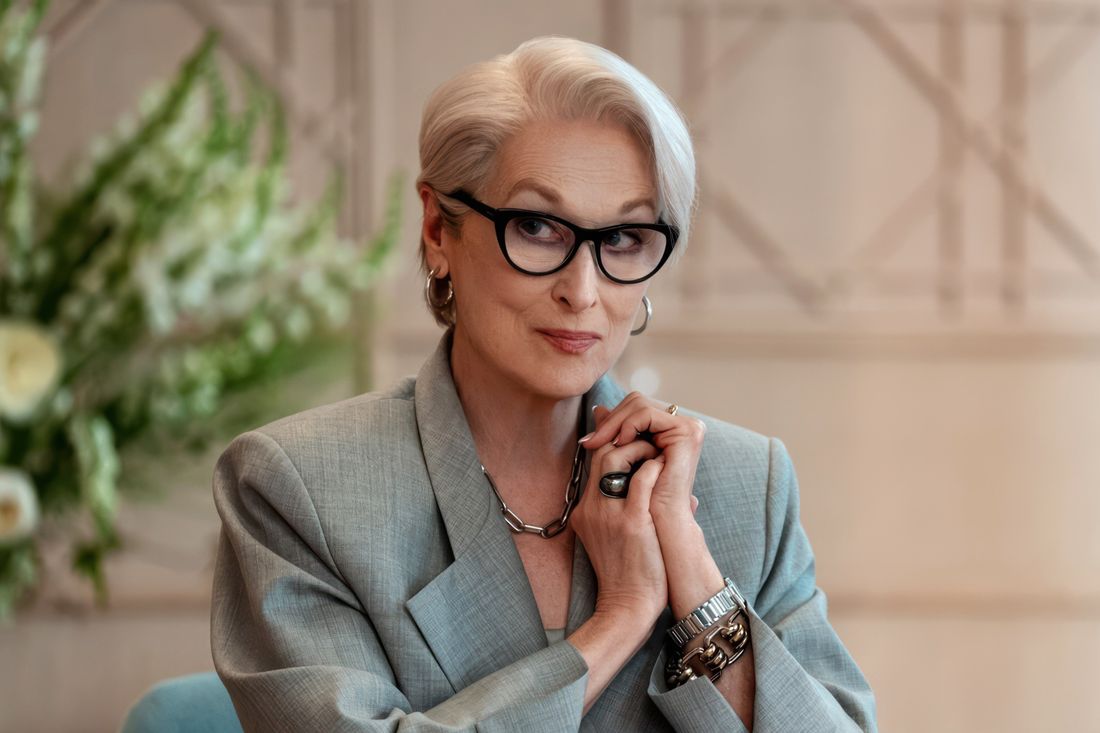
These movies cleverly highlight our double standards. The original Devil Wears Prada offered a uniquely American take on work, suggesting that even a terrible boss could ultimately help someone grow. Miranda, the demanding character, pushed Andy to become her best self. Miranda is again central to the new film’s tension, but this time she’s portrayed as someone who is struggling and anxious about the changing publishing world and her own relevance. This is a compelling way to develop her character, and Meryl Streep, despite some recent weaker roles, is perfectly cast. She can convey Miranda’s vulnerability without making her seem less intimidating.
The character’s popularity as a meme over the last twenty years prevents her from ever being a true villain; the story will likely end with everyone escaping consequences. It’s also worth remembering the first Devil Wears Prada film was made by Twentieth Century Fox, which Disney now owns. Perhaps that explains why this new movie – where billionaires, like Homer Simpson might say, both create and fix everything – feels even more like a fantasy than the original. It’s almost certainly going to be a huge financial success.
Read More
- Netflix’s Little House On The Prairie Reboot: Release Date, Cast & Everything We Know
- Off Campus Season 1 Soundtrack Guide
- Silver Rate Forecast
- Prime Video’s New R-Rated Spy Thriller Is Officially No.1 On Streaming Despite Poor Reviews
- Gold Rate Forecast
- Brent Oil Forecast
- EUR ZAR PREDICTION
- 币安人生 PREDICTION. 币安人生 cryptocurrency
- EUR USD PREDICTION
- KPop Demon Hunters Meets Avatar: The Last Airbender In Netflix’s 3-Part Fantasy Series
2026-04-29 19:54