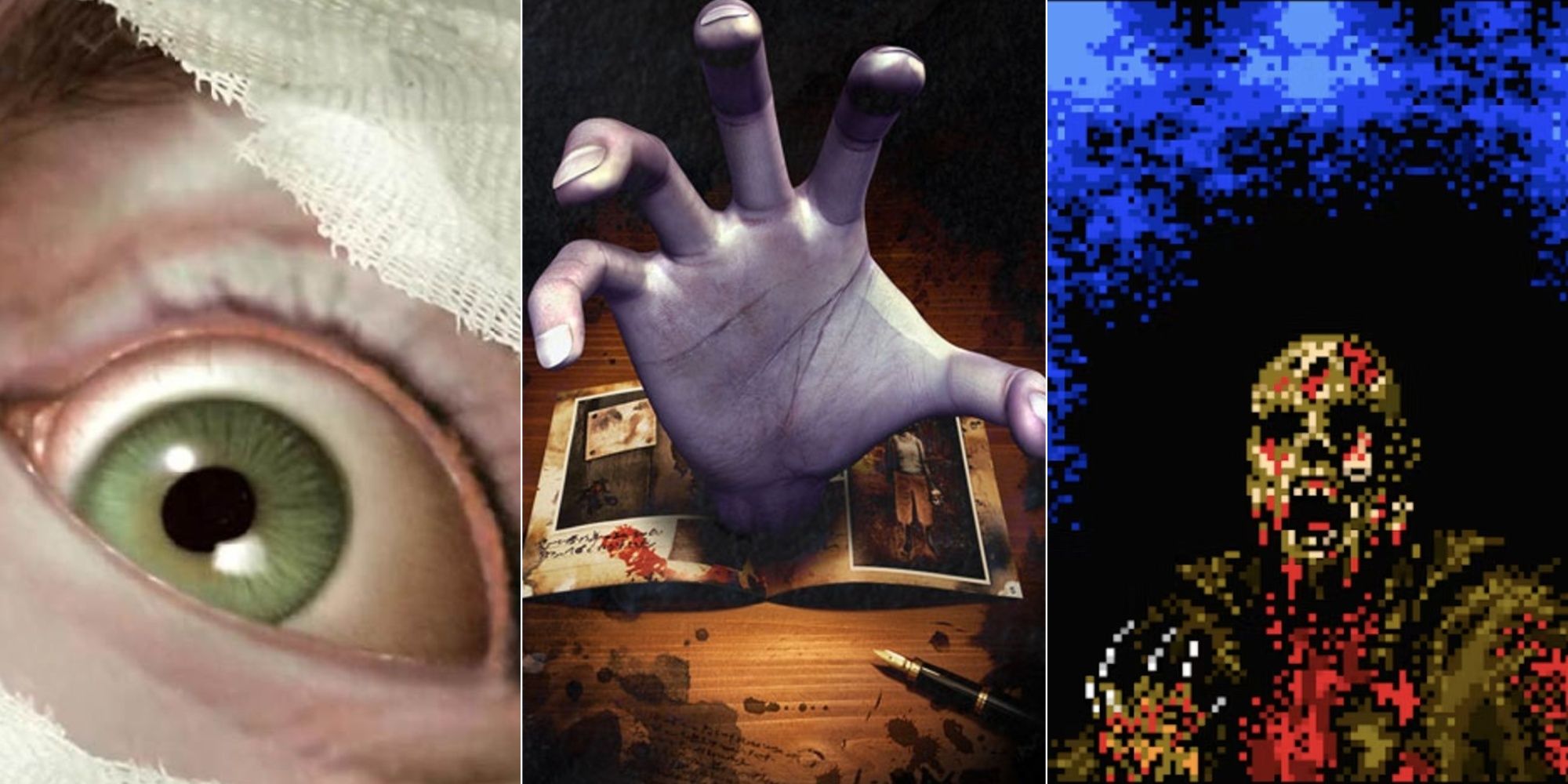
I’ve been a horror enthusiast my whole life, and I love spending hours online looking for hidden gems – the more unusual, the better!
You know what I love? Every now and then, I’ll find some old, obscure movie that just blows me away. It’s not just the creepy vibe or the monsters, though – it’s when I check who made it and realize a studio now known for comedies or action flicks used to make seriously scary stuff! It’s such a cool surprise.
I was really happy to discover that many of these forgotten games aren’t just oddities or mistakes – they’re actually fantastic titles that deserve to be played and appreciated, not left to be forgotten.
Looking at a game studio’s past projects is really interesting because you can see how their creative style developed. Often, earlier games hint at the ideas and techniques they’d later use, and you might even find traces of horror or certain design choices in their non-horror games. It’s a great way to understand how these developers think and what inspires them!
I’m combining my fondness for both retro games and scary experiences to share 10 obscure horror games created by well-known developers. These range from beloved titles that never got the attention they deserved to truly unsettling experimental projects – hidden gems you may have forgotten about, or never even knew existed.
10. Hellnight
Atlus’ Claustrophobic Descent Into Tokyo’s Underground
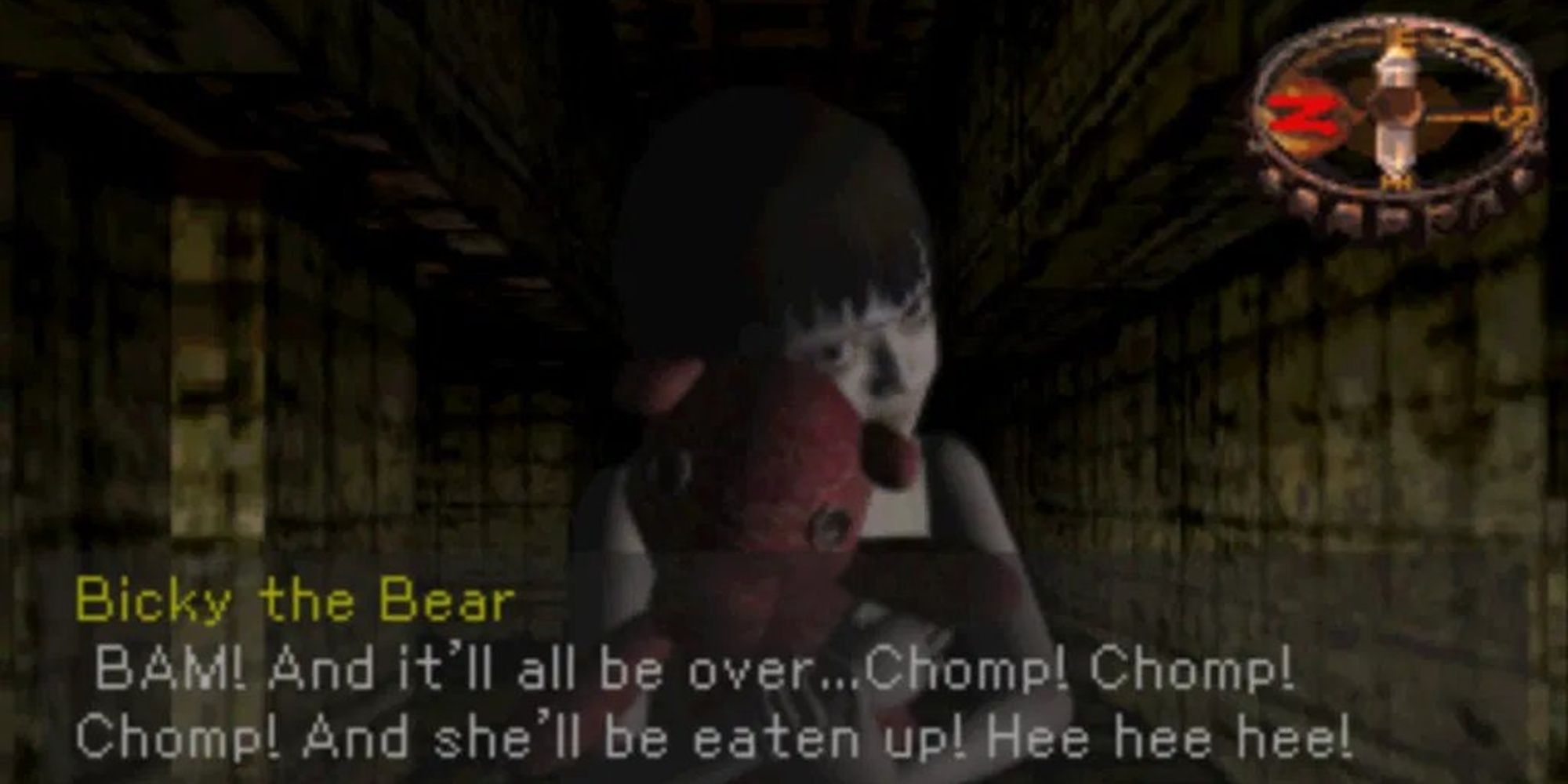
Before creating the popular Persona series with its focus on relationships, strategic battles, and high school life, Atlus ventured into a different genre: psychological horror. Hellnight is a survival horror game featuring confusing, maze-like environments, a first-person perspective, and—surprisingly—no combat at all.
The story takes place in the underground tunnels of a futuristic Tokyo after a subway crash. Only one man and a young girl survive, but they soon discover the accident wasn’t random – a terrifying creature caused it, and it’s still lurking with them in the darkness.
When you’re completely defenseless, your only choices are to escape, find a hiding place, and hope you can get out before the enemy finds you. It’s a genuinely frightening and memorable experience, but it’s strange how rarely Persona fans talk about it now. I’d love to see the developers revisit that feeling of horror and bring that same level of suspense to a new game.
9. Kuon
FromSoftware’s Tale of Horror
This situation is comparable to the last one, but it feels more logical considering FromSoftware often includes horror aspects in their recent games, like Bloodborne and their new title, The Duskbloods.
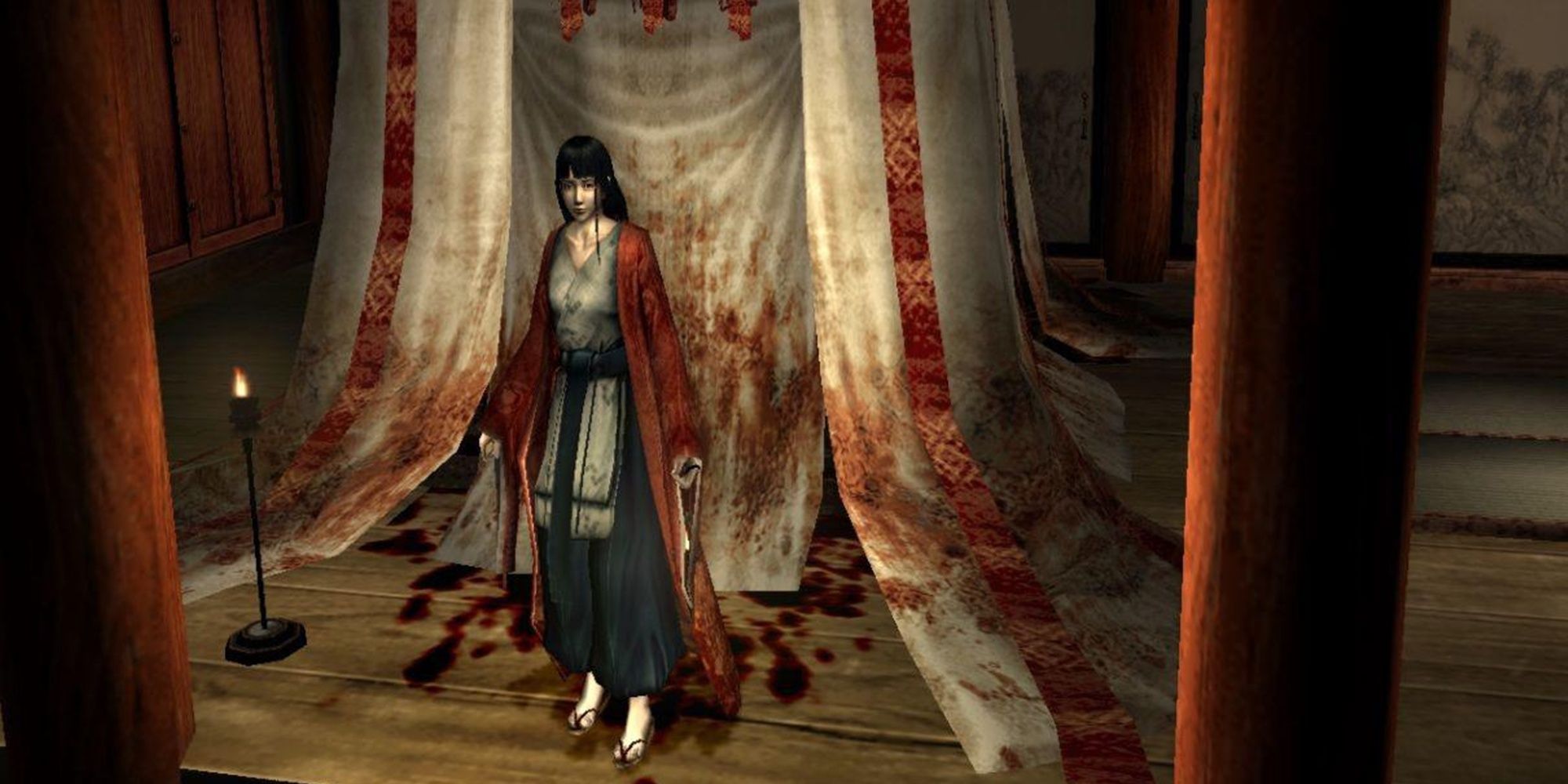
Back in the day, Kuon really leaned into the unsettling side of horror, and it’s become a favorite among fans of obscure horror like me. The game takes place in historical Japan and is amazing at creating a creepy atmosphere. It mixes traditional Japanese stories with a disturbing plot and some truly frightening creatures – they still haunt my dreams!
As fans of the studio would expect, Kuon truly shines with its stunning and unsettling art style, creating a uniquely beautiful yet tense atmosphere. The story is full of surprising turns, and the combat captures the charmingly awkward feel of early 2000s survival horror games. It’s a shame Kuon isn’t better remembered today, as its focus on storytelling through the environment is a clear precursor to elements we see in FromSoftware’s later, more famous titles.
8. Michigan: Report From Hell
Suda51’s Unfiltered Horror Experiment
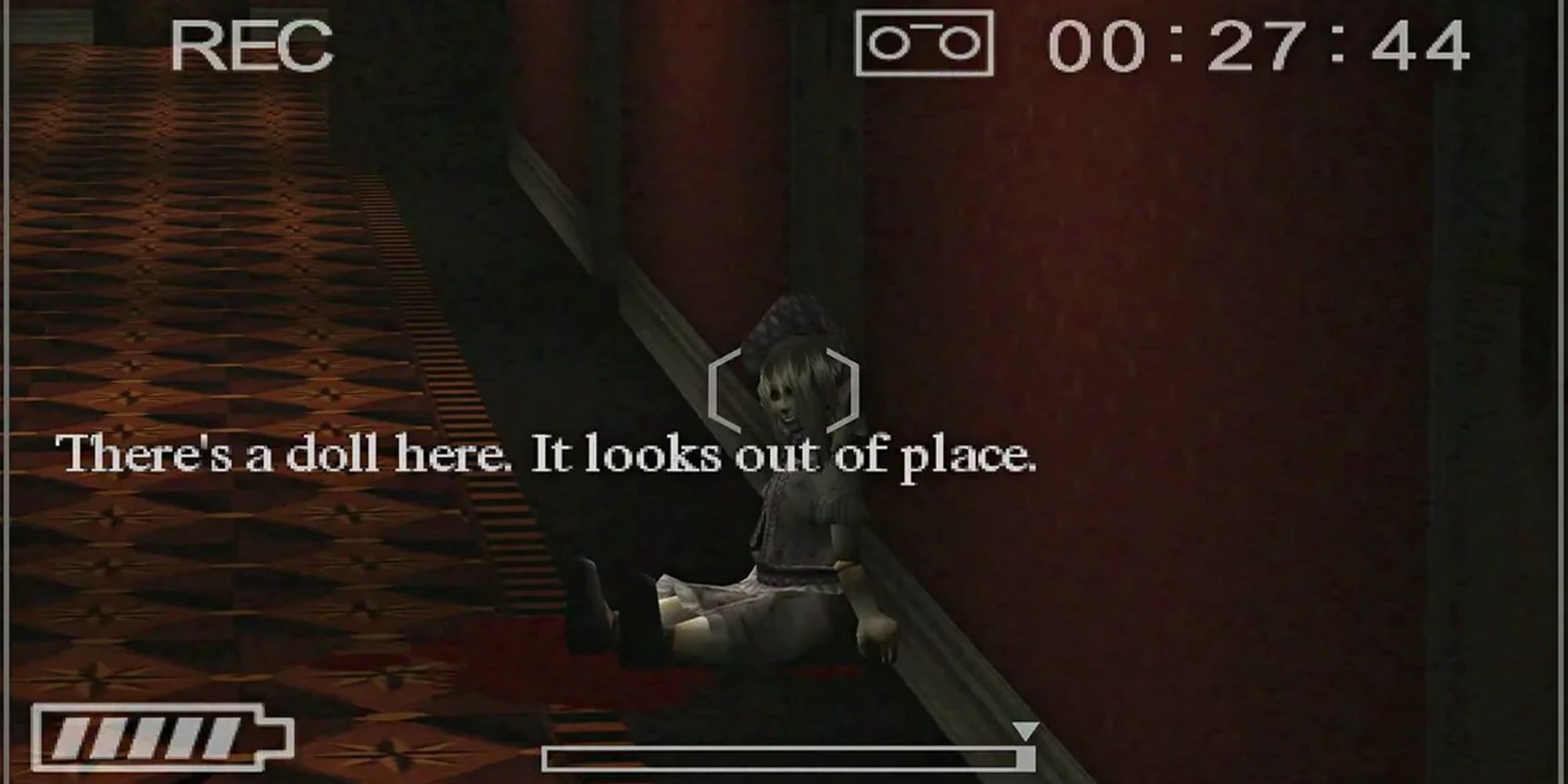
Grasshopper Manufacture, the studio known for its unique games and led by the creative Suda51, has created popular titles like Killer7 and No More Heroes. Staying true to their style of embracing bold concepts, they also ventured into the horror genre with a game called Michigan: Report From Hell.
Okay, so this game is… something else. It’s a really interesting example of a game made on a shoestring budget, and honestly, it kinda shows. Technically, it’s rough around the edges – the animations are pretty basic, and the story feels all over the place, even contradicting itself sometimes. But here’s the weird thing: the idea behind it is really cool. You’re a news cameraman filming a monster outbreak in Chicago, and it feels like a super early, clunky version of those modern horror games where you just walk around and experience the story. It’s flawed, but the core concept is genuinely intriguing.
One of the game’s most talked-about aspects is its morality system. It makes you experience the world through your own biased perspective, rewarding you with points for three things: staying professional (Suspense), filming shocking violence (Immorality), and being a peeping tom (Erotic). Although the system isn’t very refined and rarely has significant consequences, it unintentionally works as a dark, humorous commentary on how sensationalized news often is.
Okay, so I just finished watching “Michigan: Report From Hell,” and wow, it really stuck with me! It’s definitely not a comfortable watch – it’s weird, deliberately off-kilter, and honestly, kind of disturbing. But if you’re into stuff that’s a little out there and experimental, I’d say it’s worth checking out. It’s fascinating to see just how far they pushed things with such a small budget – it’s a real dive into creative madness!
7. Cold Fear
Darkworks’ Horror on the Sea
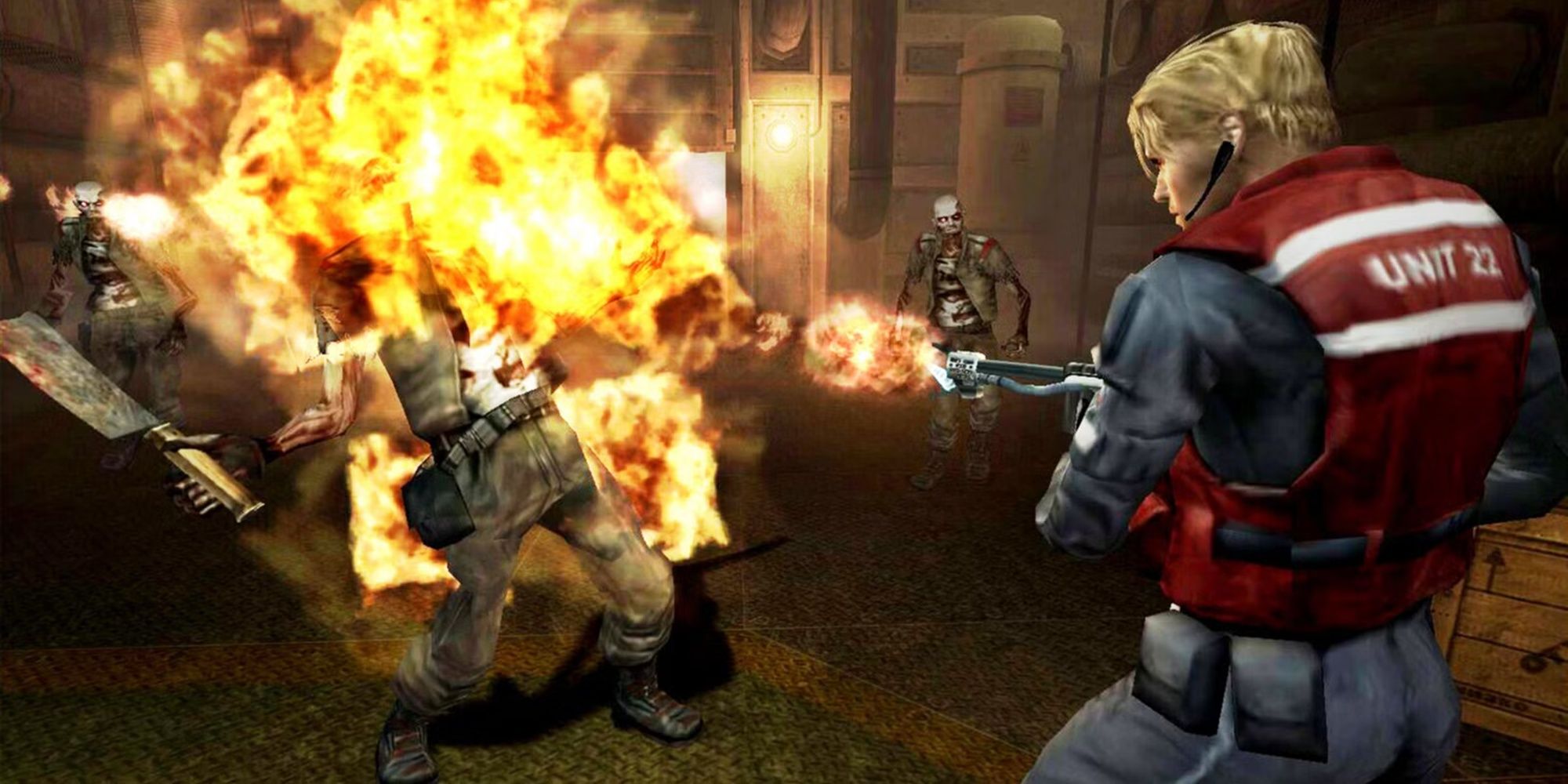
Though the Darkworks studio is no longer around, it was a notable force in gaming during the 1990s and early 2000s. They’re known by many for their contributions to the Tom Clancy’s Ghost Recon games and the challenging survival game I Am Alive, but the studio consistently showed a strong interest in dark and unsettling themes.
The team created some excellent horror games, including Alone in the Dark: The New Nightmare, and most notably, Cold Fear.
This survival horror game was highly praised when it came out for its distinctive setting and incredibly tense atmosphere. You play as a member of the U.S. Coast Guard who discovers a strange Russian whaling ship during a storm, only to find it overrun with zombie-like monsters. What made it special was how the ship’s rocking motion impacted your aiming and movement, creating a chaotic and claustrophobic combat experience.
It’s a bit rough around the edges, but that actually adds to its charm. When it first came out, reviewers even drew comparisons to Resident Evil 4 due to its fast-paced action. Sadly, it didn’t stay popular, probably because it wasn’t as refined or polished as Capcom’s hit game.
6. Haunting Ground
Capcom’s Disturbing Survival Horror
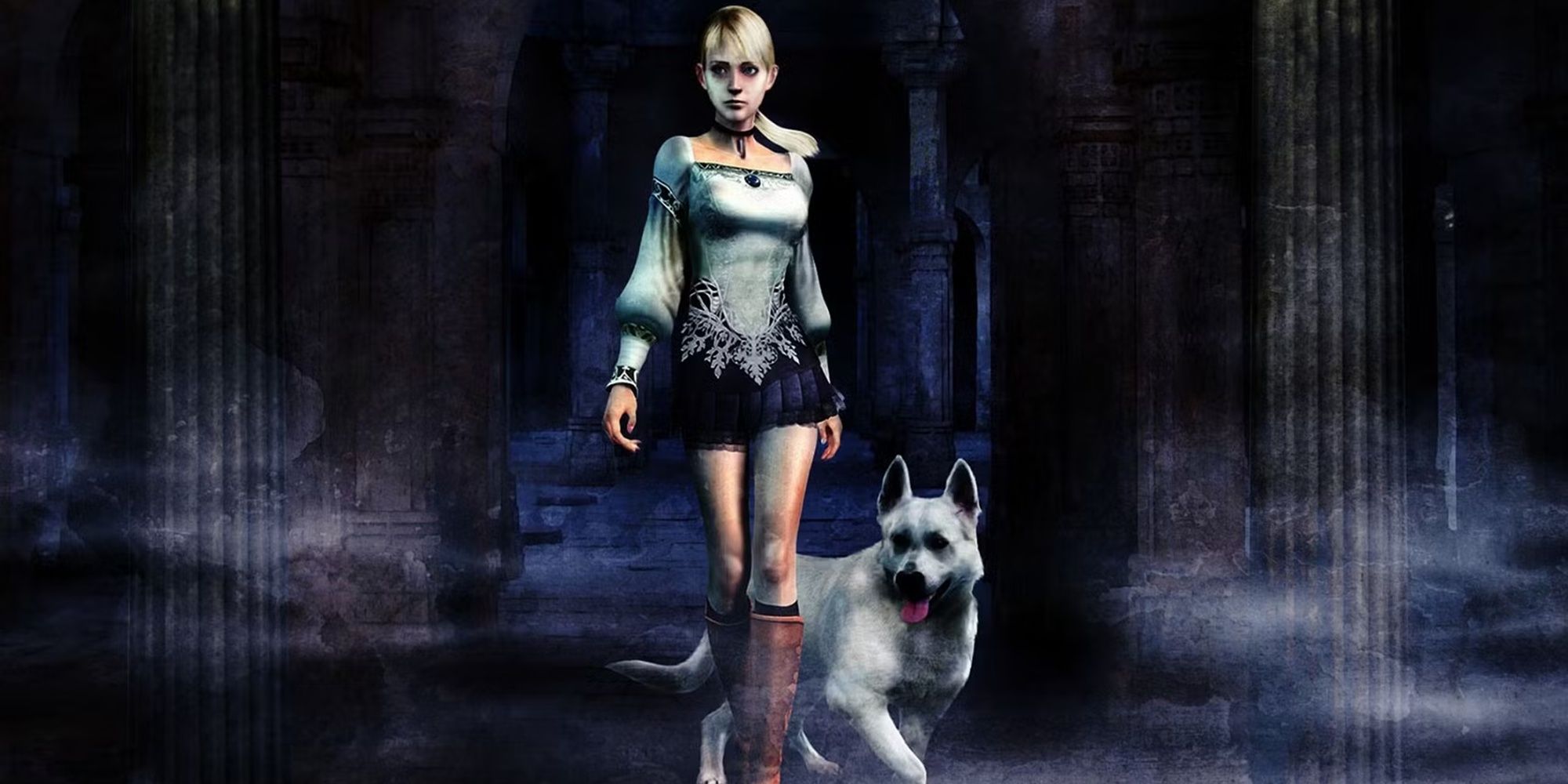
Capcom is well-known for its horror games, especially the Resident Evil series. It’s a shame, though, that many fans seem to forget about Haunting Ground.
This highly-rated survival horror game, called “Demento” in Japan, creates a deeply unsettling and tense experience through its sound and a gradually unfolding mystery. You play as Fiona, a woman stuck in a large castle, but she’s vulnerable – she has no weapons and must rely on her intelligence, basic alchemy, and the help of her faithful dog to survive.
Wow, this story really gets under your skin – it’s genuinely disturbing and makes you think. It tackles some really tough topics that still feel important today, like how the characters see Fiona as just something to want. Overall, it’s a really strong psychological horror experience, and it doesn’t shy away from anything. It’s not perfect, but it’s definitely memorable!
Haunting Ground definitely demands patience, particularly for modern gamers, and it might take some getting used to. But once you adapt to its slower speed, you’ll find a uniquely vulnerable feeling and a rich story that many other horror games lack.
5. Nightmare Creatures
Activision’s and Sony’s Forgotten Horror
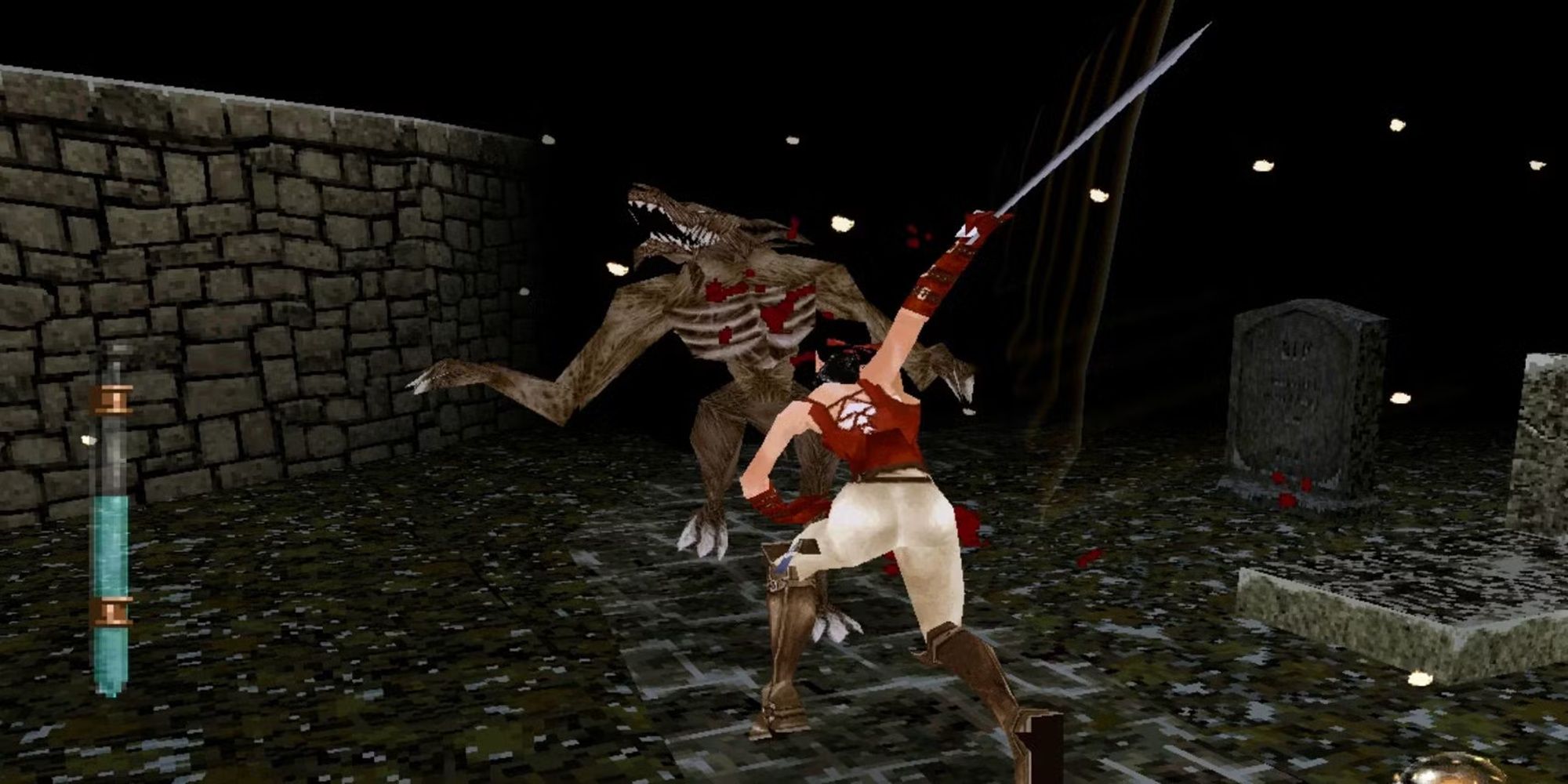
Nightmare Creatures was created by Kalisto Entertainment, but Activision and Sony joined forces to publish it. With such well-known companies behind it, the game quickly gained attention when it was released in the late 1990s.
Okay, so the controls took some getting used to – they were a little clunky, honestly, and made the game way harder than it needed to be. But man, the sound design was incredible, and there were so many different monsters to fight! That’s probably why it has such a dedicated following. Plus, the game nailed the atmosphere. It really felt like you were in this foggy, monster-filled 19th-century London, and it was awesome.
Though the original game never became widely popular, it did well enough to earn a sequel, published by Konami. After that, it largely disappeared from public view… until 2017, when a small game studio named Albino Moose Games announced they were making a remake!
Unfortunately, development on the project hit some snags and it was discontinued around 2020. That means Nightmare Creatures won’t be coming to life beyond our imaginations.
4. Sanitarium
Dotemu’s Twisted Origins
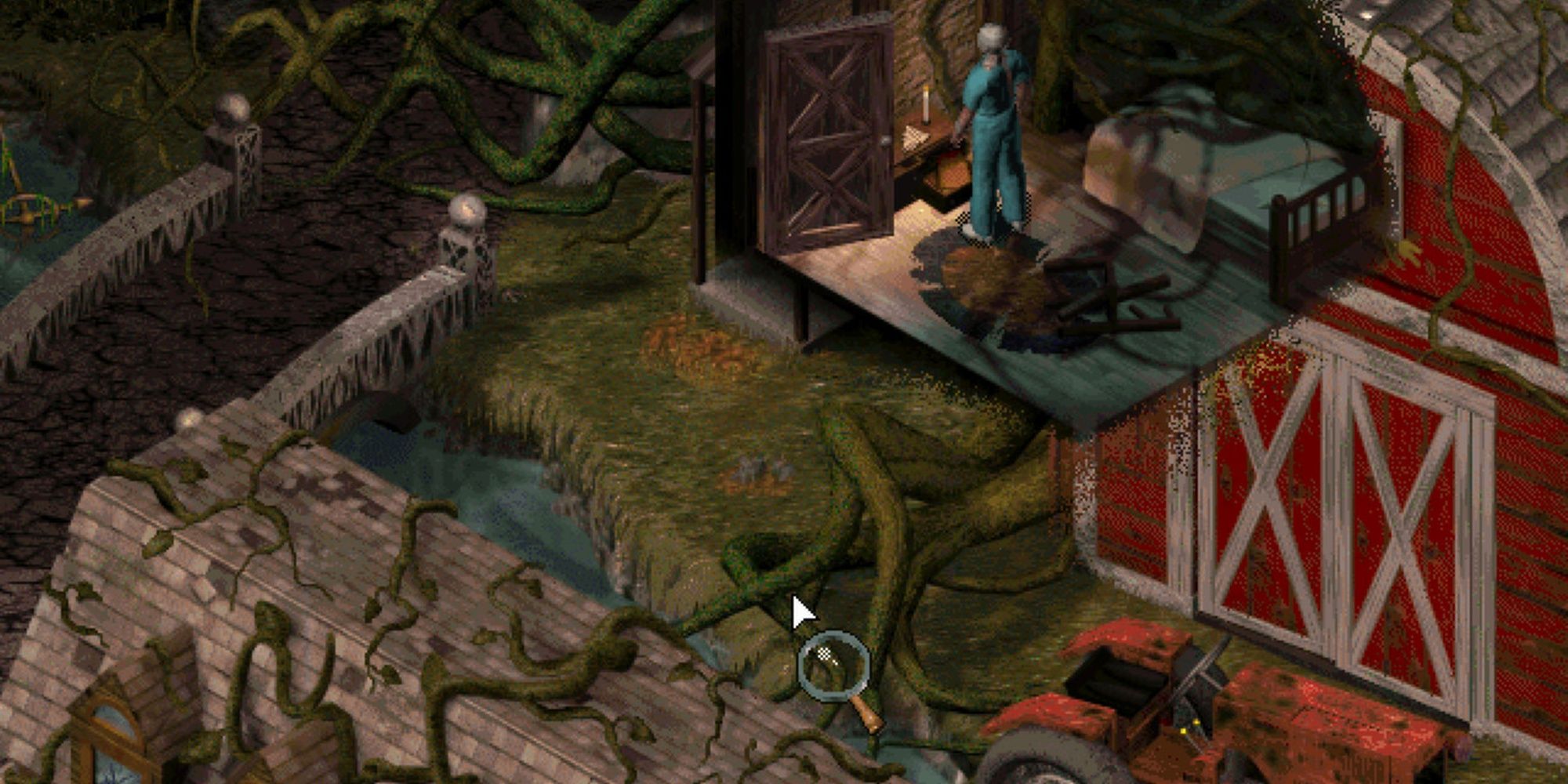
Growing up in the 90s, my biggest concern besides school was finding great games to rent. I decided to try a game called Sanitarium, hoping it would be a good find.
It was a surprisingly good experience, but I was really shocked to learn that the creators of this creepy psychological horror game – a point-and-click adventure, which is a great mix! – are the same people at DotEmu. They’re now famous for fast-paced, energetic beat ‘em ups like Streets of Rage 4 and Teenage Mutant Ninja Turtles: Shredder’s Revenge!
Sanitarium is a horror game that expertly portrays a character’s slide into madness, making you, the player, feel increasingly unhinged as well – and that’s what makes it so compelling. The game centers around a man who’s lost his memory after a car accident and is trying to figure out who he is while exploring bizarre, dreamlike worlds that don’t make sense.
The game gets increasingly surreal as you play, but everything eventually connects to a larger narrative. It’s a brilliant example of psychological storytelling, quite different from DotEmu’s typically vibrant action games. This shows they’ve always been skilled at creating compelling gameplay, even with darker themes.
3. Spirit Camera: The Cursed Memoir
Tecmo Koei’s AR Nightmare
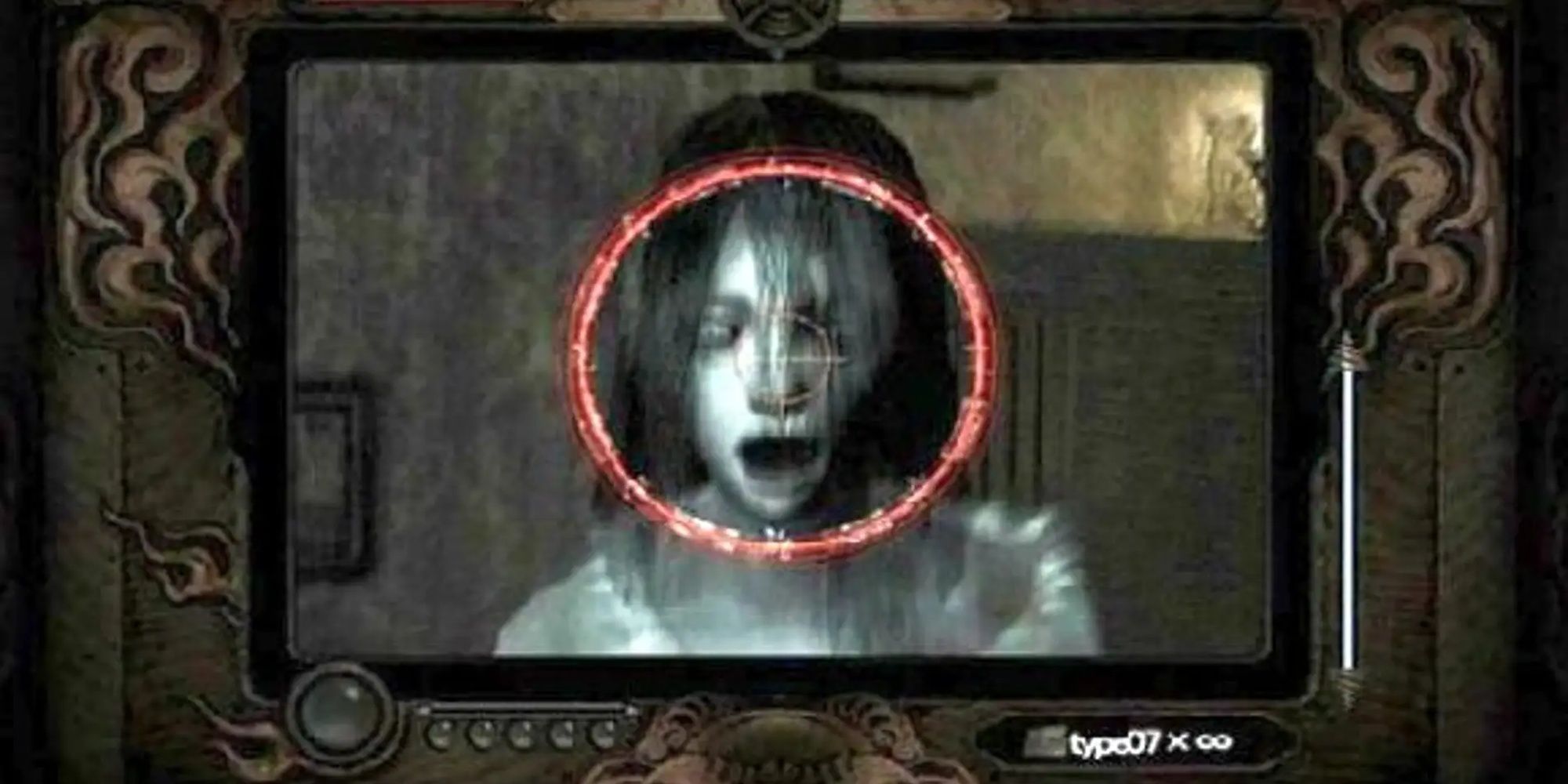
I’ve always loved Nintendo DS and 3DS games that really use what makes those systems special. You know, stuff like blowing into the mic, using the stylus for detailed stuff, snapping a picture with the camera, or even just closing the system to make a mark on a map. It’s those little hardware tricks that always got me hooked!
The game Spirit Camera: The Cursed Memoir uses a clever idea: it transforms your 3DS handheld into a ghost-detecting camera, letting you battle spirits right in the space around you!
Discover hidden horror gems, subscribe to our newsletter
The idea behind this game is fantastic, but the way it was made had some ups and downs. It’s quite short, and the augmented reality actually needed a bright room to work, which was a bit strange for a horror game – it took away from the scare factor. Plus, you surprisingly need the physical game manual to solve puzzles, using its pages with the camera, and it felt like a frustrating requirement rather than an interesting feature.
Even though it’s not perfect, Spirit Camera is notable because it was created by Tecmo Koei – the team now famous for the Dynasty Warriors series’ intense battles against hundreds of enemies, and grand strategy games like Nobunaga’s Ambition!
2. Sweet Home
Capcom’s Second Appearance
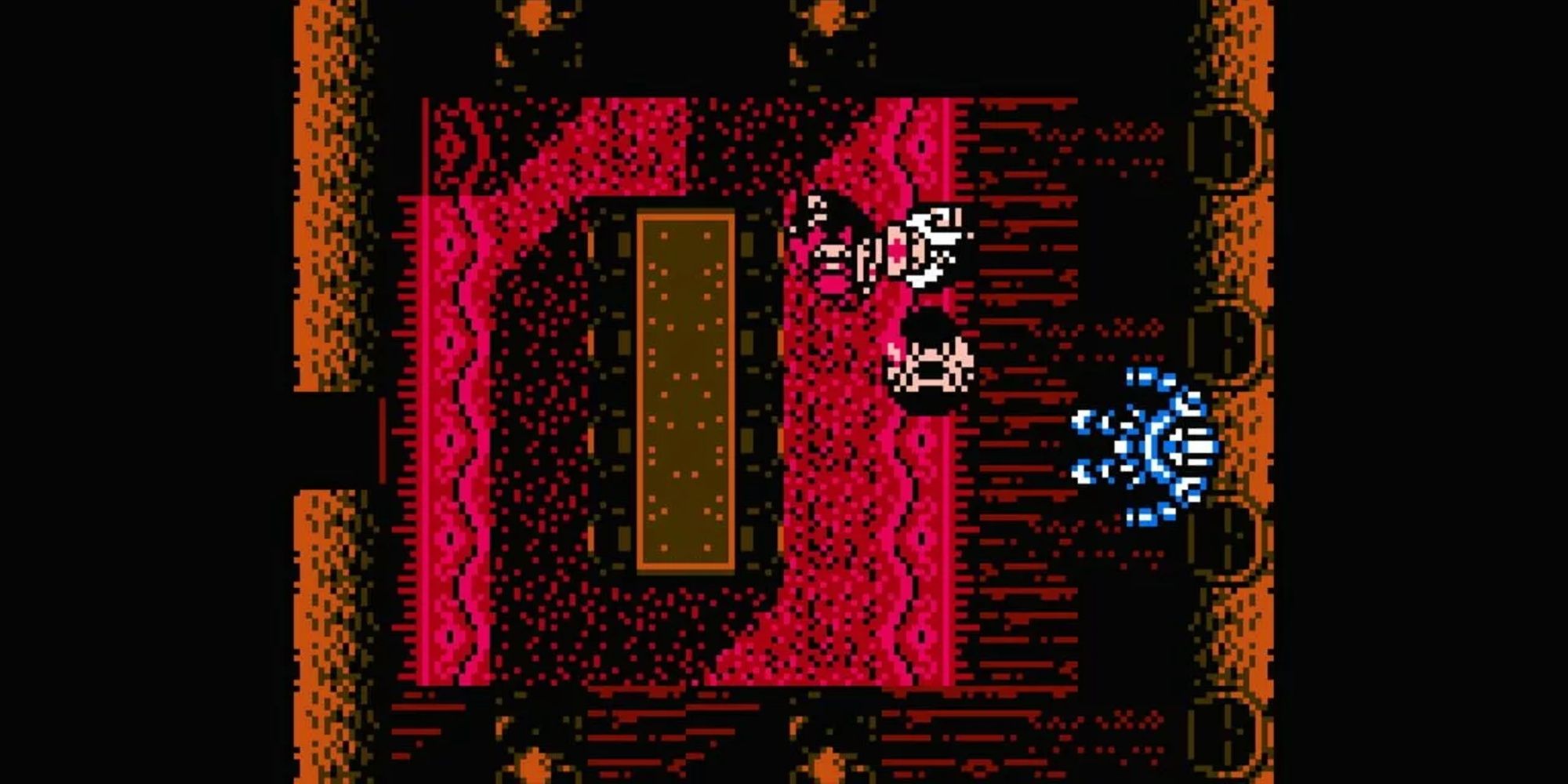
Capcom seems to quickly forget its older games, and this is the second time one of their titles has appeared on our list because of it. It’s frustrating that they allowed such a great game to be forgotten – because, frankly, the Resident Evil series wouldn’t be what it is today without Sweet Home.
This horror role-playing game, originally released in the late 1980s, is a classic example of survival horror. It creates a truly frightening and lonely atmosphere, building a sense of dread that still holds up against many newer horror games.
While the controls feel a little old-fashioned by today’s standards, the game remains captivating thanks to its unsettling atmosphere and clever puzzles. What really stood out to me was its unforgiving permanent death feature – once a character’s health reaches zero, they’re gone for good, adding a truly terrifying and brilliant element to the gameplay.
This dramatically increases the tension, making you carefully consider every resource and the value of every life. It’s a stunning piece of history that demonstrates Capcom’s skill with horror games goes back much further than the famous Spencer Mansion.
1. Echo Night
FromSoftware’s Second Appearance
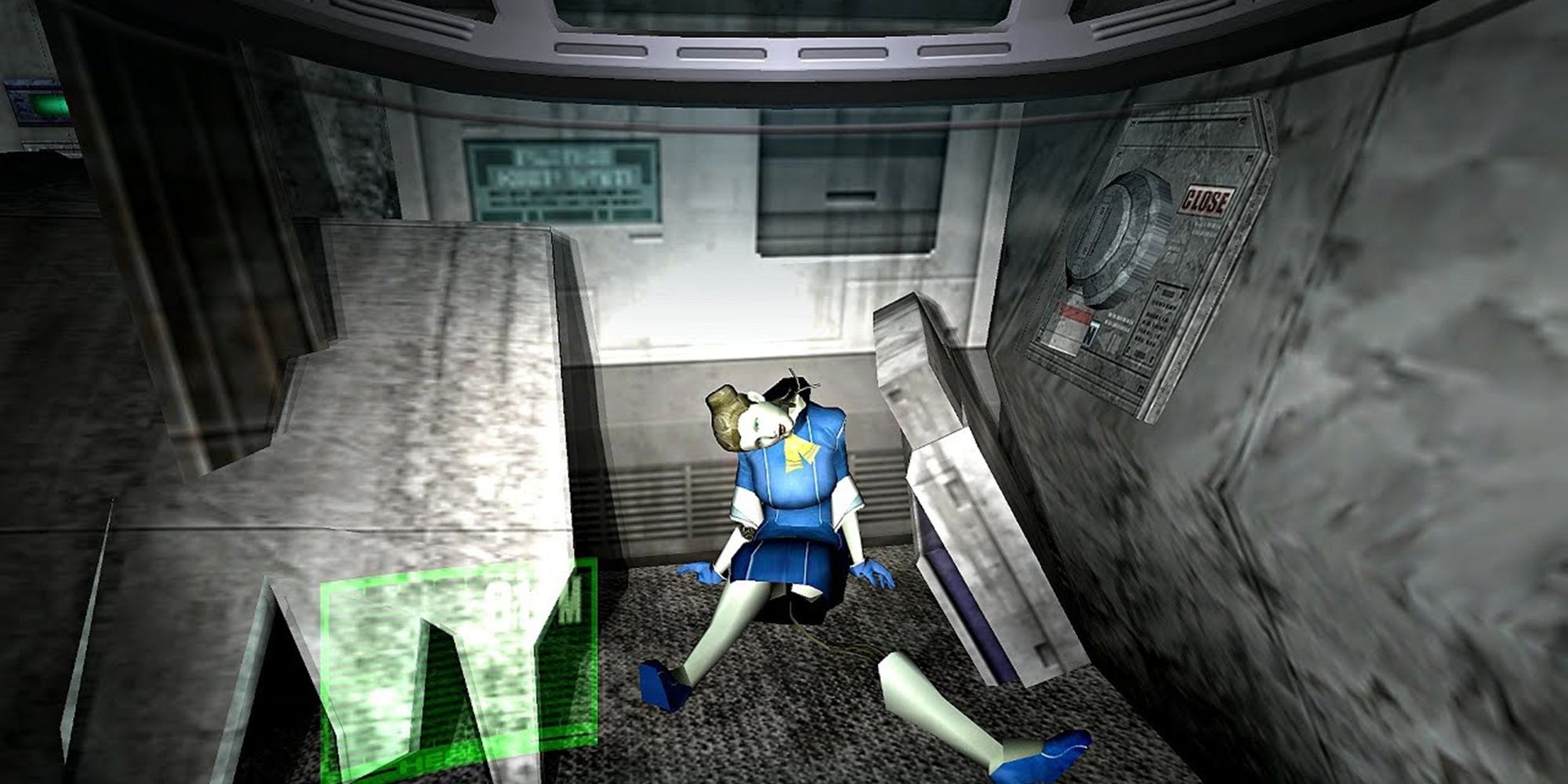
Capcom isn’t the only standout developer here – FromSoftware returns to our list for a second time! This last pick highlights how, even before defining the Soulslike genre, the studio excelled at creating incredibly immersive and lonely worlds.
Echo Night is a slow-paced and sad horror game set on a spooky ghost ship. Instead of fighting, you’ll solve puzzles and experience a deeply atmospheric story. You play as someone who helps lost souls find rest by uncovering what happened to them in life. The game focuses on understanding and investigation rather than combat, demonstrating the developer’s talent for storytelling through the game’s environment from the very beginning.
What makes this game special is its simple yet effective approach to horror. It doesn’t rely on jump scares or constant monster appearances. Instead, the fear comes from the quiet atmosphere, punctuated by friendly spirits or the unsettling darkness. The feeling of desperately searching for a light while a ghostly figure approaches creates a truly tense experience that many newer games haven’t been able to match.
Now that FromSoftware is a leading game developer, revisiting Echo Night – either through a remake or reimagining – would be a fantastic change of pace from their typical games and a great opportunity to bring a hidden classic back into the spotlight.
Read More
- Netflix’s Little House On The Prairie Reboot: Release Date, Cast & Everything We Know
- Off Campus Season 1 Soundtrack Guide
- Silver Rate Forecast
- Prime Video’s New R-Rated Spy Thriller Is Officially No.1 On Streaming Despite Poor Reviews
- Gold Rate Forecast
- Brent Oil Forecast
- EUR ZAR PREDICTION
- 币安人生 PREDICTION. 币安人生 cryptocurrency
- EUR USD PREDICTION
- KPop Demon Hunters Meets Avatar: The Last Airbender In Netflix’s 3-Part Fantasy Series
2026-04-29 19:43