These days, Hollywood is all about franchises – big series like Marvel, DC, and Star Wars. Every studio is looking for the next blockbuster series. But the very first modern franchise was a surprising success story. Despite facing many challenges, it managed to reinvent itself and not only survive, but also completely change how movie franchises are made.
These days, it’s common for studios to build long-running franchises around properties like Star Wars and superheroes. But the most successful of these is the Marvel Cinematic Universe. Kevin Feige, a lifelong Star Trek fan, realized that Star Trek had essentially pioneered the idea of a shared universe for its characters, mirroring the comic books. Other studios soon began to copy this approach.
How Star Trek Created the Model Marvel, DC and Even Star Wars Follows
Marvel and DC Comics both started telling stories about their characters in installments, first through serials in the 1940s and then on television, before eventually moving to feature films. Though Star Wars popularized bringing TV shows to the big screen – similar to what Star Trek did – the Star Wars franchise is actually following a pattern that Star Trek unintentionally created.
Gene Roddenberry’s Star Trek was groundbreaking, and it remarkably found a second life. After NBC canceled the show by scheduling it on Friday nights—a move designed to ensure low ratings—Paramount decided to try something unusual: putting it into syndication even though it hadn’t reached the typical 100-episode threshold. Despite this, Star Trek: The Original Series quickly gained popularity and its ratings continued to climb.
The show did so well that NBC was willing to consider bringing it back when Roddenberry inquired. While neither he nor the network expected much, The Animated Series proved a valuable point: the world of Star Trek wasn’t limited to live-action. It demonstrated the potential for many more stories – enough for 15 movies and 10 additional series – and showed that fans would continue to enjoy it for years to come.
Over the last ten years, Star Trek has experienced a resurgence, growing more than it did in the fifty years before that. While other franchises like Marvel, DC, and Star Wars continue to create content for television and film, Star Trek was truly groundbreaking. Before Star Trek, no cancelled TV show had ever become a successful film franchise, and no sequel series had ever surpassed the popularity of the original – until The Next Generation. Many consider Star Trek to be the most influential franchise of all time.
Star Trek Went From Syndicated Series to Global Media Juggernaut
For almost 20 years, the original Star Trek series was the most-watched scripted hour-long show in reruns. Instead of airing during prime time, it was typically shown in the late afternoon, often after school. Some channels without their own news programs even used Star Trek to fill the 6 pm slot, consistently beating both local and national news in viewership. The animated series also proved popular, even though it was a different format. As far back as 1975, Paramount was eager to revive the original live-action Star Trek series.
Paramount envisioned a major science fiction series as the foundation of a future, though still distant, fourth television network. The success of Star Wars spurred them into action. While the project faced challenges with both its budget and production, it’s unfair to fault Paramount or Gene Roddenberry and the other creators. They were attempting something entirely new, and precedents were limited. For example, Batman had a feature film released before its television series began, and Dragnet was adapted into a movie between seasons of its original run.
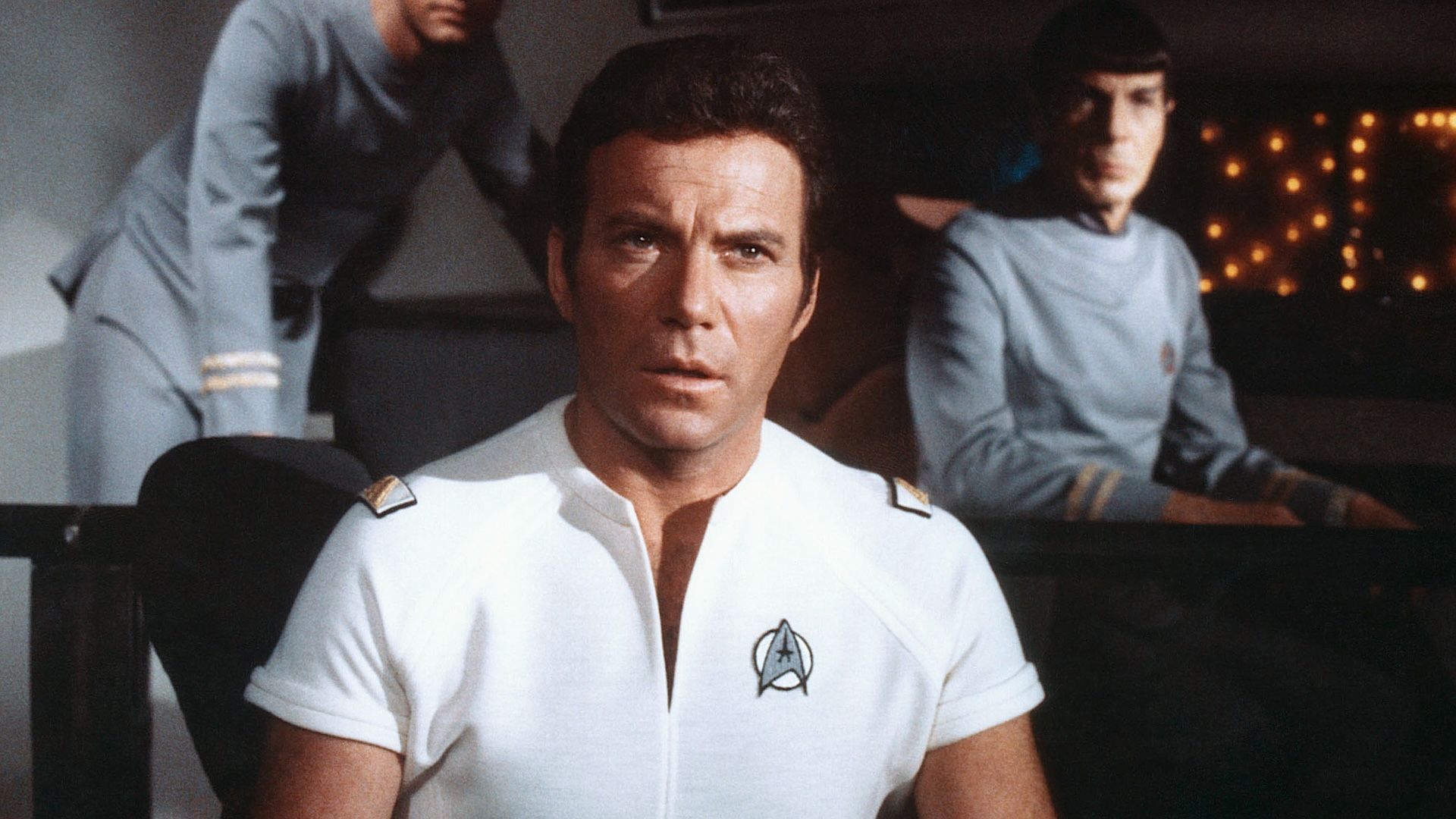
When Star Trek returned to the screen after a ten-year absence, it was uncharted territory – no TV show had ever successfully transitioned to film. While The Motion Picture wasn’t a critical hit, it was profitable, and the Star Trek films remained financially successful until Nemesis in 2002. The success of The Voyage Home, which became the most profitable film in the series, led Paramount to bring Gene Roddenberry back to television. The entire venture started off a little shaky, as no one had proven this kind of revival could work before, but TOS‘s success paved the way.
The addition of Academy Award-winning actress Whoopi Goldberg as the recurring character Guinan gave the show the boost in recognition it needed to really take off. The Next Generation not only continued with films but also spawned several successful TV series, including Deep Space Nine, Star Trek: Voyager, and Enterprise. After Nemesis didn’t perform well, Star Trek returned to the big screen less than ten years later with a fresh take on Kirk, Spock, and the original crew in an alternate reality. Interestingly, they explored the idea of a multiverse before Marvel and DC, though the 1966 episode “Mirror, Mirror” also touched on similar themes.
Star Trek and Its Continued Success Flew In the Face of Conventional Wisdom
It’s common for television executives to misunderstand what makes a show successful. For example, NBC initially considered Star Trek a costly mistake and attempted to cancel it. Ironically, the show became incredibly popular after it left their network. This highlights why it’s crucial for creators and writers to have creative freedom. For devoted fans who had been waiting for more, the new Star Trek content was a welcome treat, but it ultimately left them wanting even more.
I remember being really excited for The Motion Picture when it came out – it looked amazing at times, but honestly, it didn’t quite hit the mark for me. It felt like a placeholder, something to keep us fans happy until the next Trek movie. Things really changed when Harve Bennett took the helm – he’s the guy who got Batman made, and he understood what made Star Trek special. His first film felt like a fresh start, bringing back not just familiar faces but the spirit of the original show. It kicked off a whole new wave of Star Trek – sequels, TV shows, games, books, comics… you name it! And even from the very beginning of TOS, fans were already making their own films and content alongside everything official, which was incredible to see.
The initial surge in popularity of Star Trek faded because viewers assumed it would always be around, and those in charge underestimated its lasting appeal. But the enthusiastic response to recent seasons of Strange New Worlds shows that thinking was incorrect. Star Trek remains an incredible entertainment phenomenon, remarkable for how long it’s lasted and how relevant its core values still are after 57 years. The future of this groundbreaking franchise isn’t limited by audience interest—it depends on smart decisions from the studio.
You can watch Star Trek movies and shows on DVD, Blu-ray, or online through digital retailers, Paramount+, and Pluto TV.
Found an error? Send it so it can be corrected.
Read More
- Off Campus Season 1 Soundtrack Guide
- Chainsaw Man Volume 24’s Cover Art Reveals a Brand-New Denji
- X-Men ’97 Finally Gave Gambit the Hero Moment He Deserved
- 46 Years Later, The Mandalorian & Grogu Answers A Major Empire Strikes Back Question
- 10 Worst End-Game Couples In Sitcom History
- HoI4 fans harsh reactions to the announcement of another DLC pack
- DoorDash responds after customer uses AI to make food look bad and get a refund
- Gold Rate Forecast
- Emily Henry Says to ‘Trust the Vision’ For Beach Read Adaptation
- Hatsune Miku cosplayer goes viral selling $15 cups of “foot juice” to thirsty anime fans
2026-05-04 00:10