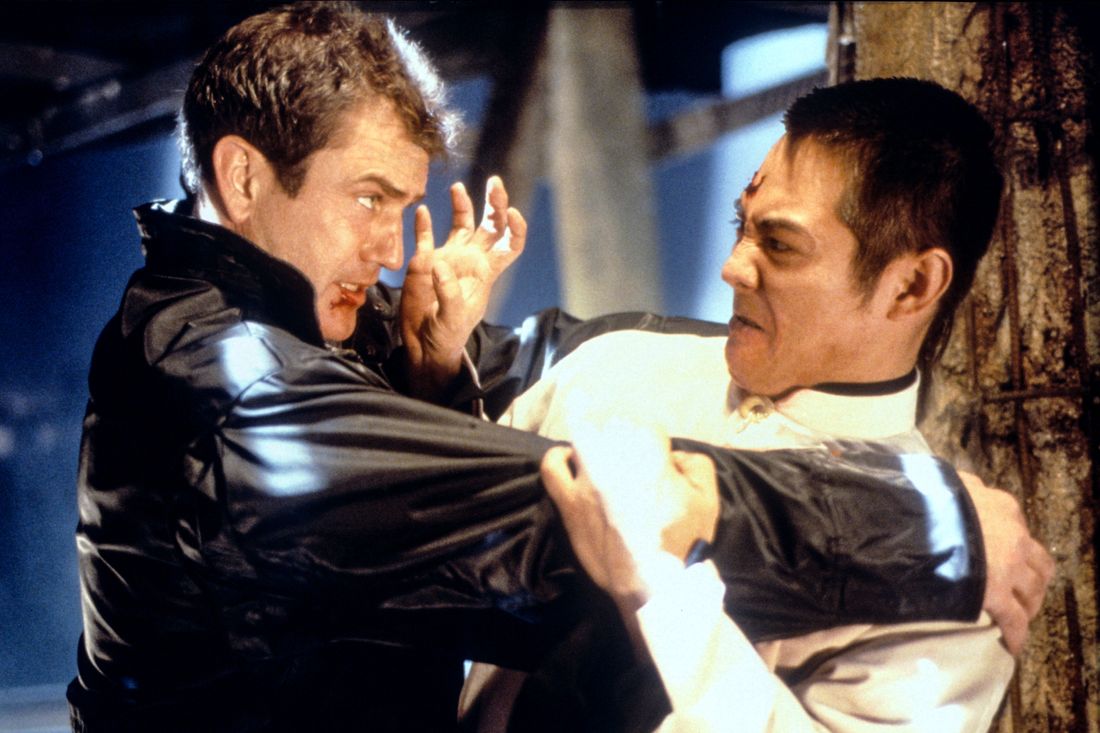
Working on Lethal Weapon 4 was when I really transitioned from making films in Hong Kong to Hollywood. From the start, Hollywood taught me a lot about letting go of expectations. Even before we started filming, the studio was tough during contract talks. They initially offered me a million dollars, but I told them I needed time to consider it. The next day, the offer dropped to $750,000, and again I said I’d think about it, discussing it with my girlfriend. Then they offered $500,000. That’s when it hit me – I was beginning to understand how things worked in the American film industry.
I was also adjusting to a completely different culture. Back in Asia, I was a well-known actor – directors and studios went out of their way to please me. But in America, it felt like my opinions didn’t matter. In the late 90s and early 2000s, there weren’t many opportunities for Asian actors, so I knew I’d have to work twice as hard to prove myself. And on top of everything, I was learning the language. I had to study English from the very beginning, like a child learning their ABCs, practicing with flashcards and repeating simple phrases like “A is for apple, B is for boy.”
My roles started to change, too. In Asia, I usually played the good guy – characters known for their strong morals, like Wong Fei-hung in Once Upon a Time in China and Chen Zhen in Fist of Legend. But in Lethal Weapon 4, I was asked to play the villain, a heartless Triad gangster named Wah Sing Ku who even attacks a pregnant woman. The character was even more awful in the first draft of the script. In fact, my girlfriend, who initially supported me taking the role, was shocked when she read it, and we had a big argument about it.
“Please don’t do this,” she pleaded. “You’ll ruin everything – your job, your future, everything. I’m begging you not to go through with it.”
I wasn’t thrilled with the part, just like she wasn’t, but I saw it as a great opportunity to start working in a new film market and to prove what I could do. I wasn’t worried about playing a villain damaging my career because my identity wasn’t solely tied to being a film actor anymore. Filming in America was a different experience than working in Hong Kong. The Hong Kong film industry in the 90s was small and collaborative – a close-knit group where everyone had a voice and the process was simple. As soon as a buyer knew I was involved in a project, they’d purchase the rights for the Asian market, and immediately ask about my future films, essentially pre-buying everything I made. This allowed me to film three movies back-to-back. Production was efficient and self-contained: we’d find a story, assemble the team, and get to work.
Working in America was a completely different experience. It involved so many more people – I quickly needed a lawyer, manager, agent, and a public relations team. Every decision, even small changes, had to be approved by numerous people at the studio, going through a long process. It was a large company focused on business, and ultimately, the studio had the final say, even if the artist had a specific creative idea. I just didn’t have the same level of control I was used to in Hong Kong.
Lethal Weapon 4 was a big hit, and test audiences really liked my performance – almost as much as Mel Gibson’s, both men and women! The head of a major studio was so impressed, he called me in and offered me a $25 million deal. He basically told me to go make an action movie that would be a guaranteed moneymaker.
I then went on to create a string of popular action films in America – they were financially successful and allowed me to return to playing leading roles. I believe in embracing change and forward momentum, and I achieved my initial goals in the industry. However, I realized that reaching the very top of the American film world was likely impossible. Focusing on my personal well-being and practices helped me stay grounded during that time. Trying to recapture past glory or obsess over filmmaking would have only brought me more pain. This new perspective helped me prioritize what was truly important.
While filming Lethal Weapon 4, I dedicated most of my time to spiritual practice. I listened to Buddhist teachings with headphones during makeup sessions, and used downtime on set to meditate with my prayer beads and recite mantras. I only learned the English necessary to say my lines and handle interviews. In fact, I spent far more time practicing my spirituality than actually filming the movie.
Life soon taught me a painful lesson about loss. I remarried in 1999, and my third daughter was born in April 2000. Almost immediately after this new life began, I received news that my mother was seriously ill with cancer. I was working on a film in Paris at the time, but I left everything to fly back to Beijing to be with her. Seeking guidance on how to cope with losing my mother, I revisited a book that had first introduced me to Buddhism: The Tibetan Book of Living and Dying. I brought a copy with me to read on the plane. I had been studying Buddhism for around three years, and now I hoped I could finally apply what I’d learned.
Coming home, I was met with the heartbreaking reality that my mother was slipping away. The house was filled with family and friends, all understandably devastated and clinging to her side. I’d recently read The Tibetan Book of Living and Dying, which talks about creating a peaceful transition at the end of life, even gently encouraging the spirit to move on. But honestly, that felt impossible in that moment. Surrounded by so much grief and people who simply couldn’t bear the thought of letting go, how could I possibly suggest she peacefully leave her body? It felt like a beautiful idea on paper, but utterly impractical – and likely upsetting – in the face of such raw emotion.
I pulled the doctor aside and gently asked, “If nothing else works, how much time does my mother have left?”
The doctor replied, “A week at most.”
I spoke with my oldest sister about Mom’s health. We both felt that whether she passed away a week sooner or later wasn’t the main concern. What mattered most to me was ensuring her final moments weren’t overly painful. We decided to let the doctor know that we didn’t want him to take extreme steps to keep her alive.
Watching my mother fade was a stark reminder that everything has its time, and I desperately wanted her final moments to be peaceful. I gently asked everyone to step out, needing some private time with her. It was then, alone with her, that I finally spoke, telling her…
Don’t worry about us when you’re gone. I’ll handle everything. I promise your children and grandchildren will always have food, a home, and a good education. I’ll take care of all their needs so they can have a secure future.
My mother was silent, and we sat together, simply breathing. The room fell completely still as I held her hand, feeling the gentle rhythm of her pulse. It felt like hours were passing. Being with someone nearing the end of their life makes you aware of the immense peace they’re about to return to.
Finally my mother looked at me and said, “It’s just a matter of breath.”
A few hours later, my mother died.
Her last words beautifully captured how fleeting, delicate, and precious life is: “It’s just a matter of breath.”
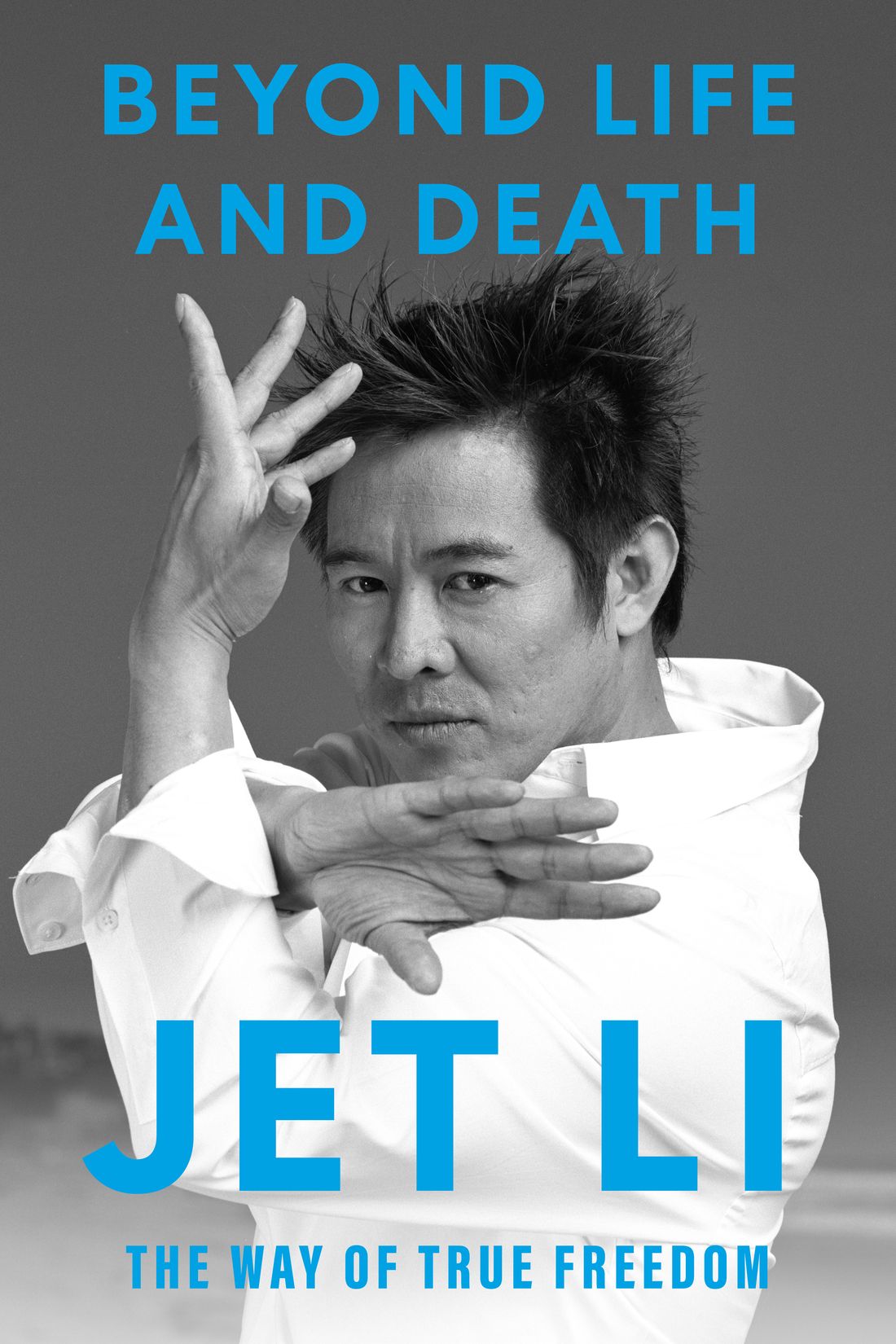
This book, From Beyond Life and Death, is by Jet Li and published by Tarcher, an imprint of Penguin Random House. Copyright © 2026 by Jet Li.
View
Success! You’ll get an email when something you’ve saved goes on sale.
Yes
New! You can now save this product for later.
Beyond Life and Death
$30
$30
$30
at Penguin Random House
Read More
- Off Campus Season 1 Soundtrack Guide
- X-Men ’97 Finally Gave Gambit the Hero Moment He Deserved
- Chainsaw Man Volume 24’s Cover Art Reveals a Brand-New Denji
- 46 Years Later, The Mandalorian & Grogu Answers A Major Empire Strikes Back Question
- HoI4 fans harsh reactions to the announcement of another DLC pack
- 10 Worst End-Game Couples In Sitcom History
- Gold Rate Forecast
- DoorDash responds after customer uses AI to make food look bad and get a refund
- Emily Henry Says to ‘Trust the Vision’ For Beach Read Adaptation
- Hatsune Miku cosplayer goes viral selling $15 cups of “foot juice” to thirsty anime fans
2026-05-06 17:55