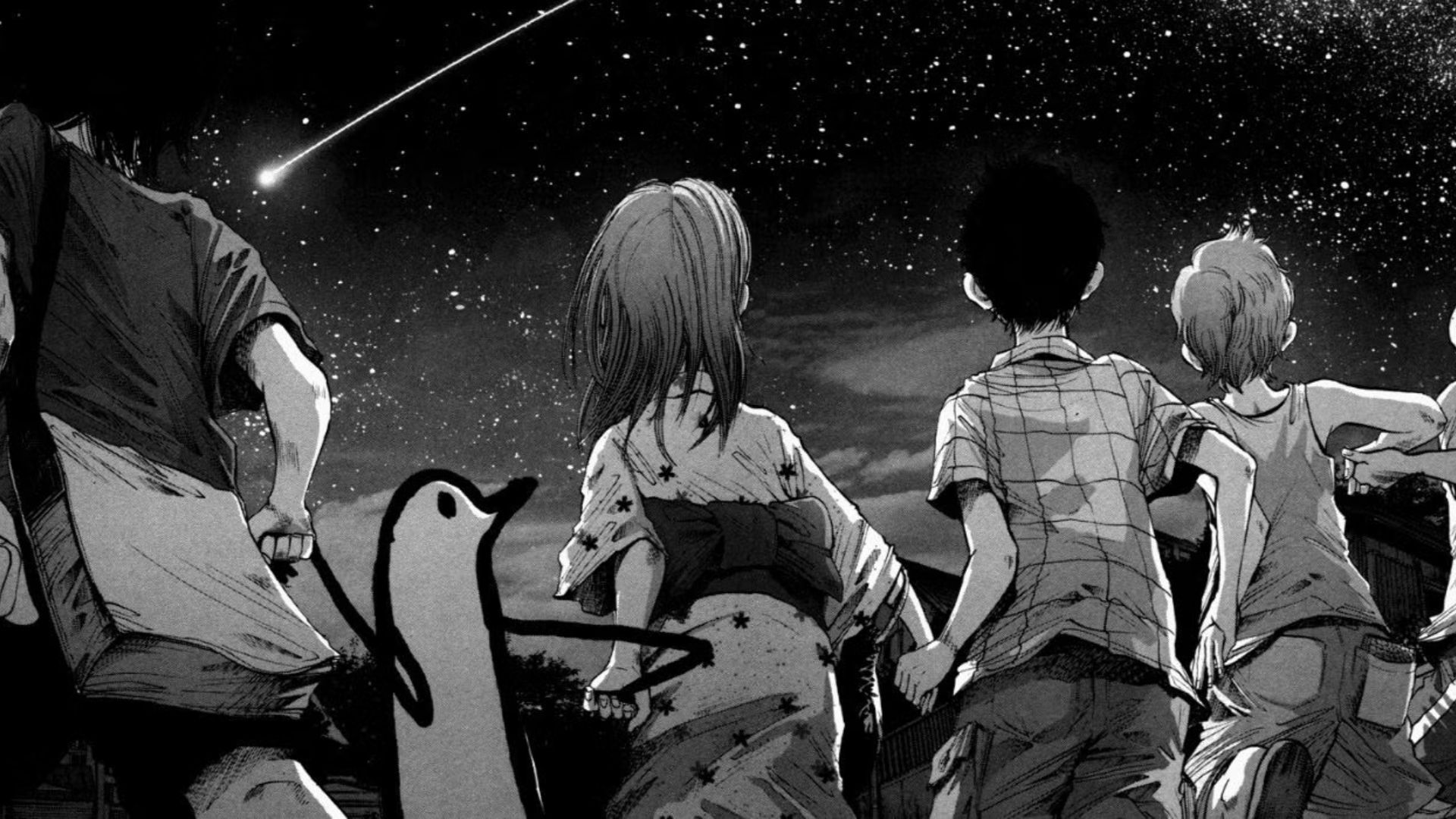
I’m a huge manga fan, and for me, the best ones aren’t just about what happens in the story. It’s how they feel as you read them. The pacing is incredible – a single page turn can completely shift your emotions in a way that even the best anime struggles to capture. That’s not to say these manga shouldn’t be adapted into anime! A talented studio could absolutely create something amazing. But a truly great adaptation needs to do more than just follow the plot; it needs to capture that unique feeling of reading the original.
Any adaptation would need to maintain the original’s unique atmosphere, emotional impact, rhythm, and strong visuals – everything that makes it so compelling. That’s a bigger challenge than just adding great voice acting and animation to a popular manga. Some stories thrive on quiet moments, and others have artwork so beautiful that animation could actually diminish its power. These manga are already fully realized in their illustrated form, so an anime version would be competing with the source material itself.
Goodnight Punpun Could Become Too Obvious in Motion
Goodnight Punpun is a uniquely powerful work because its emotional impact is deeply tied to its visual style. The main character, Punpun, is drawn simply and strangely, while the world around him is incredibly detailed and often harsh. This contrast allows the manga to explore difficult themes like childhood trauma, shame, desire, depression, and self-loathing in a way that feels authentic and avoids typical dramatic tropes. An anime adaptation would inevitably have to make compromises that the manga skillfully avoids.
Bringing Punpun to life presents some tricky questions: How do you visually and vocally represent him? And how much of his internal thoughts should be revealed? Finding the right approach is difficult because the manga’s power lies in Punpun being both relatable and undefined – allowing readers to see themselves in him while also witnessing his disturbing journey. The story relies heavily on uncomfortable silences. While a good adaptation is conceivable, a truly perfect one would need to preserve the raw, unpleasant aspects of the manga without glamorizing them, which is a remarkably difficult feat.
Yotsuba&! Would Be Easy to Overplay
From afar, Yotsuba&! appears straightforward, but its true strength lies in that simplicity, making a perfect adaptation surprisingly difficult. The manga’s appeal comes from its focus on small, everyday happenings. Yotsuba views the world with childlike wonder, and the humor often stems from the genuine way the story portrays her innocent discoveries. While an anime could certainly capture Yotsuba’s adorable nature, that alone wouldn’t be enough to replicate the manga’s unique charm; it’s the space given to her reactions that makes those ordinary moments so funny.
Yotsuba can easily feel more like a cute character than a real child if the pacing isn’t just right, and overly dramatic music can ruin the story’s gentle feel. What makes the manga special is that it finds interest in everyday life without relying on constant jokes – it’s a delicate balance. Any animated version needs to recognize that Yotsuba&! is more than just a heartwarming story; it’s a thoughtful comedy about how we focus on things. While animation can show what happens, capturing that subtle feeling of wonder would be a real challenge.
Real Needs Stillness as Much as Motion
Compared to some other manga adaptations, Real feels more flexible, and that surprisingly increases the difficulty of bringing it to life. A less skillful adaptation might simplify the story into a typical feel-good tale. But the strength of Real lies in its raw portrayal of frustration, shame, and the hard work it takes to overcome obstacles. Takehiko Inoue doesn’t shy away from pain; he portrays it realistically. The manga emphasizes the importance of body language, quiet moments, and what isn’t said. While the basketball action is exciting, the real tension often builds in the moments before or after the game.
The ideal anime adaptation of this story would beautifully portray the sport, but avoid making things seem too easy or predictable. It would need to capture both the dynamic action and the powerful impact of the original artwork. This is a challenge because the story isn’t about simple victories. It’s about characters working to improve themselves, even when their efforts don’t immediately pay off. While the anime should be emotionally engaging, achieving true excellence would require a delicate touch. The story needs to feel vibrant and energetic, but also have the strength to acknowledge and portray difficult moments honestly, without shying away from them.
20th Century Boys Could Fall Apart if the Pacing Isn’t Right
The story of 20th Century Boys feels ideally suited for a lengthy anime series, but that very strength presents a challenge. Naoki Urasawa’s mystery relies on a slow burn, unfolding through flashbacks, feelings of paranoia, childhood pacts, and the regrets of adulthood. To truly capture the manga’s essence, an adaptation needs ample time to develop. The way the story jumps between timelines is crucial, constantly shifting the reader’s understanding. It’s hard to replicate this careful balance in anime without either revealing too much of the mystery or diminishing the story’s emotional impact.
The characters are also crucial to get right. 20th Century Boys succeeds because the story relies on everyday people who unknowingly share a past, and the gradual reveal of that past is what creates the suspense. An anime version would need to make sure every storyline feels important while still maintaining the central mystery. While a decent anime adaptation is achievable, creating a truly outstanding one would be incredibly difficult. The manga expertly blends suspense, memories, and societal anxieties, and even a small misstep could diminish its impact.
The Climber’s Silence Would Be Almost Impossible to Animate Perfectly
The appeal of The Climber isn’t just about the danger of mountain climbing. It’s effective because it portrays the experience as a form of quiet communication with oneself. The manga transforms mountains into spaces representing fear, liberation, obsession, and refuge. The most impactful scenes are often silent, showing the vastness of the world and how small the climber seems within it. This subtle beauty is something anime adaptations often miss – a visually impressive climb isn’t the same as conveying the feeling of being utterly alone.
Watching the adaptation, I’m a little worried about too much emphasis on action. What really makes the original story special isn’t just the thrilling danger, but the character’s internal struggle – how facing nothingness feels easier than dealing with everyday life. The artwork by Shinichi Sakamoto is incredibly powerful; a single image can perfectly capture that feeling of being suspended between fear and calm. It strikes me that every animation choice will be crucial – they could either enhance that mood or completely ruin it.
Translating Vagabond’s Art to the Screen Is Too Big a Task
As a huge fan, I truly believe Takehiko Inoue’s artwork is an experience in itself. The way he uses brushstrokes, captures emotions, and paints the scenery really feels like it carries the heart of the story, and that makes adapting it into anime incredibly tough. If the animation prioritizes action and speed, you risk losing all that emotional depth. But, if they try to copy the manga’s style too closely, it could end up feeling stiff and unnatural. Honestly, the ideal anime would nail the fluidity of the fight scenes while still preserving those quiet, reflective moments that make the original so special.
Adapting Vagabond presents both technical and artistic hurdles. The manga explores themes of personal growth, violence, the ego, emptiness, and the gradual loss of identity, immersing readers in this internal transformation. It embraces ambiguity and allows for moments of quiet reflection. While an anime version could be visually stunning and successful, it would require an incredibly high level of craftsmanship. The challenge lies in recreating a manga that masterfully uses stillness, silence, and visual artistry to convey emotion and meaning – elements that are already so powerfully present in the original work.
Read More
- Off Campus Season 1 Soundtrack Guide
- X-Men ’97 Finally Gave Gambit the Hero Moment He Deserved
- 46 Years Later, The Mandalorian & Grogu Answers A Major Empire Strikes Back Question
- Chainsaw Man Volume 24’s Cover Art Reveals a Brand-New Denji
- HoI4 fans harsh reactions to the announcement of another DLC pack
- 10 Worst End-Game Couples In Sitcom History
- DoorDash responds after customer uses AI to make food look bad and get a refund
- Emily Henry Says to ‘Trust the Vision’ For Beach Read Adaptation
- Hatsune Miku cosplayer goes viral selling $15 cups of “foot juice” to thirsty anime fans
- Katanire’s Yae Miko Cosplay: Genshin Impact Masterpiece
2026-05-31 23:42