
Most popular series eventually have one – a sequel that’s so different from, or so badly made, compared to the original that fans wish it didn’t exist. The 2006 Sonic the Hedgehog game is a well-known example; it was so flawed and missed the mark with fans that it became a symbol of a franchise going wrong. But this kind of story happens in every type of entertainment.
What’s fascinating about these ten examples is the unique way each one fell short. Some were hurried to launch, others suffered because the developers didn’t grasp what made the original product great. A few were plagued by technical problems they couldn’t fix. And the most disheartening failures came from confident choices that simply didn’t work out – because in those cases, the blame lies with those who genuinely believed they were making the right decisions.
10. Postal III
So Bad It Was Literally Retconned out of Existence
Steam
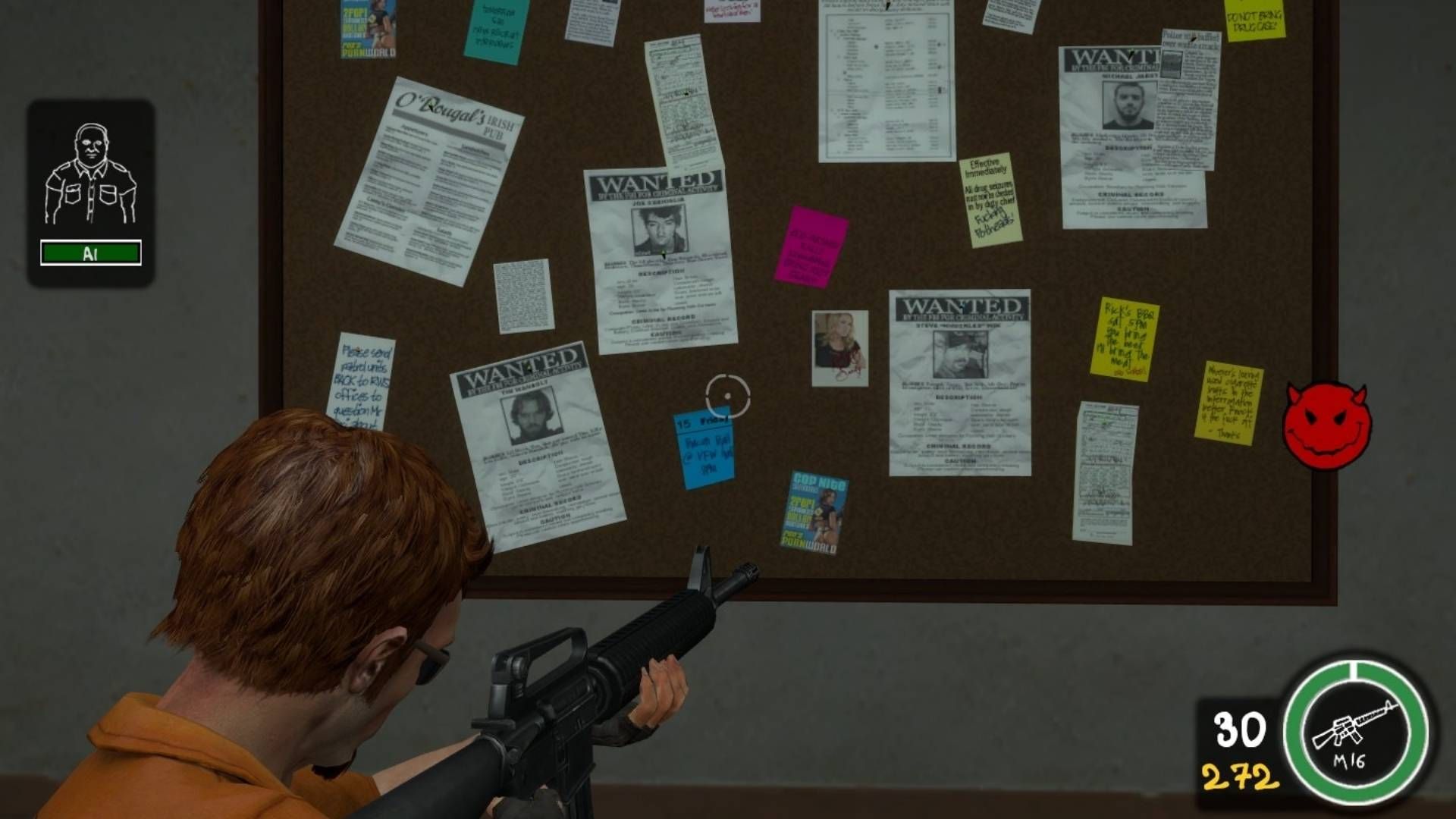
Postal III isn’t simply a poor game; it’s a disappointing entry in the Postal series, which is saying something considering the franchise’s history. Even for a Postal game, the interface feels unfinished. The humor falls flat, and what’s meant to be shocking or offensive just comes across as distasteful. The shooting feels imprecise, close combat is ineffective, and the game relies too much on cheap and annoying jump scares.
The developers took a surprisingly drastic step to address the negative reception of Postal III. They essentially rewrote history within the game series, declaring through the ‘Paradise Lost’ DLC for Postal 2 that Postal III was all just a dream. It wasn’t a subtle fix or a quiet attempt to distance themselves – it was a full-on, official statement that the events of Postal III never actually happened. I admire their dedication to fixing the situation, even if it meant releasing a large expansion for an older game to do so.
9. Tony Hawk’s Pro Skater 5
The Levels Have No NPCs. Not One
YouTube via TmarTen2
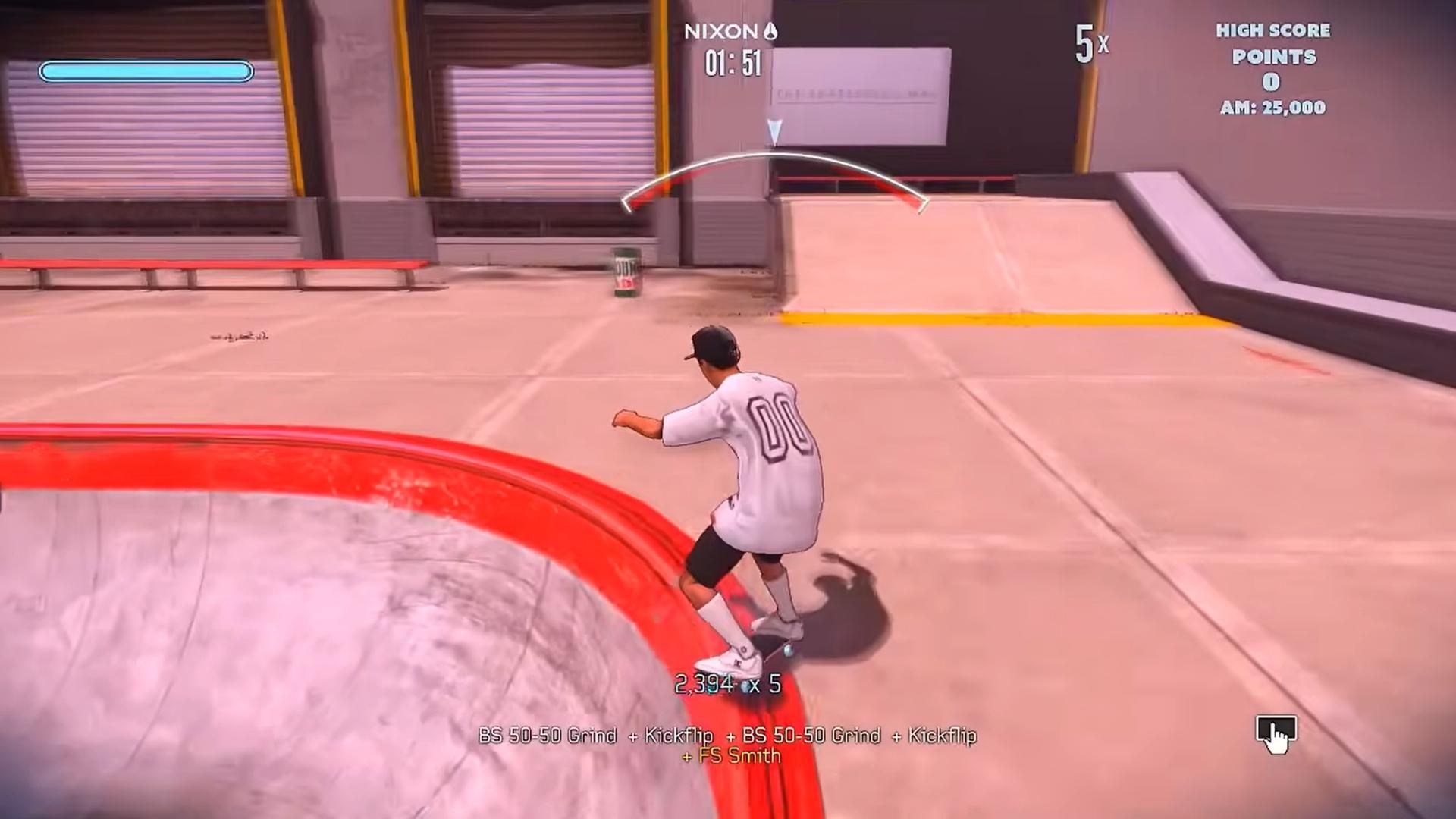
Tony Hawk’s Pro Skater 5 felt like it was built from a checklist of familiar features, but without capturing the core fun of previous games. Initially, the controls were frustrating – the button to perform tricks (‘Slam’) was awkwardly placed, causing players to accidentally slam instead of grind. While that issue was fixed, the game’s deeper problems remained.
The level design feels uninspired, often reusing parts from older levels – Bunker and School III are prime examples. What really stands out, though, is how empty the levels are. There are almost no people or moving objects. Previous Tony Hawk games felt alive with pedestrians and traffic, but this one feels like you’re skating around a set. Considering the game heavily emphasizes online play, the single-player experience feels surprisingly empty and lifeless.
8. Payday 3
An Identity Crisis Launched Into a Server Fire
Steam
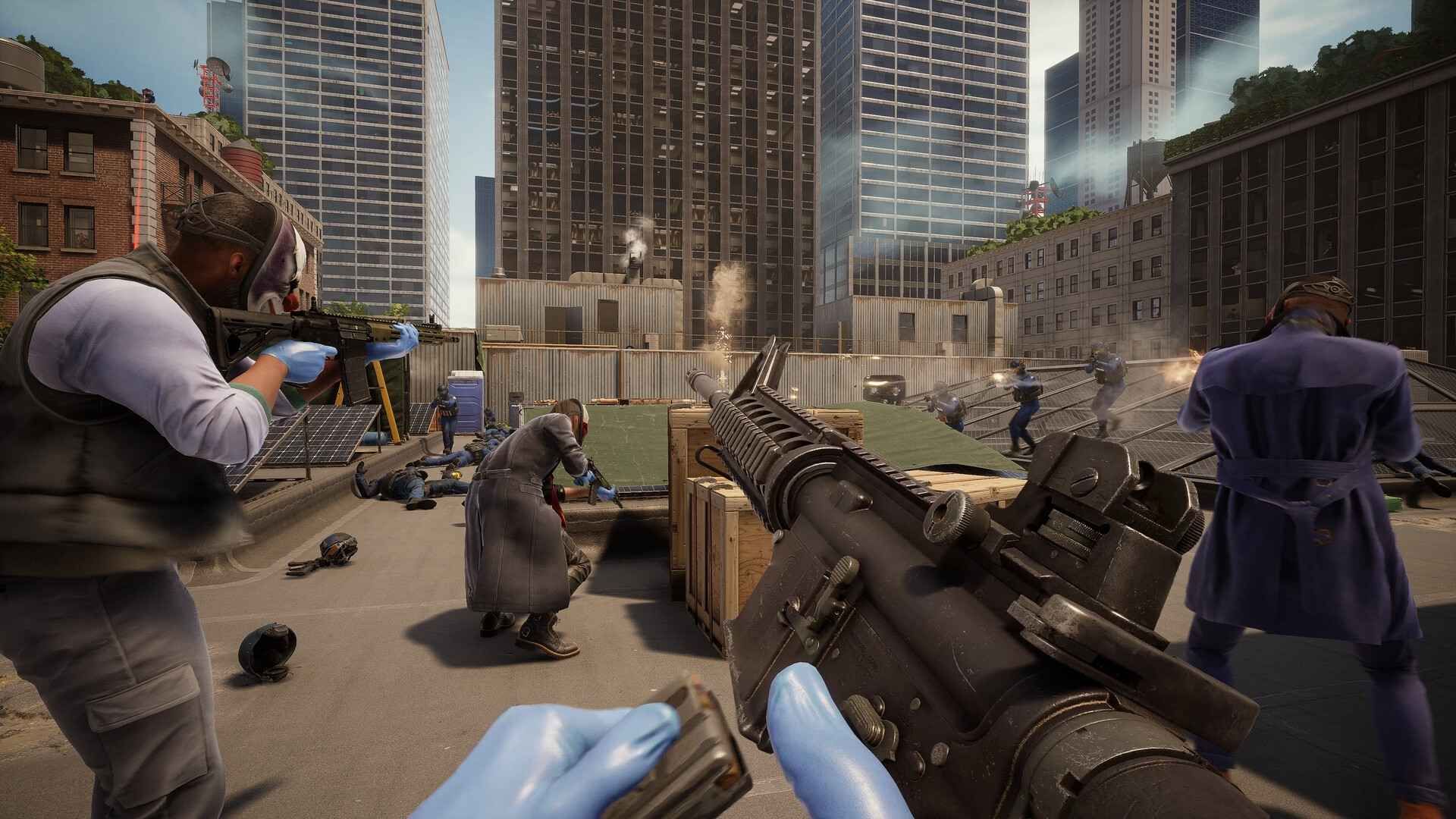
I remember when Payday 2 first came out, it was pretty rough, and the developers really had to work hard to fix it. But Payday 3’s launch was on another level of bad. They made you always be online, which felt weird for a game you could totally play solo, and the servers just completely crashed. Honestly, it was unplayable for days, and super unstable for weeks after. It felt like all the hype died before most of us even got a chance to play!
Once the initial server problems were fixed, the game struggled to find its place. It wasn’t clear whether it should stick with the fast-paced, over-the-top action of Payday 2 or become a more realistic and strategic experience. Trying to be both resulted in a game that didn’t excel at either. Frustrating glitches, like the infamous WiFi Circles, popped up constantly. Skills didn’t work well together, and the progression system often left players feeling like they hadn’t accomplished anything after completing a heist. Ultimately, players hoping for an improved Payday 2 experience found that this game felt like a downgrade in many important ways.
7. Dead Rising 4
A Game That Didn’t Understand Dead Rising
Steam
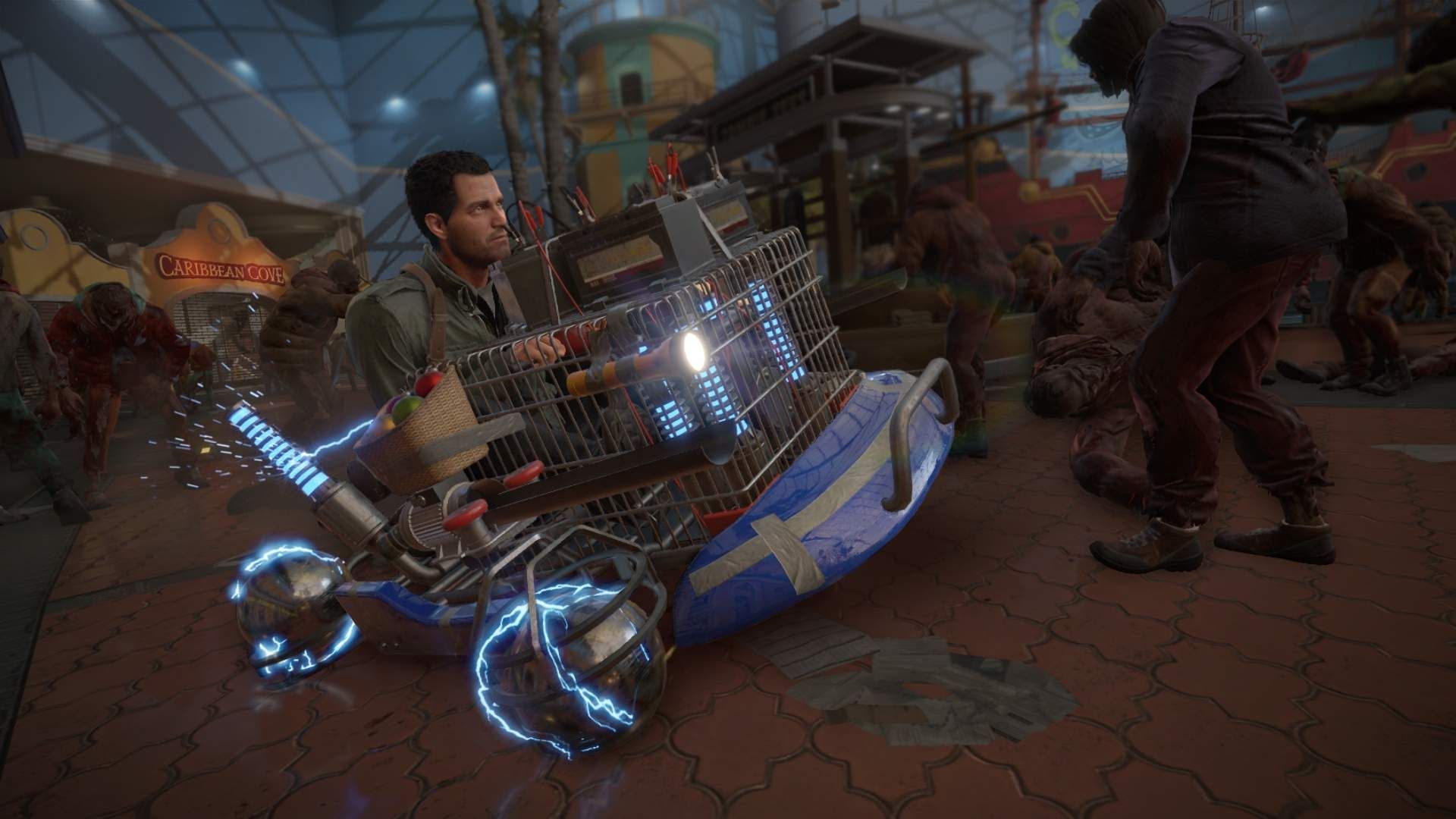
What made the original Dead Rising so effective was the feeling of constant pressure. The game’s timer created a sense of urgency – you were always aware that time was running out and people were in danger while you made decisions. Dead Rising 4 got rid of the timer, and with it, the tension, the feeling of needing to act quickly, and much of what made the series unique.
Frank West, once a charming and witty journalist, has been reduced to telling bad jokes. The intense, dangerous enemies are missing, and the combat feels off with mismatched sound effects. The story itself is poorly written, and even looks noticeably worse than Dead Rising 3. What’s most frustrating is the marketing – the developers claimed they were making this ‘for the fans’ and that they ‘loved the original games,’ yet the final product feels like it was created by people unfamiliar with what made those games special. It seems like the development team enjoyed making it, but it’s hard to say if anyone else did.
6. Spyro: Enter the Dragonfly
The Sonic 06 of the Spyro Franchise
YouTube via TheMoonRover
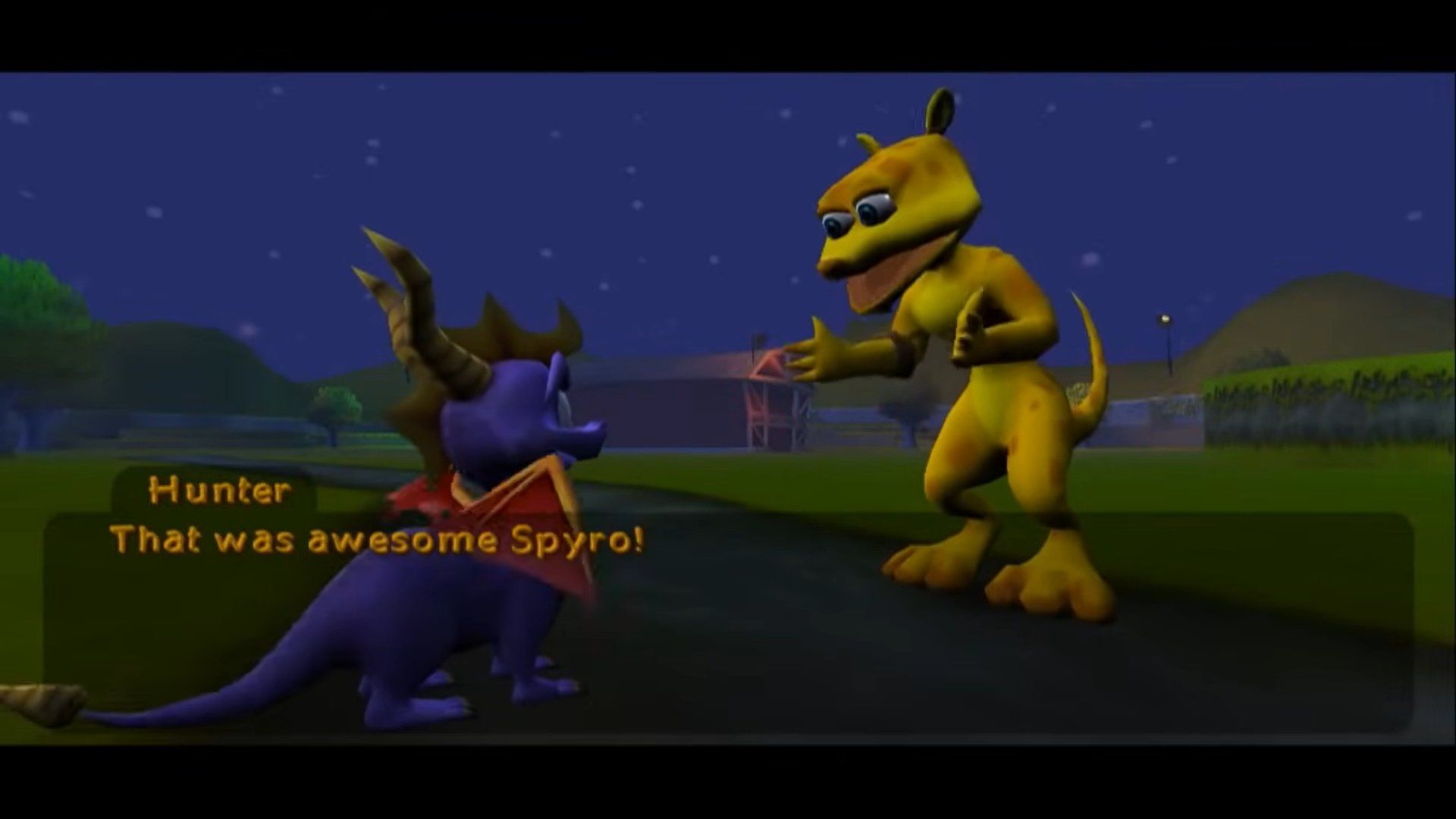
Spyro: Enter the Dragonfly isn’t a failure of creativity, but rather a technical mess. The levels themselves are decently designed – it’s a short game with one central area, eight levels, and a single boss – but the game is plagued by problems. Expect long loading screens, clunky controls, slowdown, a shaky framerate, and glitches, ranging from small annoyances to game-crashing errors. It even crashed on the options screen once – can you believe it?
This Spyro game feels rushed, like it needed more time in development. While it had some interesting ideas – like different types of breath attacks, including lightning – that were later improved upon in other games, the final product was ultimately flawed and unfinished. Fans seem to have largely agreed it’s best forgotten.
5. Saints Row: The Reboot
Not Just a Bad Saints Row Game, A Bad Game
Steam
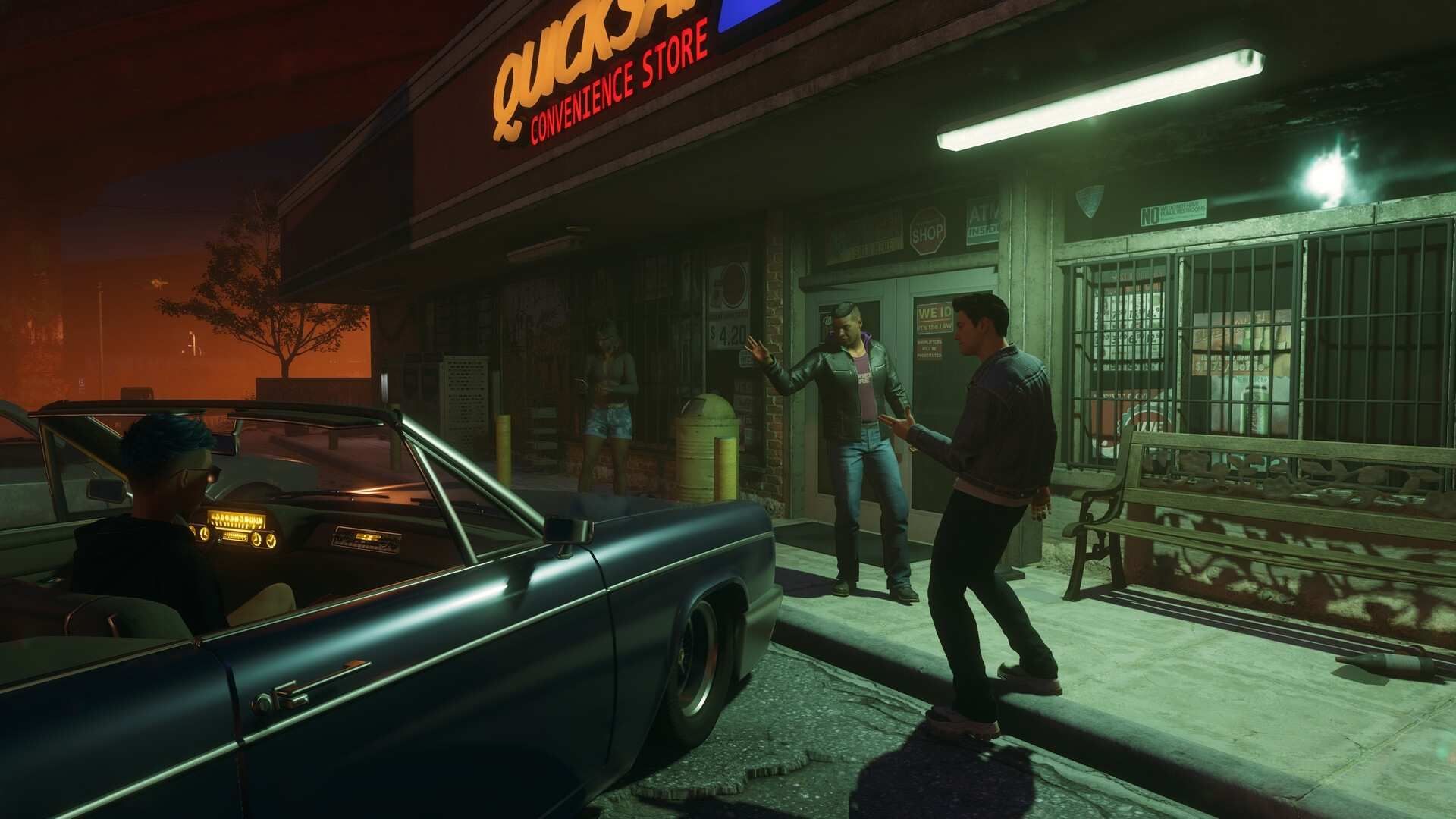
The new Saints Row game struggles with two major issues. First, it doesn’t really capture the spirit of what makes a Saints Row game fun. Second, even if you ignore that, the game is simply frustrating to control. Nothing feels good – driving is clunky, shooting is unsatisfying, and even hand-to-hand combat feels awkward. It’s a frustrating experience that’s immediately noticeable.
Adding to the problems, the actors just don’t have much personality. The plot is confusing – the characters suddenly form a gang over a desire for higher wages, spend a lot of time participating in a live-action role-playing game with no clear reason, and the villains are so poorly developed that one of them is defeated quickly. Previous games allowed characters to behave like mature adults, fully embraced the game’s world, and weren’t afraid to be completely over-the-top. In contrast, the reboot’s characters are detached, constantly sarcastic, and don’t feel like believable gangsters. They aren’t driven by a desire to be criminals, just to earn more money and pursue their interests, which really misses the point of what Saints Row is all about.
4. Paper Mario: Sticker Star
They Made Fighting Pointless
YouTube via packattack04082
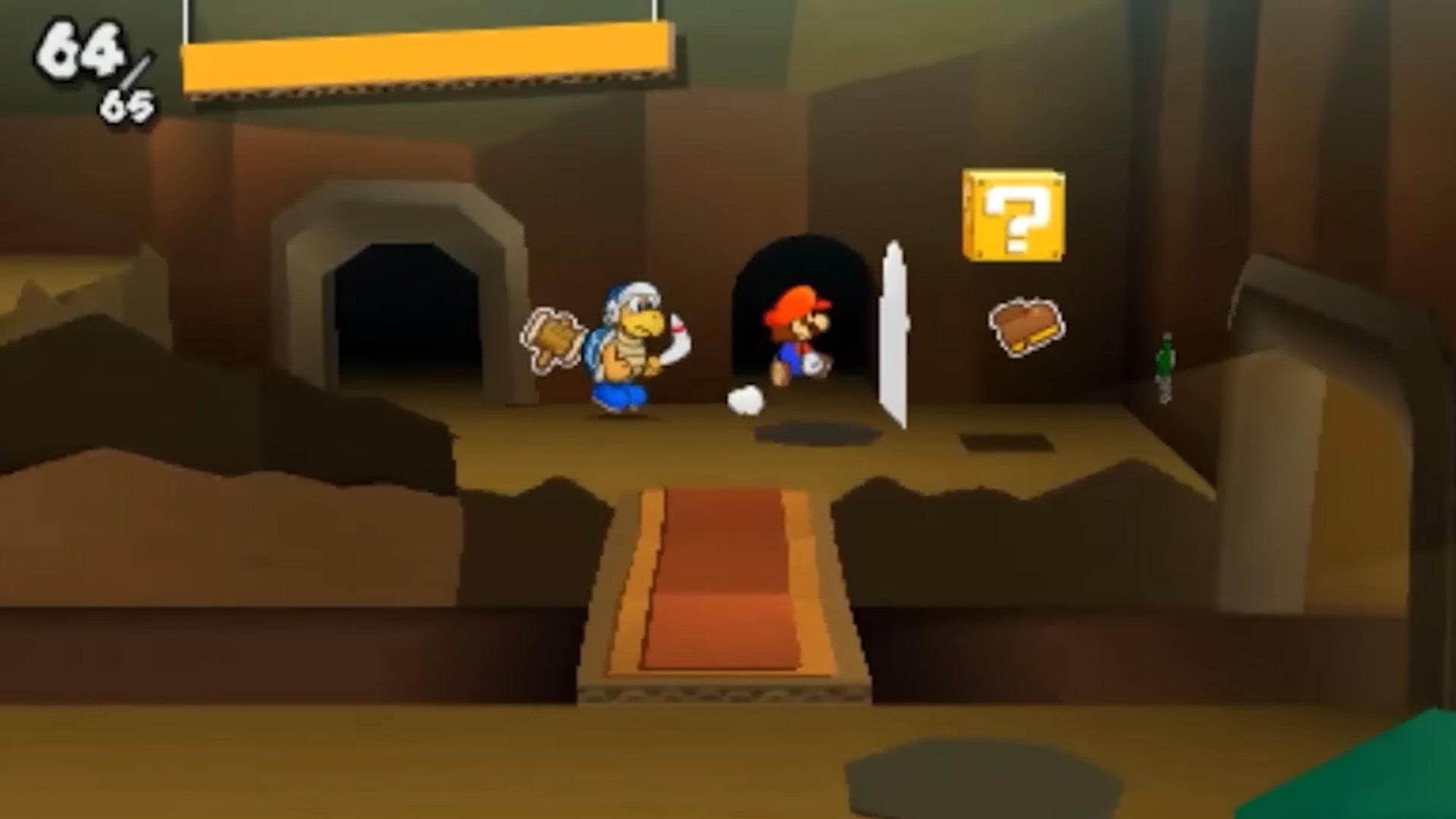
Paper Mario: Sticker Star did away with traditional experience points. Instead of leveling up, you earn coins by winning battles. These coins are used to buy stickers, which are then used in battles. This creates a strange cycle where fighting simply lets you fight more, without really getting stronger. The best way to play the game, and what it practically encourages, is to skip optional fights and save your best stickers for the battles you have to do.
I really enjoyed the mine cart level – it was surprisingly fun just waiting in line without any battles. However, the game has some major flaws. The sticker system doesn’t make much sense, the towns are filled with the same Toad over and over, and you can’t have a partner character. What’s really frustrating is that some areas are blocked unless you have a specific sticker, and you might have already used it or just missed picking it up, forcing you to replay levels to find it. The final boss being made of cardboard was a clever touch, but overall, the game feels poorly designed.
3. SimCity 5
They Promised a City Builder and Delivered a Server Error
Electronic Arts
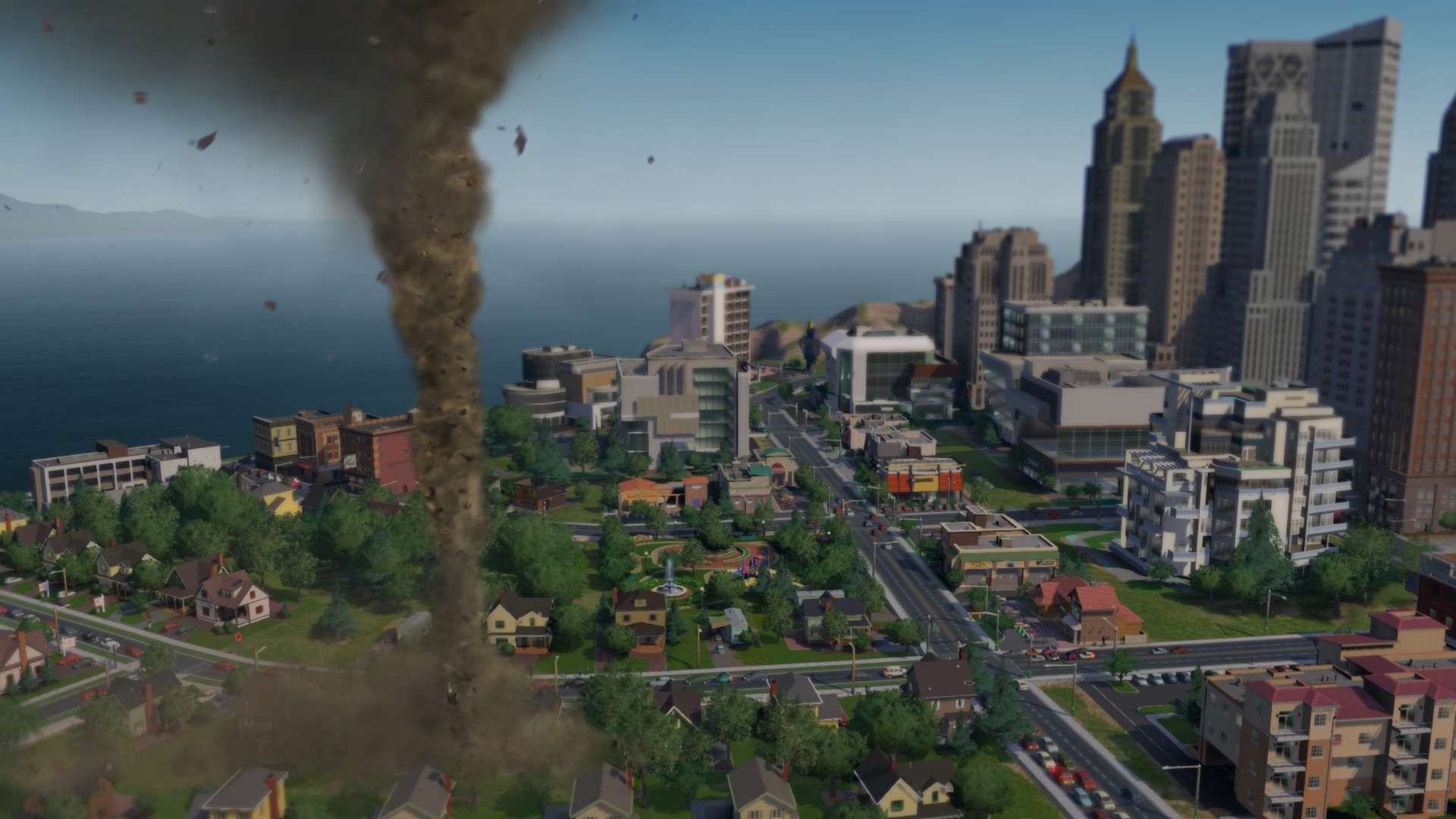
After a decade of anticipation, SimCity 5 finally arrived in 2013, but the launch was a disaster. The game required a constant internet connection, immediately crashed for many players, and stayed broken for almost a week. A Maxis developer later revealed the online requirement wasn’t for game functionality—the servers simply checked for cheating and saved progress. EA’s general manager admitted they hadn’t prepared enough server capacity, and she was right to do so.
Subscribe for deeper dives into franchise failures
When I finally got my hands on SimCity 5, I was surprised by how small the cities felt compared to SimCity 4. The big selling point was this new system where each person in the city was an ‘agent’ with their own life, but honestly, it didn’t work very well. People didn’t seem to have homes or jobs, kids were constantly switching schools, and traffic was just…weird. The easiest fix was to build one really long road so everyone could get where they were going! Plus, cities could actually run out of resources and just…die. Honestly, SimCity 5 didn’t really click with me, and I think its struggles are exactly what convinced Paradox to give Cities: Skylines a chance. And looking back, that’s probably the best thing that ever came out of it!
2. Mega Man X7
You Can’t Even Play as X for a Long Time
YouTube via StenchVanilla
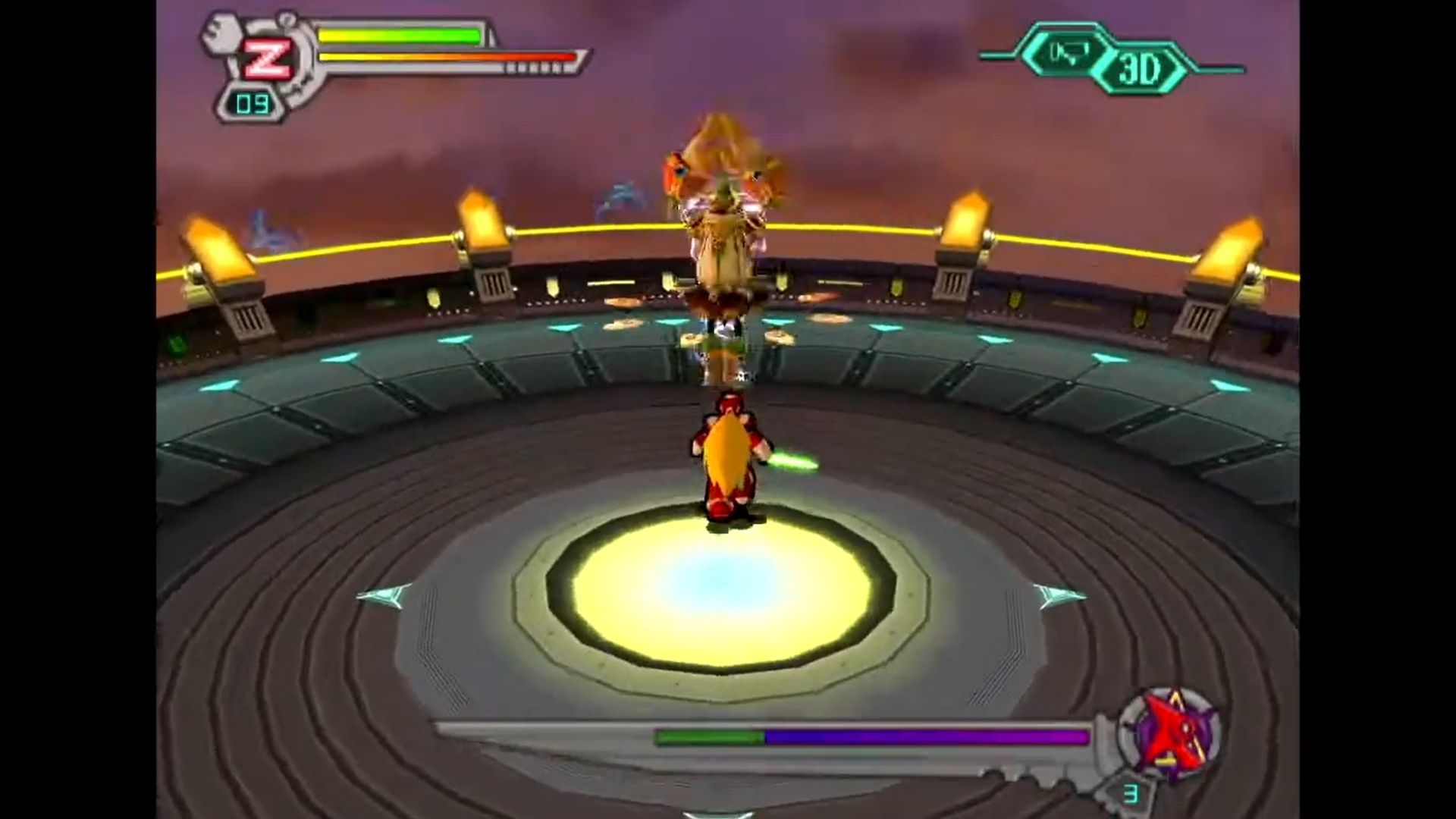
After the disappointing reception of Mega Man X6, Capcom tried something radically different with Mega Man X7. They switched to a cel-shaded, third-person view, combining 2D and 3D gameplay. Unfortunately, the game ended up feeling unbalanced, with uninspired levels, weak music, and repetitive gameplay. To make matters worse, the dialogue often cut off abruptly, leaving players confused and missing important details.
Perhaps the most frustrating thing about Mega Man X7 is that you don’t get to play as the main character, X, for the first half of the game. But the boss fight against Flame Hyenard perfectly sums up everything that’s wrong with the sequel. He constantly repeats the line “BURN TO THE GROUND!” while glitchy animations play and his behavior is unpredictable – it’s a chaotic mess that reflects the game’s overall issues.
1. Bomberman: Act Zero
Every Level Is Identical
YouTube via Game Network ™
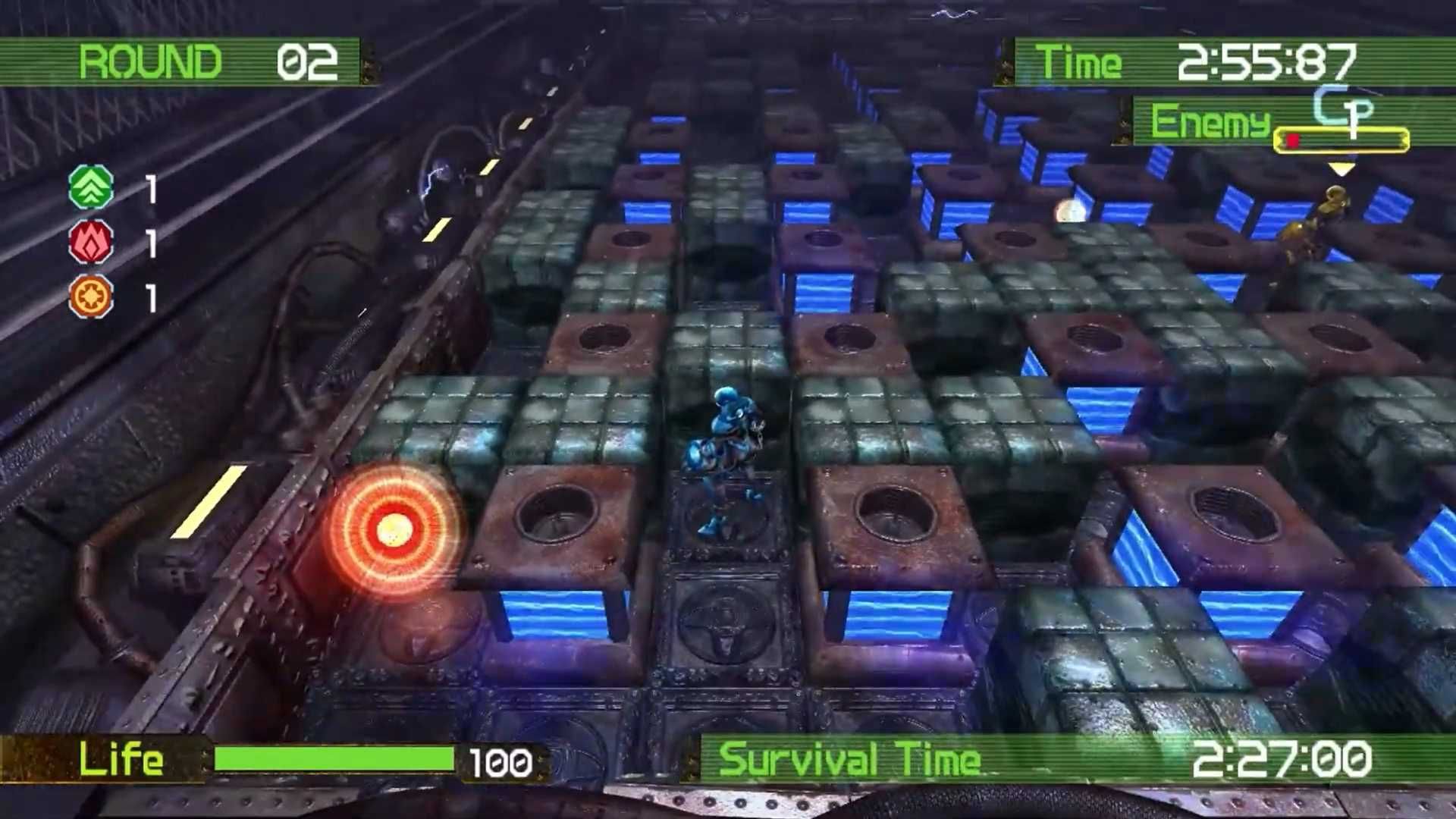
Bomberman: Act Zero drastically changed the classic Bomberman formula. The original games were known for their colorful style and imaginative levels, but this new version tried to become a dark and gritty shooter. It strayed so far from what made Bomberman special that it felt like a completely different game simply using the familiar name.
The game suffers from numerous flaws that make it frustrating to play. The controls feel imprecise, the computer opponents are unfair, and the loading screens take forever. To make matters worse, the music is unpleasant, and all the levels look exactly the same – they don’t even bother to change the basic design. Each match feels identical to the last, offering no variety or incentive to continue. It’s remarkable how the game manages to strip away everything enjoyable about Bomberman and replace it with nothing worthwhile.
Read More
- Off Campus Season 1 Soundtrack Guide
- Chainsaw Man Volume 24’s Cover Art Reveals a Brand-New Denji
- X-Men ’97 Finally Gave Gambit the Hero Moment He Deserved
- 46 Years Later, The Mandalorian & Grogu Answers A Major Empire Strikes Back Question
- HoI4 fans harsh reactions to the announcement of another DLC pack
- 10 Worst End-Game Couples In Sitcom History
- Katanire’s Yae Miko Cosplay: Genshin Impact Masterpiece
- DoorDash responds after customer uses AI to make food look bad and get a refund
- Emily Henry Says to ‘Trust the Vision’ For Beach Read Adaptation
- Hatsune Miku cosplayer goes viral selling $15 cups of “foot juice” to thirsty anime fans
2026-05-31 16:48