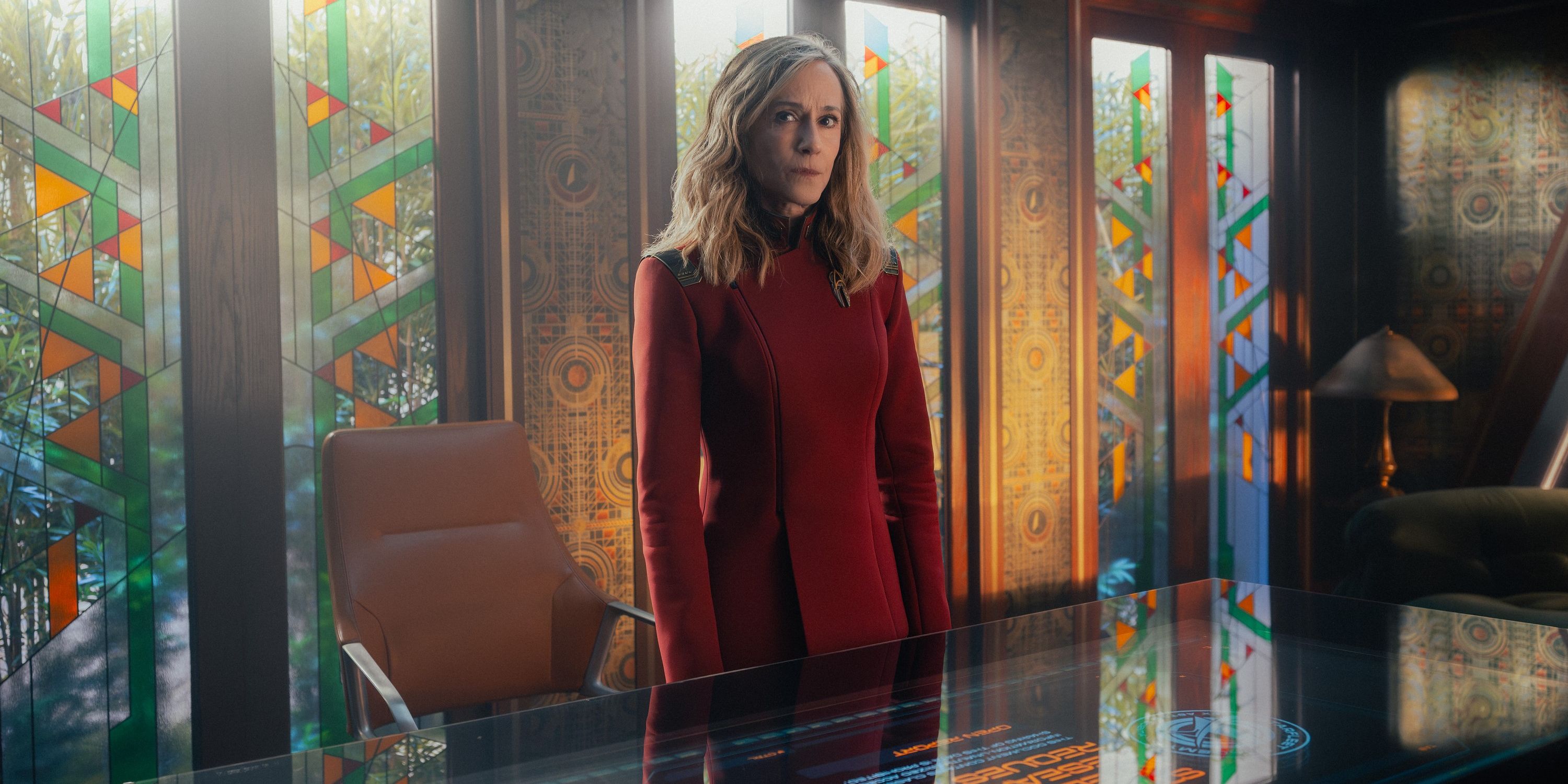
Over the last decade, a particular streaming service launched more new shows than it had in the previous fifty years. However, following a combination with Skydance and with a potential merger with Warner Bros. on the horizon, all of those shows have now been canceled. While this reset is meant to revitalize the well-known franchise, the recent cancellation of another series is causing some concern.
With Star Trek television shows ending, Paramount is focusing on a brand new movie to bring the franchise back to life in theaters. They believe the key to success for this 60-year-old series is offering fans a completely fresh perspective. Meanwhile, CBS recently canceled a new Star Trek series starring a doctor who, notably, is from Pittsburgh – the same hometown as the show’s creator, Craig Sweeny, who also worked on the original Star Trek.
Watson and Star Trek Share More In Common Than Their Series Creators
Sherlock Holmes has been adapted countless times since his first appearance in A Study in Scarlet almost 140 years ago. Despite all these versions, the character of Watson stands out as particularly distinctive.
The series prominently featured the doctor as the main character and established them as a Pittsburgh native. Alongside returning characters like Moriarty, Irene Adler, and Shinwell Johnson, four new young doctors joined the world of Sherlock Holmes. This version of the story was notably different from other adaptations.
Even though both series are available on Paramount+, the many different versions of Arthur Conan Doyle’s stories mean the Sherlock Holmes shows aren’t as similar as Star Trek and Hulu’s The Orville. Unlike Star Trek fans, who appreciate a consistent universe, viewers of Sherlock Holmes adaptations anticipate and accept big differences in style and separate storylines.
I’ve been following the news about the potential Watson film, and honestly, I’m really worried. Apparently, if Paramount doesn’t fully back the project, the whole thing could fall apart. What’s particularly concerning is that it would be the first Star Trek movie in a long time not directly connected to an existing TV show – which is a big deal for us fans! We’re passionate about Gene Roddenberry’s vision, and we really care about maintaining the established storylines and history, so we’re hoping whoever takes the lead understands that.
That might explain why people didn’t notice. The Star Trek film Ellison mentioned at CinemaCon was actually revealed some time ago, but another potential movie was also being considered then. Since the 2016 release of Star Trek Beyond, seven new Star Trek series with several seasons have premiered, and roughly twice as many film ideas have been abandoned, disappearing as quickly as Beverly Crusher did at the beginning of the episode “Remember Me.”
Look, for a decade, the movie side of Star Trek just couldn’t crack a script that worked. But Alex Kurtzman’s team? They churned out an impressive 261 episodes and managed to get the Section 31 movie made. That film, set in the intriguing “Lost Era,” was a Star Trek story unlike anything we’d seen before… and honestly, most fans – and critics, myself included – really didn’t like it.
Star Trek’s Cycle of Death and Resurrection Is the Result of Paramount Business Deals
Many fans know this isn’t the first time Star Trek has faced trouble on TV. It seems to happen whenever there are big changes happening behind the scenes at the studio – it’s a recurring pattern.
Just before the second season of the original Star Trek aired, Paramount Pictures purchased Desilu Studios, which unexpectedly included the rights to Star Trek. The show was very costly to produce, and Lucille Ball had agreed to share the expenses with the network. Because of this financial burden, Paramount was happy when…
The studio agreed to share production costs with the understanding that they would keep the rights to show the series again later. Even though it didn’t have the standard 100 episodes, Star Trek: The Original Series quickly became the most popular hour-long drama in reruns and remained that way for a long time. This success, along with strong fan support, convinced NBC to revive the show as a Saturday morning cartoon. When the cartoon was canceled, facing similar difficulties, Paramount ordered several movie scripts that never made it to production.
Honestly, Paramount was really flip-flopping about how to handle this project. They couldn’t decide if it should be a cheap, fun movie for theaters or a series of films made for TV. But then Star Wars and Close Encounters both became huge hits, and that finally convinced them to go all-in on a proper, big-screen movie!
Despite a fraught production and tepid reception, The Motion Picture became a success. It also made .
Star Trek’s Second Wave Achieved Paramount’s Dream Before Taking the Fall for UPN
During the mid-1980s, Paramount tried for a second time to start a new television network, but the effort failed, just like the first. Any follow-up shows never achieved the success of the originals, and the venture proved to be expensive. Fortunately, Star Trek IV: The Voyage Home turned out to be their most financially successful movie to date.
Even twenty years after it first aired, the original 78 episodes of Star Trek remained incredibly popular in reruns. TV stations were eager for more Star Trek content, which led to The Next Generation being the first hour-long drama to premiere in syndication. Although it was still a costly show to produce, syndicated series benefited from lower minimum payments to union workers.
The first episode of The Next Generation didn’t make or lose much money. However, despite a slow beginning, the show lasted for over twice as long as The Original Series. As the Star Trek movies and The Original Series sequel were coming to a close, Paramount decided to create another spin-off, Deep Space Nine. One year after it premiered, the first movie featuring the cast of The Next Generation was released in cinemas.
A year later, Paramount launched its own network, and Star Trek: Voyager premiered in 1995 as its main show. By early 2005, it had become the network’s most popular program. However, new management blamed declining ratings on Star Trek and decided to divide Paramount into two separate companies by the end of that year.
It feels like history repeating itself with Star Trek. The movie division hoped a reboot would revive the franchise, much like they did before. When the film Beyond didn’t perform well in 2016, the television side stepped in with the streaming series Star Trek: Discovery as its main offering. Now, after being sold to Skydance and with a potential merger with Warner Bros. on the horizon, the cycle seems to be starting all over again.
Both Watson and Star Trek Are Casualties of Paramount’s Post-Merger Problems
Beyond the discussions about how fans are reacting and streaming numbers, there’s the Skydance merger to consider. The newly formed company already has $14 billion in debt, and if its deal with Warner Bros. is finalized, that debt could soar to $79 billion – exceeding the combined projected revenue for both companies in 2025.
Even before the merger was finalized, Paramount was deeply in debt and needed to reduce spending. Like previous management teams, they’ve started by canceling Star Trek. However, this is the first time Paramount has ended a TV series while still hoping a movie will turn things around. Regardless of whether it’s due to financial pressures or a lack of long-term vision, that movie will have only one opportunity to be a success.
It’s fair to say that recent Star Trek shows need to try new things and move beyond constantly featuring old favorites. While even the best Star Trek series took time to find their footing, Paramount has just demonstrated a lack of patience for that process. A promising storyline involving Sherlock Holmes was apparently dropped, suggesting they weren’t willing to give a new idea the chance it deserved.
It took two seasons for the new Star Trek shows to find their footing, and this could be a crucial moment for them, much like Season 3 was for The Next Generation. However, like Enterprise before it, these series are currently limited by being available only on Paramount+. If shows like Discovery or Strange New Worlds were to move to a more widely-used streaming service like Netflix or Prime Video, they would likely attract a much larger audience, just as previous Star Trek shows have done.
History suggests things will likely work out, and leaders will take credit for solving a problem they actually caused. A perfect example of this is how Star Trek is expected to innovate to succeed, yet a new and different take on Sherlock Holmes was cancelled for being too unusual.
All episodes of the two-season show Watson are now available on Paramount+, along with a wide range of Star Trek movies and series.
Read More
- Off Campus Season 1 Soundtrack Guide
- Euphoria Season 3’s New R-Rated Sydney Sweeney Scene Proves The Show Is Trolling Us
- Gold Rate Forecast
- What is Omoggle? The AI face-rating platform taking over Twitch
- Man pulls car with his manhood while on fire to raise awareness for prostate cancer
- Popeye Slasher Horror Film Officially Kicks Off Production on ‘Bigger & Bloodier’ Sequel
- Detonate codes (December 2025)
- Why is there no Jujutsu Kaisen this week? Missing Season 3 Episode 8 explained
- Crimson Desert Guide – How to Pay Fines, Bounties & Debt
- Jailbreak codes (April 2026)
2026-05-15 14:41