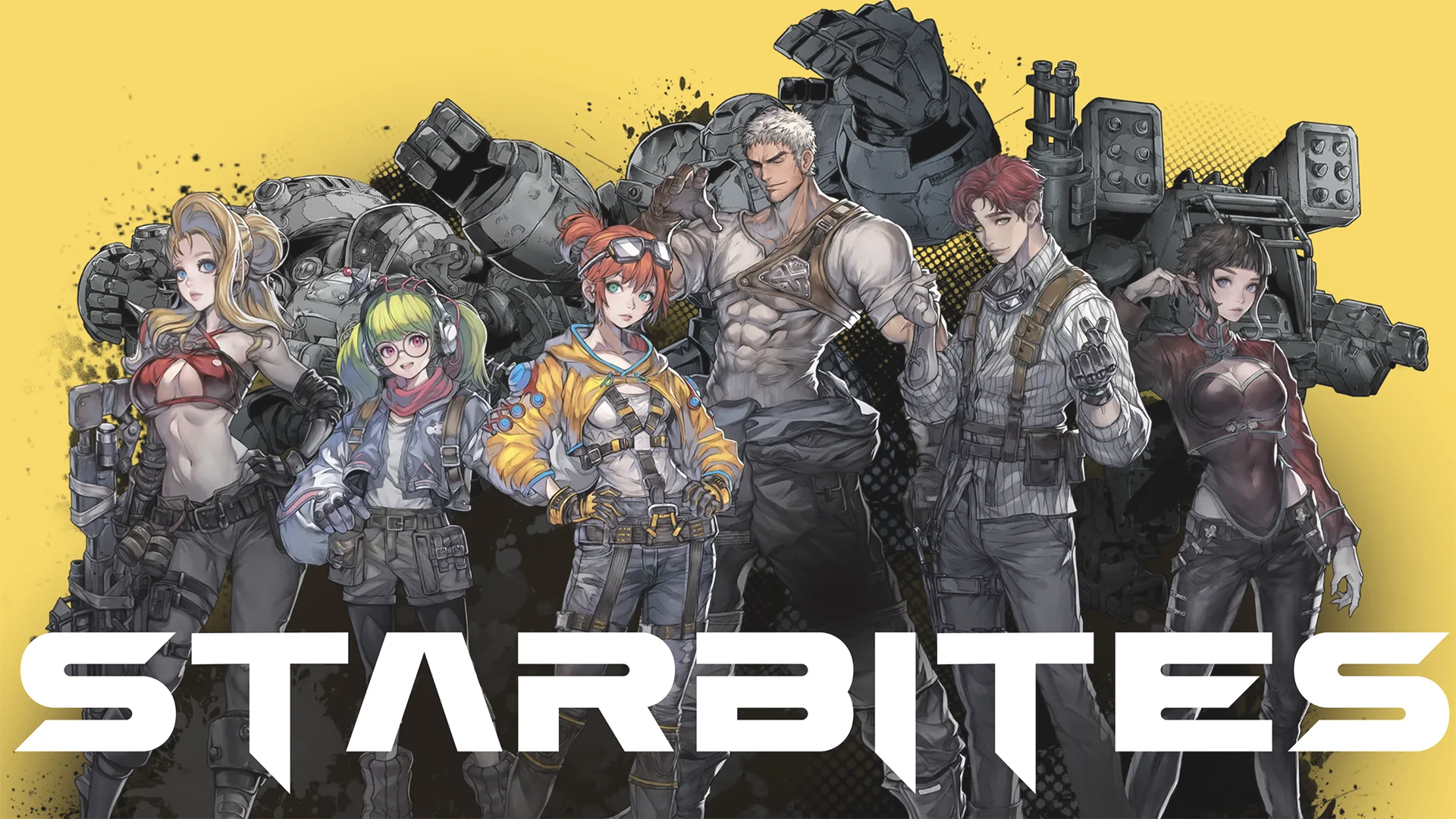
Ikinagames is a Korean game studio founded in 1995, known for making platformers and visual novels. Their newest game is Starbites, a turn-based RPG created by fans of Japanese RPGs—which is why I was eager to review it. It’s a bit funny to call a Korean RPG a JRPG, but the game clearly takes inspiration from the genre, and the developer themselves have labeled it as one.
Compared to typical JRPGs, Starbites features familiar elements like turn-based battles, a straightforward story, a bright and cartoon-like art style, and a set group of characters who grow and change as the game progresses. While Starbites doesn’t reinvent the gameplay, I was pleasantly surprised by its story.
Okay, so I really enjoyed Starbites, but it’s not perfect. There are a few bugs that they’re already planning to fix, which is great. My biggest issue, though, is that the game sometimes feels a little slow and the battles can get repetitive – I worry that might frustrate some people. But honestly, if you’re looking for a JRPG experience that doesn’t require a massive time commitment – I’m talking less than 24 hours! – this is a really good choice. I actually finished the game and got the platinum trophy in just 24 hours, so that tells you how engaging it was despite its flaws.
A Devastated Sci-fi World
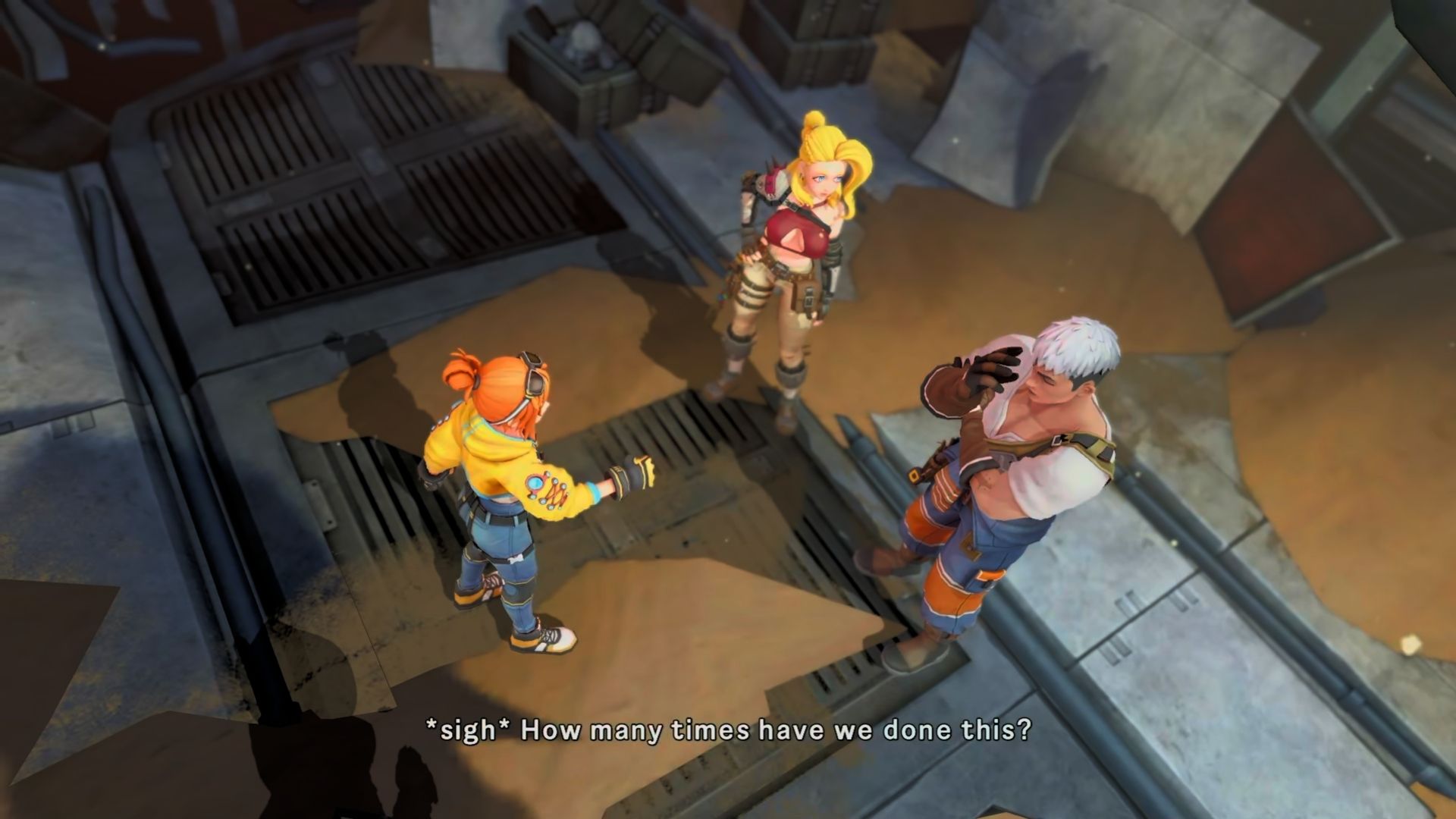
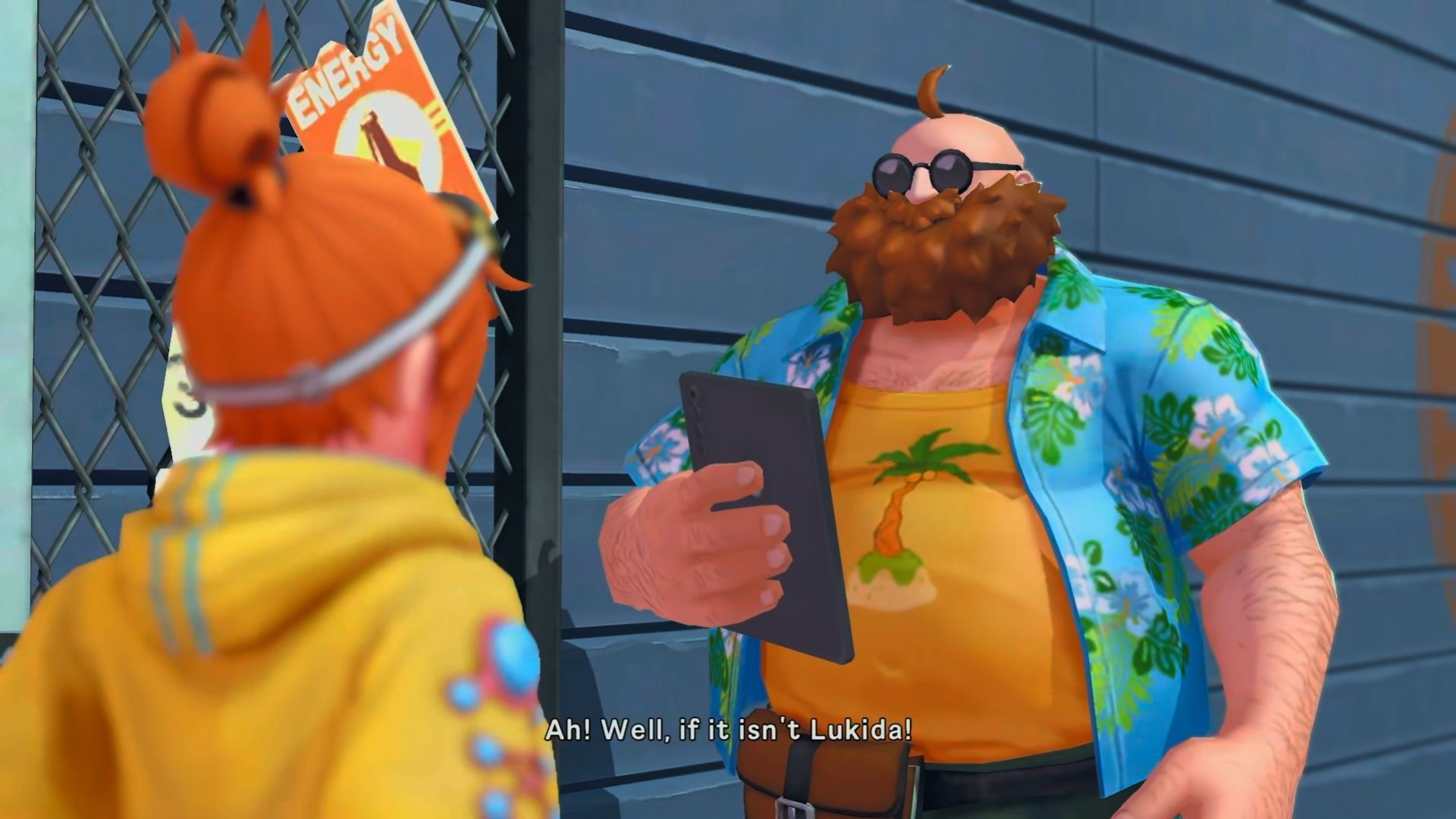
Starbites is set on Bitter, a desert planet scarred by a past interstellar war. Players control Lukida, a scavenger burdened with the biggest debt on the planet. This debt is owed to Fennec, who effectively rules the only working city, Delight, and therefore holds power over all of Bitter. As Lukida’s debt increases, she realizes that leaving the planet is her only option, and this desire kicks off the game’s story.
Okay, so the main story is basically me running all over this awful planet, Bitter – seriously, it’s a dump, and everyone there is just…used to being miserable. I’m playing as Lukida, and I’m constantly trying to escape, but it feels like every time I get close, something else goes wrong. Honestly, a lot of the problems are my fault. I’m a bit of a whirlwind – I love scavenging for gate parts, but I usually end up breaking the gate in the process! Then I try to sell the parts, get caught, and my debt just keeps piling up. But hey, I never get too down about it, and I’m already planning my next crazy scheme!
Lukida begins her journey with Badger, a skilled engineer, and Gwendol, a bounty hunter struggling with alcohol. While Lukida has some understanding of their histories, the game reveals their backstories gradually and naturally, without interrupting the main plot. The game features a memorable cast of characters, including additional companions, who are all engaging and well-developed, creating a believable dynamic and strong relationships. What really stood out was how intelligent the characters are – they aren’t conveniently unaware of things just to move the plot forward, and often understand events as they unfold alongside the player.
The story unfolds in a familiar way: we’re introduced to the world, its people, and why we should be invested, before a main problem arises and a lot of backstory is revealed to tie everything together. It’s not a revolutionary plot, and you won’t find any mind-blowing surprises. While the story occasionally takes convenient turns to move things forward, it remains surprisingly clear and enjoyable, ultimately delivering a fitting conclusion.
The game’s visuals are fantastic, with lovely character designs. Though the artwork and 3D models have slightly different styles – I personally prefer the artwork – both look great. The cutscenes, while short, are well-animated and the characters are very expressive, particularly Lukida, who benefits from some clever camera work. The English voice acting is also excellent, bringing each character’s personality to life.
Even though the story occasionally relies on easy solutions to allow for future developments, the script is surprisingly well-written and provides a satisfying conclusion.
As someone who really gets into game worlds, I loved how much extra story there was to find! It wasn’t just handed to you – you had to explore maps for documents and even read item descriptions to learn things. One character in particular, they never just tell you their story. Instead, you slowly figure it out through little bits of the plot, what other characters say, and even the names of their abilities. It was perfect for me – by the time the game ended, I felt like I truly understood them, and any more explanation would have felt unnecessary. Honestly, the writing and story in Starbites are really well done, even if sci-fi fans will probably recognize a lot of the familiar tropes.
While generally well-paced, Starbites feels a bit longer than it needs to be, even for a shorter JRPG. Some enemy encounters or even entire sections of certain areas could have been cut without impacting the main story. I was misled three times into thinking the game was ending, only to discover another dungeon. Removing this unnecessary content would have made for a tighter, more focused experience.
Turn-based Battle Inspired by Turn-based JRPGs
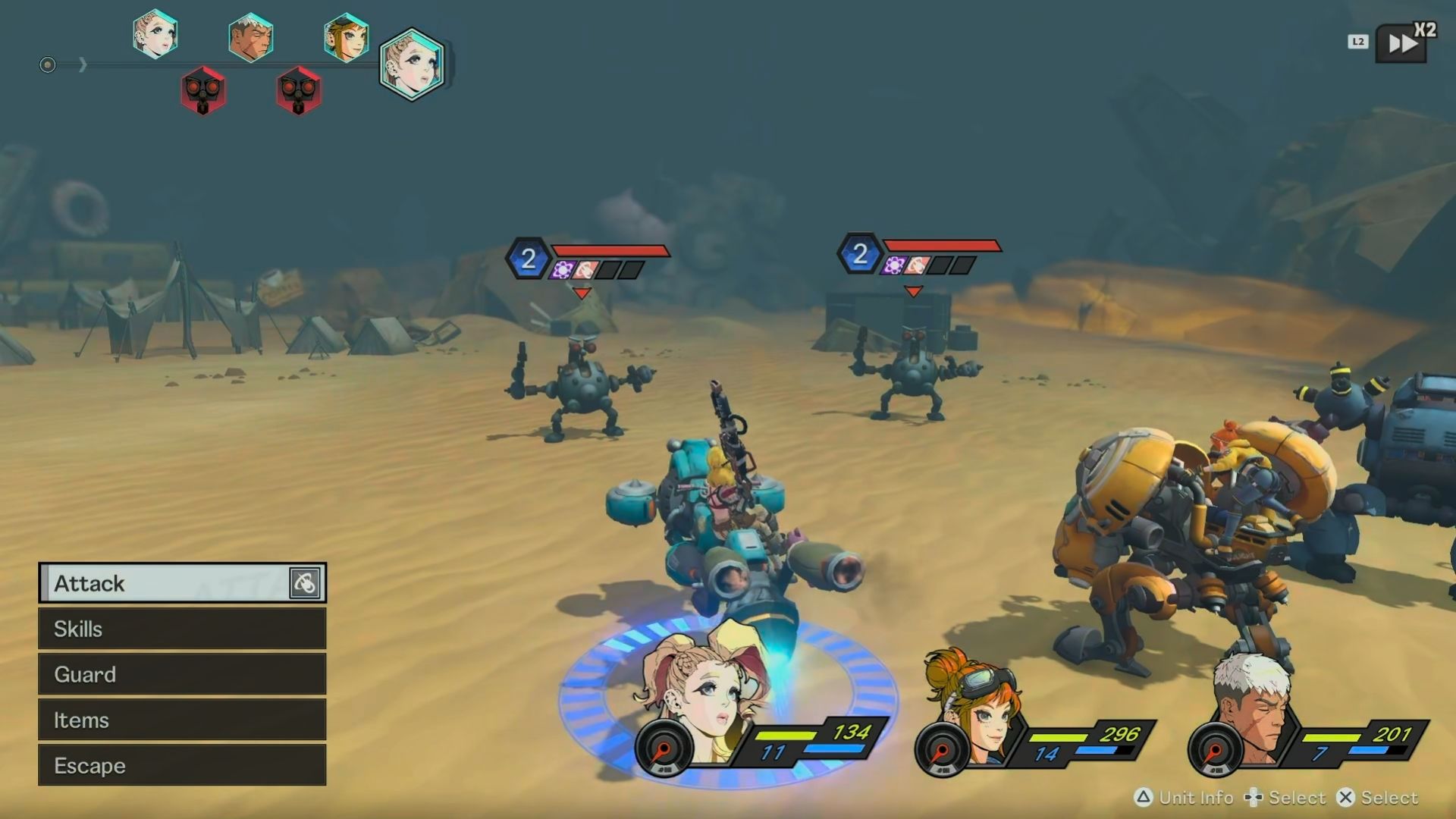
Battles in Starbites work like most turn-based games. Each character pilots a Motorbot mech, and when you encounter enemies, the game shifts to a battle screen. Turns happen according to a timeline, showing the order each character and enemy will act. Enemies have different weaknesses to various attack types – like piercing, burning, or slashing – and become stunned for a turn when their shields are broken, a mechanic similar to the one in Octopath Traveler.
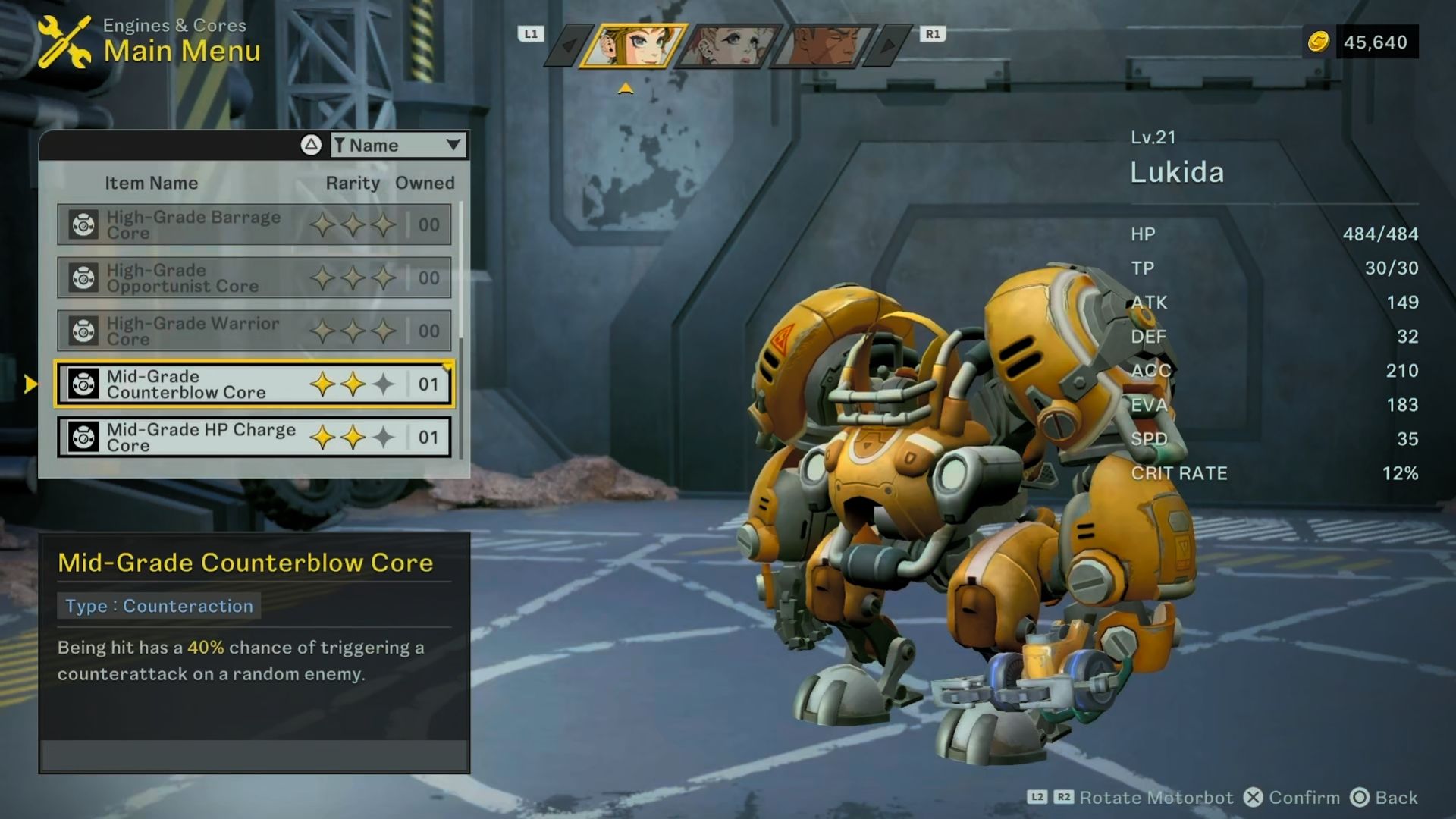
The game lets you craft accessories, and most equipment works like it usually does in other games. While the developers didn’t say anything about customizing mechs, I expected it given that the game features them. However, customization is limited to changing how your Motorbot looks. All characters can wear any armor, but they’re restricted to weapons suited to their specific strengths and weaknesses, and abilities that cover a range of enemy types.
Starbites uses a classic RPG formula, and it works well because of that. If you’ve played similar Japanese RPGs, you’ll recognize the gameplay. If not, it’s still quite enjoyable! The game adds a unique feature called Driver’s High. When a meter fills up, you can instantly give a turn to a character and use a more powerful version of their skill, similar to S-Crafts in the Trails series. However, the effectiveness of these empowered skills is somewhat inconsistent due to issues with the talent tree.
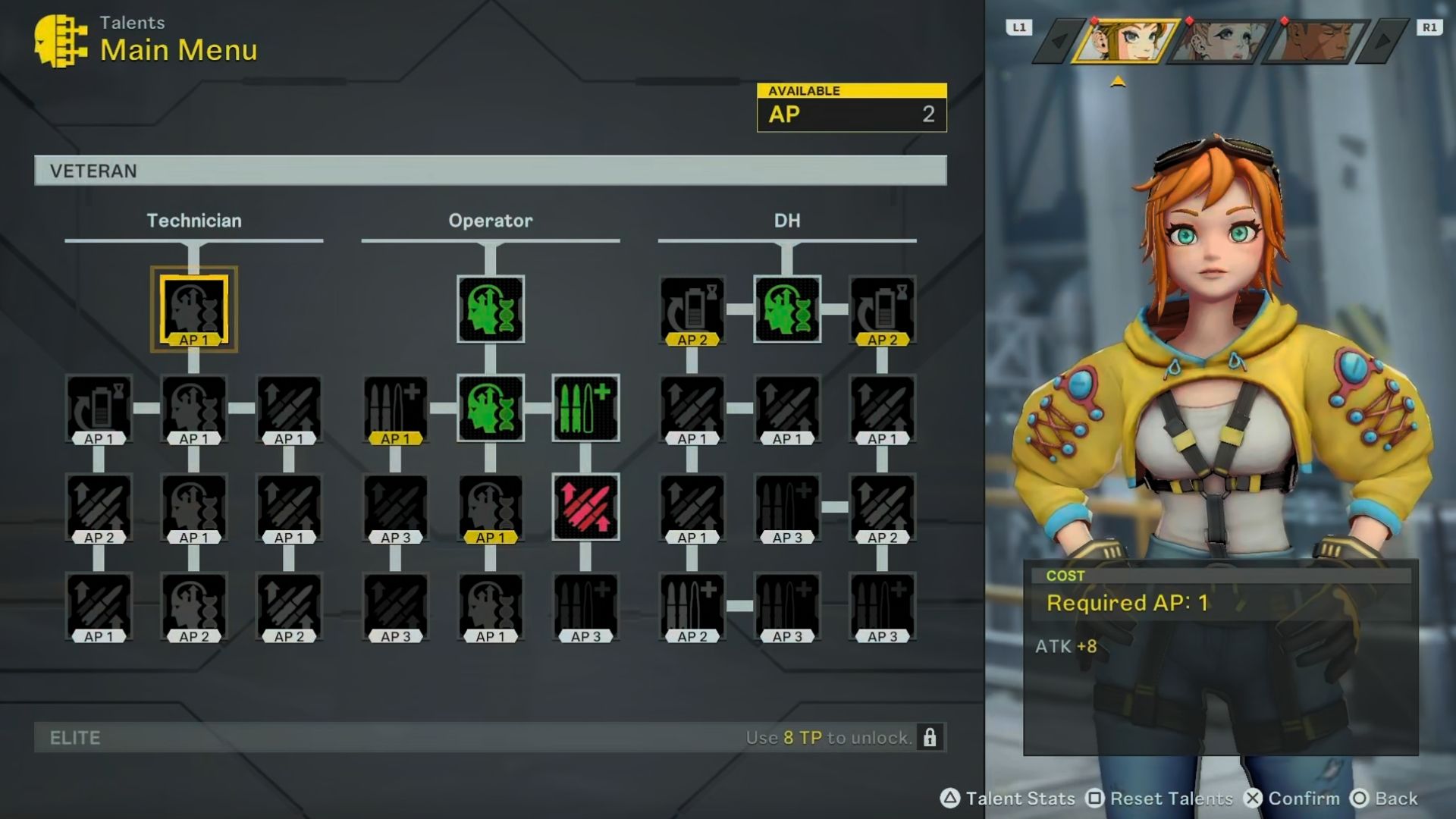
As characters gain levels, they unlock new abilities and earn Talent Points. These points are used to customize their skills and stats through talent trees. Each character has three main trees: one focused on offense, one on support, and one called Driver’s High. However, improving a skill in its basic form doesn’t carry over when you upgrade to the Driver’s High version. You have to invest points directly into the Driver’s High tree to improve those skills, which felt strange to me. Because of this, I avoided putting points into the Driver’s High tree until I absolutely had to.
Starbites uses a classic approach, and that’s its strength. You might recognize the gameplay from other JRPGs, and if you haven’t played those before, you’re in for a good experience.
I enjoyed the game for the first ten hours or so, but it started to feel repetitive after that. It’s common for indie JRPGs to have balance issues where characters become overpowered quickly, and this game was no exception. I really liked figuring out enemy weaknesses and experimenting with different skills and party members to keep things interesting. However, I eventually discovered a winning strategy that worked almost every time, usually within the first or second turn – and that was while playing on the Hard difficulty setting!
To win, I just had to maximize my characters’ attack power and use area-of-effect skills constantly, which made Starbites feel repetitive. By the later parts of the game, I found myself playing on autopilot. Boss fights were the exception – they actually required some thought and strategy. However, bosses were rare, and I encountered many easier battles instead. The first boss didn’t appear until about six hours in, and I actually wanted more challenging fights like that instead of the endless stream of simple encounters.
Thematically Appropriate, but Superfluous Ambiance
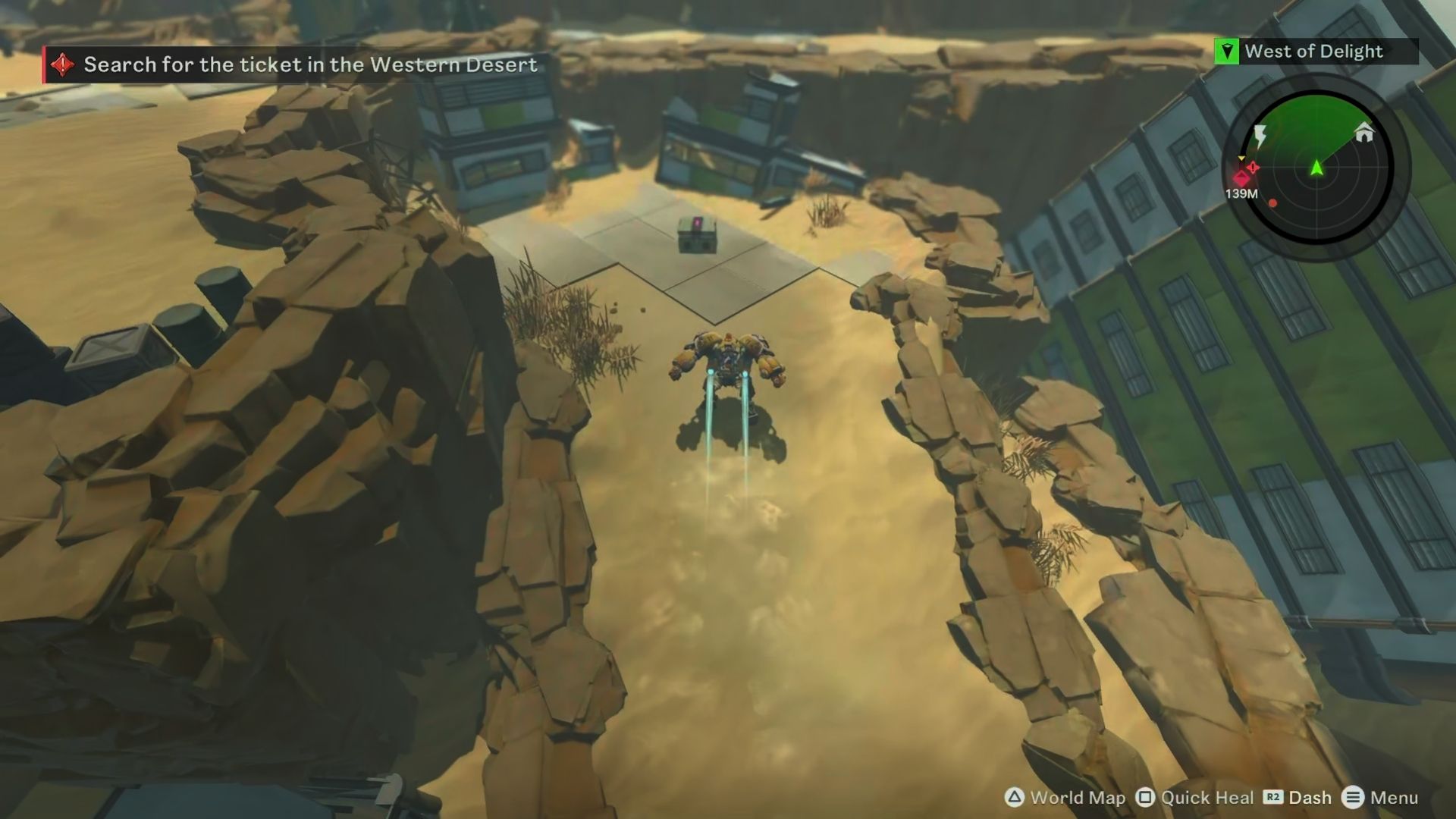
Bitter is a desert planet, so most of the game takes place in sandy, barren landscapes. While fitting the theme, it can become repetitive. Though there are occasional different environments, you’ll mostly explore a vast, sandy world from a top-down perspective, similar to older Japanese role-playing games. You’ll also find a handful of dungeons that look artificial and mechanical as you search for items, resources, and the occasional puzzle.
Subscribe for More Indie JRPG Insights and Picks
Exploring in this game is really rewarding. While you can get small improvements by rushing the main story, taking the time to search will quickly show you how generous the game is with powerful items. This generosity sometimes made battles too easy, as I often found weapons that instantly doubled my strength. But honestly, I didn’t mind being overpowered – my love for discovering secrets, likely from years of playing JRPGs, always drove me to keep searching, even if it meant finding ridiculously strong gear instead of just basic supplies.
I especially enjoyed the scanner feature. It points you towards your main quest, which, as any JRPG fan knows, is a signal to ignore it and thoroughly explore everything first! It’s great. The sidequests in Starbites also subtly add to the game’s world. They mostly involve fetching items, defeating enemies, or exploring areas, but the rewards – often found in chests – make them worthwhile.
The music was a real highlight of the exploration experience. Junho Bae, the founder of Ikinagames, praised Producer dk’s work, and it truly delivered. Each track perfectly matched the game’s environments, making the desolate planet feel alive as I discovered it. The boss music was particularly impressive, ranging from fast-paced electronic sounds to powerful guitar and drums – it had that classic, grand fantasy vibe we all enjoy. While a Latin chorus would have been the perfect finishing touch, it’s a minor omission and easily overlooked.
The music in Starbites is fantastic, but the sound effects and audio feedback need improvement, particularly during combat. Many attacks feel weak and lack impact – Gwendol’s sniper rifle, for example, sounds like it’s firing rubber bullets. Some boss attacks are missing sound effects altogether, which is especially noticeable and disappointing during the final battle. The publisher has promised a day-one patch, so hopefully these issues will be addressed at launch.
Closing Comments
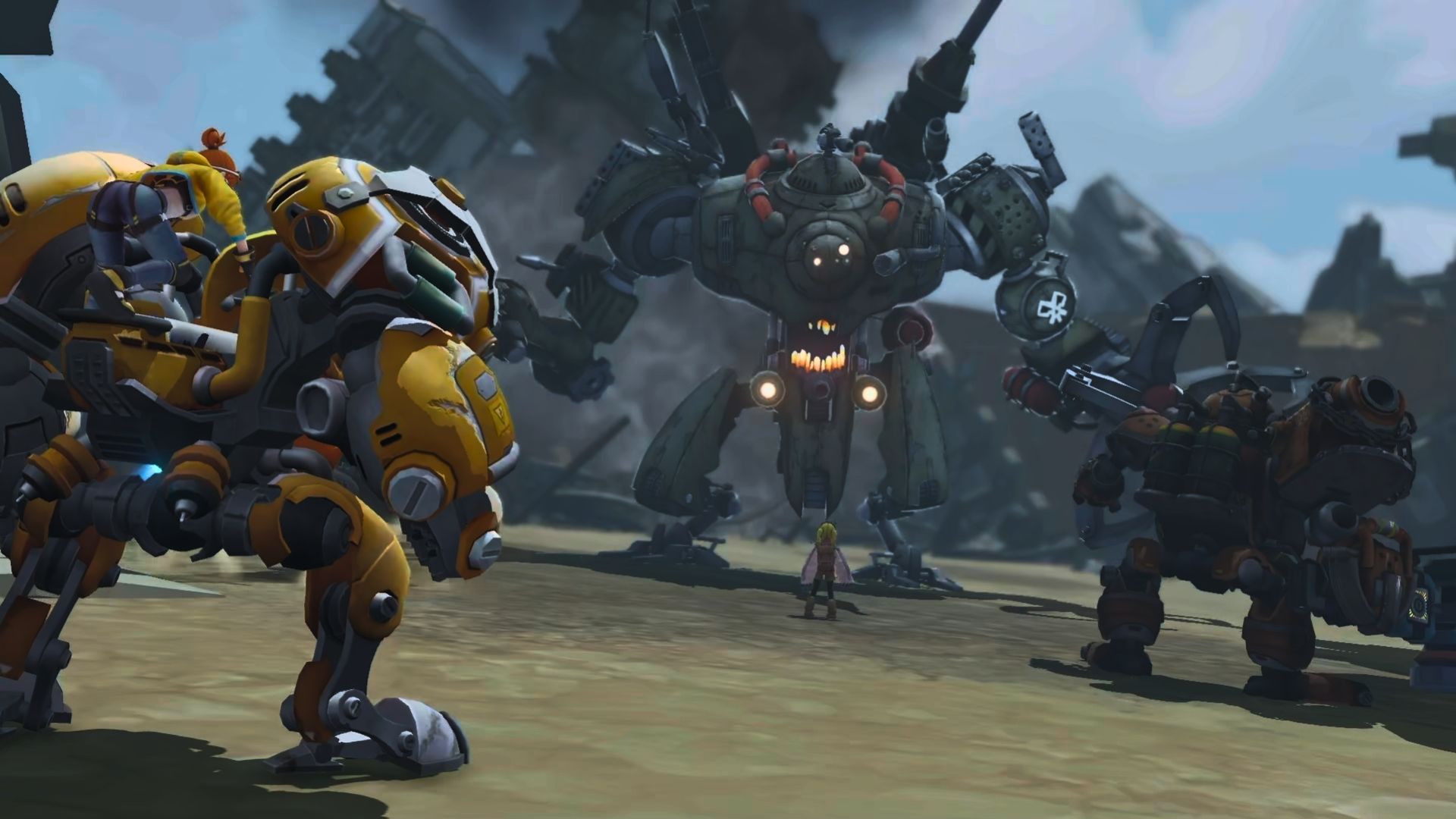
Starbites is a classic JRPG that delivers on its promises. Its turn-based combat uses familiar mechanics, which some longtime fans might find predictable, but could be refreshing for newcomers. The game starts strong and is enjoyable for the first half, though it can become a little repetitive later on. The story is well-written and consistent, and the characters are particularly charming. While the game is relatively short – around 20 hours – it occasionally feels a bit slow. Ultimately, Starbites is a solid and simple experience, perfect for players looking for a JRPG that doesn’t require a massive time commitment.
Read More
- Off Campus Season 1 Soundtrack Guide
- Euphoria Season 3’s New R-Rated Sydney Sweeney Scene Proves The Show Is Trolling Us
- Gold Rate Forecast
- 5 Horror Shows I Knew Would Be 10/10 Masterpieces After The First 10 Minutes
- The Best Switch RPGs to Play Using Switch 2 Handheld Boost Mode
- What is Omoggle? The AI face-rating platform taking over Twitch
- Why is there no Jujutsu Kaisen this week? Missing Season 3 Episode 8 explained
- Crimson Desert Guide – How to Pay Fines, Bounties & Debt
- Jailbreak codes (April 2026)
- Lord Of The Flies Review: Near-Perfect Adaptation Is A Reminder Of Classic Novel’s Haunting Power
2026-05-14 16:11