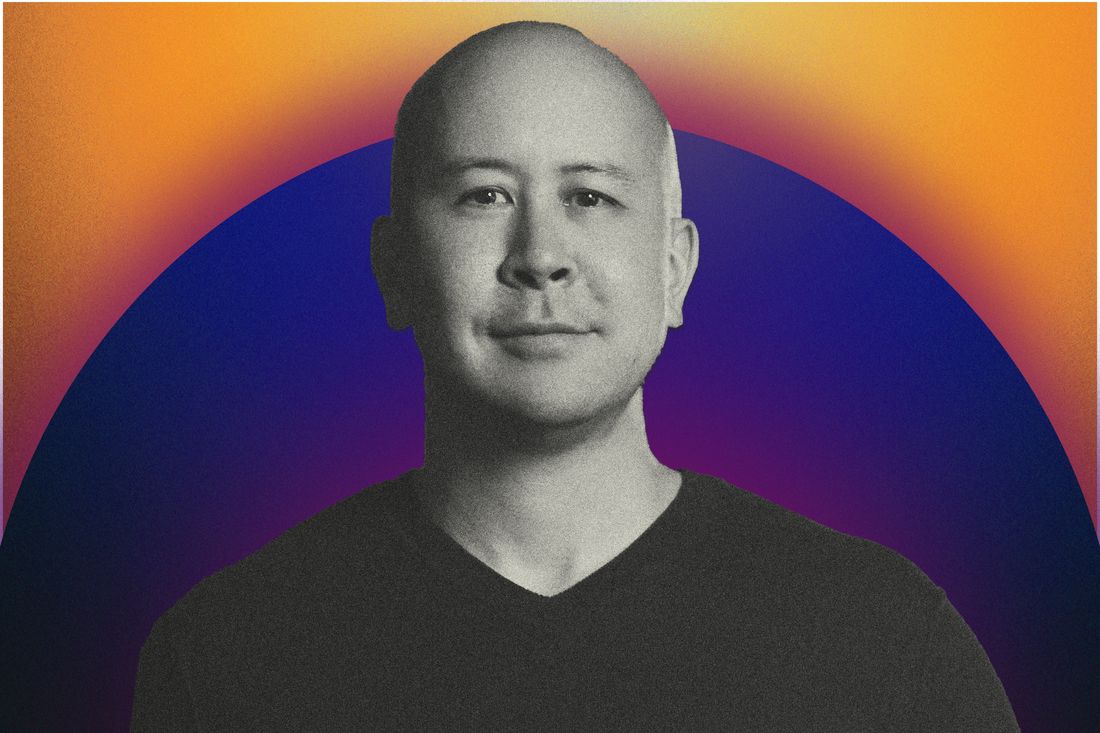
Brandon Riegg is known as the driving force behind Netflix’s reality TV programming, but his role extends far beyond shows like Love Is Blind. As Vice President of Nonfiction and Sports, he’s in charge of all unscripted content, including documentaries and live events, increasingly influenced by partnerships with major sports leagues like the WWE, NFL, and MLB. Sports documentaries are a key part of this strategy, and Riegg’s team has made them a major success for Netflix. Series like Drive to Survive and Full Swing have not only increased the popularity of Formula 1 and professional golf but have also turned relatively unknown athletes – such as former F1 racer Daniel Ricciardo and golfer Min Woo Lee – into stars.
Reality Masterminds
Reality Masterminds
Our inaugural celebration of the most powerful people in unscripted television.
Netflix has created a new type of sports programming that blends documentary filmmaking with the style of reality TV. According to Netflix’s Brandon Riegg, these shows, which he calls “docu-follows,” immerse viewers in exclusive settings and emphasize personal stories, much like traditional reality shows. While series like Drive to Survive are based around a sports schedule, the core of the show is actually focused on dramatic storylines, conflicts, and the personal lives of the athletes – making them more similar to shows like Real Housewives than traditional sports documentaries like Hard Knocks.
I’ve noticed the same approach with how Netflix handles live sports. When they broadcast something like an NFL game or a big boxing match like the Jake Paul versus Mike Tyson fight, they really focus on building a story around it beforehand. I heard Riegg talk about how this blends with their usual storytelling, the challenges of working with well-known athletes, and the kinds of unscripted content they’re still hoping to create.
We recognize you as a leading creative force in the reality TV landscape, and I’m particularly fascinated by how that expertise translates to your sports documentaries. Shows like Drive to Survive and Full Swing feel like a fresh take on reality TV, borrowing heavily from the narrative style of shows like Real Housewives. Do you view these different areas of your work as existing on a similar continuum?
I hadn’t quite thought of it that way, but you’re spot on. Our primary focus is always compelling storytelling. When you start in reality TV, you work with what you have. You find fascinating people in intriguing environments. Sometimes those environments are created for the show – think Survivor, Dancing With the Stars, or America’s Got Talent. Other times, like with docu-series or docu-soaps, you’re observing people in their everyday lives, capturing their authentic experiences and shaping them into the most captivating stories possible.
This idea carried over when we started working with Formula 1 racing. While F1 is hugely popular around the world and already had a dedicated fanbase, I don’t think its recent surge in popularity in America was mainly due to the races themselves. I believe it was more about the drivers and the personalities involved.
It’s hard to believe now, but Mercedes and Ferrari initially refused to be part of the first season of Drive to Survive. At the time, in the US, most people only knew Lewis Hamilton and Mercedes when they thought of Formula 1. But the show’s creators weren’t worried. They saw plenty of other interesting personalities, like Christian Horner and Daniel Ricciardo, who could draw viewers in. In fact, the very first episode starts with Daniel Ricciardo at his home in Australia. After the show aired, Daniel’s popularity skyrocketed, and eventually, Mercedes, Ferrari, and Lewis Hamilton all decided to participate.
Guenther Steiner quickly became a fan favorite when the show first started. This highlights how people connect with stories. Think about the Olympics – many of us don’t follow sports like curling regularly, but the compelling stories NBC tells during the Games draw us in. Sports, at its core, is like a real-life soap opera. We even joked that Drive to Survive was more of a drama series than a traditional sports program.
We apply the same storytelling approach to live events. Whether it’s Alex Honnold’s climb of Taipei 101 or a boxing match, we focus on developing the personalities involved. The BTS concert was particularly special – it was their first performance in four years after completing mandatory military service, making it a significant event from a narrative standpoint. This focus on story is working; we’re attracting not only dedicated sports fans, but also people who don’t usually follow sports. This is likely a key reason why Major League Baseball had its best opening day attendance in at least five years.
Honestly, I got hooked on figure skating thanks to all the sparkle and drama at the Winter Olympics, and now I’m a real fan! So, when the IOC – you know, the folks who run the Olympics – came to us, it was a pretty big deal. They usually keep all the Olympic content locked down with their broadcast partners, like NBC, but they were impressed with some sports content we’d done and wanted us to do something similar to build hype early on. We’d already had amazing success with a series called Sprint featuring Simone Biles, and they wanted to bring that same energy to the Winter Games. That’s how Glitter and Gold came about – it was all about getting people excited for the figure skating!
I’ve noticed a concerning trend in sports and celebrity documentaries: the close involvement of the subject in the production. It feels questionable when the person being documented has so much control. For example, Drive to Survive is made in partnership with Formula 1, and David Beckham’s company actually produces the Beckham documentary. It’s understandable these aren’t traditional documentaries, but it’s hard not to suspect the subject is influencing how they’re portrayed.
However, many people in the industry understand that a producer credit doesn’t always mean full control. With Formula 1, we were upfront: we needed final say over the editing. They’re used to controlling their sport’s image, but we insisted on maintaining our editorial independence. We promised not to focus on scandalous ‘gotcha’ moments or reveal confidential information, but we wouldn’t give up control of the storytelling.
It seems like everyone has a voice on social media now, and we consistently see that celebrities and athletes who are genuine, open about their struggles, and show their vulnerabilities connect with people the most. Audiences can easily tell when someone is being authentic versus putting on a facade. When people are truly open, even about things that might make them appear weak – like admitting they’re sad or facing difficulties – that’s what truly makes an impact.
I’m not sure if anyone was deliberately trying to control the narrative, but with David and Victoria Beckham, he already believed he was a well-known figure, and we managed to get him to address everything we needed him to. Some people thought we should have explored certain topics further, while others felt we revealed too much. He wasn’t aware of any of that feedback. Even during the kitchen dance scene, they questioned why we’d include it, saying they looked awful and it was cheesy. However, the producers saw potential in the moment, and it actually became one of the most popular scenes with viewers.
Nowadays, people involved in reality shows are often aware of how editing can shape the narrative, similar to how a cast member on a show like ‘The Real Housewives’ might play to the cameras. For example, a driver like Max Verstappen knows that making a controversial statement can influence how the show ‘Drive to Survive’ is edited and what storylines are emphasized. While people are definitely more aware of how to get screen time, and Max has been outspoken both on the show and in the media, producers are skilled at recognizing and minimizing behavior that seems overly self-promotional or manipulative. They do their best to manage this during the editing process.
When we look at other reality TV shows, there are a couple we really admire. Love Island is one – we’ve seen how successful dating shows can be on our platform, both for launching new content and keeping viewers engaged week after week. We only had the opportunity to get the U.S. rights at the time, but looking back, we probably would have pushed harder for it. We also really appreciate Traitors; it’s just a brilliantly made show.
If you had to name Netflix’s main competitor in the reality TV space, who would it be? Probably Peacock, especially considering our earlier conversation. They have a lot of content from NBC and Bravo, and those shows have a very loyal fanbase.
When I think about YouTube, do I see it as direct competition? It definitely attracts a large audience, and a lot of videos there feel like reality shows. However, I don’t consider them the same. YouTube is primarily a platform for content, not a company that actively creates shows. It’s a different approach, so it doesn’t feel like a direct competitive threat.
You know, if I could get one thing done at Netflix, it would be a huge performance competition show. We’ve tried before with shows like Star Search and even Making the Band, but that genre is really hard to get right. I remember when I was at ABC, we tried to compete with American Idol and didn’t have much luck. But then at NBC, I was part of the team that brought The Voice to life, and that really changed things. I think Netflix is ready for that next big hit in the performance show world, and I’m determined to find it!
Okay, so I have to ask – will Dating Around ever return? Honestly, probably not. It was a really good show, and the people who did watch it were huge fans. But it just didn’t attract a large enough audience, unfortunately. We gave that style of dating show a shot, and then Love Is Blind and Too Hot to Handle really took off, so we clearly found success with a slightly different formula.
I really enjoyed Dating Around. We even created a Brazilian version, and I think the format could be successful again in the future. Seeing shows like Singles Inferno succeed makes me think there’s definitely an audience for a dating show that’s more low-key and focuses on genuine connection.
Read More
- Gold Rate Forecast
- What is Omoggle? The AI face-rating platform taking over Twitch
- Elden Ring Is Back With A New Free Game, Thanks To The Fans
- Audible opens first ‘bookless bookstore’ in New York
- 10 Adorable Quotes from Diana in Pragmata
- Wartales Curse of Rigel DLC Guide – Best Tips, POIs & More
- How To Grow Money Trees In Animal Crossing: New Horizons
- 10 Relentless ’80s Movie Remakes That Make the Perfect Double Feature With The Running Man
- The 10 Best Performances In The Star Trek Movies, Ranked
- Senate Crypto Gamble Advances: What Price Does the Soul Pay?
2026-05-05 16:04