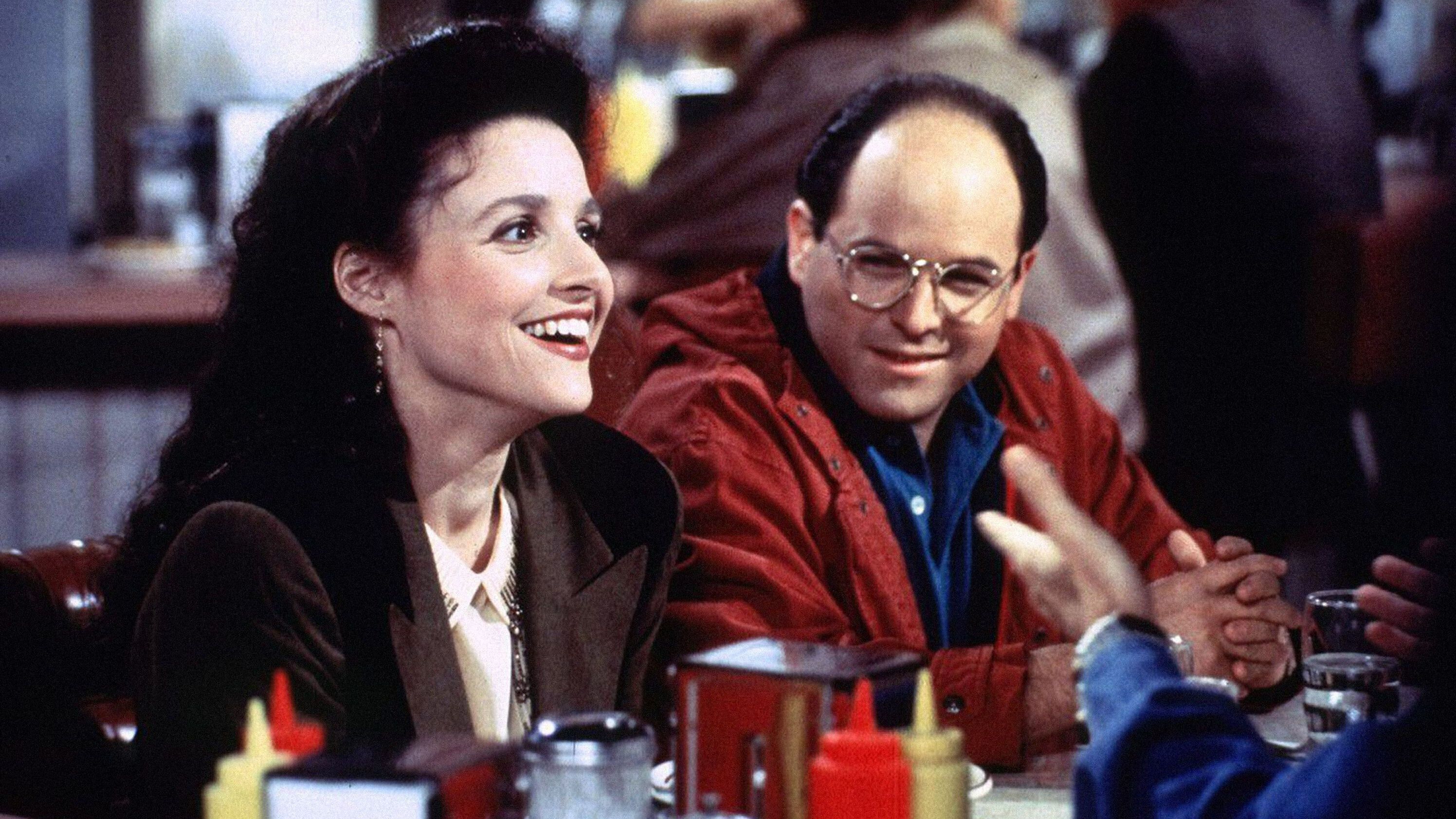
Seinfeld completely changed the sitcom landscape. Jerry Seinfeld encouraged many stand-up comedians to create characters based on themselves, and his partner, Larry David, developed a unique storytelling approach. Episodes often wove together two separate storylines that unexpectedly collided for a funny and ironic conclusion. Unlike shows like Friends and Will & Grace, which often relied on sentimental moments and life lessons, Seinfeld deliberately avoided those tropes, focusing solely on humor.
Over its nine seasons, Seinfeld delivered many unforgettable episodes that are now considered some of the greatest in television history. Episodes like “The Fire” brilliantly showcased George’s self-preservation, “The Marine Biologist” features a truly outstanding comedic performance, and “The Puffy Shirt” remains a hilarious classic, with a single, memorable outfit continuing to make audiences laugh after thirty years.
When people talk about the greatest Seinfeld episode, and the one that had the biggest effect on popular culture, almost everyone agrees it’s season 4, episode 11, “The Contest.” In 2009, TV Guide actually named it the number one episode of all time, even ahead of iconic episodes like the Sopranos’ “College” and the pilot of Lost – and it’s not hard to understand why.
Larry David’s Emmy-Winning Script For The Contest Is A Masterclass In Sitcom Writing
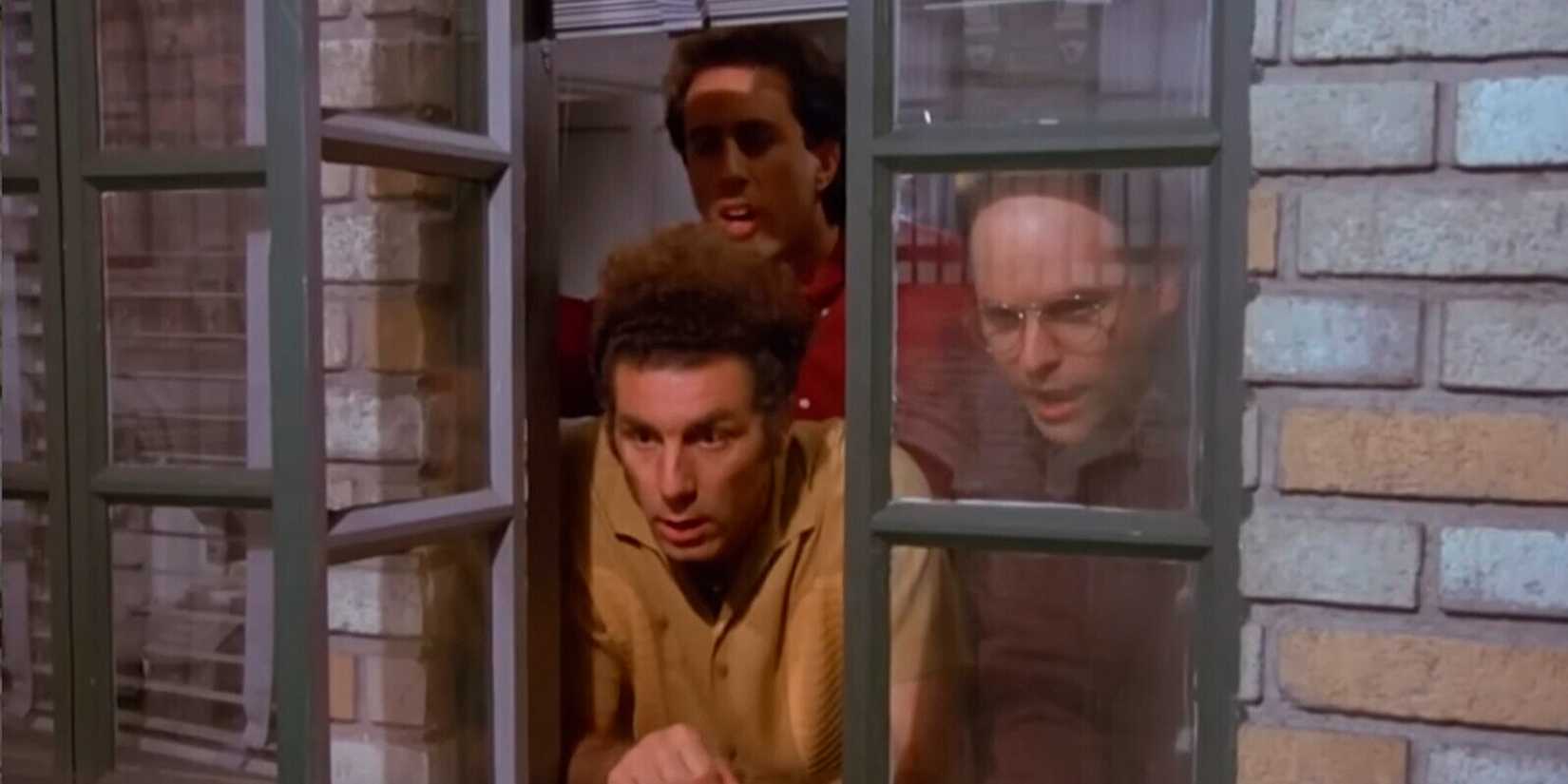
David finally received an Emmy for writing the “The Contest” episode, though he’d created many other excellent scripts beforehand. He’d penned episodes like “The Pen,” set in Florida, and the *Waiting for Godotinspired “The Chinese Restaurant,” but “The Contest” was the one that earned him the award. It’s clear why this episode stood out – it’s a brilliant example of sitcom writing, especially how cleverly it handled sensitive content and avoided network censorship.
The episode “The Contest” begins with George being discovered masturbating at his mother’s house, prompting him to promise he’ll stop. His friends doubt his ability to abstain, leading to a bet: whoever can go the longest without “it” wins the money. While a direct pitch for an episode about a masturbation contest would have been rejected by NBC executives, David cleverly bypassed network standards by using suggestive language and indirect references instead of explicit details.
I remember watching “The Contest” and being amazed. It never said the word, but somehow, it got the idea across so clearly! Phrases like “master of your domain” and comparing it to “treating your body like an amusement park” were brilliant. Honestly, those lines alone deserved the Emmy. Looking back, no other sitcom that year even tried something so clever or bold. It was a truly inventive episode of Seinfeld.
What really strikes me about this episode, beyond just the clever ways they avoided saying certain words, is how incredibly funny it is, structurally. Most sitcoms are doing well if they get a couple of huge laughs in a half hour, but when David was writing for Seinfeld, he was hitting that mark on almost every page! “The Contest” is a perfect example – lines like “I’m out!” and the reveal about JFK Jr. still kill me, even after all these years. It’s just packed with genuinely hilarious moments.
Like many classic Seinfeld episodes, “The Contest” cleverly weaves together several storylines that converge in a surprising finale. We find out Marla loses her virginity to JFK Jr., Kramer sleeps with the woman who was flirting with Jerry, and the whole contest ends without a winner. The episode perfectly demonstrates how a good sitcom script, much like a joke, should build anticipation to a satisfying conclusion.
The Contest Gives All 4 Main Characters Something Hilarious To Do
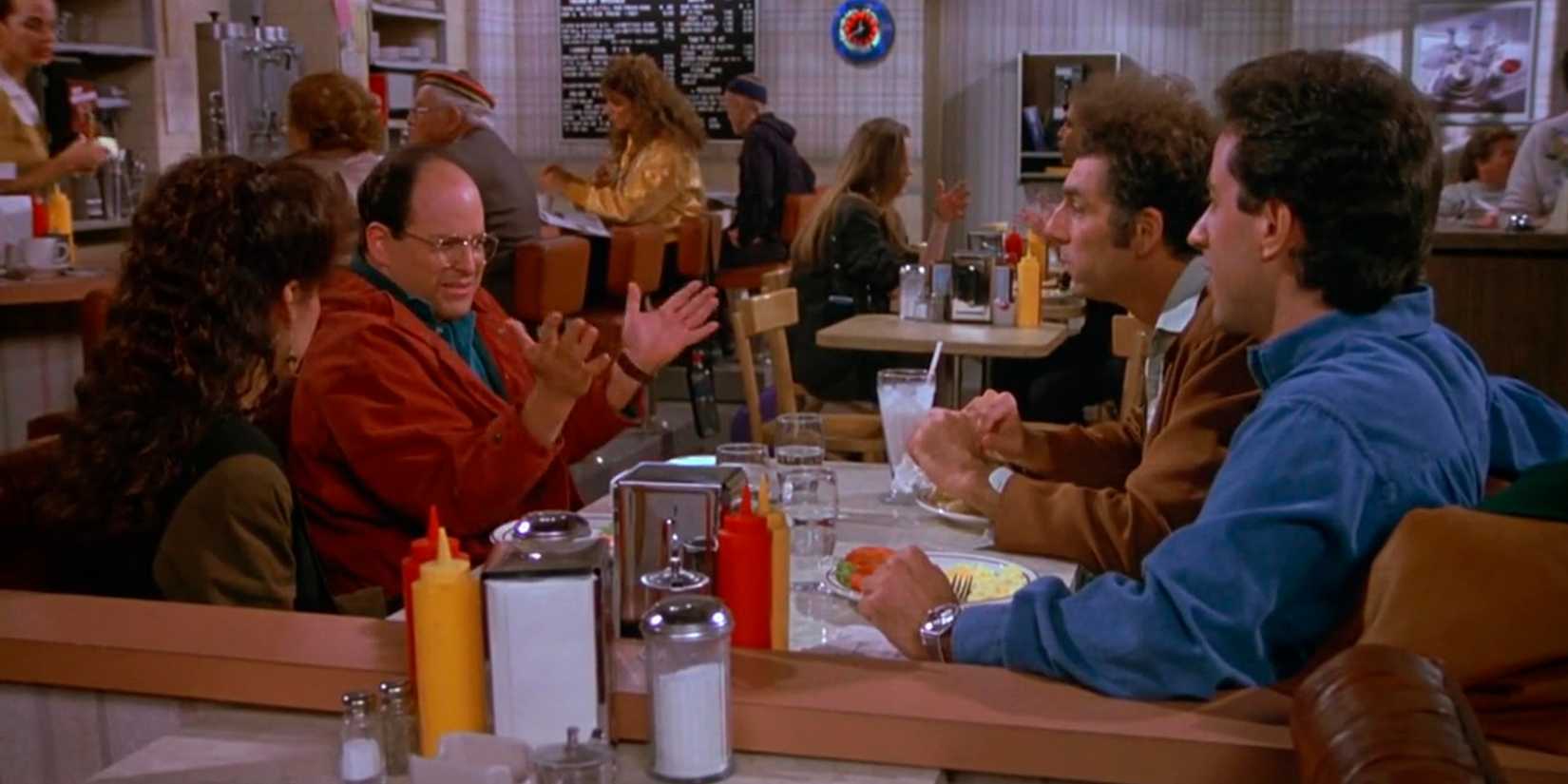
The most memorable Seinfeld episodes, and really any good sitcom episode, are the ones where all the main characters have funny and engaging storylines. A show with a large cast truly shines when the writers give everyone great jokes and situations. For instance, “The Pen” focuses heavily on Jerry and Elaine, leaving George and Kramer out of the picture. While “The Rye” has a hilarious central plot, a separate storyline involving Elaine feels awkward and slows the episode down.
In the episode “The Contest,” each of the four main characters takes on a funny challenge. Jerry tries to stop masturbating because he’s dating someone who’s never been with anyone, while Elaine attempts the same while taking a fitness class with John F. Kennedy Jr. George is stuck watching his mother’s sponge baths during a hospital visit, and Kramer quickly gives up on the challenge just minutes after agreeing to participate.
The four main actors all have great comedic material to work with. Michael Richards perfectly portrays the physical comedy of throwing money down and casually declaring, “I’m out!” Jason Alexander brilliantly shows the awkwardness of being both amused by and annoyed with his mother. Jerry Seinfeld gets a memorable moment singing “Wheels on the Bus,” and Julia Louis-Dreyfus shines as Elaine deals with unexpressed desires.
The Contest Marked Estelle Harris’ Debut As George’s Mother
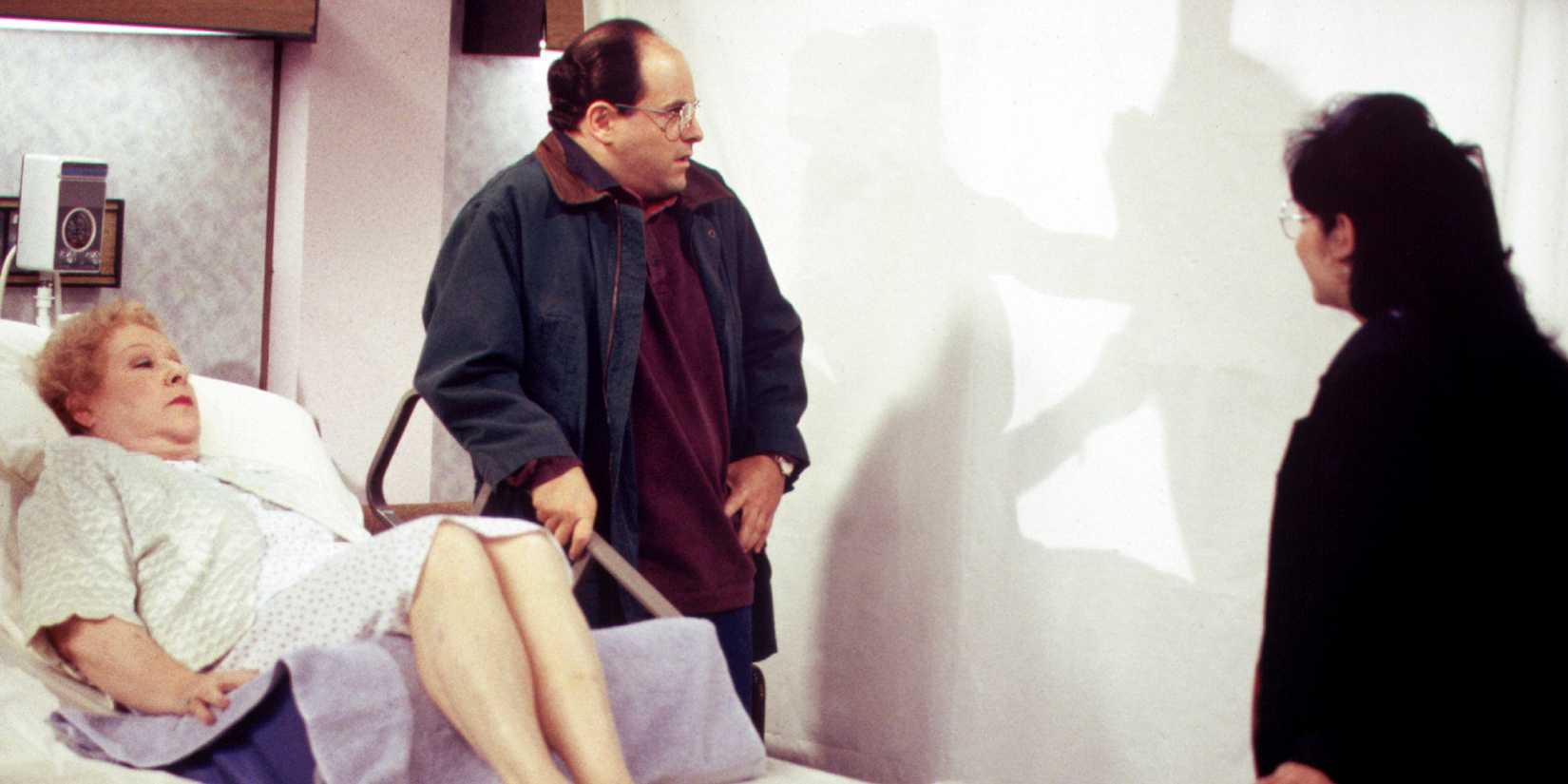
The episode “The Contest” first introduced Estelle Costanza, a character who would become a fan favorite on Seinfeld, largely thanks to Estelle Harris’s performance and her chemistry with Jerry Stiller (who played George’s father). The episode was a perfect way to introduce her; seeing Estelle in the hospital after fainting when she caught George in an embarrassing situation allowed Harris to brilliantly portray a dramatic, self-sacrificing, and guilt-inducing mother.
Harris and Alexander had incredible chemistry; they convincingly played a very troubled mother and son. Alexander even mentioned in a behind-the-scenes feature that he saw a lot of his own mother in Harris, which helped make their on-screen relationship feel so real. Beyond being a standout episode, “The Contest” also introduced one of the most memorable supporting characters in the history of Seinfeld.
Read More
- Netflix’s Little House On The Prairie Reboot: Release Date, Cast & Everything We Know
- Off Campus Season 1 Soundtrack Guide
- Silver Rate Forecast
- Prime Video’s New R-Rated Spy Thriller Is Officially No.1 On Streaming Despite Poor Reviews
- Gold Rate Forecast
- Brent Oil Forecast
- EUR ZAR PREDICTION
- Amazon Primes new GenAI cartoon looks like K-Pop Demon Hunters with aliens
- Inkford Hermitage Chest Locations In HSR (Honkai: Star Rail)
- KPop Demon Hunters Meets Avatar: The Last Airbender In Netflix’s 3-Part Fantasy Series
2026-04-30 00:19