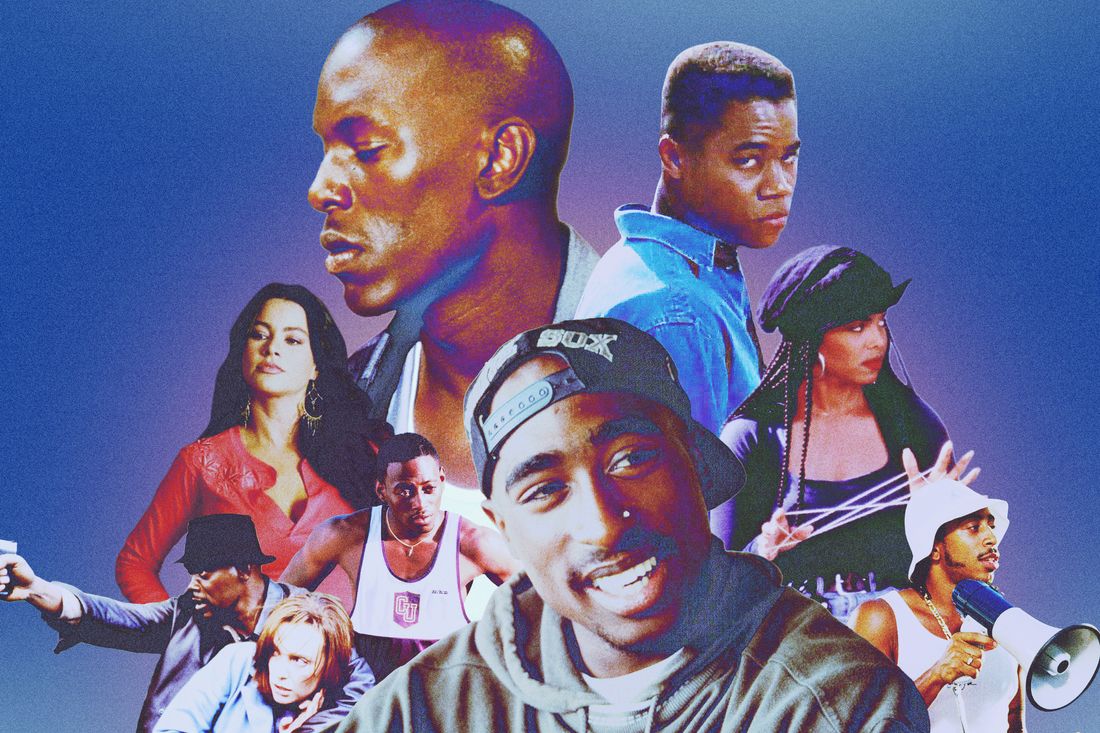
Whenever I watch a John Singleton film, I just know it’s him. He started with Boyz n the Hood, becoming the youngest person ever nominated for a Best Director Oscar, and for the next twenty years, he jumped between really personal stories, big action movies, and even historical dramas. But no matter what he did, his films always felt like him – filled with characters I could connect with, intense love stories, amazing music, and often featuring hip-hop artists acting. Plus, he always managed to slip in important social and political messages, even when working within popular genres.
John Singleton, a director who grew up in South Central Los Angeles and graduated from USC film school, was known for authentically portraying the lives of young Black people – a perspective rarely seen in mainstream cinema before his work. He was also a versatile filmmaker, skillfully incorporating elements from various genres like road movies (as seen in Poetic Justice), westerns (Rosewood), blaxploitation films (Shaft), and thrillers (Abduction). Though he tragically passed away seven years ago at the age of 51, his impact on film endures. This week, three of his most celebrated films – Boyz n the Hood, Poetic Justice, and Baby Boy – are being added to the Criterion Collection as his ‘Hood Trilogy,’ making it a fitting time to consider his complete filmography and how his nine features stack up against each other.
9.
Abduction (2011)

John Singleton’s final film was, sadly, his weakest. While the idea behind Abduction – pairing director Singleton with rising star Taylor Lautner for a classic spy thriller – seemed like a good way to guarantee box office success, the movie ultimately failed. The script, by Shawn Christensen, is a confusing mess: Lautner plays the son of a CIA agent living in hiding, whose cover is blown when he stumbles upon a missing child report featuring his own image on a website run by Serbian gangsters. The acting is equally poor. Lautner delivers a remarkably flat performance, appearing emotionally detached despite his enthusiastic expressions, and feels miscast as an action hero alongside Lily Collins. He comes across as someone forced to be there, making viewers root for his character to fail. Beyond the clumsy action sequences and uninspired music, the film lacks Singleton’s usual directorial flair. If not for his brief, typical cameo on a train, you wouldn’t believe he directed it.
8.
Four Brothers (2005)
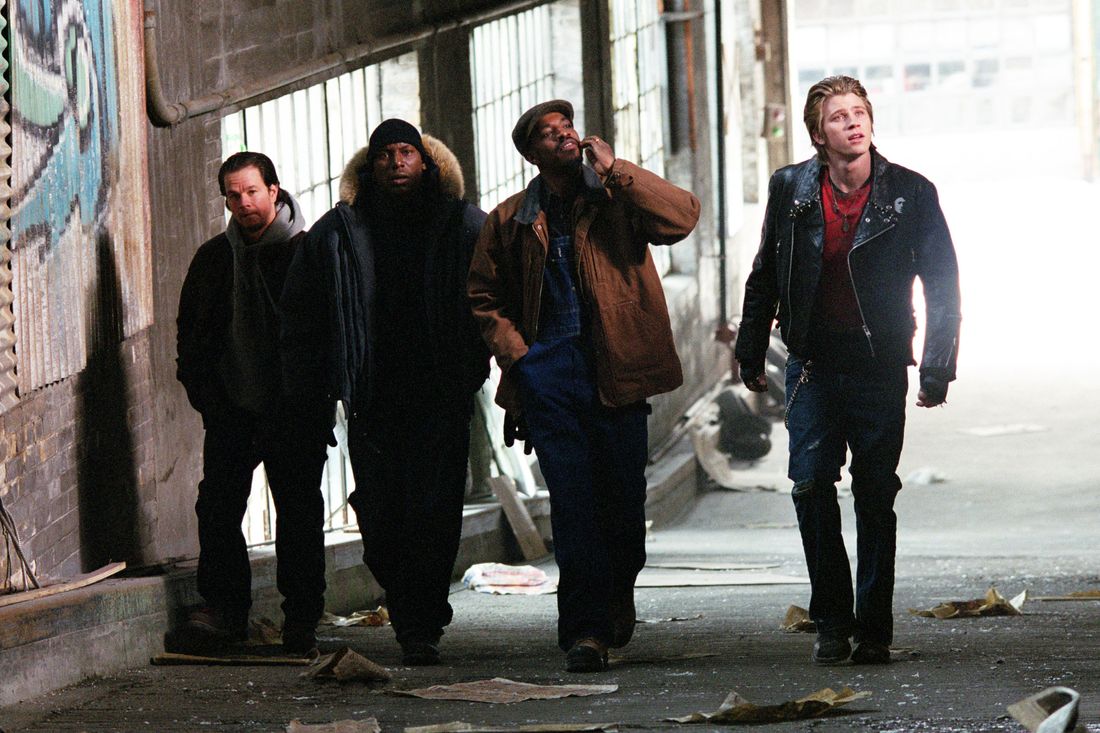
John Singleton’s skill as a director almost rescued Four Brothers from being a disappointing film. Like Abduction, the movie suffers from a weak lead performance – Mark Wahlberg plays Bobby, a fiery character who returns to Detroit after his foster mother is killed in what seems like a robbery gone wrong, but he comes across as flat and unconvincing. While Tyrese Gibson, Garrett Hedlund, and André Benjamin do their best as Bobby’s foster brothers, the film doesn’t quite reach the potential of similar movies like 3 Bad Men or The Boondock Saints, which feature outlaws taking the law into their own hands. Wahlberg’s attempts at toughness feel forced, and the movie loses momentum whenever he’s on screen. Singleton also tries, and fails, to create emotional depth by having the foster mother appear as a ghost. However, the film shines when it comes to its music; a standout moment features the song “Smiling Faces Sometimes” accompanying a darkly humorous scene where a ruthless gangster (played brilliantly by Chiwetel Ejiofor) forces one of his men to eat off the floor. Despite its flaws, Four Brothers is still an enjoyable film thanks to Singleton’s ability to make even weak material palatable for audiences.
7.
Shaft (2000)
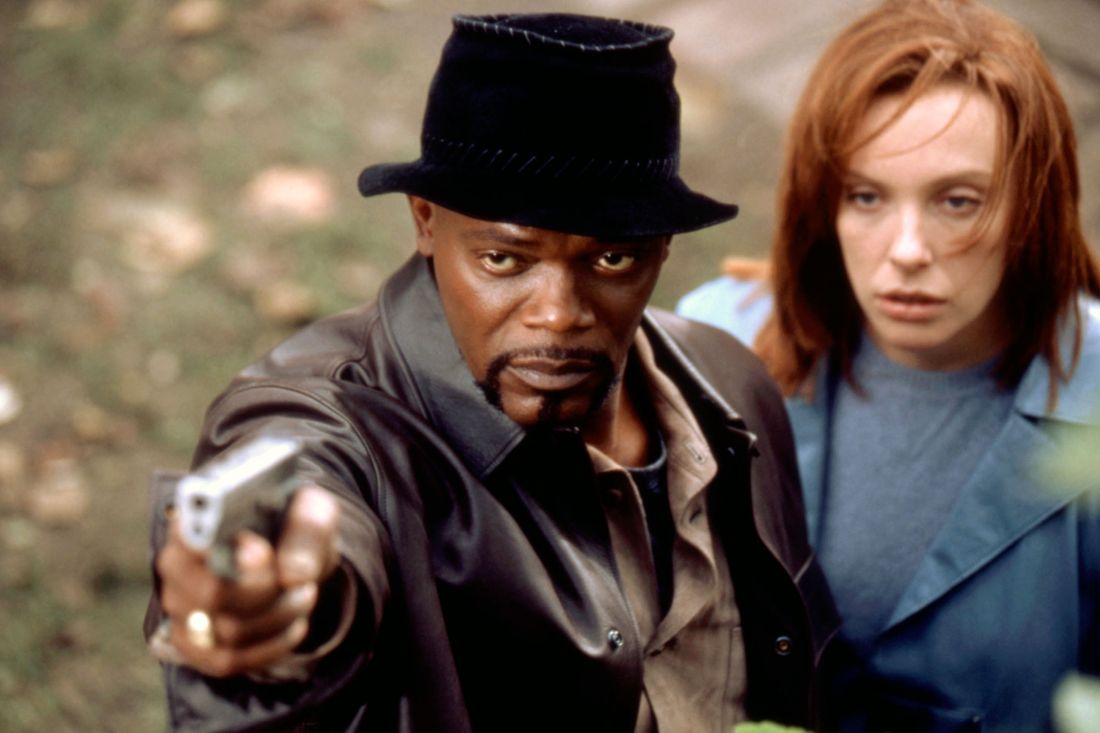
John Singleton’s reimagining of Shaft could have simply been a nostalgic nod to the original, but it’s much more thoughtful than that. The film tackles a core issue from the first movie: how can a Black law enforcement officer truly support his community? While Gordon Parks’ original Shaft (both the director and Richard Roundtree appear in the reboot) only hinted at a desire for change by showcasing a stylish, strong Black man who dismissed young Black activists, Singleton’s version is a call for radical change. Samuel L. Jackson perfectly embodies the character’s strong sense of justice and frustration with racism, particularly in his dealings with Walter Wade (Christian Bale), a wealthy and influential man who uses his privilege to avoid consequences for killing a Black man (Mekhi Phifer). Similar to Four Brothers, one of the film’s biggest strengths is its over-the-top villain. While Christian Bale is memorable, Jeffrey Wright truly shines as the Dominican drug dealer hired by Wade to silence the witness (Toni Collette). Wright’s confident performance, from his accent to his haircut, brilliantly blends the exaggerated villains of classic blaxploitation films with the gritty realism of modern crime dramas. With Shaft, Singleton seems to be fighting for the future of characters like Ricky from Boyz n the Hood – addressing the systemic obstacles that often hold young Black men back in a flawed justice system.
6.
2 Fast 2 Furious (2003)

Despite its potential to be a typical sequel, 2 Fast 2 Furious is surprisingly good. While the later films are known for over-the-top action, this one feels more grounded, especially considering Vin Diesel isn’t in it. The movie is a classic buddy cop story, with Paul Walker and Tyrese Gibson playing two mechanics who go undercover to bust a drug operation in Miami. Director John Singleton, who only directed one sequel in the franchise, both sets the stage for future installments by including actors like Tyrese and Ludacris, and also brings his own style to the film. Beyond the flashy cars and scenery, Singleton focuses on compelling characters and realistic drama. He doesn’t just sell the excitement of speed; he explores the complicated relationship between Walker and Gibson’s characters, who are trying to repair their friendship and get their lives back on track. These characters aren’t perfect heroes; they’re flawed and relatable. Even the action feels believable – like when their car jumps onto a speeding boat, you can feel the franchise evolving. It’s a moment that showcases the potential of what Fast & Furious would become.
5.
Higher Learning (1995)
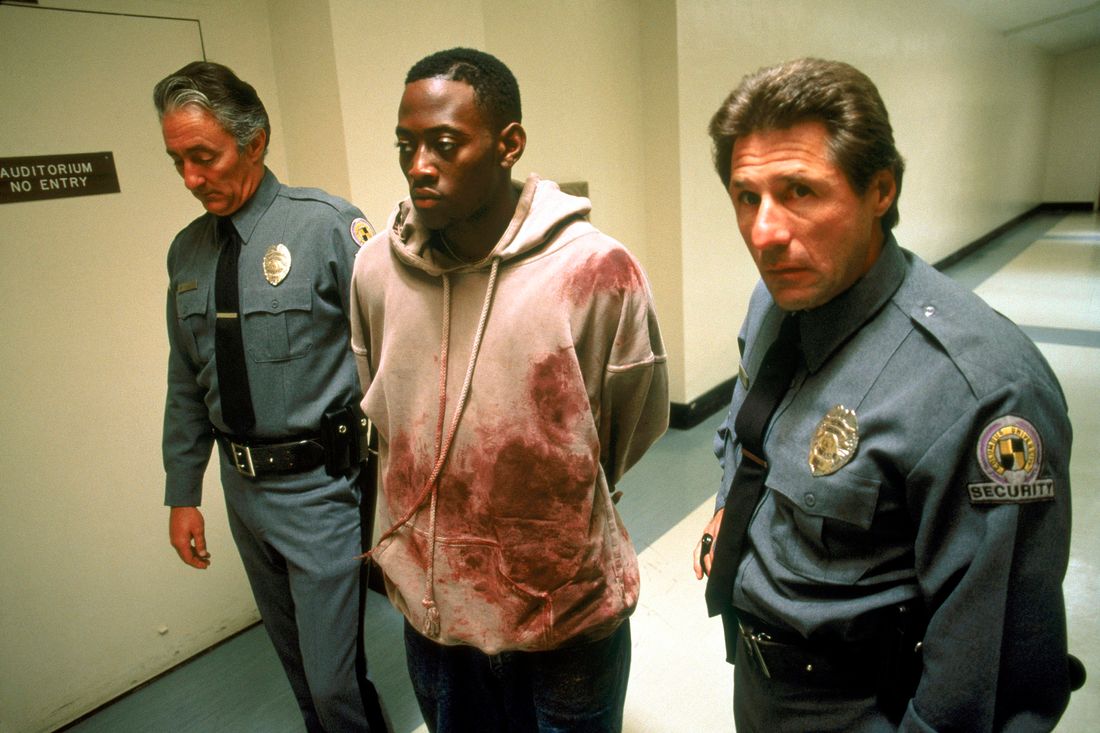
It’s easy to forget how young John Singleton was when he was at his best. He was only 27 when he directed Higher Learning, a film that reflects his growing confidence as a filmmaker. This college drama tackles tough issues head-on – things like homophobia, rape culture, feminism, the challenges of integration, racial progress, the treatment of student athletes, and prejudice against Black women. The film explores these themes through the stories of several students: Malik, a freshman track star; Remy, a skinhead; a lecturing professor; a veteran student activist; and a group of female activists. Their experiences build to a powerful and tragic climax – a school shooting that dramatically alters their lives. Some critics at the time, like Janet Maslin, felt the ending was unnecessary, while Kenneth Turan called it overly dramatic. However, the film came out three years before the Columbine shooting, and it’s remarkably insightful in how it captures the political and social concerns of young people, much like Singleton’s Boyz n the Hood. While Singleton’s direct approach might feel messy at times, it’s understandable given the complexity of the issues he addresses. Higher Learning represents Singleton at his most confident and daring.
4.
Baby Boy (2001)
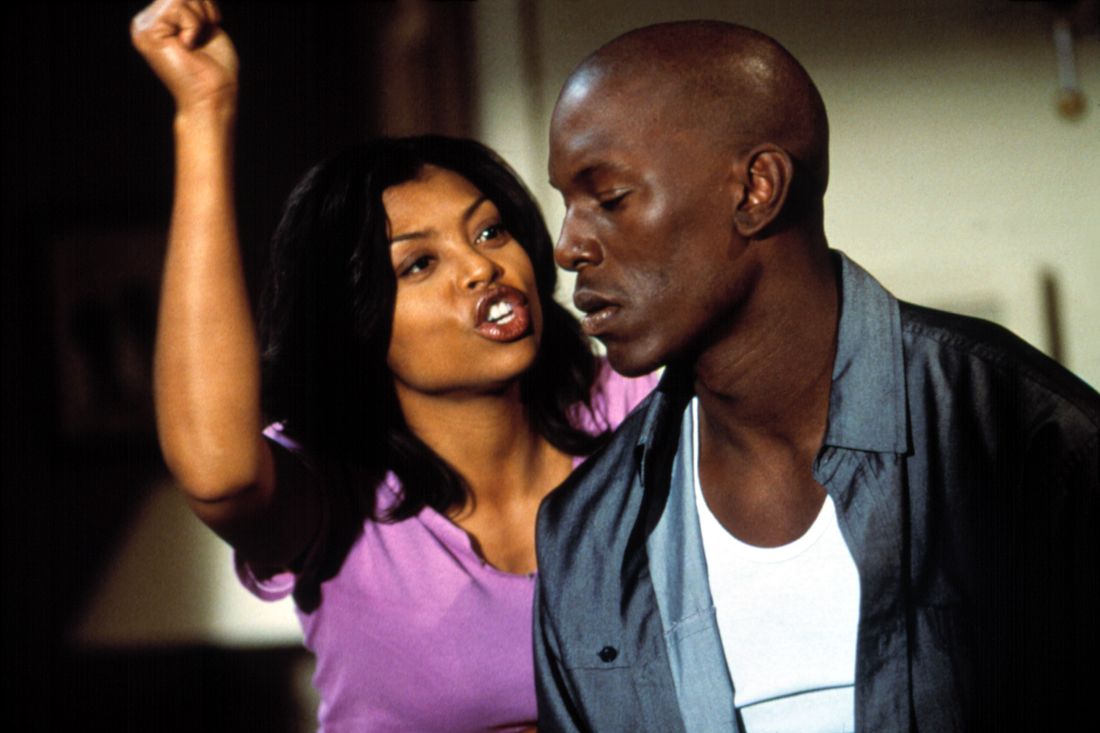
While Boyz n the Hood felt like a young director grappling with the complexities of his environment, Baby Boy reflects a more seasoned filmmaker trying to navigate a changing world. John Singleton returned to his South Central LA roots with Baby Boy, often considered the final installment of his Hood Trilogy. Like his earlier films, it centers on a young Black man – Jody, played by Tyrese Gibson – who is forced to confront adulthood. Jody is a somewhat irresponsible young man living with his mother, with children by two different women, and deeply insecure about his mother’s new relationship. Singleton uses these complicated relationships to explore larger issues like abortion, suicide, domestic violence, and the ways in which systemic racism can hinder Black men’s emotional growth. He often uses symbolic imagery, like dreams and premonitions, but also isn’t afraid to address these topics directly, as seen in a conversation where Ving Rhames’ character warns Jody about the consequences of not maturing. On a personal level, the film feels like Singleton himself was questioning his artistic direction at a time when Hollywood was becoming less welcoming to Black filmmakers after the progress made in the 1990s – a challenge he ultimately struggled to overcome.
3.
Rosewood (1997)
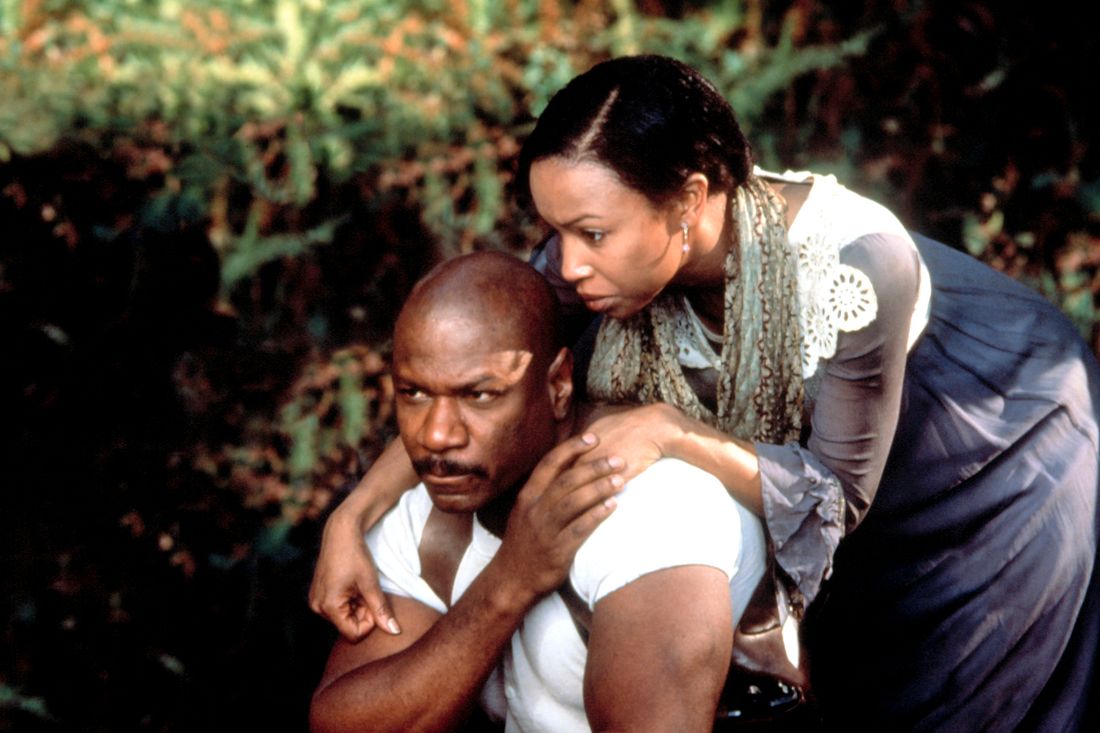
John Singleton’s film Rosewood stands out from his other work. Unlike his films rooted in his Los Angeles background or typical action movies, Rosewood is a historical drama based on the true story of the 1923 Rosewood Massacre—a violent attack sparked by a false accusation made by a white woman against a Black man. Ving Rhames plays Mann, a successful Spanish-American War veteran who comes to the tense town of Rosewood to buy land. His wealth and confidence intimidate the local white men, who are already resentful of the Black families, like Don Cheadle and Ester Rolle’s, who have achieved financial stability. As white mobs form to attack Black homes and lynch Black residents, the film shifts into a more action-packed style. One scene features Rhames and Jon Voight taking control of a train to evacuate women and children, while Black men flee the violence alongside it, pursued by angry white racists. The fast-paced editing powerfully conveys the weight of the historical violence of white supremacy. It’s shocking to learn that even the film’s intense action sequences don’t fully capture the brutality of the actual massacre. Singleton doesn’t sensationalize the history; instead, he presents it with a careful and measured approach.
2.
Boyz n the Hood (1991)
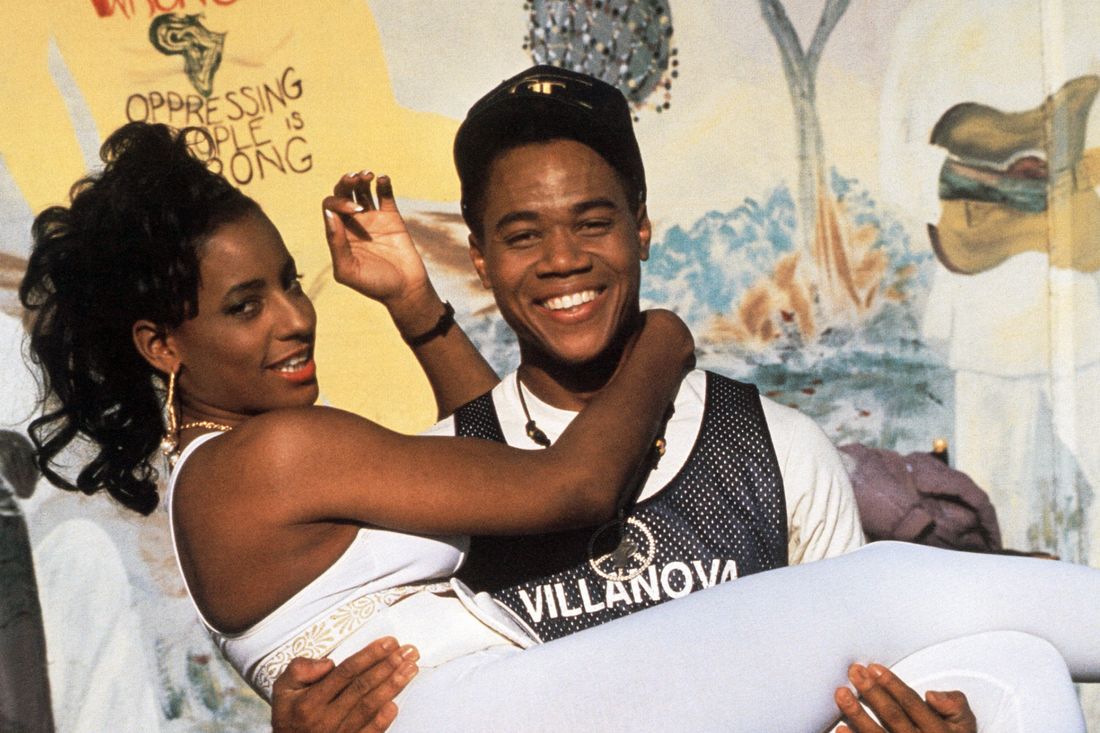
I’ve often pointed out flaws in Boyz n the Hood, especially how it portrays Black women. However, its impact and impressive debut are undeniable. When it came out, the film offered a rare and powerful look at the harsh realities of police brutality, gang violence, and the damaging effects of the prison system on young Black men in South Central Los Angeles. The neighborhood is filled with characters responding to these challenges in different ways: Ricky, a promising athlete; Tre, a young man guided by his wise father, Furious; and Doughboy, a survivor navigating a dangerous life. They all seek ways to escape a world that can cruelly cut short even the most innocent lives. Through these relatable characters and his skillful direction – noticeably using the sound of police helicopters – John Singleton proved himself a director like Elia Kazan, someone who treated the fears and hopes of young people with respect. He understood this generation because he was part of it, sharing their style and music (the soundtrack featured artists like 2 Live Crew, Hi-Five, and Ice Cube). Singleton intuitively captured how experiences during teenage years shape people, leaving men feeling like boys and boys forced to grow up too soon.
1.
Poetic Justice (1993)
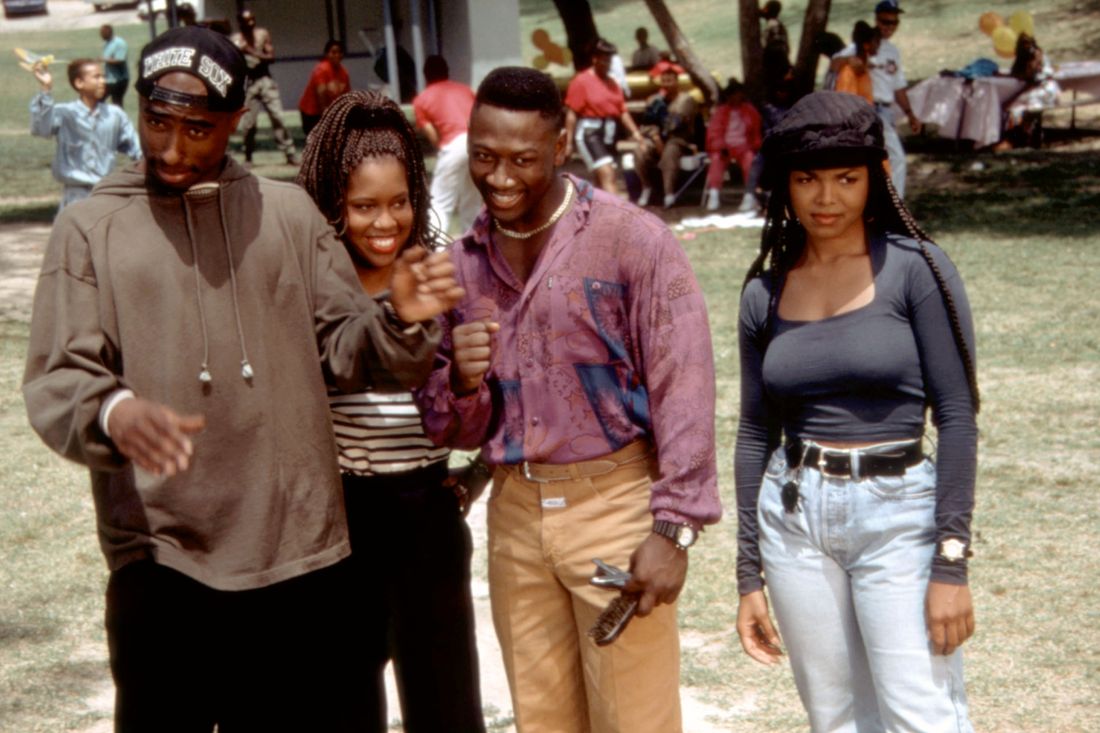
When Poetic Justice first came out, it was often compared unfavorably to Boyz n the Hood. Some critics felt it lacked the focus and structure of Singleton’s earlier film. However, Poetic Justice is actually Singleton’s most carefully crafted, emotional, and deeply felt work – a romantic road trip movie that offers a complex look at Black life. The film begins similarly to Boyz n the Hood, with Justice (Janet Jackson) losing her boyfriend to gang violence at a drive-in. Returning to her job at a beauty salon, Justice channels her grief into poetry (written for the film by Maya Angelou) that reflects the dangers faced by Black men. Encouraged by her friend (Regina King), she joins her friend’s boyfriend (Joe Torry) and his coworker Lucky (Tupac Shakur) on a delivery trip from Los Angeles to Oakland. Along the way, Singleton beautifully captures the joy and vibrancy of Black community life, particularly during a scene at a family reunion filled with children playing, conversations, and barbecue. Singleton also demonstrates his skill as a director by eliciting tender and memorable performances from Jackson and Shakur, enhanced by Stanley Clarke’s moving score. Ultimately, Poetic Justice is Singleton’s most emotionally layered film, allowing its characters to grow, learn, and find forgiveness without being judged.
Read More
- Netflix’s Little House On The Prairie Reboot: Release Date, Cast & Everything We Know
- Off Campus Season 1 Soundtrack Guide
- YouTuber arrested after viral AI bodycam videos spark real police complaints
- Silver Rate Forecast
- Prime Video’s New R-Rated Spy Thriller Is Officially No.1 On Streaming Despite Poor Reviews
- Brent Oil Forecast
- EUR ZAR PREDICTION
- Bulgakov’s Take: Koreans Bet the Farm on Chips, Crypto, and Chaos
- Gold Rate Forecast
- Peaky Blinders: The Immortal Man’s Tommy Shelby Is a Better Father Than Michael Corleone
2026-04-28 20:00