Since its debut in 1997, the show has consistently challenged expectations by using humor to address important real-world issues and spark much-needed conversations. Its willingness to satirize sensitive topics, bringing attention to them through comedy, has earned it both praise and recognition.
Over its 27 seasons, five episodes of the show have been considered too controversial and are no longer available to watch. Ironically, the decision to ban these episodes has also sparked debate. The episodes use satire to address sensitive topics, and they all feature images of Muhammad, the central figure of Islam. This has raised concerns about censorship, the limits of satire, potential real-world consequences, and religious representation.
Which 5 Episodes of South Park Are Permanently Banned?
The episodes “Super Best Friends,” “Cartoon Wars Part 1,” and “Cartoon Wars Part 2” have been removed from circulation due to their content. Specifically, each episode either showed images of the Islamic prophet Muhammad or discussed such depictions, which led to their ban.
The five episodes were connected, beginning with “Super Best Friends,” which first featured an image of Muhammad and sparked the controversy that led to them being banned. Because many Muslims find visual representations of Muhammad deeply offensive, Comedy Central removed “Super Best Friends” from circulation.
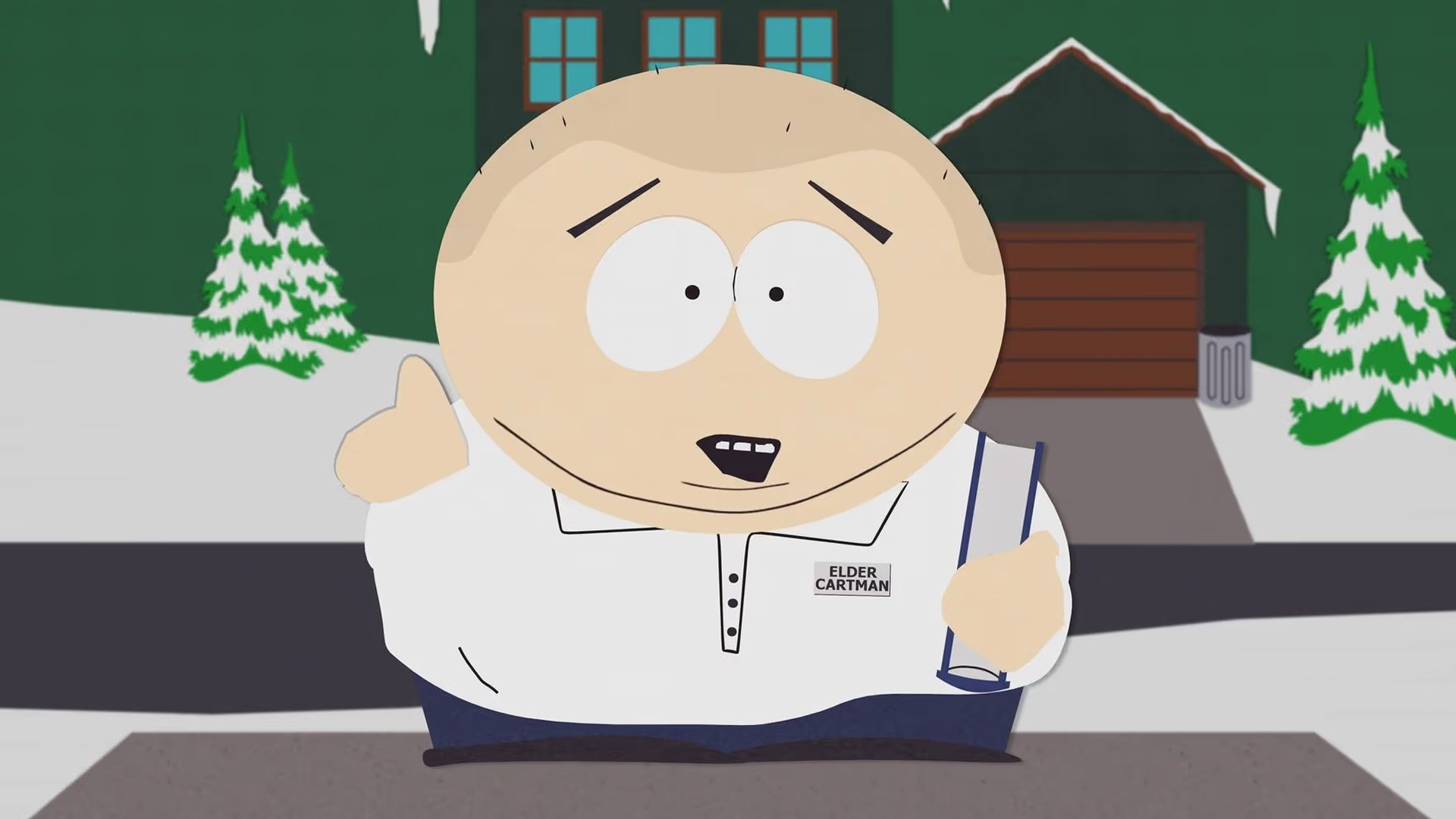
This controversy inspired the two-part “Cartoon Wars” episodes, which directly mocked the situation by showing Cartman getting a Family Guy episode banned for depicting Muhammad. Later, in Season 14, the episodes “200” and “201” revisited past events through multiple storylines.
These restrictions largely stemmed from concerns about depictions of Muhammad, including the removal of episodes that featured or alluded to him. The issues relate to attempts within the show to bypass the usual censorship surrounding depictions of Muhammad, a pattern seen with previous South Park episodes that included him.
Why These Episodes Remain Among the Biggest Controversies in Adult Animation
The controversy surrounding these incidents isn’t simply about showing images of Muhammad. The real problem – the one that sparked reactions like “Cartoon Wars,” “200,” and “201” – is that this kind of censorship feels unfair because it applies different rules to different situations. When censorship seems based on opinion rather than clear principles, it raises concerns about its objectivity.
Episodes referencing Muhammad have faced much stricter censorship than depictions of other religions, even when those depictions are considered offensive by believers. This raises the question of why some religious satire is allowed on television, while satire about other religions results in permanent bans.
The debate surrounding these removed episodes isn’t really about what was in them, but more about where the line is for satire – and why certain subjects are considered off-limits while others aren’t. Naturally, if showing the content could put the creators in danger, that’s a valid reason for censorship.
The team behind South Park didn’t agree with how Comedy Central dealt with the “Super Best Friends” episode and its edits, and they kept making references to the censorship in later episodes. Satire often creates controversy – that’s kind of the point. It uses humor and exaggeration to highlight issues, raise awareness, and hopefully inspire change.
South Park is known for tackling controversial topics, but the ongoing debate surrounding the show centers on how much it can push limits before facing repercussions, and whether those repercussions are appropriate.
Found an error? Send it so it can be corrected.
Read More
- Netflix’s Little House On The Prairie Reboot: Release Date, Cast & Everything We Know
- Off Campus Season 1 Soundtrack Guide
- YouTuber arrested after viral AI bodycam videos spark real police complaints
- Silver Rate Forecast
- Prime Video’s New R-Rated Spy Thriller Is Officially No.1 On Streaming Despite Poor Reviews
- Brent Oil Forecast
- Peaky Blinders: The Immortal Man’s Tommy Shelby Is a Better Father Than Michael Corleone
- Gold Rate Forecast
- Bulgakov’s Take: Koreans Bet the Farm on Chips, Crypto, and Chaos
- EUR ZAR PREDICTION
2026-04-26 01:39