I remember when Sally the Witch first came out – it really felt like something new. It’s often called the very first magical girl series, and it’s amazing to see how much that genre has grown and influenced things ever since. Usually, these stories are about regular girls who suddenly get incredible powers and have to fight against evil. Magical girl anime has become hugely popular, especially with young female audiences, and it’s given us some truly memorable and strong female characters in anime.
While shows like Revolutionary Girl Utena and Sailor Moon remain beloved classics, not all older magical girl anime have held up well over the years. Some retro favorites haven’t aged gracefully and might be better left in the past.
Tokyo Mew Mew Is Bogged Down By An Antiquated Storytelling Structure
Tokyo Mew Mew is a magical girl anime with a unique twist: the heroines transform based on endangered animals. While charming, it has a noticeably old-fashioned feel. The show focuses on Ichigo and the Mew Mews as they work to save Earth from alien threats. When it first came out, Tokyo Mew Mew was popular for its adorable characters and designs, and it became a big hit for 4Kids Entertainment as one of their top-rated dubbed anime.
While Tokyo Mew Mew has a good base idea, the anime’s 52 episodes get bogged down in unnecessary standalone monster battles. This repetitive format makes it hard to rewatch. The series already has some issues, but the English dub makes things even worse with heavy edits and censorship.
Wedding Peach Copies Sailor Moon’s Schtick & Suffers For It
One of the biggest drawbacks of Wedding Peach, a magical girl anime from the mid-90s, is that it’s constantly compared to Sailor Moon. It’s a shame that Wedding Peach so closely follows the style of this earlier, influential series, making it hard to enjoy on its own merits.
I have to admit, Wedding Peach feels really familiar if you’re a Sailor Moon fan! It starts with Momoko getting this amazing magical compact from an angel, and she discovers she’s actually a Love Angel named Wedding Peach. Basically, these Love Angels team up to fight devils, but honestly, a lot of the episodes fall into a pattern where they face a new monster each week, and it doesn’t always feel super original.
I watched Wedding Peach, and if you haven’t seen Sailor Moon, you might enjoy it. But honestly, it felt like a weaker version of that show to me. Even the main character, Momoko, reminded me a lot of Usagi from Sailor Moon – she’s a bit clumsy and not always the brightest!
Fancy Lala Muddles Its Ideas Through Sloppy Storytelling That Lacks Resolution
During the 1980s and 90s, Studio Pierrot was a major force in magical girl anime. Their series, including Fancy Lala, often featured straightforward stories: a young girl, typically around nine years old, receives a magical item – in this case, a sketchbook and pen – that makes her drawings real. She can also transform into an older teenager, who she calls Fancy Lala.
The anime Fancy Lala, the Magic Stage centers around Lala as she fights monsters using her magical abilities. However, the series doesn’t have a strong ending and feels hurried and incomplete. While Fancy Lala features music and drawing as key elements, other magical girl anime execute these aspects more effectively.
Magic User’s Club Is Held Back By Dated Visuals & Ideas
The 1996 anime Magic User’s Club had some really innovative ideas and deserves recognition for trying something different. However, the show doesn’t quite tie everything together, and its themes aren’t fully explored. This makes it feel less impactful than later magical girl anime that built upon its foundation.
Magic User’s Club is a fairly standard story about high school girls who use magic to defend Earth from aliens. It tries to poke fun at both everyday life comedies and science fiction, but the show’s serious sci-fi themes don’t quite fit with the magical girl concept, and it sometimes relies too much on appealing to fans. The show’s older CGI and generally unappealing visuals also contribute to why it isn’t remembered fondly today.
Cardcaptor Sakura’s Filler-Heavy Formula Hurts Its Identity
Both Cardcaptor Sakura and Sailor Moon are popular magical girl anime often enjoyed by the same fans. However, Cardcaptor Sakura sometimes feels a bit clunky or formulaic, which can make it less engaging to watch from beginning to end.
The series starts strong with Sakura’s quest to collect the Clow Cards, but it quickly falls into repetitive patterns, diminishing its unique qualities. While individual episodes can be enjoyable, watching the show as a whole feels bogged down by unnecessary filler. Adding to the issues, the English dub of Cardcaptor Sakura suffers from extensive censorship, with over 30 episodes cut or rearranged, and Sakura herself sidelined in favor of other characters.
Magical Princess Minky Momo Takes A Disturbingly Dark Turn That’s Left It Tainted
Magical Princess Minky Momo is a classic magical girl anime that was important in shaping the genre. It moved beyond simple stories about witches and introduced ideas still common today, such as young girls temporarily becoming adults as part of their transformations. The show is noteworthy for its creativity and influence.
While charming, Minky Momo definitely shows its age as an ’80s anime, feeling very much like a show designed to sell toys. The series also ends on a surprisingly dark and upsetting note that likely scared many children and makes it hard to revisit today. That gloomy feeling now overshadows the original anime, making the newer versions more appealing to watch.
Saint Tail Succumbs To Dull Developments Despite Blending Phantom Thief & Magical Girl Mayhem
Since the 1960s, many unique stories have appeared, and Mysterious Thief Saint Tail is a great example of one that blends the magical girl genre with the classic gentleman thief story. Meimi Kaneoka leads a double life, using her family’s history as stage magicians and thieves to become the Phantom Thief Saint Tail. As Saint Tail, she steals valuable art and artifacts, but only those that were originally stolen or acquired unfairly. She essentially acts like a modern-day Robin Hood, righting wrongs through her daring heists.
When Saint Tail first came out, it was a welcome change of pace. It approached stories about crime and heists with a lot of energy. However, it definitely shows its age, with storylines that become predictable and situations that feel forced—especially the complex dynamic between Meimi and Asuka Jr., the son of a police detective. These issues can make it hard to keep watching for long stretches.
Magic Knight Rayearth’s Poor Pacing Ruins A Compelling Magical Girl Subversion
Magic Knight Rayearth is a well-known anime that stood out for its fresh take on the magical girl story. It uniquely combined elements of fantasy, being transported to another world (isekai), and giant robots (mecha). The story follows three ordinary schoolgirls who are suddenly pulled into a magical realm. They become powerful Magic Knights with a vital mission: to save a kidnapped princess and bring peace back to the world.
This show was truly groundbreaking and unique in the ’90s, offering a clever concept that still resonates. However, its strong ideas are hampered by uneven pacing and an anime presentation that sometimes feels disjointed.
The first part of the series feels slow and features unmemorable individual episodes. Then, it suddenly shifts to a much more dramatic and gloomy tone that doesn’t quite fit. With 49 episodes, the show’s interesting concepts end up feeling diluted and less powerful.
Powerpuff Girls Z Is A Stylistic Mess That Loses The Heart & Soul Of Its Source Material
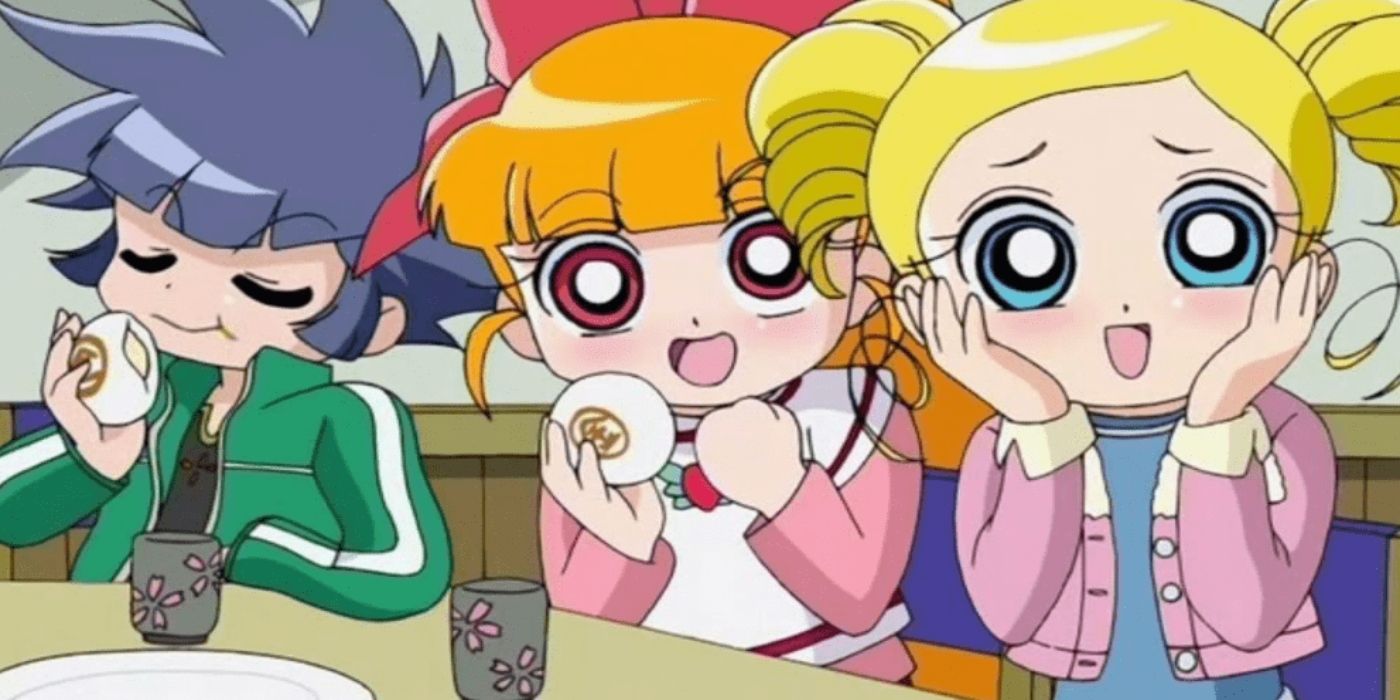
It’s often exciting when a Western cartoon is reimagined as an anime, but it can be challenging to pull off well. Powerpuff Girls Z was created to commemorate Toei Animation’s 50th anniversary and blends classic magical girl elements with the original Cartoon Network show. The series generated a lot of buzz when it came out due to its unique approach.
Fans of the original Powerpuff Girls were disappointed by the changes made in the anime Powerpuff Girls Z. The new series moved away from the original’s unique, retro-futuristic style and edgy humor, becoming a more typical, younger-aimed magical girl show with an overemphasis on everyday school life. These stylistic choices, especially noticeable in the English dub, have left many fans with a negative impression of the series.
Pretty Cure Is Extremely Repetitive With Diminishing Returns
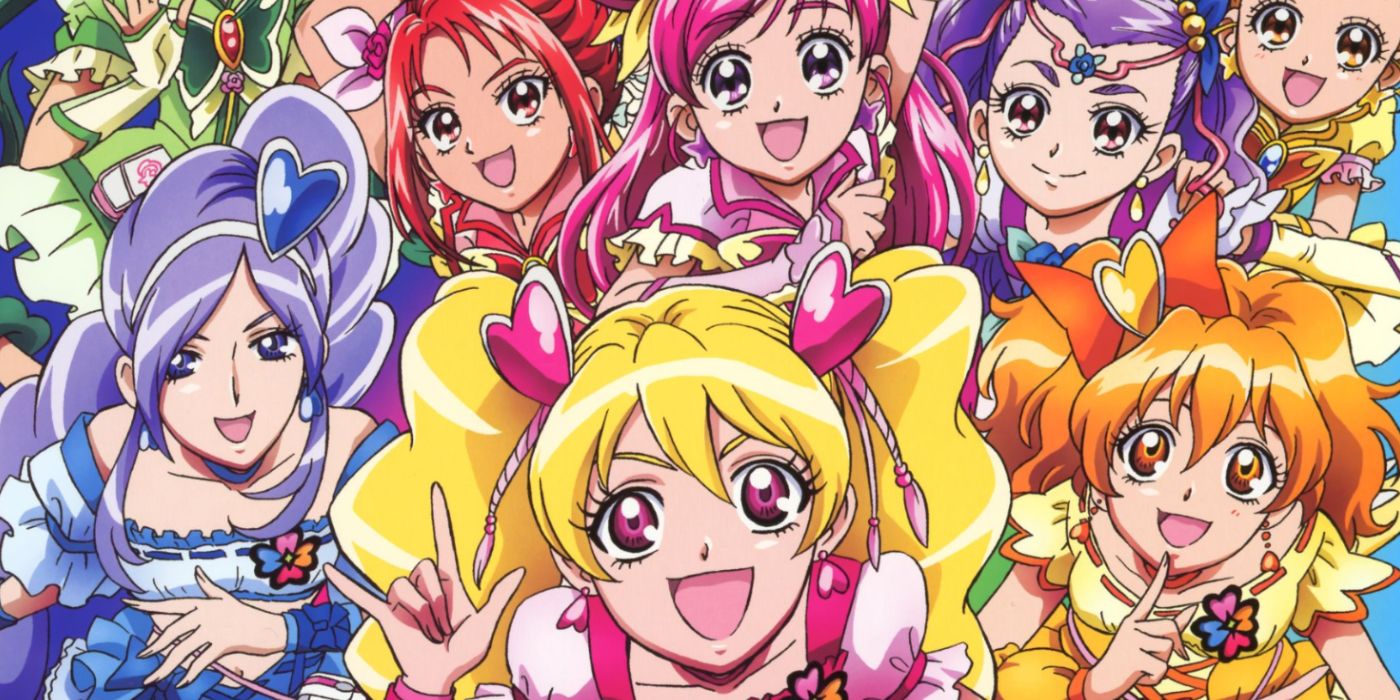
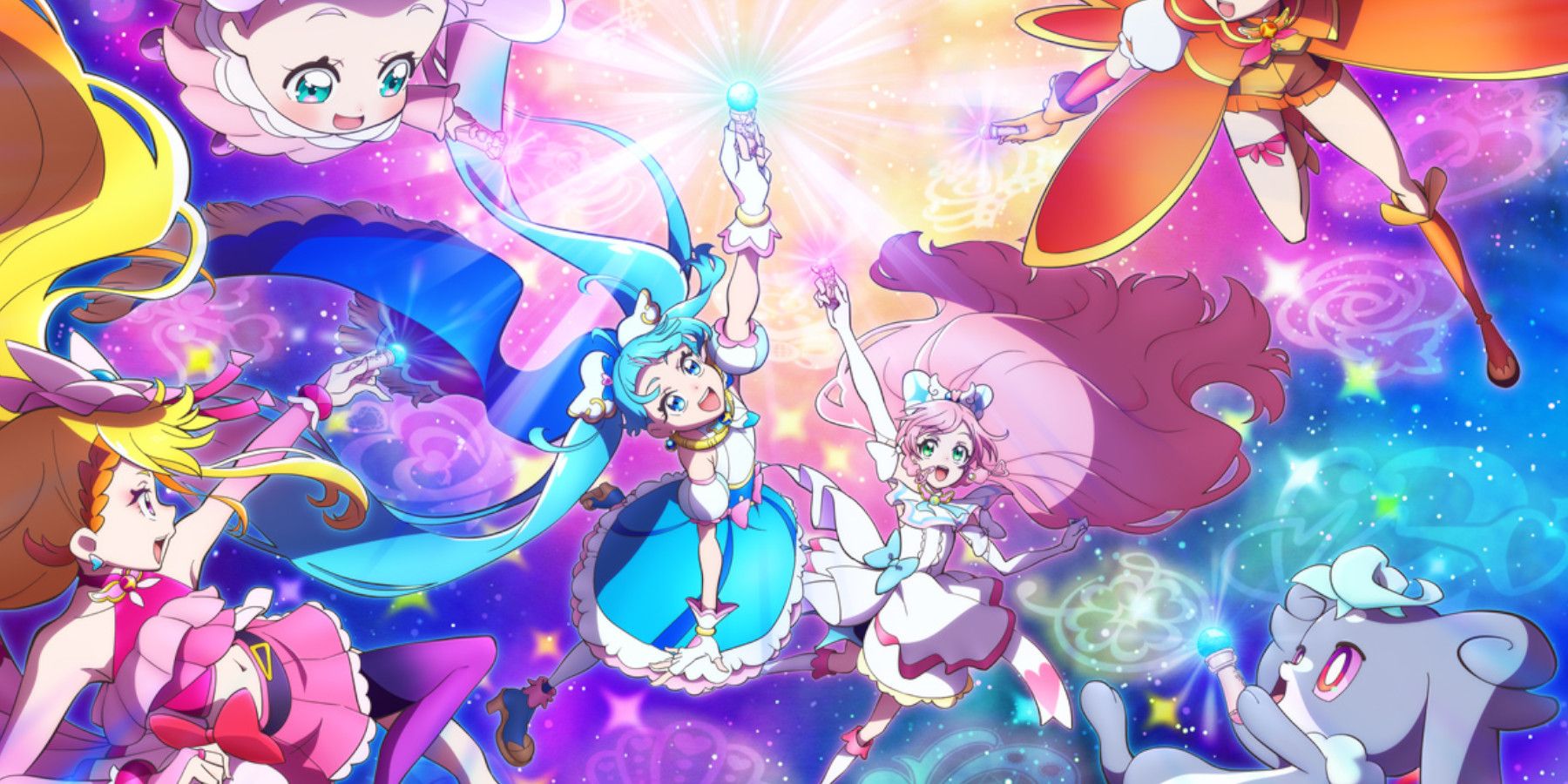
Pretty Cure is a long-running and iconic magical girl series, with over twenty years and twenty-three different seasons. The basic idea is that teenage girls transform into the powerful Pretty Cure warriors using magical objects. They then fight against evil monsters, often with the help of fairy companions.
Pretty Cure was important in establishing Toei as a major player in the magical girl anime world. However, it’s primarily aimed at very young viewers and relies on predictable stories with simple messages. It’s a good choice for introducing children to the magical girl genre, but most adults will likely find it repetitive after a few episodes, as the heroes typically overcome villains with the power of friendship.
Found an error? Send it so it can be corrected.
Read More
- Netflix’s Little House On The Prairie Reboot: Release Date, Cast & Everything We Know
- Off Campus Season 1 Soundtrack Guide
- YouTuber arrested after viral AI bodycam videos spark real police complaints
- Silver Rate Forecast
- Prime Video’s New R-Rated Spy Thriller Is Officially No.1 On Streaming Despite Poor Reviews
- Brent Oil Forecast
- Gold Rate Forecast
- Bulgakov’s Take: Koreans Bet the Farm on Chips, Crypto, and Chaos
- Peaky Blinders: The Immortal Man’s Tommy Shelby Is a Better Father Than Michael Corleone
- EUR ZAR PREDICTION
2026-04-23 07:21