News that Reginald Hudlin is bringing back The Phantom in April 2026 sparked excitement among comic book fans who fondly remember classic adventure heroes like Zorro. These pulp magazines were the original superheroes and were incredibly popular entertainment in America during the 1930s. Now, it feels like the right time to see this iconic character from that era join the ranks of heroes like the Ghost Who Walks in today’s world.
Lee Falk’s The Phantom was the very first costumed superhero, becoming a symbol of jungle adventure alongside characters like Tarzan. It essentially created the model for comic book heroes of that time, with its unique costume, detailed backstory, and fictional world. If a new series stays true to the original comic strip, King Features could potentially bring back live-action adventure stories, and a contemporary hero of The Phantom would be a logical next project.
The Phantom Launched Success For 1990s Pulp Movies
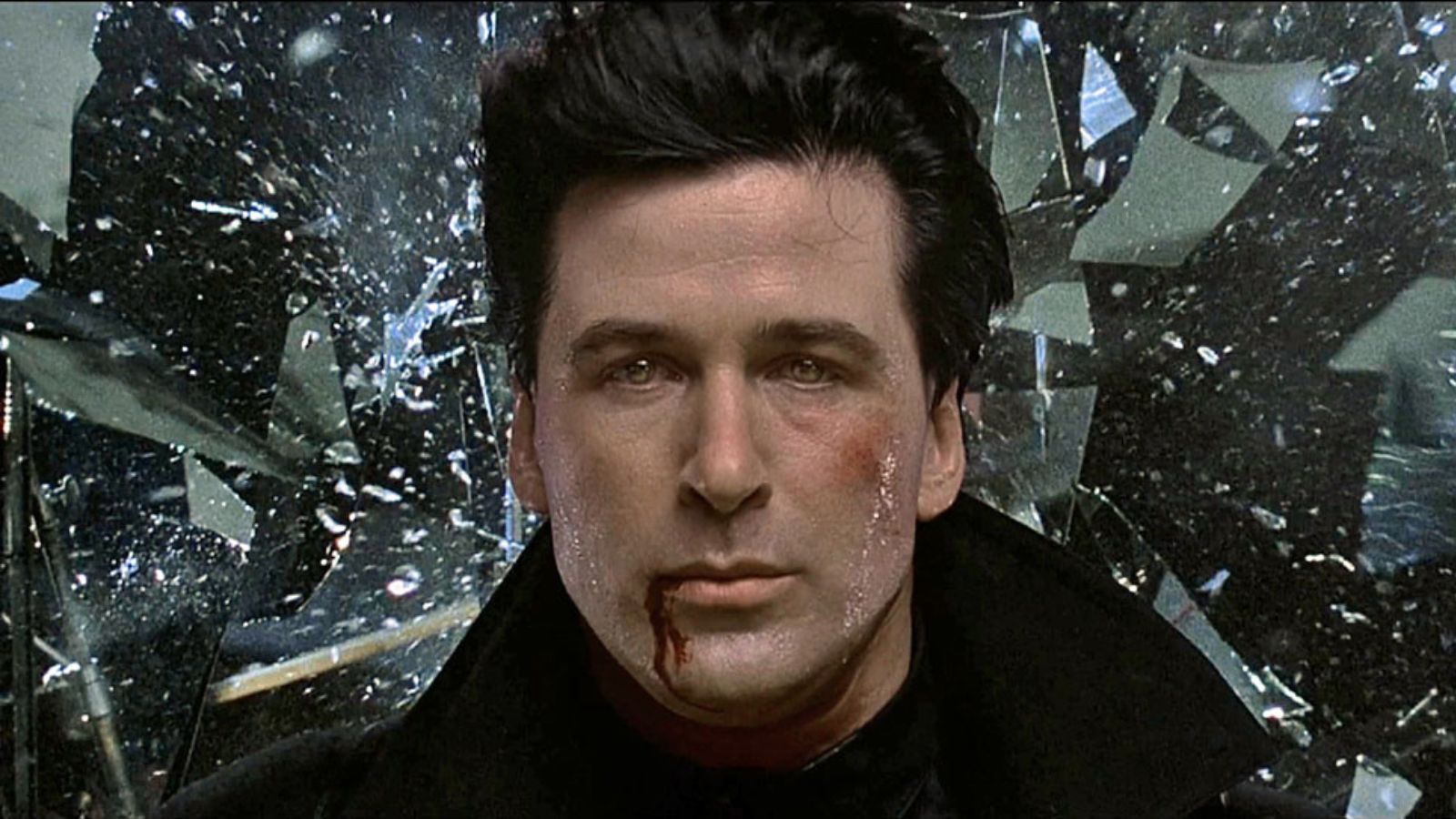
Tim Burton’s hit 1989 film Batman kicked off a decade filled with comic book movies and TV shows. The 90s saw a lot of creativity in this area, with everything from smaller films like Men in Black and The Mask to big franchises like The X-Men. While audiences rediscovered heroes like Batman and Blade, older, pulp-inspired characters also enjoyed a revival. Actors like Alec Baldwin and Billy Zane brought classic heroes like The Shadow and The Phantom to life, satisfying fans of these retro figures.
These old adventure movies consistently failed when they were first released, but surprisingly gained a dedicated following over time. While critics like Roger Ebert praised them for staying true to the original stories and being entertaining, that wasn’t enough to make them successful in theaters. Once DC and Marvel dominated the superhero movie scene, Hollywood lost interest in these types of films. However, around the late 2000s, the poorly received movie The Green Hornet starring Seth Rogen served as a reminder that some stories just don’t translate well to the big screen, and sparked a renewed, though cautious, interest in revisiting the source material.
In the 1990s, The Phantom and The Shadow made a great pairing as a comic book duo, and their success came from how different they were. Billy Zane’s Phantom was all about exciting jungle adventures and action, while Alec Baldwin’s Shadow leaned towards a darker, more mysterious, and thrilling style. Both shows stood out because they stayed true to the original comics, avoiding big changes or updates. They embraced their roots as classic heroes from the 1930s.
The Shadow reimagines the origin of Lamont Cranston, portraying him as a reformed drug lord guided towards goodness by a mysterious force. He possesses the ability to become invisible to those who aren’t strong-willed, allowing him to navigate the city undetected using illusions and misdirection. When a powerful descendant of Genghis Khan arrives with similar abilities and plans to take over, Cranston relies on his trusted allies to stop him.
Reginald Hudlin’s Phantom Leaves Room for the Shadow to Return
King Features and writer Reginald Hudlin are actively developing these classic heroes, and there’s increasing interest in bringing them back. We’ve seen attempts to revive characters like Doc Savage and The Rocketeer stall for years. While The Phantom seems like an obvious choice for a comeback, The Shadow is actually better suited for a successful, lower-budget television series.
The Shadow first appeared in 1931 as a host on a radio mystery program, later becoming the star of his own adventures. He eventually transitioned to comic books, and his character significantly influenced the creation of Batman. Bill Finger and Bob Kane borrowed heavily from a Shadow story and adopted a similar dark aesthetic when designing Batman, ultimately achieving iconic status themselves. As Batman’s popularity grew with DC Comics, The Shadow faded into the background. This wasn’t just due to Batman’s success, but also because The Shadow’s owner, Condé Nast, struggled to maintain and expand the character’s presence beyond comics.
Looking at characters from the 1930s, The Shadow stands out as a particularly strong candidate for a TV series. He’s similar to Batman, who he actually influenced, and shares a fanbase, but a Shadow series wouldn’t require the massive budgets often needed for Batman stories. The appeal of old pulp magazines lies in their simplicity and affordability, and a great Shadow project could be made with a talented actor, a good setting, and effective practical effects. The stories often involve mystery and can even lean into horror, making them perfect for a compelling series.
The Shadow doesn’t need the big budget or complicated storylines of heroes like Doc Savage or The Phantom. His story would work well as either a cartoon or a live-action movie, particularly if it had the same stylish feel as Batman: The Animated Series. There’s a real hunger for classic, old-fashioned mysteries, and Lamont Cranston is the perfect character to bring that style back.
Why it’s Important to Maintain Pulp Heroes’ Retro Time Period
It’s common for movies and shows based on comics to make changes from the original stories to fit a new format. With older comic book characters, there’s a temptation to update them for modern audiences. However, doing so would actually remove a key part of their appeal. Characters like Kit Walker and Lamont Cranston offer a glimpse into the past, and their charm lies in being products of their time.
While authors continue to revisit characters like the Shadow, these modern takes often highlight how much these heroes have lost their unique flavor. Part of what made them so appealing was a sense of a bygone era – a world of classic technology, the politics between the wars, and thrilling adventures in unexplored places. Today, these characters feel most at home in their original historical settings. In a world of advanced technology like satellites and constant surveillance, trying to update them actually makes them feel more old-fashioned, not less. They truly belong to their own time.
The thrilling world of pulp magazines, from exotic locales like Bangalla to the gritty streets of 1930s New York City, truly brought its settings to life. The Shadow, in particular, inhabited a New York even more mysterious and frightening than Gotham. Across magazines, comics, novels, and radio, his adventures tackled everything from large-scale terrorist plots and criminal organizations to terrifying scientific experiments. Each story generally followed a pattern: a new, elusive threat would emerge in New York, forcing the Shadow to step in and investigate when the police couldn’t. In many ways, he pioneered the modern detective procedural format in fiction.
The Shadow Has a Stellar Comic Book Legacy
The Shadow is a true legend in the world of comic books. Appearing five years before The Phantom, his gritty stories of fighting crime on the streets quickly made him a pop culture icon and one of the earliest examples of an antihero. Unlike many modern heroes, he wasn’t afraid to use deadly force, offering a glimpse of what a more ruthless Batman might be like. And while most comic book characters have moved away from their original time periods, The Shadow remains a unique look at a bygone, yet vividly imagined, New York City.
Hollywood has struggled to successfully adapt classic pulp magazine heroes, frequently spending a lot of money but not delivering compelling stories. However, if studios learn from past disappointments like the movie The Green Hornet, characters like The Shadow could become popular again, perhaps similar to Reginald Hudlin’s upcoming Phantom TV series.
Found an error? Send it so it can be corrected.
Read More
- All Itzaland Animal Locations in Infinity Nikki
- Paramount CinemaCon 2026 Live Blog – Movie Announcements Panel for Sonic 4, Street Fighter & More (In Progress)
- Cthulhu: The Cosmic Abyss Chapter 3 Ritual Puzzle Guide
- Persona PSP soundtrack will be available on streaming services from April 18
- Raptors vs. Cavaliers Game 2 Results According to NBA 2K26
- Katanire’s Yae Miko Cosplay: Genshin Impact Masterpiece
- Spider-Man: Brand New Day LEGO Sets Officially Revealed
- Focker-In-Law Trailer Revives Meet the Parents Series After 16 Years
- Rockets vs. Lakers Game 1 Results According to NBA 2K26
- Dungeons & Dragons Gets First Official Actual Play Series
2026-04-22 21:09