It’s tougher to write a satisfying TV series finale than a strong first episode. Viewers can often forgive a shaky start and give a show a second chance, but a poor ending leaves a lasting negative impression, especially when they’ve become invested in the characters. The finale of Game of Thrones is a recent example of an ending that damaged a show’s legacy. However, shows like Breaking Bad prove that a slow beginning can lead to a powerful and memorable conclusion. When done well, a TV finale can be considered a true work of art.
The most impactful TV series finales, even years later, can be deeply emotional. Often, these sad endings are necessary to truly resonate with the story. However, a powerful finale isn’t just about making viewers cry. Some leave audiences pondering bigger issues, while others offer a mix of happiness and sadness. Though heartbreaking, these endings ultimately show how much the story meant to those who watched it.
The Wire
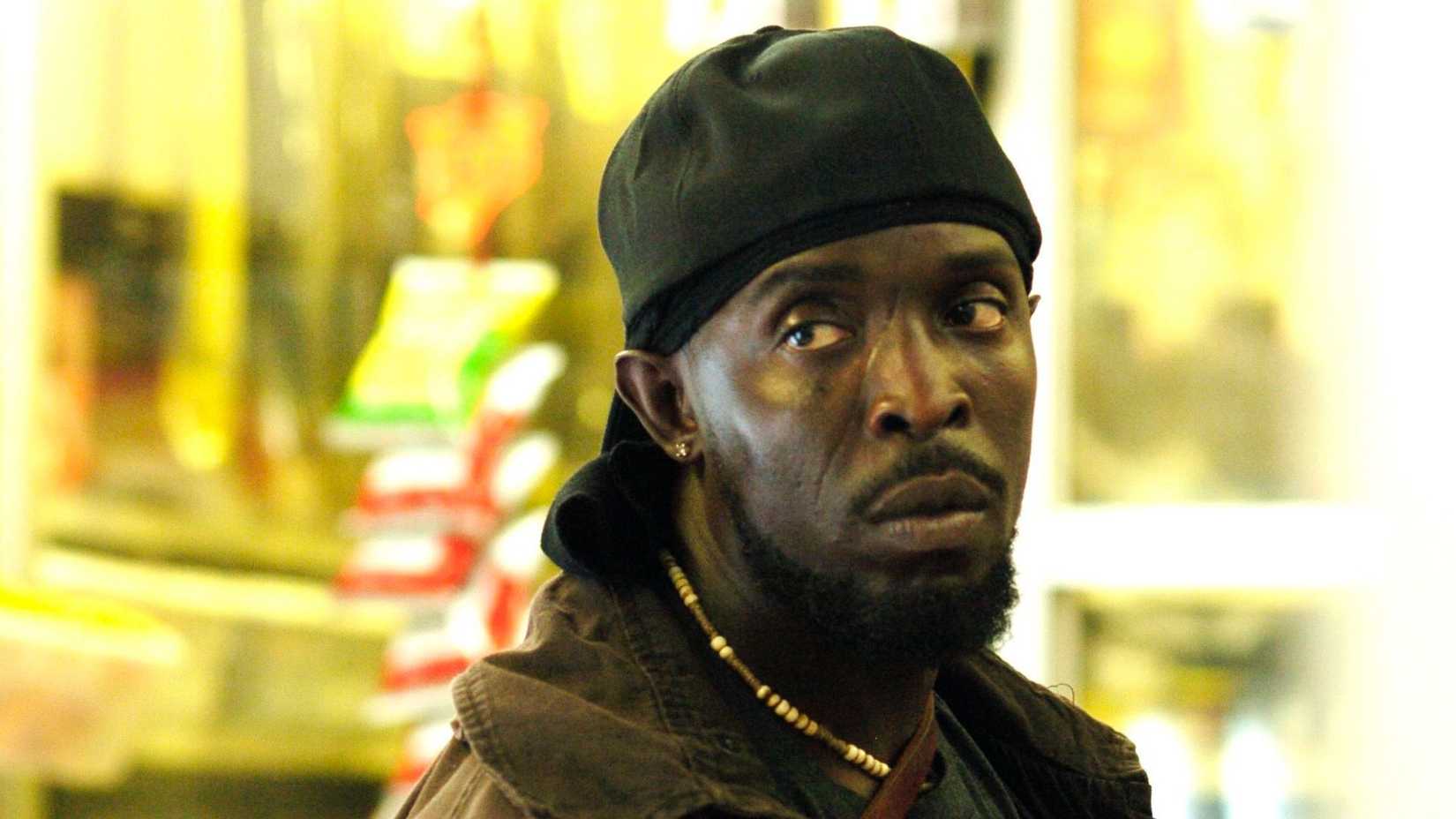
As a total TV fanatic, I think The Wire is in a league of its own when it comes to crime dramas. What really sets it apart is how it treats the city itself like a character – it’s not just about cops and criminals. It digs into why crime happens, looking at the bigger problems in the system that trap people from the start. It’s rare to see a show do that! Each season, it focuses on a different part of the city – schools, the docks, politics – and shows how the system is rigged against so many people right from the beginning.
The finale of The Wire is so powerful because it doesn’t offer simple answers. The city feels just as troubled at the end as it did in the beginning. We see Jimmy McNulty lose his job, and the police department tries to hide its mistakes. While beloved characters move on, the ending isn’t hopeful, but it’s effective, leaving a lasting impression and plenty to consider.
Six Feet Under
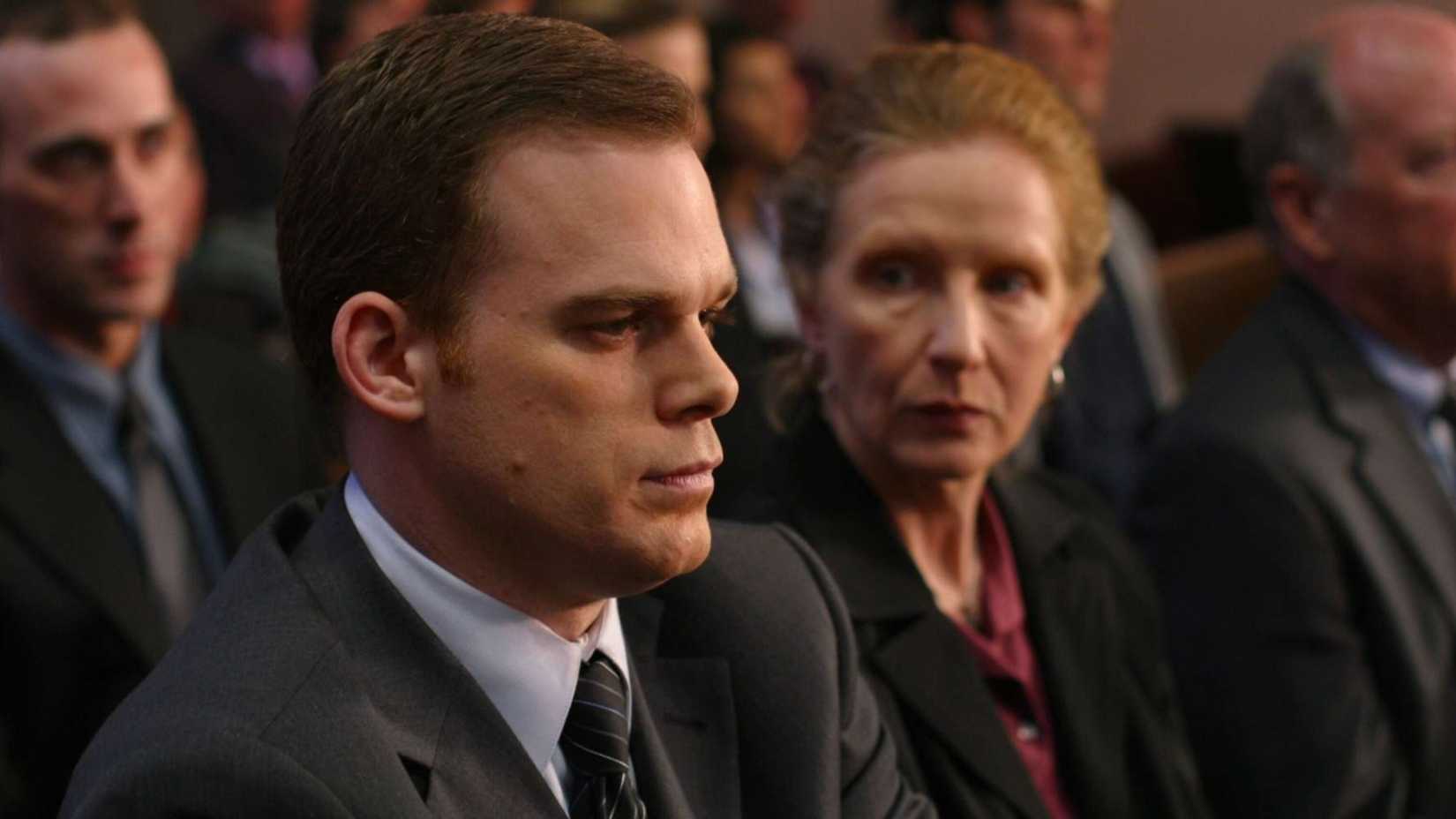
Given that Six Feet Under centers around a funeral home and starts each episode with a death, it wasn’t shocking that the series finale included multiple deaths. However, the fact that these were the main characters, whom viewers had followed for five seasons, made the finale incredibly emotional. It seemed likely the show would avoid killing off all of its beloved characters in one episode, but ultimately, it didn’t.
Many consider the finale of Six Feet Under to be exceptionally well done because it provides a sense of completion by revealing how each central character eventually passes away, with most enjoying full and happy lives. While the rapid succession of deaths might seem sad, it feels appropriate given the characters’ profession – they worked at a funeral home and had a unique understanding of death. Ultimately, this ending felt true to the show’s core themes, as Six Feet Under was fundamentally about mortality.
Fringe
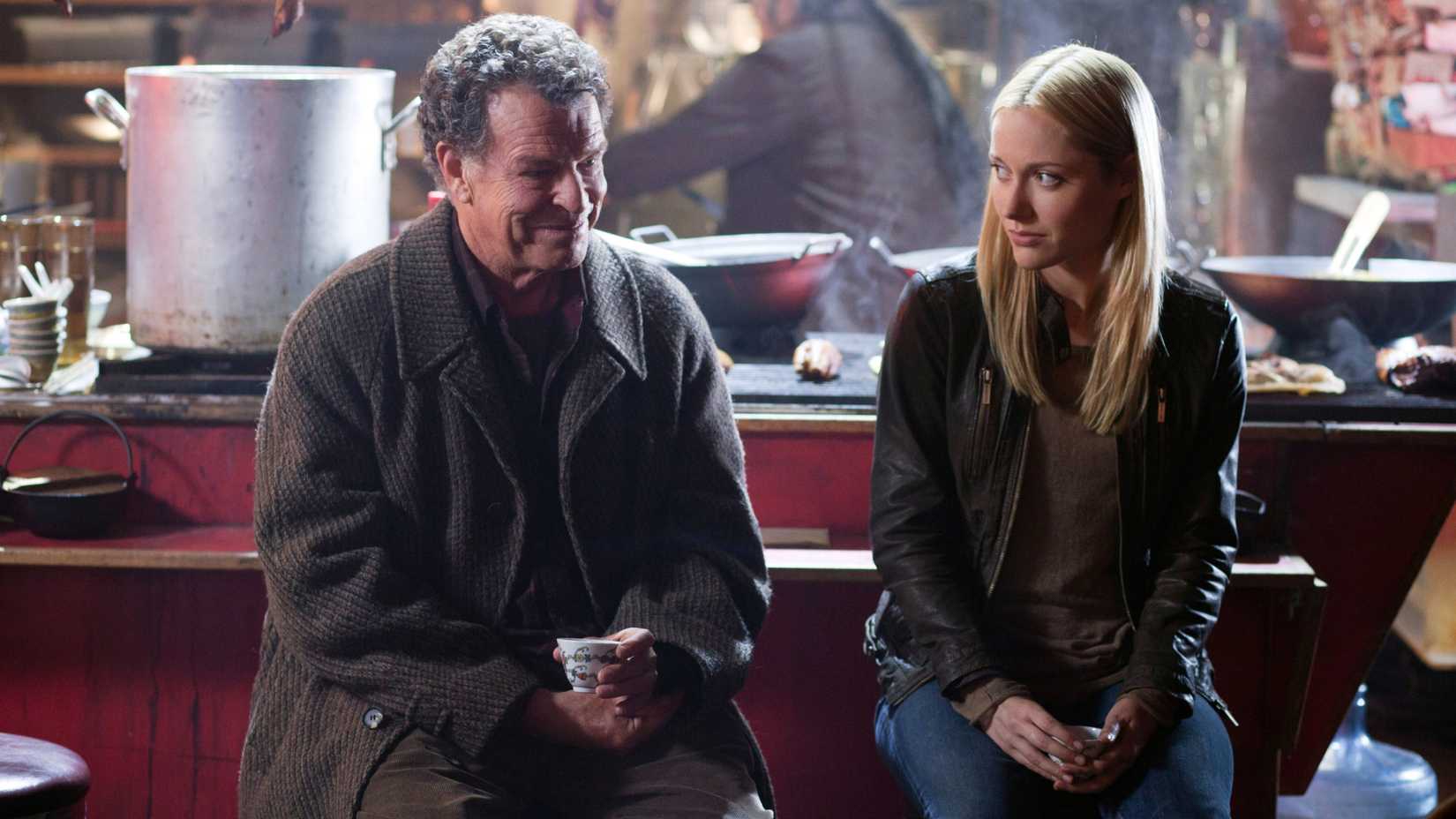
The ending of Fringe remains a bit puzzling for many viewers. The show was known for its complicated, thought-provoking science fiction – involving time travel and multiple universes – and the finale was no exception. While a character making a selfless sacrifice isn’t a unique ending, it was particularly impactful because it was Walter, a beloved character, who chose to erase himself from existence to ensure a better future for everyone else.
As a longtime fan, the Fringe finale felt bittersweet. While it offered a sense of closure, it really hit me hard when a character we all loved was taken from us, and the episode delved into the raw emotions of loss and grief. Even with everything that happened, the core of the story was still heartbreaking – a father and son being torn apart, and so many memories being wiped away. Honestly, Walter telling Peter ‘you are my very favorite thing’ in that final moment just made the whole thing even more devastating.
The Shield
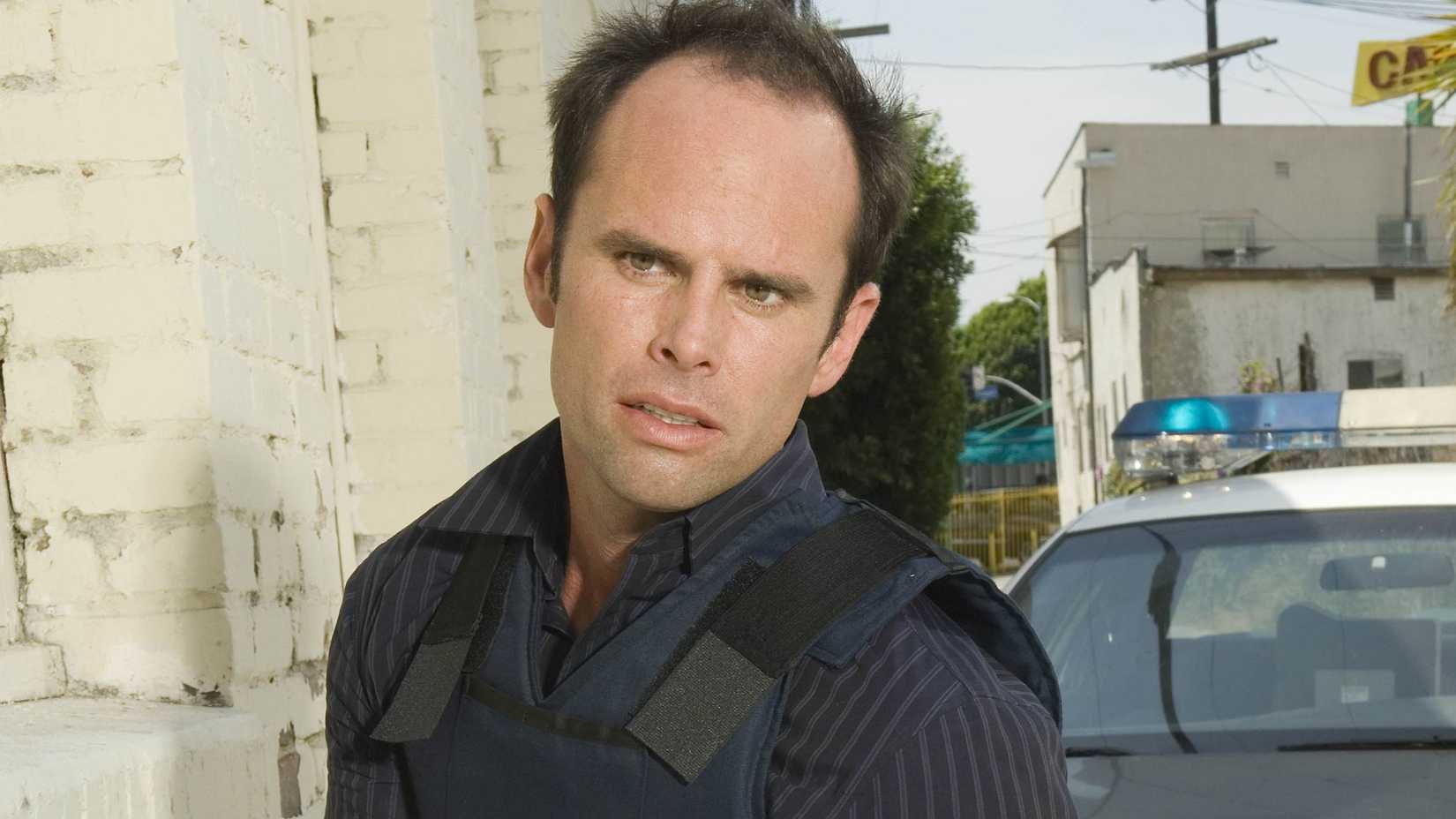
The series The Shield concluded after seven seasons of escalating drama with a shockingly dark finale. Vic Mackey and his team found themselves either trying to bargain for freedom from prosecution or fleeing to avoid capture. While it initially seemed like Shane might escape, his situation grew increasingly desperate as authorities closed in. The final scene revealed Shane had tragically killed his family before law enforcement arrived and apprehended him.
Despite the shocking events, The Shield wasn’t finished. The episode focused on what would happen to Vic Mackey after he learned about his friend’s death. While the show kept viewers in suspense, Vic’s final scene was surprisingly harsh, especially considering the series’ history of violence. He’s still alive, but stuck at a desk job, forced to ask permission for even small things – a fate that feels like his ultimate punishment.
Breaking Bad
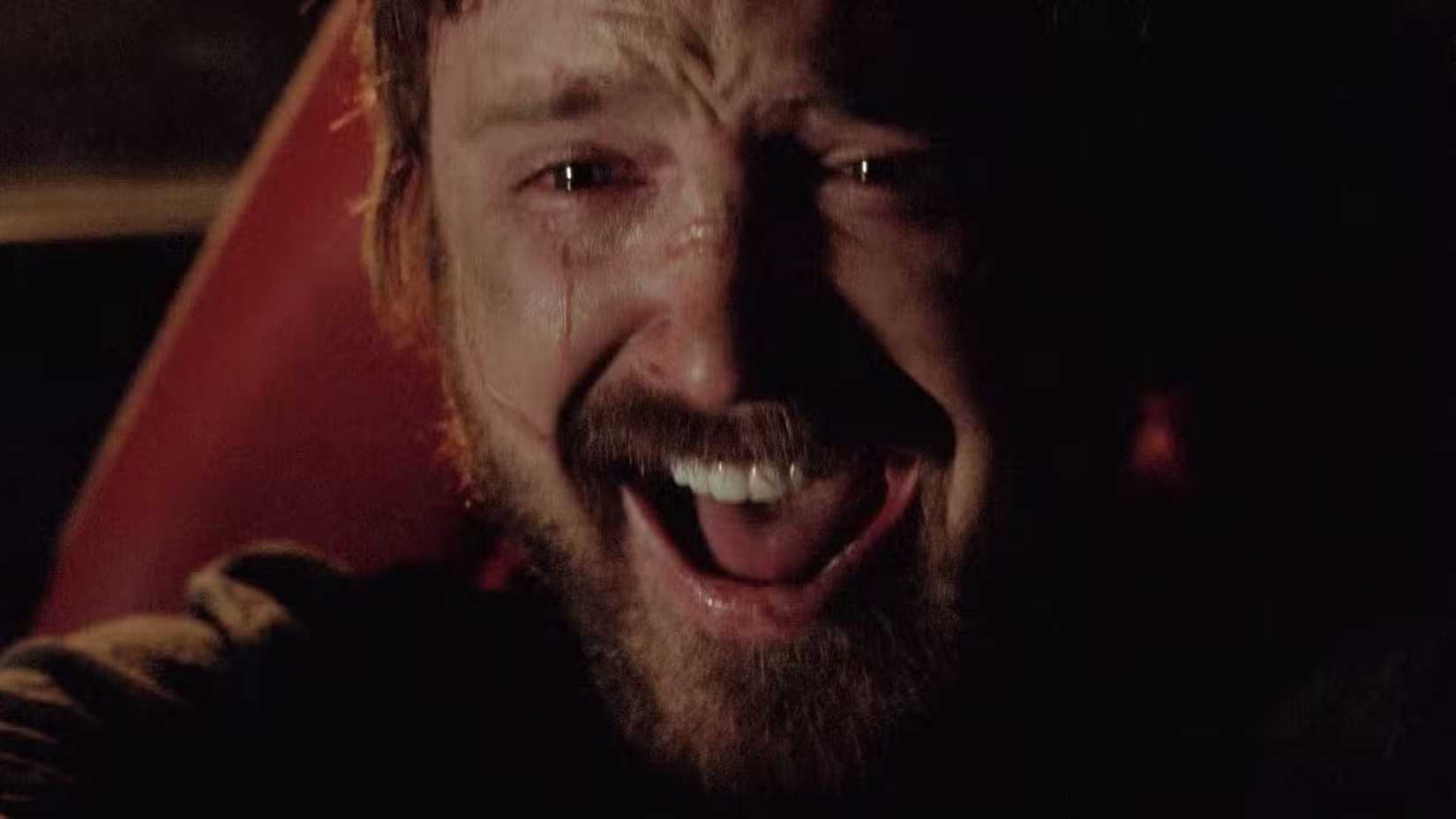
As Breaking Bad neared its explosive conclusion, Walter White appeared to have only three possible fates: running away, going to prison, or dying. Though his death seemed likely throughout the final episode, the show ultimately ended with Jesse Pinkman escaping into the night. Jesse’s fate wasn’t fully revealed until the follow-up movie, El Camino, leaving viewers wondering what happened next.
Jesse Pinkman was a popular character, but his struggles increased throughout the series. His captivity by Uncle Jack and his gang was particularly difficult to watch, and although viewers got to see Walt take revenge, the ending offered a subtle but powerful message. While the deaths of Jesse’s captors were satisfying for the audience, his final scene revealed the lasting trauma he experienced, highlighting how Walt had destroyed the lives of everyone involved.
Sons Of Anarchy
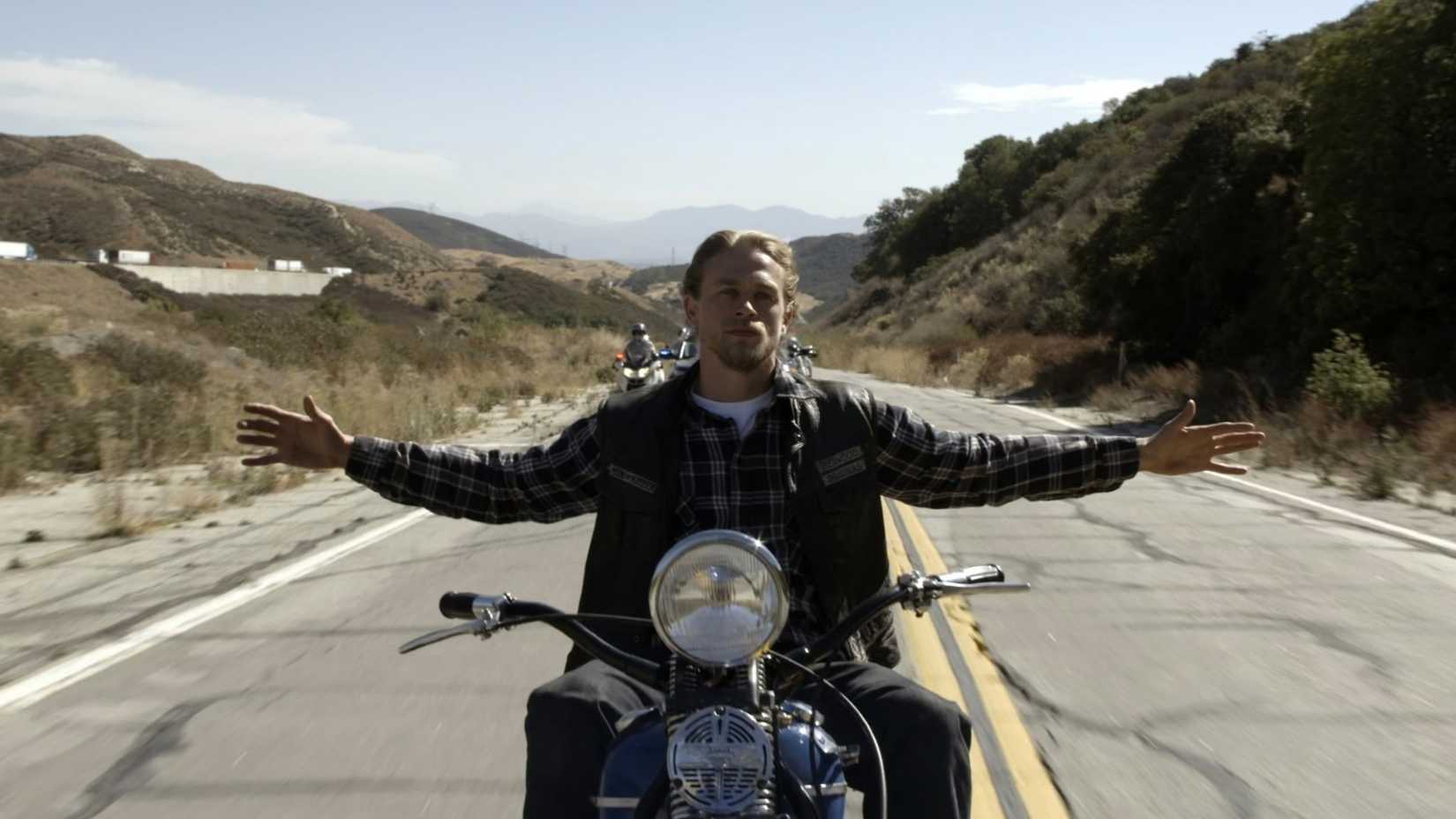
Since Sons of Anarchy drew inspiration from Shakespeare’s Hamlet, a tragic ending was inevitable. Despite Jax’s efforts to reform the motorcycle club, the final season revealed too much damage and conflict. Leaving Charming seemed like the only way out. In the series finale, after resolving outstanding issues, Jax led the police on a chase and ultimately drove his motorcycle into the path of an oncoming truck.
Jax made many mistakes throughout the seven seasons of Sons of Anarchy, but whenever he attempted to steer the club towards legal businesses, something always interfered. It was obvious how deeply Jax cared for the club, making his decision to leave especially heartbreaking. That heartbreak intensified as it became clear he wasn’t planning to escape. Ultimately, his past would have inevitably caught up with him, suggesting his sacrifice was the only way out.
Little House On The Prairie
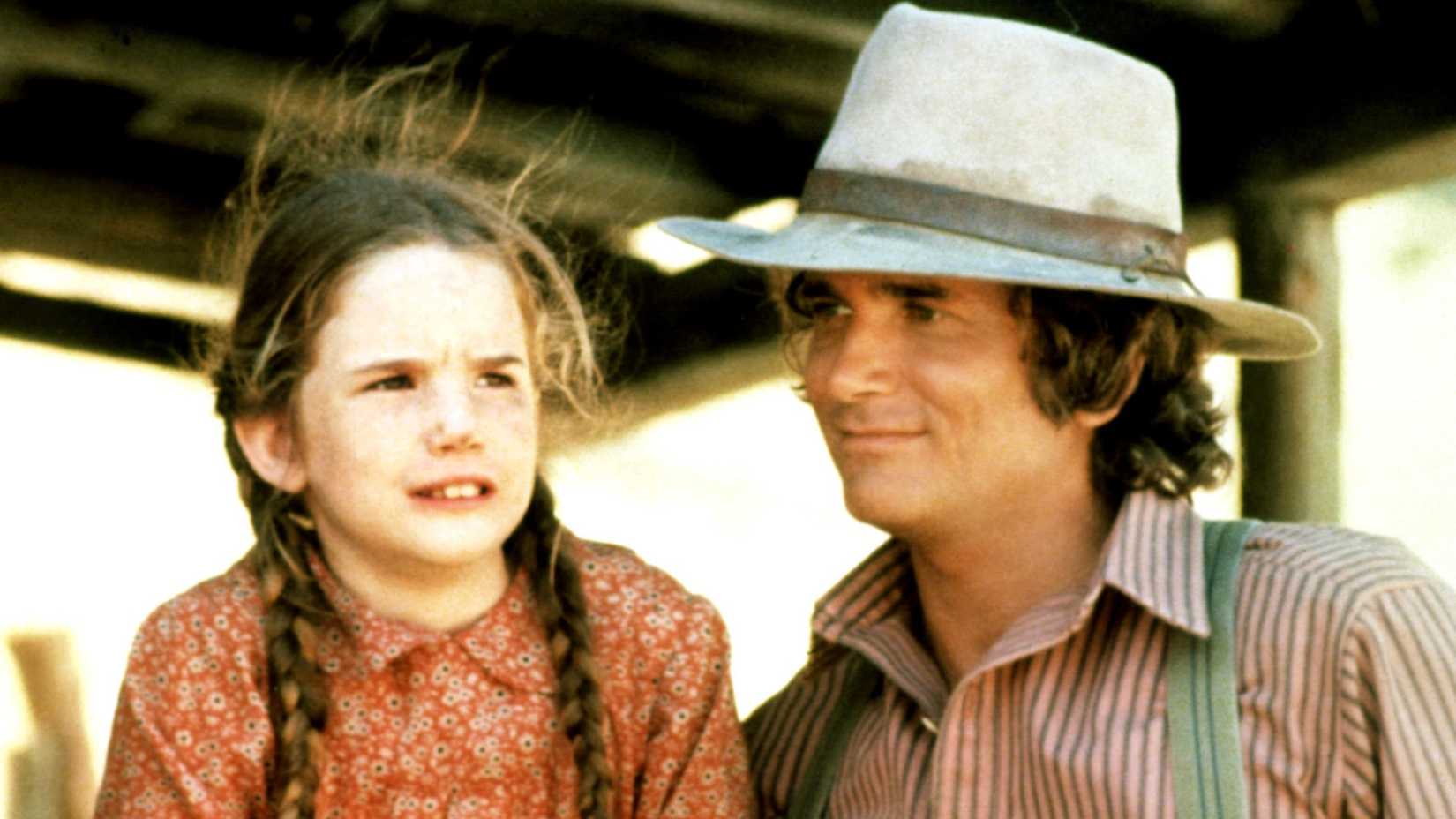
Many people remember Little House on the Prairie as a heartwarming show, but it actually dealt with difficult topics like illness, hardship, and violence. While some aspects haven’t held up over time and the show sometimes glossed over the realities of pioneer life, it was surprisingly progressive for its time. The final season tackled a very modern issue: greedy developers trying to force people out of their homes in Walnut Grove, which sadly still happens today.
Although Little House on the Prairie was generally a heartwarming show, its final episode was surprisingly intense. Instead of simply leaving, the townspeople dramatically destroyed Walnut Grove. The cast themselves described the scene as a sort of farewell to the series, and while the powerful moment made sense within the story, the finale remains difficult to watch even now.
The Sopranos
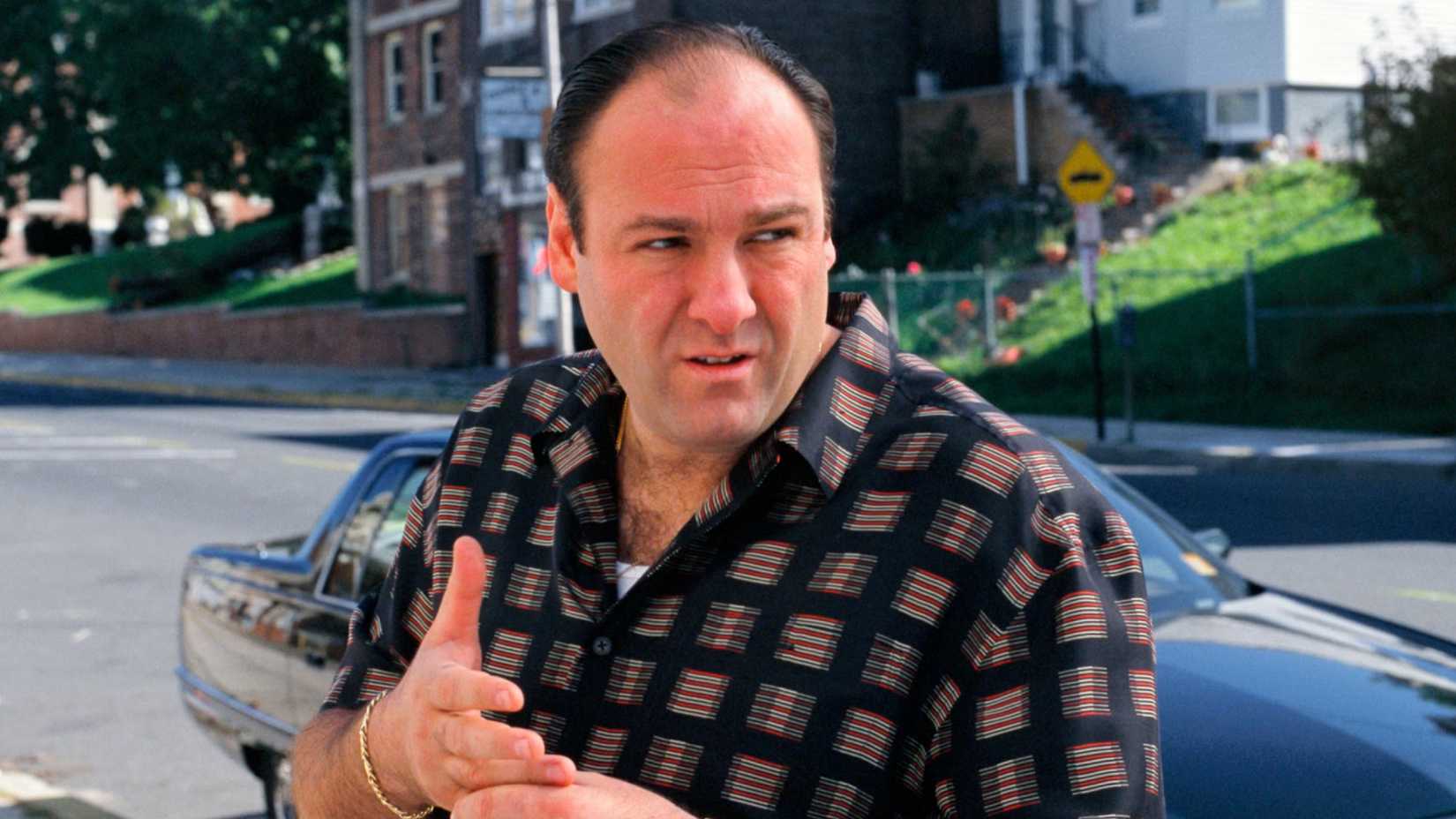
The controversial ending of The Sopranos is arguably more frustrating for the audience than for the characters themselves, as we never see their reaction to the implied violence. After six seasons of excellent writing and complex characters, the series abruptly cut to black mid-scene, leaving many viewers wondering if there was a technical problem. While the ending felt underwhelming at first, it gains more meaning upon rewatching the show, as subtle clues throughout the series foreshadow Tony’s ultimate fate.
As a huge fan of The Sopranos, I’ve always been struck by how cleverly the show hinted at Tony’s eventual fate. The creators used little details, like the recurring image of oranges – a nod to The Godfather – to subtly foreshadow things. But one scene that really gets me is in Season 6, “Soprano Home Movies.” Tony and Bobby are just casually talking about getting ‘whacked,’ and Bobby says something chilling about how you might not even hear it when it happens. It’s incredibly ironic, because that’s exactly how it goes down. The ending feels a little ambiguous at first, but on a rewatch, all those little clues come together and it’s absolutely brilliant.
The Good Place
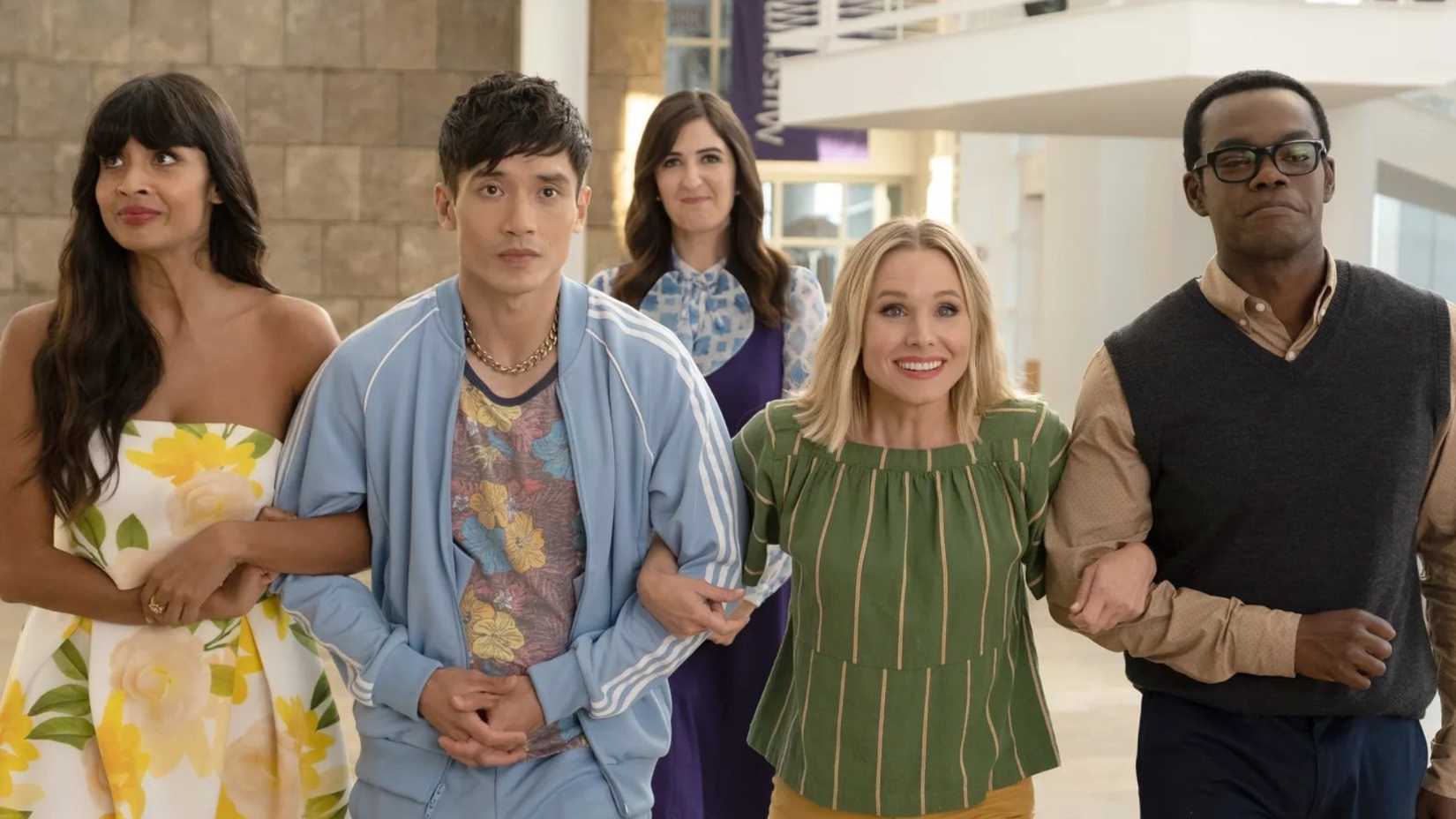
While many TV show finales leave viewers feeling down, not all are purely sad. The ending of The Good Place was deeply emotional, but also offered a sense of peace. The show concluded with the restored Good Place offering a doorway to move on after a life of self-improvement. The goodbye between Chidi and Eleanor was particularly heartbreaking, as Chidi was ready to go, but Eleanor wasn’t.
The way most of the characters ultimately decide to move on strengthens the emotional impact of the finale. It shows us that nothing truly lasts forever, but that people can continue to make a positive difference in the world even after they’re gone. It’s difficult to watch the series finale of The Good Place without thinking about those we’ve lost, and that’s what makes the ending so universally relatable for anyone who has experienced loss.
Better Call Saul
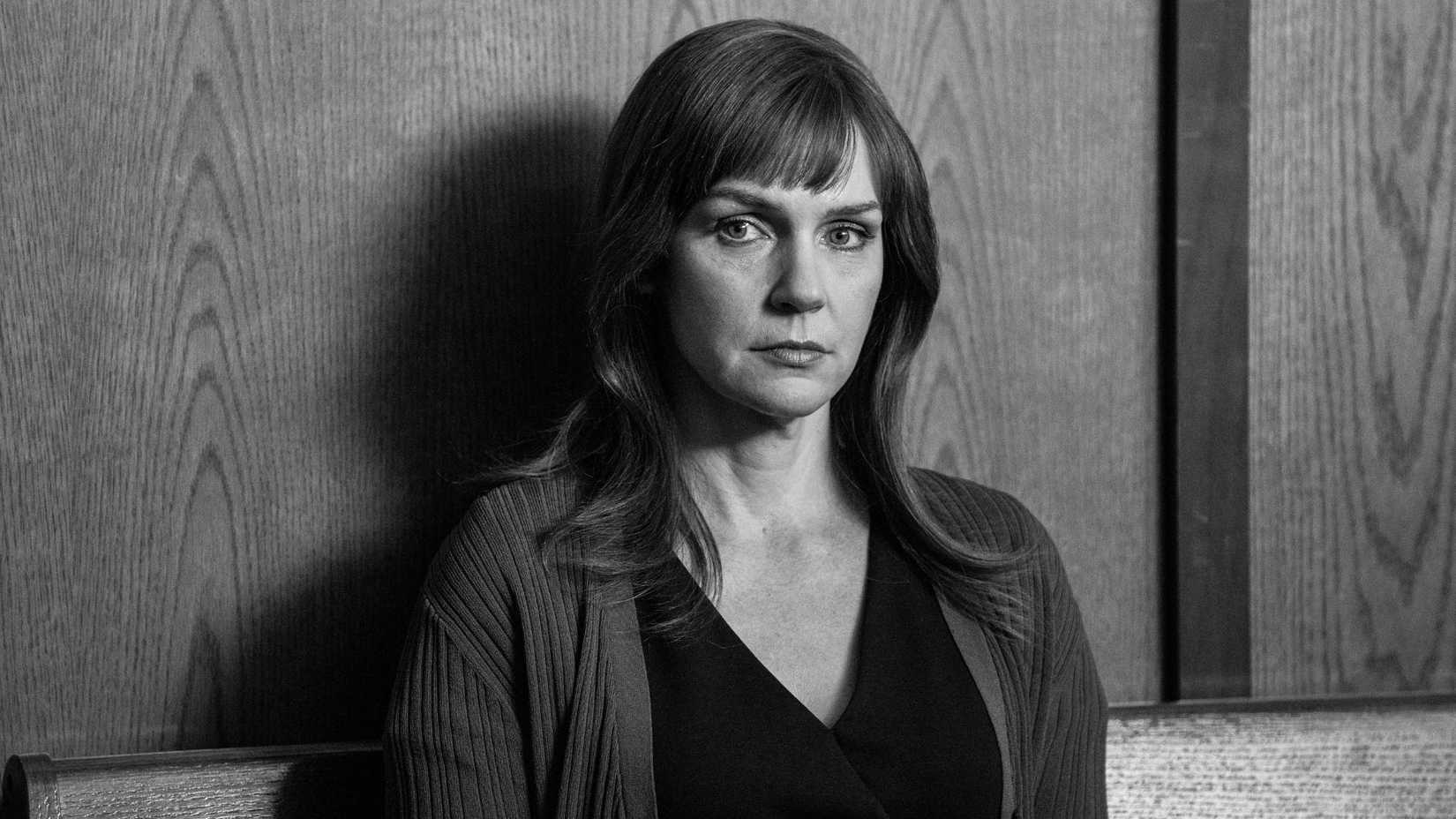
The black and white sequences in Better Call Saul clearly distinguished between the show’s different time periods, but they also hinted at a bleak future for Jimmy McGill. Despite glimmers of hope throughout the series, even in the final escape attempt where it briefly seemed Jimmy might avoid consequences, the show ultimately depicts the downfall of both Jimmy and Kim Wexler.
Now that Jimmy is serving a life sentence, where his flamboyant personality isn’t exactly a hit, and Kim is stuck in a dull, ordinary life unable to even make small choices, they seem to be worse off than if Better Call Saul had ended in a violent showdown like Breaking Bad. But this heartbreaking conclusion was precisely what the show needed to stand on its own, fully developing Jimmy McGill’s story and showing the consequences of his actions.
Read More
- All Itzaland Animal Locations in Infinity Nikki
- Cthulhu: The Cosmic Abyss Chapter 3 Ritual Puzzle Guide
- Persona PSP soundtrack will be available on streaming services from April 18
- Gold Rate Forecast
- Solo Leveling’s New Manhwa Chapter Revives a Forgotten LGBTQ Story After 2 Years
- The Boys Season 5 Spoilers: Every Major Character Death If the Show Follows the Comics
- Raptors vs. Cavaliers Game 2 Results According to NBA 2K26
- Focker-In-Law Trailer Revives Meet the Parents Series After 16 Years
- Dungeons & Dragons Gets First Official Actual Play Series
- Morgan Stanley’s Tokenized Tango: Wealth, AI, and the Onchain Waltz
2026-04-20 00:56