Anime and film adaptations can really showcase what makes a manga special with their animation, voice acting, and powerful music. However, too often, the way these adaptations translate the original story doesn’t add anything new, and they don’t truly capture the spirit of the manga or improve the overall experience.
Sometimes, anime adaptations cut out entire story arcs. Other times, issues with timing or budget can weaken the impact of the original manga. This often means the manga is stronger because it consistently delivers a complete visual and narrative experience that anime can’t always match.
Berserk’s Manga Maintains Artistic and Emotional Precision Difficult to Adapt to Anime
No anime version of Berserk has ever quite captured the feeling and rhythm of the original manga, and the reason lies in Kentaro Miura’s stunning black and white artwork. The detailed shading and textures – from deep shadows to realistic depictions of decay – simply don’t translate well to color, and no adaptation has attempted to present it in the same black and white style, like Zack Snyder sometimes does.
Beyond the weak animation, the 1997 adaptation only covers the Golden Age storyline, completely leaving out the Lost Children arc and its intense violence, horror, and emotional depth. The entire Wyald story arc and the Hawk of the Millennium Empire arc are also found only in the original manga. The 2016 anime attempted to recreate Miura’s work using poor CGI, resulting in widespread criticism and ranking it among the worst adaptations of all time.
Soul Eater Doesn’t Come to the Same Conclusion As Its Manga
The Soul Eater manga and anime start out following the same story, but diverge significantly halfway through. The anime’s ending isn’t very satisfying, and it leaves out important plot points from the manga. For example, Death the Kid’s crucial storyline—including his efforts to broker peace between the DWMA and witches, and his promise not to create another Death Scythe—is completely absent from the anime, and his character isn’t given the agency he has in the manga.
The Soul Eater anime is fun to watch, but it doesn’t fully adapt the story the creator, Ohkubo, intended. The character Justin Law is much more developed and interesting in the manga compared to the anime, where he simply supports DWMA. Also, the manga gives Crona a longer arc as a villain, culminating in a selfless sacrifice to imprison Asura on the moon. The anime’s resolution of Crona’s story feels rushed and doesn’t feel earned.
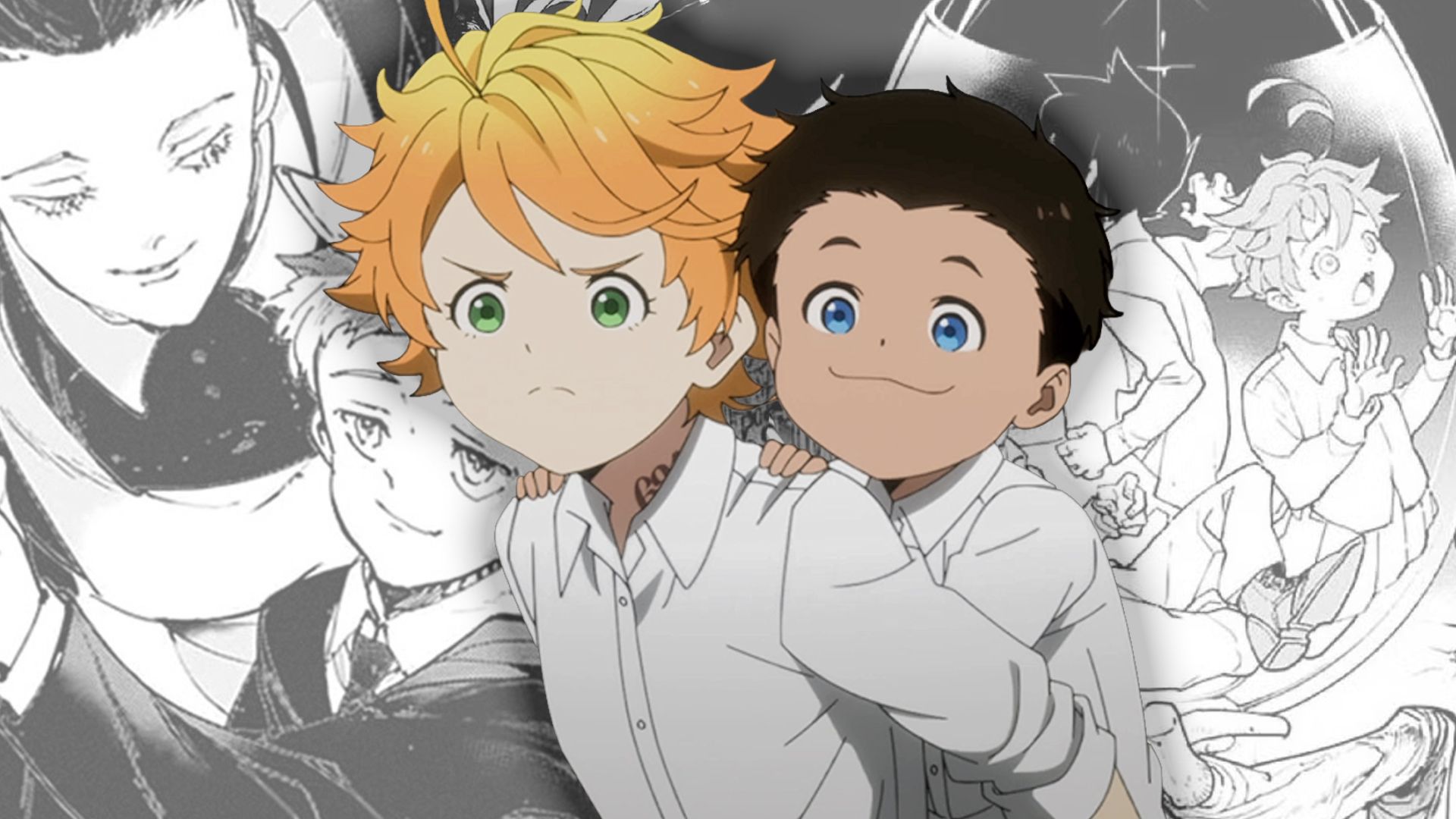
The Promised Neverland’s Second Season Skips an Essential Story Arc
The first season of The Promised Neverland closely follows the story of the manga’s initial arc. However, the second season significantly deviates from the source material. The anime’s biggest change was cutting the Goldy Pond arc entirely, a decision that disappointed many readers, as it also meant leaving out Lucas, a character who becomes crucial to the plot later on.
The anime rushed Norman’s return, bringing him back much sooner than the manga did—where he was absent for almost 100 chapters after his supposed death. Additionally, the beautiful and detailed artwork of Posuka Demizu, which really set the mood in the manga, wasn’t featured at all in the anime adaptation.
One Punch Man’s Production Quality Didn’t Depict the Manga’s Expanded Arcs
The first season of One Punch Man, directed by Shingo Natsume at Madhouse, is known for its fantastic animation, particularly the epic battle between Saitama and Boros, which many consider to be one of the best animated fights of the last ten years. Unfortunately, the second season saw a noticeable drop in animation quality, and the anime didn’t even include the show’s longest story arc, the Monster Association arc.
The manga does a great job of showing both incredible speed and focused fighting, especially in the battles between Saitama and Speed O’ Sound Sonic. Unfortunately, the anime adaptation didn’t fully capture the excitement of the Garou arc, or give enough time to Garou’s fights and a particularly moving chapter featuring Saitama.
Tokyo Ghoul Shows an Alternate Ending with Major Arcs Removed
The manga version of Tokyo Ghoul:re finishes with a satisfying and well-defined ending, tying up the storylines for its main characters. However, the anime adaptation of the final story arc changes key events, resulting in plot and emotional problems that many fans found disappointing.
The anime adaptation leaves out Operation Rushima, a key event that explains how Kaneki becomes the One-Eyed King. It also doesn’t capture the unique and emotional style of Ishida’s artwork, particularly in the later Tokyo Ghoul:re volumes.
The Seven Deadly Sins Anime Declined Because of Production Issues
The third season of the anime experienced a shift in production when A-1 Pictures passed the project on to Marvy Jack, leading to an uneven and inconsistent final product. This was particularly noticeable in the long-awaited fight between Meliodas and Escanor, which many fans felt was poorly executed despite its importance to the story.
The manga version of The Seven Deadly Sins consistently features detailed art that really brings the story and action to life, something the anime struggled to capture. While the first two seasons of the anime produced by A-1 Pictures are well-done, the manga consistently maintains that level of quality all the way to the end.
The Flowers of Evil Presents the Anime Completely Different From Manga
The author, Oshimi, actually signed off on using rotoscoping in the anime. He believes the director, Hiroshi Nagahama, truly understands the story, meaning the poor adaptation wasn’t due to the studio disregarding his work. While Oshimi had a different vision for how rotoscoping could have been used – a choice he admits was controversial and ultimately hurt the anime’s popularity – it was a genuine creative decision.
The anime adaptation of The Flowers of Evil wasn’t popular with manga fans, largely due to its use of rotoscoping. The anime only covered the first part of the manga, stopping in the middle of a story arc, and the anime version of the character Saeki felt too different from how she was portrayed in the original manga. This led to strong negative reactions from fans, and the series was cancelled after just one season.
One Piece’s Anime Pacing Dilutes the Structural World-building of Manga
While the One Piece anime has some weaknesses, it’s also surpassed the manga in certain areas – the fight between Luffy and Lucci at Enies Lobby and Zoro’s sacrifice at Thriller Bark are prime examples. The issue isn’t the directing by Tatsuya Nagamine, but rather the anime’s slower pace compared to the manga. This is due to frequent recaps, filler storylines, and scenes that are drawn out longer than necessary.
Reading a single chapter of the One Piece manga usually takes about fifteen minutes and contains as much story as two or three episodes of the anime. For example, the Dressrosa arc spans 100 manga chapters, but is adapted into 118 anime episodes, totaling 40 hours of viewing time. Additionally, the anime struggles to capture the intricate details of the world and characters that the manga’s creator, Oda, is known for, such as the unique designs of Devil Fruit powers and the powerful emotions shown on characters’ faces.
Akame Ga Kill! Anime and Manga Has Completely Different Character Outcomes
Takahiro, the creator of the manga, altered the story’s ending because the anime adaptation was produced while he was still writing it. This led to two separate conclusions, with many fans preferring the manga’s version. In the manga, Tatsumi lives, fully transforms into a dragon, and eventually returns home. However, the anime kills him off in episode 23. The same happens with Mine: she falls into a coma and recovers in the manga, but dies in episode 21 of the anime.
Kurome’s survival and character development with Wide in the manga adds significant emotional depth compared to her shocking death in the anime. The anime’s focus on shock value undermines the emotional impact built up in the manga. Ultimately, the manga provides a more hopeful and satisfying conclusion, with the characters’ fates feeling well-deserved and earned.
Deadman Wonderland Removes Important Elements
In 2011, the animation studio Manglobe created a 13-episode anime series based on the first five volumes of the Deadman Wonderland manga, essentially covering the first major story arc. While the Deadman Wonderland manga consists of 58 chapters across 13 volumes, the anime adaptation only covered a portion of it, leaving out significant content such as the backstory of Wretched Egg, the Scar Chain Rebellion story arc, and the resolution of the relationship between Ganta and Shiro.
As a fan of the manga, I was really disappointed that Azami was completely left out of the anime! She’s a huge character who becomes super important later on, so anime-only viewers are missing a big piece of the puzzle. It’s not that the anime is bad, it just feels… incomplete. Like we only got a glimpse of this amazing world and these characters, and then it just stopped, leaving things hanging. It feels more like a preview of a much larger story than a complete adaptation.
Read More
- Solo Leveling’s New Manhwa Chapter Revives a Forgotten LGBTQ Story After 2 Years
- Gold Rate Forecast
- All Itzaland Animal Locations in Infinity Nikki
- The Boys Season 5 Spoilers: Every Major Character Death If the Show Follows the Comics
- How to Get to the Undercoast in Esoteric Ebb
- ‘The Pitt’ Season 3 Is Repeating Season 2’s Biggest Time Jump Mistake
- DTF St. Louis Series-Finale Recap: You Can’t Hold the Sun in Your Hand
- Woman fined $2k over viral googly eyes graffiti on $100k statue
- Cthulhu: The Cosmic Abyss Chapter 3 Ritual Puzzle Guide
- Silver Rate Forecast
2026-04-17 18:49