It’s a familiar frustration for science fiction fans: falling in love with a show only to have it unexpectedly canceled. Many great sci-fi series have suffered this fate – Firefly lasted just one season, and Dollhouse only two. Netflix abruptly ended Mindhunter, leaving viewers with unanswered questions. Thankfully, some shows have managed to avoid this pattern. The Expanse received a satisfying conclusion, Stranger Things had the chance to finish its story, Dark delivered a perfectly crafted ending, and Battlestar Galactica went out with a bang.
Many science fiction shows with unique ideas and dedicated fans are unfortunately cut short, often leaving storylines unfinished. The rise of streaming services hasn’t helped, and this list highlights the sci-fi TV shows that deserved to continue. These shows were developing something truly special when they were unexpectedly canceled, ending abruptly or fading into obscurity. Despite their premature ends, they all have the potential to be successfully revived today.
‘FlashForward’ (2009 – 2010)
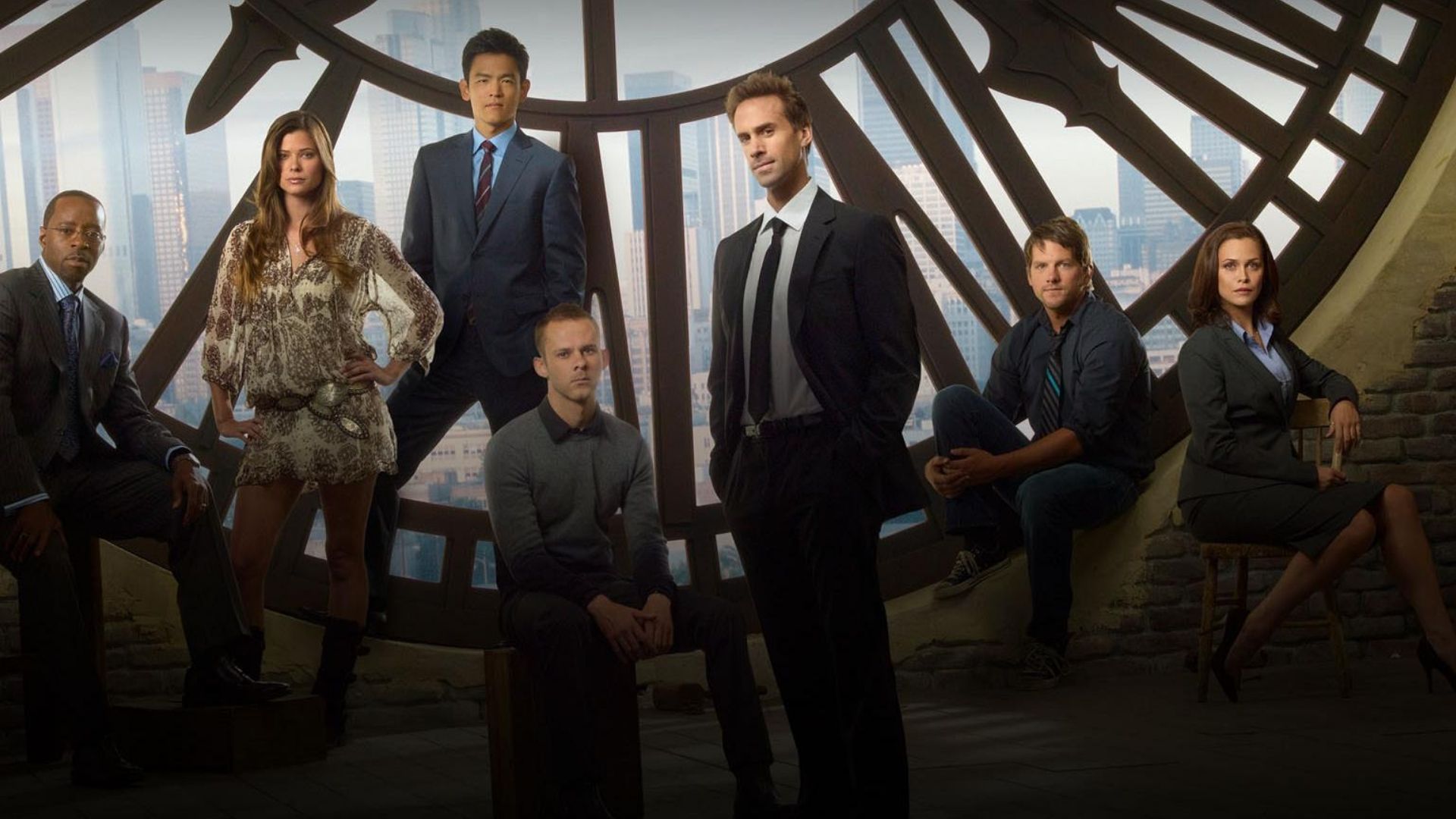
On April 29, 2009, the entire world experienced a blackout lasting two minutes and seventeen seconds. The result was chaos – plane crashes and massive car accidents. When people regained consciousness, they all shared the same strange memory: a brief vision of their lives six months in the future. FlashForward was ABC’s ambitious attempt to bring Robert J. Sawyer’s novel to television, and it’s known for having one of the most captivating pilot episodes in science fiction history. The story centers on FBI agent Mark Benford, who investigates the blackout while being haunted by what he saw in his own future.
The TV show FlashForward had a lot going for it: a talented cast with actors like Joseph Fiennes and John Cho, a great source novel, and a compelling mystery. It even started strong, with 12 million people tuning in for the first episode. Unfortunately, ABC kept changing the air dates, which disrupted the show’s progress, and it was ultimately canceled. After just one season and a shocking cliffhanger ending – revealing another worldwide blackout – it quickly faded into obscurity. It deserves a revival.
‘Terminator: The Sarah Connor Chronicles’ (2008 – 2009)
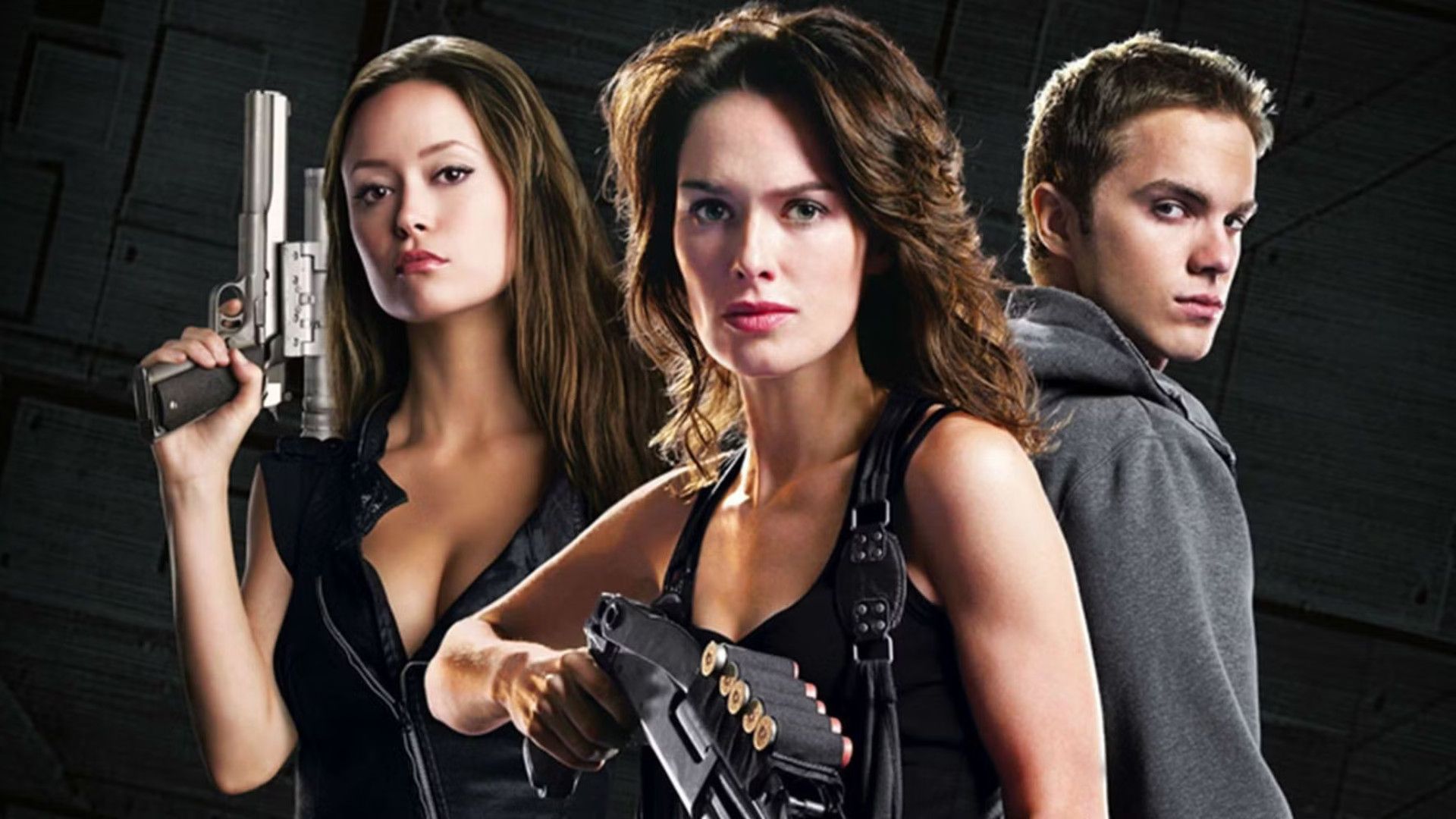
Most Terminator stories are packed with action, but The Sarah Connor Chronicles delved deeper, exploring the emotional impact of knowing a devastating future is unavoidable. Picking up after Terminator 2, the show follows Sarah and John Connor as they travel to 2007, aided by Cameron, a Terminator who has been reprogrammed to help them.
Before becoming famous for Game of Thrones, Lena Headey played Sarah Connor in a TV series as a deeply tired and distrustful woman – a portrayal the movies never explored. Later, the show delved into thought-provoking questions about what it means to be human, particularly through the character of Cameron and her struggles with identity and choice. Unfortunately, the series was unexpectedly canceled by Fox, and the Terminator franchise hasn’t been successful since, with several attempts to restart it all failing.
‘John Doe’ (2002 – 2003)
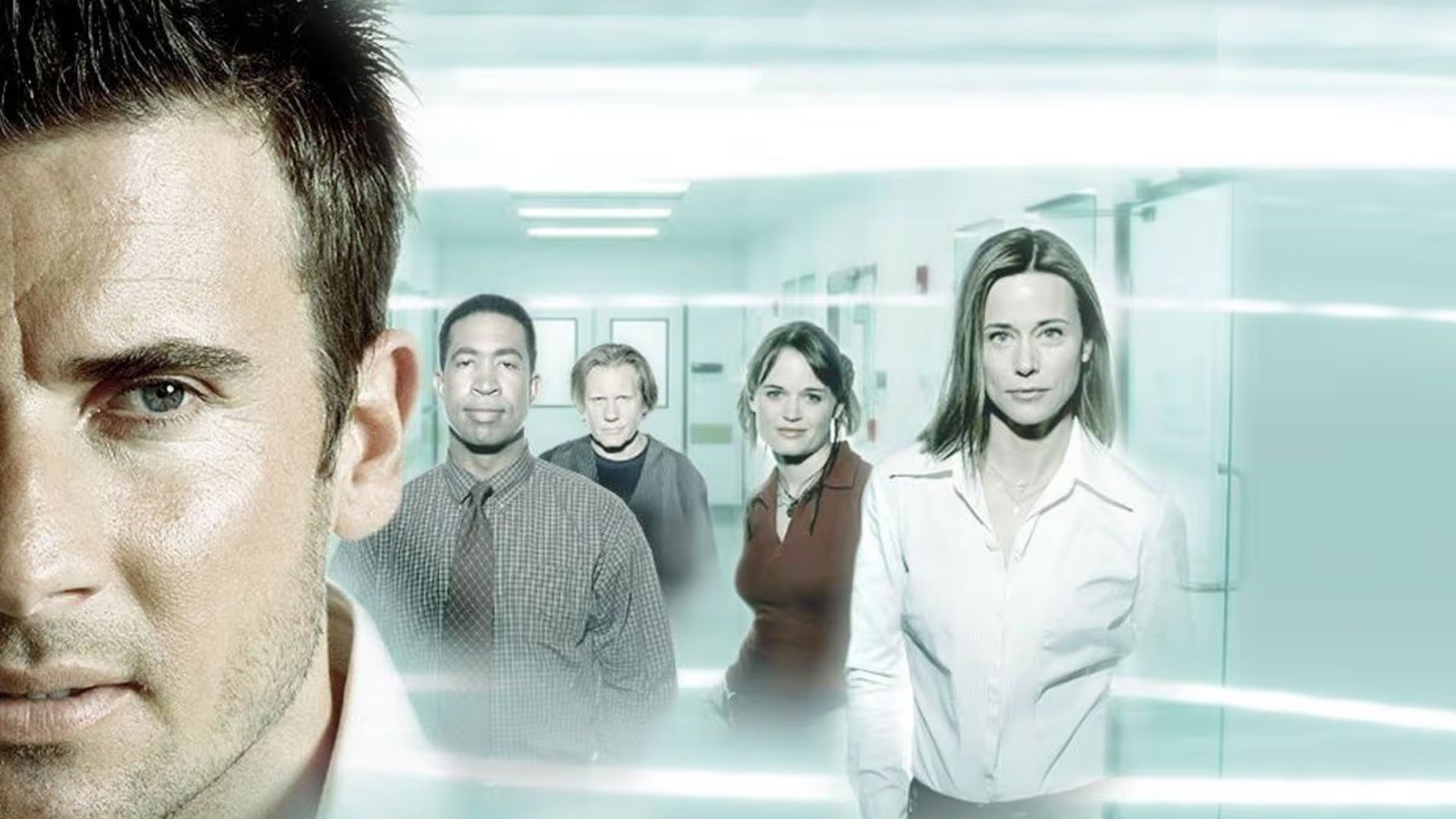
John Doe was a TV show from the early 2000s that felt remarkably innovative for its time. The series starred Dominic Purcell as a man who mysteriously loses his memory but retains complete knowledge of everything else. Throughout the show, John uses his extraordinary skills to solve crimes and uncover the truth about who he is. It blended the atmosphere of classic noir with science fiction elements, captivating audiences.
The first season of John Doe ended by revealing the main character’s true identity, but Fox canceled the show before any further episodes could be made. The creators had a detailed story arc planned, and they’ve since shared that it would have explored some dark and complex themes. Given the current popularity of shows with intricate mysteries, a reboot of John Doe could be successful if it focused on its unsettling mood and ongoing storyline.
‘Sliders’ (1995 – 2000)
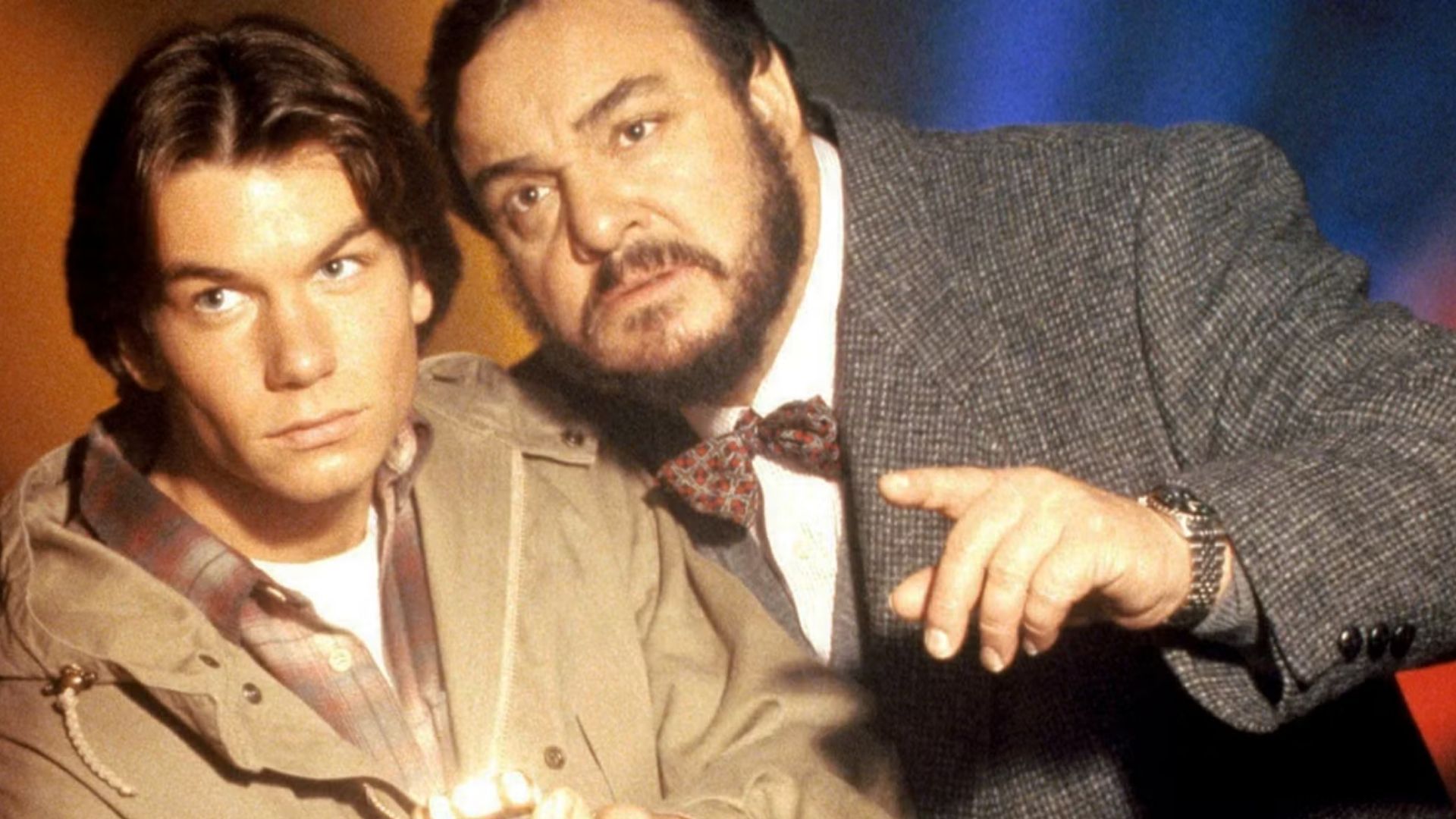
Imagine a single mistake sending you hopping between different versions of Earth, with no way back. That’s the premise of Sliders. The show takes this idea and explores countless possibilities, throwing the main character, Quinn Mallory, and his friends into alternate realities that are sometimes fun and sometimes disturbing. Jerry O’Connell plays Quinn as a down-to-earth character, which helps keep the show grounded even when episodes tackle political commentary or dark, futuristic scenarios.
When it was good, the show brilliantly explored alternate realities – what if the Soviet Union had won the Cold War? What if penicillin had never been found? What if traditional gender roles were reversed? The possibilities were endless then, and they still are. Given how popular stories about multiple universes are now, Sliders feels perfectly suited for a revival. A reboot with today’s technology and special effects could finally bring those imaginative worlds to life.
‘Misfits’ (2009 – 2013)
Before shows like Watchmen, Daredevil, and The Boys popularized the idea, Misfits was a groundbreaking series that deconstructed the superhero genre. This British show centered on a group of young criminals who unexpectedly developed strange abilities during a storm. Rather than portraying traditional heroism, Misfits delved into the complicated and often flawed sides of having powers, with characters like Nathan providing sharp wit and Simon undergoing a particularly captivating transformation.
Unlike many typical superhero shows, Misfits was known for its realistic and often darkly funny take on the genre. The first few seasons were particularly strong, and Robert Sheehan’s character, Nathan Young, quickly gained a dedicated following. Later seasons, however, suffered from cast changes and storylines that weren’t always consistent. Now that there’s a growing trend of superhero shows that challenge the traditional formula, Misfits feels surprisingly modern and impactful.
‘Space: Above and Beyond’ (1995 – 1996)
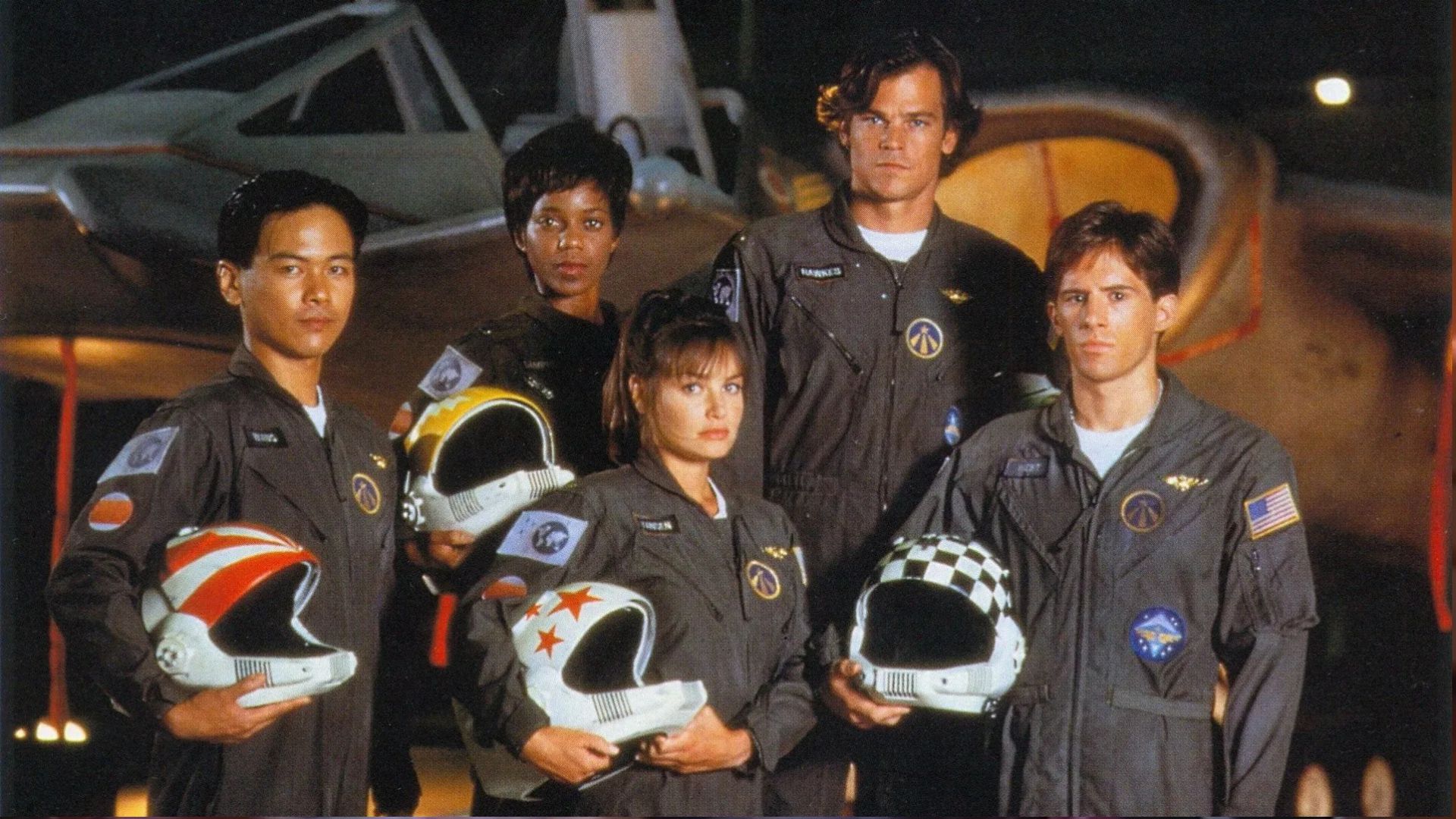
Before Battlestar Galactica blew everyone away and redefined military sci-fi, there was Space: Above and Beyond, quietly laying the groundwork. I recently revisited this mid-21st century series, and it’s striking how relevant it still feels. It centers on a squadron of Marine aviators – they call themselves the “Wildcards” – battling a mysterious alien race called the Chigs. But honestly, the space battles are almost secondary. What really stuck with me is how the show explores the real toll of war, and the difficult moral questions that arise when you’re fighting an enemy you don’t fully understand. It’s a surprisingly thoughtful and affecting series.
Space: Above and Beyond was a surprisingly mature show for its time, dealing with tough topics like prejudice and the cost of war, all while maintaining a compelling emotional core. Sadly, Fox canceled it after just one season, leaving many storylines unfinished and disappointing fans. Creators Glen Morgan and James Wong crafted a show that was truly innovative, and its influence can be clearly seen in nearly every realistic military science fiction series that came after it.
‘Lost’ (2004 – 2010)
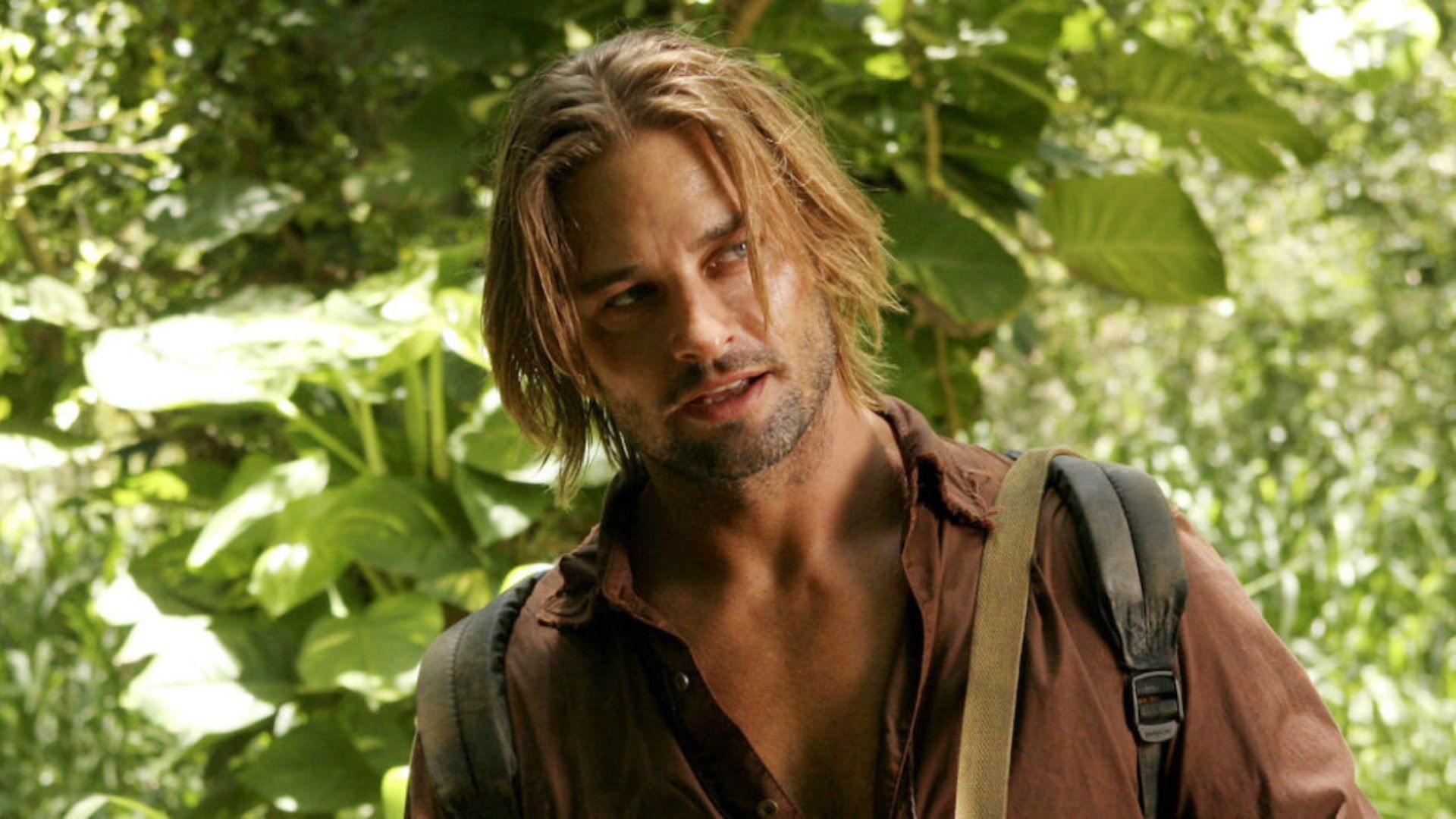
Whether you loved it or hated it, the ending of Lost has been debated for over 16 years. But at its best, Lost was truly groundbreaking television. From the shocking opening plane crash to the island’s many mysteries, the show captivated viewers with its complex story of survival and the lives of its characters. Strong performances from actors like Matthew Fox, Evangeline Lilly, Terry O’Quinn, and Michael Emerson kept fans hooked, even as the plot became increasingly complicated.
Lost is still remembered today for its innovative use of flashbacks, flash-forwards, and even ‘flash-sideways’ storytelling. The show’s ending and overall quality are still hotly debated, proving its lasting impact. People continue to connect with the characters and the story itself. A new version of Lost doesn’t need to copy the original’s complex mysteries; it could focus on a more straightforward, planned-out storyline with a clear conclusion.
‘Altered Carbon’ (2018 – 2020)
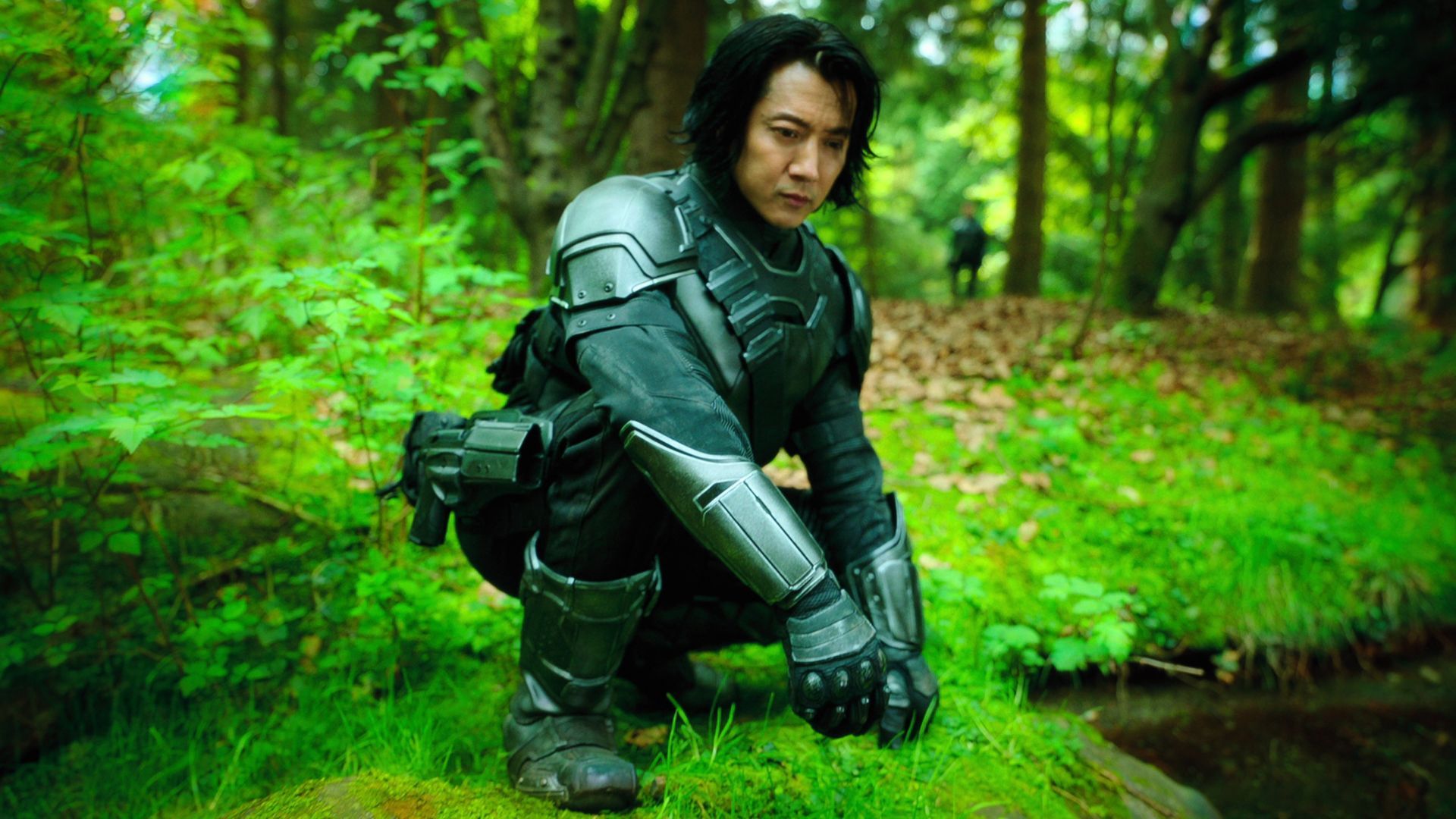
Adapting Richard Morgan’s 2002 novel was a challenge from the start, as is often the case with cyberpunk stories. Netflix’s Altered Carbon arrived with striking, neon-lit imagery and a fascinating premise: consciousness can be moved from one body to another, called ‘sleeves.’ The series follows Takeshi Kovacs, initially portrayed by Joel Kinnaman and later by Anthony Mackie, a former soldier now working as a mercenary who gets caught up in solving murders and unraveling political schemes.
Despite looking great and having interesting concepts, the show Altered Carbon was canceled after just two seasons. While Joel Kinnaman and later Anthony Mackie brought strong performances, the series strayed from the complex, intriguing storyline that made the first season so good. It was disappointing to see it end, especially since there were two more books in the series that could have been adapted. Many feel it deserves another chance.
‘Firefly’ (2002)
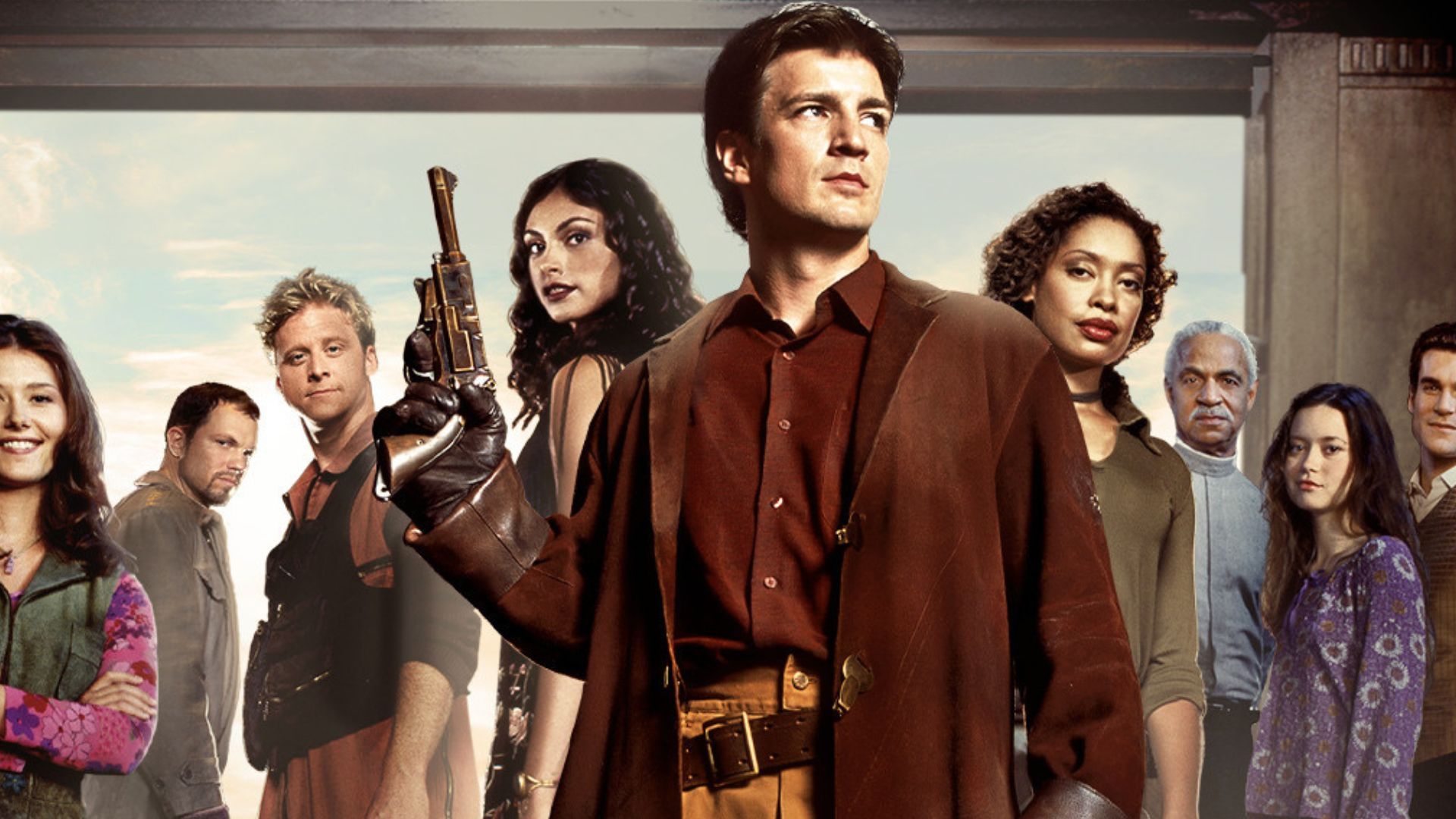
Firefly is famous as a great show that was cancelled before its time. Created by Joss Whedon, this space western combines futuristic technology with the feel of the old American frontier, following Captain Malcolm Reynolds (Nathan Fillion) and his diverse crew on the ship Serenity. The show built a detailed and believable world, subtly incorporating elements of Chinese culture, a wild-west sense of justice, and themes of political struggle, creating a universe that felt both personal and vast.
Despite only running for 14 episodes, Firefly developed a devoted fanbase that continues to advocate for its comeback. Beyond that, the show’s combination of compelling characters and its blend of different genres still feels fresh and original. While today’s TV shows and streaming services are good at creating shows with large casts, Firefly is a special case – a canceled series that has stayed relevant for years and feels like it has more story to tell. An animated revival is already in the works, but a continuation of the show is truly needed.
‘Babylon 5’ (1994 – 1998)
In 1993, when multi-season, connected TV shows were still relatively new, Babylon 5 stood out by presenting a complete story arc planned across all five seasons – with a clear beginning, middle, and end. Created by J. Michael Straczynski, the series explores themes of politics, war, and spirituality through the journeys of compelling characters like Commander Sinclair, Captain Sheridan, and Ambassador Delenn, who grapple with ideas of prophecy, corruption, and finding redemption.
Despite finishing its intended story, the production of Babylon 5 faced many challenges. A potential cancellation after the fourth season led to a rushed ending, and while the show was renewed for a fifth season on TNT, the main storyline was already complete. Nevertheless, Babylon 5 features some of the best and most memorable story arcs in science fiction. A recent pilot written by the original creator for a CW reboot didn’t get picked up, so a new version of the show could greatly benefit the sci-fi genre.
Read More
- Off Campus Season 1 Soundtrack Guide
- 46 Years Later, The Mandalorian & Grogu Answers A Major Empire Strikes Back Question
- X-Men ’97 Finally Gave Gambit the Hero Moment He Deserved
- 10 Worst End-Game Couples In Sitcom History
- HoI4 fans harsh reactions to the announcement of another DLC pack
- Chainsaw Man Volume 24’s Cover Art Reveals a Brand-New Denji
- Hatsune Miku cosplayer goes viral selling $15 cups of “foot juice” to thirsty anime fans
- Emily Henry Says to ‘Trust the Vision’ For Beach Read Adaptation
- Gold Rate Forecast
- DoorDash responds after customer uses AI to make food look bad and get a refund
2026-03-31 05:06