Doctor Who is famous for constantly reinventing itself. Everything from the actors and companions to the look of the TARDIS and the people making the show changes over time. In fact, Doctor Who is always evolving – it’s a show that’s constantly being renewed and refreshed, much like the famous broom from the comedy sketch that’s had countless new parts!
While many changes have happened over the years, some have been truly impactful. William Hartnell becoming Patrick Troughton was a pivotal moment, fundamentally altering the show. Casting Jodie Whittaker as the first female Doctor broke new ground and paved the way for more diverse actors. And Adric’s death proved that being a companion on the Doctor’s adventures was genuinely dangerous.
When we think about the most important days in Doctor Who history, one date stands out: March 26, 2005. That was the day Doctor Who truly transformed.
March 26, 2005, Was The Day Doctor Who Became Something Totally New

After being off the air for 16 years, Doctor Who returned with a highly anticipated revival on March 26, 2005. While the show had ended in the late 1980s after a long decline, the story continued through audio adventures and books. Russell T Davies, a skilled writer and dedicated fan, spearheaded the effort to bring Doctor Who back to prominence on the BBC, and his work finally paid off with the premiere of the episode “Rose.”
As soon as the new series started, it was obvious this wasn’t the Doctor Who I grew up with, but it wasn’t a total restart either. Russell T Davies had done something really interesting – it felt like a mix of a reboot and a continuation. He kept all the old storylines and characters, but gave the show a huge overhaul, almost like starting completely fresh. It was a really clever way to bring Doctor Who back!
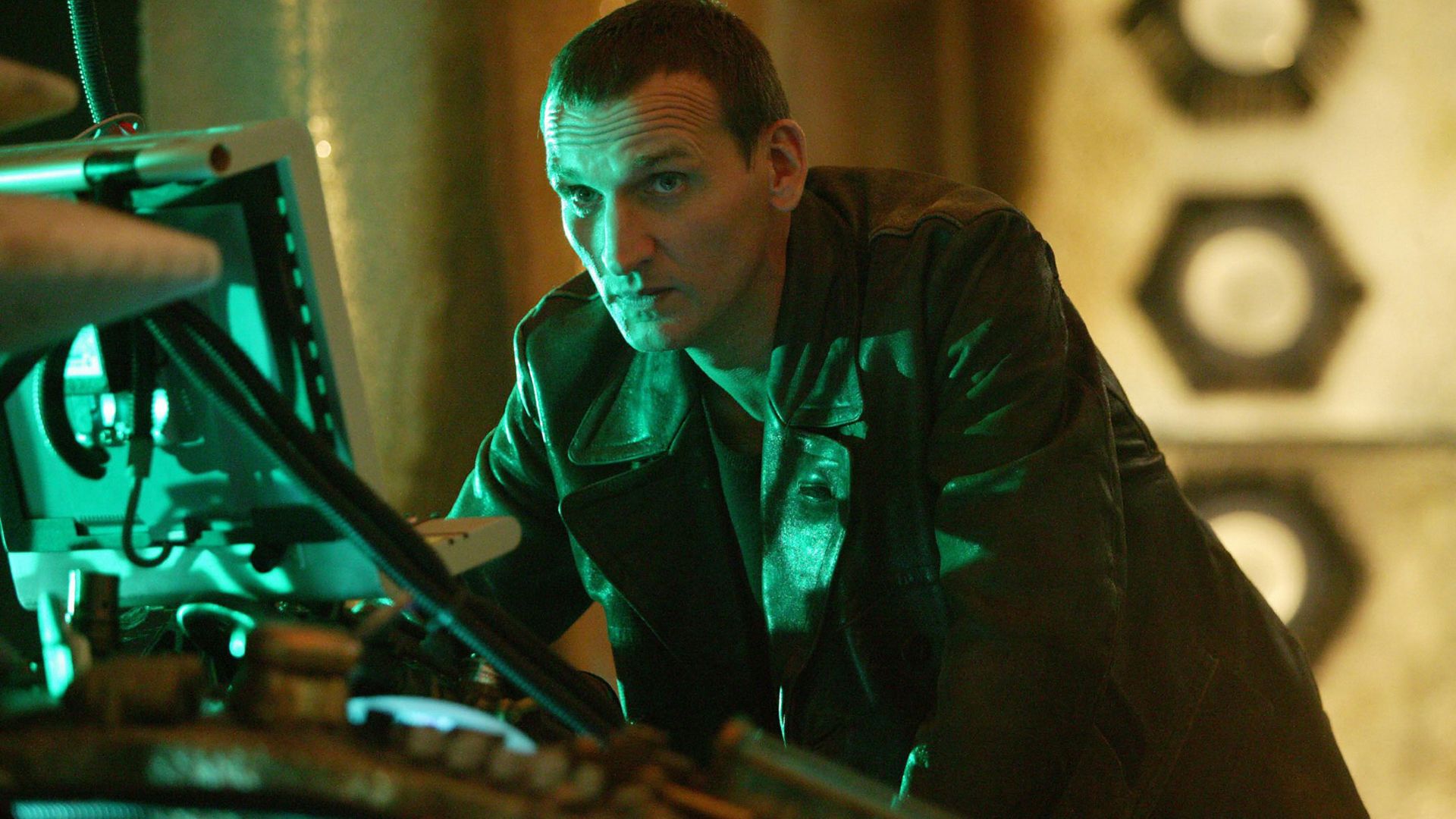
Christopher Eccleston’s Doctor was a refreshingly edgy hero, sporting a leather jacket and a bit of an attitude. Meanwhile, Billie Piper’s character, Rose, had a well-developed storyline as the Doctor’s new companion. Though Russell T Davies might wish he’d had more money to work with, the show’s production quality in 2005 was a huge step up from previous versions of Doctor Who.
The new version of Doctor Who featured aliens that looked much more realistic than those in earlier seasons. Beyond just the visuals, the show also became more emotionally engaging, dramatic, and fast-paced, with stories told in fewer, more manageable parts. While some longtime fans might have been initially hesitant about the changes, most were simply thrilled to have Doctor Who back on television.
Doctor Who had changed before, but never like this.
Doctor Who’s 2005 Return Repositioned It As A Major Global Franchise

Doctor Who has always been a significant part of popular culture – it’s undeniable. By the time the original series ended in 1989, the iconic blue box was firmly embedded in the public’s imagination. References in shows like The Simpsons proved its reach, but it was still considered a bit of a niche fandom at the time.
When Doctor Who returned in 2005, it happened at the same time as a growing trend: things that were once considered ‘geeky’ were becoming popular with everyone, thanks to the internet. Comic book conventions became major events, superheroes appeared everywhere, and passionate fan communities flourished. Doctor Who was perfectly positioned with its new, updated series to take advantage of this changing landscape.
The Doctor himself (specifically, the Twelfth Doctor) has commented on how much Doctor Who has changed. Before 2005, the show had a different feel than it does now. After its return, Doctor Who quickly became a huge media phenomenon, and the lives of its stars changed dramatically. They became famous not just in the UK, but worldwide. The Eleventh Doctor’s time on the show was particularly successful in the United States, which helped launch Matt Smith and Karen Gillan into movie careers.
As Doctor Who became more popular, the pressure on each new actor taking on the role also increased. Peter Capaldi explains that the modern show quickly became a high priority for the BBC, something they needed to protect and promote. This shift began on March 26, 2005, when Doctor Who clearly aimed to become a broadly appealing science fiction adventure series with a larger audience than ever before.
Read More
- Off Campus Season 1 Soundtrack Guide
- Chainsaw Man Volume 24’s Cover Art Reveals a Brand-New Denji
- X-Men ’97 Finally Gave Gambit the Hero Moment He Deserved
- 46 Years Later, The Mandalorian & Grogu Answers A Major Empire Strikes Back Question
- HoI4 fans harsh reactions to the announcement of another DLC pack
- 10 Worst End-Game Couples In Sitcom History
- Emily Henry Says to ‘Trust the Vision’ For Beach Read Adaptation
- Dragon Quest II HD-2D Remake: Where to get the Magic Key
- DoorDash responds after customer uses AI to make food look bad and get a refund
- Hatsune Miku cosplayer goes viral selling $15 cups of “foot juice” to thirsty anime fans
2026-03-26 18:11