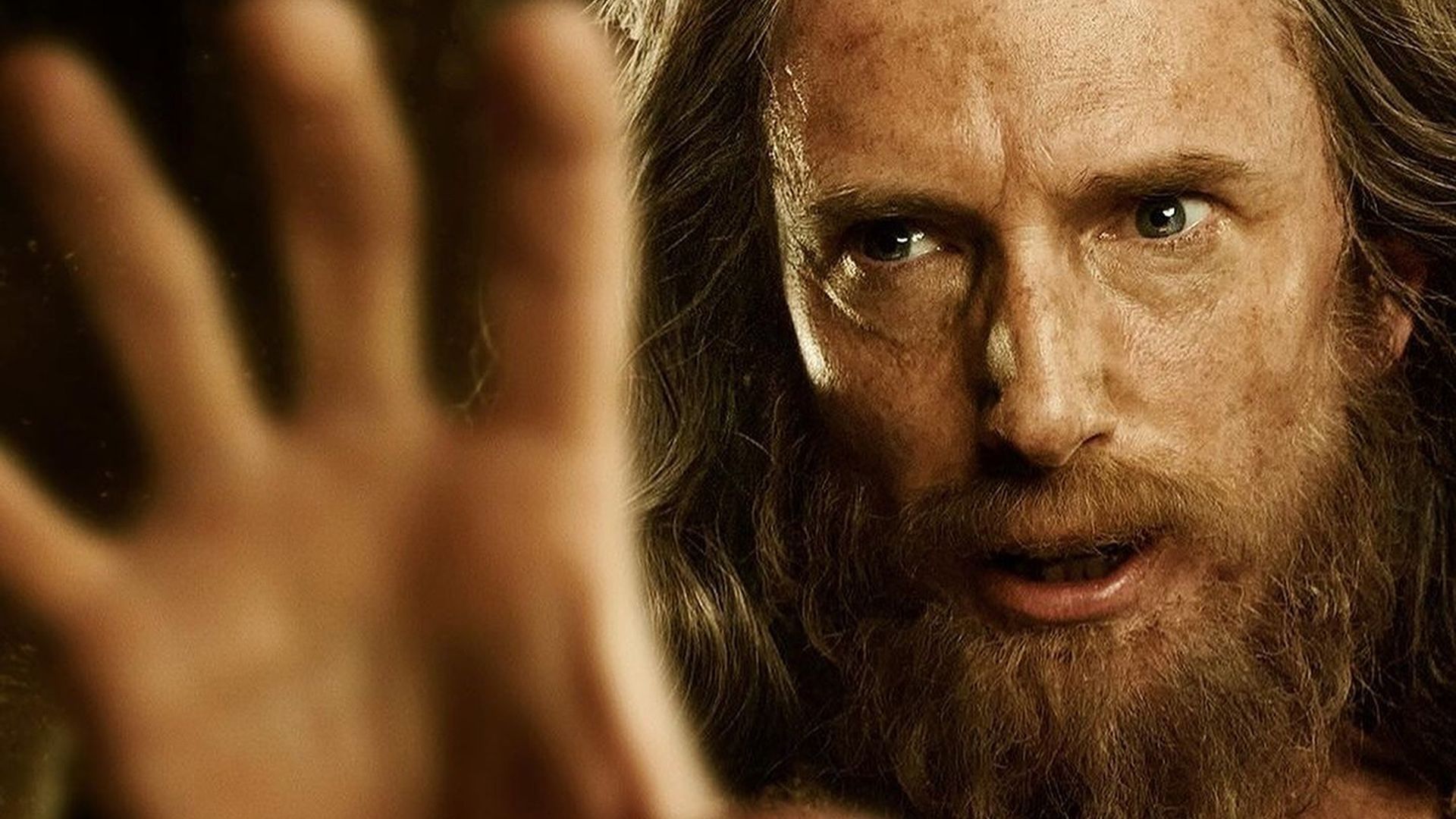
It’s well known that The Lord of the Rings: The Rings of Power has altered elements of Tolkien’s original stories. Some changes are expected when adapting books into movies or TV shows due to the different demands of each medium. However, a major reason why Rings of Power has sparked so much debate is that many of these changes seem unnecessary. Some of the most confusing alterations not only change how we understand the history of Middle-earth, but also create problems for future storylines.
J.R.R. Tolkien built a detailed history and mythology for his fantasy world, much of which is found in The Silmarillion, a book published after his death. Unlike his popular Lord of the Rings novels, The Silmarillion reads more like a history book, telling the story of Middle-earth from its creation and the rise of the evil Morgoth, all the way to how Sauron gained power through the Rings of Power. The new Prime Video series, The Rings of Power, is based on this later part of the story.
J.R.R. Tolkien didn’t publish The Silmarillion during his lifetime, and he often revised his stories, leaving some plot points unresolved. His son, Christopher Tolkien, compiled and published these fragmented writings after his death. This makes establishing a definitive canon tricky, so some of the changes in The Rings of Power are understandable. However, other alterations are harder to accept.
8. The Rings Of Power’s Shortened Timeline
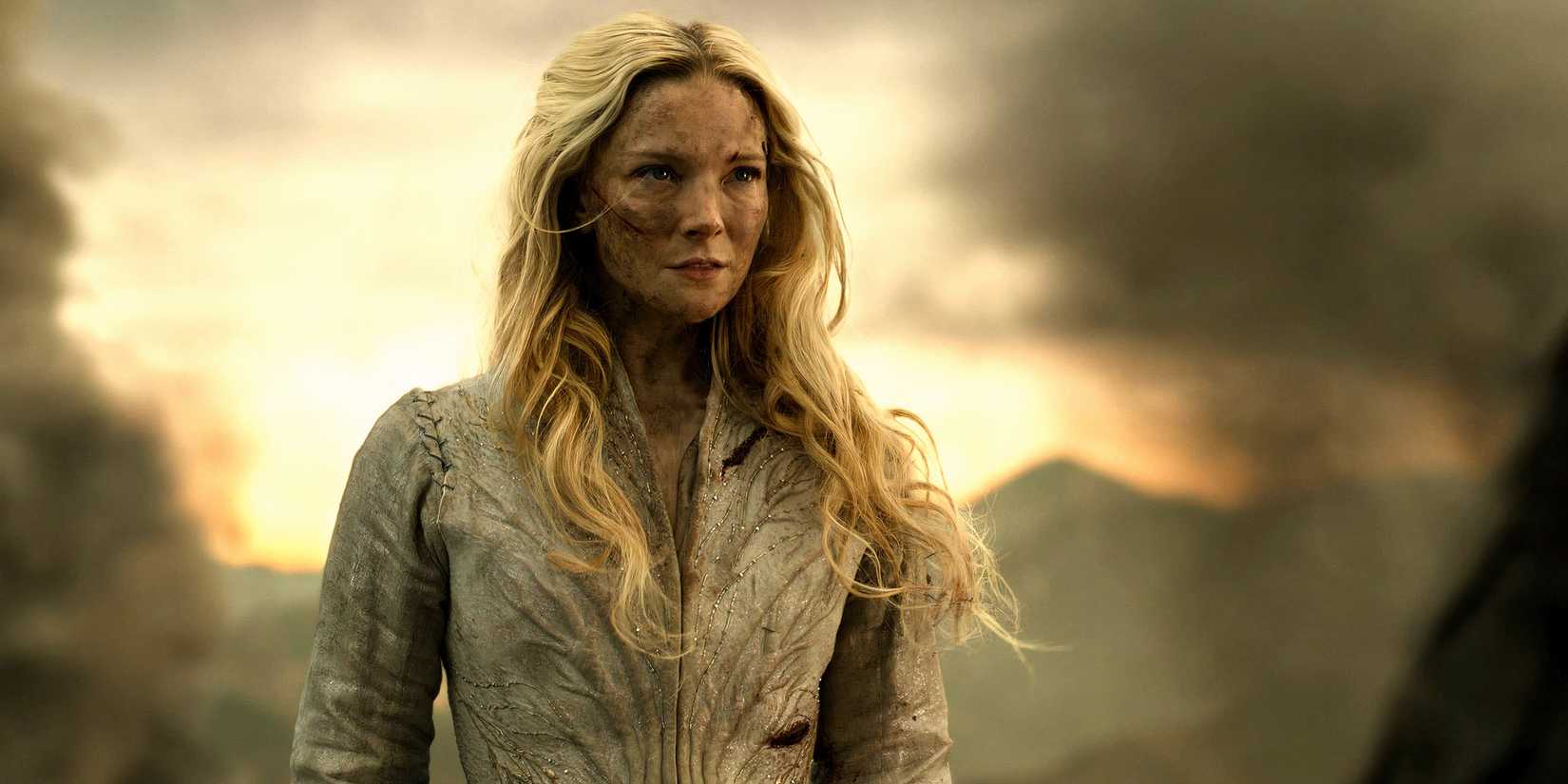
The series Rings of Power really tried to present a fresh and unique vision of Middle-earth. It successfully conveyed the vastness of this fantasy world through its visuals. Unfortunately, the story felt rushed due to a timeline that was too short.
The series Rings of Power takes place during the Second Age of Middle-earth, a period lasting over 3,400 years. The time between Sauron’s deception of Celebrimbor to create the Rings of Power and Sauron forging the One Ring spanned roughly 100 years, followed by almost 2,000 years until the Last Alliance of Elves and Men, when Isildur severed the Ring from Sauron’s hand. The show significantly compresses these events into just a few weeks, greatly reducing the story’s scope and impacting the viewer’s ability to become fully immersed in the world.
7. The Galadriel-Sauron-Elrond Love Triangle
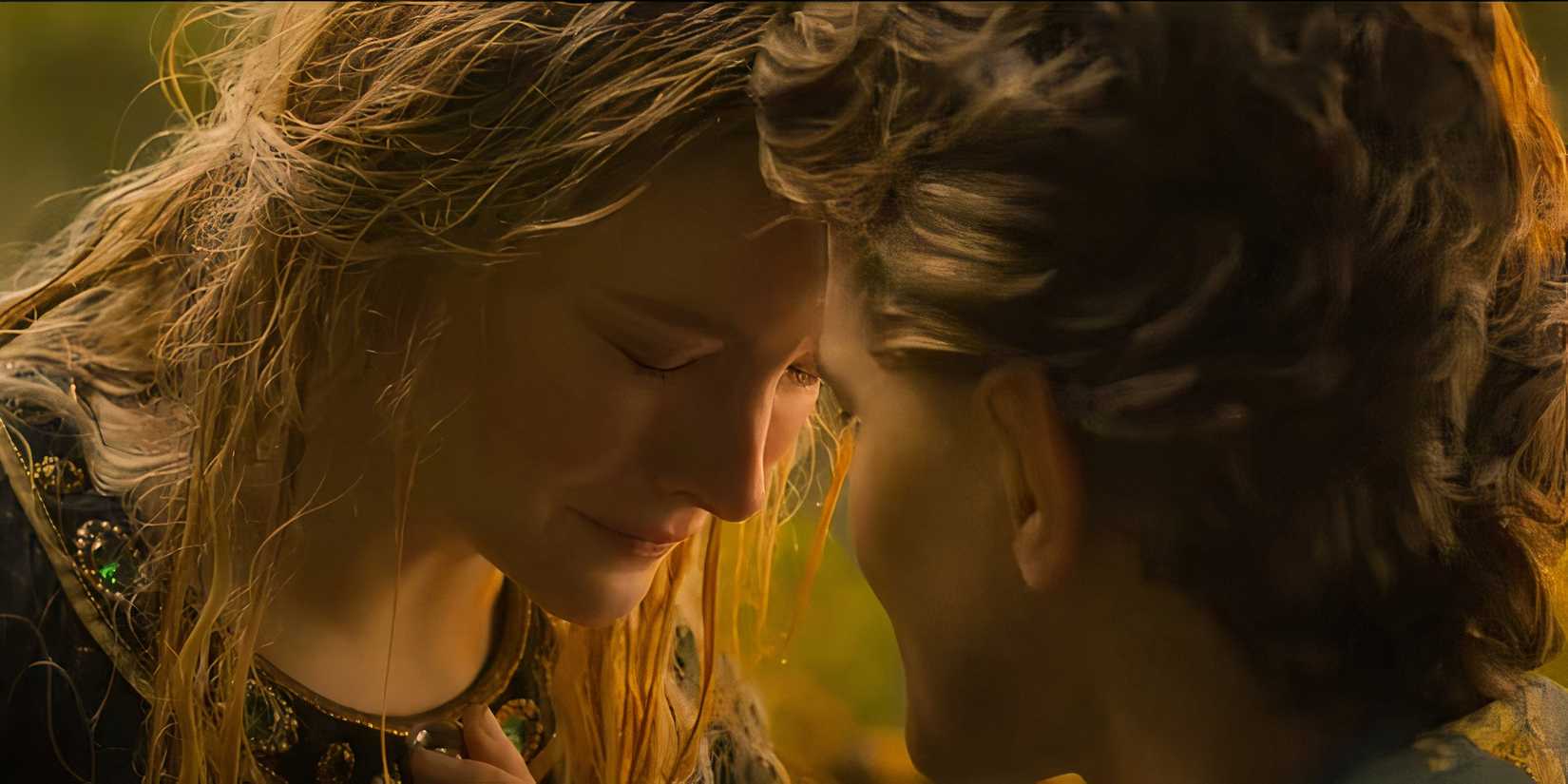
The show Rings of Power put Galadriel in a strange position. During the first season, she encountered Sauron disguised as a man named Halbrand. Although it wasn’t directly shown that she fell in love with him, there was a strong connection between them that suggested it was possible. After Galadriel realized who Sauron really was, he offered her the chance to rule by his side as his Dark Queen.
As season two of The Rings of Power begins, Galadriel struggles to overcome her emotional entanglement with Sauron. Meanwhile, the relationship between Galadriel and Elrond takes some unexpected turns. Their kiss, while possibly just a way to create a distraction and escape, felt strange. These events differ significantly from J.R.R. Tolkien’s original writings, where Galadriel was never misled by Sauron, and Elrond was married to her daughter.
6. Killing Off Celeborn
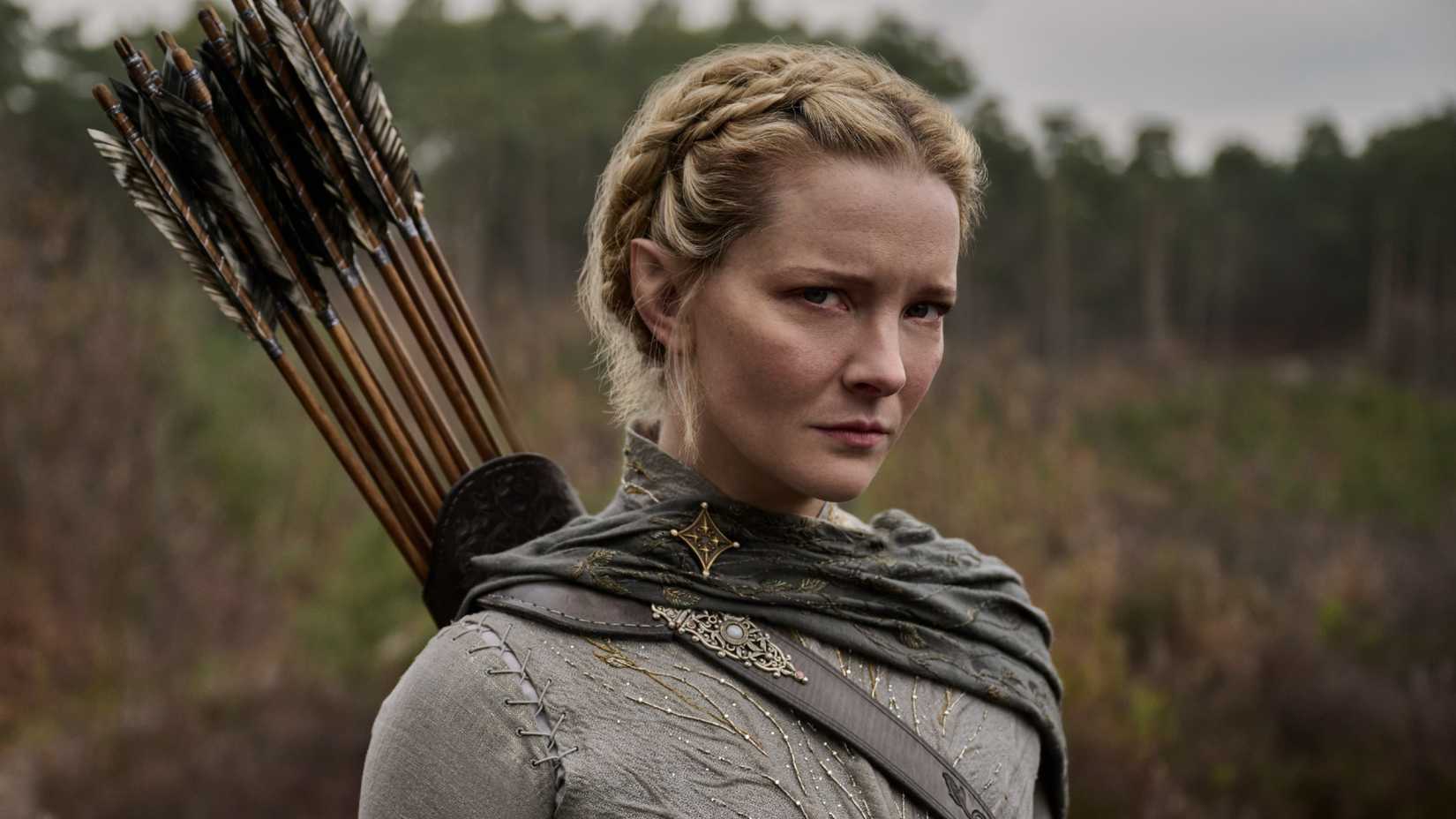
The romantic storylines for Galadriel in Rings of Power are confusing, especially considering the show establishes she was already married to Celeborn. While season one confirms their marriage and his subsequent death in battle, the fate of their daughter, Celebrian, remains unknown. It’s also unclear how Celeborn eventually comes to rule alongside Galadriel in Lothlorien, as depicted in The Lord of the Rings.
The writings of J.R.R. Tolkien don’t suggest Galadriel ever thought her husband was dead. The new series, Rings of Power, will probably either show she’s wrong about this, or use the fact that elves are immortal to explain things. In Tolkien’s world, when elves die, their spirits go to Valinor, where they can sometimes be reborn. It’s odd that Galadriel, in Rings of Power, doesn’t seem to remember that both her husband, Celeborn, and her brother, Finrod, still exist in Valinor.
5. Introducing Tom Bombadil In Rhûn
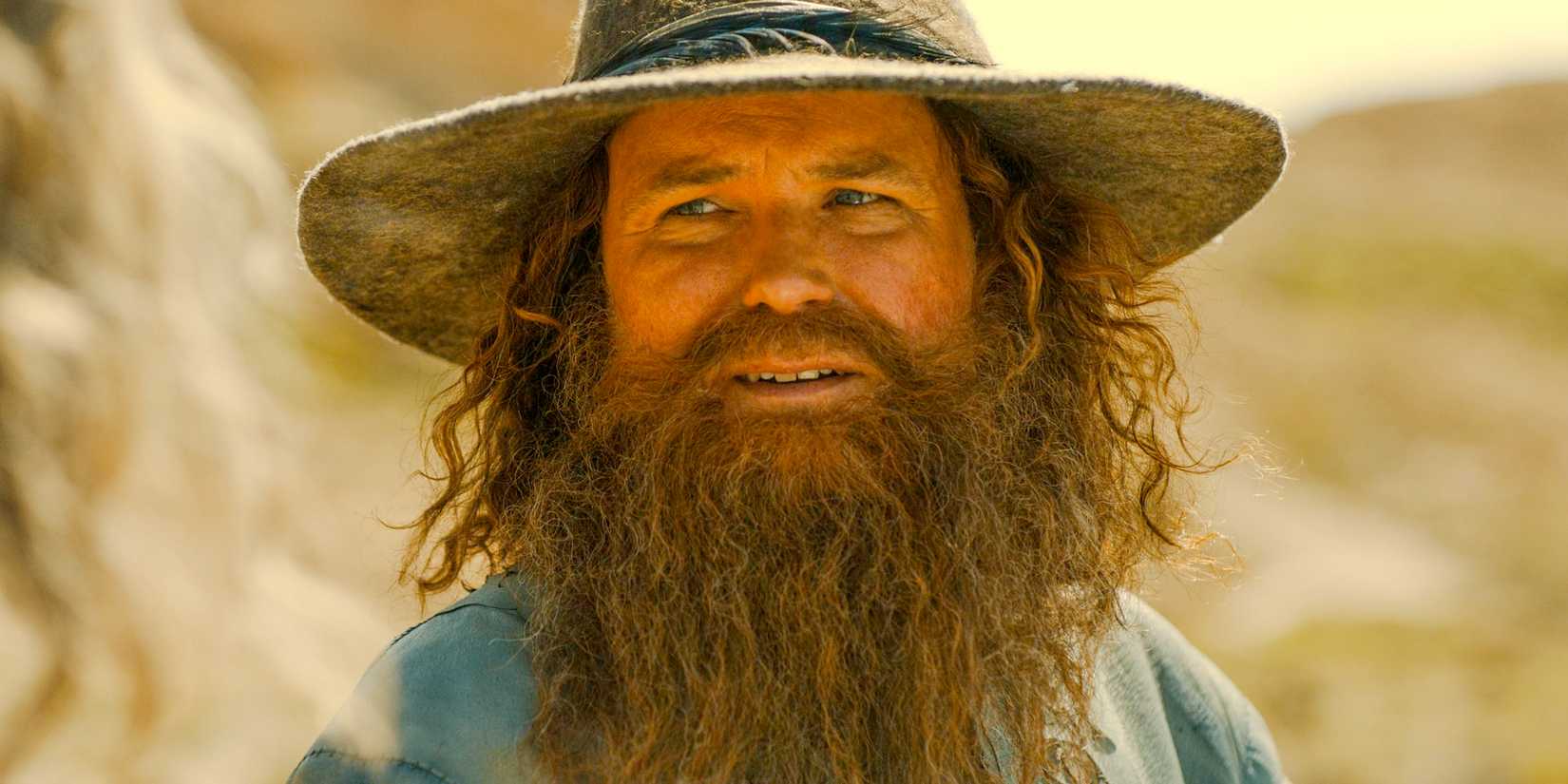
Fans often criticized Peter Jackson’s The Fellowship of the Ring for leaving out the character Tom Bombadil. Now, with Rings of Power, he’s finally appeared on screen, but instead of fixing the original omission, the show has actually created new problems with his inclusion.
Tom Bombadil is incredibly ancient, predating even the earliest history of Middle-earth, meaning he existed during the Second Age. Despite this, he isn’t mentioned in The Silmarillion. There’s no evidence he ever lived anywhere other than the region around the Withywindle, and Tolkien never implied he had any role in training the wizards (Istari) like Gandalf. Throughout The Lord of the Rings, it’s consistently shown that Tom deliberately avoids getting involved in the major events of Middle-earth. Adapting him for the screen in a way that changed that core characteristic wouldn’t have been true to the character.
4. Bringing Gandalf To Middle-Earth In The Second Age

One of the biggest issues with how Tom Bombadil was presented in Rings of Power is that his introduction mirrored Gandalf’s arrival in the Second Age. The first season hinted that The Stranger might be Sauron, keeping viewers guessing while Halbrand was eventually revealed as the Dark Lord. Then, season two confirmed The Stranger was actually Gandalf. However, this creates a timeline problem, as Gandalf wasn’t supposed to arrive in Middle-earth until the Third Age, after Sauron was defeated and the One Ring lost.
It’s understandable why Rings of Power included Gandalf, as he’s central to The Lord of the Rings. His detailed history and true nature haven’t been explored in previous films or shows. While his appearance doesn’t drastically change the story right now, it probably means we won’t get a dedicated prequel focusing on his origins anytime soon. Many fans would have preferred a standalone prequel to seeing him as just one part of a larger ensemble.
3. The New Lore Behind Mithril
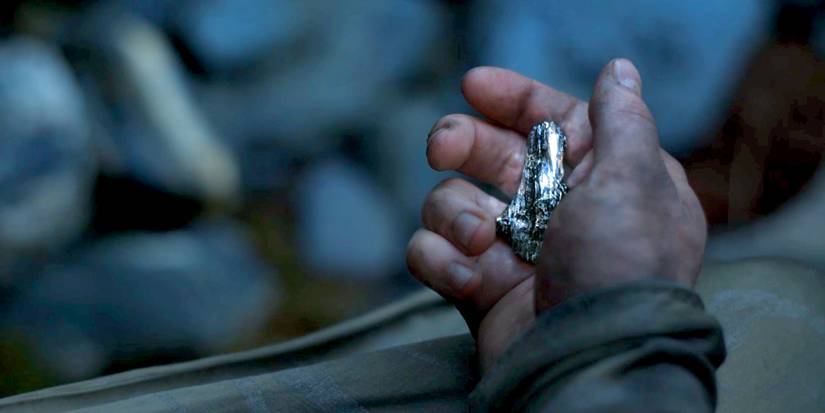
We expected mithril to play a key role in the Khazad-dûm storyline of Rings of Power, and rightly so. The established lore clearly shows the Dwarves’ relentless pursuit of mithril – digging deeper and deeper – ultimately led them to awaken the Balrog and cause their downfall. The show largely followed this established story, but it also introduced an extraneous and unneeded explanation for where mithril originally came from.
The show Rings of Power explains the origin of mithril as a result of a battle between an Elf and a Balrog over a Silmaril. It then surprisingly claims the Elves need mithril to live, because they’re losing their vitality without the light of the Two Trees of Valinor – light that was captured in the Silmarils. This feels illogical, particularly because the show itself shows that Elrond’s father possessed a Silmaril and took it into the heavens. If they already have a piece of the Two Trees’ light, why would they need mithril to survive?
2. Adar’s Entire Storyline
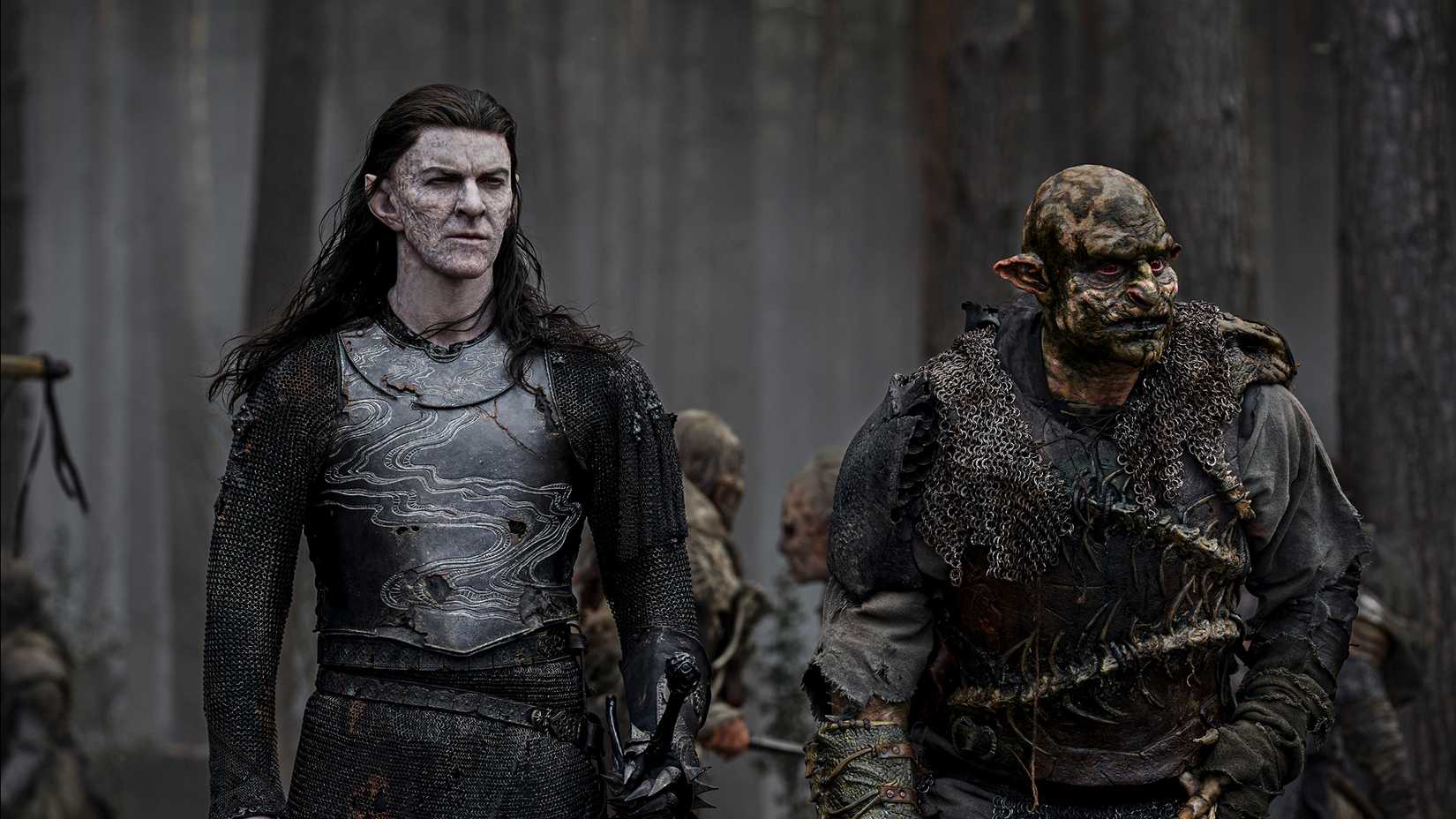
Because Adar wasn’t part of J.R.R. Tolkien’s original stories, everything about his character in The Rings of Power is new. While other characters added to the show, like Arondir, don’t significantly alter the established lore – there are countless unnamed Elves in Middle-earth – Adar is different. He’s one of a specific race that is mentioned in Tolkien’s work, but his personality and actions in the show are a departure from what’s known about them.
According to Tolkien’s lore, Adar is believed to be one of the first Elves captured and twisted by Morgoth, essentially becoming the ancestor of the Orcs. These early Orcs then reproduced and developed over generations into the creatures seen in The Lord of the Rings (meaning Orcs are born, not just created). The recent portrayal of Adar feels off, however, particularly the idea that he would view and love Orcs as his actual children, or that he was the leader of the attack on Eregion instead of Sauron. It’s a strange change in the story, and it doesn’t quite make sense.
1. The Reason Galadriel Won’t Return To Valinor

A crucial scene in The Lord of the Rings shows Galadriel resisting the urge to take the One Ring and instead choosing to return to Valinor, her homeland, as a reward. She hadn’t gone back earlier because she and other Noldor Elves had been banished from Valinor for leaving without permission and using force against their people. However, the ban was lifted after Morgoth was defeated. Although many Noldor Elves went home, Galadriel decided to stay in exile until she felt she had earned the right to return.
In The Rings of Power, Galadriel is determined to avenge her brother Finrod before returning to Valinor, her home. While she deeply desires to go home, she believes she must defeat Sauron first. This feels like an unnecessary and confusing change to her established story. We know from The Lord of the Rings that Galadriel ends her self-imposed exile before Sauron’s final defeat. It doesn’t logically follow that she would commit to millennia in Middle-earth, only to suddenly change the reason for her commitment right before the end. This storyline, like others in The Rings of Power, would have been better left untouched.
Read More
- Gold Rate Forecast
- What is Omoggle? The AI face-rating platform taking over Twitch
- Man pulls car with his manhood while on fire to raise awareness for prostate cancer
- Wartales Curse of Rigel DLC Guide – Best Tips, POIs & More
- Apple TV’s Imperfect Women Becomes No. 1 Most-Watched Show Globally
- Audible opens first ‘bookless bookstore’ in New York
- 10 Adorable Quotes from Diana in Pragmata
- Netflix’s Remake Of R-Rated Denzel Washington Classic Carries On A Rotten Tomatoes Trend
- Outer Range: The Underrated Western Sci-Fi Series That’s Aging Well
- Steam Drops 24 Free Downloads In Limited-Time Giveaway
2026-03-22 21:33