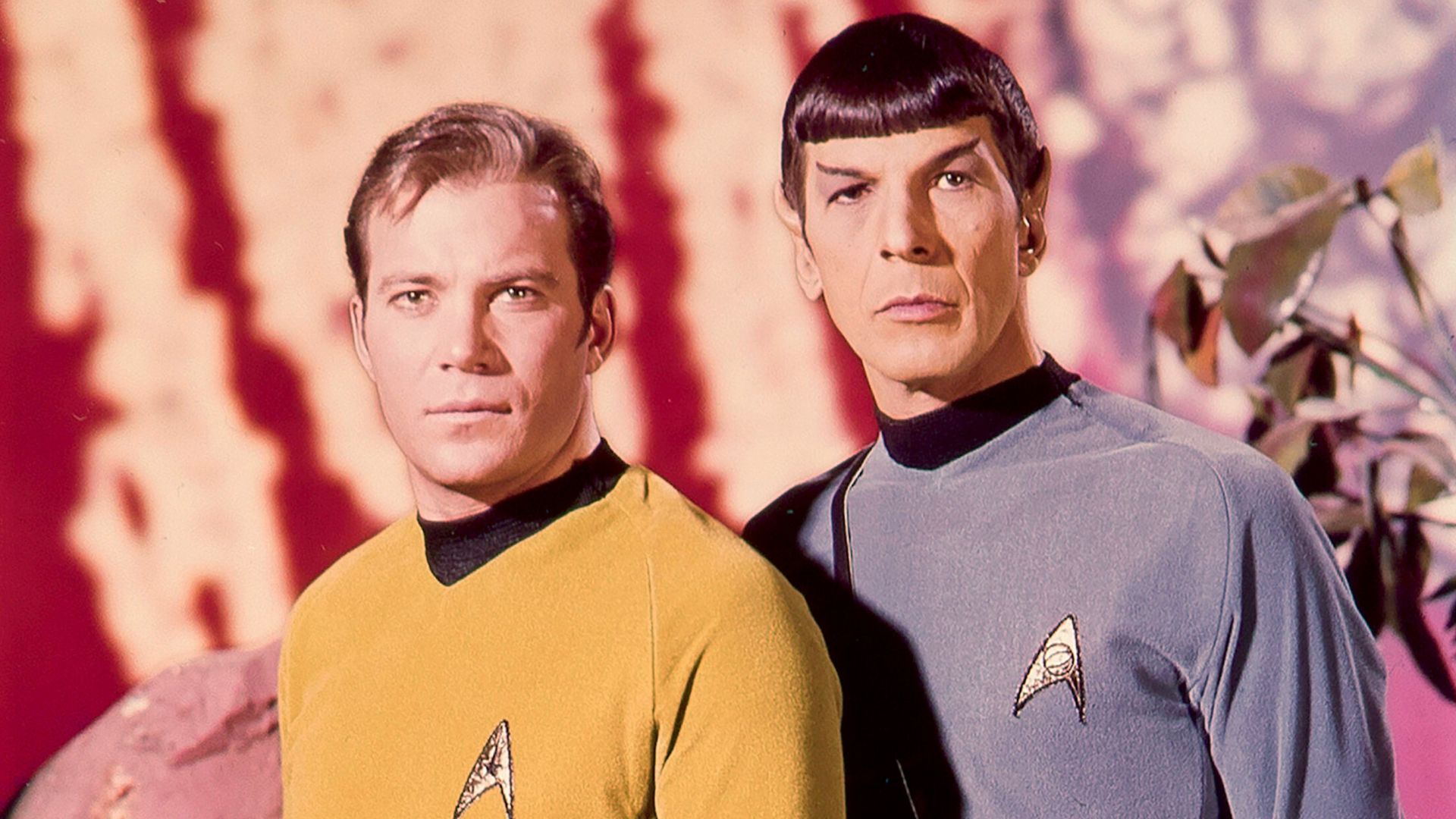
Even after 59 years, a particularly memorable episode of Star Trek remains incredibly influential. The original Star Trek series was a pioneer in science fiction television, famously addressing important social issues by cleverly disguising them as stories about space exploration and alien civilizations – a way to bypass censorship at the time.
Star Trek was groundbreaking in many ways, notably by featuring a Black woman, Uhura, in a role of power. Seeing a Black woman as a regular character on television was unprecedented at the time. Nichelle Nichols, the actress who played Uhura, even received praise from Martin Luther King Jr. for her portrayal.
From the beginning, Star Trek has been a pioneer in tackling relevant social issues and showcasing diverse characters. The various Star Trek series that followed continued this trend, featuring characters of color, people with disabilities, and LGBTQ+ individuals. Remarkably, even in its first season, one episode subtly pushed boundaries and set a new standard.
“Court Martial” is a GroundBreaking Star Trek Episode
Captain Kirk Must Defend Himself From a Murder Charge

The Star Trek episode “Court Martial” first appeared in early 1967 as part of the show’s initial season. The story centers on Captain Kirk being put on trial at a Starbase, accused of murdering a colleague. Things get even more complicated because the prosecuting attorney, Areel Shaw, previously had a romantic relationship with Kirk. The evidence against him appears strong, so he needs to find a skilled lawyer to defend him.
| Star Trek 1X20: “Court Martial” | |||
|---|---|---|---|
| Written By | Directed By: | Airdate: | Guest Stars: |
| Don M. Mankiewicz and Steven W. Carabatsos | Marc Daniels | February 2, 1967 | Joan Marshall, Percy Rodriguez, Richard Webb and Elisha Cook Jr. |
Throughout the episode, Kirk faces a life-or-death trial while also grappling with his complex emotions for both Shaw and the man he’s accused of killing, Lieutenant Commander Benjamin Finney. Finney was a close, lifelong friend of Kirk’s, who even named his daughter after him.
As expected, Kirk is cleared of all charges by the end of the episode. It turns out Finney, struggling with his mental health, pretended to die and tried to frame Kirk for it. With the truth revealed, Kirk is released, Finney is arrested, and the Enterprise heads off on its next mission.
“Court Martial” Is Not Regarded as a Classic Star Trek Episode Among Fans
The Episode Introduced an Important Type of Star Trek Episode: the Courtroom Drama
“Court Martial” doesn’t have a strong following among Star Trek fans. It’s rarely included on lists of the best episodes and is often seen as a typical “filler” episode – one that doesn’t significantly advance the overall story. While it does add some details to the Star Trek universe and reveals a bit about Captain Kirk’s history, many fans don’t consider it a particularly memorable or important episode.
The Star Trek episode “Court Martial” was one of the first to use the style of legal and military thrillers, and this approach became a recurring theme in the various Star Trek series that followed. “The Measure of a Man,” from the second season of The Next Generation, followed this same formula, but is now considered a standout episode.
Legal dramas were a recurring theme throughout Star Trek. The Next Generation revisited this idea in its fourth season with the episode “The Drumhead,” and other series like Strange New Worlds have also featured some of their best episodes taking place in a courtroom setting. This suggests that “Court Martial” remains a significant episode in the history of Star Trek.
“Court Martial” Broke Ground In Representation
Commodore Stone Was the First Black Flag Officer Star Trek Fans Meet

However, the episode “Court Martial” was also innovative in quieter ways. As mentioned before, Star Trek was remarkably progressive with its representation, particularly during The Original Series. Beyond Uhura, a Black female character, the show also included a Japanese man and a Russian character during the peak of the Cold War.
The Star Trek episode “Court Martial” introduces Commodore Stone, the commanding officer of Starbase 11. Portrayed by Canadian actor Percy Rodriguez, who was of African and Portuguese heritage, Stone is significant as the first Black Starfleet officer shown with a higher rank than Captain Kirk. While Uhura was also an officer, she held the lower rank of Lieutenant, making Stone senior to both of them.
Commodore Stone stands out as the first Black Flag officer viewers encounter in Star Trek, and he’s different from many other Starfleet commanders. Unlike the commodores and admirals in The Original Series who often created obstacles for Kirk, Stone is reasonable and unbiased, even correcting Kirk when necessary.
“Court Martial” Featured a Woman Lawyer, Unheard of on Television During the 1960s
Areel Shaw Was One of Star Trek’s Strongest Women Characters
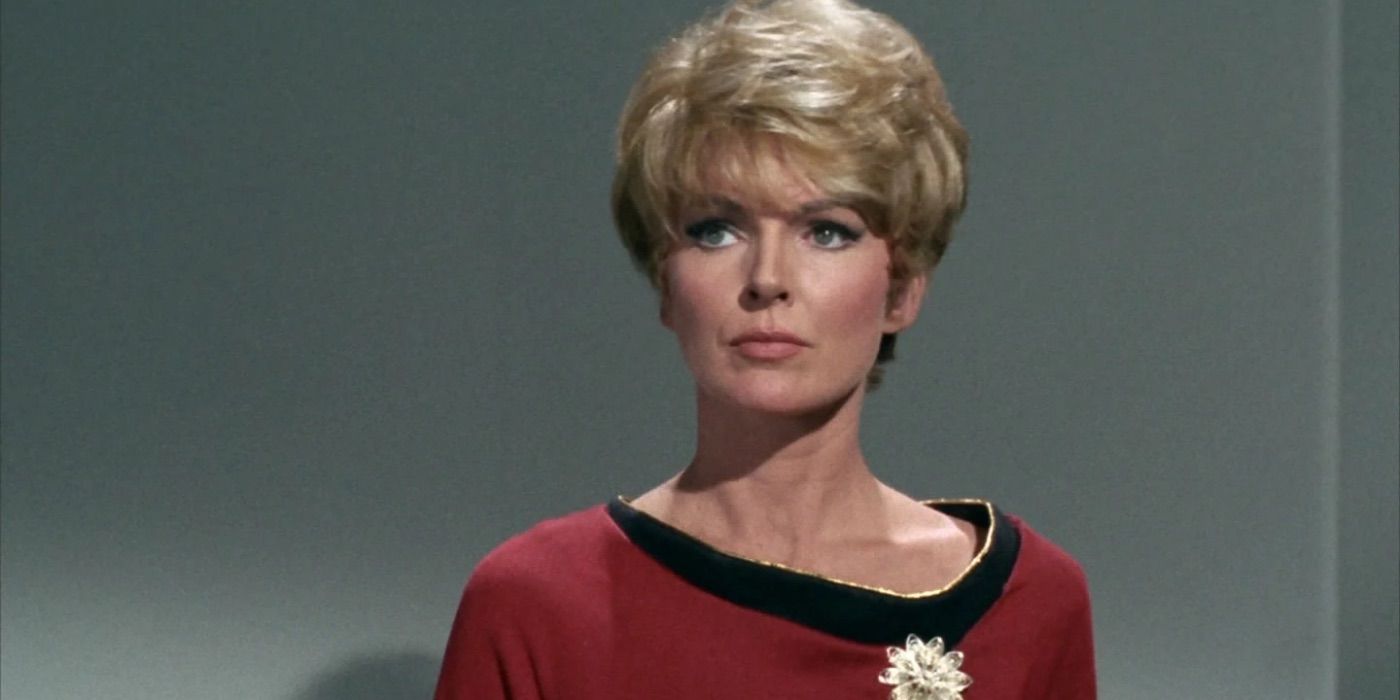
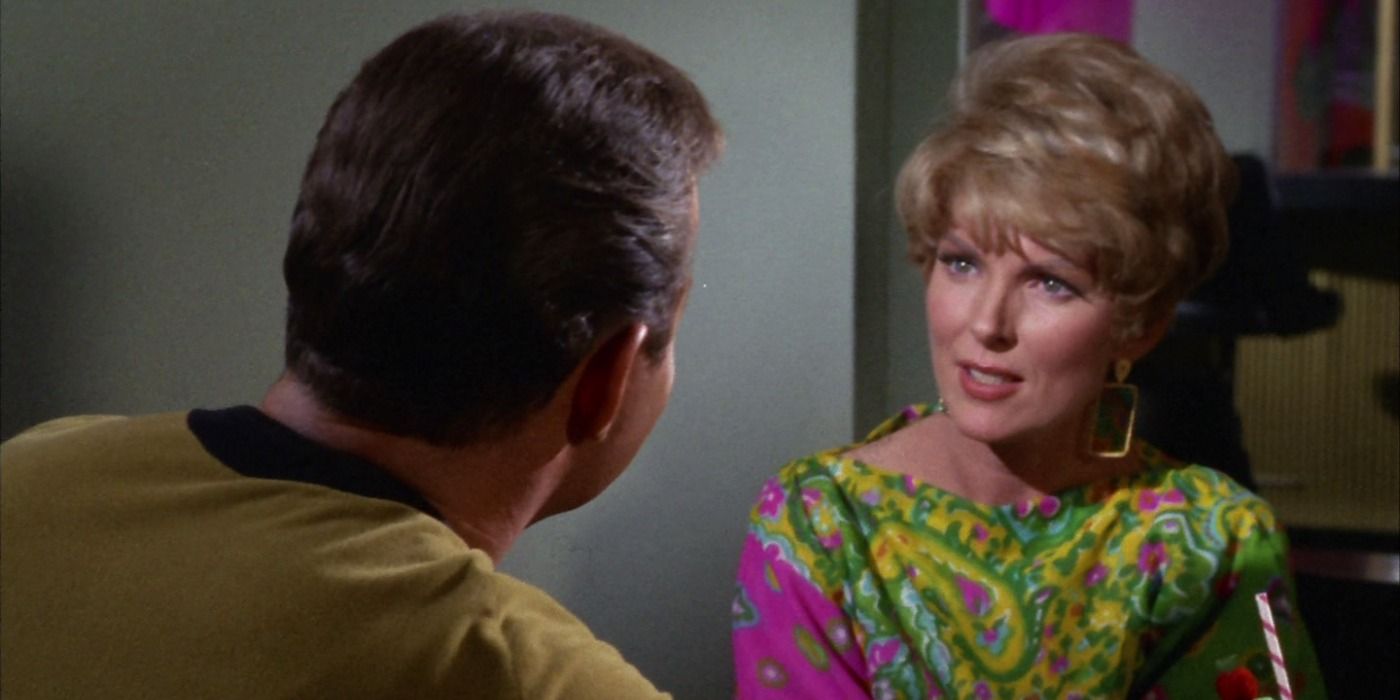
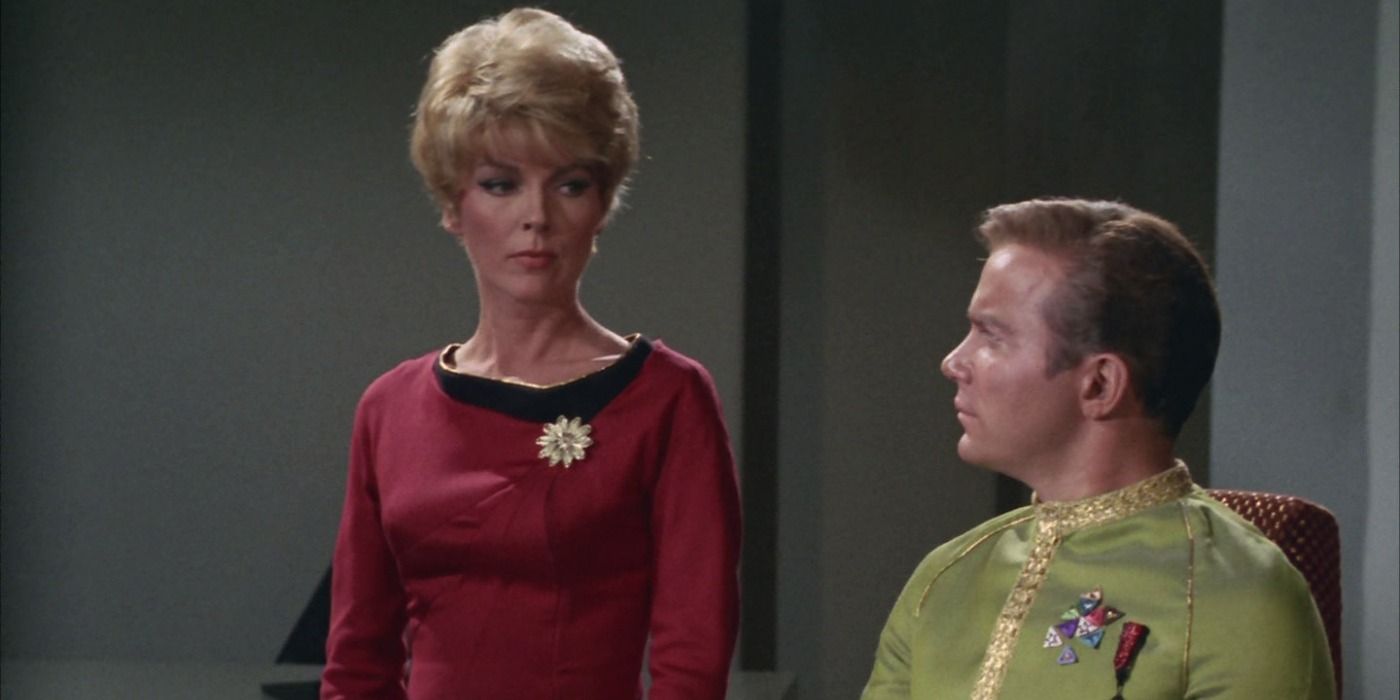
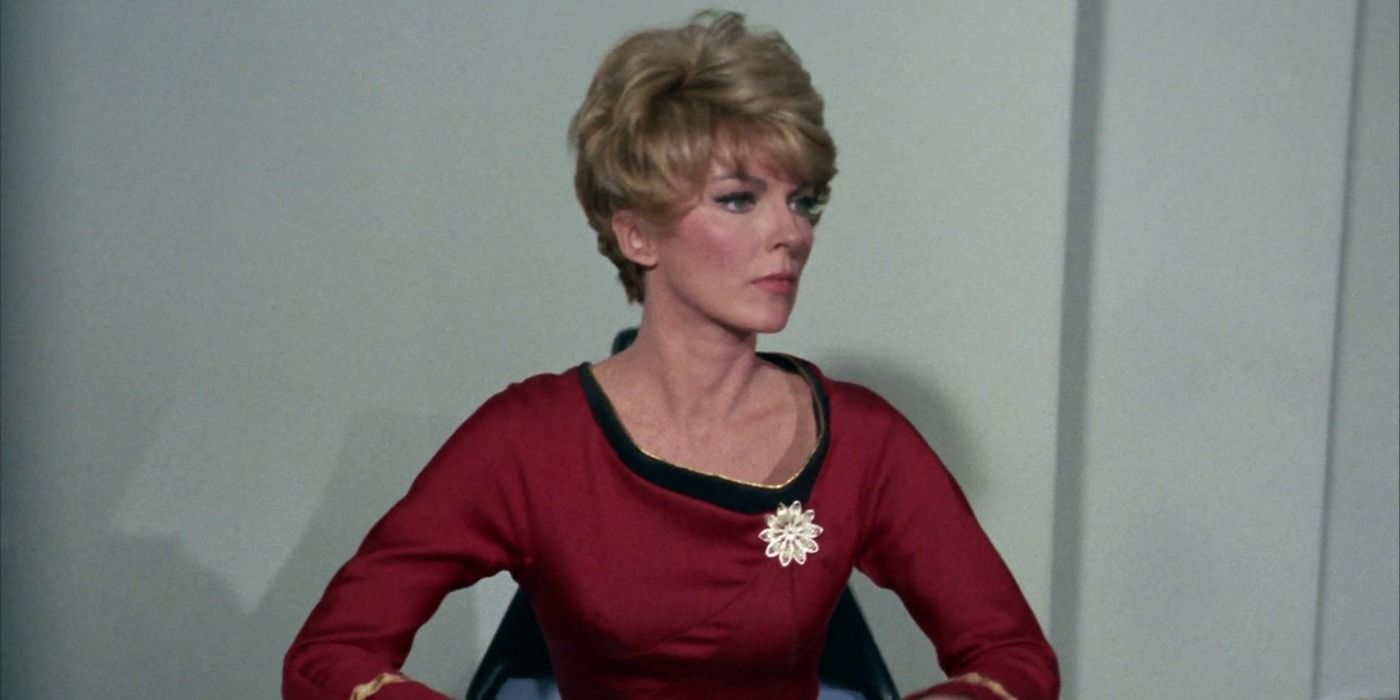
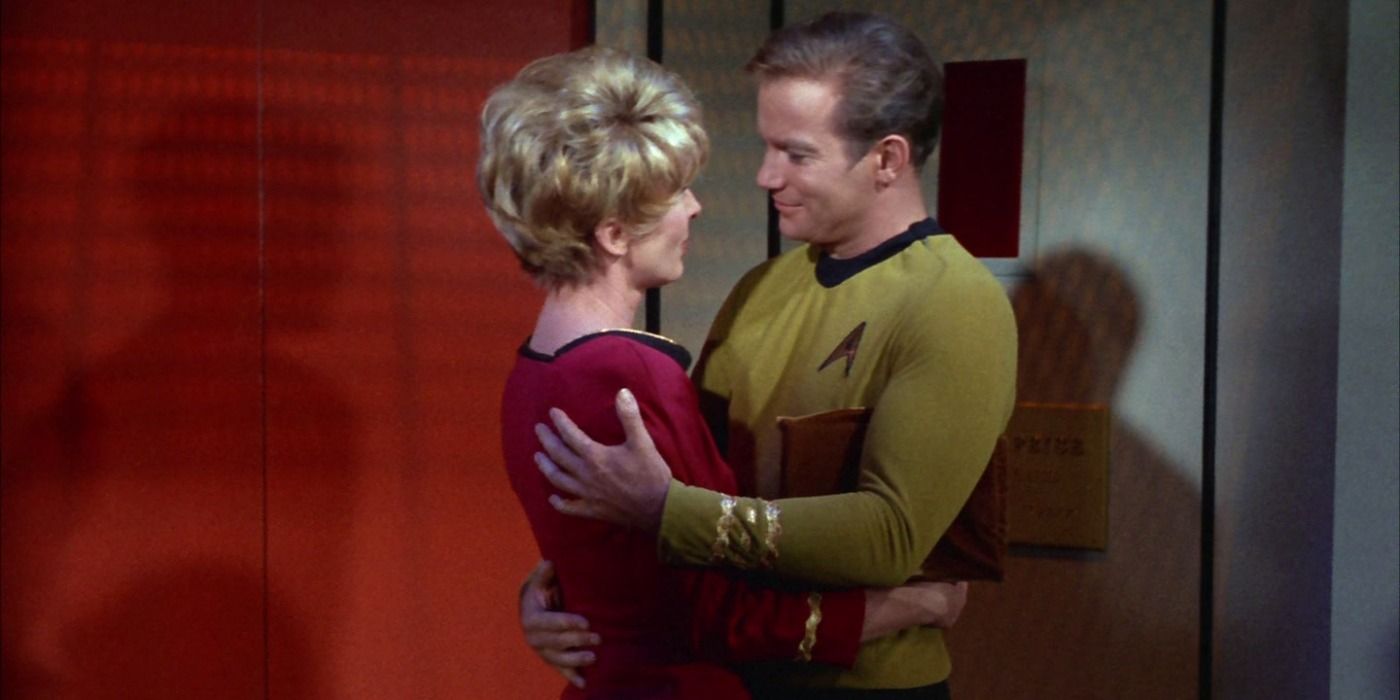
Lieutenant Areel Shaw, portrayed by Joan Marshall, was a pioneering character in her own right. Working as a lawyer within Starfleet’s legal division, Shaw handled cases involving Federation law violations. The episode “Court Martial” demonstrates that she’s a highly skilled attorney who remains professional, even when dealing with Captain Kirk.
Shaw stands out from most female characters on television from that time period. Traditionally, women in shows and movies had limited power and were often simply portrayed as romantic interests. While the beginning of “Court Martial” suggests Shaw might fall into this pattern, the show surprisingly avoids it.
In 1967, Areel Shaw broke barriers as a female lawyer appearing on television, which was unusual at the time. While women were gradually entering the legal profession, they weren’t often shown on TV – most on-screen lawyers, like Raymond Burr in Perry Mason, were men. Shaw challenged this common portrayal.
“Court Martial” Deserves More Love from Star Trek Fans
“Court Martial” Had More Groundbreaking Elements Than Many Classic Star Trek Episodes

When Star Trek fans talk about the show’s most famous episodes, “Court Martial” isn’t usually the first one they mention. Episodes like “Plato’s Stepchildren,” known for featuring the first interracial kiss on TV, or “The Outcast,” which explored LGBTQIA+ themes, are more often remembered as groundbreaking moments in the series.
While episodes like “Plato’s Stepchildren” are well-known and significant for both Star Trek and television history, many other episodes tackled similar themes without receiving the same recognition. For example, “Court Martial” was just as crucial to the Star Trek story, but it often gets overlooked.
Star Trek is widely considered the best science fiction TV show ever made. It popularized ideas that were previously only found in books, like the concept of a unified galactic federation. The show also presented a positive vision of the future, imagining a world without prejudice or sexism. The episode “Court Martial” is a particularly strong example of this hopeful outlook, even more so than some of the show’s more famous installments.
Read More
- Off Campus Season 1 Soundtrack Guide
- Euphoria Season 3’s New R-Rated Sydney Sweeney Scene Proves The Show Is Trolling Us
- Gold Rate Forecast
- Olympian Says Heated Rivalry Tugged At His Heartstrings
- Why is there no Jujutsu Kaisen this week? Missing Season 3 Episode 8 explained
- How to Get to the Undercoast in Esoteric Ebb
- Jailbreak codes (April 2026)
- What is Omoggle? The AI face-rating platform taking over Twitch
- Popeye Slasher Horror Film Officially Kicks Off Production on ‘Bigger & Bloodier’ Sequel
- 8 Funniest Billy Butcher Quotes From The Boys
2026-03-16 03:33