This anime has been a hugely popular and influential battle series for over forty years. Since it first aired, fans have enjoyed many sequels and spin-offs, from direct continuations of the story to completely unique adventures that have become beloved parts of pop culture.
When it comes to stories outside the main Dragon Ball series, Dragon Ball GT is probably the most famous. And for good reason! Even though it’s not considered official canon, Dragon Ball GT has actually had a bigger impact on the overall franchise than many of the stories that are considered canon, ultimately helping to make Dragon Ball even more popular.
Dragon Ball GT Documents the Forgotten Non-Canon Timeline After DBZ
Directed by Osamu Kasai and written by Aya Matsui, Dragon Ball GT began airing in 1996 and continued the story several years after Dragon Ball Z ended. The series introduced new characters and ideas, such as the Baby parasite, the Black Star Dragon Balls, and different versions of Shenron, including the incredibly powerful and dangerous Omega Shenron.
Dragon Ball GT reimagined familiar characters, taking storylines in unexpected directions for figures like Piccolo and Vegeta. Vegeta’s new look, in particular, caused a lot of debate among fans when the series first came out. These choices, along with other creative decisions, largely led to negative reviews, with many critics pointing to Akira Toriyama’s limited involvement as a reason the series didn’t live up to expectations.
Despite its mixed reception in Japan, Dragon Ball GT was still a major hit for Funimation in the 2000s, largely thanks to fans outside of Japan. Viewers in North America were particularly drawn to the show’s different style and how it cleverly built upon the original Dragon Ball stories with fresh narratives.
Dragon Ball GT Carved Out a Legacy For Itself
Despite its criticisms, Dragon Ball GT definitely carved out its own special place within the Dragon Ball universe. Introducing characters like Pan, the granddaughter of Goku and Chi-Chi, brought a fresh perspective to the series. Plus, storylines that revisited classic elements – like Goku becoming a child again and the reappearance of Emperor Pilaf – cleverly connected GT back to the original Dragon Ball that fans loved ten years earlier.
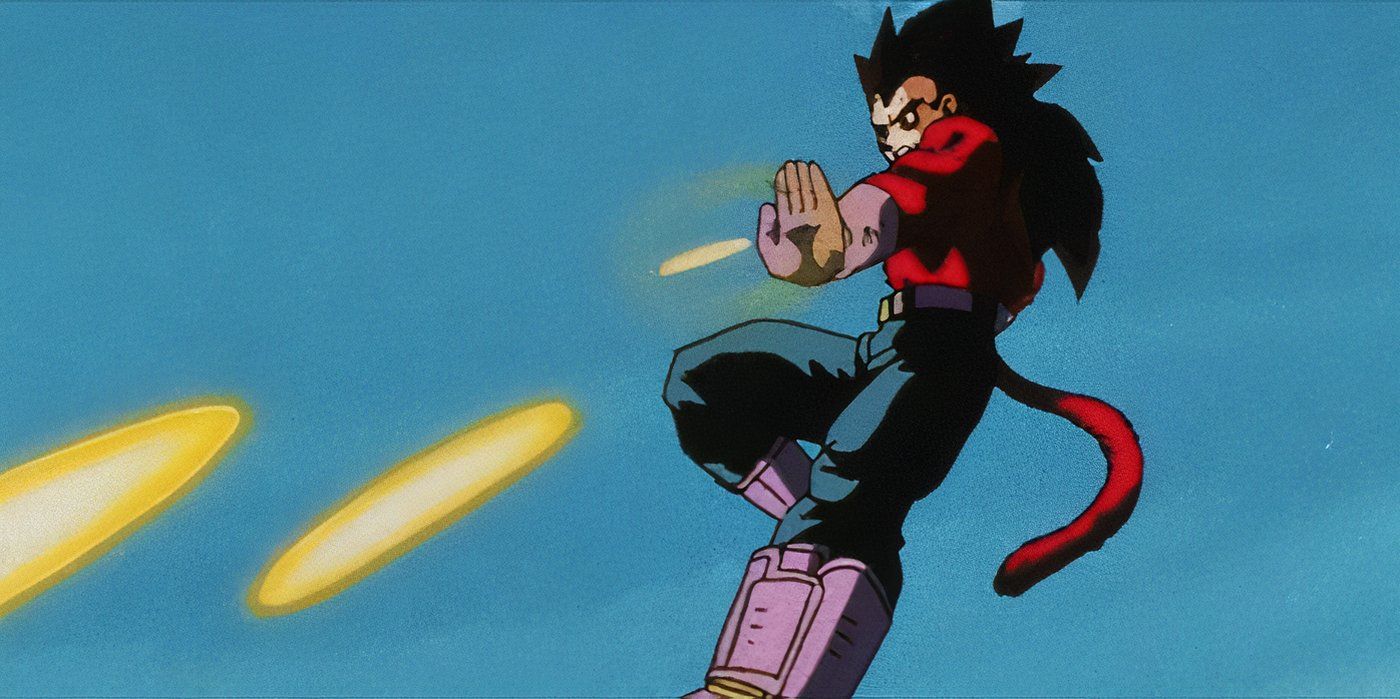
Dragon Ball GT took risks and explored new directions for the series, building on established ideas and revealing deeper meanings for characters who’d known them for years. While critics weren’t always impressed with the return to the original monkey-like transformations and the introduction of the powerful Super Saiyan 4 form, audiences were captivated by what unfolded.
While arcs like the Super Android 17 Saga and Shadow Dragons Saga weren’t always fan favorites, they still attracted viewers. More importantly, these storylines consistently highlighted that the show had diverged from the original Dragon Ball narrative that had unfolded over more than ten years.
While some longtime fans initially disliked the deaths of favorite characters and unexpected changes to others, it became clear by the end of the Black Star Dragon Balls Saga that Dragon Ball GT was designed to be its own story. In fact, the series consistently emphasized its differences from the original, making its unique identity very clear.
30 Years Later, Dragon Ball GT Aged Well Despite Its Flaws
I’ve noticed a dedicated part of the Dragon Ball fanbase consistently avoids anything to do with Dragon Ball GT. It’s interesting because elements and characters originally from GT have actually been incorporated into the larger Dragon Ball universe. While they’re now part of the main storyline, their inclusion hasn’t really hurt things, in my opinion.
Characters like Baby and Pan are popular with fans because they offer something different from the typical Dragon Ball story. Despite criticisms of the series they appeared in, these characters show that Dragon Ball isn’t limited to just one version of events and has room for diverse narratives.
Without Dragon Ball GT establishing a precedent, projects like Dragon Ball: Episode of Bardock might not have received as much promotion. However, Dragon Ball GT wasn’t the first time the franchise experimented with storylines that were outside of the main canon, delving into more outlandish and frightening themes.
Despite its flaws, Dragon Ball GT’s biggest achievement was exploring the ridiculous consequences of constantly using the Dragon Balls. This idea – focusing on the negative effects of repeated wishes – was innovative when it first appeared and remains fascinating. However, since the series ended in 1997, any unanswered questions it raised are unlikely to ever be addressed.
Found an error? Send it so it can be corrected.
Read More
- Gold Rate Forecast
- 5 Horror Shows I Knew Would Be 10/10 Masterpieces After The First 10 Minutes
- The Best Switch RPGs to Play Using Switch 2 Handheld Boost Mode
- What is Omoggle? The AI face-rating platform taking over Twitch
- Why is there no Jujutsu Kaisen this week? Missing Season 3 Episode 8 explained
- Crimson Desert Guide – How to Pay Fines, Bounties & Debt
- Lord Of The Flies Review: Near-Perfect Adaptation Is A Reminder Of Classic Novel’s Haunting Power
- Man pulls car with his manhood while on fire to raise awareness for prostate cancer
- EUR ZAR PREDICTION
- GBP CNY PREDICTION
2026-03-12 23:42