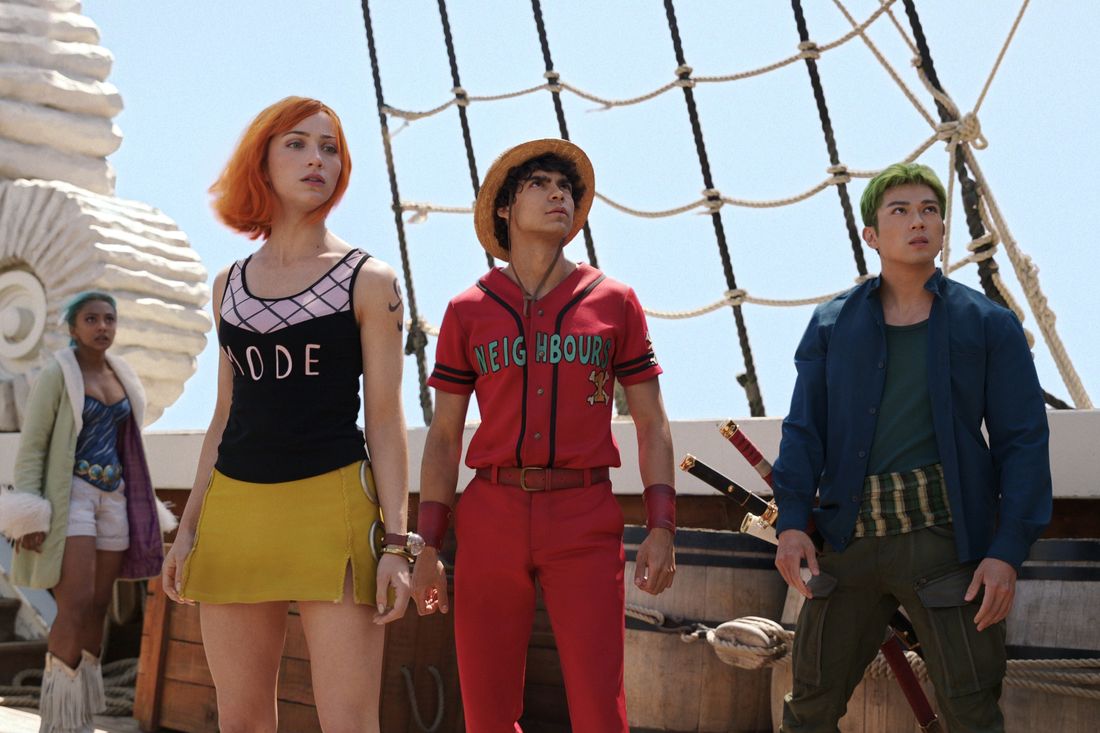
While not as widely known as manga giants like Dragon Ball or Sailor Moon, Eiichiro Oda’s One Piece is still one of the best-selling comic series ever. Adapting it for live-action seemed nearly impossible, considering the story follows Monkey D. Luffy, a man made of rubber, and his unusual pirate crew – including a skeleton, a talking reindeer, a fish man, and a cyborg – as they search for a legendary treasure. That’s what makes Netflix’s adaptation so impressive. It successfully brings Oda’s vibrant and often cartoonish world to life in a way that feels authentic. The second season is even bigger and more ambitious than the first, adding giants, dinosaurs, and new, visually stunning islands, as well as introducing the talking reindeer doctor, Tony Tony Chopper. Despite the expanded scope, it expertly balances heartfelt moments with exciting action, all supported by beautiful sets and special effects.
A key to the success of Netflix’s One Piece is its willingness to adapt the original story. This is especially noticeable in season two, which increases the action, adds new storylines, and introduces characters and events from throughout the manga’s 30-year history much earlier than they originally appeared. While some fans might object to these changes, they align with the show’s overall approach—as former showrunner Matt Owens explained, a fun part of making the series was rearranging the timeline. This also mirrors the creator Eiichiro Oda’s tendency to revisit past events and reveal previously unseen details. Essentially, the live-action series tells the story as Oda himself might have, knowing all the future reveals from the beginning.
According to showrunner Matt Owens, Eiichiro Oda, the creator of One Piece, appreciates seeing the passion fans have for the original story and is open to the Netflix adaptation offering a fresh take while staying true to his overall vision. By changing the order of events, the live-action series goes beyond a simple retelling of the manga, creating a new experience for both longtime fans and newcomers. Here’s how season two successfully adapts the source material to make the show stand out.
Roger’s final favor
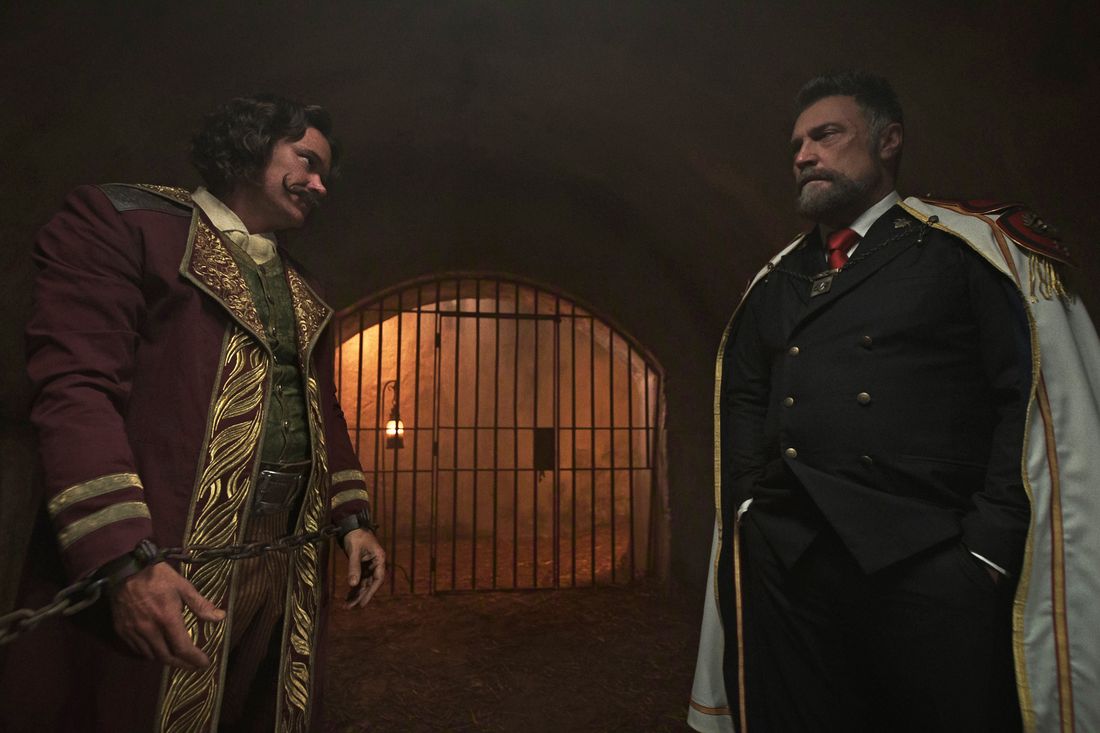
The season’s first episode features a major reveal: a flashback to the legendary pirate Gol D. Roger (played by Michael Dorman) before his execution. We see him conversing with Luffy’s grandfather, Garp (Vincent Regan), almost as old friends, reminiscing about past battles. As Roger faces his death, he asks Garp for a crucial favor: to protect his son and keep him safe, trusting the marine as if he were one of his own crew.
This moment doesn’t happen until much later in the anime and manga – episode 460 and chapter 551, respectively. It’s a huge surprise for both viewers and the characters in One Piece, as Roger’s child was previously unknown. Some fans might see including this scene in the live-action series as giving away a major plot point, but it actually enhances Garp’s character. It highlights the complexities of a marine hero who shares a friendly connection with the pirate king, explaining his affection for his pirate grandson and hinting that his sense of justice differs from his colleagues. Importantly, it also allows us to see Roger as a person, not just a legendary figure whose final words set the story in motion.
God Valley and the sun god, Nika
During a flashback, Roger calls Garp the ‘Hero of God Valley,’ and we later see Loguetown celebrating his victory there – there’s even an opera about it! God Valley is a hugely important historical event in the world of One Piece, but it’s only been revealed recently in episode 958 of the anime, and we haven’t seen the whole story yet. If you’re not familiar with the anime or manga, this mention might not seem important, similar to when Obi-Wan Kenobi briefly mentions the Clone Wars to Luke. However, like that reference, it adds depth to the world of One Piece, suggesting a much larger and more complex history than the characters currently understand.
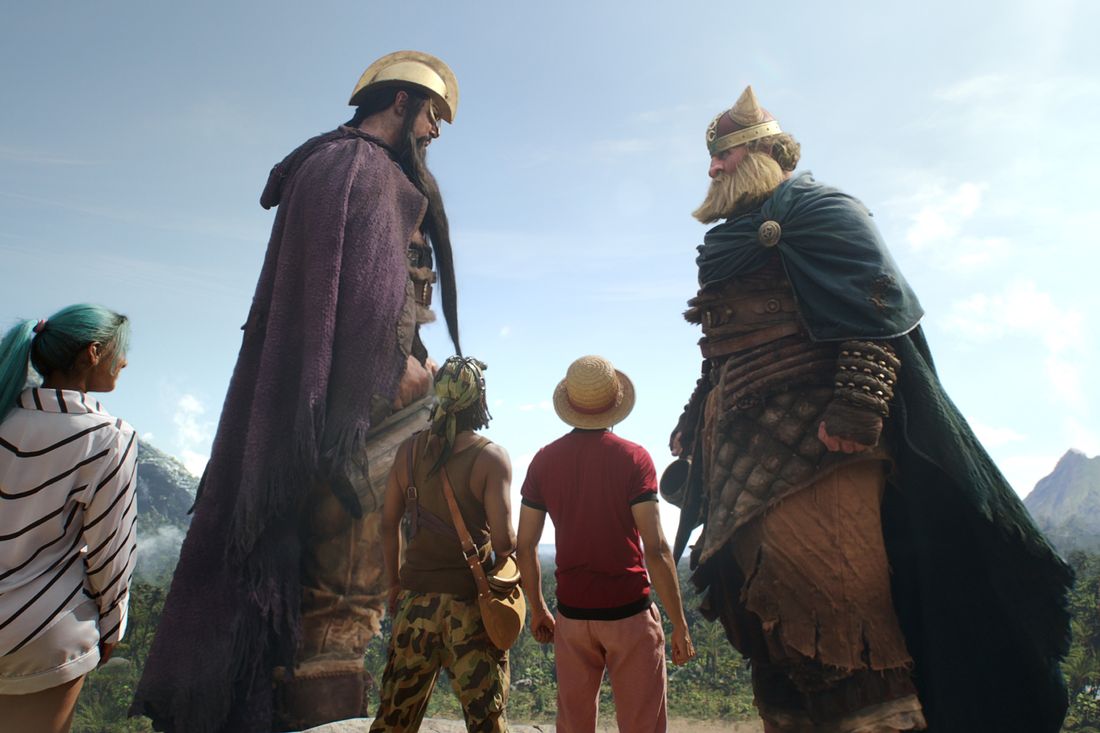
Later in the story, when we’re introduced to the giants Dorry and Brogy, they mention their sun god, Nika. Without giving away any major plot points, Nika is becoming a really important figure in the overall story, though its significance hasn’t been fully revealed yet. Having the giants casually mention their god during conversations about customs or prayers feels natural and subtly hints at future events. They wouldn’t worry about whether the audience is ready to learn about Nika – it’s simply part of their culture. These little details might seem small on their own, but they’re what make the world of One Piece feel so rich and believable.
Enter Bartolomeo and a curious top hat
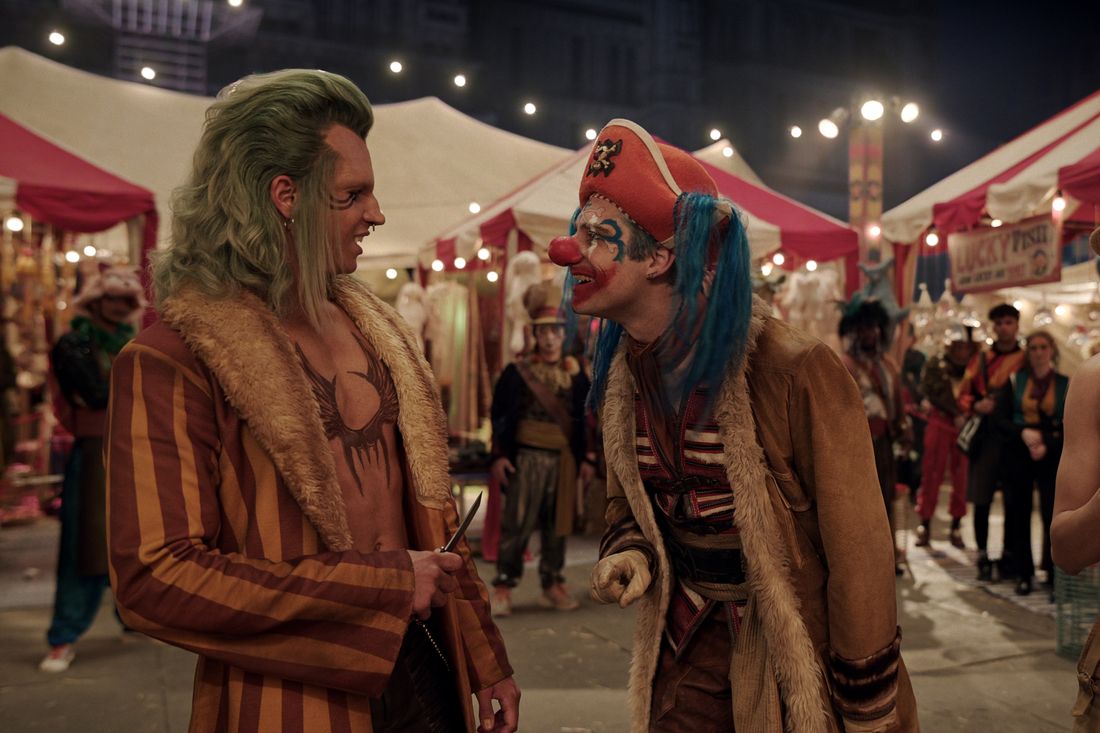
Season two of One Piece features some unexpected early appearances of characters who aren’t introduced until much later in the anime and manga. Bartolomeo appears in the first episode, attempting to con Luffy and later receiving a lesson in scamming from Nami. Sabo, recognizable by his hat and goggles, makes a brief appearance with Revolutionary Dragon. Even Brook, who will later join the Straw Hat Pirates, appears in a flashback in episode two to perform a song. While these characters aren’t met until much later in the original story, Bartolomeo and Sabo were already established as being in Loguetown at the same time as the Straw Hats. The Brook flashback is particularly interesting – the anime and manga show a pirate crew bidding farewell to the whale Laboon, and the show simply expanded on that scene to visually include Brook’s crew. Considering the flashback was already planned, showing the pirates who befriended Laboon was a relatively minor addition.
Netflix’s One Piece does a fantastic job of including subtle nods to the manga for dedicated fans. Quick appearances, like Sabo’s fleeting moment, might be missed by casual viewers but are instantly recognizable to longtime followers. Even characters with small roles, like Bartolomeo, or unique traits, like Brook and his love of music, add depth to the show’s world. Since it’s unlikely the series will adapt all 1,100+ chapters of the manga, these little cameos are a great way for fans to see a wider range of characters from Oda’s expansive story.
The marines and the assassins
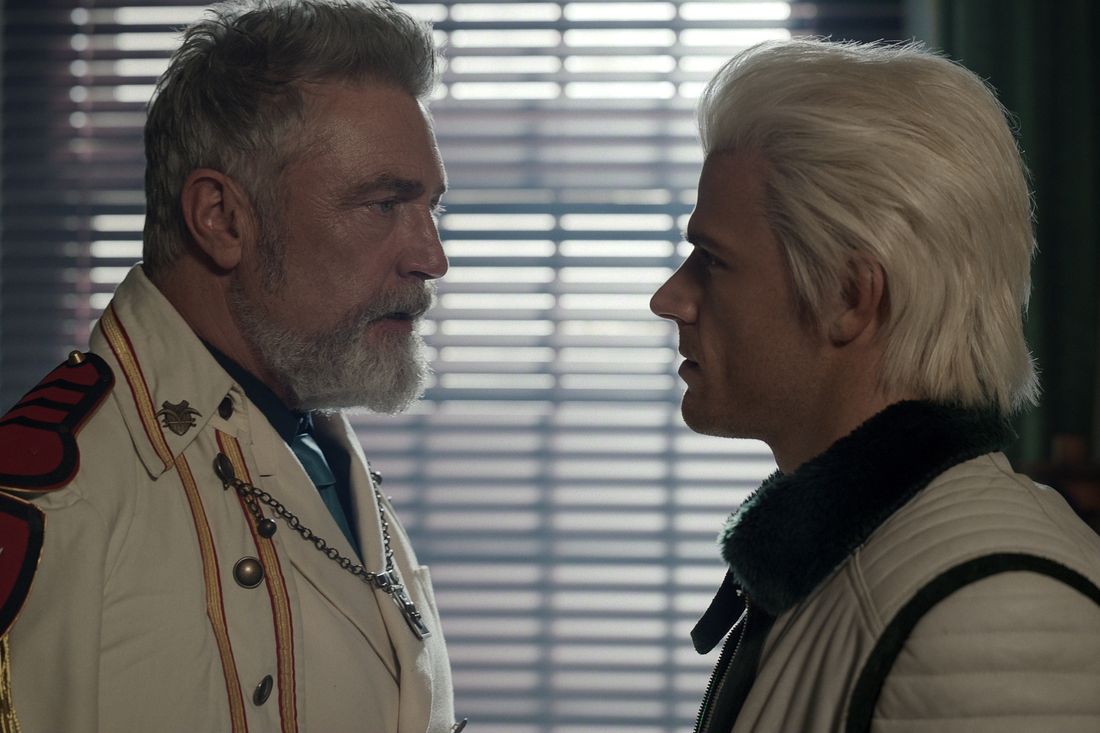
The live-action One Piece series doesn’t drastically change the story from the original manga, but it does reorder events and add new content, particularly in its second season. One significant addition focuses on marine captain Smoker, played by Callum Kerr, who is assigned by Garp to investigate the criminal organization Baroque Works. While the manga hints at Baroque Works’ size, it primarily shows them through battles with the Straw Hat pirates. We don’t get a strong sense of their wider influence or danger beyond a single island. The show, however, lets Smoker actively investigate and even battle members of Baroque Works, clearly establishing them as a serious threat to the marines and the World Government. This storyline also cleverly sets up a major reveal: the leader of Baroque Works, Mr. 0, is actually a Warlord of the Sea – a pirate officially sanctioned by the World Government. This could have huge consequences for the world’s major powers, and Smoker’s investigation is a great way to foreshadow those impacts.
Miss All Sunday (Lera Abova) doesn’t appear much in this part of the story, but she’s presented as a major threat throughout the second season. Even before the Straw Hats reach Alabasta – where she becomes a central villain – we see her causing trouble, like brutally attacking a marine outpost, which sets a darker tone for this season. The show establishes her as a constant danger to the Straw Hats by having her monitor them, issue threats, and make deals with others. For example, she tries to get Tashigi (Julia Rehwald) to join her side early on, and she gives Wapol (Rob Colletti) a powerful Devil Fruit to gain his support. This builds her up as a formidable character before her bigger role in season three and shows that Baroque Works is a much larger and more organized threat than just a series of individual villains.
The changes Netflix made to One Piece show they knew a direct copy of the original story wouldn’t work well as a live-action series. Instead, they’ve creatively rearranged and expanded on the source material, even fleshing out ideas that were only hinted at in the manga and anime. This makes the show enjoyable for both newcomers and longtime fans, and suggests it will be able to handle the more complicated storylines in the future.
Read More
- Gold Rate Forecast
- The Best Switch RPGs to Play Using Switch 2 Handheld Boost Mode
- What is Omoggle? The AI face-rating platform taking over Twitch
- Avengers: Doomsday Spoilers & Leaks Addressed By Director Joe Russo: “It’s Over-Policed”
- INJ/USD
- STX/USD
- 5 Horror Shows I Knew Would Be 10/10 Masterpieces After The First 10 Minutes
- Why is there no Jujutsu Kaisen this week? Missing Season 3 Episode 8 explained
- Lord Of The Flies Review: Near-Perfect Adaptation Is A Reminder Of Classic Novel’s Haunting Power
- Man pulls car with his manhood while on fire to raise awareness for prostate cancer
2026-03-12 22:55