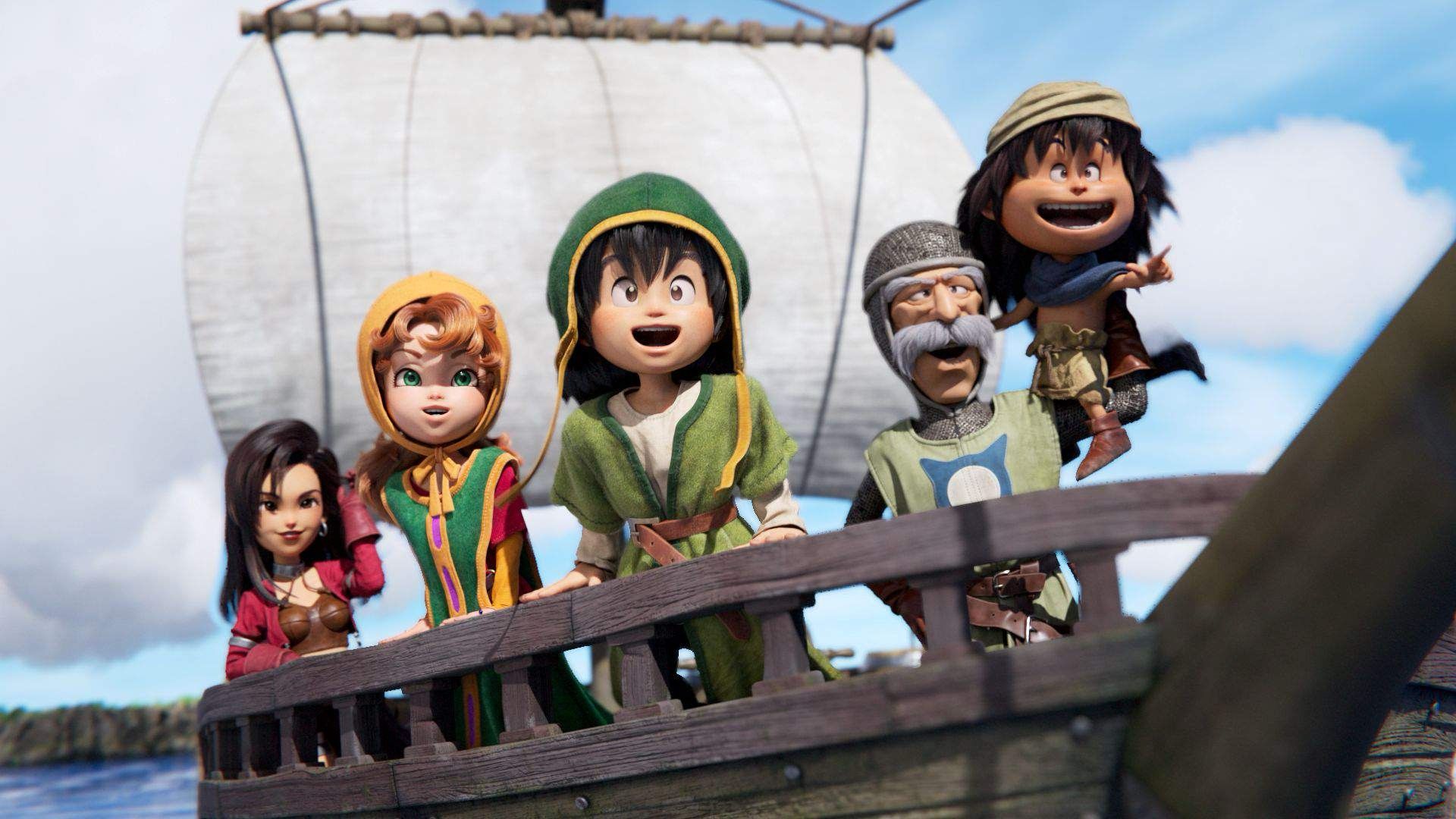
Dragon Quest VII Reimagined has been available for a few weeks, and I’m really enjoying it, just like a lot of RPG fans who grew up with the original game.
I was seriously impressed and started to think this might be one of the greatest remakes of a classic PlayStation game ever made.
As an RPG player, I’ve seen a lot of remakes, and honestly, they can go either way. Sometimes they really shake things up and improve on the original, like what they did with the new Final Fantasy 7 games – those are seriously different! But other times, a remake feels like it barely changes anything, and you wonder why they even bothered making it in the first place. It’s a tricky balance, for sure.
I thoroughly enjoyed playing Dragon Quest VII Reimagined and think the team at Square Enix and Hexadrive did an amazing job creating a truly excellent remake – they struck a perfect balance between staying true to the original and updating it for modern players.
There’s a lot of talk about a possible remake of Final Fantasy IX, and how it might be done. Looking at the recent Dragon Quest VII remake gives us a good idea of what to expect – and it’s a really promising sign.
Considerate Changes & Why Pacing Is Everything
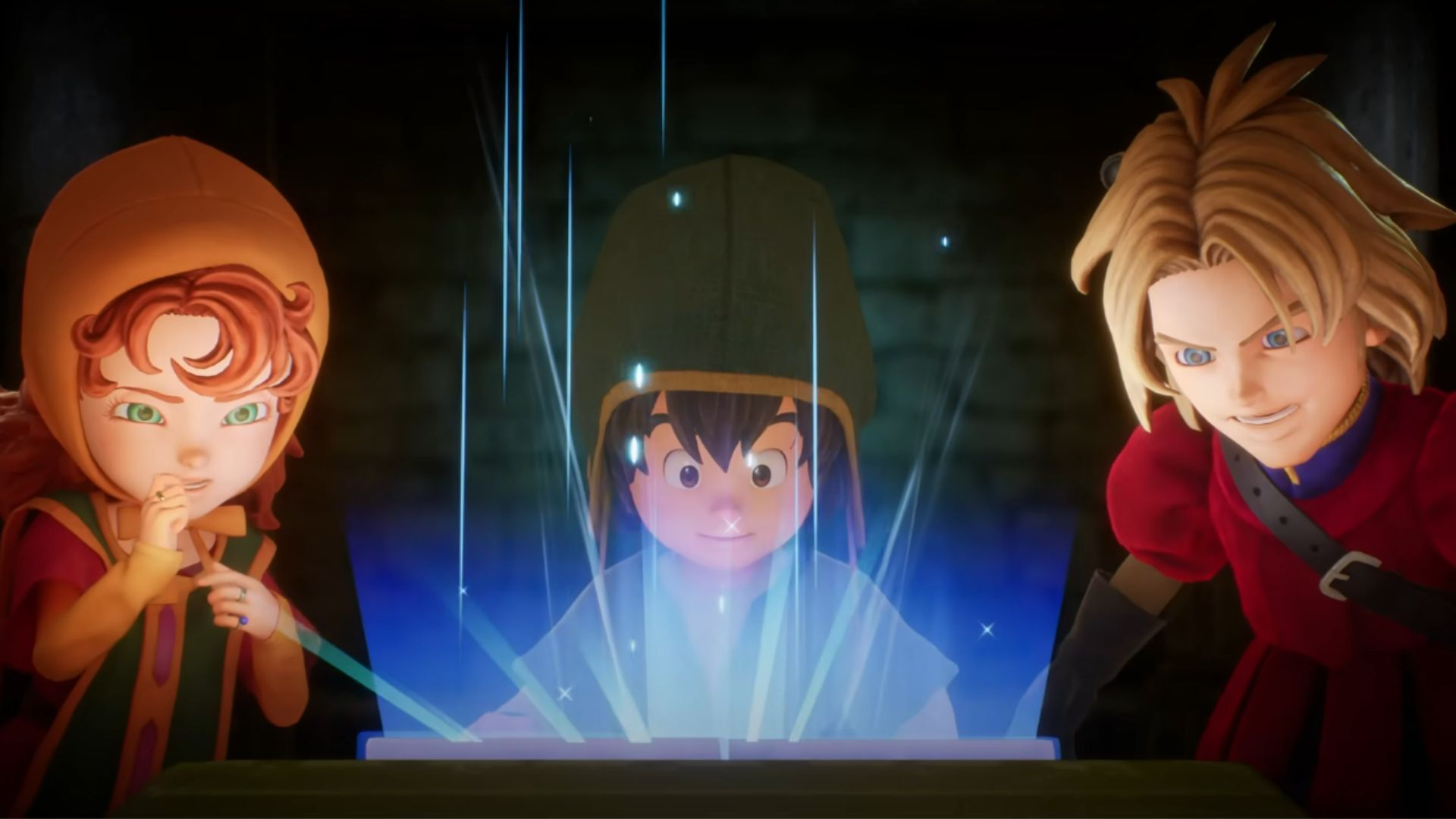
Over the years, there have been many updated versions of older games – some are fantastic improvements, while others feel like lazy attempts to make money, and a few even change the original game for the worse.
Remaking Dragon Quest VII was a challenge because its fans are very dedicated and fondly remember the game’s unique and quirky aspects. Any changes to make the game more modern could have upset those who loved the original’s deliberate pace and challenging difficulty.
What’s impressive about this remake is the way the developers successfully kept the heart of the original game intact while also updating it for today’s players.
Let’s consider the Dragon Quest VII remake for the 3DS, which came out in 2016, as a good example. Though it was better than the original PlayStation version, the 3DS remake still had some problems with how quickly the story moved forward.
If you mention the beginning of the original Dragon Quest VII to a fan, you’ll likely see a disappointed look. The game famously starts very slowly – it could take over three hours on the original PlayStation before you even get into your first battle. And that’s before considering how often random battles happen and how long it takes to improve your character’s skills!
The 3DS version attempted to fix these problems, but still had some issues. For example, traveling from the castle to your house took about three minutes in the 3DS game, but now only takes 15 seconds. The 3DS version also tried to reduce the repetitive gameplay of the original, but it did so by packing narrow areas with enemies. Surprisingly, avoiding these battles often took longer than simply fighting them all. While this saved you from actively seeking out battles to level up, it still felt disruptive.
Before the game launched, producer Takeshi Ichikawa revealed that several areas – including El Ciclo, Gröndal, and Providence – didn’t make the final cut. Some dungeons and locations were also trimmed or removed entirely to create a more streamlined experience. The developers felt that having too much content, with long stretches between key areas, would make the game feel bloated. While dedicated fans might not mind a longer game, the developers acknowledged that this excess content had been a point of criticism from more casual players.
What truly sets the Dragon Quest VII remake apart is its willingness to streamline parts of the game to improve the overall experience, even if it means making changes that some longtime fans might not like. This demonstrates careful planning and respect for the original game, allowing the developers to build upon its best features and create something even better.
A Graphics Glow-Up Done Right
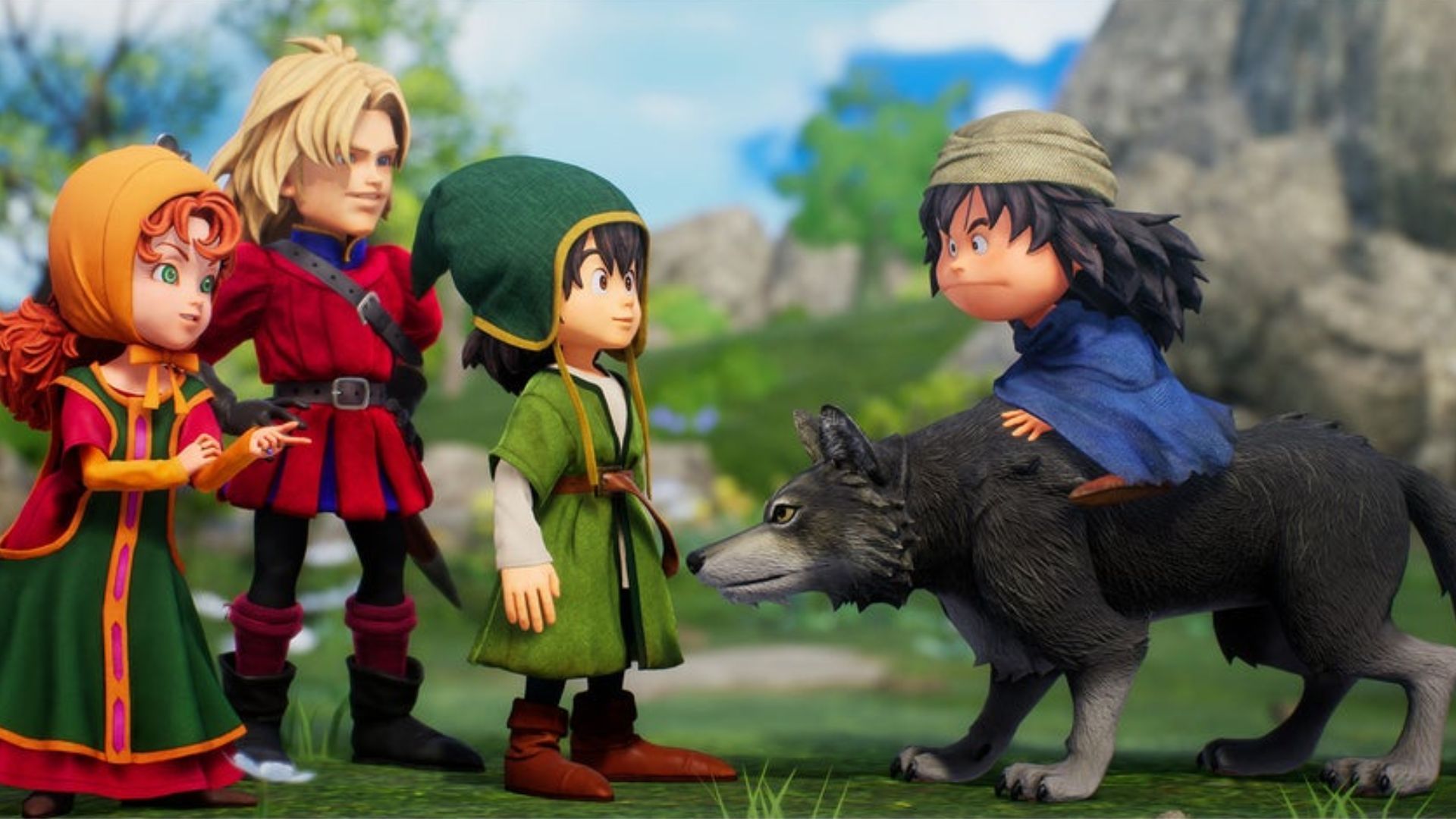
Modern remakes always need better graphics. But this series has a very distinctive and beloved art style, so changing the visuals too much could accidentally remove the unique appeal that originally attracted fans.
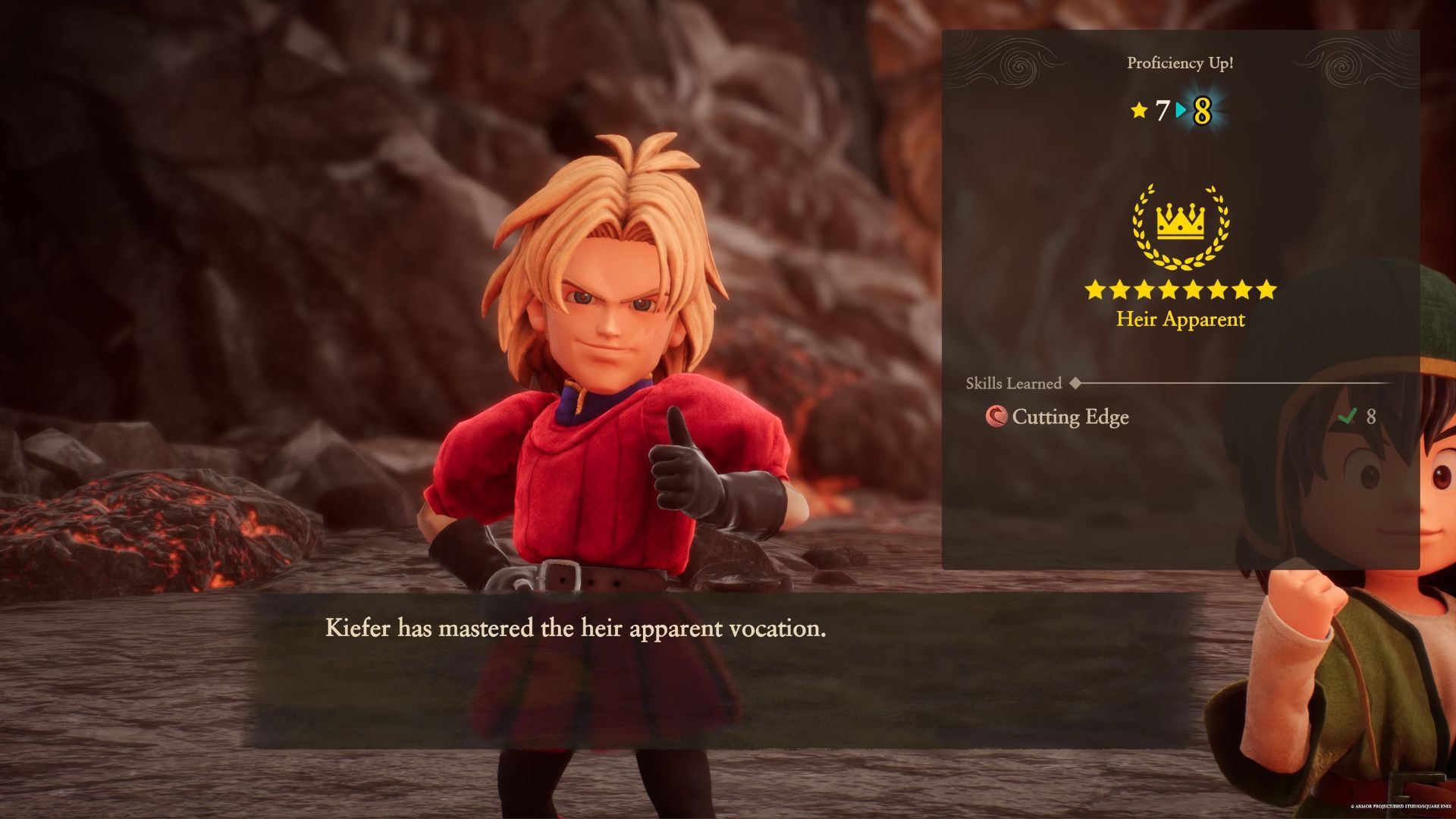
To bring the characters to life, the team decided to build replicas of Akira Toriyama’s original designs using actual dolls. This approach perfectly captures the spirit of the initial artwork and makes the characters feel incredibly vibrant.
The updated version of the game features a fantastic new diorama mode. This lets players freely rotate the camera a full 360 degrees, wherever they are. As you explore, you’ll discover and appreciate details of the game world that were previously unseen, all beautifully rendered.
I remember the Final Fantasy X remake on the PS3. While it tried to look better with improved graphics, it ended up making the characters and world feel flat and lifeless.
Honestly, playing this remake feels like finally seeing the game as the developers originally imagined. The characters are so bright and full of life, and the worlds are just beautifully detailed – it’s a really immersive experience.
The recent remake of Metal Gear Solid 3: Snake Eater received criticism for its updated look, which aimed for a more realistic style. Many fans felt this change stripped away the game’s original, distinctive colors and atmosphere. In contrast, by sticking with the charming, colorful style of Dragon Quest, this remake shows how important it is to preserve a game’s unique visual identity instead of trying to make it overly realistic.
Impressive Options for Difficulty
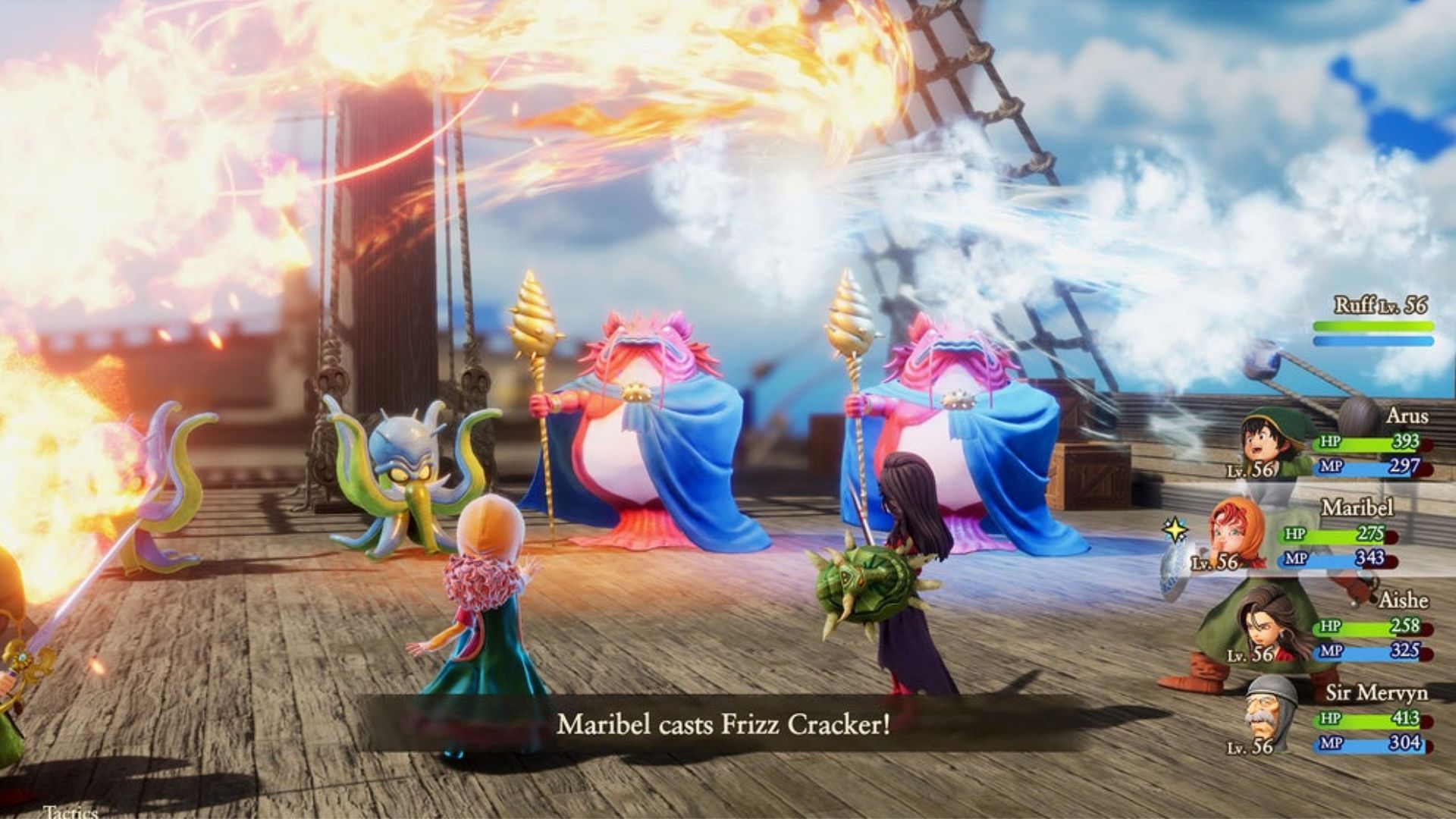
Okay, so I’m a huge RPG fan, and when a game I love gets remade, I usually know the combat inside and out. It’s frustrating when a remake doesn’t really change anything, like with the recent Pokémon remakes. But Dragon Quest VII Reimagined is different – it’s awesome that you can adjust the difficulty to fit your skill level. It’s a really welcome change!
The game lets you choose from Easy, Medium, and Hard difficulty levels to start. If those aren’t quite right for you, you can also fine-tune the experience with a variety of settings. You can adjust things like experience gain, healing between fights, your damage output, and enemy strength to create a playthrough that perfectly matches your skill level.
Adjust the game’s difficulty in the options menu to fit your playstyle. If you’re new to the game, start with the easy setting. For a less challenging experience, you can also reduce enemy damage. Experienced players can increase the difficulty by lowering their own damage and making enemies tougher. There are lots of ways to customize the settings and find the perfect balance, whether you’re a beginner or a seasoned player.
Subscribe to the newsletter for remake insights
Dragon Quest VII’s difficulty is a frequent topic of debate among fans. Some believe the game wasn’t particularly hard, while others argue that the repetitive gameplay needed to progress – specifically, hunting for rare metal slimes – made it very time-consuming unless you were dedicated to the grind.
Dragon Quest VII Reimagined caters to both longtime fans who enjoy a challenging game, and new players looking for a more relaxed experience. It balances the classic difficulty with updated features to appeal to a wider audience.
A Good Blueprint, But Not Mandatory
I don’t believe every remake needs to follow the same formula as Dragon Quest VII Reimagined. Successful remakes, like the recent Final Fantasy 7 games, expand upon the original world and make its memorable moments even better. Changes to the story can also help these remakes stand on their own as unique experiences, instead of simply replacing the original game.
What truly sets Dragon Quest VII Reimagined apart from other remakes is its willingness to cut content to improve the overall experience, even if it means some longtime fans might not be happy about the changes.
I believe the recent remake of Dragon Quest VII sets a high standard for remakes. It successfully appeals to both longtime fans and newcomers, giving the latter a chance to see what made the original game so special.
It’s disappointing to remove parts of a game, but as the developers of Dragon Quest VII proved, it can actually make the final product better. By trimming certain sections, they not only improved the game’s flow but also strengthened the story and addressed long-standing concerns from fans.
The developers at Square Enix successfully struck a great balance with this game. They carefully preserved what fans loved about the original while also making smart improvements. A good remake should bring back the enjoyment people felt when they first played the game, but also enhance the original experience, and this Dragon Quest game is a perfect example of how to do that.
Read More
- Netflix’s Little House On The Prairie Reboot: Release Date, Cast & Everything We Know
- Off Campus Season 1 Soundtrack Guide
- YouTuber arrested after viral AI bodycam videos spark real police complaints
- Silver Rate Forecast
- Prime Video’s New R-Rated Spy Thriller Is Officially No.1 On Streaming Despite Poor Reviews
- Brent Oil Forecast
- Gold Rate Forecast
- Bulgakov’s Take: Koreans Bet the Farm on Chips, Crypto, and Chaos
- Peaky Blinders: The Immortal Man’s Tommy Shelby Is a Better Father Than Michael Corleone
- EUR ZAR PREDICTION
2026-03-07 23:42