
Ever thought about what really happens when a game finds you opponents? It’s not just about matching skill levels anymore. Game developers use complex systems to keep you playing, and sometimes that means letting you win easily after a few hard losses – they want to prevent you from getting frustrated and giving up. This careful control over your experience is why many players try to manipulate the system, whether it’s intentionally lowering their rank for easier games or reporting others they believe are cheating. Every match is a subtle battle between what the developers want and what players actually do.
Key Takeaways
- Matchmaking isn’t always about fair fights: Developers often design systems to keep you engaged, which can mean giving you an easy win after a tough losing streak. Players exploit this by intentionally performing poorly to get into easier lobbies, creating a cycle that unbalances the game.
- Chasing easy wins stunts your growth: Constantly playing in “friendly lobbies” might feel good, but it prevents you from developing real skills. Improvement comes from being challenged and learning from difficult matches, not from reinforcing bad habits against less-skilled opponents.
- Your actions impact the game’s long-term health: Gaming the system or cheating does more than ruin one match. It erodes trust within the community, causes frustrated players to quit, and puts a financial strain on developers, which ultimately hurts the games you enjoy.
What is Matchmaking Manipulation, Really?
Have you ever noticed your game seems to know when you’re struggling or doing well? When you’re losing a lot, you might suddenly get matched with easier opponents. And when you’re winning, the next game can feel much harder. This isn’t always random. Game developers sometimes use “matchmaking manipulation” – they don’t just match you with players of similar skill, but try to create matches that will keep you playing for a longer time.
The main idea is to keep players interested and playing. Game developers do this by carefully tweaking how hard the game is – making it challenging enough to avoid frustration, but not so hard that players give up, and avoiding boredom from constant wins. It’s a tricky balance to maintain player interest, and it happens in many games. This approach can be frustrating for some, leading players to try and find ways to manipulate the game’s difficulty.
The Lure of an Easy Lobby
That feeling of getting an easier match after a few losses isn’t accidental. It’s a system called Engagement Optimized Matchmaking (EOMM). A recent study showed this system aims to keep players engaged by predicting when someone might quit the game. If you’re losing repeatedly, the game might deliberately put you in a match with less skilled opponents to help you win. This is designed to prevent frustration and encourage you to play just one more game.
Common Ways Players Game the System
It’s not just game developers controlling the experience; players are also figuring out how game systems work and using that knowledge to their benefit. Sometimes, games are deliberately made harder – a frustrating ‘pinch’ – to encourage players to spend money to progress. These manipulative strategies can actually drive players to find ways around them. Game designers who create ranking systems have even talked about how those systems affect player actions, admitting that players will always try to exploit the rules once they understand them.
How Does Intentionally Dying Get You a Better Lobby?
It seems counterintuitive, but some online gamers intentionally play poorly to get easier matches. This tactic, known as “reverse boosting,” exploits how the game’s matchmaking system works. By losing on purpose, players lower their skill rating, causing the game to place them in lobbies with less experienced opponents. This is often done to avoid highly competitive matches and enjoy a more relaxed gaming experience – to test out new strategies, play with friends, or simply have fun. However, some players also do it to gain an unfair advantage over less skilled opponents and create impressive gameplay clips. This practice sparks debate within the gaming community, with some seeing it as a clever strategy and others as unsportsmanlike conduct. Ultimately, it leads to skilled players being placed in easier matches, disrupting the balance and fairness for everyone involved.
How the Game Decides Where to Place You
Most online multiplayer games try to create fair matches. They do this by tracking how well you’re playing – things like your kill/death ratio, how often you win, and how many points you earn each minute. If you’re doing well, the game will match you with other skilled players to provide a good challenge. But if you intentionally play poorly, like repeatedly dying, you can trick the system. As streamer ZLANER explained, dying multiple times will cause the game to think you’re struggling and put you in easier matches with less experienced players.
Why Players Are Tanking Their Games on Purpose
Players “tank” – intentionally play in lower-ranked matches – for a couple of main reasons. Some do it to avoid the intense pressure of high-level competition and just relax and have fun. Others want to easily win matches, get a lot of kills, and make impressive plays, which is particularly attractive for those who create gaming content. This practice is similar to “smurfing,” where skilled players use a secondary or deliberately lowered-ranked account to play against less experienced opponents, giving them a quick way to feel powerful in the game.
What the Community Says About This Tactic
There’s a big disagreement within the gaming community about this. Some players feel it’s a fair response to overly strict skill-based matchmaking (SBMM). They believe that if the game constantly puts them in very competitive matches, they should be able to find ways to enjoy themselves. One player pointed out that complaints often come from those who are less skilled and see any effective strategy as cheating. However, many others think it’s a selfish move that makes the game unenjoyable for others. It leads to uneven matches and a frustrating experience for new or less skilled players who are easily defeated by someone who shouldn’t be in their games.
What Are “Friendly Lobbies” and Why Does Everyone Want One?
We’ve all experienced those frustrating gaming sessions – a long losing streak, a terrible score, and it feels like everyone you play against is an expert. Sometimes, you just want a relaxing match where you can play well and win without feeling stressed. That’s where “friendly lobbies,” or “bot lobbies,” come in. These lobbies are filled with less experienced players, making the game more casual and fun instead of intensely competitive.
People aren’t just playing simpler games to win easily; they’re looking to have fun again. Many modern online games are very competitive, and that pressure can ruin the enjoyment. Playing in a relaxed environment offers a break – a chance to try new strategies or just play with friends without constant defeat. It helps us rediscover that initial feeling of excitement and control that made us love gaming in the first place.
A Quick Look at Skill-Based Matchmaking (SBMM)
The main topic of discussion is skill-based matchmaking, or SBMM. The idea behind it is simple: the game tries to put you in matches with players who are about as good as you are, which should create fairer games. But many games now use even more complicated systems, sometimes called Engagement Optimized Matchmaking (EOMM). These systems don’t just focus on balanced matches; they also try to keep you playing for as long as possible.
Things get complicated here. Some games use a system that tries to predict when you’re getting frustrated and will then put you in an easier match to help you win and keep you playing. This creates a pattern of difficult losses followed by simple wins – a deliberate tactic to keep you engaged. Many players feel this isn’t fair matchmaking, but rather that the game is intentionally controlling their experience.
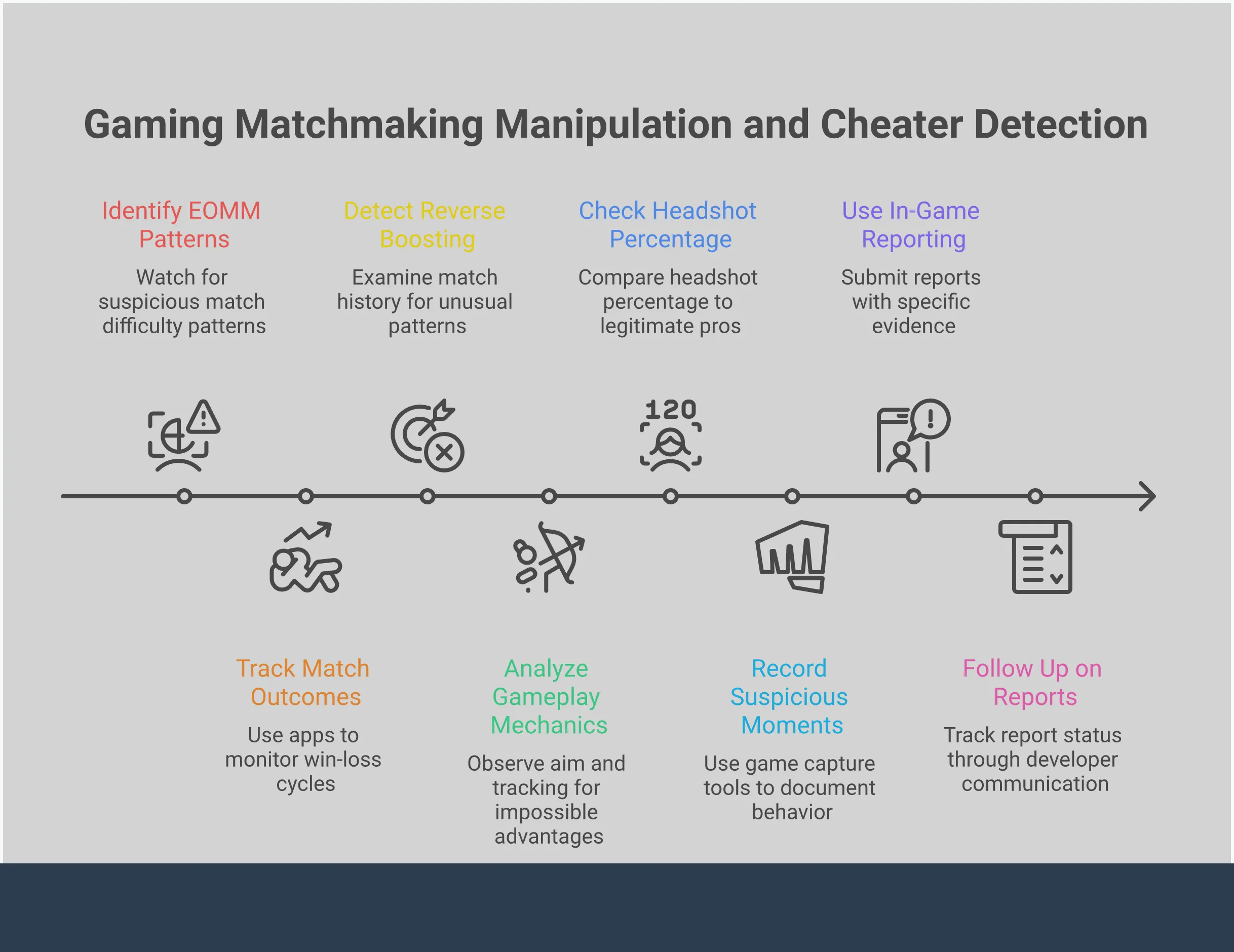
The Search for a More Casual Game
Many players are seeking a more relaxed gaming experience because of the constant pressure from skill-based matchmaking (SBMM). When every game feels like a high-stakes competition, it stops being fun and starts to feel like work. Most players aren’t trying to win by playing against less experienced opponents; they just want to play without feeling so much pressure. It’s like wanting to casually play a game with friends instead of competing in a serious tournament.
Players are seeking out more relaxed game experiences because the current matchmaking systems can be frustrating. These systems sometimes seem designed to create a series of losses before finally giving you a win, leading players to try and manipulate the system to get easier matches. This is a way for them to regain control and enjoy the game on their own terms, instead of feeling like the game is controlling their experience.
How This Affects the Game for Everyone
Look, I get it – it feels awesome to jump into a lobby where you can dominate. But honestly, it’s actually hurting the game we all love. Every easy win I get probably means someone else is having a really frustrating time. I’ve seen it happen – new players, or those who aren’t as skilled, get matched with experienced players who’ve found ways to get into lower-level lobbies, and it’s a quick way to make them give up on the game completely. That’s a shame, because it makes the experience bad for so many people who are just trying to have fun.
This practice also starts to feel like cheating. When many players try to exploit the game’s mechanics, it destroys trust and fair play. This creates a negative atmosphere where players constantly suspect each other. In the end, this harms everyone involved, even the game creators. If players become frustrated and stop playing, it lowers the game’s income and lifespan, leading to a cycle of problems that can ruin games we enjoy.
Cheater or Just Really Good? How to Tell the Difference
It’s a common experience: you’re unexpectedly defeated by another player who seems to anticipate your every action. Your initial reaction is likely frustration, and you might wonder if they’re simply very skilled or if they’re cheating. It’s hard to tell, and immediately accusing someone of hacking after a loss isn’t helpful. However, being able to recognize the signs of cheating is a valuable skill.
It can be hard to tell the difference between amazing skill and cheating in games, especially when players are very talented. Professional gamers dedicate countless hours to improving their accuracy, learning the maps, and developing their understanding of the game. Their skills can seem unbelievable to those who play casually. However, cheaters use programs that give them advantages no amount of practice could ever achieve. Knowing how to spot these cheaters helps you recognize real talent, and confidently report unfair play. Ultimately, it’s about keeping the game fair and honest for everyone.
Telltale Signs of a Cheater
If something about a player’s actions seems off, it probably is. A key sign of cheating is gameplay that feels unnatural or robotic – like instantly locking onto you even when you’re hidden, or tracking your movements perfectly without any apparent information. As one observer put it, some players clearly have wallhacks. Watch how players gain information. If they consistently shoot at spots they couldn’t possibly know you’re in, or their weapon has no recoil even when it should, that’s a red flag. Being skilled is one thing, but breaking the rules of the game is another.
What Pro-Level Gameplay Actually Looks Like
Okay, so what really makes a pro gamer stand out? It’s not about being perfect, it’s about building real skill. For me, that means tons of practice – seriously, thousands of hours – until things become second nature. My aim isn’t flawless, but it’s consistent, and you’ll see me making little tweaks and sometimes missing, but when I do land a crazy shot, it feels smooth because it’s been practiced so many times. You’ll probably hear commentators say things like, “Clean headshot!” because you can just see the skill in how it’s done. I’m always listening for audio cues, knowing the maps inside and out, and working with my team to predict what the enemy is going to do. Even when I’m playing at my best, I’m still playing within the game’s rules, you know?
Spotting Impossible Stats and Reflexes
Stats can reveal cheating. If a player’s profile shows unbelievably good performance – like a headshot percentage of 80% or higher over many games, or a kill/death ratio far beyond what even pros achieve – it’s a strong warning sign. Also, watch for impossible reaction times. While skilled players react quickly, human reflexes have limits. If someone consistently wins fights with seemingly instant reactions, especially when surprised, they might be using software to help them. These unrealistic stats are often the most obvious evidence of cheating.
When a Player’s Skill Doesn’t Add Up
It’s often easy to spot cheaters because their skills seem unbalanced. They might aim incredibly well, but move awkwardly, as if they’re new to the game. True skill usually means a player is good at everything – aiming, moving, understanding the game, and positioning themselves strategically. When someone is amazing at one thing but struggles with the rest, it’s a strong sign they’re using cheats. This kind of behavior is frustrating and can ruin the experience for other players. In fact, studies show that a large number of players – around 42% – have even thought about giving up a game because of cheaters. It destroys the fairness and enjoyment that make competitive multiplayer fun.
Should You Report a Cheater for In-Game Rewards?
Reporting disruptive behavior in games can be a tough call. You have to decide if dealing with the issue is worth the effort, and if your report will even matter. However, when game developers offer rewards for successful reports, that changes things. It’s no longer just about improving the game for everyone; there’s a personal benefit involved. This raises an interesting question: are people reporting to help the community, or simply to earn rewards? Let’s explore what motivates players to report and debunk some common misconceptions about the process.
Reporting for Justice vs. Reporting for Loot
Reporting cheaters is fundamentally about making sure the game is fair for everyone. You want to protect the game you enjoy and ensure a level playing field. However, the potential for rewards adds a complication. As streamer ZLANER noted, there’s a direct incentive: reporting a cheater who is confirmed could get you in-game items back, while a false report yields nothing. This turns what should be a responsible act into something of a gamble, where you’re hoping for someone else to break the rules to benefit yourself. It creates a conflict between wanting a fair game and wanting to earn rewards like new items.
Do Rewards Actually Encourage Reporting?
Although rewards can be helpful, players are mostly motivated to report cheating because they want a fairer and more enjoyable gaming experience. Cheating severely impacts gameplay, and a recent study found that nearly half of players (42%) have thought about leaving a game due to cheaters. The strong desire for a cheat-free environment is a key factor – in fact, most players (83%) are more likely to play games that actively combat cheating. While rewards are appreciated, the real benefit is a community where players can have fun without worrying about unfair advantages.
Common Myths About the Reporting Process
It often feels like player reports go nowhere, but investigating them is actually a detailed process. A common misunderstanding is that every reported player is cheating with external software. However, anti-cheat systems frequently show that most complaints are about the matchmaking system – players often think they’re facing cheaters when they’re simply outplayed or in a difficult match. Another myth is that reports aren’t reviewed at all. While developers can’t watch every report individually, they’re vital for identifying suspicious accounts. Reports help automated systems and human reviewers detect trends and take appropriate action. Every report contributes to a bigger picture, helping developers understand what’s happening and address problems.
The Tough Questions: Is Reporting Always the Right Call?
Reporting someone for cheating can feel surprisingly difficult. You might be sure you saw something unfair, but then start to doubt yourself – was it really cheating, or just a skillful play? It’s common to hesitate, because reporting isn’t simple. It’s a big decision that affects everyone involved – you, the accused player, and the overall game. Let’s explore the questions that often come up when you’re unsure about whether to report someone.
Doing the Right Thing vs. Protecting Yourself
Reporting cheaters is fundamentally about preserving a fair gaming experience. When players use hacks or exploits, it spoils the game for those who play honestly, making wins feel less rewarding and losses incredibly frustrating. By submitting a report, you’re advocating for fair play and helping developers maintain a positive community.
It’s not always easy to know who’s cheating, though. If you accuse someone who’s actually playing fairly, it feels awful, and you usually don’t find out right away if you were correct. Some games even offer rewards, like getting lost items back, if your report leads to a cheater being banned. This can make reporting feel less about doing the right thing and more like a risk-reward situation – you’re essentially guessing and hoping for a payoff.
The Fallout from a Wrongful Report
Cheating is a serious issue in gaming, and it’s understandable why players get upset. In fact, over 40% of gamers have thought about stopping a game altogether because of cheaters. Reporting these players feels like the best way to protect the game and keep others from being driven away. This isn’t just about frustration – cheating can also hurt the game developers and the future of the games themselves.
It’s really frustrating when someone makes a false report, honestly. It doesn’t just impact the wrongly accused player – they have to jump through hoops to prove their innocence, which is super stressful. It also creates a ton of extra work for the game developers, because they have to sort through all these false flags instead of focusing on actual cheaters. And the worst part is, when the system gets flooded with fake reports, it actually makes it harder to catch the people who are really breaking the rules, which just hurts the whole community.
Worried About Backlash? You’re Not Alone
Nobody wants to be known as someone who falsely accuses others. It’s understandable to be afraid of calling someone a cheater and then being wrong. Online gaming communities can be very critical, and people worry about being publicly shamed or attacked for making a mistake. This fear of negative reactions often makes players reluctant to speak up, even when they suspect something isn’t right. The potential for harsh responses in gaming is a strong reason why people stay silent.
It’s good you’re being careful. It’s easy to assume someone is cheating when they’re actually just very skilled, especially when the game puts players of different abilities together. A lot of reports aren’t about actual cheating programs; they’re just players feeling like a match wasn’t fair. This confusion makes it even harder to decide whether or not to report someone, because you’re not just doubting their skills, you’re also questioning yourself.
How to Report Cheaters Without Starting a War
It’s frustrating when you suspect someone is cheating, and you might want to immediately call them out. However, doing that often just causes a big argument with other players. Reporting a cheater should be simple and about improving the game for everyone, not starting a fight. The best approach is to be smart and careful. If you use the official reporting tools and have clear evidence, you can help make a difference without getting caught up in unnecessary drama.
Smart and Responsible Reporting Strategies
Okay, first things first, just take a deep breath! If you encounter someone cheating, the best thing to do is use the report tools built right into the game. They’re super discreet and go straight to the developers who can handle it. But it’s not just about reporting – we can all help make the game better! Supporting other players who are responsibly calling out cheaters is a big deal. Honestly, when we all work together and use the proper channels, it’s way more effective than one of us just getting mad and trying to deal with it alone. It really creates a stronger defense against unfair play when we’re united.
Gather Your Proof Before You Act
Simply suspecting someone of cheating isn’t enough to get them banned. To make a helpful report, you need solid proof. The best evidence is a recording of the gameplay, especially if it shows impossible actions like incredibly precise shots or a player seeing through walls. When you report someone, be specific – instead of just saying “this person is hacking,” explain exactly what they did and how it was suspicious. Include timestamps and clear details to help moderators quickly understand and confirm the cheating. A detailed report is much more likely to lead to action and shows you’re taking the issue seriously.
Protecting Yourself from Community Drama
A major worry when reporting someone is facing negative consequences. It’s easy to be wrong, and publicly accusing someone – especially someone popular or a friend – can quickly become complicated. That’s why using private reporting tools is so valuable. Instead of calling players out in public chat or on social media, use the game’s official, anonymous reporting system. This shields you from potential problems if you misjudge a situation. Keep in mind: if you report someone who isn’t cheating, there are no repercussions for you. However, a false public accusation can harm your reputation and cause unnecessary drama for everyone.
The Hidden Costs of Gaming the System
Trying to win easily by manipulating the game’s matchmaking system might seem smart, but it actually has downsides. It’s not just about whether it’s fair – constantly playing against weaker opponents can hinder your own progress and make the game less enjoyable. While it’s tempting after losing repeatedly, this approach often leads to unsatisfying wins and prevents you from truly getting better. Before trying to exploit the system, think about what you might be sacrificing.
How Easy Lobbies Can Make You a Worse Player
Here’s a straightforward idea: you only improve by playing against tougher opponents. Consistently playing against weaker players might feel good, but it creates a false sense of security and lets bad habits creep in. While you might get a lot of kills, you won’t learn how to handle skilled players, position yourself effectively, or win challenging fights. When you finally face opponents at your own skill level, it can be a rude awakening. True progress comes from being challenged and learning to adapt, not from easily defeating weaker players. Focus on perfecting your setup and learning from your mistakes – that’s how you’ll really improve.
Getting Trapped in the Manipulation Cycle
It’s easy to fall into a pattern of intentionally playing worse to win easier games, and it can be hard to stop. Getting a few quick wins after losing a lot feels good, which encourages you to keep doing it. Some people believe games are designed to keep you playing by subtly adjusting the difficulty of your matches. After a series of tough losses, you might be put in an easier game to guarantee a win and prevent you from giving up. This leads to a frustrating cycle of either easily winning or badly losing, with few matches that feel fair and rewarding. Ultimately, this keeps you focused on the quick satisfaction of an easy win rather than the genuine accomplishment of a hard-fought one.
Does Winning This Way Even Feel Good?
It’s hard to truly enjoy a win when you haven’t really earned it. The most memorable gaming moments usually come from overcoming difficult obstacles – like winning a tough fight against multiple opponents, finally defeating a challenging boss, or cleverly outplaying a skilled rival. These are the moments that get your adrenaline pumping and stick with you. When you find ways to make the game easier, like getting matched with less skilled players, you take away that satisfying challenge. The win doesn’t feel rewarding because it wasn’t achieved through effort. It also creates a frustrating experience for others and damages the sense of community that makes multiplayer games so enjoyable. Ultimately, taking shortcuts hurts everyone involved, including yourself, and diminishes the fun for all players.
How These Tactics Hurt the Games We Love
While dealing with cheaters or exploits can be annoying, it actually hurts everyone who enjoys the game. When the system for finding fair matches is broken, it’s not just about one bad experience – it threatens the game’s future. This can lead to players getting discouraged, and even put financial pressure on the developers who work on it. Ultimately, it affects how we play, whether we can trust other players, and if we’ll continue playing the game long-term.
Why Players Quit and Trust Fades
It’s incredibly frustrating to put effort into a game only to lose because someone is cheating. Many players experience this – in fact, around 80% have encountered cheaters. When this happens repeatedly, it makes you lose faith in the game’s fairness, and you start to doubt every victory. This constant suspicion is draining, and it’s understandable that over 40% of players have thought about giving up playing altogether. Losing that trust can damage the strong communities that make these games enjoyable.
The Financial Toll on Game Developers
Cheating in games isn’t just unfair to other players—it seriously impacts the companies that create them. When players cheat, they often avoid paying for in-game items, which reduces the money available to fund new content like maps, characters, and updates. It also creates extra work for support teams and forces developers to spend time and money on fighting cheats instead of building new features. Marketing to cheaters is a waste of resources that could be used to reach genuine players. This financial burden can slow down game development and ultimately affect the quality of the updates everyone wants.
Breaking the Cycle of Frustration
As a gamer, it’s really frustrating when cheating ruins the experience, and it’s not just annoying – it actually hurts the games we love. When a game is full of cheaters, I’m way less likely to spend money on it, and apparently, I’m not alone. Studies show over half of us – 55% – have either stopped or reduced our spending in games because of cheaters. That’s a big problem because it means developers have less money to actually fix the cheating, making things even worse! It feels like a never-ending cycle. We really need everyone to work together and prioritize fair play so these games can keep improving and stay fun for a long time.
Related Articles
- Deus Ex LFG: Connect with Other Augs in LFG Feature on Z League App
Frequently Asked Questions
Have you ever wondered if a game is deliberately giving you easier opponents? It’s quite likely. Many games today use matchmaking that focuses on keeping you playing, not just on fair matches. If the game notices you’re losing a lot and might quit, it could put you in an easier match on purpose. This is done to let you win and stay interested, but it can feel like the game is manipulating things to keep you hooked.
A lot of people are arguing about whether deliberately losing a match to get put with easier opponents is a form of cheating. It’s not technically cheating because it doesn’t involve hacks or illegal programs, but it does involve manipulating the game’s matchmaking system to create an unfair advantage. Most players see it as bad sportsmanship. By intentionally losing, you create an unbalanced game and ruin the experience for new or less skilled players who end up facing someone much better than them, just so you can get an easy win.
It’s frustrating to keep losing, and it can be tough to tell if someone is cheating or just exceptionally skilled. Great players are amazing, but their actions still look natural – they make small corrections and sometimes miss their shots. Cheaters often move in a robotic or unrealistic way. Watch for things like instantly locking onto your head or tracking you perfectly even when you’re behind cover. If their performance stats seem unbelievable, that’s a strong sign they might be cheating.
It’s fine to want to play some relaxing games, but intentionally matching with less experienced players can be harmful. It prevents you from improving your own skills because you’re not being challenged. Even more importantly, it creates a negative experience for new players, which ultimately hurts the game’s community and its future. New players are vital for a healthy game, and they need a fair environment to learn and grow.
If you think someone might be cheating but aren’t certain, use the game’s reporting feature. You don’t need to decide if they are cheating – just report what you saw and let the game moderators investigate. Be clear and detailed in your report, and if you can, include a short video clip of what happened. Reporting calmly and with the facts helps keep the game fair without causing problems.
Read More
- Scientology speedrun trend escalates as viewers map out Hollywood facility
- NBA 2K26 Season 6 Rewards for MyCAREER & MyTEAM
- Where Winds Meet’s new Hexi expansion kicks off with a journey to the Jade Gate Pass in version 1.4
- Makoto Kedouin’s RPG Developer Bakin sample game is now available for free
- MrBeast lets fans from every country vote for Beast Games Season 3 contestants
- Vegan nugget startup founder charged with assaulting influencer ex-girlfriend Evelyn Ha
- How to Get to the Undercoast in Esoteric Ebb
- What Fast Mode is in Bannerlord and how to turn it on
- Over Your Dead Body Ending Explained: Who Survives The Grisly Anti-Romcom (And What It’s All About)
- Streamer crushes MrBeast charity record with $55M fundraiser for kids with cancer
2026-03-05 15:36