We’ve all been in situations where playing cautiously – even seeming sneaky – felt like the best way to win. When you’re the last player left with barely any health, hiding doesn’t feel cowardly, it feels smart. Some people call this “rat play” cheap, but it’s actually a clever strategy that relies on patience, watching your opponents, and knowing exactly when to make your move. It’s like playing a complex game of chess while others are playing a simple game of checkers. Before you dismiss it, let’s explore why this tactic works so well, the different ways to use it, and why you might want to try it yourself.
Key Takeaways
- A “Rat” is a Strategic Player, Not Just a Pest: The term describes a playstyle focused on survival and opportunity through sneaky tactics. It’s a calculated approach that values patience and timing over head-on fights, evolving from simple gaming slang into a recognized strategy.
- The Game Dictates the Playstyle: Being a rat is a valid and often necessary tactic in high-stakes survival games where staying alive is the only goal. In objective-based shooters, however, it becomes a more specialized role for disrupting enemy plans and controlling key areas.
- Beat a Rat by Thinking Like One: You can counter this playstyle by becoming more aware of your surroundings. Always check corners, anticipate ambush points, and move unpredictably to strip rats of their main advantage, which is the element of surprise.
What’s a “Rat” in Gaming?
Have you ever been taken out by someone hiding in a spot you already looked, or lost valuable items to a player who didn’t even participate in the battle? If so, you’ve likely encountered a “rat” in gaming. This term describes a player who uses underhanded or unexpected strategies to win, focusing on staying alive and taking advantage of opportunities rather than engaging in direct combat. Examples include hiding, camping in unusual locations, or finishing off opponents who are already weakened.
The term ‘rat’ perfectly captures the playstyle it describes – a player who operates subtly, avoids direct fights, and wins by being resourceful. Though often used negatively, this approach can be surprisingly effective, particularly in games focused on survival. Whether someone views a ‘rat’ player with frustration, admiration, or a mix of both depends on the context. This style of play forces opponents to be more cautious, constantly scanning their surroundings and listening for any sign of danger. In essence, ‘rat’ players create a sense of unease and tension, making the game more thrilling. They ensure you’re never completely secure, and that constant pressure can make winning all the more satisfying.
How Gaming Slang Evolves
Online gaming creates its own unique language, with terms like “rat” developing from shared experiences – both frustrating and funny. This slang isn’t random; it grows as players find new ways to describe what happens in the game. Often, a term becomes popular because it’s humorous and easily captures a recognizable strategy or behavior. Calling someone a “rat” is a memorable and funny way to describe a specific, well-known playstyle.
This playful language often acts as a way for gamers to comment on the game itself, jokingly pointing out popular strategies or player types. It starts as an inside joke, shared through live streams, online forums, and voice chat, and quickly becomes part of the common language of gaming. Soon, even a term that started with a small group of players is understood by everyone.
Why Context Is Everything
Calling someone a ‘rat’ in gaming depends on the situation. In intense, realistic games like Escape from Tarkov, playing strategically – even if it seems underhanded – is often smart and helps you survive. But in quicker, more direct games, those same tactics might annoy other players. Ultimately, what counts as ‘ratty’ behavior varies from game to game and is defined by the players themselves.
Rats are well-known in gaming for a specific strategy: they wait for two other players or teams to battle it out, then swoop in to eliminate the weakened winners. This creates unpredictable and exciting gameplay. Over time, the gaming community has defined what it means to be a ‘rat’ through shared jokes, videos, and stories, solidifying this as a common gaming style.
Where Did the Term “Rat” Come From?
The insult “rat” is common in online games, but it has a surprisingly rich history. It didn’t appear suddenly; instead, it developed over time from a basic game tactic into the slang term we use today. To understand its origins, we need to go back to the beginnings of online gaming, where the word first emerged. From there, we can follow how it shifted from describing a specific action to becoming a label for players – one that’s often negative, but occasionally even embraced.
A Look Back at Early Gaming Culture
The term “rat” actually comes from the early days of online gaming, specifically text-based games called MUDs (Multi-User Dungeons). In these games, players would often engage in an activity called “ratting” – repeatedly hunting and killing weak creatures, frequently actual rats, to gain experience and items. This was a basic part of role-playing games: finding a dungeon and powering up your character by endlessly defeating the easiest enemies. Originally, “ratting” simply described this common task and didn’t imply anything about a player’s skill or bravery; it was just a necessary, though sometimes tedious, part of the game.
From Insult to Identity
The term “rat” originally appeared in games like Dota to describe a tactic where a player would avoid team battles and instead secretly destroy enemy buildings by quickly advancing through lanes. While effective, this “rat doto” strategy was often considered unsportsmanlike. The term then became widely popular, particularly with the growth of games like extraction shooters and battle royales. Now, “ratting” refers to any playstyle focused on survival, stealth, and avoiding direct fights – whether it’s carefully positioning for a Warzone match or simply prioritizing looting over engaging in combat. It’s become a common phrase in gaming vocabulary.
The Different Flavors of Gaming Rats
Not all players labeled as “rats” are the same. Just like in nature, there are different kinds of “rats” in gaming, each with their own way of playing and reasons for doing what they do. Some might just be focused on collecting loot and surviving, while others are carefully plotting to defeat you. Recognizing these different types can help you predict what they’ll do and even admire their cunning tactics.
The way players behave in a game often depends on the game itself. In intense games focused on collecting items, like Escape from Tarkov or Hunt: Showdown, you’ll usually find players who care more about loot than anything else. Since the risks are so high, it makes sense for them to play cautiously. In team-based battle royales like Warzone, a player might focus on scouting and providing information for their team. And then there are those who just like to cause trouble and enjoy frustrating other players. While each type plays differently, they all have something in common: they prioritize surviving and getting what they want, even if it means avoiding fair fights. Let’s look at the most common player types so you can recognize them before they cause you problems.
The Loot Rat
You’ll most likely run into this type of rat more than any other. Loot Rats focus on one thing: quickly grabbing valuable items and escaping without a fight, if possible. They’re basically scavengers, preferring to collect loot and gather information. They tend to avoid busy areas, stay hidden, and listen carefully for approaching players. While they’ll protect their collected loot if backed into a corner, they aren’t looking for trouble – they just want to get rich.
The Information Rat
In many games, there’s a player known as the ‘Information Rat’ – a stealthy scout who prioritizes gathering intel over direct combat. They find a safe, hidden spot to observe the enemy, then relay crucial information about their movements to their team. These players are experts at watching, predicting enemy strategies, and pinpointing locations without revealing their own position. Though they may not top the scoreboard in kills, their intelligence can be the deciding factor in a fight, giving their team a significant tactical edge. They operate quietly in the background, a vital asset to any squad.
The Betrayal Rat
This player type is particularly frustrating because they gain your trust, then exploit it. They might act friendly in voice chat, cooperate on challenges, and then suddenly betray you to steal your rewards. They’re masters of deception, often luring you into traps – like at escape points after promising to help you leave safely. Being betrayed like this can be incredibly annoying and make it hard to trust anyone else while you’re playing.
The Camp Rat
Players nicknamed ‘Camp Rats’ are known for their patience. They choose busy areas, like where players are trying to leave the map or narrow passages, and then simply wait for someone to come near. They’re like predators, lying in wait for an easy target. Some players dislike this tactic, but it’s undeniably effective. Instead of actively searching, Camp Rats let opponents come to them, forcing others to be cautious and check corners. They’ve become masters of blocking escape routes and camping key locations.
Why Do We Call Players Rats?
In gaming, a “rat” is a player who uses sneaky and underhanded tactics to win. Just like real rats, these players are clever, take advantage of opportunities, and focus on surviving at all costs. They avoid fair fights, preferring to ambush opponents, jump in during other players’ battles, and exploit any weakness they can find. Calling someone a “rat” isn’t just an insult – it’s a fitting description of a playstyle that values cunning and survival over direct confrontation.
It’s All About Sneaky Tactics
Players who adopt a “rat” playstyle focus on being sneaky and taking opponents by surprise. They prefer to stay hidden, letting other teams start fights first, and then swoop in to finish off the weakened survivors. As one player put it, they “sneak up and third party,” meaning they quickly attack when others are already battling. They’re experts at choosing their moments, striking when they have the advantage, and retreating when things get dangerous, always aiming to survive and fight again later.
Capitalizing on the Perfect Moment
What makes a successful ‘rat’ player isn’t just stealth, but perfect timing. These players are patient hunters who wait for the best possible moment to strike, minimizing their own risk while maximizing damage. This opportunistic style is what really defines them. While many players prefer a fair fight, only attacking when provoked – some even stating they’ll only engage if shot at first – a ‘rat’ player does the opposite. They always take the initiative, but only after carefully making sure their target is distracted, weak, and completely unsuspecting.
The Natural Habitat of the Gaming Rat
What kinds of games do these sneaky players excel in? While you might find them anywhere, they really thrive in games where staying alive is the main goal, knowing what’s happening is crucial, and one wrong move can mean starting over. These tense, high-pressure situations are perfect for their tactics. It’s not just about hiding; it’s about learning the map, anticipating where other players will go, and striking when they’re at their most vulnerable.
Some gamers thrive in games where careful planning and taking advantage of opportunities are more important than rushing in. They know that skill isn’t just about quick reflexes; often, it’s about being in the right place at the right time. Whether it’s a huge, open map or a small, confined space, patient players can often gain an advantage. Let’s explore some common places where you’ll find these types of players.
Battle Royales
Battle royale games often attract players who prioritize survival above all else. In games like Warzone or Apex Legends, these players avoid risky, early-game conflicts. They prefer to land in quieter areas, gather supplies, and cautiously move towards the safe zone. Instead of initiating fights, they often wait for other players to weaken each other before stepping in to finish them off. They focus on having the right equipment for quick, decisive attacks rather than long, drawn-out battles.
Survival Horror Games
In many survival horror games, being clever and resourceful is key to staying alive. Some games, like Cyber Rats, even put you in the role of a rat, forcing you to rely on stealth and quick thinking to avoid dangerous enemies. It’s not just about playing like a rat – the game wants you to be one. This means hiding, finding useful items, and choosing your battles carefully, because facing enemies head-on usually leads to failure. In these games, succeeding often means embracing a rat-like approach.
Competitive Shooters
In competitive shooting games like Valorant and Counter-Strike, a player known as the ‘rat’ plays a smart, tactical role. They don’t just hide—they carefully choose positions to catch enemies off guard. This player might wait in a dark spot for the whole enemy team to pass, then eliminate the last one to create chaos. They’re very selective about when they fight, only shooting when they have a clear advantage or are discovered first. Ultimately, they aim to disrupt the enemy’s strategy and help their team win through patience and smart positioning.
MOBAs and Strategy Games
In team-based games like League of Legends and Dota 2, being a “rat” isn’t about simply hiding – it’s a clever tactic. A “rat” player consistently pushes a lane far from the main team fight, forcing opponents to split their attention. This creates a difficult decision: stop the rat and risk losing a key advantage, or ignore them and let their base be destroyed. Some games, like War Rats, even focus entirely on this kind of sneaky, strategic play, showing how effective and enjoyable it can be.
How the Community Really Feels About Rats
If you spend any time on gaming forums or social media, you’ll notice players have a surprisingly complex relationship with those who play very defensively – often called “rats.” It’s a mix of annoyance, a little bit of respect, and a lot of amusement. While it’s frustrating to be taken out by someone hiding for a long time, it can also be pretty funny. These “rats” aren’t just irritating opponents; they’ve become a well-known part of gaming culture, someone we love to complain about, and a source of unexpected, comical situations. This has led to tons of jokes, shared experiences, and a whole community built around the idea. How players talk about “rats” actually shows us a lot about how we react to winning, losing, and all the crazy stuff that happens in games.
Finding the Humor in Betrayal
It’s incredibly frustrating to be eliminated by someone who avoids direct combat – especially after working hard to get good equipment. Initially, it’s annoying, but looking back, it’s often pretty funny. Gamers are great at finding humor in frustrating situations. This humor can actually point out how seriously we sometimes take games, turning a sneaky tactic into something almost comical. It lets us deal with the disappointment in a lighter way. That’s why videos of these unexpected plays often become popular – we all understand the frustration, but we can also appreciate the humor, particularly when it happens to someone else.
The Memes Don’t Lie
The “rat” playstyle – hiding and using sneaky tactics – has become incredibly popular for creating memes. You can find screenshots of players in funny hiding spots and clips of well-timed ambushes set to music all over the internet. This is a great example of the gaming community at its best, turning a common experience into a shared joke. Players love to share funny descriptions of their sneaky plays, just like they do with other silly things that happen in the game. These memes aren’t just funny; they create a sense of community by letting us all laugh together about the frustrating, yet clever and hilarious, tactics players use.
A Classic Love-Hate Relationship
Most gamers have a love-hate relationship with players who use sneaky, defensive tactics – often called ‘rats.’ You’re frustrated when they’re your opponent, but you might grudgingly respect their cleverness. You might even copy their style when you’re trying to win a tough situation. This relationship is more complicated than it seems. Studies show that even real rats change how they cooperate depending on what their opponent does, and gamers react similarly. A ‘rat’ player might play solo sometimes, but also contribute valuable information as a team player. This makes them a unique and intriguing part of gaming – you’re never quite sure if you can trust them, but they can be surprisingly helpful.
Is Being a Rat Actually a Bad Thing?
It’s incredibly frustrating to be eliminated by someone hiding, but before getting upset, consider that this tactic might not be unfair—it could be smart strategy. While it feels cheap to be taken out by a camper, in competitive gaming, using any available advantage is often key to winning. The difference between a ‘cowardly’ player and a skilled strategist can be very small, especially when victory is at stake. This raises a bigger question: do we value a fair fight more than simply winning? This debate has been around as long as gaming itself. Instead of dismissing these players as annoying, it’s worth considering that hiding and ambushing can be a perfectly valid—and sometimes the most effective—way to survive. Ultimately, in a game where the goal is to be the last player standing, survival is the only rule that truly matters.
The Strategic Side of Rat Play
Successful individuals don’t just passively avoid problems; they carefully plan and anticipate outcomes, thinking several steps ahead. This approach relies on observing situations, being patient, and acting at the most advantageous time. It’s a deliberate strategy, not simply fear. Research even shows that rats themselves adapt their behavior based on how others act. Similarly, experienced people often choose their battles carefully, focusing on situations where they have a high chance of success. It’s not about avoiding conflict altogether, but about strategically engaging only when victory is likely.
When Survival Beats Honor
In games focused on being the last player alive, fair play often takes a backseat to simply surviving. Players prioritize staying alive above all else. Some players, like ‘rats,’ are particularly good at this, taking advantage of fights between others to swoop in and claim the victory. It’s a ruthless but effective strategy. Some games even encourage this kind of cunning, letting players act as schemers who win by outsmarting their opponents. Ultimately, how you win doesn’t matter – a win is a win.
How to Outsmart a Rat
It’s incredibly frustrating to lose to someone who avoids direct fights and relies on sneaky tactics. You’ve prepared, you’ve won battles, and then you’re unexpectedly defeated by a player who was simply hiding. But instead of getting angry, you can take control of the situation. Beating these players means changing how you play and using a little psychology. Predict their hiding spots and turn their own strategy against them. If you do that, you’ll quickly become a player they avoid.
Practical Anti-Rat Tactics
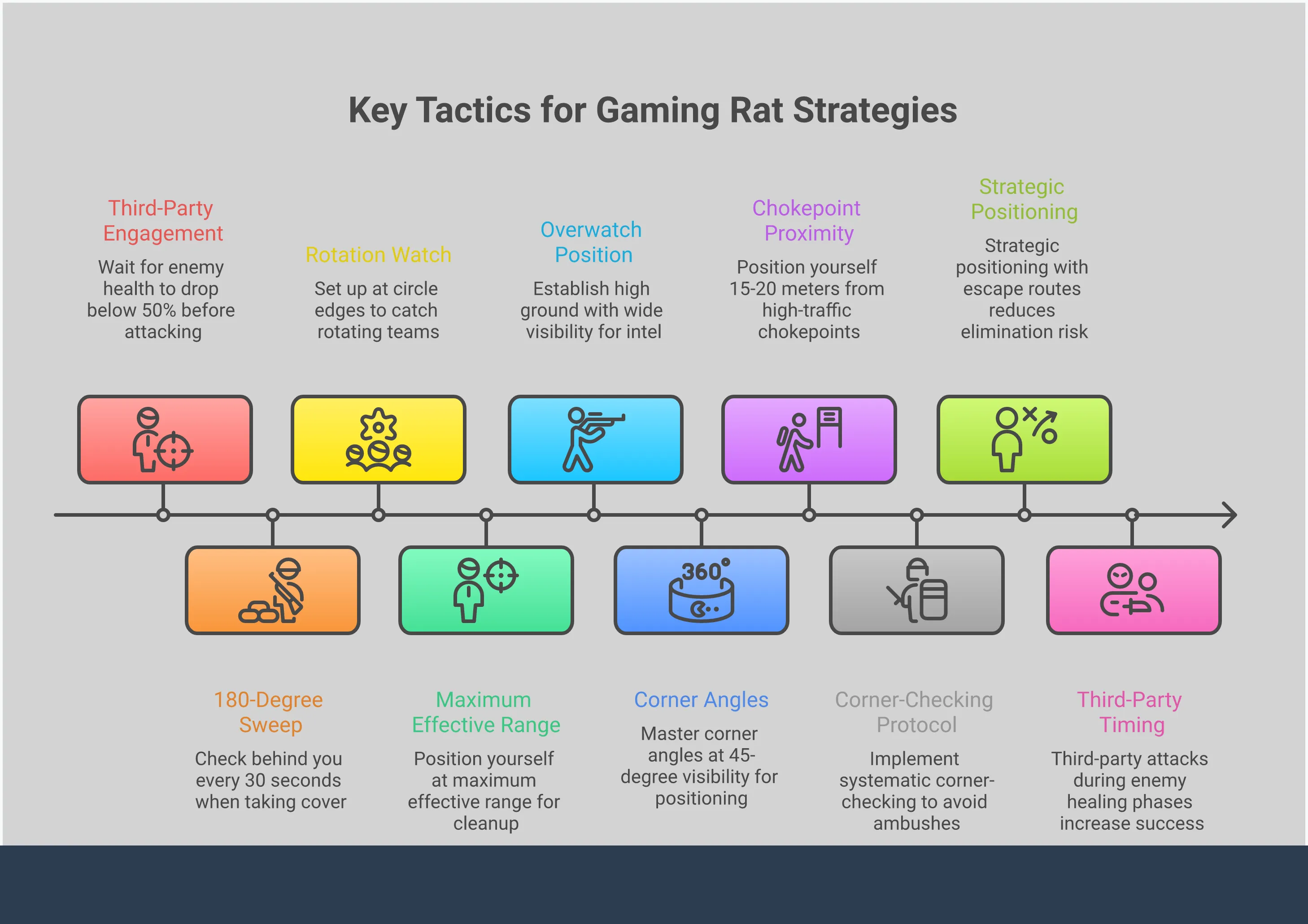
While taking the fight to your enemies is usually a good strategy, when dealing with aggressive players (often called ‘rats’) in Warzone, being overly cautious is key. Always assume someone is nearby and could be hiding. A smart tactic is to quickly check every corner and blind spot when taking cover, which eliminates the element of surprise these players rely on. They’ll often back off if they realize you’re watching for them. Another good approach is to only attack if you’ve been shot at first. This makes them reveal their location and puts you in control of the fight. Finally, make sure your weapon setup is optimized for quick, close-range battles.
Adjust Your Mindset to Counter Them
To defeat an opponent who plays like a “rat” – meaning they rely on sneaky tactics and ambushes – you need to understand their thinking. It’s not just random behavior; they carefully react to what you do. Research actually shows these players change their strategies based on your moves and what they think they can gain. So, your actions directly shape their next steps. If you’re predictable, you’ll become an easy target. Try to think like them: where would you hide and wait for an opportunity? What paths offer the best protection? Where are players most vulnerable? By predicting their hiding spots and movements, you can turn the tables and set your own traps. Their entire plan depends on you being caught off guard, so anticipating their moves can completely ruin it.
The Psychology of a Rat Player
What are rats thinking as they hide in the shadows? It’s not just about waiting – they’re constantly and quickly making calculations. Skilled players of this game are experts at evaluating their choices, treating every possible fight like a difficult puzzle. They consider everything – their current items, what the enemy might have, how the play area is shrinking, and possible ways to escape. Their aim is always to find the easiest path to the biggest reward.
Calculating Risk vs. Reward
Thinking strategically is central to game theory, where players base their choices on what they expect others to do. A ‘rat player’ doesn’t aim for a direct confrontation; instead, they deliberately seek out situations where they have a clear advantage. This isn’t simply hiding – it’s about carefully collecting information and waiting for the perfect moment to strike when the chances of success are greatest and the risks are minimal. They allow other groups to fight and exhaust each other, then move in to take what’s left. It’s a highly effective strategy that focuses on achieving overall victory, even if it means sacrificing individual impressive plays.
When Gaming Taps into Survival Instincts
What seems like simple strategy in games like Escape from Tarkov or battle royales actually connects to our deepest survival instincts. These games create intense pressure – one mistake can mean losing everything – and trigger a real fight-or-flight response. Players often act like rats, prioritizing hiding and waiting over direct confrontation. It’s about surviving at any cost, taking advantage of opportunities and striking when opponents are vulnerable. This isn’t about playing fairly; it’s about the raw excitement of living to see another round. This behavior comes from game designs that effectively mimic the feeling of life-or-death situations.
Related Articles
- Deus Ex LFG: Connect with Other Augs in LFG Feature on Z League App
Frequently Asked Questions
The word “rat” isn’t always meant to be offensive. Although people often use it when they’re upset, it can also show a strange kind of respect. Calling someone a rat can actually be a way of admitting they’re smart and patient, even if you were outsmarted by them. Whether it’s an insult or a compliment depends entirely on the situation; it can recognize a clever, albeit sneaky, tactic.
Okay, so a lot of people talk about “rats” and “campers” in the game, and it can be confusing. Basically, “rat” is the bigger idea. A “camper” is a rat, but not all rats are campers! A camper is someone who just plants themselves in one spot and waits for someone to come along. But a “rat” can also be someone who quietly sneaks around the edges of the map, avoids fights completely, or even follows other teams, waiting for them to get weak before attacking. It’s really about playing it safe and taking advantage of opportunities when they arise – it doesn’t always mean just sitting still and waiting.
Even if you prefer a subtle, strategic approach to gameplay, you can still be a valuable teammate. Think of it like being an “Information Rat” – quietly observing the enemy and sharing crucial details with your team. This helps your more assertive teammates make better choices and increases your chances of winning. As long as you communicate and work towards the team’s goal, a sneaky or cautious playstyle can be very effective.
Many people think this playstyle is just for beginners who avoid direct combat, but that’s not usually true. While new players might use it because they feel overwhelmed, a skilled ‘rat’ player is often very experienced. It requires strong game sense – knowing how enemies will move, understanding the map, and being patient enough to strike at the right moment. Choosing to play this way is a smart strategy, not just something players do when they’re not confident in a fight.
When dealing with an opponent, the key is to eliminate their advantage of surprise. They succeed when you’re predictable, so stay alert and cautious. Regularly check your surroundings, move unpredictably, and always be aware of potential ambushes. If you remove the element of surprise, their entire plan becomes much less effective.
Read More
- Gold Rate Forecast
- What is Omoggle? The AI face-rating platform taking over Twitch
- Elden Ring Is Back With A New Free Game, Thanks To The Fans
- Audible opens first ‘bookless bookstore’ in New York
- 10 Adorable Quotes from Diana in Pragmata
- Wartales Curse of Rigel DLC Guide – Best Tips, POIs & More
- INJ/USD
- Below Deck Down Under Recap: Battle of the Egos
- 10 Classic 2000s Anime That Aren’t As Good As You Remember
- Alix Earle vs Alex Cooper Makes It to 30 Rock
2026-03-03 17:05