The video game industry is facing some serious challenges right now. While there are still enjoyable games being released, it often feels like they succeed despite issues like job losses, studios shutting down, the focus on games as ongoing services, a lack of innovation, and the rise of AI. If you’re a passionate gamer who’s frustrated by the industry becoming overly commercial and bland, it’s time to look to the spirit of ‘punk.’ Grasshopper Manufacture, led by Suda51, feels like one of the last major studios truly embracing that rebellious, creative energy. While many indie developers try to capture that spirit, Grasshopper has the resources to create truly unique experiences. Their games are often edgy, intense, and not for everyone, but ever since I first played Flower, Sun, and Rain years ago, I’ve been completely captivated by their work.
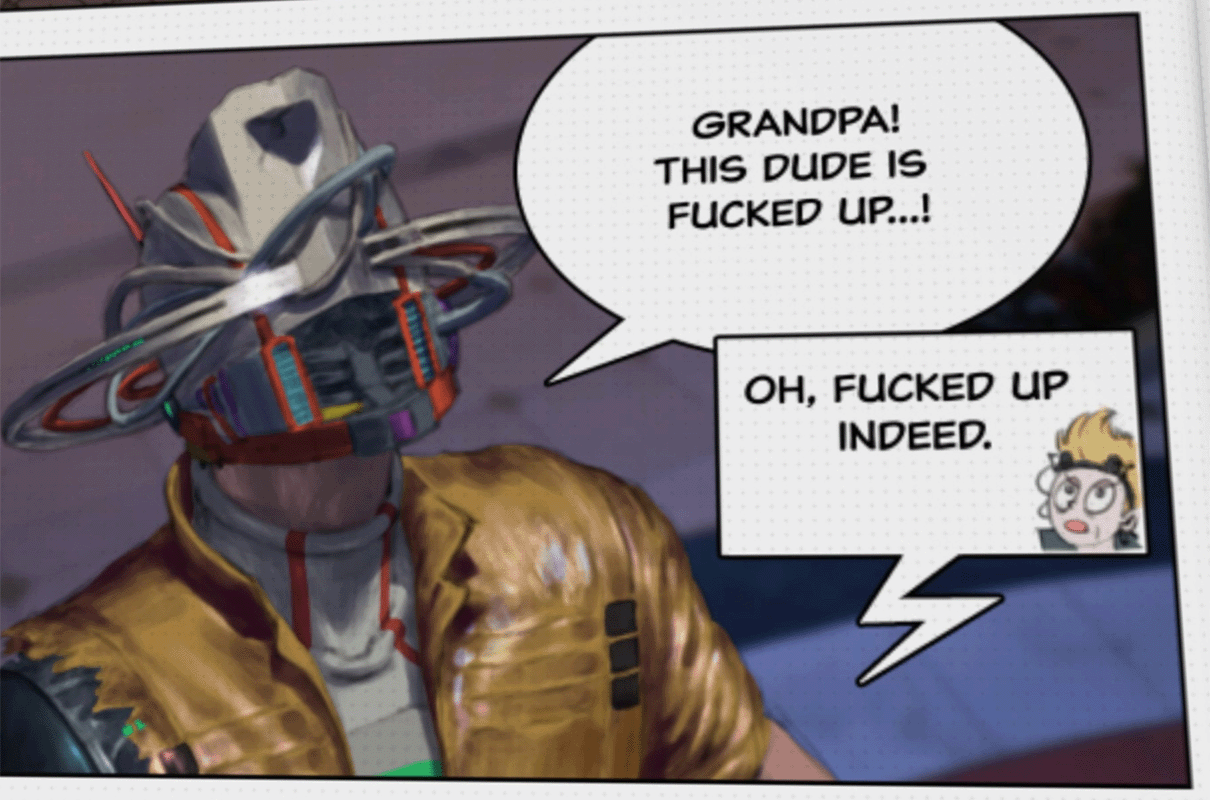
Romeo Stargazer, a young law enforcement officer, finds love with Juliet, a woman who has no memory of her past. Their plans to run away together are violently interrupted when a terrifying creature attacks Romeo, leaving him severely injured. He’s saved by his eccentric scientist grandfather – a man prone to exclamations like “Great Scott!” – who manages to revive him as something resembling his former self, now known as DeadMan. With little time to recover, Romeo is thrust into a mission with the FBI: traveling through broken timelines to repair reality. His task also involves eliminating multiple alternate versions of Juliet as he searches for the original woman he loves.
Romeo is a Dead Man can be overwhelming if you’re new to games made by Grasshopper. Like their other ‘Kill The Past’ titles, it immediately throws you into a chaotic situation without much explanation. You quickly learn your grandfather has died, there are multiple characters named Juliet, and you’re given a sword. The goal? Fight zombies and Juliets. Oh, and your grandfather’s spirit now lives on as a patch on your jacket. The game starts with intense, emotional violence, and that fast-paced energy continues throughout the entire experience.
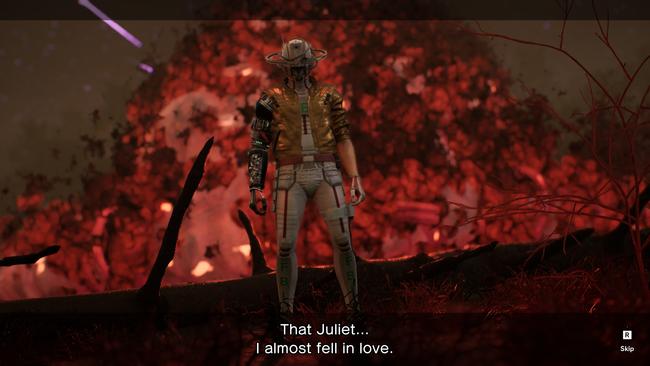
This studio really loves to go all-out with their stories, and Romeo is no different. The characters don’t just talk – they have these deep, philosophical conversations, and sometimes drop references that are pretty niche. As a fellow Gundam fan, I totally picked up on a nod to Newtype philosophy – there’s even artwork of Romeo recreating a famous beam saber slash from the original Mobile Suit Gundam! It reminded me of Super Robot Wars Y too, with its ‘Getter Rays’. I haven’t watched Ultraman, but I’ve heard the creator, Suda51, is a huge fan, so I’m sure there were references I missed. Honestly, it’s tough to fully appreciate something you don’t understand, and that goes double for connections to the other Kill The Past games. They’re just there to add flavor to the experience. If you don’t catch those, no worries! You can still enjoy the over-the-top action, the humor, and the complicated relationships between the characters. It’s all front and center. And the best part? You don’t need to have played any other Grasshopper games to jump in and have a good time.
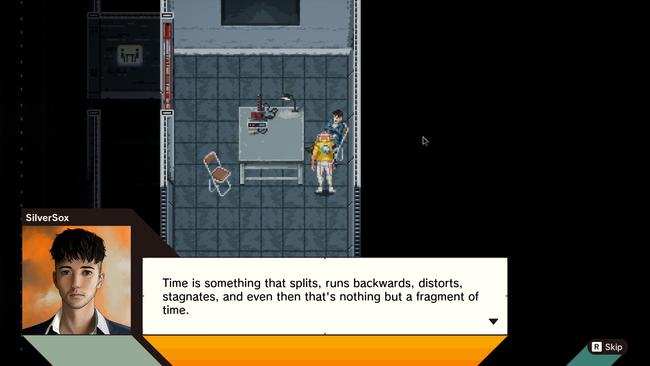
The game’s diverse sound design is matched by its incredibly varied visual style. It brings together a huge range of art styles, feeling almost like a collaborative art project or zine. The presentation jumps between different techniques – sometimes using in-game graphics, other times 2D sprites with dialogue boxes, and even fully animated motion comics. You’ll even find bits of stop motion animation and rare 2D animation sequences. Every visual detail is striking and clearly made with a lot of passion by talented artists.
Here’s a good example of what makes this game special. When you visit the item shop, it’s like stepping into The 25th Ward: The Silver Case. Everything changes – the graphics, sounds, fonts, and music – to match that game’s unique ‘Film Window’ style. Combat is incredibly over-the-top; every hit sends blood flying, and special attacks create huge, flashy explosions that fill the screen. It was so visually intense that my computer sometimes struggled to keep up, especially during chaotic battles. But honestly, even when it lagged, it was so impressive I couldn’t help but be amazed.
The music is a huge highlight, offering the diverse sound you’d expect from a Grasshopper Manufacture title. Three main composers created the score, delivering an energetic and impactful soundtrack throughout. Plus, other musicians contributed original vocal tracks, and each boss even has a unique vocal theme. In line with the game’s unique visual style, the music feels like a lovingly-made mixtape for the main character, blending different genres and influences into something truly special. I could listen to it for hours – it’s the most excited I’ve been about a Grasshopper soundtrack since Travis Strikes Again. I’m already eagerly awaiting its release!
I’m a huge fan of Grasshopper games, but honestly, I was a little disappointed with No More Heroes III. I really appreciated the awesome combat and crazy humor, but they changed something I loved about the series: the stages. For me, building up to a boss fight with a cool, themed stage is a big part of the tension and lets the developers show off their creativity. No More Heroes III just felt like a boss rush with an empty open world in between, and it made those boss fights feel less impactful. It kind of pulled me out of the experience. Thankfully, Romeo does things completely differently.
As a huge fan, I was really impressed with how each chapter is structured! Before you even get to the boss, you get a whole, fully-realized area to play through, and they’re all so creative. Each one is themed around a different time period with its own distinct look – like, you’ve got a shopping mall, an abandoned asylum, even a creepy cult farm! It doesn’t have quite as many chapters or stages as some of the older games, but each one feels really substantial. Plus, every stage has this cool twist to it – one even completely changes the game into a different genre, which was awesome! They weren’t always the prettiest places, but I was always hyped to see what each new stage would throw at me.
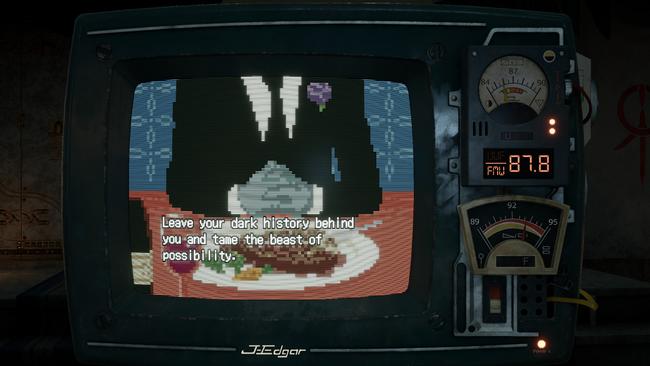
Okay, so between levels, there’s this puzzle section called Subspace, which is cool for a change of pace. But honestly, they reuse a lot of the same graphics and stuff in those puzzles, and even one of the main levels shows up twice. I don’t mind them saving time, but a little more visual difference between stages would’ve been great. Overall, the game mostly delivers on what it promises, and when they do reuse things, they at least try to mix it up a bit.
One issue I had with No More Heroes III was that the initial combat felt great, but it didn’t evolve much, limiting what Travis could do. Romeo avoids this by offering a lot of options right from the start. The combat system feels like a blend of everything Grasshopper Studio has done before, with some fresh ideas mixed in. You not only have melee attacks that feel similar to No More Heroes 3, but guns are also a useful and important part of the experience.
The game features eight weapons – four for close combat and four ranged – that you can unlock and improve. I especially liked the Spazer katana; its special move lets you rev up the chainsaw blades during a combo for a quick boost to your blood meter. For ranged weapons, I usually switched between the powerful Diaspora shotgun and the Yggdrasil rocket launcher depending on the situation. Each weapon has its own unique attacks, and they all have special “Bloody Summer” moves that change depending on how you use them. By building up your blood meter through attacks, you can unleash these powerful moves to deal significant damage and regain health. These special attacks vary based on whether you’re standing still, jumping, or dodging, and you can even combine up to three for different effects if you have enough meter.
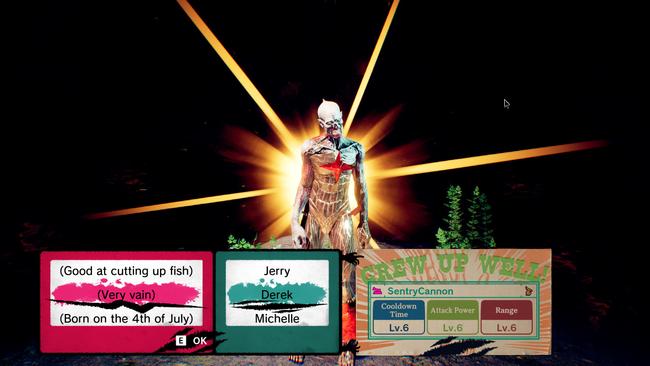
I would have been happy with the combat system as it was, but there’s an extra element that should make each playthrough feel a little different. The main character, Romeo, can create, combine, and summon creatures called Bastards. Think of them as your own personal helpers, similar to ‘adds’ in online games. They work on a cooldown, and when summoned, perform a specific action – like delivering an electric shock, creating a tornado, or providing healing. There are many different Bastards to discover, each with unique abilities and stats, letting you customize your combat style. I actually spent a lot of time focusing on combat, constantly looking for new ways to use the Bastards to gain an advantage. Even though they’re fragile and can be defeated quickly, their bodies remain briefly as obstacles, blocking enemy attacks. They’re surprisingly effective at protecting you from projectiles.
I tackled the hardest difficulty – Orange Chocolate – in Romeo is a Dead Man, a game known for its challenging gameplay, especially considering its quirky connection to food. I’m trying to recapture the feeling I had playing the original No More Heroes, so I’ve decided to play all of Grasshopper Manufacture’s action games on their highest settings, hoping to find that perfect balance between a fun and difficult experience. Orange Chocolate delivered exactly that – it was incredibly rewarding. I enjoyed the intense challenge so much that I doubt I’ll ever want to play it on an easier setting. It was a real brain-teaser, forcing me to become a master of the game. Enemies deal significant damage, meaning you need to utilize every tool and learn enemy attacks. I had to fully explore every mechanic, complete the optional Palace Athene dungeon repeatedly to stay competitive, and search each level for items to enhance my character, Romeo.
I found success by integrating guns into how I play. While they might seem weaker than close-combat weapons, guns are excellent for targeting specific, vulnerable points on enemies – these points appear as glowing flowers. These flowers don’t last forever, but some enemy types let you create new ones, making ranged combat surprisingly effective. During the mid-game, I’d wait for the right moment to shoot new weak points onto enemies, then use a special ability, Yggdrasil, to detonate them from a safe distance. Still, getting close for melee attacks is worthwhile, as they quickly build up your power meter. The levels are well-designed to support this back-and-forth playstyle, with enemy placements that keep you constantly engaged. While slightly tighter hitboxes and invincibility frames would be nice, the game generally feels fair and consistent.
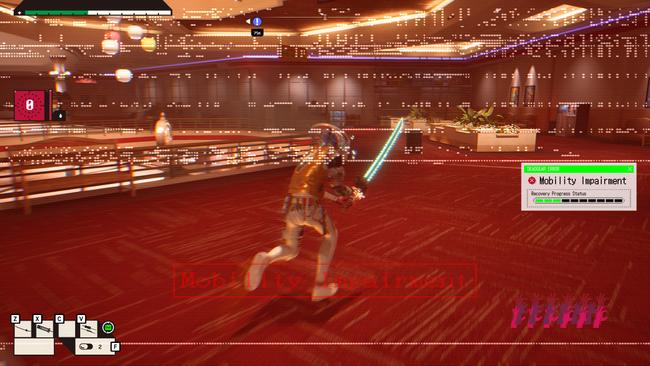
Boss battles are major challenges, often taking an hour or two to overcome. The game demands you fully understand its systems to succeed, and I appreciate that the difficulty remains consistent throughout a playthrough. You really need to learn how to handle every enemy, and the best way to do that is by learning from your losses. I started carefully managing my healing items, figuring out the best moments to use my special ability, ‘Bloody Summers,’ to stay alive without wasting valuable resources during the lengthy fights. I was constantly making split-second decisions about when to attack, which weapon to use, and when to retreat, all while trying to maintain consistent damage output. These boss fights are exceptionally well-crafted, though they occasionally throw in unpredictable attacks to keep you alert. They can be tough, but once you learn the boss’s patterns, they become achievable.
So, between all the main missions, you’ve got this little ship called the Last Night – it’s like your home base, shown with cool 2D art. It’s where your crew hangs out, and you can chat with them. You can buy stuff here, and even… well, let’s just say you can ‘cultivate’ some relationships. There are also some fun minigames. I even got to cook Katsu Curry with my mom, which gives you temporary boosts in battle if you time it right – getting the chicken just right (or horribly wrong!) affects how good the curry is. And the 100 Question Kumite from The Silver Case is back, now called the Time Shocking Labyrinth. You access it by getting a ‘check-up’ from one of my crewmates, WorstPink. Honestly, I have no idea if there are actually 100 questions, or what the reward is, but it’s timed now, and I tapped out at question 26! It’s cool because the ship feels alive – there are always new conversations happening between Romeo and the crew, which adds a lot of personality and makes it worth checking back often.
This game feels like a spiritual successor to No More Heroes, but this time Grasshopper Studio has complete creative control. It shares a similar structure and uses over-the-top violence to explore its themes. Even if you’re just looking for a wild action experience, you won’t be disappointed. The main character, Romeo, is in many ways the opposite of Travis Touchdown, but both are examined closely by the story. While No More Heroes is about the act of killing and becoming the ultimate assassin, this game focuses on the creatures Romeo fights – they’re deliberately designed to be monstrous. The core of the story isn’t about the killing itself, but about the experience of death and what it means to die. The repeating cycle of Romeo’s fate is where the real narrative lies.
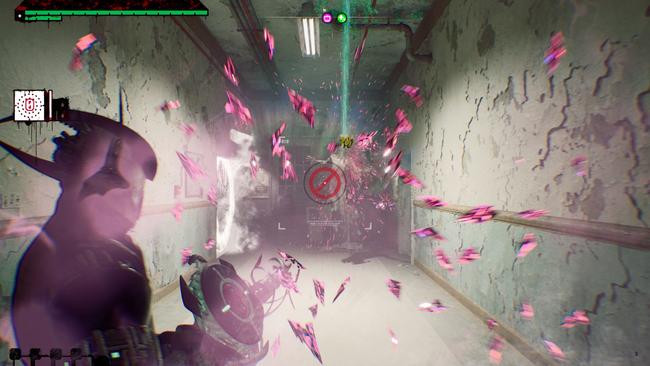
Each time you fail, the game shows a gruesome scene of Romeo’s skin peeling away as he cries out in pain, immediately followed by a reset to let you try again. After seeing this repeatedly, it starts to lose its impact, and death feels less significant. This raises the question: is Romeo becoming more aggressive because the consequences of death seem to matter less? He exists in a strange space between life and death, all while struggling to understand himself amidst the chaos of the story. At first glance, he might seem like a typical hero, but there’s a lot more to him than meets the eye, especially when you consider his connection with Juliet.
If you enjoy art that explores difficult, messy, and even damaging relationships, you’ll likely love this game. While these kinds of relationships can be unsettling, I find them incredibly compelling. People are complex and often struggle with healthy love, and Grasshopper has always been good at portraying flawed characters in their stories. The game focuses on Juliet and Romeo, who are both fascinating and deeply imperfect. Their history is revealed through dreams and nightmares, making it somewhat mysterious and open to interpretation. While they aren’t the most complex characters overall, I was really drawn in by their interactions and how the game depicts their unhealthy dynamic.
Honestly, my first time through this game took around 20 hours, but a focused player could probably finish it in 15. When the credits rolled, I thought I understood the story, but it still feels… incomplete? At first, I was left wanting more, which is pretty typical for this developer – Suda just has this style of abrupt endings. It’s like they intentionally leave things open to interpretation, and there’s so much packed into every little detail. Seriously, every line of dialogue feels like it has multiple meanings, and I’m already planning a replay just to take notes! I’ve been thinking about this game non-stop for weeks, and I can’t wait to talk it over with other players – I bet we’ll unlock a whole new level of understanding. It’s rare to find a game that just sticks with you like this, one you can endlessly discuss.
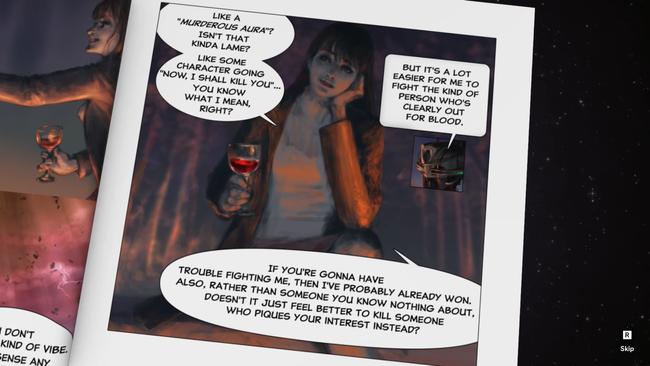
“Romeo is a Dead Man” might not appeal to everyone, but I found it incredibly refreshing. It’s a genuinely fun and over-the-top action game, but also a visually striking art game – and it doesn’t seem to compromise on either. As a long-time fan of Grasshopper Manufacture, I think it’s fantastic how they take familiar gameplay and creatively combine elements in their unique style. I really hope this game helps bring more attention to smaller, independent titles like it.
This is what makes video games so special. This game isn’t just something to play and forget; it feels like true art. It’s raw, enjoyable, challenging, flawed – and most importantly, it’s clearly made with passion and creativity, without being overly controlled by a company. It’s full of the personality of the people who created it.
9
Versions tested: PC. Romeo is a Dead Man is also available for PlayStation 5 and Xbox Series X|S.
Read More
- Off Campus Season 1 Soundtrack Guide
- Chainsaw Man Volume 24’s Cover Art Reveals a Brand-New Denji
- X-Men ’97 Finally Gave Gambit the Hero Moment He Deserved
- 46 Years Later, The Mandalorian & Grogu Answers A Major Empire Strikes Back Question
- 10 Worst End-Game Couples In Sitcom History
- HoI4 fans harsh reactions to the announcement of another DLC pack
- DoorDash responds after customer uses AI to make food look bad and get a refund
- Gold Rate Forecast
- Emily Henry Says to ‘Trust the Vision’ For Beach Read Adaptation
- Hatsune Miku cosplayer goes viral selling $15 cups of “foot juice” to thirsty anime fans
2026-02-10 17:00