We’ve all been there: a fantastic new character is revealed, everyone gets excited, and you feel like you need them right away. You spend all your saved resources, only to later regret it – maybe you didn’t understand how the game’s system works, or the character isn’t a good fit for your team. This disappointment is common for players of games with character collection systems. It’s not your fault! These games are designed to encourage quick decisions. We’ll explain why this happens and give you practical tips to avoid regret and make better choices about who to collect.
Key Takeaways
- Recognize the Game’s Playbook: Gacha games are intentionally designed with urgency, information overload, and emotional hype to push you toward impulsive decisions. Understanding that this is a deliberate strategy is the first step to making smarter choices.
- The Real Cost Isn’t Just Money: Beyond your wallet, making uninformed pulls wastes valuable time and in-game resources on the wrong characters. This leads to frustration and burnout, turning a fun hobby into a chore.
- Develop a Pre-Pull Routine: Counteract the hype by creating a simple habit. Before spending, pause to let the excitement fade, consult a trusted source for real data, and make sure you understand the banner’s actual pull rates and pity system.
What Are Gacha Games and Why Do We Skip the Fine Print?
Gacha games are similar to those capsule toy machines you find in stores. You spend currency – either earned through gameplay or purchased with real money – to randomly receive a prize. This could be a strong new character, a useful weapon, or a common item you might already have. This random chance is what makes these games exciting, but it can also be problematic.
Gacha games are designed to be incredibly engaging, leading many to compare them to gambling and question the way companies run them. It’s strange, then, that so many players quickly skip over the detailed explanations of how these games actually work. We’re drawn in by appealing new characters and the thrill of the chase, often ignoring the small details that show just how unlikely it is to get what we want. This is why the joke about gacha players not reading the terms is so popular – but the games themselves are built to encourage this behavior.
How Gacha Mechanics Get You Hooked
Gacha games are really good at making players feel like they need to act fast. They do this with things like characters and items that are only available for a limited time, and daily rewards that encourage logging in every day. This creates a sense of urgency – the fear of missing out, or FOMO – which is a central part of how these games are designed. Developers know that when something seems rare or temporary, players are more likely to spend money without thinking it through. If you’re worried about a favorite character disappearing soon, you probably won’t bother researching the odds – you’ll just try to get it right away. This pressure is why players often miss important details when they’re caught up in the moment.
Why Excitement Overrides Caution
What makes gacha games so appealing goes beyond just how they’re made. There’s a real rush from activating a ‘pull’ and seeing the colorful animation, hoping for a rare and exciting reward. This feeling creates a surge of excitement that can sometimes make us forget to think things through. Seeing others share their wins on platforms like Discord and Reddit makes it even stronger. It’s no longer just about getting something for ourselves; we want to be part of the excitement and share our own success. These competitive communities greatly influence how we play and what we consider valuable. In that atmosphere, the fun of taking part often feels more important than trying to figure out the odds.
Decoding the “Gacha Gamers Can’t Read” Meme
If you play gacha games, you’ve probably seen the running joke that gacha players don’t read. It’s a lighthearted tease often seen online – on forums, Discord, and in comments – usually when someone asks a question that’s easily answered. But it’s more than just an insult; it’s a meme based on a funny, common observation within the community. Many players tend to skip over important information like tutorials, character details, and event instructions, which often leads to confusion. Let’s explore where this stereotype originated and why it resonates with so many players.
The Origin of a Gaming Stereotype
You know how sometimes you see players totally missing obvious stuff in games? That’s where the “Gacha Gamers Can’t Read” meme comes from. It started as a joke about people who just rush into things without paying attention to how things actually work. Like, I’ve seen so many Genshin Impact players wondering why their characters are weak, and then someone has to point out they completely skipped reading what their artifacts do! It’s like we’re all drawn to the cool effects and fast-paced gameplay and just… ignore the walls of text. Honestly, with so many people playing these gacha games, you’re bound to see a lot more of this than in smaller games. There’s just more people to miss things!
Why This Trope Resonates with Players
This meme remains popular because so many players can relate to it. We’ve all witnessed someone mess up a powerful move in a game, or seen a question asked about something that was explained right at the beginning. It’s a frustrating but funny situation that many of us share. The meme highlights how some players are more excited about getting new characters than actually learning how to play strategically. They want the newest thing immediately and don’t bother to understand the character’s abilities – or never do. This creates a funny contrast between players who carefully read all the details and those who just want to enjoy the action, perfectly capturing the behavior of many players in games with collectible characters.
How Gacha Design Leads to Information Overload
As a gacha player, I totally get it – sometimes a new banner feels like it requires a degree to understand! It’s not just me, though. It seems like these games want to be overwhelming. They throw so much at you – new characters, limited-time items, complicated events, and tons of ways to level up – that your brain just starts to shut down and only focus on the bright, shiny stuff. You end up skimming the details and skipping over all the long, complicated explanations, right?
This isn’t about players being unwilling or unable to understand the game. It’s a deliberate tactic developers use. They intentionally overwhelm you with information so you’ll make quick decisions based on feelings, not careful thought. When you’re confused or hurried, you’re less likely to pay attention to the details, like how often you’ll win a reward or how much things cost. The game is designed to lead you towards the easiest option, which often means spending money. This is a sneaky but effective way to influence how you play, and it explains why important details often go unnoticed.
Using FOMO and Time Pressure Against You
The countdown clocks you see for characters in gacha games aren’t just decorative—they’re designed to make you feel rushed. These games use a sense of urgency, or the fear of missing out (FOMO), to encourage you to play. Limited-time offers, characters that may not be available again for a long time, and daily rewards all create pressure to act immediately.
Feeling rushed all the time makes it hard to think things through carefully. Instead of taking the time to fully understand a character’s abilities and plan the best team, you’re pressured to act quickly before limited-time offers disappear. This encourages impulsive reactions and makes you more likely to spend valuable resources without considering the consequences.
Hiding Complex Systems in Plain Sight
Gacha games rely on complex probabilities to determine what you ‘win,’ but they don’t usually explain these odds clearly. While information about things like guaranteed rewards and drop rates is often available, it’s typically hidden away – often behind a small link that leads to a long, complicated explanation. This makes the system seem simple on the surface, while actually being quite complex.
The game doesn’t outright deceive you, but it deliberately makes important information hard to understand. This makes it tough for most players to figure out their actual chances of winning. For example, seeing a highly-rated character advertised might make you think you have a good shot at getting them, but you likely don’t realize how the game’s complex systems are designed to encourage you to keep trying – and spending money – for a very small chance of success.
How Visuals Distract from Key Details
If you’re like most players, when you first saw a new character’s amazing ultimate move, you didn’t care about numbers or game mechanics – you just wanted them. Gacha games are designed to grab your attention with beautiful graphics, exciting animations, and cool characters, often overshadowing the more practical details.
Our brains react much more strongly to exciting sights and sounds than to simple explanations like stats. When a game shows a stunning trailer or gameplay of a character easily defeating enemies, it’s designed to grab your emotions. This excitement can take over, making you less likely to consider if that character is a good fit for your team or if it’s very difficult to obtain them.
What Critical Information Are Players Missing?
The joke about “gacha gamers can’t read” isn’t just about players skipping dialogue. It highlights a bigger issue: players often overlook the important details about how these games function. When a new character or event is released, it’s easy to get caught up in the excitement and miss crucial information that could impact your progress. This isn’t a matter of intelligence, but rather a result of how these games are intentionally designed to constantly grab your attention and overwhelm you with information.
Whether it’s the odds of getting a rare character or how different abilities work together, not knowing key details can really hurt your progress. It can lead to spending valuable resources inefficiently, creating weak teams, and feeling frustrated. We’ve all experienced it – using up all our saved resources only to realize we misunderstood how the system works, or investing in a character only to discover their best partner was someone we overlooked. By identifying the information we often miss, we can cut through the confusion and make better choices in the games we enjoy.
Understanding Pity Systems and Pull Rates
Ever feel unlucky with those gacha game pulls? It might be because understanding how pull rates and ‘pity’ systems actually work can be tricky. These systems are essentially the math behind getting rare characters, but they’re often more complex than people realize. A common mistake is thinking the ‘pity’ counter – which guarantees a rare character after a certain number of pulls – will trigger a win sooner than it does, or not understanding the difference in odds between special banners and the general character pool. It’s not your fault if you’re confused; these systems are complicated, and games don’t always explain them well.
Overlooking Character Abilities and Synergies
It’s common to be excited about a new character and jump right into playing, skipping over their detailed descriptions. But this is a mistake many players make! Understanding a character’s abilities and how they work with others is crucial. If you don’t, you might create a team with abilities that don’t work well together, hindering your progress. Spending a few minutes to learn a character’s full potential can dramatically improve your team’s performance and turn losses into wins.
Forgetting Event Deadlines and Resource Costs
Gacha games are packed with events happening one after another, each offering unique rewards but also having its own set of rules and time limits. It’s easy to get overwhelmed and miss when a special offer ends or a new event stage starts. Since these games don’t always encourage a lot of interaction with other players, you can’t always count on friends to remind you. This often means players miss out on rare items like powerful weapons, cool character outfits, or important resources for improving their characters. Missing these deadlines can be frustrating, as you might have to wait a long time—possibly months or even years—for another chance to get those rewards, and some events may never return.
Why Smart Gamers Make Bad Gacha Decisions
It’s common to see jokes about gacha game players not being able to read, but the reality is that even skilled players make mistakes. These aren’t usually due to a lack of intelligence, but rather the clever way gacha games are designed. They’re built to play on our feelings, take advantage of how our brains work, and use the excitement of the community. Recognizing these tactics is the key to spending your in-game currency, like primogems or stellar jades, more wisely.
When Emotion Beats Logic
We often make impulsive decisions when playing gacha games because of our emotions, and the biggest driver of those emotions is the fear of missing out (FOMO). Gacha games are specifically designed to create a sense of urgency – with limited-time offers, exclusive characters, and a lot of hype from other players. This makes us feel like we need to act quickly, or we’ll regret it. As one game developer explained, the entire system is built to create FOMO, which leads to decisions based on feelings rather than logic.
It’s easy to get caught up in the excitement when everyone you know is showing off a new, powerful character in a game. Even if you know you should be saving your resources for later, the fear of missing out can take over. This strong feeling can quickly lead you to spend what you’d planned to save, just for a quick feeling of being part of the group.
How Cognitive Biases Trick Your Brain
Our brains often use quick thinking shortcuts, called cognitive biases, to help us make decisions. These are usually useful, but they can really mislead us when playing gacha games. A common example is the Gambler’s Fallacy – the idea that if you’ve had a lot of bad luck, a win is bound to happen. Anyone who’s thought, “This next attempt has to be lucky,” has experienced this bias.
I’ve noticed a lot of us gamers have these weird beliefs about things, and it really messes with how we think about game design. Like, a lot of people think gacha games force developers to make bad choices, but that’s not really how it works. We end up basing our opinions on what feels right instead of looking at actual facts. It’s tough to make smart decisions, like figuring out the best setup in Warzone, when you’re convinced something is true just because of a hunch.
Falling for Hype Over Facts
Okay, so let’s be real, nothing messes with your head more than when a new character drops and everyone loses it. You see a cool trailer, the internet explodes with fan art, and suddenly it’s like, “I need this character!” It’s super exciting, but honestly, it makes it hard to think straight. I’ve been seeing a lot of chatter online, and people are definitely getting caught up in the hype and missing some important details about how the character actually plays or fits into the game.
It’s easy to get carried away by the excitement of a new character and forget to actually check what they do, how well they work with your team, or if you have the materials to upgrade them. Often, the buzz around a character replaces doing your own research. This is particularly true when funny content, like the popular F.A.R.M. team jokes in Honkai: Star Rail, creates a lighthearted atmosphere that distracts you from the fact that the game is designed to encourage spending.
How Misunderstandings Affect Gaming Communities
The joke about “gacha gamers not being able to read” might be amusing, but it points to a serious problem that can hurt online gaming communities. When many players don’t understand how a game actually works, it causes disagreements, arguments, and can even mislead the game’s creators. It’s not just a frustrating experience for individual players; it impacts the whole community and can ruin the game for everyone. These misunderstandings spread quickly online – on platforms like Discord, Reddit, and social media – and influence how the game is discussed and perceived.
Creating a Divide Between Players
Disagreements about how a game works often cause major splits among players, especially when one side doesn’t fully understand the mechanics. A common example is the debate over “gacha” systems – some players see them as intentionally misleading, while long-time players understand how they function. This isn’t simply a matter of who’s correct; it creates real frustration and makes people feel isolated. New players can feel unwelcome when they’re criticized for not knowing the intricacies of the game, and experienced players get exhausted from constantly explaining the same things. This can make online communities feel unwelcoming, discouraging people from sharing their thoughts and experiences.
Fueling Toxic Feedback Loops
Misunderstandings can quickly spiral out of control, creating a cycle of negativity. A player might react angrily to something they don’t fully understand, and others, equally confused, will often amplify that reaction. Since communication within many gacha games is limited, these issues tend to spread to external platforms where it’s easy for messages to be misinterpreted and where community opinions heavily influence how people feel about the game. This can quickly lead to a flood of negativity, making it impossible to have a helpful conversation. It becomes hard to offer useful feedback because valid points get lost in a wave of misinformed anger, ultimately making the game less fun for everyone involved.
When Misconceptions Hurt Game Development
The constant stream of online noise isn’t just annoying for players – it actually makes developing games harder. Developers struggle to sort through player feedback, trying to figure out what are genuine problems and what’s based on incorrect information. If the most vocal players are wrong, developers might waste time fixing things that aren’t broken while overlooking the real issues. It’s also difficult to understand how quality-of-life improvements affect gambling-like behavior in games with loot boxes, and bad feedback can lead to ineffective updates. Ultimately, when communication between players and developers is filled with confusion, it harms the game’s future.
What Are the Real Costs of Skipping the Details?
The joke about “gacha gamers not being able to read” hits home for a lot of people, but ignoring the details in these games can actually be really harmful. It’s not just about feeling silly later – you could waste time, money, and even negatively impact your overall happiness. The consequences of not paying attention add up, affecting everything from your finances to how much you enjoy playing. Making careless decisions can quickly turn a fun hobby into something stressful. Let’s look at what you could really lose when you rush into things without reading the details first.
The Financial Toll of Misunderstood Rates
While it’s true you can play gacha games without spending money, they’re built to encourage you to do so. Game designers often use tactics that create a fear of missing out, which can lead to significant spending, especially if you aren’t aware of how rare characters actually are. Not understanding features like guaranteed rewards or how limited-time offers work can quickly turn a single small purchase into many more. You might find yourself spending far more than planned trying to get a character with very low odds – sometimes less than one percent! The problem isn’t always large purchases; it’s often the cumulative effect of many small, unplanned spending choices.
Wasting Resources on the Wrong Builds
It’s not just about losing money in games – your time and resources are equally important. Making mistakes with characters or weapons can quickly lead to wasted effort. We’ve all experienced spending ages collecting items to upgrade a character, only to discover they don’t fit well with your team. This often happens when players get caught up in the excitement and don’t fully understand how skills work. A cool-looking new character isn’t worth the investment if you haven’t planned how to use them, as it can really hold you back and make the game more challenging than it needs to be.
The Hidden Mental Health and Gambling Risks
We often don’t discuss the real cost of playing gacha games. Many of these games are designed like gambling, creating a cycle of excitement from rare rewards mixed with disappointment from unsuccessful attempts. This can be emotionally taxing and even addictive for some players. This design can feel exploitative, taking advantage of our desire for rare items. Over time, this can lead to feeling burned out, anxious, and can damage your enjoyment of a game you once loved. If collecting characters feels less like fun and more like a compulsion, it’s a sign the game is negatively affecting your mental wellbeing.
How to Break the “Can’t Read” Habit
It’s easy to get carried away and impulsively make choices in games, especially when they demand quick reactions. But you can stop doing that! It’s not about memorizing everything – it’s about creating a few simple habits to help you stay in control. Consider it a way to outsmart the game’s tactics. By learning to pause, asking yourself the right questions, and ignoring the flashy distractions, you’ll avoid wasting resources and regretting your decisions. These steps will help you enjoy a more thoughtful, satisfying, and fun gacha experience.
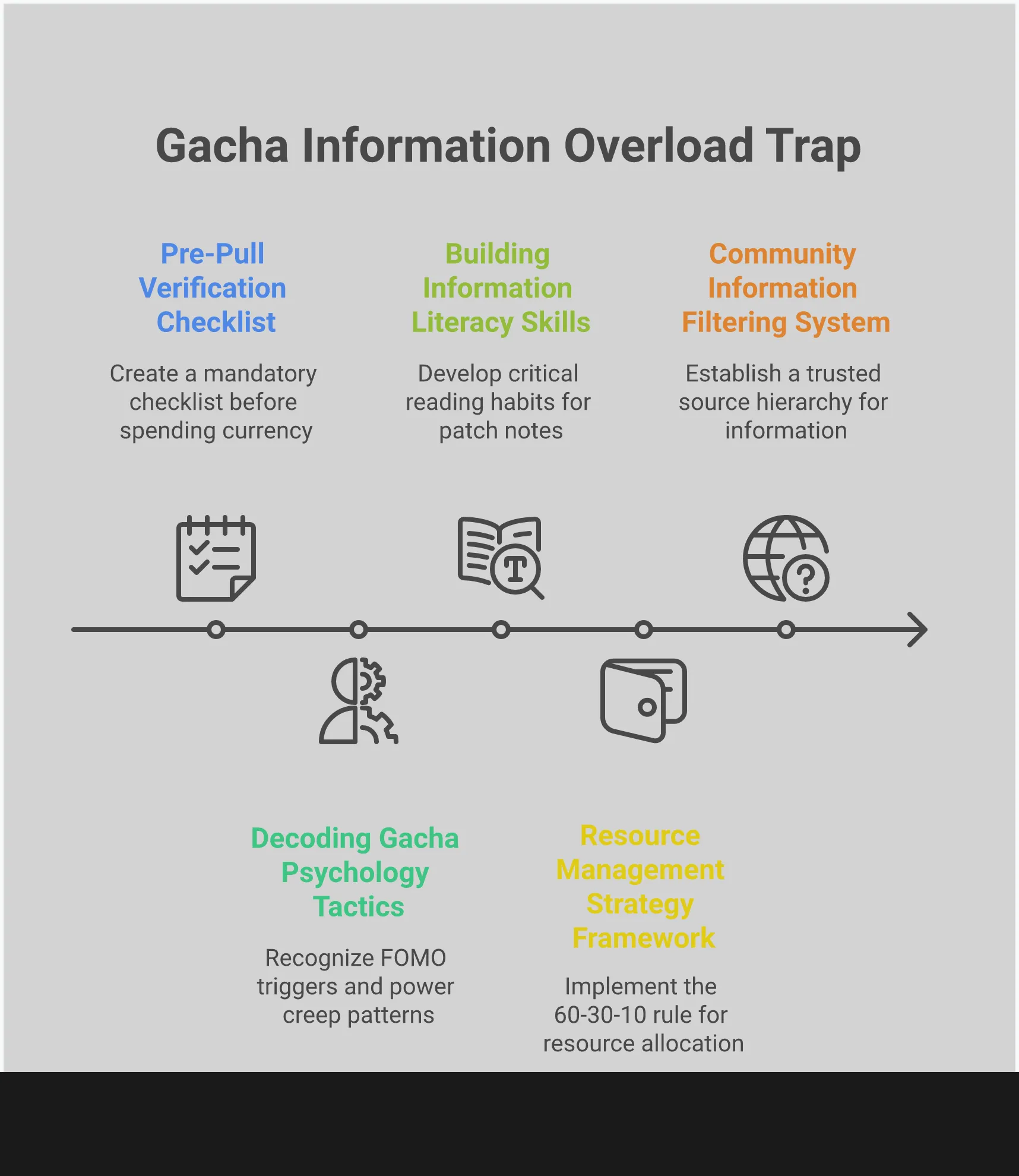
Slow Down Before Making Big Decisions
Gacha games are really good at making you feel like you need to act fast. They use things like limited-time offers and urgent buttons to encourage immediate spending, making you worry you’ll miss out. However, many players find this can lead to regret. Before spending your in-game currency, take a short break – just five minutes away from the screen can be enough. This pause helps calm the initial excitement and lets you think clearly about whether a new character is actually a good fit for your team, or if you’re just acting on impulse. Making quick, large purchases is often a quick way to slow down your progress in the game.
Create Your Own Verification Checklist
Feeling overwhelmed by all the game information? A quick personal checklist can really help. It’s not about adding more to do, but about creating a simple way to make sure you’ve thought things through. Before you spend resources on a banner or character, quickly ask yourself a few questions – like, “Do I know which 4-star characters are featured?” or “Do I understand how the game’s pity system works for this banner?” This simple check helps you learn the game better and avoid mistakes caused by confusion.
Separate Community Hype from Reality
One of the best parts of playing gacha games is being part of the online community on platforms like Reddit, Discord, and Twitter. It’s really fun when a new character is released and everyone gets excited, but it’s important to remember that hype isn’t always the same as useful information. Just because a character is popular doesn’t mean they’re right for your team. Use community discussions as a starting point for research, but don’t rely on them completely. After seeing what everyone’s saying, look for reliable guides or watch videos to see how the character actually plays. This will help you make smart choices based on what you need, rather than just getting caught up in the excitement.
What Red Flags Should You Look For?
Gacha games can be really fun, but some are definitely better than others when it comes to how they ask for your money. To enjoy these games for a long time without feeling ripped off, it’s important to learn how to tell the difference between a reasonable game and one that tries to take advantage of you. It’s not about being negative, it’s about being a smart player who understands the game’s mechanics. Recognizing the ways these games try to influence you helps you stay in control of how much you spend and how much time you play.
Developers need to make a profit, but there’s a difference between a game that’s enjoyable enough people want to support it, and one that manipulates players into spending money. Great gacha games encourage spending because players are having fun, while predatory ones make you feel forced to spend to stay competitive. Knowing the warning signs will help you choose games that value your enjoyment and avoid those that only see you as a source of income.
Spot Predatory Monetization Tactics
A major warning sign is a game that heavily relies on the fear of missing out (FOMO). Developers often use limited-time offers and exclusive characters to rush you into making purchases immediately, before they disappear. Some argue you can enjoy the game without spending money, and while that’s technically correct, the game is designed to encourage spending. Another red flag is “power creep” – constantly introducing new, more powerful characters that make older ones less useful. This means your progress feels temporary and creates a constant need to chase the newest, best option.
Identify Misleading Promotional Language
Be mindful of the difference between a game’s advertising and its actual gameplay. Many games that use a ‘gacha’ system (where you randomly acquire characters or items) heavily promote appealing features like graphics, story, or battles. However, they often don’t emphasize that the main way to progress relies on this random gacha mechanic. If you find you need specific, new characters to enjoy the game or participate in events, the marketing was probably misleading. A well-designed game treats the gacha system as an optional bonus, while a problematic one makes it essential to play. Always focus on how the game actually works to understand what it truly values and rewards.
Find the Hidden Costs in “Free” Content
The term “free-to-play” is misleading in gaming. While you don’t initially pay money, these games require investment, either through significant time or real-world purchases. They’re often structured to make spending a small amount of money seem more appealing than spending a lot of time playing. The process of earning rewards within the game can be deliberately slow and repetitive, encouraging players to spend money to speed things up. What makes this system questionable is that you’re buying digital items with no lasting value – they’ll eventually become outdated or irrelevant. Unlike traditional gambling with potential cash winnings, these “gacha” mechanics raise ethical concerns because you’re spending money on virtual items designed to become obsolete.
Become a Smarter Gacha Gamer
We’ve all seen the funny memes, but no one wants to be the subject of one! Improving your gameplay in gacha games isn’t about becoming an expert game designer; it’s about developing a few simple habits. By concentrating on what’s most important, you can save time, resources, and avoid making purchases you regret. Let’s look at some practical steps to help you become a more strategic and happy player.
Develop Critical Reading Skills for Mechanics
It’s easy to skip over long descriptions of a character’s skills, but that’s often a mistake. Many players end up choosing characters based on what others are saying, instead of understanding how they actually play and if they’ll work with their team. Spend a little extra time reading those skill descriptions carefully. Figure out what each basic attack does, what’s needed to use their ultimate ability, and how well they’ll fit with the characters you already have. Think of game updates and character details as a guide to winning, not just something to agree to, and you’ll make much better choices in the game.
Use Reliable Sources for Information
The world of gacha games is huge, so it’s easy for inaccurate information to spread quickly. Just because a character is popular online doesn’t mean they’re necessarily a good fit for your game. To avoid getting misled, find a few reliable sources and focus on those. Good places to look include wikis dedicated to the game, Discord servers where players share strategies, or content creators who provide detailed analysis. These communities work hard to gather accurate information on things like how often you get new characters, the best ways to improve your gear, and effective team setups – saving you the trouble of figuring it all out yourself.
Understand Probability and Set Spending Limits
Gacha games are fundamentally based on chance. The idea that you’re ‘due’ for a rare character is a common mistake, similar to believing in luck streaks. While luck feels important, the actual probabilities are what really determine your results. Before spending any in-game currency, like Primogems or Stellar Jade, research the banner’s drop rates, understand how the ‘pity’ system works (guaranteed rare items after a certain number of tries), and know your chances of getting what you want. Understanding these numbers helps you make smart choices. Most importantly, decide how much you’re willing to spend before a new banner is released. This prevents impulsive spending driven by excitement and protects your money.
Related Articles
- Deus Ex LFG: Connect with Other Augs in LFG Feature on Z League App
Frequently Asked Questions
Don’t blame yourself for missing important details! These games are supposed to be overwhelming. Developers deliberately use lots of information, time limits, and bright effects to get you to react quickly, instead of thinking things through. When you’re bombarded with systems and a countdown timer, your brain naturally starts to scan quickly. You’re not a poor reader—you’re simply responding the way the game is designed to make you respond.
Not all gacha games are designed to take advantage of players, but they vary quite a bit. A good gacha game encourages spending because you enjoy the game and want to help support its development. A predatory one, however, pressures you into spending money to stay competitive or even just to enjoy the core gameplay. Watch out for games that quickly make your existing characters obsolete with new, powerful ones, and those that constantly create a sense of urgency, making you feel like you’ll miss out if you don’t spend money.
Want to quickly figure out if a new character is worth getting? Here’s a simple three-step process. First, read the character’s abilities yourself – don’t just rely on someone else’s summary. Second, think about whether this character will actually fix a weakness in your current team, or if you just want them because they’re new. Finally, check out what a couple of trusted analysts or content creators think – this will help you see past the excitement and understand the character’s real value in the game.
It’s great to get excited about community events, but avoid making hasty decisions. Feel free to enjoy fan creations, funny memes, and new trailers! A good strategy is to avoid jumping in immediately when something new releases – like a new in-game banner. Wait 24 to 48 hours to see how things actually play out and make a more informed choice about what’s best for you.
Yes, this advice is definitely still relevant, and perhaps even more so if you don’t spend money on the game. Whether you’re spending money or time, you’re still investing something valuable. If you’re a free-to-play player, every decision matters, and a wrong move can really hinder your progress. The same tricks used to encourage spending also try to make you spend your in-game currency without thinking. Learning how the game works and making smart choices is the best way to build a strong account without spending any real money.
Read More
- Solo Leveling’s New Manhwa Chapter Revives a Forgotten LGBTQ Story After 2 Years
- The Boys Season 5 Spoilers: Every Major Character Death If the Show Follows the Comics
- Gold Rate Forecast
- All Itzaland Animal Locations in Infinity Nikki
- How to Get to the Undercoast in Esoteric Ebb
- Mewgenics vinyl limited editions now available to pre-order
- Smarter, Faster Networks: Optimizing Early-Exit Architectures for Edge AI
- YouTuber Karl Jobst sues Billy Mitchell for defamation
- CBR’s Official Spring 2026 Anime Series Power Ranking (Week 1)
- Shiba Inu reappointed as “inspector” dog by Japanese police
2025-12-09 13:37