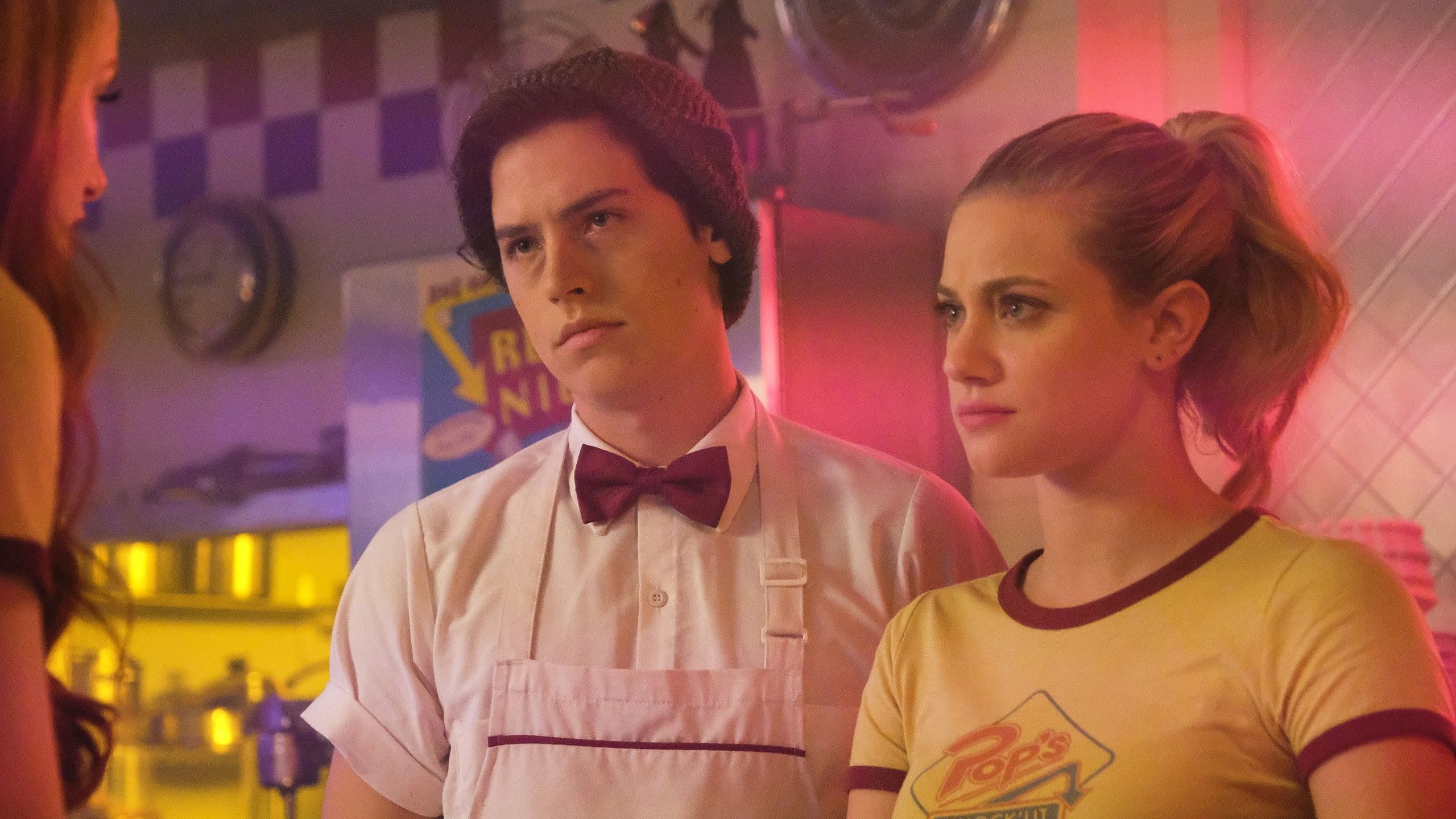
It’s tough for even great TV shows to stay consistently good over many seasons. Often, a show really finds its footing and becomes truly excellent after it’s had a chance to develop. A good example is Parks and Recreation, which didn’t become the popular comedy we know today until its main cast was fully established in the third season.
Many TV shows start out promising but decline in quality as they go on. For example, the first season of Westworld was a captivating mystery with clear philosophical themes, but later seasons didn’t live up to that standard. Similarly, Heroes began with a unique and exciting premise, but subsequent seasons became unfocused and lost the compelling storytelling that made the first season so good.
TV shows often struggle to keep raising the tension each season without becoming overly dramatic or ridiculous. This pressure can lead to storylines that don’t feel realistic for the characters, and ultimately, lose what initially made the show popular.
Modern, high-quality TV shows often have shorter seasons with complex, ongoing stories. This means each episode and season feels more important. When a show does well with its first season, the second season typically focuses on what made it popular and expands those ideas in bigger ways.
As a huge TV fan, it really bums me out when a show starts strong, even really strong with its second season, and then just… falls apart. It’s like they try to do too much, and end up becoming a shadow of what we originally loved. I’ve noticed this pattern with a lot of shows – they nail the first season, then absolutely kill it with the second, but after that, things just go downhill and there’s no coming back.
Killing Eve
2018-2022, 4 Seasons
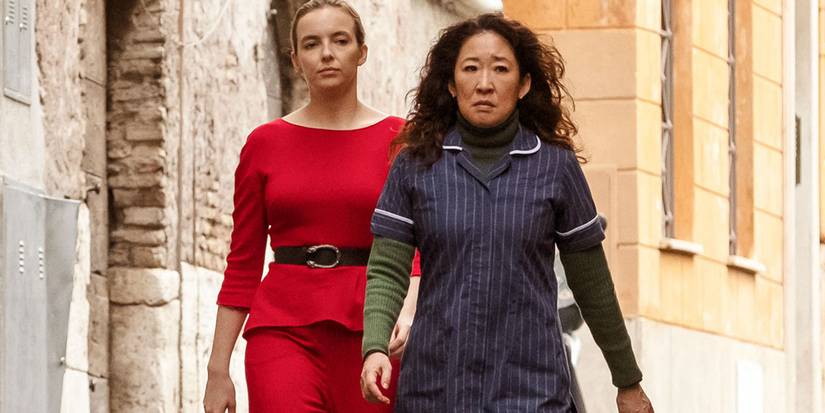
While the first season of Killing Eve is excellent, the second season truly brings the captivating connection between Eve Polastri and Villanelle to life. Their mutual obsession grows more intense and emotionally layered, but the show always keeps the focus on what drives these two characters.
The suspense between the two women builds as they get closer, making it hard to tell who is chasing whom. Season two of Killing Eve still has the same darkly funny, witty writing and confident style that Phoebe Waller-Bridge brought to the show, even with Emerald Fennell now leading the creative team.
| Killing Eve Showrunners | ||
|---|---|---|
| Season | Showrunner | Other Notable Credits |
| 1 | Phoebe Waller-Bridge | Fleabag, Crashing |
| 2 | Emerald Fennell | Wuthering Heights, Saltburn, Promising Young Woman |
| 3 | Suzanne Heathcote | The Miniature Wife, The Crowded Room |
| 4 | Laura Neal | Sex Education, Turn Up Charlie |
The second season of the show expertly follows up on the first, adding more depth to the characters’ inner lives. However, the subsequent seasons (3 and 4) aren’t as strong, feeling inconsistent in tone and lacking a clear focus. Although they still look good, these later seasons don’t quite recapture the energy and well-defined characters that made season 2 the best part of Killing Eve.
Hannibal
2013-2015, 3 Seasons
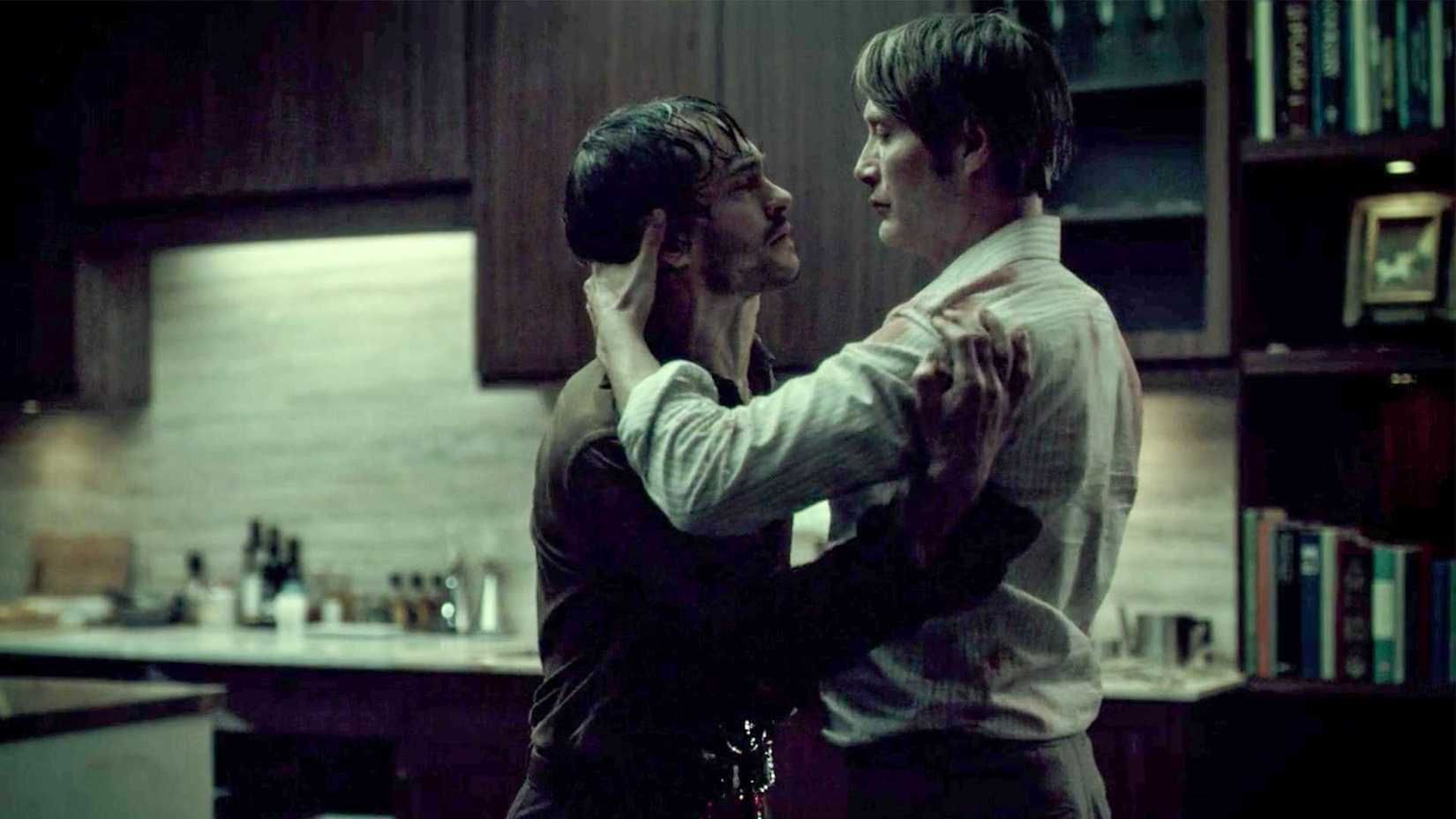
Many fans consider the second season of Hannibal to be the show’s best. It turns the series into a gripping psychological game of cat and mouse between Will Graham and Hannibal Lecter. As Will secretly tries to reveal Hannibal’s true nature, their relationship changes, making everything much more intense.
The show adopts a more ongoing, chapter-by-chapter narrative, with a distinct and artistic visual style, and the conflicts become deeply personal. The new character, Mason Verger, brings an extra element of threat, and the season gradually leads to the shocking and memorable season 2 finale, set in a barn – a truly unforgettable part of the show.
The first season feels more like a standard crime drama, with each week’s case connected to Will’s worsening mental health and the overall story unfolding gradually. The third season is very visually creative and atmospheric, but its slow pace and confusing structure have made it more controversial than the second season.
Sherlock
2010-2017, 4 Seasons
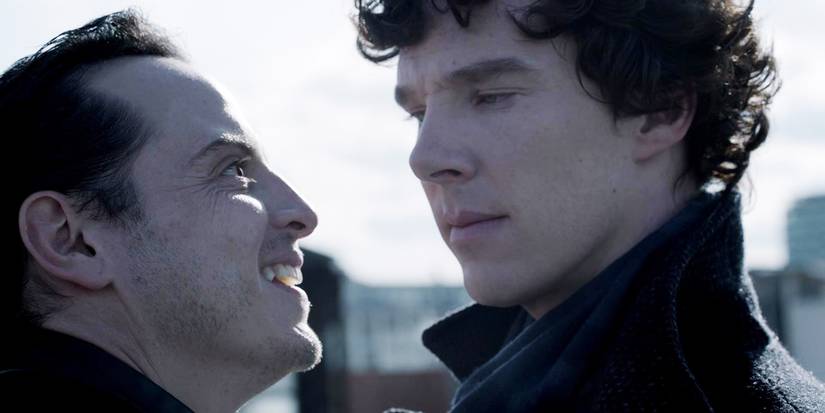
Many fans consider the second season of Sherlock to be its strongest, largely because of the introduction of Jim Moriarty, Sherlock’s ultimate enemy. Andrew Scott’s portrayal of Moriarty is widely praised as one of the greatest villainous performances in television history. Moriarty’s complex plans put Sherlock and everyone he cares about in danger, and force Watson to address Sherlock’s tendency to take reckless risks.
The latest season really highlights the strain in Sherlock and Watson’s relationship, especially while adapting the classic “Hound of the Baskervilles” story. It’s a well-crafted season with clever plots, complex mysteries, and characters that grow and change. We also get to see the return of popular characters like Irene Adler, who viewers missed in the first season.
The second season of Sherlock culminates in “The Reichenbach Fall,” widely considered its best episode, and features a truly unforgettable ending. While season 3 struggled with reversing the shock of Sherlock’s supposed death, and season 4’s storylines involving Mary proved divisive, season 2 remains the show at its strongest.
The Umbrella Academy
2019-2024, 4 Seasons
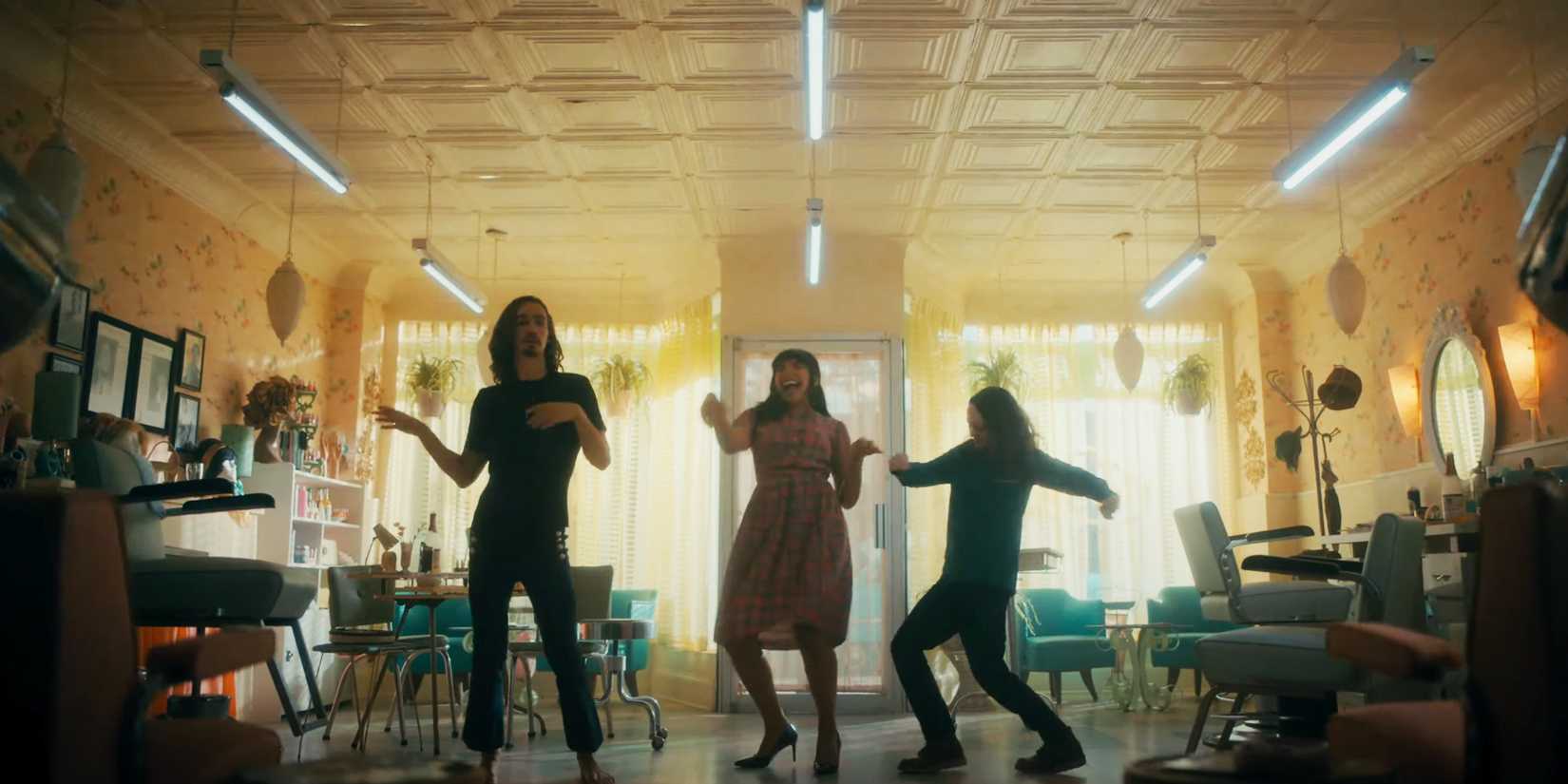
I honestly think The Umbrella Academy season 2 is incredible – a huge step up from an already great first season! They really took what worked before and fixed the few things that didn’t quite land. This season throws the Hargreeves siblings all over the 1960s, letting each of them have their own compelling story before bringing them back together because, of course, another apocalypse is on the way!
Even though the characters spent much of the season apart, the show manages to weave their individual stories together well, connecting them to the main problem. The first season was a good start, but season 2 of The Umbrella Academy feels much more polished and sure of itself, with a better flow and stronger relationships between the characters.
Over its four seasons, The Umbrella Academy became overly complicated, with constantly changing timelines and rules that made it hard to connect with the characters’ struggles. The show’s ending ultimately diminishes the impact of the characters’ journeys and development, highlighting season two as the series’ strongest point.
Riverdale
2017-2023, 7 Seasons
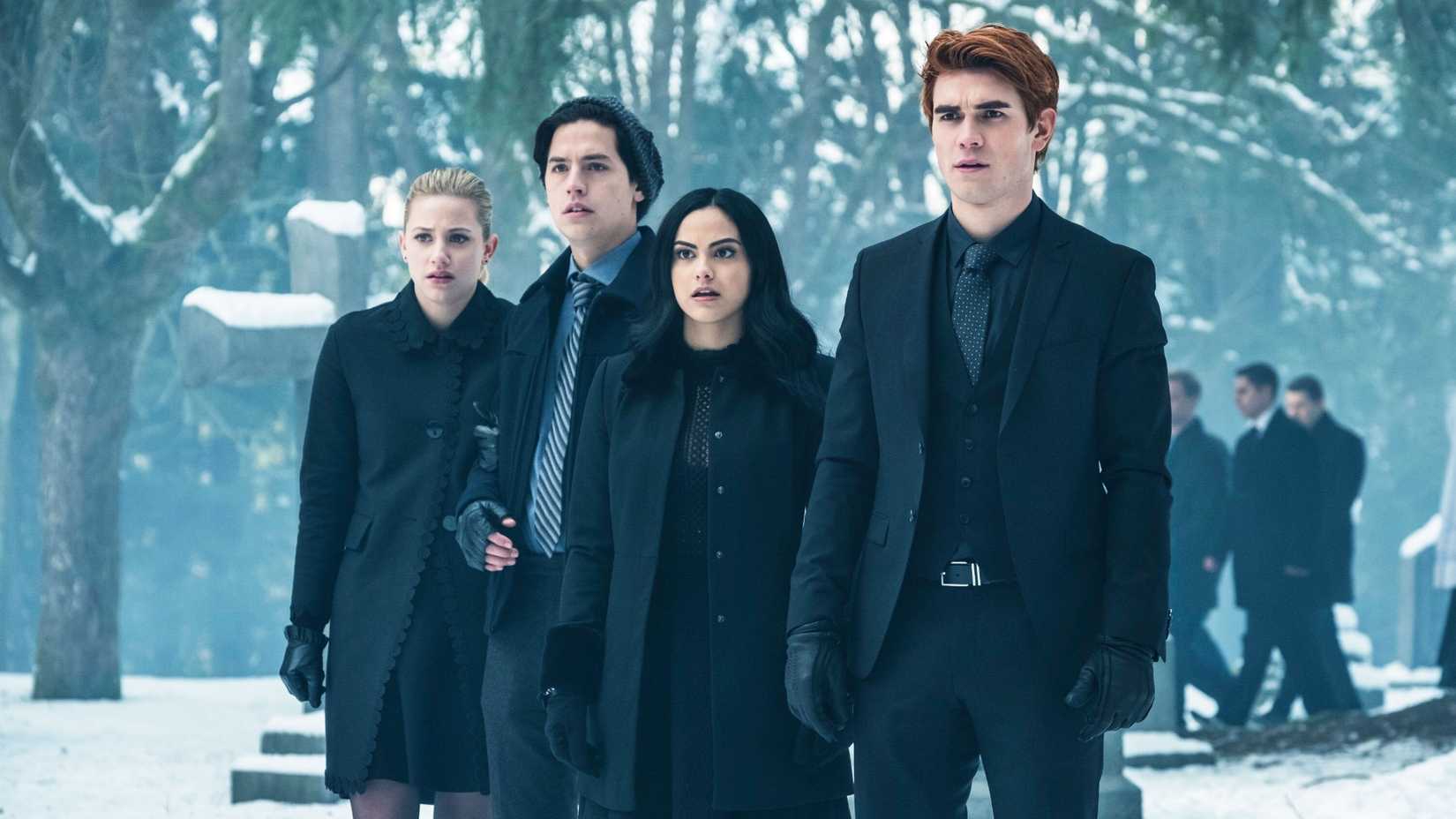
Riverdale started strong with a focused mystery about Jason Blossom’s death, creating a realistic and suspenseful atmosphere. The first season centered on the close relationships between the main characters, hidden family issues, and the secrets lurking beneath the surface of a peaceful-looking town.
The second season expanded on what came before by adding the Black Hood, a serial killer, which made the show a more intense thriller, but still felt believable. Things got more serious as Jughead became a Serpent, and Riverdale as a town felt increasingly risky and uncertain.
Season 2 of Riverdale featured more intense and dramatic stories than its first season, but it hadn’t become completely over-the-top yet. This makes it the last season where the show successfully combined escalating storylines with a sense of logic. Later seasons became increasingly strange and changed tone so much that Season 2 feels like the final point where Riverdale still resembled the grounded, noir-inspired show it originally was.
Once Upon A Time
2011-2018, 7 Seasons
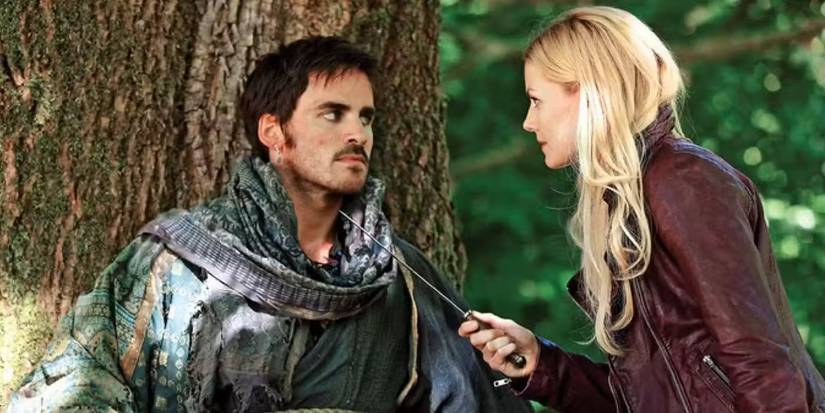
The show Once Upon a Time started with a smart idea: it combined classic Disney characters and fairy tales with a modern-day mystery. The first season introduced the town of Storybrooke and the magical Enchanted Forest, and revealed that the characters lived double lives. This helped viewers get used to the show’s time jumps and the way it moved between different worlds.
Season two of Once Upon a Time deepened the show’s magical world in a way that felt earned and exciting. It successfully brought more fantasy elements to Storybrooke while still keeping the focus on relatable characters and their emotional journeys. The season also raised the stakes effectively by introducing new conflicts and connections between characters, making the overall story feel larger and more complex, but not disjointed.
Beginning with season 3, the show started dividing each season into two smaller story segments. This made the plot feel forced and less natural. It also became increasingly clear the show was prioritizing marketing tie-ins, especially when characters from Frozen were rapidly added to season 4.
Over time, the show’s complex storylines became confusing and predictable. Season 7 of Once Upon a Time tried to revitalize the series with a fresh start, introducing new characters and a new location in a desperate effort to improve its declining popularity.
Arrow
2012-2020, 8 Seasons
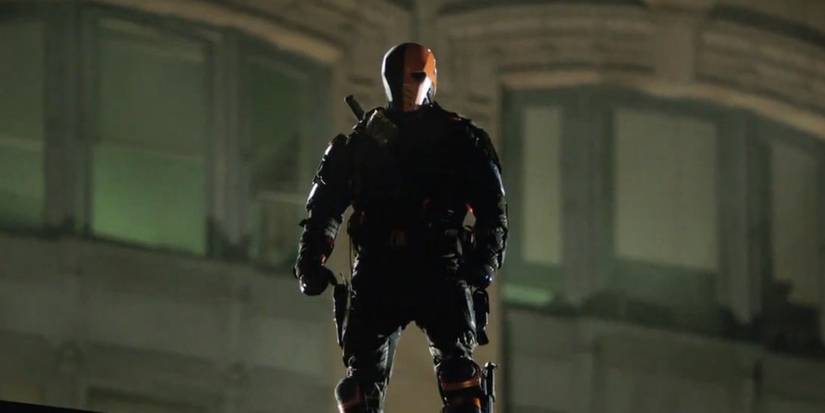
Many fans consider season 2 of Arrow to be one of the best seasons of any DC-based TV show. Building on a good first season that introduced Oliver Queen’s story, the second season significantly improved the show overall. The flashbacks showing Oliver’s experiences after being stranded on the island became more interesting and had a real impact on what was happening in the present.
Meanwhile, Manu Bennett’s portrayal of Deathstroke quickly became one of the most popular villains in Arrow, fueled by a deeply personal grudge against Oliver. The show also grew Oliver’s team, making their relationships more complex and the threats in Starling City even more intense.
The show’s second season was exceptionally well-paced and every plotline felt meaningful, making it a standout. Sadly, the quality declined significantly in subsequent seasons, which couldn’t replicate the focused storytelling and emotional impact of those earlier episodes. While Arrow continued for eight seasons in total, season 2 is widely considered its best.
Glee
2009-2015, 6 Seasons
The show Glee began with a winning combination of playful humor and heartfelt moments, and its second season built on that success. By making Santana and Brittany main characters, the show gained even more wit and depth in both its comedy and emotional storylines.
Blaine’s arrival was key to developing the show’s universe and solidifying the main cast of Glee. The group continued to compete, reaching both Regionals and Nationals. While Rachel struggled during her performance in New York, the ending was ultimately hopeful, hinting at future opportunities.
Over time, the show started to become a self-mockery, prioritizing flashy performances over meaningful character development. The later seasons of Glee had trouble finding a consistent tone and direction, particularly after the initial cast moved on from high school.
The show tried to refresh itself by moving the story to New York and introducing a new group of singers, but viewers didn’t embrace them the way they had the original characters. This led to a noticeable drop in popularity after a strong second season. It’s often disappointing when a TV series improves for a short time before losing its way.
Read More
- Netflix’s Little House On The Prairie Reboot: Release Date, Cast & Everything We Know
- Off Campus Season 1 Soundtrack Guide
- Silver Rate Forecast
- Prime Video’s New R-Rated Spy Thriller Is Officially No.1 On Streaming Despite Poor Reviews
- Brent Oil Forecast
- Gold Rate Forecast
- EUR ZAR PREDICTION
- YouTuber arrested after viral AI bodycam videos spark real police complaints
- 币安人生 PREDICTION. 币安人生 cryptocurrency
- Bulgakov’s Take: Koreans Bet the Farm on Chips, Crypto, and Chaos
2026-04-29 21:43