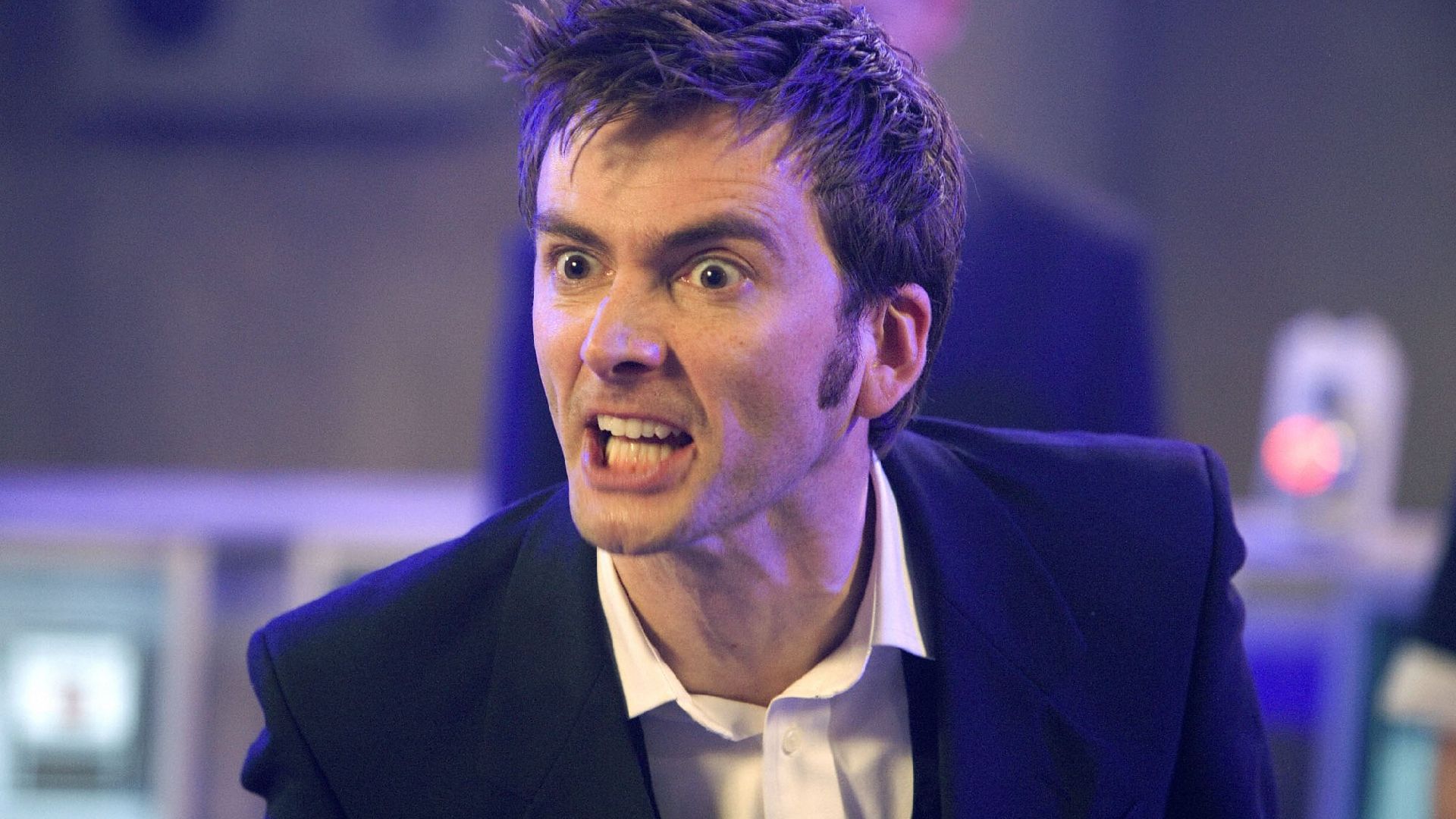
On May 13, 2006, Doctor Who significantly reimagined one of its most well-known enemies. The Cybermen, who first appeared when William Hartnell played the Doctor, quickly became a fan favorite, alongside the Daleks, as one of the show’s most iconic monsters. Since then, these metallic cyborgs have been a constant threat, appearing in some of the most thrilling science fiction television episodes ever made. Episodes like “Tomb of the Cybermen,” “The Invasion,” and “Earthshock” are just a few examples of their many memorable appearances.
It was only a matter of time before the Cybermen showed up in the revived Doctor Who series. Russell T Davies held off during the first season, including just a subtle hint in the “Dalek” episode, but fully introduced them in his second season with a two-part story. He then brought them back for the season finale, teaming them up with the Daleks.
These weren’t the Cybermen of classic Doctor Who stories. Traditionally, they came from Mondas, a lost planet once similar to Earth. The people of Mondas became the Cybermen because they had to use technology to survive after their planet was destroyed, and they then spread throughout the universe. However, in 2006, the show changed the Cybermen’s origin story, claiming they were created by a human entrepreneur on Earth and removing Mondas from their history. Essentially, their original backstory was erased.
Doctor Who’s New Cybermen Was A Villain Reboot That Worked
Updating classic Doctor Who villains for the modern show is a mixed bag. It’s often disappointing when characters like Omega have their origins drastically changed – for example, being moved from a unique antimatter dimension to a generic ‘under-universe’ – or when previously mysterious and powerful monsters are simply added to a list of standard supervillains.
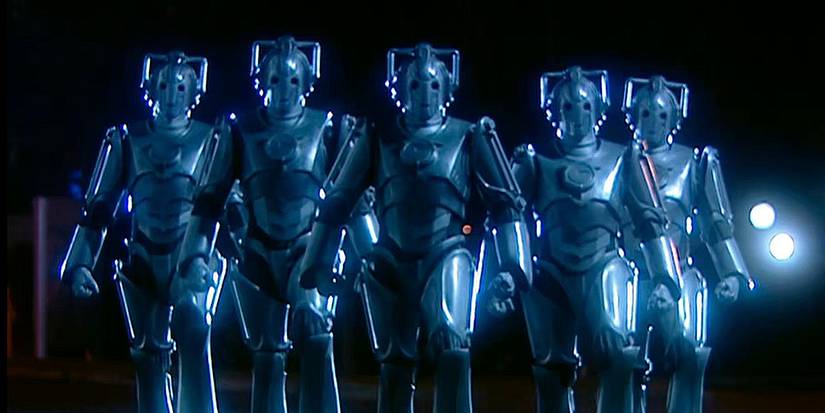
The recent reimagining of the Cybermen in Doctor Who stood out because it didn’t erase previous versions – both the old and new Cybermen could exist at the same time. The 2006 episodes, “Rise of the Cybermen,” cleverly introduced a parallel universe where the Cybermen originated on Earth instead of Mondas. This neatly explained the updated look, new origins, and any other changes to established lore. Often, rewriting history in a series can feel dismissive of what fans loved before. But “Rise of the Cybermen” avoided this problem by having the Doctor explicitly acknowledge that these were different Cybermen, and that history was unfolding in a new way.
The recent update to the Cybermen in Doctor Who wasn’t simply about making it palatable to existing fans—it actually made the villains even more frightening by deepening their backstory and motivations.
Even if the Cybermen originally were human, their alien origins made them truly frightening. Episodes like “Rise of the Cybermen” and “The Age of Steel” really emphasized the horror of people being forcibly turned into cybernetic creatures. Viewers witnessed the disturbing process of human flesh being attached to metal, accompanied by the screams of those being converted. A particularly chilling scene showed a newly-created Cyberman briefly regaining their emotions and remembering who they once were. This made the threat personal – it wasn’t just nameless people being turned into Cybermen, it was people you knew, like your friends or even Jackie Tyler.
Doctor Who’s Cyberman Return Is Underrated In The Modern Era
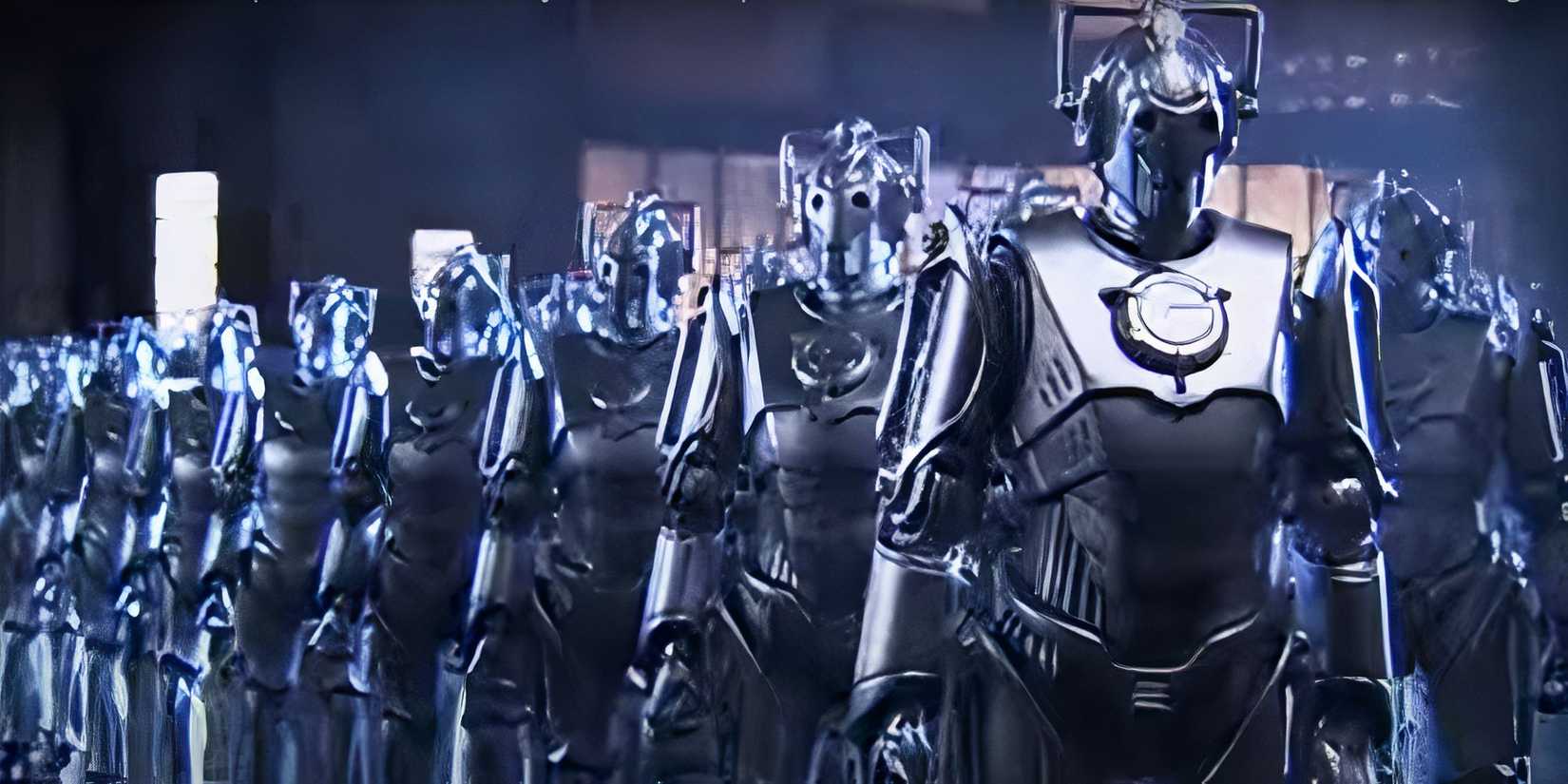
Episodes like “Blink” and “The Girl in the Fireplace” are frequently hailed as the best Doctor Who stories, and for good reason. However, “Rise of the Cybermen”/”The Age of Steel” doesn’t usually receive the same praise, which might not accurately reflect how good it actually is.
Season 2 of Doctor Who features one of the show’s strongest stories involving the Cybermen, largely because it gives everyone a chance to shine. For once, the Doctor isn’t the only focus; Rose has a touching reconnection with her family, the villain John Lumic gets a well-developed backstory, and the resistance fighters from the alternate universe play a crucial role. Even Mickey Smith, who had been relegated to a supporting role for two seasons, finally gets a meaningful storyline.
While “Doomsday” is often remembered as a standout episode featuring the Tenth Doctor and Rose Tyler, their first encounter with the Cybermen in “Rise of the Cybermen” and “The Age of Steel” laid the groundwork for many future storylines. The idea of a parallel universe introduced in those episodes proved valuable throughout the Tenth Doctor’s adventures. The writers revisited the concept of a bleak Earth controlled by a classic Doctor Who villain with both the Master and the Daleks in later seasons. They also explored the notion that the Cybermen represent a possible, frightening outcome of humanity’s progress, an idea they expanded upon during Peter Capaldi’s time as the Doctor with the return of the Mondasian Cybermen. Though not always considered a classic episode, “Rise of the Cybermen” and “The Age of Steel” provided the show with a wealth of creative possibilities.
Even if you don’t love the story, the episode featuring the Cybermen definitely delivered some of the most exciting action of its time. The attack on the Tyler’s house, the scary journey through the sewers, and the thrilling escape on a zeppelin all happen in just two parts, making it a particularly action-packed adventure.
Doctor Who’s Retcon Made Its Best Cybermen Story Possible
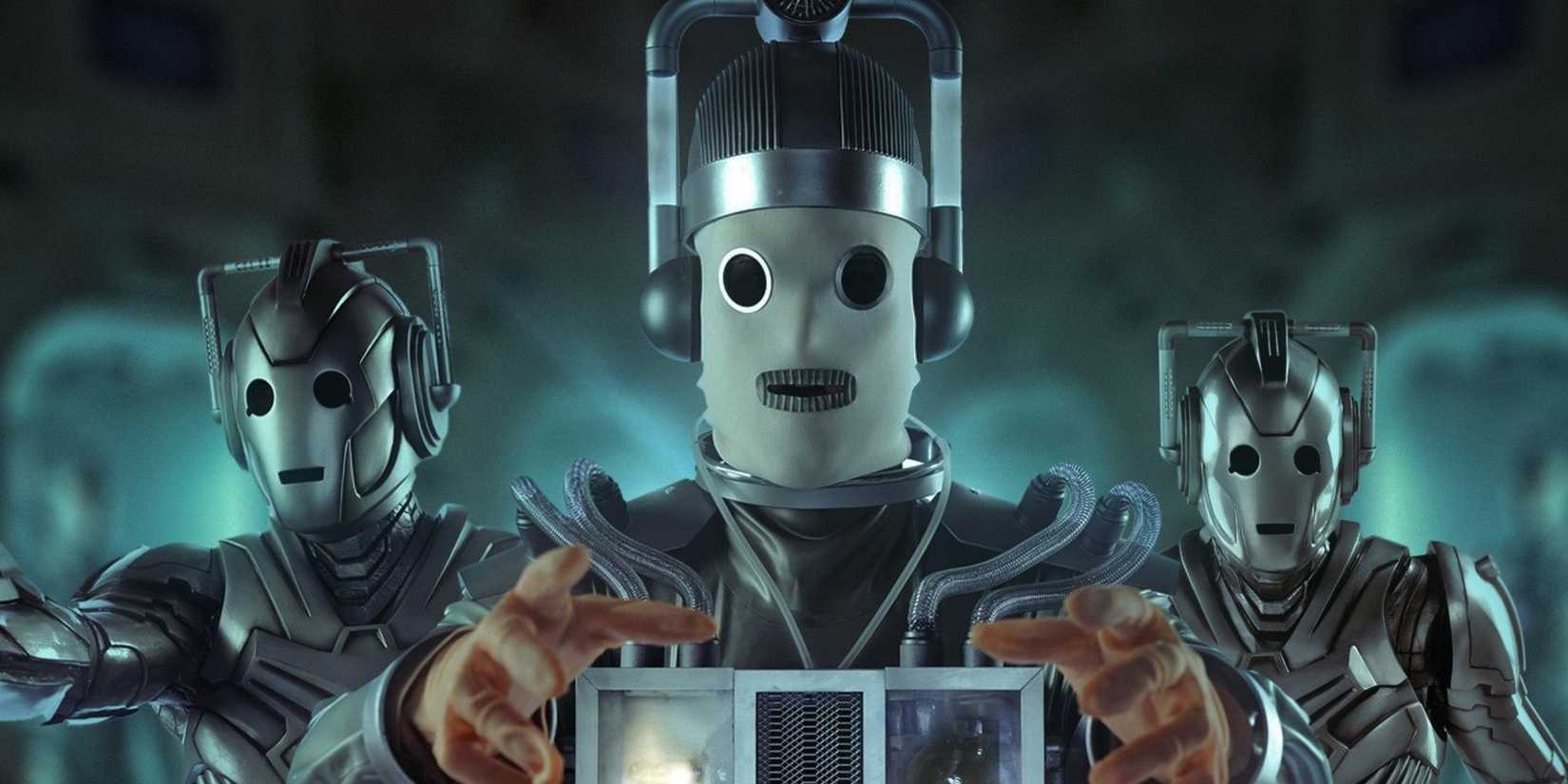
Doctor Who has a long history of fantastic Cyberman stories, but many fans consider the two-part episode “World Enough and Time”/”The Doctor Falls” from Peter Capaldi’s time as the Doctor to be the best. This story brilliantly combined the Cybermen, multiple versions of the Master, and the emotional impact of regeneration into a powerfully tragic narrative that remains unmatched.
Would that grandiose finale have been possible without “Rise of the Cybermen”/”The Age of Steel?” Likely not.
In 2006, the show cleverly revised its history to allow different versions of the Cybermen to exist in a shared multiverse. Steven Moffat then logically extended this idea, proposing that all human civilizations eventually develop their own version of the Cybermen – a concept similar to the Cylons in Battlestar Galactica. If season 2 had completely erased the Mondasian Cybermen from Doctor Who history, the powerful stories told in “World Enough and Time” and “The Doctor Falls” wouldn’t have been possible.
Looking back, the two-parter “Rise of the Cybermen” and “The Age of Steel” really changed things for me as a Doctor Who fan. Before that, companions were usually safe, but those episodes proved that a character you loved could face something truly awful – becoming a Cyberman. Jackie Tyler was the first, and honestly, it was a shock. But then poor Danny Pink, and later Bill Potts, suffered the same fate. It really drove home the point that traveling with the Twelfth Doctor was incredibly risky, and you never knew if your favorite character would make it out as themselves.
I remember when the Cybermen came back in 2006 – it wasn’t their absolute best appearance, honestly. But for a lot of us younger fans – anyone under 30 at the time – it was our very first proper introduction to what made the Cybermen so legendary. Thinking back, almost 20 years later, it’s a really great way to discover everything about these iconic villains, and I still have a soft spot for it.
Read More
- Netflix’s Little House On The Prairie Reboot: Release Date, Cast & Everything We Know
- Off Campus Season 1 Soundtrack Guide
- YouTuber arrested after viral AI bodycam videos spark real police complaints
- Silver Rate Forecast
- Prime Video’s New R-Rated Spy Thriller Is Officially No.1 On Streaming Despite Poor Reviews
- Brent Oil Forecast
- Peaky Blinders: The Immortal Man’s Tommy Shelby Is a Better Father Than Michael Corleone
- Gold Rate Forecast
- EUR ZAR PREDICTION
- Bulgakov’s Take: Koreans Bet the Farm on Chips, Crypto, and Chaos
2026-05-13 15:49